Hours & Base Ticket
Essential Rules
Shamian Island: Guangzhou's Treaty-Port Layer
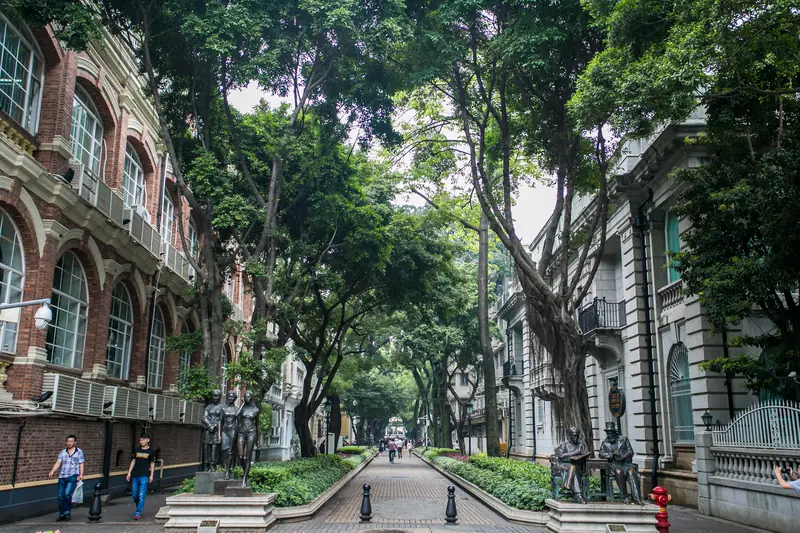
Shamian Island (沙面岛) is one of Guangzhou's easiest places to enjoy slowly. In about 0.3 square kilometers, you get banyan shade, European-style facades, old consulate and bank buildings, two churches, Pearl River breezes, wedding-photo crews, and a calm that feels almost suspicious in a city this busy. The catch: Shamian is beautiful, but it is not just a pretty "European street" - it is Guangzhou's colonial concession history compressed into a walkable island.
1.5-3h
Walk Time
0.3 sq km
Island Size
54
Protected Buildings
Lines 1/6
Best Metro
1Small Island
Shamian is compact enough for a relaxed 90-minute walk, but dense enough to reward a slower half-day.
2Trade History
Banks, consulates, clubs, churches, and trading houses show how foreign power occupied urban space.
3Living Park
Trees, benches, river wind, churches, hotels, schools, cafes, and local walkers keep the island from feeling frozen.
A Self-Guided Shamian Walking Route
For a first visit, start at Huangsha Station (黄沙站) and walk west to east. That gives the route a clean shape: enter from the old-city side, cross onto the island, read the architecture, then leave toward Cultural Park, Yongqingfang, or Qingping Market.
- Huangsha Station(黄沙站)- Lines 1 and 6; easiest west-side metro start
- West Bridge and White Swan Area(西侧入口 / 白天鹅宾馆)- Cross onto the island and feel the pace drop
- Shamian South Road and Park(沙面南街 / 沙面公园)- Pearl River breeze, trees, benches, and waterfront views
- Shamian Main Street(沙面大街)- Core architecture walk through banks, clubs, and old offices
- Customs Red House and HSBC Site(海关红楼 / 汇丰银行旧址)- Read the island through trade, banking, and institutional facades
- Our Lady of Lourdes Chapel(沙面露德圣母堂)- French-side church landmark and exterior-first stop
- Christ Church Shamian(沙面堂)- Active Protestant church on the former British side
- Cultural Park or Yongqingfang Exit(文化公园 / 永庆坊)- Continue into old Liwan or leave by metro
The full route takes about 1.5 to 3 hours. If you are simply walking and taking photos, 90 minutes is enough. If you want to sit by the river, compare buildings, stop for coffee, or pair the island with Qingping Market, Yongqingfang, or the Thirteen Hongs Museum, give it a half-day.
Walk for Atmosphere, Not Completion
Shamian is not a checklist attraction. Pick a direction, slow down, and let the street rhythm do the work: shade, facades, quiet roads, church corners, and the river edge.
Start at Huangsha and Cross In
Huangsha Station (黄沙站) (Google | Amap)
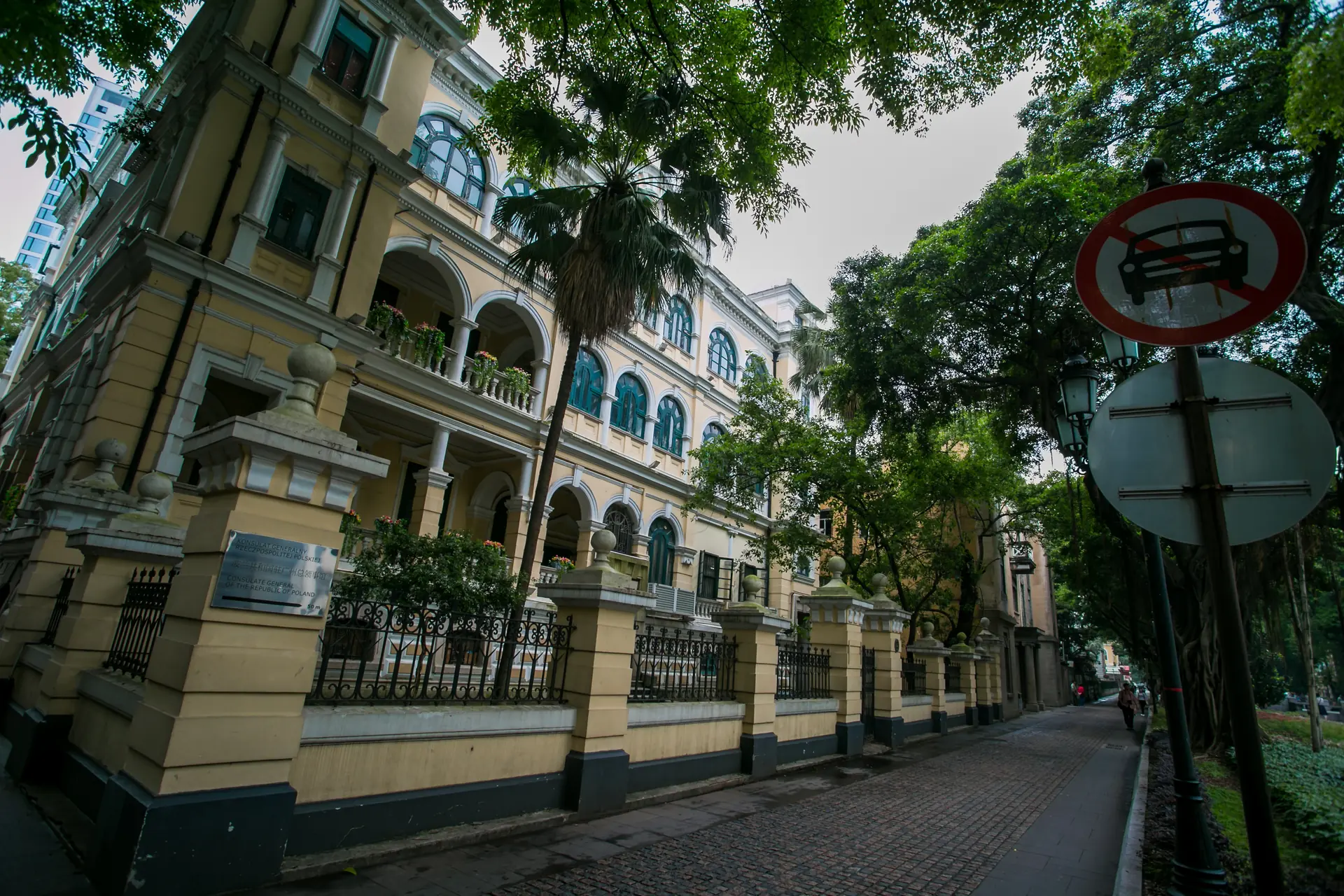
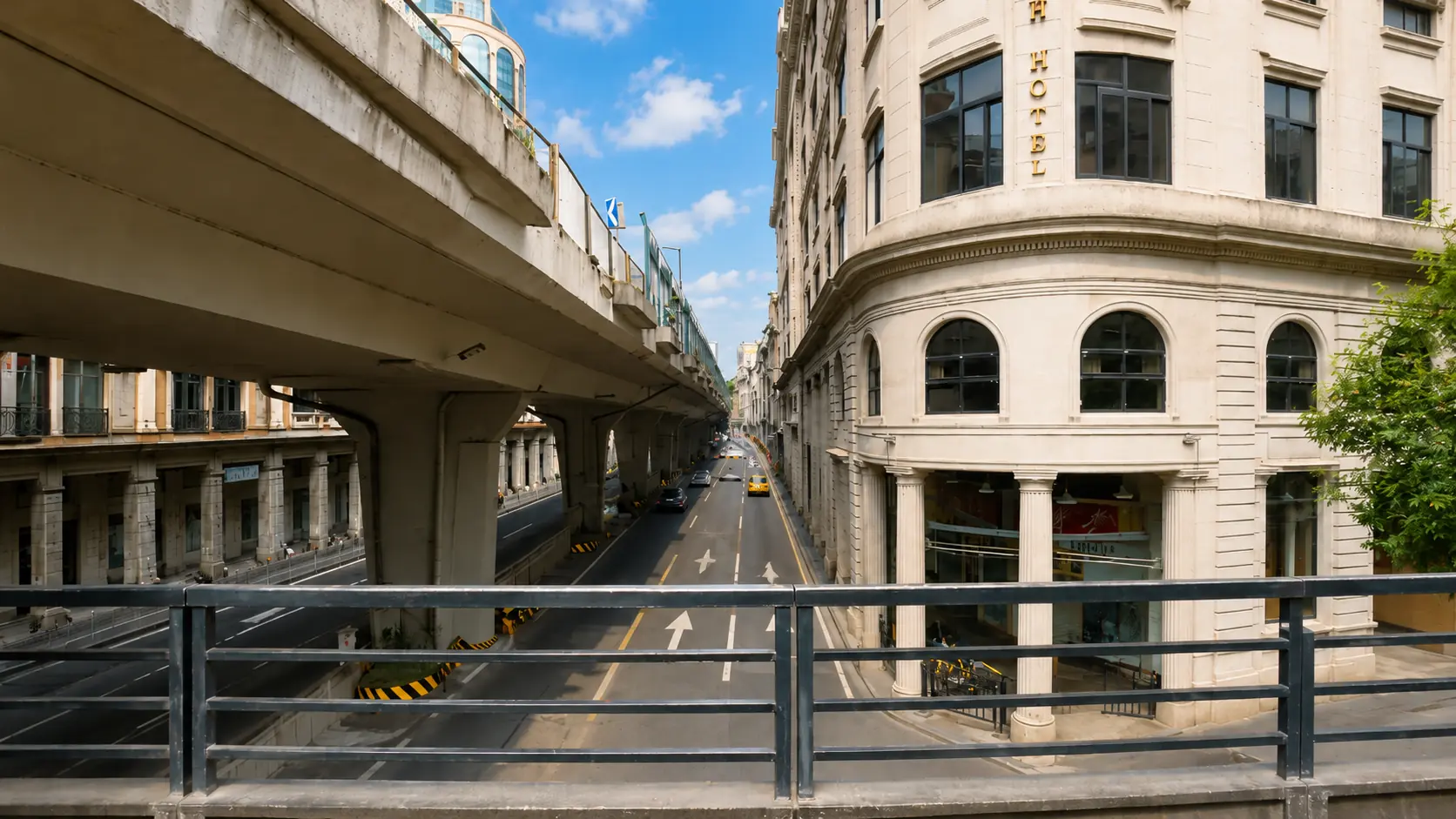
Huangsha is the cleanest starting point because it sits close to Shamian's west side and connects Guangzhou Metro Lines 1 and 6. From the station area, cross toward the island by the pedestrian route or bridge.
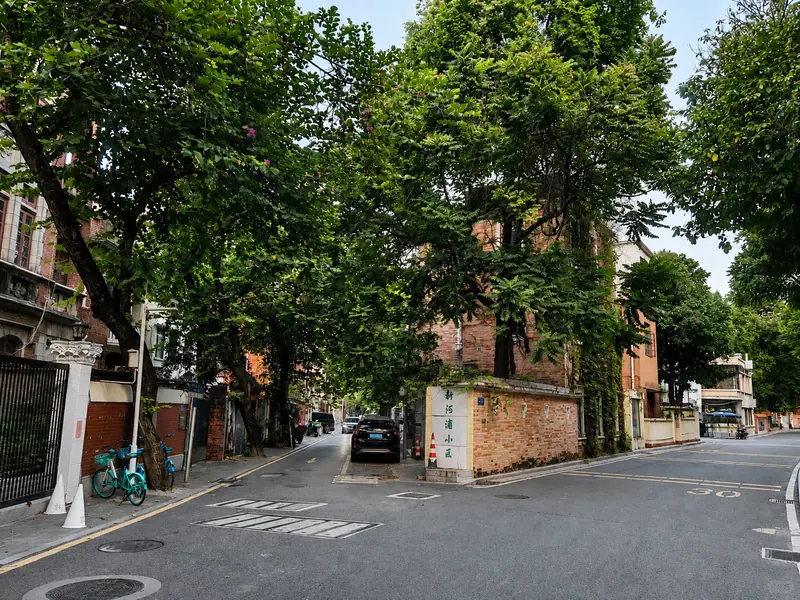
The transition is the first thing to notice: traffic noise drops, tree shade thickens, road speed slows, and the buildings start to stand back from the street.
Do not rush to the first landmark. North of the canal you are still in old Liwan traffic and market life; on the island, the streets widen, the trees get older, and the architecture feels arranged for walking, shade, and display.
Banks, Clubs, and Trade Facades
Read Shamian's architecture by function, not as decorative villas floating in a park. Consulates, banks, trading houses, clubs, churches, customs-related buildings, and residences shared this small concession space.
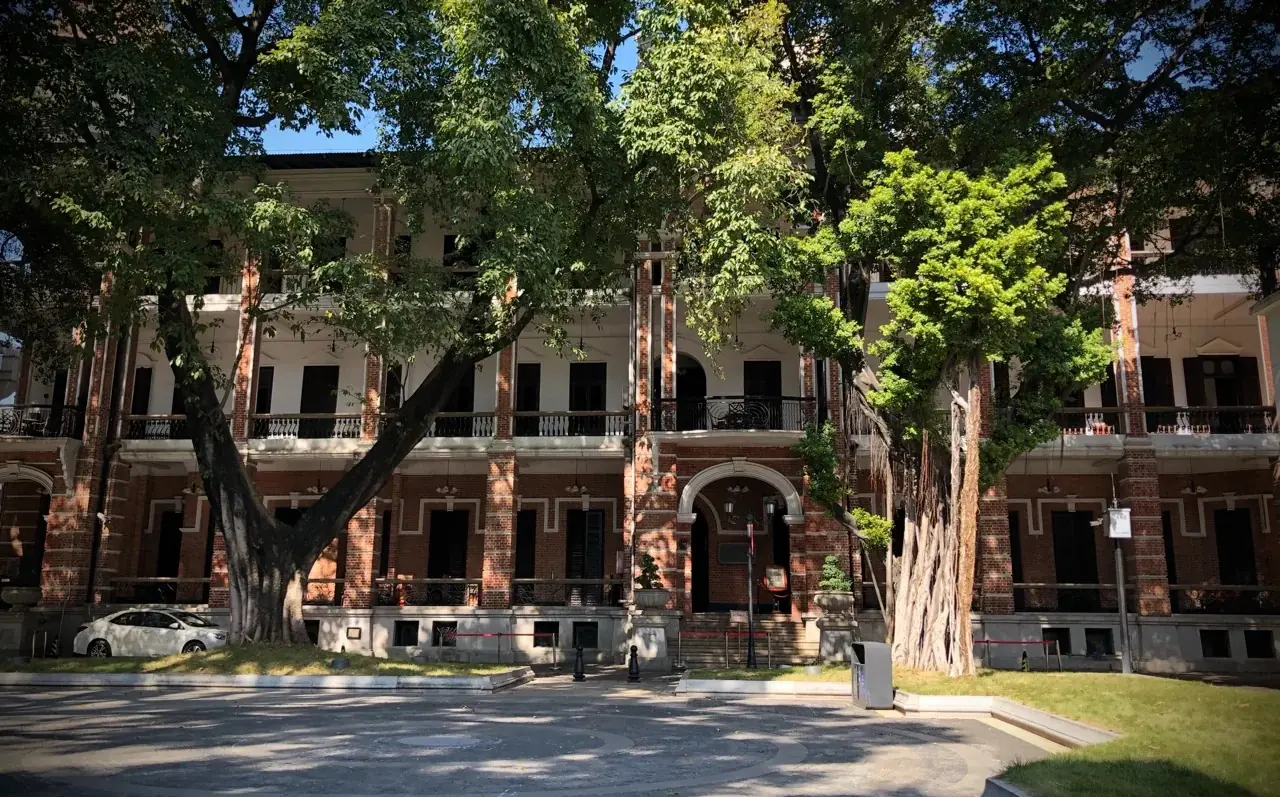
Arches, balconies, brick color, and club-like proportions make this one of Shamian's clearest trade-history facades. It photographs easily, but the point is institutional: customs, clubs, foreign administrative life, and river trade were part of the same island system.
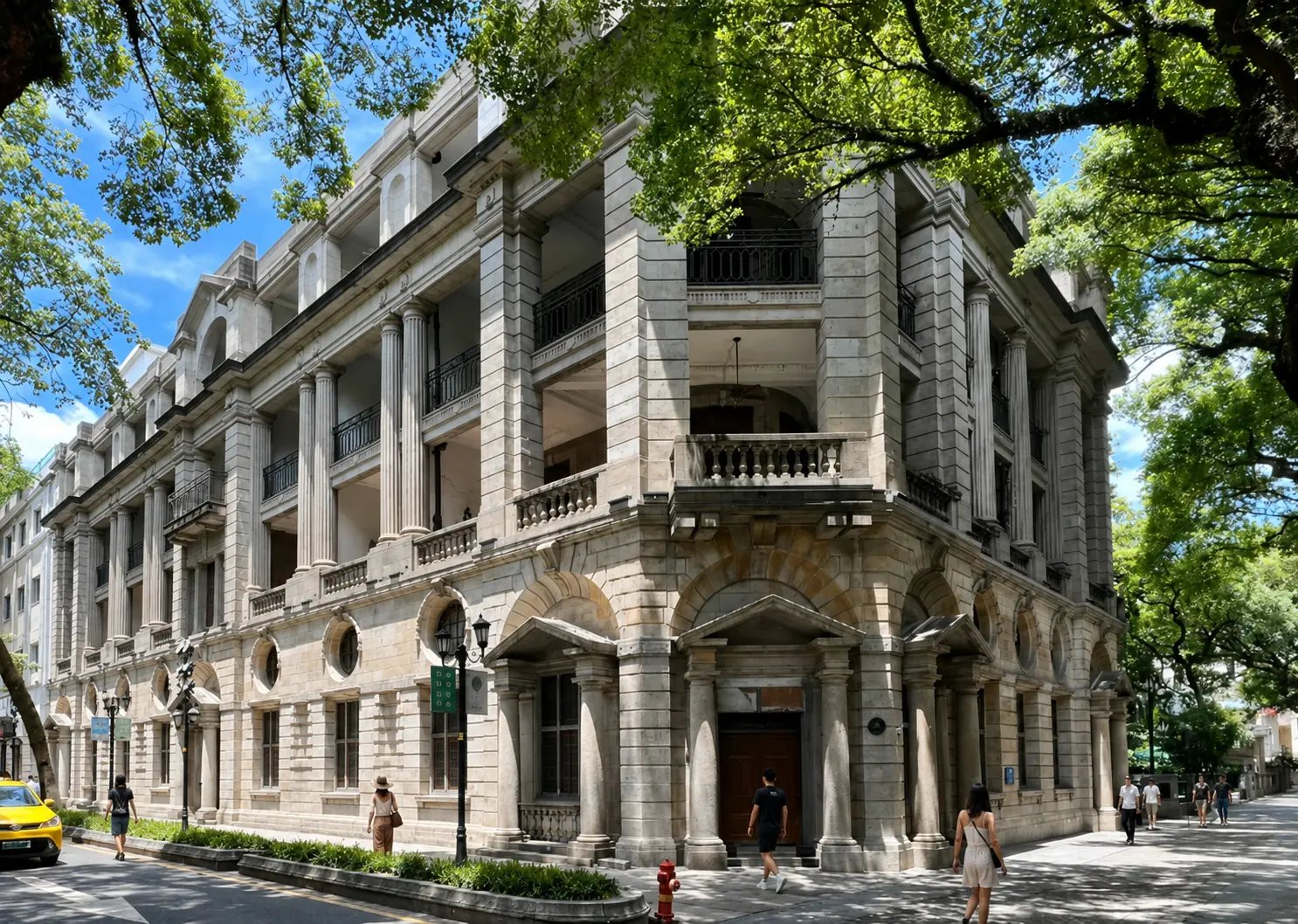
Classical symmetry, heavier entrances, columns, and corner presence speak a different language: finance, authority, and stability. It is easy to say "colonial architecture" and move on; more useful is to ask what each facade was trying to project.
Banks: look for symmetry, thick entrances, columns, and street-corner confidence — the visual language of trust and capital.
Clubs and firms: verandahs, balconies, red brick, and shaded edges point to social life, trade offices, and climate adaptation.
Southern climate: deep eaves, louvered windows, high ceilings, and outdoor corridors helped buildings handle Guangzhou heat and humidity.
Two Churches, Two Concession Edges
Shamian's two best-known churches help you understand the island's former Anglo-French division. Read them as religious sites first, photo landmarks second, and architectural clues third.
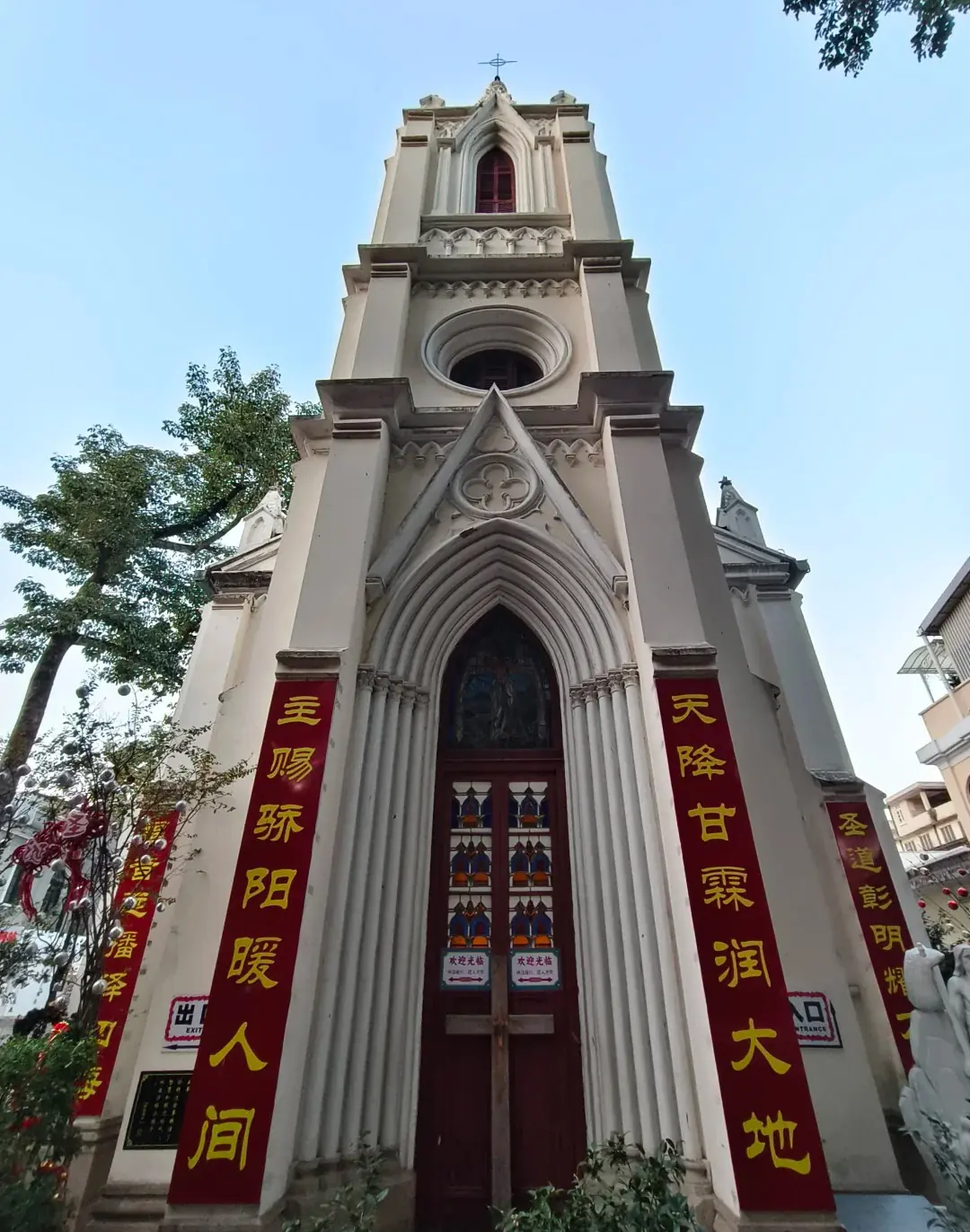
This Catholic landmark stands on the former French side, with a pale facade, pointed forms, and a Gothic Revival feel. It is usually the island's most immediately recognizable church image.
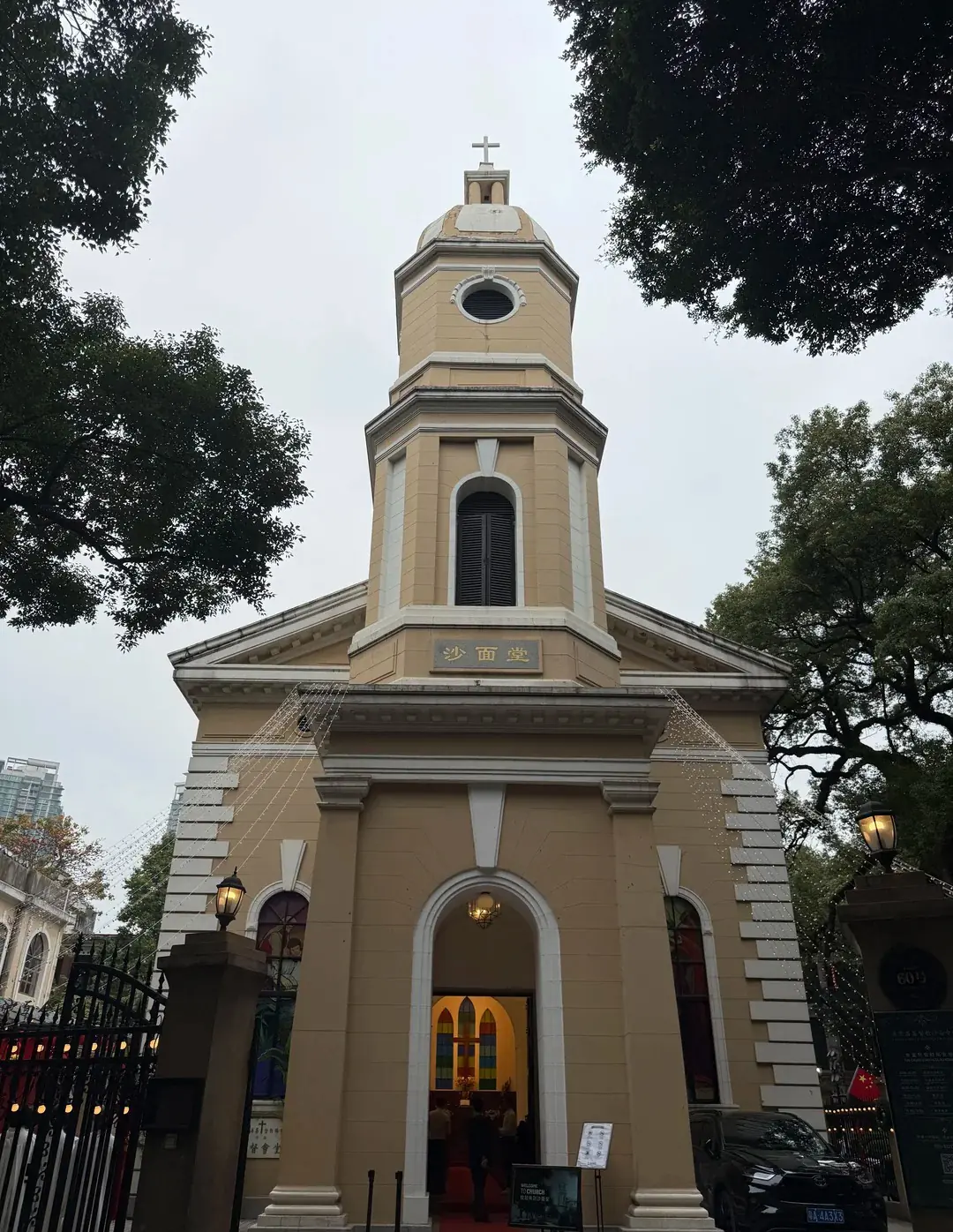
Christ Church Shamian, also known as Shamian Christian Church, belongs to the island's Protestant layer and is associated with the former British side. Its brickwork and simpler massing give a different texture from the white Catholic chapel.
For visitors, the safest expectation is exterior-first. Religious sites may be active, closed for services, open only at certain times, busy with weddings, or affected by maintenance. If a church is open and quiet, enter respectfully. If a service or private event is happening, let the building remain part of the street scene.
Church etiquette: Shamian is popular for wedding photos, but the churches are still religious spaces. Keep voices low, avoid door-blocking poses, and follow posted notices or staff guidance.
Riverfront, Park, and White Swan Finish
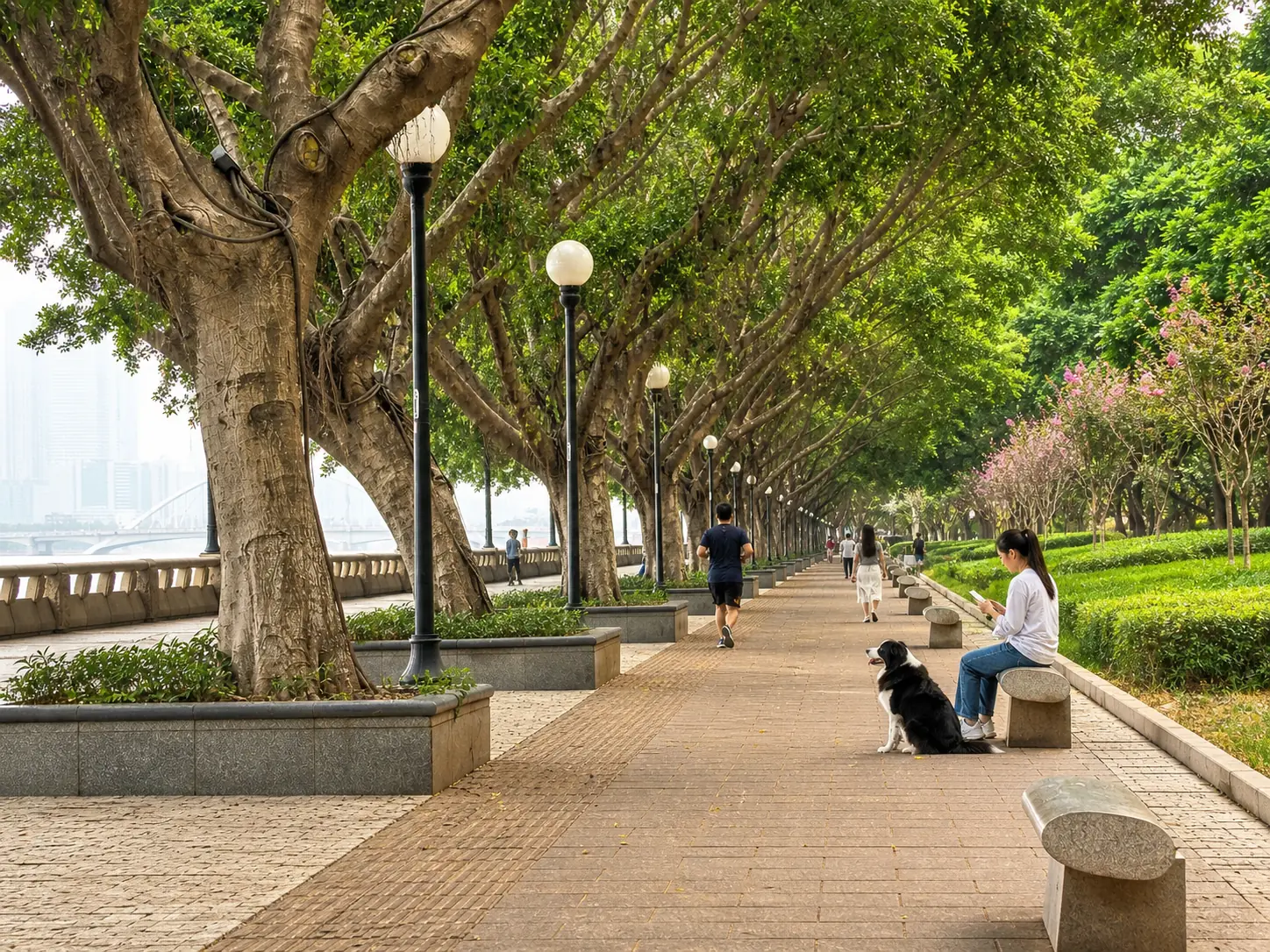
Shamian Park (沙面公园) (Google | Amap)
Shamian's south side is where the walk relaxes. Shamian Park faces the Pearl River and White Swan Pond, with trees, benches, river wind, older walkers, children, photo groups, and a softer pace than the architecture-heavy middle streets.
This is the best place to pause rather than keep hunting for buildings. Sit for a few minutes, look across the water toward Fangcun, and let the island's colonial-era facades and Guangzhou's river life sit beside each other without forcing one tidy explanation.
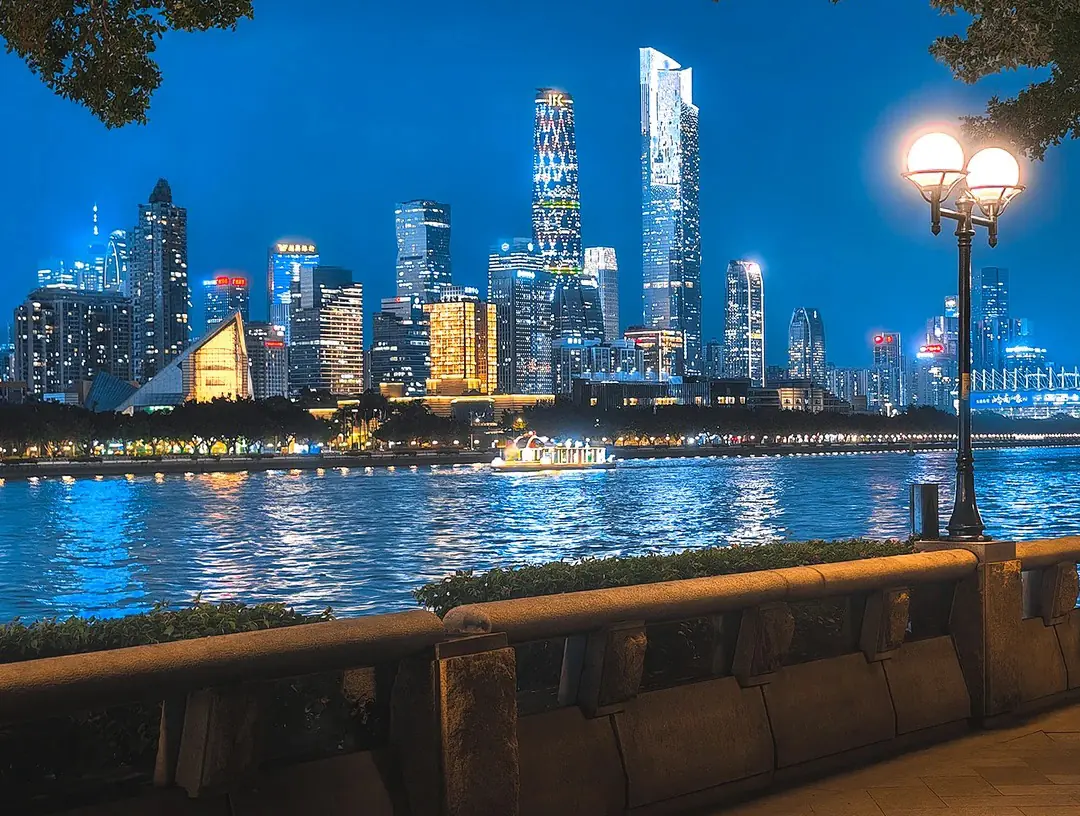
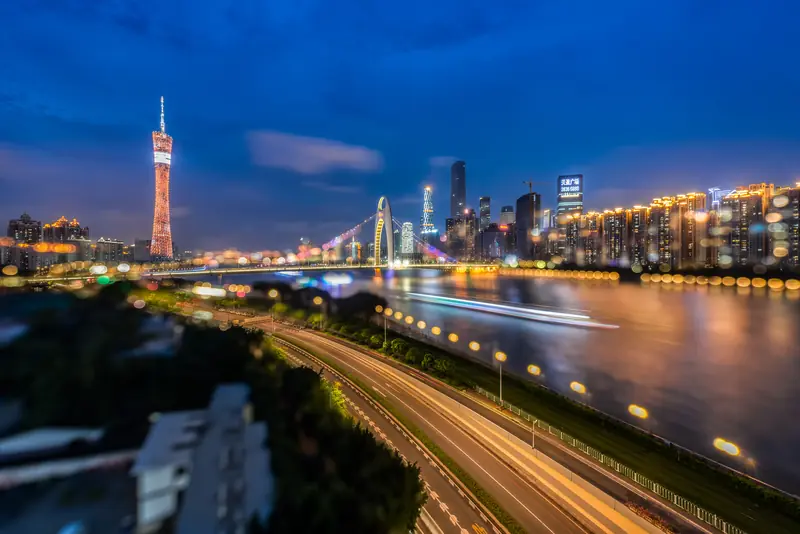
Night view from the White Swan Pond waterfront
White Swan Hotel (白天鹅宾馆) (Google | Amap)
The White Swan Hotel adds another layer. It is not a 19th-century concession building, but it belongs to Shamian's modern memory.
Opened in the early reform-era hotel boom, it became a symbol of Guangzhou reconnecting with overseas visitors, business travel, and a new phase of international-facing hospitality.
If you are short on time, end here and leave by Huangsha. If you still have energy, continue east toward Cultural Park Station or north into old Liwan. Shamian is quiet; the neighborhoods around it are louder, tastier, and more local.
Best Times, Weather, and Etiquette
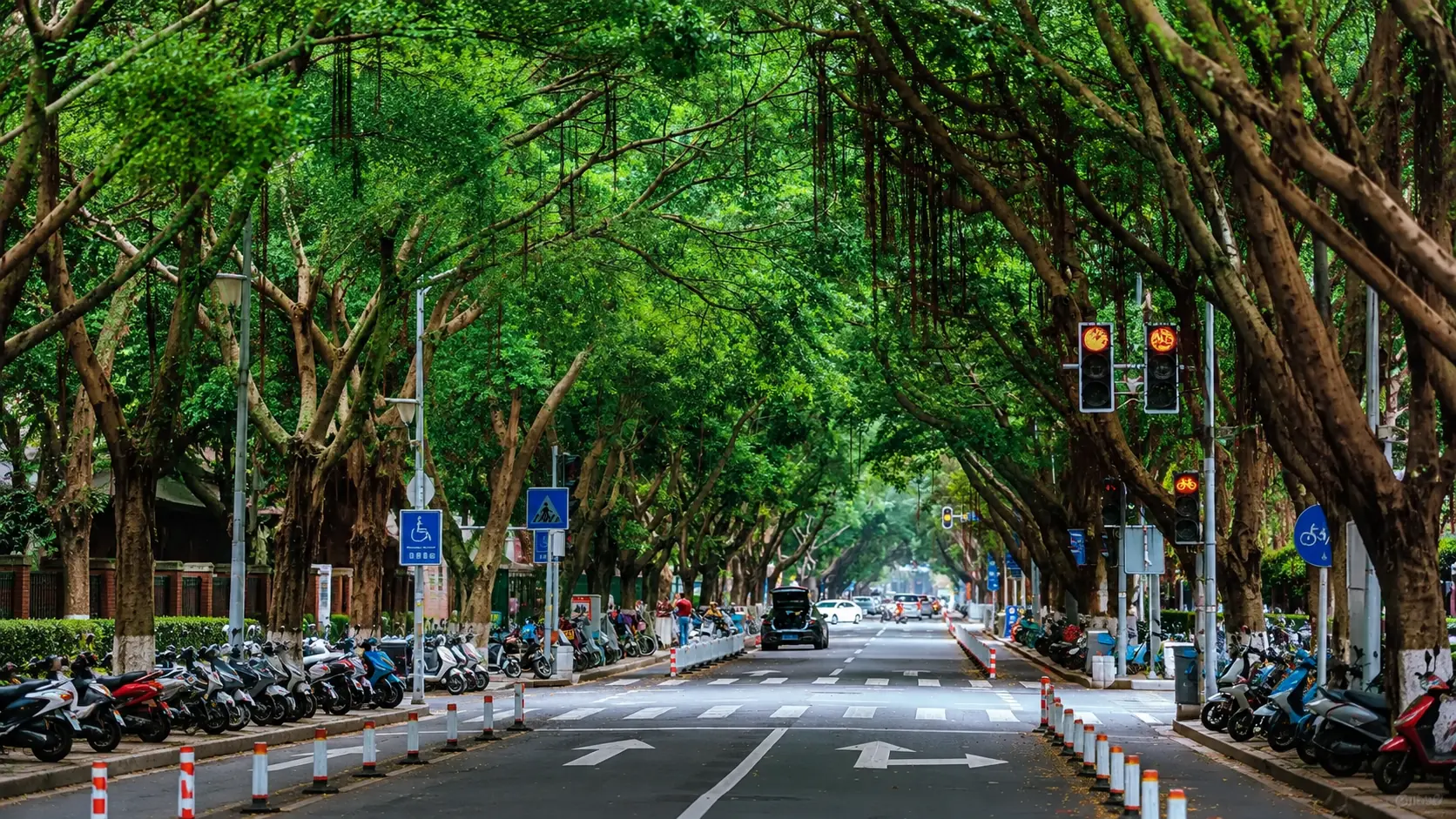
Weekday morning · 08:30-10:30
Calmer for architecture, nearly empty street photos, and soft light through the trees.
Late afternoon · 16:00-sunset
Better for river air, long shadows, and a gentle finish before dinner.
Weather check
Summer midday can feel heavy despite the shade. Rain deepens brick and tree colors, but brings slippery paving, puddles, mosquitoes, and sudden storms.
1Best for Photos
Weekday mornings give cleaner facades, fewer portrait crews, and softer light through the trees.
2Best for River Air
Late afternoon lets you finish by Shamian Park and White Swan Pond as the heat drops.
3Best to Avoid
Summer noon, heavy rain, typhoon warnings, and holiday afternoons make a slow walk harder.
Pair Shamian with Old Guangzhou
Shamian is easy to pair with other Liwan and old-city stops. The best combination depends on what you want from the day.
← swipe to compare all options →
Old Liwan Half-Day
Chen Clan, Yongqingfang, Shamian
- ✓Good historical sequence from Lingnan craft to concession streets
- —Works best if you keep each stop focused
- ✗Too much if you also add Canton Tower before dinner
Best first-time culture route
Food and Shamian
Yum cha, island walk, Liwan snacks
- ✓Pairs naturally with our Guangzhou food guide
- —Use Shamian as the digestion walk after morning tea
- ✗Do not judge Guangzhou food by island cafes alone
Best slow Guangzhou day
Trade and market add-ons
For trade history, add the Thirteen Hongs Museum (广州十三行博物馆) before or after the walk. For a rawer street contrast, continue north to Qingping Medicine Market (清平中药材市场). For a more polished old-Liwan evening, choose Yongqingfang.
What Shamian Walks Get Wrong
1Calling It Little Europe
That may describe the first visual impression, but it flattens the history. The buildings grew from concession power, foreign trade, religious institutions, banking, and colonial-era privilege.
2Chasing Interiors
Most travelers will experience Shamian from the street, and that is fine. Many buildings are offices, institutions, hotels, religious spaces, private facilities, or not consistently open to tourists.
3Isolating the Island
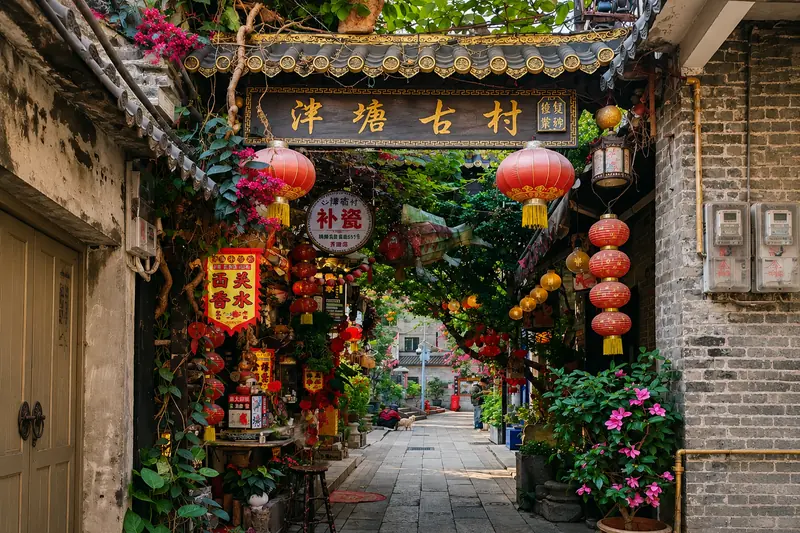
Shamian is calmer than the neighborhoods around it, but the story continues across the canal: Xiguan, Qingping, Thirteen Hongs, Yongqingfang, Shangxiajiu, teahouses, herbal markets, and river trade.
Use the Island as a Bridge
Let Shamian connect your Guangzhou day rather than dominate it. It works beautifully between morning tea, old Liwan lanes, Qingping Market, and a Pearl River evening.
Frequently Asked Questions
Yes, especially if you like architecture, quiet streets, riverfront walking, and modern history. It is not a high-energy attraction, but it is one of Guangzhou's easiest and most atmospheric slow walks.
Sources checked for this guide
- Current 0.3 sq km island scale and official concession/architectural overview: Liwan District official Shamian guide
- Current approximately 159-building stock and 54-building national-protection set: Liwan District 2026 conservation notice
- 1861 concession history, 1946 recovery and 1996 national-protection status: Guangdong local-history office
- Trade, consulate, bank and 54-building protection context: Liwan District heritage proposal
- Christ Church Shamian address, active worship status and current service schedule: Shamian Church official site
- 0.3 sq km geography and unequal-treaty historical framing: Guangzhou Municipal Government guide
Beyond This Guide
Use Shamian as Guangzhou's quiet old-city pause, then build the rest of the day around food, trade history, and river light.
- Guangzhou Food Guide - for yum cha, roast meats, noodles, desserts, and where to eat before or after the walk
- Guangzhou Day Trip - for a full first-timer route that already includes Shamian
- Qingping Medicine Market - for a rawer Liwan market contrast within walking distance
- Museum of the Nanyue King - for a much older layer of Guangzhou history beyond the concession era
© gochinafreely.com — Original guide by Go China Freely.