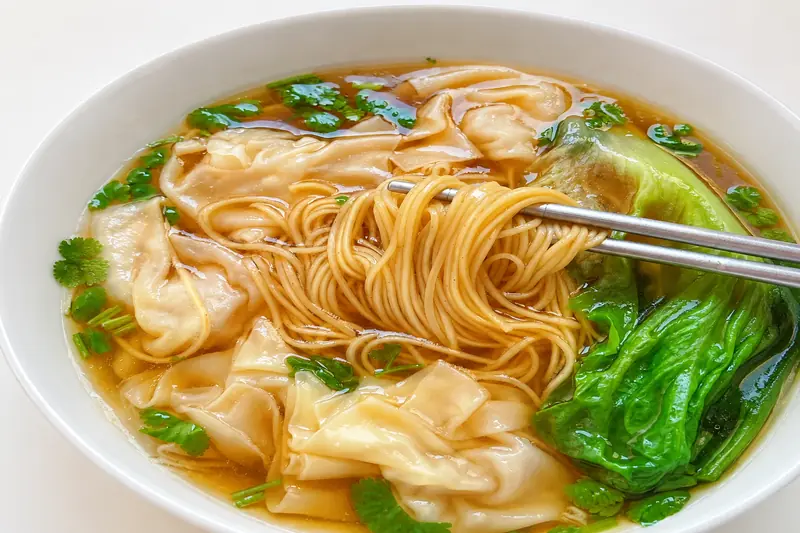
Wontons (馄饨) are one of China's gentlest travel foods: thin wrappers, hot broth, and a bowl that can cost less than a coffee at home. But the same English word covers Shanghai small wontons, Cantonese wonton noodles, Sichuan red-oil wontons, and Fujian-style soup snacks. This guide shows you which bowl to order first, how to read the Chinese names, and what to watch for if pork, shrimp, wheat, chili oil, or sesame matters.
Executive Summary
What wontons mean
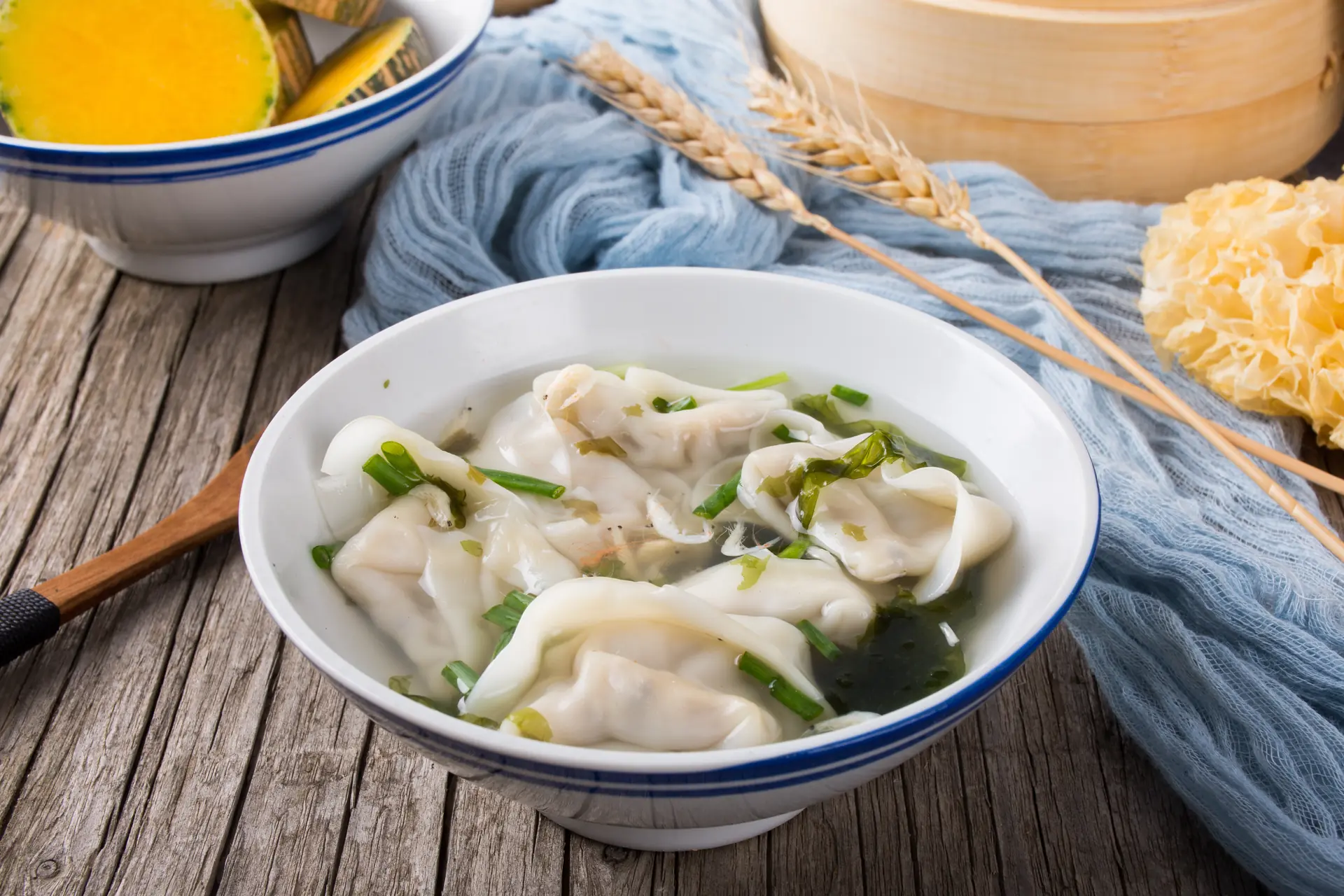
Think thin wrappers, small savory fillings, and broth or sauce. Wontons are related to dumplings, but they are not the same default order as jiaozi.
Best first bowl
Start with clear-broth pork wontons, Cantonese shrimp wonton noodles, or a mild clear-broth Sichuan version before moving to red-oil styles.
Main traveler trap
English menus use dumpling loosely. Read the Chinese name: 馄饨, 云吞, and 抄手 point to different regional bowls.
¥10-35
Casual bowl range
3 names
馄饨 / 云吞 / 抄手
Thin skin
Main texture cue
Soup first
Best beginner order
Cloud-Like Wrappers, Not Regular Dumplings
The useful way to understand wontons is not through a long origin story. It is through texture. A wonton wrapper is usually thinner and softer than a jiaozi wrapper, so the loose edges float in the soup instead of giving you the firm, chewy bite of a boiled dumpling.
The Chinese names change by region. In much of northern and eastern China, you will see wontons written as 馄饨. In Guangdong and Hong Kong, the same broad family often appears as 云吞. In Sichuan, the menu word is 抄手. In Fujian, Jiangxi, and related snack-shop traditions, you may see 扁食 or 清汤 used for local versions.
The fastest menu shortcut
If you want a warm, light bowl, look for 馄饨, 云吞, 抄手, or 清汤. If you want a plate of hearty dumplings with dipping sauce, look for 饺子 instead.
Wontons vs Jiaozi and Soup Dumplings
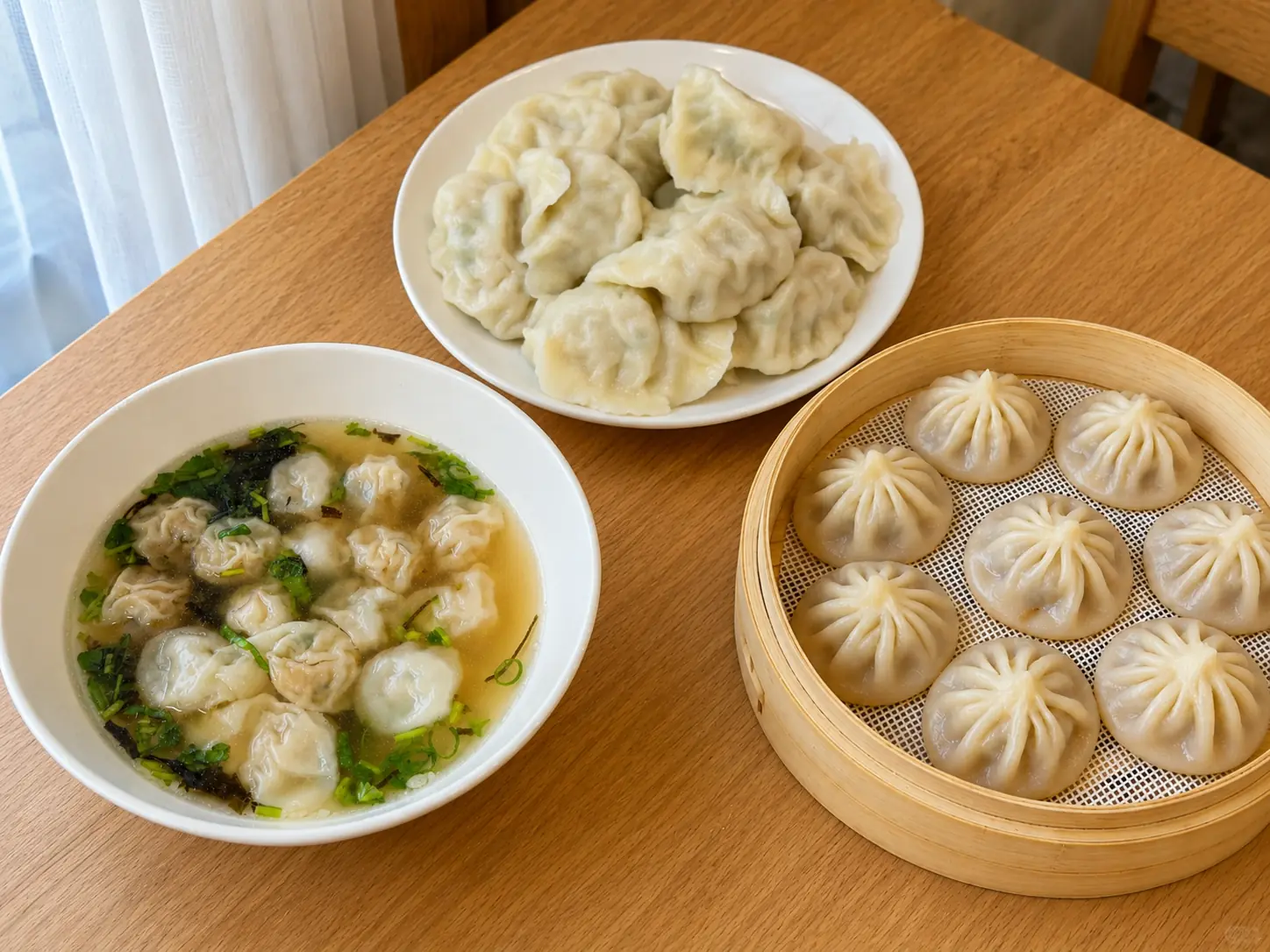
English menus create confusion because "dumpling" covers too much. Wontons, jiaozi, xiaolongbao, baozi, shumai, and har gow can all be translated loosely as dumplings, but they behave very differently at the table.
- Chinese
- 馄饨 / 云吞 / 抄手
- What It Feels Like
- Thin wrapper, soft edges, usually in broth or sauce
- Traveler Translation
- A soup or sauced dumpling snack
- Chinese
- 饺子
- What It Feels Like
- Firmer wheat wrapper, sealed crescent or ingot shape
- Traveler Translation
- The standard boiled, steamed, or pan-fried dumpling
- Chinese
- 小笼包
- What It Feels Like
- Small steamed bun with hot broth inside
- Traveler Translation
- A spoon-first soup dumpling, not a wonton
- Chinese
- 包子
- What It Feels Like
- Fluffy leavened dough, bread-like wrapper
- Traveler Translation
- A filled steamed bun
If a shop translates wontons as dumplings, do not panic. Just use the Chinese name and the cooking style. Want soup? Choose wontons. Want a full plate with vinegar on the side? Choose jiaozi. Want the Shanghai steamer basket with soup inside each piece? Choose xiaolongbao.
Four Regional Wonton Styles
Shanghai Small Wontons
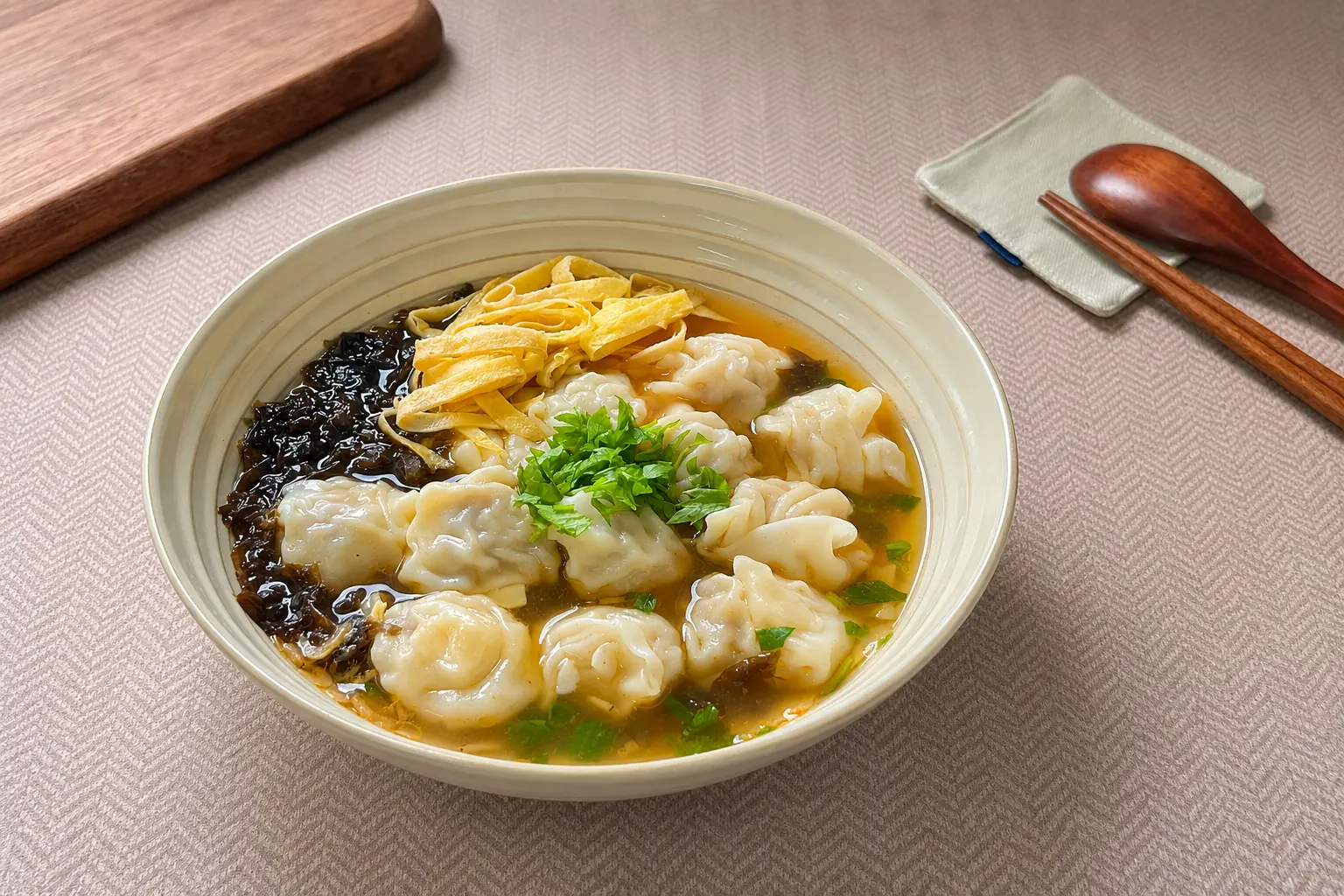
Shanghai and Jiangnan wontons come in two useful forms. Small wontons (小馄饨) are light, thin-skinned, and often served in a clear soup with seaweed, egg strips, dried shrimp, scallions, pickles, or sesame oil. Large wontons (大馄饨) are more filling and may use pork, shepherd's purse, shrimp, mushroom, or three-delicacy fillings.
The Shanghai municipal English site notes that Wanshou Zhai (万寿斋) is also known for three-delicacy wontons with pork, dried shrimp, and bamboo shoots. That is the kind of everyday Shanghai context travelers should look for: not glossy dining, but a breakfast-and-snack shop where wontons, soup dumplings, noodles, and simple sides share the table.
Cantonese Wonton Noodles

Cantonese wonton noodles are a different discipline. The bowl is often smaller than foreign visitors expect: springy thin noodles, clear broth, leafy greens, and shrimp-forward wontons with a little pork. The pleasure is precision, not size.
The Hong Kong Tourism Board's Ho To Tai Noodle page is a useful example of the style: it describes handmade wonton noodles, duck-egg noodles, shrimp roe, and broth with pork-and-shrimp wontons. In Guangzhou, Mak's Wonton Noodles (麦奀记云吞面世家) (Google | Amap) is a practical first-timer stop if your route already passes through Yuexiu.
Sichuan Red-Oil Wontons
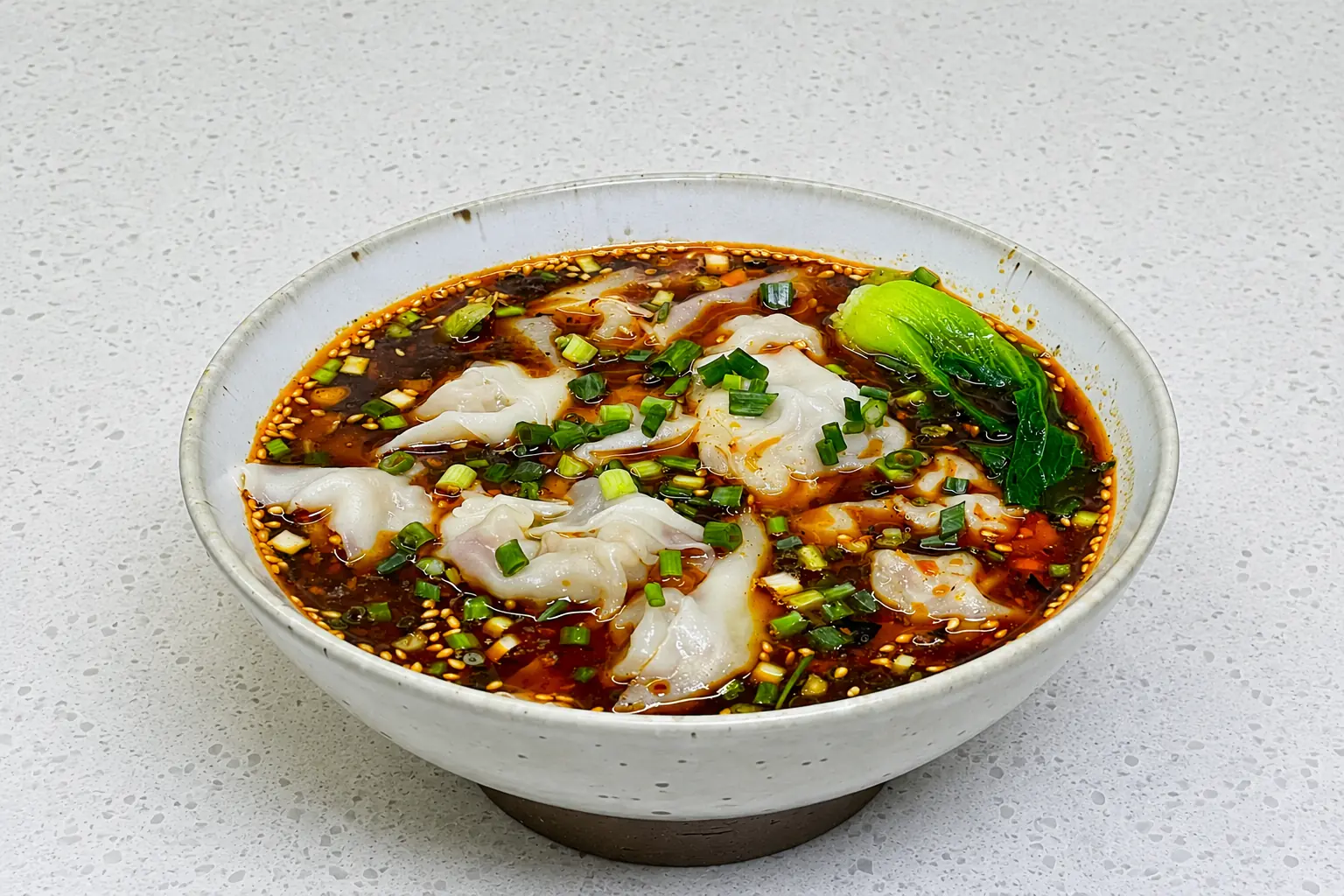
In Sichuan, wontons become 抄手. The famous version is red-oil wontons (红油抄手), where the sauce matters as much as the filling: chili oil, soy sauce, vinegar, garlic, sugar, scallions, and sometimes Sichuan pepper or sesame. The best bowls are fragrant and balanced, not just brutally hot.
Clear-broth versions also exist, and they are smarter for children, tired travelers, or anyone whose stomach needs a calmer meal. The Sichuan provincial government page for Long Chaoshou (龙抄手) (Google | Amap) describes it as a famous Chengdu snack that began in 1941 and lists red-oil, clear-broth, seafood, chicken-broth, and hot-sour versions.
Fujian and Other Soup-Shop Wontons
Fujian, Jiangxi, Chaoshan, and chain snack-shop versions are less famous internationally, but they are useful on the road. Look for small shops selling 扁食, 清汤, noodles, steamed dumplings, or Shaxian-style snacks. These bowls are usually quick, cheap, and mild enough for a travel day when you do not want a heavy meal.
What to Order First
For a first bowl, choose the gentlest local baseline before chasing the most intense version. In Shanghai, start with small wontons or three-delicacy large wontons. In Guangzhou or Hong Kong, order shrimp wonton noodles. In Chengdu or Chongqing, choose clear-broth wontons if you are unsure about spice, then try red-oil wontons once you know the shop.
Prices vary too much to promise. As a planning range, a casual wonton bowl often falls around ¥10-35, with simple neighborhood bowls at the low end and branded, central, noodle-heavy, or tourist-area bowls higher. Check the current menu before you order, especially near scenic areas, airports, railway stations, and malls.
Want gentle soup
First-timer safe
- ✓Order clear-broth wontons or small wontons.
- ✓Best for breakfast, children, jet lag, or a light dinner.
- —Still check pork, wheat, and shrimp.
Want noodles
Cantonese route
- ✓Order shrimp wonton noodles in Guangzhou or Hong Kong.
- ✓Expect a smaller, precise bowl, not a giant noodle meal.
- —Shrimp and seafood broth are common concerns.
Want chili oil
Sichuan route
- ✓Order red-oil wontons if you like chili, garlic, and vinegar.
- ✓Ask for clear broth if you want the same snack family without heat.
- —Sesame, peanuts, and shared chili oil can matter for allergies.
Where to Try Wontons in China
Do not build a full day around one bowl unless you are already doing a food crawl. Wontons work best as a route-friendly meal: breakfast before sightseeing, a quick lunch between museums, or a late bowl when a heavy dinner sounds exhausting.
Go for old-neighborhood rhythm: small wontons, soup dumplings, noodles, and simple sides in Hongkou. It is more useful for atmosphere and context than polished service.
A practical stop for shrimp-forward Cantonese wonton noodles: thin noodles, clear broth, and a compact bowl that teaches the Guangzhou/Hong Kong style quickly.
Useful when you want Sichuan wontons plus other classic Chengdu snacks in one stop. Order red-oil for aroma or clear-broth if you want a calmer bowl.
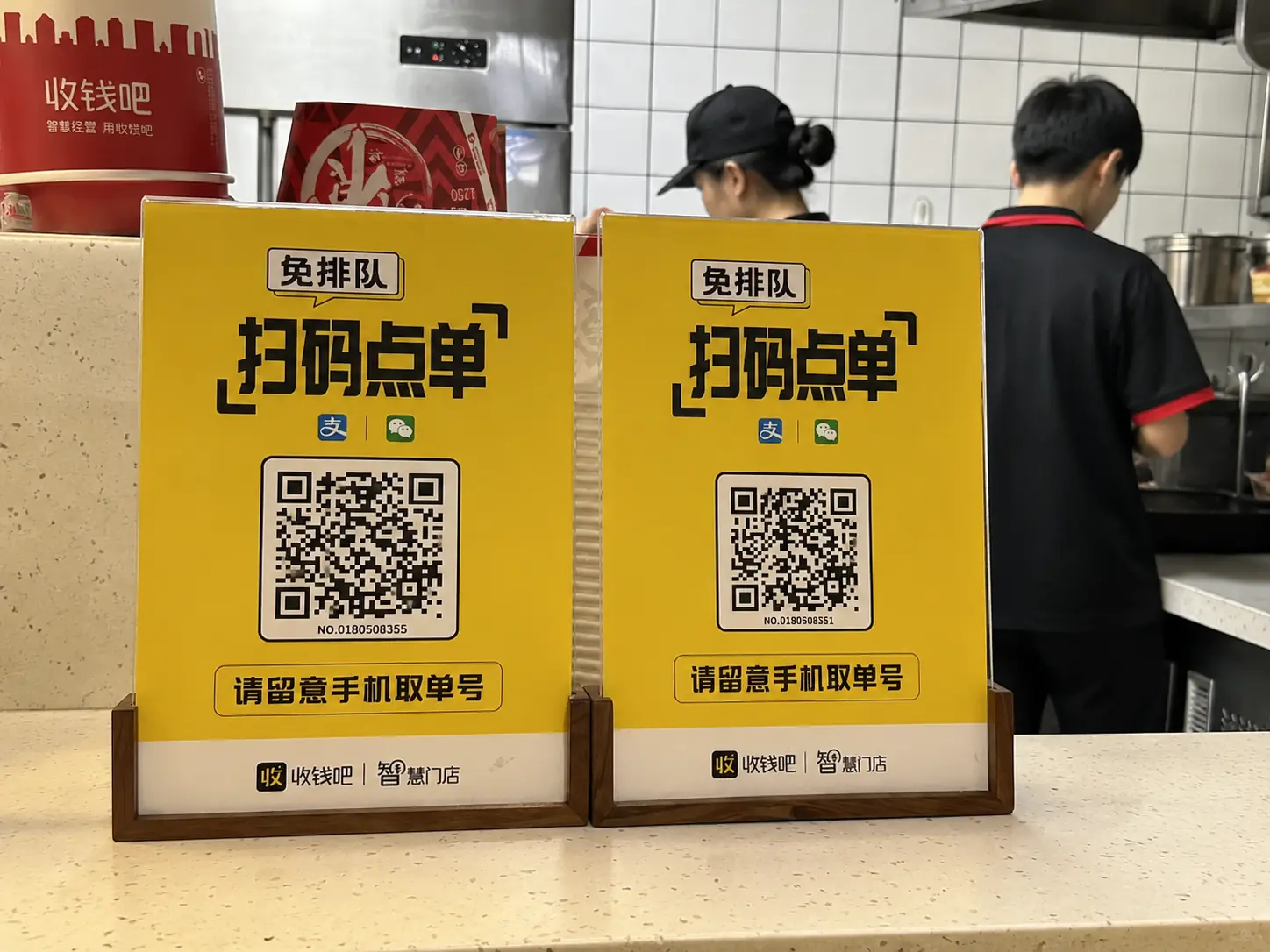
In other cities, shop type matters more than famous names. Search for wonton shops, noodle shops, breakfast stalls, old snack brands, or neighborhood chains. If the English menu looks vague, scan for 馄饨, 云吞面, 红油抄手, 清汤抄手, or 扁食.
Ordering Phrases for Wontons
In busy snack shops, showing Chinese characters is usually clearer than trying to pronounce everything. Use these phrases for pointing, QR-code menus, or quick verbal orders.
| English | Chinese | Pinyin | Say It Like… |
|---|---|---|---|
| One bowl of small wontons | 一碗小馄饨 | yì wǎn xiǎo húntun | ee wahn shyow hoon-tun |
| One bowl of wonton noodles | 一碗云吞面 | yì wǎn yúntūn miàn | ee wahn yoon-toon myen |
| Red-oil Sichuan wontons | 红油抄手 | hóng yóu chāoshǒu | hong yo chow-show |
| Clear-broth Sichuan wontons | 清汤抄手 | qīng tāng chāoshǒu | ching tahng chow-show |
| No chili heat | 不要辣 | bù yào là | boo yow lah |
| No pork | 不要猪肉 | bù yào zhūròu | boo yow joo-roh |
| Does it contain shrimp? | 里面有虾吗? | lǐmiàn yǒu xiā ma | lee-myen yo shya mah |
| Can I take it to go? | 可以打包吗? | kěyǐ dǎbāo ma | kuh-yee dah-baow mah |
Pointing is normal
Most small shops are busy, not unfriendly. Point at the Chinese name, choose the size, and say whether you want chili. That solves most ordering problems faster than a long English explanation.
Dietary and Allergy Notes
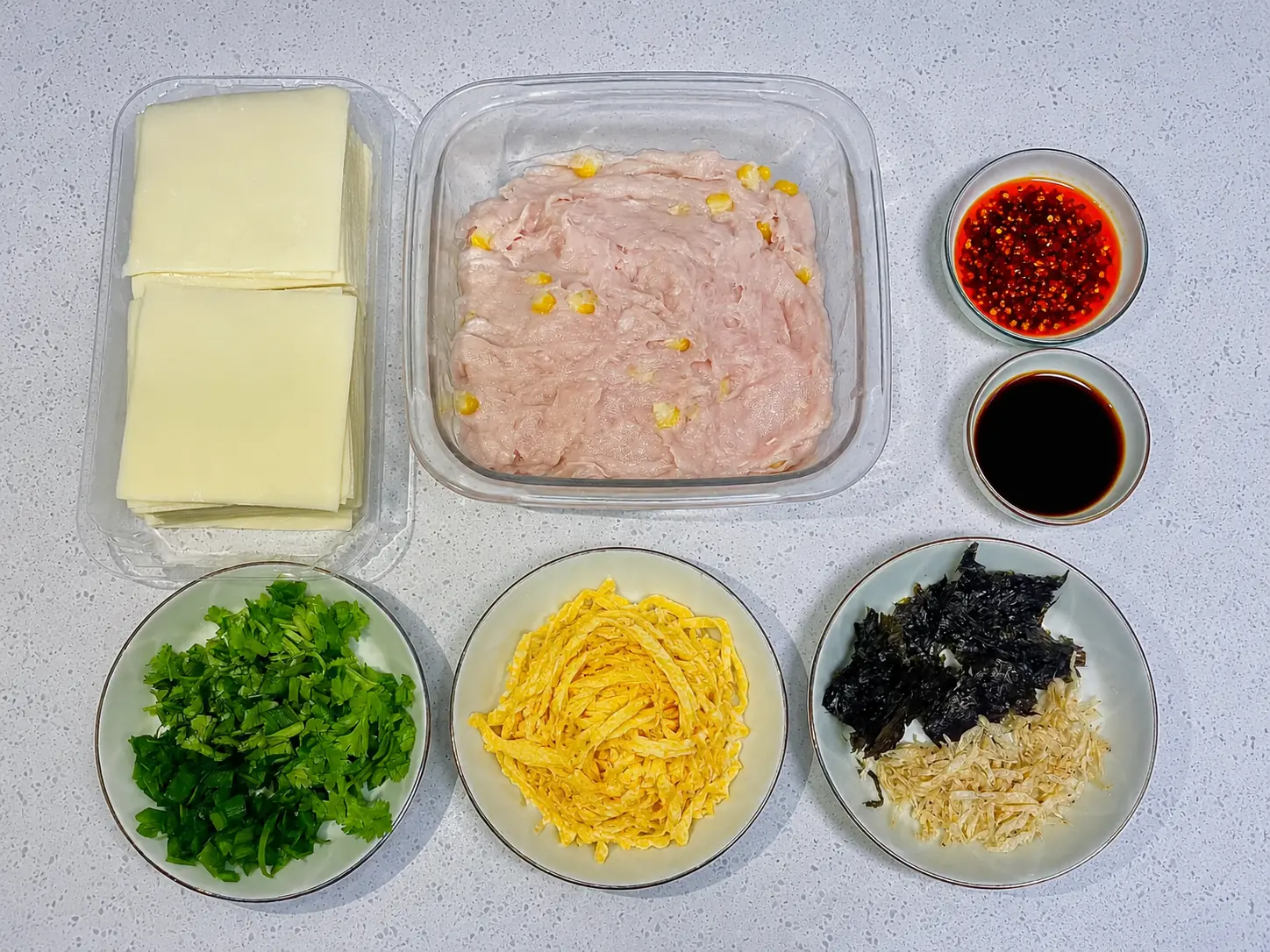
Wontons look gentle, but they are not simple for strict diets. Ordinary wrappers are wheat-based. Fillings often contain pork, shrimp, egg, sesame oil, ginger, scallion, or stock. The broth may include chicken, pork bones, dried shrimp, seaweed, oyster sauce, or other seafood seasonings.
Vegetarians should not assume a vegetable wonton is safe. It may still use meat stock, lard, dried shrimp, chicken powder, or shared cooking water. Travelers with severe shellfish allergies should be especially cautious with Cantonese wonton noodles, Shanghai small wontons with dried shrimp, and any "three-delicacy" filling.
Ask about the filling and the broth
For dietary restrictions, ask about both the wrapper/filling and the soup base. A bowl can look clear and still contain pork stock, dried shrimp, oyster sauce, sesame, or shared chili oil.
Wonton Mistakes to Avoid
Most wonton mistakes come from assuming every soft wrapper, clear soup, or English "dumpling" translation means the same thing. Use the wrapper shape, cooking style, and Chinese name together.
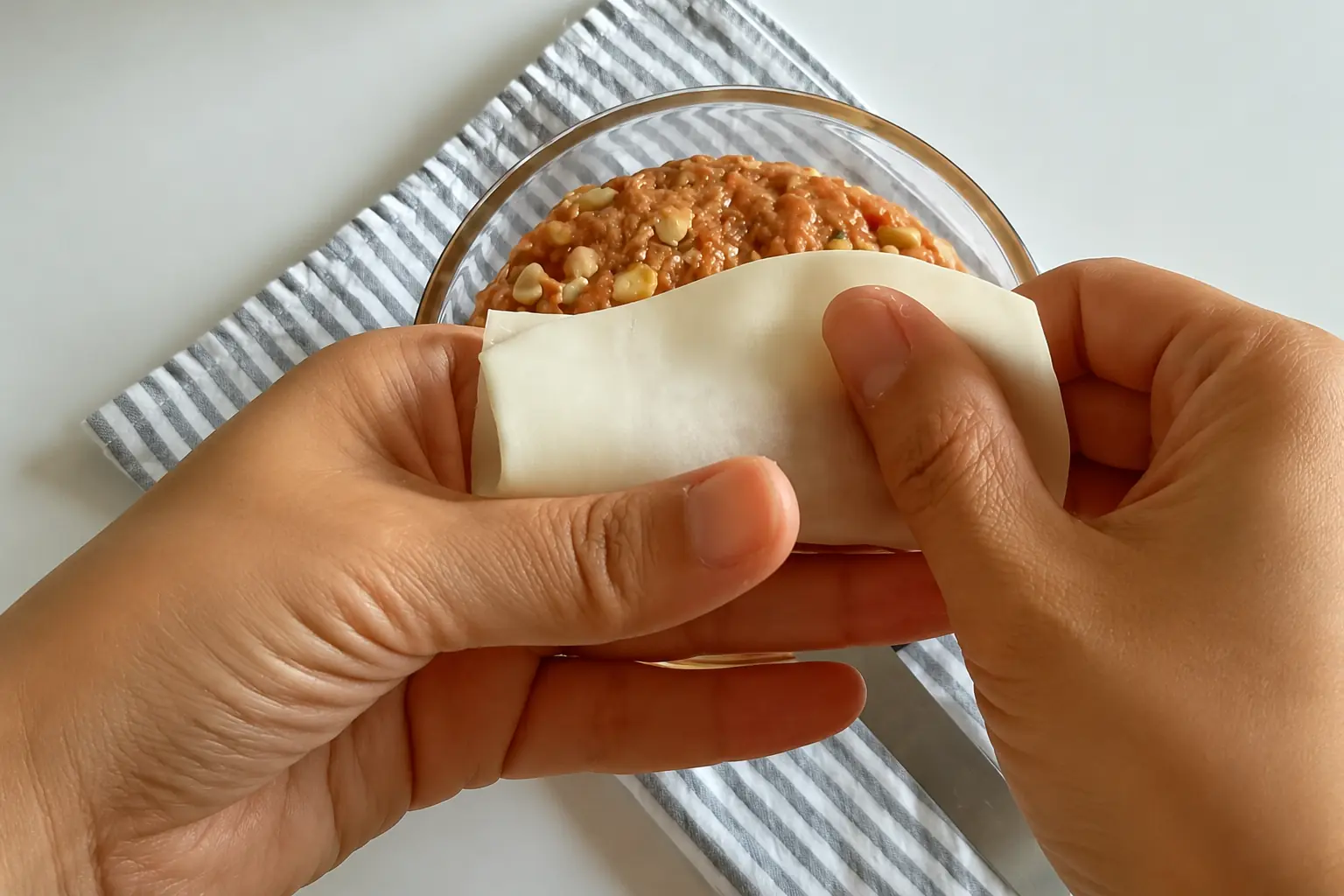
- Do not treat every English "dumpling" as wontons. Check whether the Chinese says 馄饨, 饺子, 小笼包, 包子, or something else.
- Do not expect Cantonese wonton noodles to be a huge bowl. The classic version is compact, with springy noodles and a clear broth.
- Do not judge Sichuan red-oil wontons only by heat. Good red oil should be fragrant, savory, slightly sweet, and balanced with vinegar and garlic.
- Do not assume clear soup means vegetarian or allergy-safe. Dried shrimp, pork stock, chicken powder, and oyster sauce can hide in gentle-looking bowls.
- Use wontons as a convenient meal, not a city-crossing mission. They are best when they fit naturally into your route.
Frequently Asked Questions
No. English menus may call both dumplings, but wontons usually have thinner wrappers and are often served in broth or sauce. Jiaozi are firmer wheat dumplings that are boiled, steamed, or pan-fried and usually eaten with dipping sauce.
Beyond This Guide
Wontons are a good comfort-food baseline because they teach you how Chinese menus divide wrappers, broth, sauce, and regional names. After this, compare the jiaozi guide, Shanghai soup dumplings guide, Guangzhou food guide, Chengdu food guide, and Shanghai food guide to see how one "dumpling" word turns into very different meals city by city.
© gochinafreely.com — Original guide by Go China Freely.