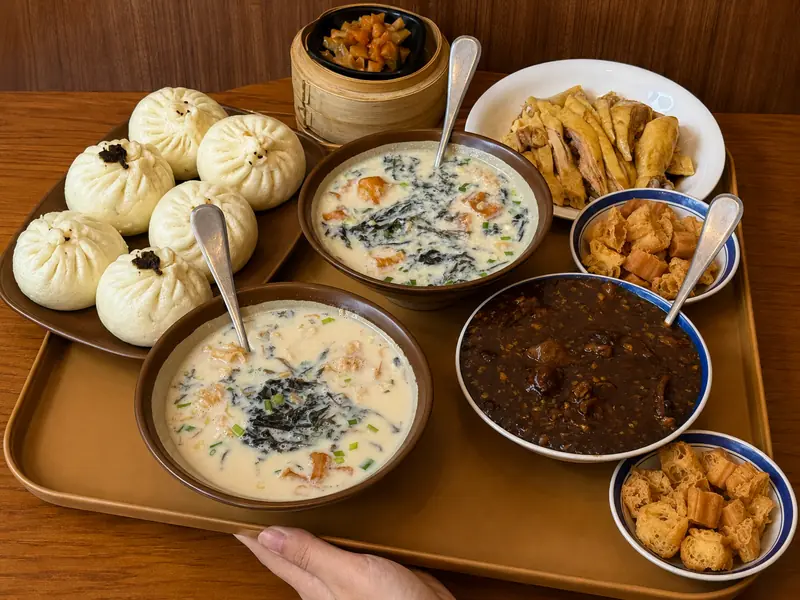
Doujiang (豆浆) is China's everyday soy milk drink: warm from a shop urn, cold from a convenience-store fridge, poured at a hotel buffet, or turned into a Shanghai-style savory bowl with vinegar, soy sauce, scallions, chopped youtiao, and sometimes dried shrimp or seaweed. It looks familiar if you know soy milk, but in China it is not just a dairy substitute. It is a drink category with its own temperatures, flavors, labels, and ordering traps.

Hot doujiang is one of China's most common everyday soy drinks.
Executive Summary
What this guide covers
Doujiang as a Chinese soy milk drink: how it is made, hot and cold formats, sweet, unsweetened, and savory styles, where travelers find it, and diet notes.
Best first order
Start with one hot sweet doujiang or unsweetened doujiang. Once you know the flavor, try bottled cold soy milk or Shanghai-style savory doujiang.
Main traveler trap
Do not assume every doujiang is sweet, vegan-safe, or allergy-safe. Savory versions may include dried shrimp, soy sauce, vinegar, and chopped wheat-based youtiao.
Hot or cold
Drink formats
Soybeans
Core ingredient
Sweet/plain/savory
Main styles
Nationwide
Easy to find
China's Everyday Soy Milk Drink Ritual
The appeal of doujiang is not rarity. It is access. You can be jet-lagged, thirsty, unsure of the full menu, and still recognize the characters 豆浆, point to a hot drink urn or fridge label, and come away with something local, gentle, and easy to carry.
For many travelers, doujiang first appears beside youtiao (油条), the long fried dough stick. Visit Beijing's youtiao doujiang page describes the pair as fried dough with fresh soy milk. Another Visit Beijing local-food overview notes that Beijingers like dipping deep-fried dough sticks into steaming soy milk.
That pairing is useful, but doujiang is bigger than one meal. It can be a hot morning cup, a chilled bottled drink, a plain protein-rich sip with a light meal, or a savory local specialty. Think of it as China's everyday soy drink, not as a cafe-style plant milk substitute.
Use doujiang as a low-risk local drink
When you want something local but not sugary soda, beer, or milk tea, hot or unsweetened doujiang is one of the easiest everyday Chinese drinks to try.
How Doujiang Is Made and Served
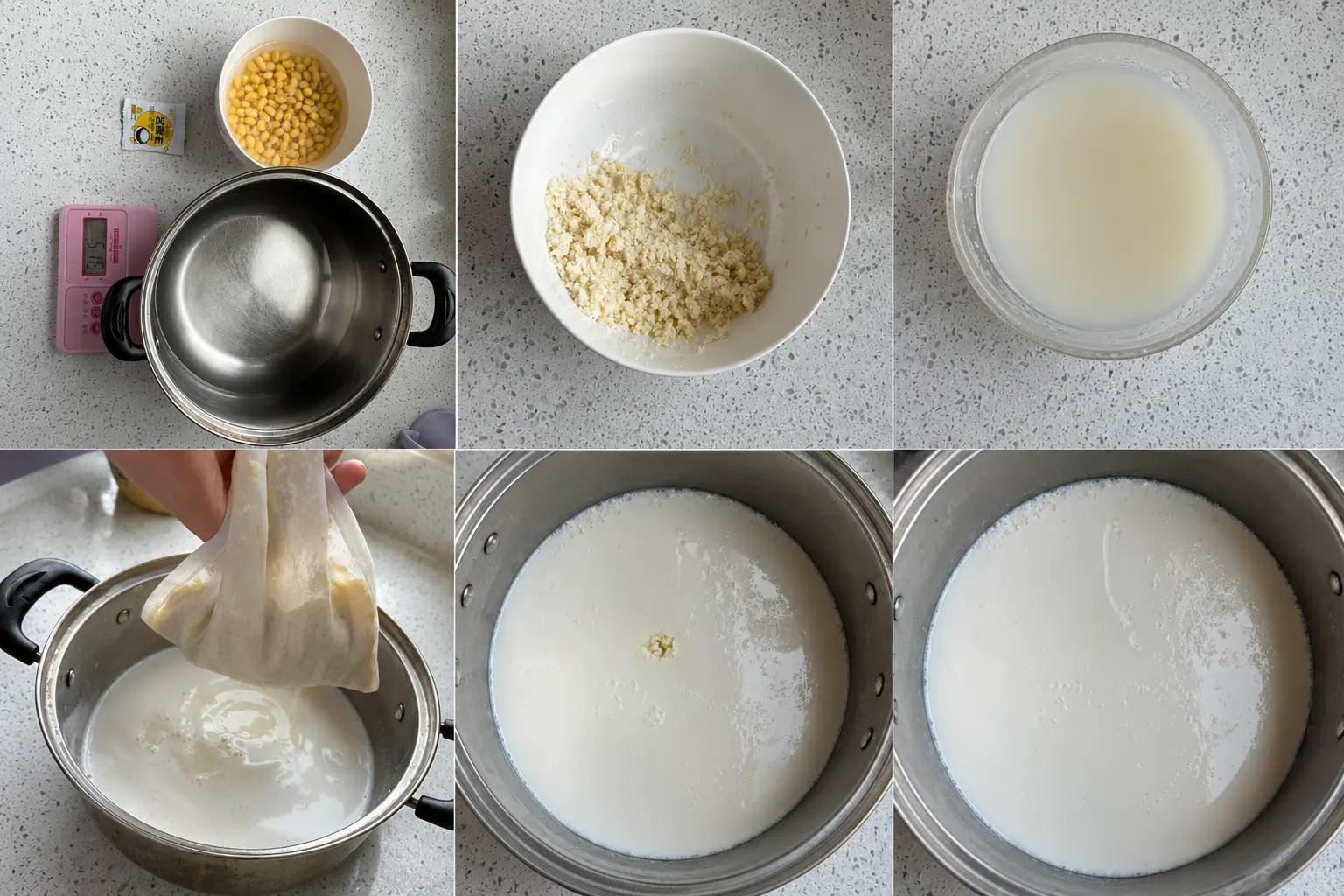
Traditional soy milk starts with soaked soybeans, grinding, filtering, and boiling.
Doujiang is soy milk made from soybeans and water. In the traditional process, soybeans are soaked, ground with water, filtered, and boiled. A ScienceDirect soymilk overview describes the basic method as soaking soybeans, grinding them with water, heating or boiling the slurry, and filtering out the soybean pulp.
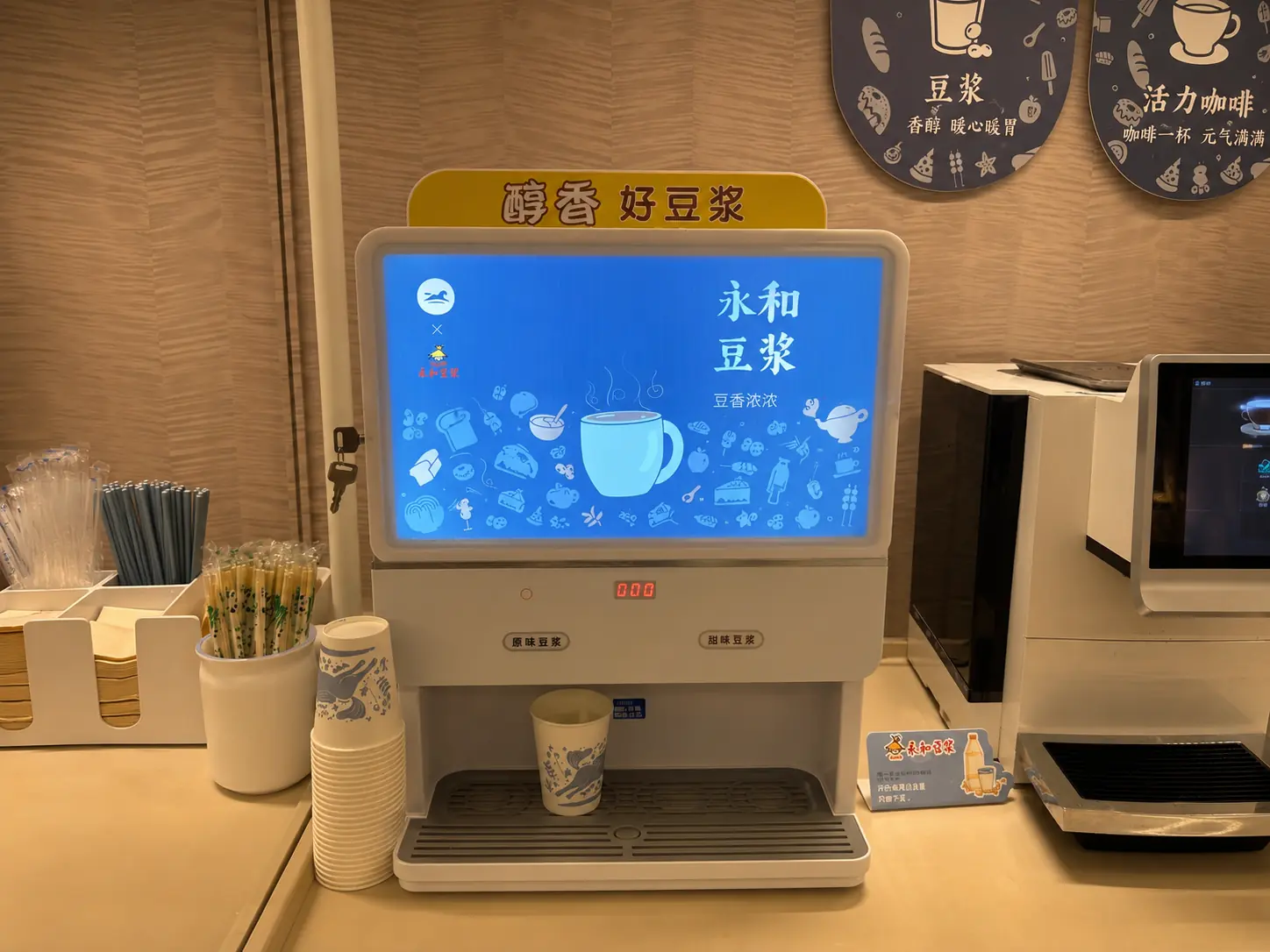
A hot soy milk urn is the most common fresh doujiang format.
As a traveler, you do not need to know whether the beans were stone-ground by hand, made in a machine, or prepared in a back kitchen. What matters more is the drinking format: hot from an urn, sealed in a paper cup, served in a bowl, bottled in a convenience store, or poured at a hotel buffet.
Fresh doujiang is often hot, especially at morning drink counters and traditional shops. Cold soy milk appears in warm weather, convenience stores, supermarkets, and some chains. If the cup is hot, take the first sip carefully. A paper cup with a plastic lid can hide the temperature.
| Format | What It Means | Best Use |
|---|---|---|
| Hot doujiang | Warm soy milk from a drink urn, cup, or bowl | Default first order when you want the classic fresh version |
| Cold or bottled soy milk | Convenience-store or packaged soy drink | Useful in summer, on trains, or when shops are closed |
| Savory doujiang | Seasoned soy milk with toppings, often eaten like a light bowl | Best as a second try, especially in Shanghai or Jiangnan contexts |
Sweet, Plain, and Savory Doujiang Styles
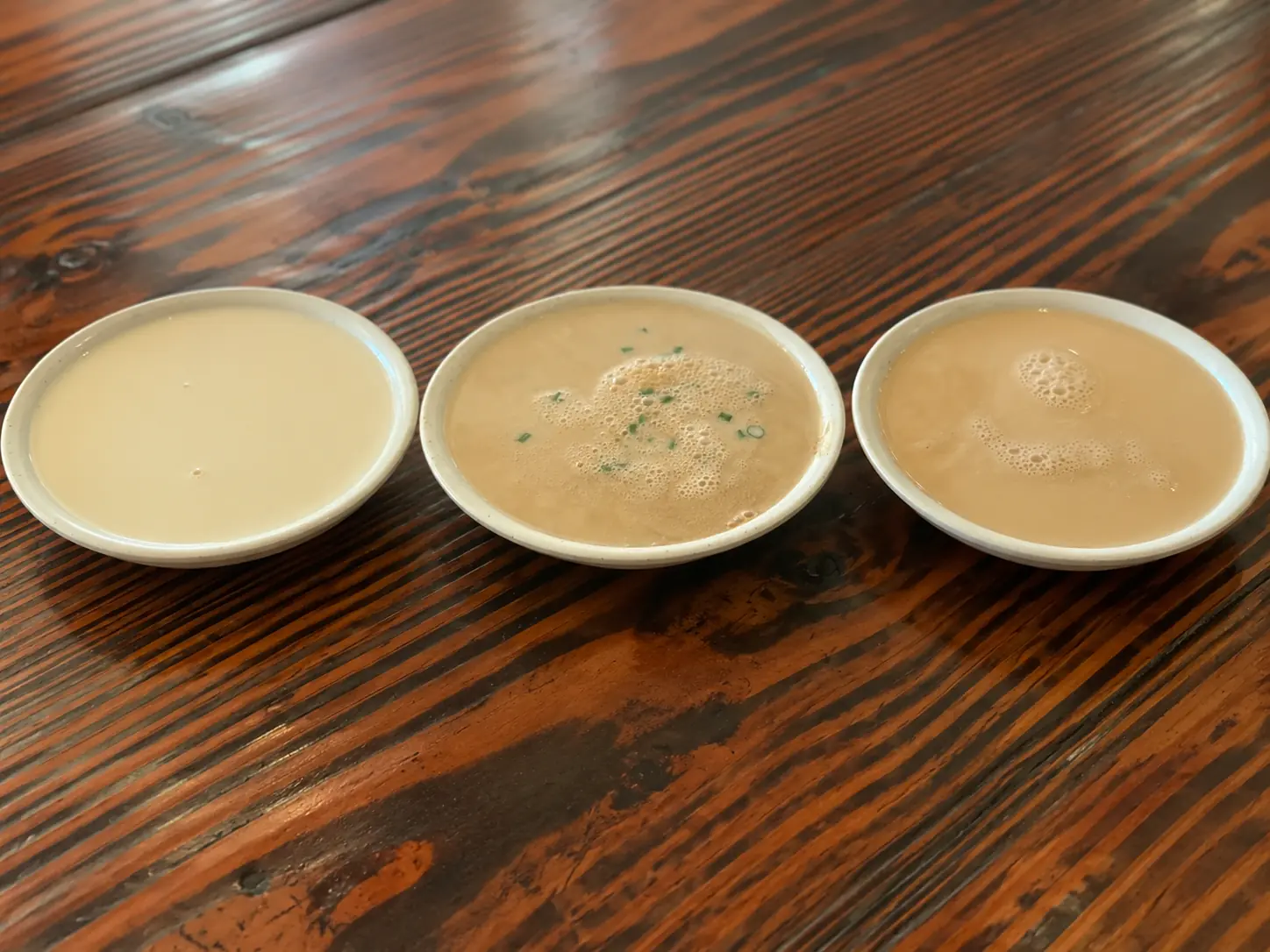
Sweet, plain, and savory doujiang are different drink experiences.
The first real choice is flavor. Sweet doujiang is the softest landing: warm, gentle, and familiar if you have had soy milk before. Plain or unsweetened doujiang tastes more directly of soybeans. Some travelers like the clean bean flavor; others find it bland without sugar.
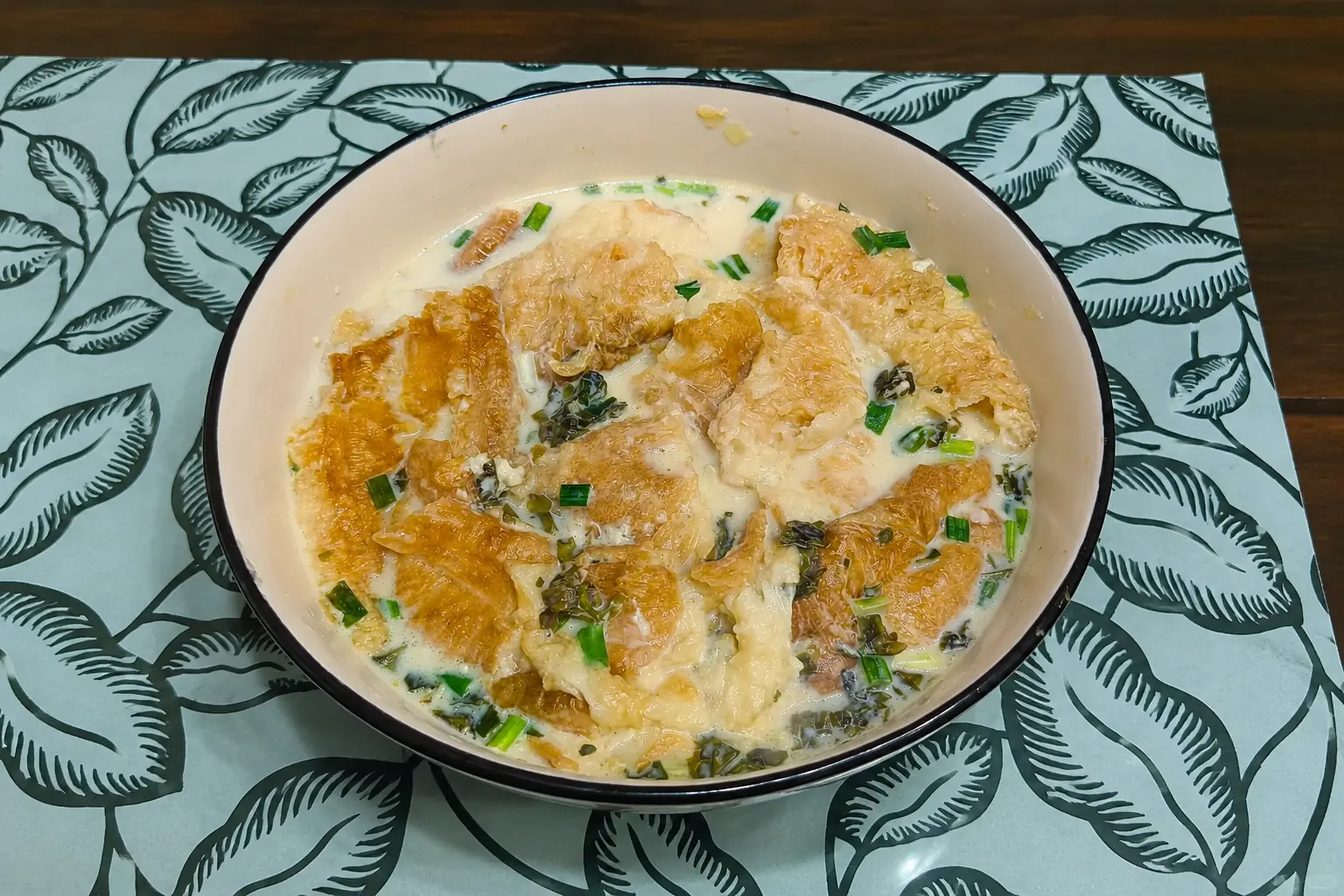
Shanghai-style salty soy milk stretches the idea of a drink into a light savory bowl.
Savory doujiang is the version that surprises most drink-focused travelers. It is not just soy milk without sugar. In Shanghai and nearby Jiangnan-style shops, it may be seasoned with soy sauce, vinegar, scallions, chopped youtiao, pickled vegetables, seaweed, dried shrimp, or similar toppings.
The Shanghai municipal English site notes that doujiang in Shanghai is commonly served in sweet, plain, or savory versions. Its separate salty soy milk page lists soy milk, youtiao, seaweed, dried shrimp, pickled mustard greens, soy sauce, vinegar, and scallions as ingredients in a quality bowl, with vinegar helping create a texture between soy milk and tofu pudding.
← swipe to compare all options →
Sweet Doujiang
甜豆浆
- ✓Warm, gentle, and familiar for most first-timers.
- ✓Works well as a mild hot drink when you want something local.
- —Can be too sweet in some shops.
Easiest first cup
Plain Doujiang
无糖豆浆
- ✓Good if you want less sugar.
- —Tastes plain if you expect a sweet drink.
- ✓Useful beside rich, oily, salty, or spicy foods.
Clean soybean flavor
Savory Doujiang
咸豆浆
- ✓Often includes vinegar, soy sauce, scallions, and chopped youtiao.
- ✓Some versions add dried shrimp, seaweed, or pickled vegetables.
- —Best after you already know you enjoy Chinese savory textures.
Regional bowl
Names and toppings vary by city and shop. Ask before ordering if allergies, vegetarian rules, or gluten-free needs matter.
Hot, Cold, Fresh, and Bottled Doujiang
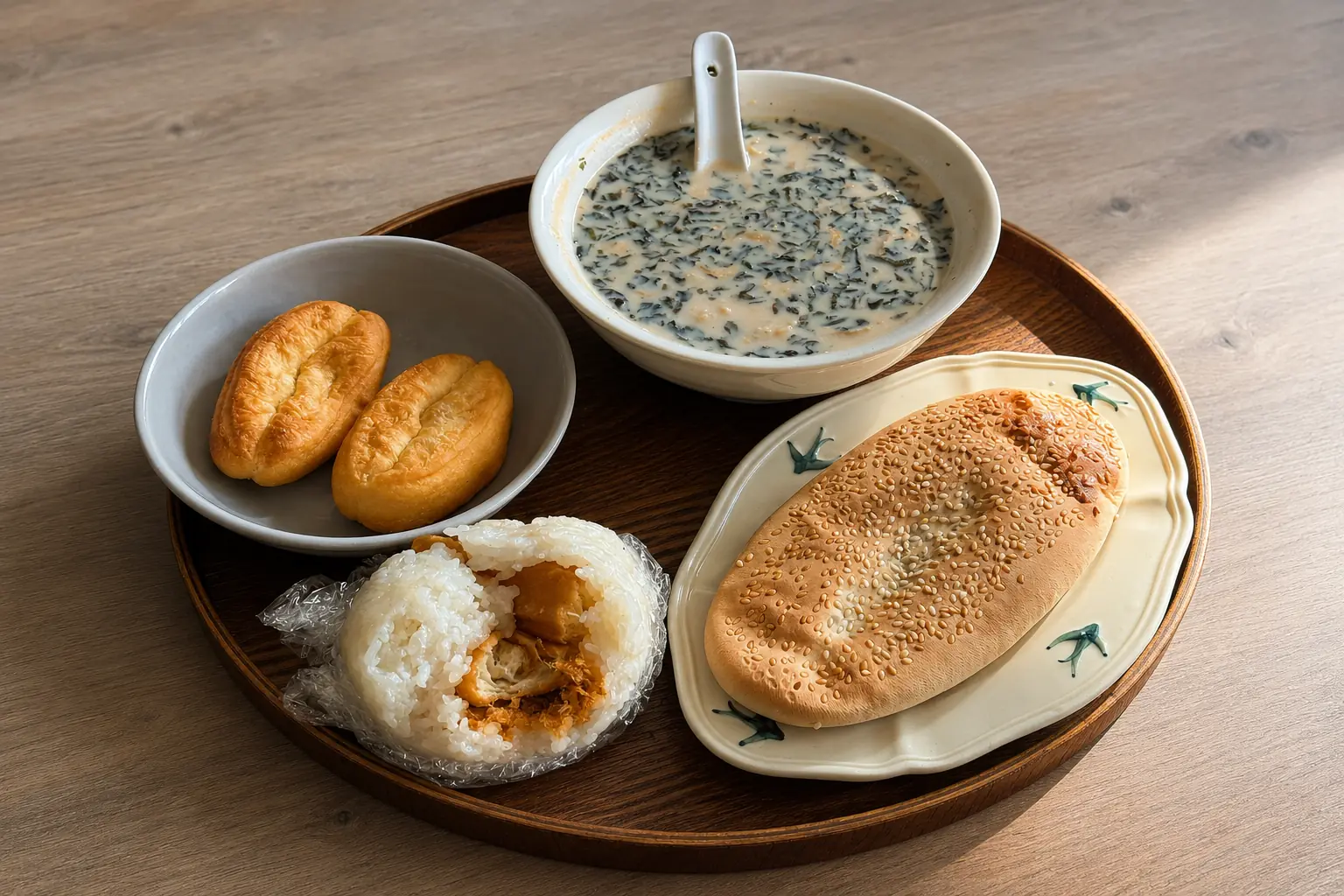
Fresh hot doujiang often appears with food, but the drink choice comes first.
The biggest practical distinction is not brand or city. It is format. Fresh hot doujiang from an urn tastes different from a chilled bottled soy drink, and savory doujiang behaves more like a lightly set, seasoned bowl than a simple cup.
Hot doujiang is the version to try first if you want the classic local texture: warm, slightly beany, and usually served quickly in a paper cup or bowl. Cold or bottled soy milk is easier for travel days, train rides, convenience-store stops, and summer heat. Shanghai-style savory doujiang is worth treating as a regional specialty, not as a generic soy milk replacement.
Decision shortcut
Which doujiang should I try first?
I want the classic local version
Choose hot sweet doujiang or hot unsweetened doujiang from a busy shop urn.
I want less sugar
Ask for unsweetened doujiang, then taste before adding anything else.
I need a travel-day drink
Choose bottled or chilled soy milk from a convenience store so the label and seal are easier to check.
I am in Shanghai
Try savory doujiang once, but treat it as a regional food-drink hybrid with toppings.
| Drink Format | What It Feels Like | Watch For |
|---|---|---|
| Hot fresh doujiang | Warm, smooth, slightly beany, and usually served from an urn | Heat, sugar level, and shared shop tools |
| Cold bottled soy milk | More predictable, sealed, and easy to carry | Added sugar, flavorings, dairy blends, or unclear labels |
| Unsweetened doujiang | Cleaner soybean flavor and less dessert-like | Some shops may still use sweetened default cups |
| Savory doujiang | Seasoned, topped, and closer to a light bowl | Dried shrimp, wheat-based youtiao, soy sauce, and vinegar |
Where Travelers Can Find Doujiang Drinks
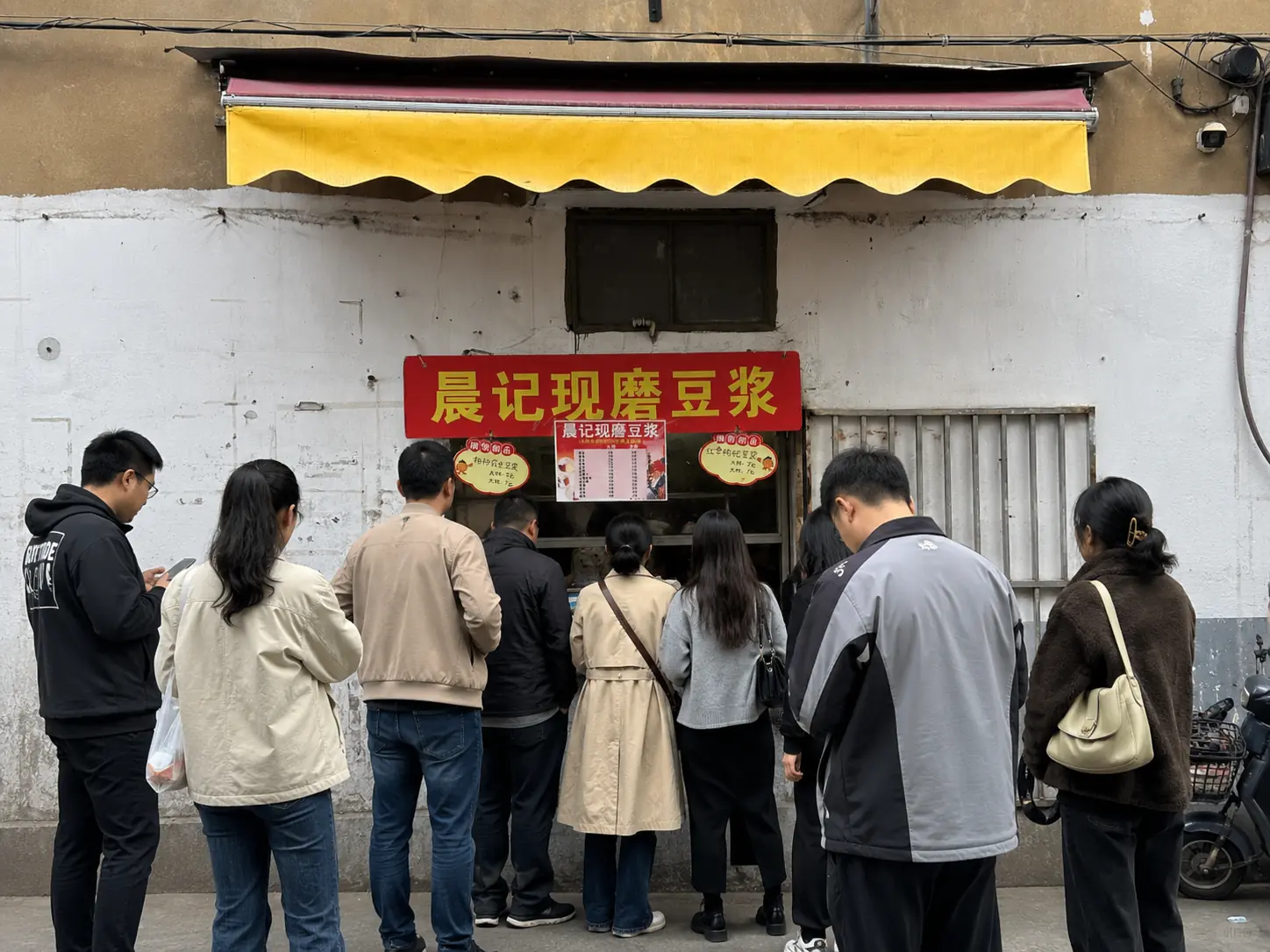
Busy neighborhood counters are useful for fresh hot doujiang.
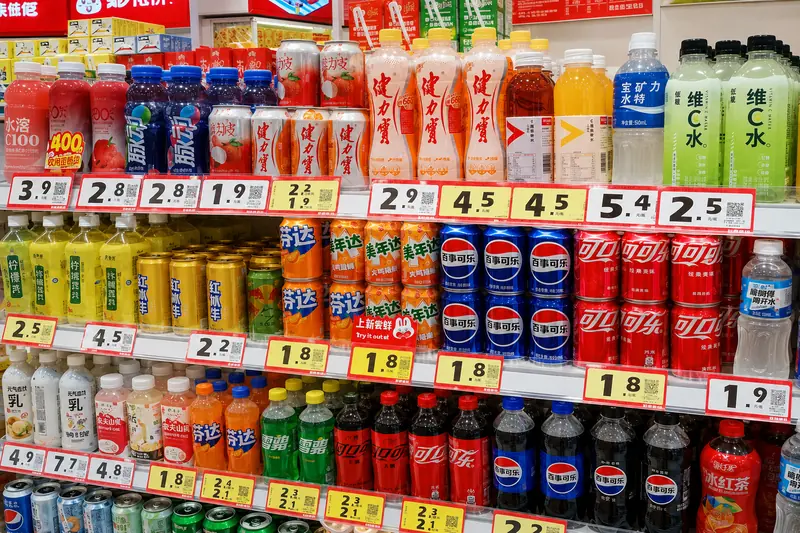
Do not cross a city for generic doujiang. This is an everyday drink, not usually a pilgrimage item. Look near residential compounds, wet market edges, metro exits, bus stops, hospitals, schools, office streets, railway-station food rows, simple drink-and-snack chains, convenience stores, supermarkets, and hotel buffets.
The best signal for fresh hot doujiang is turnover. A shop with hot urns and steady cups going out is usually more useful than a famous listing across town. If the soy milk tastes watery, scorched, sour, or stale, choose a sealed bottle or try a different shop next time.
Hotel soy milk is fine when you need comfort. Convenience stores are useful when labels matter. Neighborhood counters teach more: the fast queue, the paper cup, the hot urn, and the way a simple soy drink fits into everyday city life.
Fresh Drink Counter
Best for hot doujiang, local texture, fast turnover, and the everyday paper-cup experience.
Convenience Store or Chain
Best when you need a sealed bottle, clearer labels, cold soy milk, or an easy backup outside peak hours.
Hotel Buffet
Best when jet lag, children, or dietary caution matter more than the most local version.
How to Order Chinese Soy Milk
Start with the type of soy milk, then choose hot or cold, then decide whether you want a sealed bottle or a fresh cup. At a busy counter, short phrases are better than long explanations. Pointing also works if the menu has photos, fridge labels, or visible urn tags.
- Find the soy milk label(豆浆)- Look for hot drink urns, paper cups, fridge bottles, or menu lines for sweet, unsweetened, or savory soy milk.
- Choose the style- Sweet is easiest, plain is less sugary, and savory is more ingredient-heavy.
- Choose hot or cold- Hot is the classic fresh-cup version; cold or bottled is easier for travel days.
- Check sugar or toppings- Ask for no sugar if needed, and be careful with savory versions if shellfish, wheat, or soy sauce matter.
- Sip carefully- Hot doujiang can be hotter than it looks, especially in a sealed paper cup.
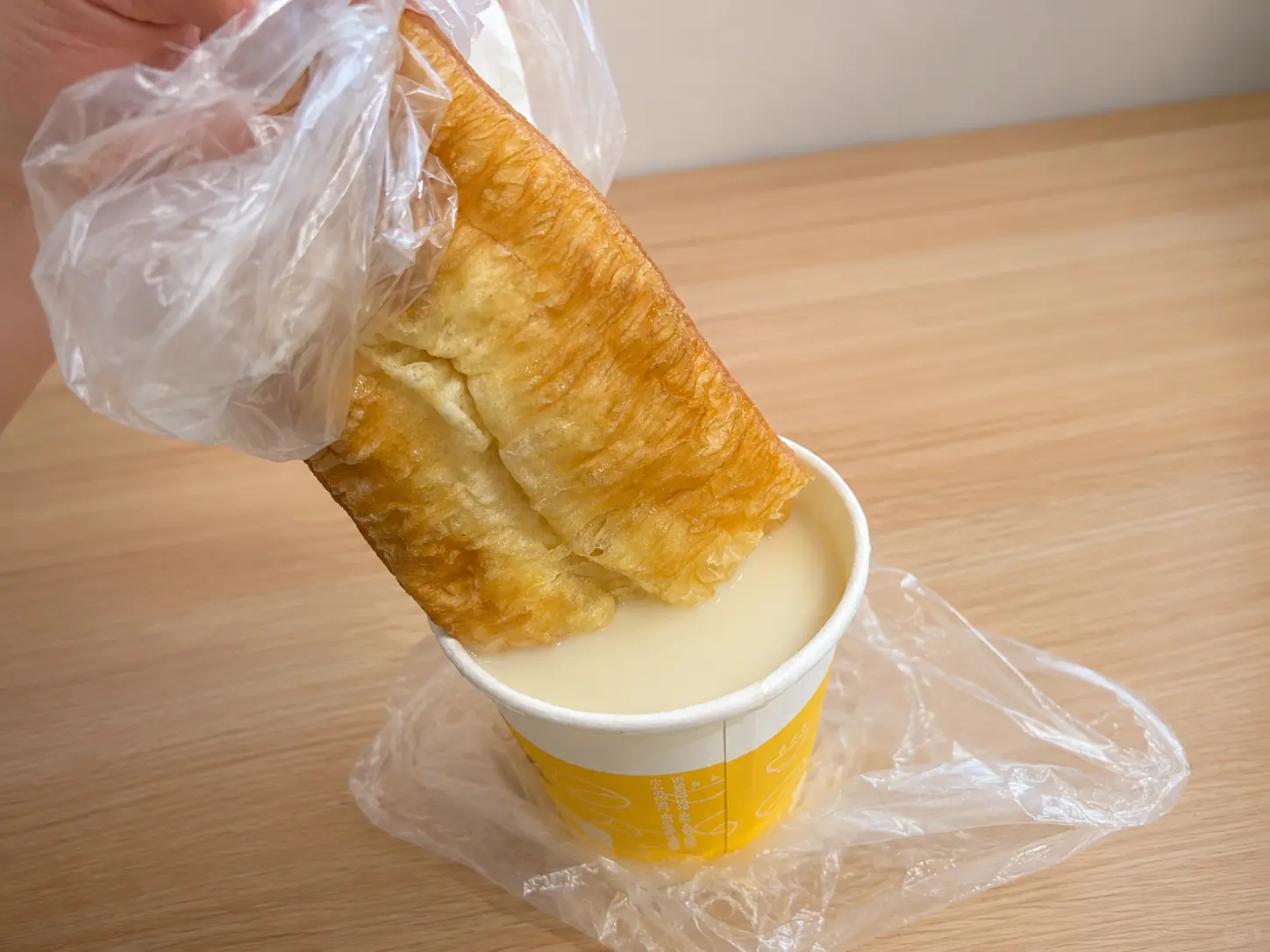
A hot cup is the classic fresh format; sip carefully before adding food.
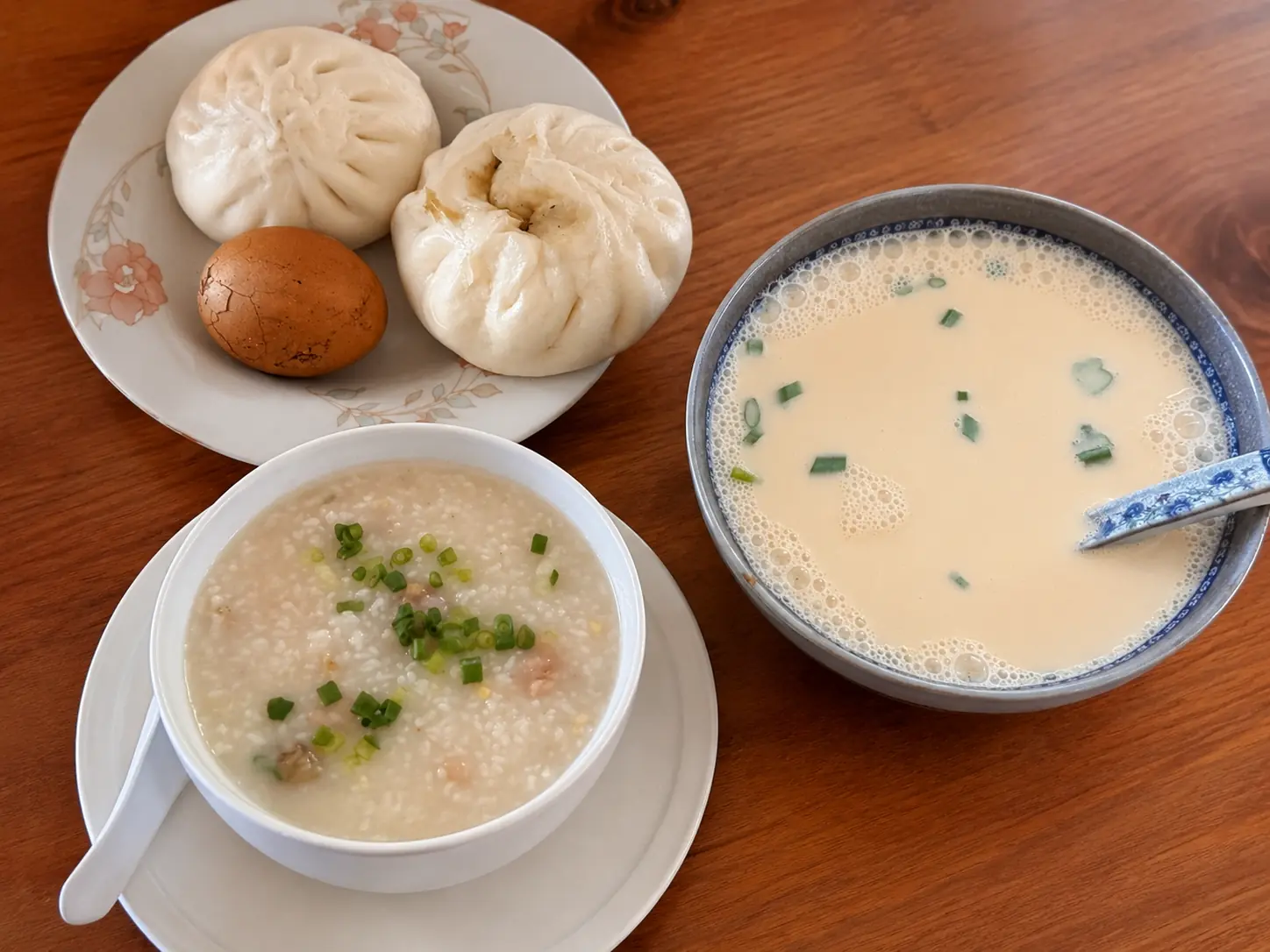
Plain doujiang is often served beside food, but it remains the drink anchor.
For takeaway, decide whether you need a hot drink right now or a sealed bottle for later. Fresh cups taste more local but spill more easily. Bottled soy milk is less atmospheric, but it is easier to carry, store, and check for sugar or allergens.
Ask about sugar before judging the drink
Many first-timers dislike doujiang only because they accidentally ordered a sweeter or plainer version than expected. Check sweet, unsweetened, hot, and cold before deciding whether you like it.
Diet, Allergy, and Soy Milk Safety Notes
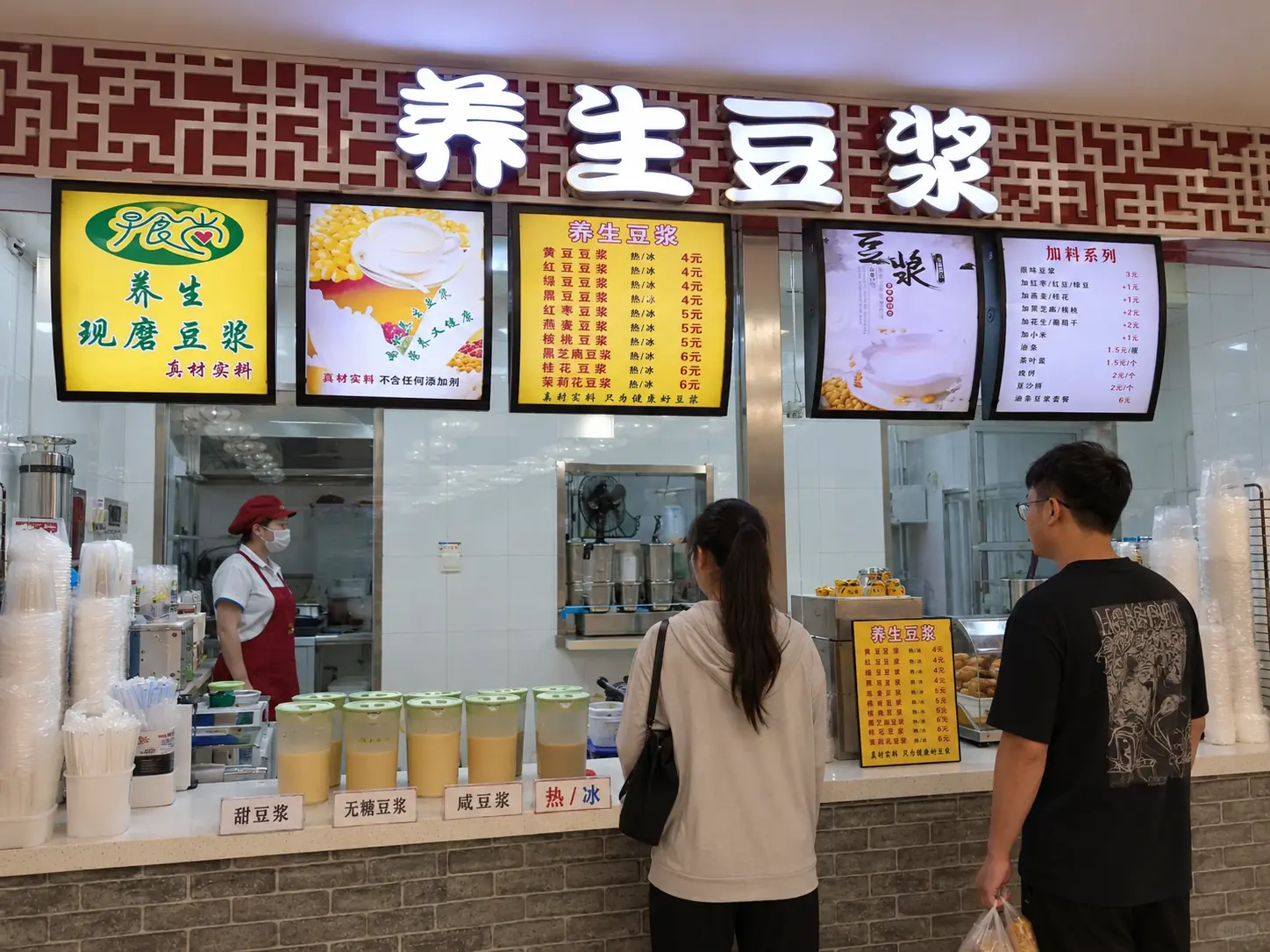
Soy milk labels matter when sugar, shellfish, or dietary restrictions are involved.
Doujiang is made from soybeans. If you have a soy allergy, skip it entirely. That sounds obvious, but it matters because shops can make soy milk look as casual as tea, milk tea, or coffee.
Savory doujiang needs extra care. Some versions include dried shrimp, seaweed, pickled vegetables, soy sauce, vinegar, scallions, and chopped youtiao. That can bring soy, shellfish, wheat, gluten, and shared-prep risk into one bowl.
Do not treat soy milk as automatically diet-safe
Unsweetened only means no added sugar. It does not mean soy-free, gluten-free, vegan-safe, halal-safe, or allergy-safe. Strict travelers should ask clearly or choose a sealed, labeled drink from a more controlled setting.
- Soy: doujiang is soy milk, so soy-allergic travelers should avoid it.
- Shellfish: savory soy milk may include dried shrimp or similar seafood toppings.
- Gluten: youtiao is wheat-based, and ordinary soy sauce may contain wheat.
- Shared tools: drink counters and food stalls may use the same ladles, bowls, counters, or tongs across different items.
- Heat: hot soy milk can burn. Let children wait before drinking from sealed cups.
Useful Doujiang Ordering Phrases for Drinks
Show the phrase if speaking feels awkward. For a busy drink counter, keep it short.
| English | Chinese | Pinyin | Say It Like… |
|---|---|---|---|
| Soy milk | 豆浆 | dou jiang | doh-jyahng |
| Sweet soy milk | 甜豆浆 | tian dou jiang | tyen doh-jyahng |
| Unsweetened soy milk | 无糖豆浆 | wu tang dou jiang | woo tahng doh-jyahng |
| Savory or salty soy milk | 咸豆浆 | xian dou jiang | shyen doh-jyahng |
| Hot | 热的 | re de | ruh duh |
| Cold or iced | 冰的 | bing de | bing duh |
| I want one cup of hot soy milk | 我要一杯热豆浆 | wo yao yi bei re dou jiang | woh yow ee bay ruh doh-jyahng |
| No sugar | 不要糖 | bu yao tang | boo yow tahng |
| No dried shrimp | 不要虾皮 | bu yao xia pi | boo yow shyah pee |
| I am allergic to soy | 我对大豆过敏 | wo dui da dou guo min | woh dway dah-doh gwaw-min |
Frequently Asked Questions
Yes, doujiang means soy milk. In travel terms, think of it as the hot or cold soy drink you see at counters, convenience stores, simple food shops, and hotel buffets, not necessarily the thicker cafe plant milk used for lattes.
Beyond This Soy Milk Drink Guide
Doujiang belongs beside other everyday Chinese drinks such as Suanmeitang, Chinese local sodas, Cantonese herbal tea, and the broader world of Youtiao and Doujiang. For city context, pair it with the Shanghai Food Guide and Beijing Food Guide.
If soy, shellfish, wheat, sugar, or shared preparation tools matter for your trip, read the China food allergies and dietary restrictions guide before relying on unlabeled fresh drinks.
© gochinafreely.com — Original guide by Go China Freely.