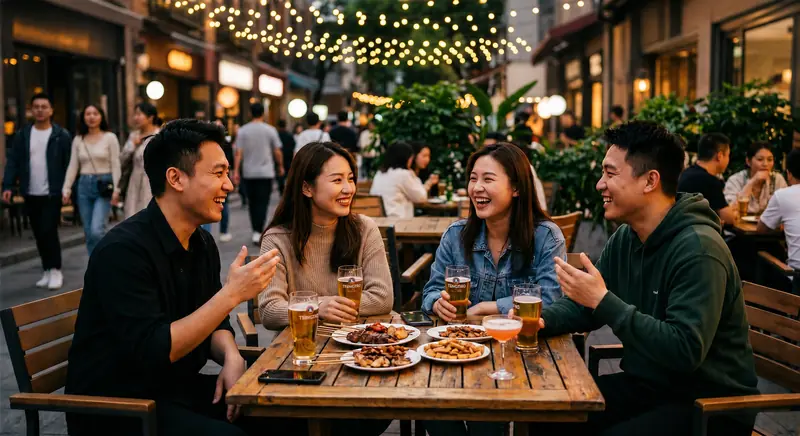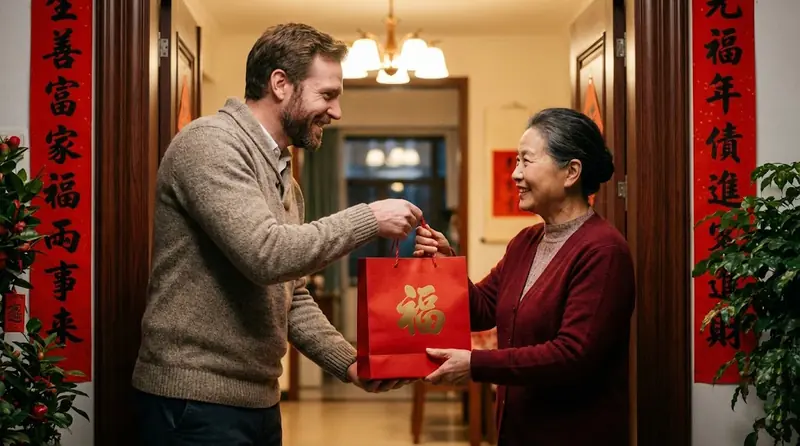
You probably spent weeks researching visas, train tickets, and hotels. Chinese social etiquette feels softer than those logistics, but it is often the first skill you use on the ground: greeting a landlord, accepting a dinner invitation, receiving a small gift, or meeting a friend's parents. The reassuring part is simple: Chinese hosts are usually very forgiving when foreign travelers make honest mistakes. The few rules below help you avoid the moments that make a room go quiet.
Chinese Social Etiquette: Fast Rules
Use this section as your quick field card. If you remember nothing else, remember these six moves.
🤝Greet Lightly
A light handshake, small nod, or simple hello is enough. Skip hugs, cheek kisses, and back slaps unless the other person initiates.
👤Respect Titles
Use surname plus Mr./Ms., a professional title, or a warm everyday address until someone invites you to be more casual.
🎁Give With Care
Food, fruit, tea, and home-country specialties are safe. Avoid clocks, umbrellas, pears, sharp objects, green hats, and funeral colors.
🏠Follow the Host
At a home, watch the doorway, seating, tea, and leaving rituals. Let the host guide the pace.
🙌Use Both Hands
Use both hands for gifts, cards, symbolic money, documents, and formal items. For tiny everyday transactions, polite attention matters more than perfect form.
😅Recover Quickly
Smile, apologize lightly, say you are still learning Chinese culture, and move on. Over-explaining makes the awkwardness last longer.
The Traveler Mindset
Chinese etiquette is less about memorizing every custom and more about showing awareness. Calm, modest, observant travelers usually get treated with extra patience.
Greetings in China

Greeting default
A light handshake can be normal in China, but it is not the default for every daily interaction. Many casual service moments work better with a smile, nod, and verbal hello.
A handshake is safest when someone offers one, or in formal introductions, hotel management conversations, guide meetings, and business-adjacent settings. Keep it gentle, smile, and add a small nod.
Physical space
Do not hug someone you just met. Hugs, cheek kisses, shoulder pats, and dramatic arm-around poses are for close friends or family, not first meetings.
Language default
For everyday travel situations, a plain hello in English often works in large cities, cafes, hostels, and youth-facing businesses. With elders, hosts, officials, and anyone in a more formal role, switch to a respectful Chinese opener. For taxi or ride-hailing drivers, 师傅您好 or 师傅你好 is the most natural useful opener.
Everyday Greeting Phrases
| English | Chinese | Pinyin | Say It Like… |
|---|---|---|---|
| Hello; safe for almost every casual situation | 你好 | nǐ hǎo | nee how |
| Respectful hello for elders, hosts, officials, and formal situations | 您好 | nín hǎo | neen how |
| A traditional mealtime greeting, closer to 'How's it going?' than a real food question | 吃了吗? | chī le ma? | chir luh mah |
| How have you been? | 最近怎么样? | zuì jìn zěn me yàng? | dzway jin dzen muh yahng |
Chinese greetings often sound like personal questions. If a neighbor asks whether you have eaten, they are not requesting a lunch report. A short, friendly answer is enough. Treat "Have you eaten?" as something to recognize from neighbors, elders, or familiar contacts, not as your default opener to strangers.
Asking for Help Politely
| English | Chinese | Pinyin | Say It Like… |
|---|---|---|---|
| Hello, may I ask... | 你好,请问…… | nǐ hǎo, qǐng wèn... | nee how, ching wen |
| Excuse me, may I ask... | 打扰一下,请问…… | dǎ rǎo yí xià, qǐng wèn... | dah rao ee shyah, ching wen |
| Sorry to bother you, may I ask... | 不好意思,请问…… | bù hǎo yì si, qǐng wèn... | boo how ee sir, ching wen |
Use one of these before asking for directions, help with a ticket gate, a menu question, or a hotel desk problem. It softens the request without adding a long speech.
Names, Titles & Elder Respect

Name order
Chinese names put the surname first, given name second. If someone introduces themselves as Zhang Wei (张伟), Zhang is the surname and Wei is the given name. When in doubt, "Mr. Zhang" or "Ms. Zhang" is safer than using the given name alone.
The title rule
Title outranks first name. People are often addressed by role: Professor Li, Manager Wang, Teacher Chen, or Zhang Shifu (张师傅). This does not feel stiff in China; it feels respectful.
Traveler move: keep address formal until the other person clearly makes it casual.
Everyday Address Terms
These are informal spoken options, not labels for every stranger. In hotels, business settings, official contexts, and young urban service encounters, a respectful hello plus "may I ask..." is usually safer than guessing a family-style title.
| Term | Use it for | Traveler note |
|---|---|---|
| 师傅 | Taxi or ride-hailing drivers, repair workers, craftspeople, and service workers with practical skill. | One of the most useful everyday address terms; 师傅你好 works well when getting into a car or asking practical help. |
| 老板 / 老板娘 | Shop owners, guesthouse operators, small restaurant owners, and market vendors. | Natural in markets, small shops, and guesthouses; too familiar for many hotel, business, or official settings. |
| 大哥 / 大姐 | Adults roughly your age or a little older in informal situations. | Good for markets, trains, and small neighborhood interactions; skip it with younger staff or formal contacts. |
| 叔叔 / 阿姨 | Older adults, parents of friends, older neighbors, and warm family-style settings. | Use for clearly older adults, parents of friends, or family-style settings; do not use it to guess someone's age. |
Safer Name Habit
Do not call a Chinese person by their given name alone unless they invite you to. If you are unsure, ask "How should I address you?" or use surname plus Mr./Ms. until the relationship becomes clearer.
Elder Respect Habits
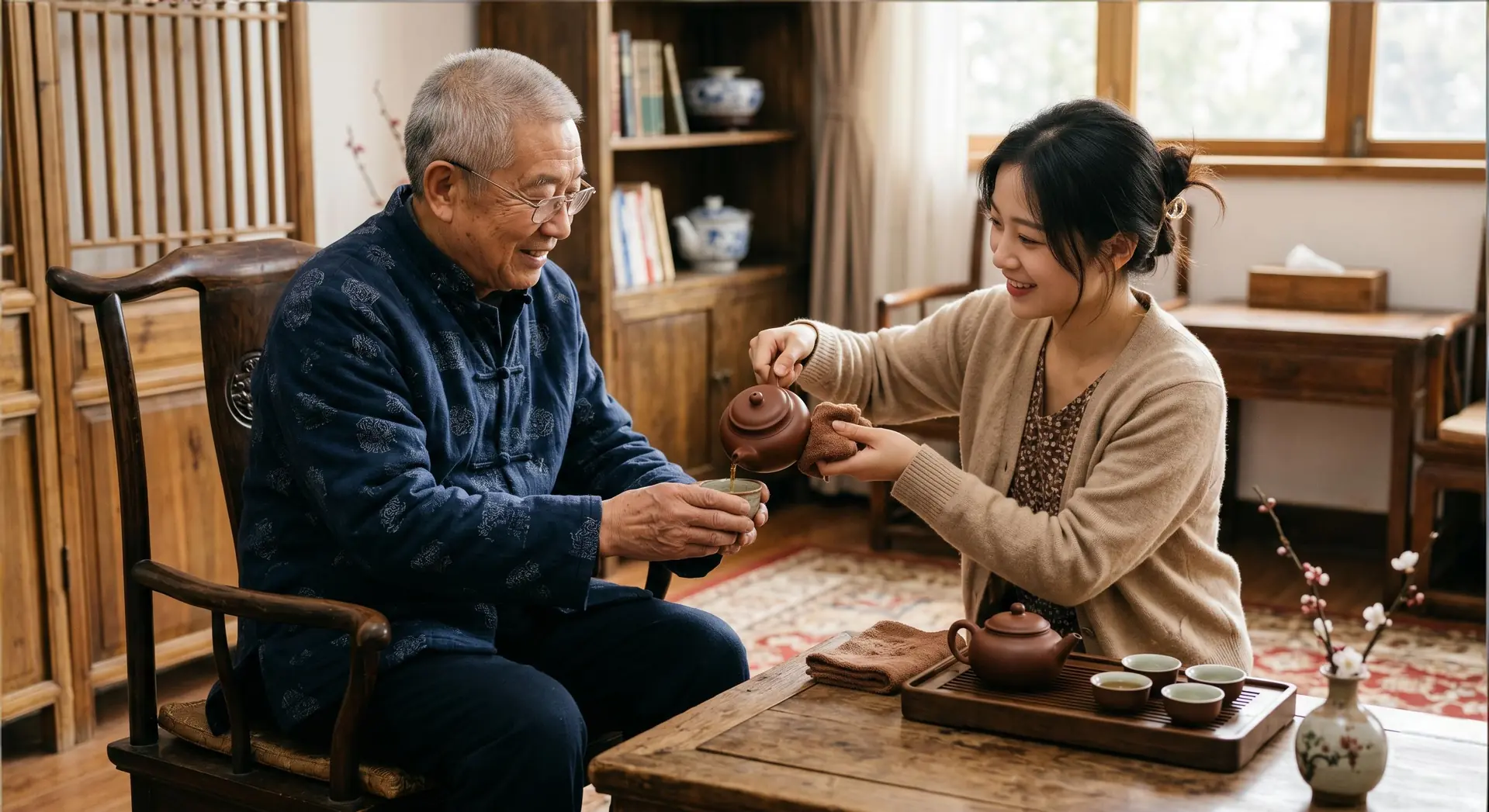
Elder respect habits
Respect for elders is still an important social cue, especially in family-formal meals, elder-facing visits, and formal introductions. Young urban friends may handle age more casually, but if you meet a friend's parents, older relatives, a homestay host, or an older person who helps you on the road, small signs of deference can change the whole temperature of the interaction.
Start with seniority
Greet the oldest or most senior person first, wait for them to begin at formal meals, and serve them before serving yourself when tea or drinks are passed around.
Stay warm, not overly casual
Use a respectful hello, avoid first names, and let the elder set how familiar the conversation should become.
| Moment | Respectful move | Easy mistake to avoid |
|---|---|---|
| Entering a group | Greet the oldest or most senior person first. | Starting only with the person you already know. |
| Saying hello | Use the respectful hello (您好) with elders, hosts, officials, and formal contacts. | Using the casual hello when the setting feels family-formal. |
| Formal meals | Wait for elders or the host to begin eating before you start. | Digging in the moment food reaches the table. |
| Tea or drinks | Pour for elders first, then others, and yourself last. | Filling your own cup first while everyone watches. |
| Public transport | Offer your seat to older passengers. | Staying seated while an elder stands beside you. |
| Names | Use a title, kinship term, or surname plus Mr./Ms. | Using an elder's given name unless they clearly invite it. |
For meal-specific details, see the full Chinese dining etiquette guide.
Gift Giving in China
In China, gifts are not only courtesy; they help express relationship, respect, gratitude, and occasion. Travelers do not need expensive presents. A thoughtful, easy-to-explain gift usually works better than something flashy.
For occasion-specific cash gifts, use the Chinese festival customs guide, Chinese wedding etiquette guide, and Chinese lucky numbers guide together instead of treating every red envelope as the same situation.
Safe Gifts
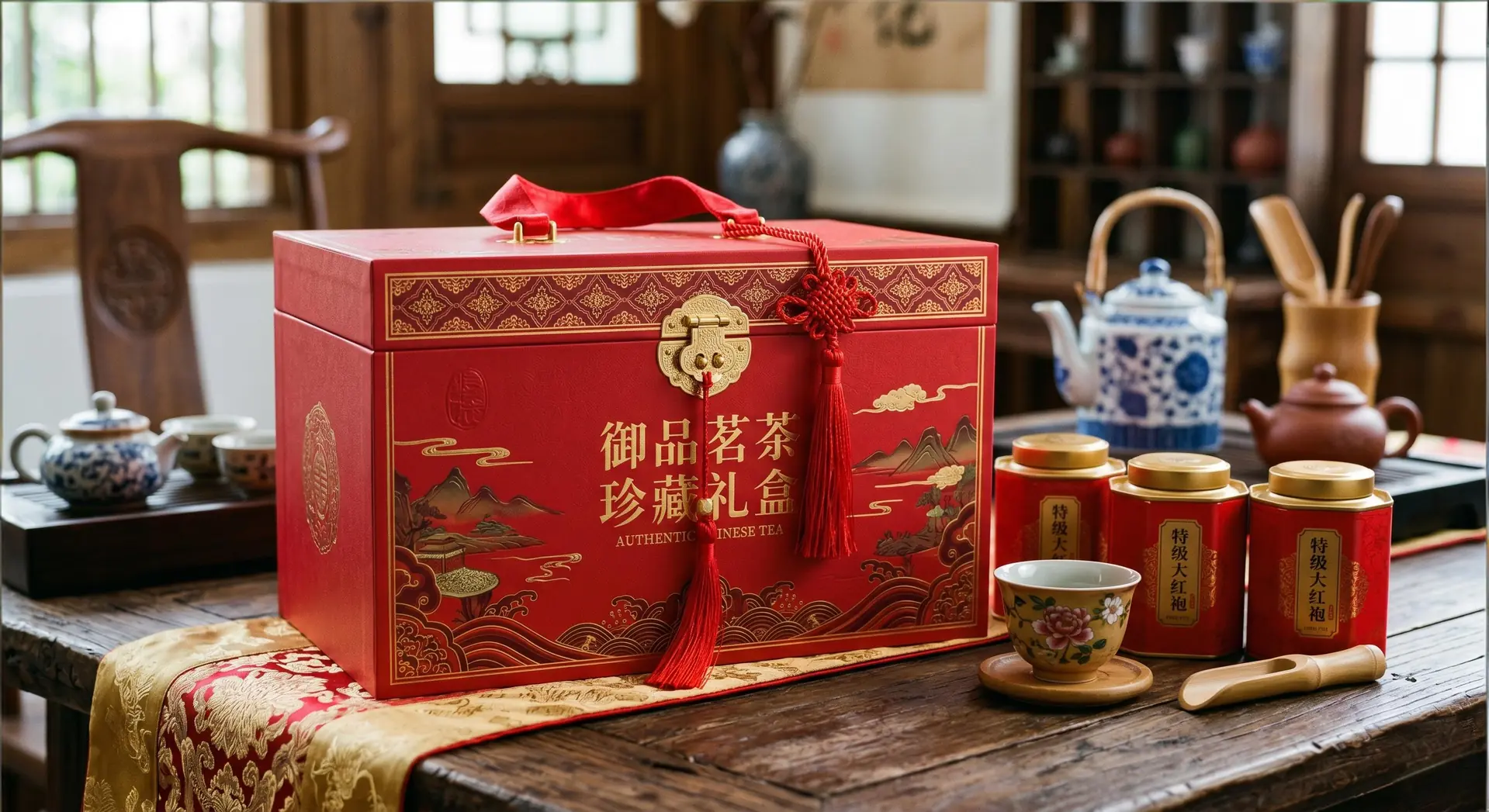
Safe gift logic
If you are visiting a home, thanking a host, or meeting someone who helped you, bring something shareable and neatly presented. The packaging matters because it signals care before the gift is even opened.
Moderate
Keep the gift moderate. Something too expensive can make the recipient feel they now owe you an equal return gift.
Easy to explain
The sweet spot is thoughtful, portable, and easy to explain.
Shareable
When you are unsure, choose food. Fruit, pastries, tea, and home-country snacks are easier to share than personal objects.
| Gift | Best situation | Why it works |
|---|---|---|
| Home-country specialties | Hosts, friends, landlords, local contacts. | Chocolate, coffee, snacks, or regional products feel personal and easy to discuss. Bring wine only if you know the host drinks alcohol. |
| Quality fruit | Home visits and casual thanks. | Fruit is safe, shareable, and appropriate across ages. |
| Tea | Tea drinkers, hosts, older adults. | Works well if the tea is decent and packaged nicely. |
| Pastries or sweets | Families, office-style visits, light hospitality. | Easy to share and not too intimate. |
| Red envelopes (红包) | Weddings, Chinese New Year, newborn visits, and close family occasions. | Use even amounts, avoid the number 4, and follow local guidance. For children or newborn visits, wait for a parent or host cue. |
Gift Taboos
Treat these as safest-avoid items for elder-facing, formal, family, or celebratory gifts. Young friends may joke about them, but visitors should not turn them into gifts or pranks.
| Avoid | Why it feels wrong | Safer replacement |
|---|---|---|
| Clocks and watches | Clocks are tied to funeral wordplay; watches can feel similar for traditional elders. | Tea, fruit, or a home-country specialty. |
| Umbrellas and pears | Both can suggest parting or separation through sound associations. | Pastries, sweets, or packaged snacks. |
| Knives and scissors | Sharp objects can imply cutting the relationship. | Anything soft, edible, or decorative. |
| Green hats | The phrase is tied to a Chinese idiom about infidelity. | A scarf, local souvenir, or food gift. |
| Black or white wrapping | These colors can feel funeral-like in gift contexts. | Red, gold, or warm neutral packaging. |
| White or yellow chrysanthemums | They are associated with mourning and tomb-sweeping. | Fruit, tea, or non-floral gifts. |
Numbers and Colors
For ordinary travel gifts, use red, gold, or warm neutral wrapping. Avoid amounts or sets centered on 4; numbers like 6 and 8 usually feel luckier. For deeper context, use the Chinese lucky numbers guide and Chinese color meanings guide.
Presenting and Receiving

Gift handoff
The handoff matters as much as the object. Use both hands, accept the ritual back-and-forth lightly, and do not force an opening moment in front of everyone.
Both hands for formal items
Use both hands for gifts, business cards, red envelopes, cash in symbolic moments, documents, and anything that carries social weight. For tiny everyday transactions, one hand plus polite attention is usually fine.
Polite refusal is often ritual, not rejection
The recipient may say there is no need and gently push the gift back. Offer again gently, but if they keep refusing, change the topic and respect the no. Never pressure someone to accept cash or an expensive gift.
Open later unless invited
Do not expect the recipient to open the gift immediately. In China, opening a gift in front of the giver can create awkward comparison pressure. Accept, thank the giver, and open it later unless they clearly encourage you to open it there.
| English | Chinese | Pinyin | Say It Like… |
|---|---|---|---|
| A small token of appreciation; please accept it | 这是一点小心意,请收下 | zhè shì yì diǎn xiǎo xīn yì, qǐng shōu xià | juh shir ee dyen shyow shin ee, ching show shyah |
| You are too kind | 您太客气了 | nín tài kè qi le | neen tie kuh chee luh |
| Thank you, I like it very much | 谢谢,我很喜欢 | xiè xie, wǒ hěn xǐ huan | shyeah shyeah, waw hun shee hwan |
Visiting a Chinese Home

Home visit rhythm
Being invited to a Chinese friend's or landlord's home for dinner, fruit, or tea is a real gesture of trust. The safest strategy is to observe the doorway, follow the host's lead, and avoid acting as if the home is a hotel lobby.
First five minutes
Most awkward moments happen in the first five minutes: shoes, where to sit, whether you brought something, and how quickly you relax. Slow down at the entrance and let the host direct you.
Hospitality pace
Once food or tea starts, accept hospitality with warmth. You do not have to eat endlessly, but refusal lands better after you have tried something and praised it.
| Moment | What to do | Why it matters |
|---|---|---|
| Arrival | Look for slippers or a shoe cabinet. Remove shoes if the household does. | Shoes-off homes are common, especially in urban apartments. |
| Gift | Bring fruit, pastries, tea, milk, or a home-country specialty. | For a meal invitation or first visit, bring something modest. For a quick casual stop with young friends, ask or bring a small shareable snack. |
| Seating | Let the host tell you where to sit, especially at a family meal. | Seats can signal seniority and guest status. |
| Food | Try a little of what is offered. If full, say a short compliment such as "I'm full, thank you. This is delicious." | This says you are full while still praising the meal. |
| Compliments | Compliment the home or food, but avoid admiring expensive items too intensely. | In some settings, strong admiration can pressure a host to offer the item. |
| Leaving | Expect "stay longer" once or twice. Pause briefly, then leave warmly. | The send-off is part of hospitality, not a trap. |
Face Culture & Indirect Refusals
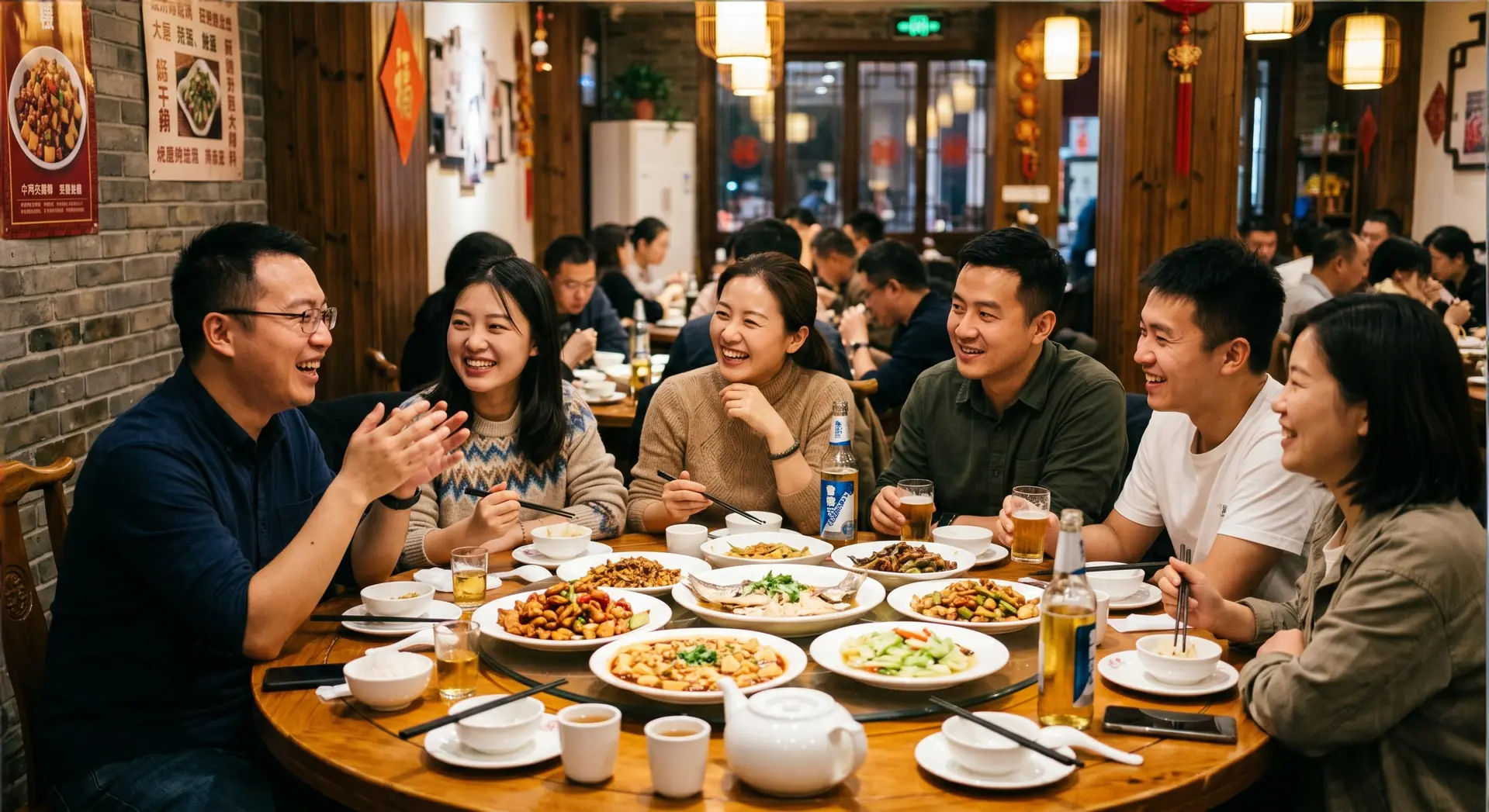
Face in practice
Face (面子) is one of the easiest Chinese social ideas to misunderstand. A practical travel definition is this: face means public dignity, reputation, social standing, and the feeling that everyone in the interaction is being treated with respect.
This is especially useful in restaurants, taxis, hotels, and family settings, where a loud correction can turn a small issue into a social problem. It does not mean accepting a wrong bill or unsafe ride; keep your voice calm, show the issue privately on your phone or receipt, and ask for help clearly.
Solve privately
For travelers, the main rule is simple: solve problems without publicly embarrassing anyone.
Soften the wording
You can disagree, correct, decline, or negotiate, but softer phrasing usually works better than direct confrontation.
🍽️Dinner invitations
An invitation gives you face. If you cannot go, decline warmly and give a soft reason instead of a blunt "I don't want to."
👏Praise
If someone praises your Chinese or travel skill, modesty lands better than self-promotion. Smile, thank them, and keep it light.
🤫Public criticism
Avoid raising your voice or correcting someone in front of others. If a problem needs fixing, do it privately and calmly.
🌀Indirect refusals
"Maybe later," "let me see," or "I have been busy" can mean no. Listen to tone and repetition, not only the literal words.
The Face Translator
When a social behavior confuses you — why the host insists on paying, why someone avoids a direct no, why praise is deflected — ask which choice lets everyone keep dignity. The answer usually becomes clearer.
WeChat Social Norms
Digital social layer
In modern China, social life often moves to WeChat (微信) quickly. If you have not set it up yet, use our WeChat guide for foreigners before arrival so you are not doing identity checks in the doorway of a restaurant.
Add only when comfortable
WeChat is common for numbers, groups, photos, and small social payments, but it is still your contact list.
Acknowledge quickly
A short reply can be enough when you cannot answer fully yet.
| Situation | Norm | Traveler move |
|---|---|---|
| Adding WeChat | "Let's add WeChat" is China's version of exchanging numbers. | Scan the QR code if you are comfortable. If not, say you do not use WeChat much for contacts, or ask to keep the conversation in the current channel. |
| Group red envelopes | Opening a small group red envelope is social participation, not greed. | Claim it, send a quick thank-you, and do not overthink tiny amounts. |
| Private red envelopes | Private red envelopes can be normal among friends, family, or group celebrations. They are not routine tips. | Do not use them as thank-you payments for staff, guides, drivers, officials, teachers, or business contacts unless a trusted local says it is appropriate. |
| Moments (朋友圈) | Liking a friend's post is a low-effort friendly gesture. | Posting scenery, food, and public displays is usually fine. Ask before posting identifiable people, children, private homes, family meals, or money/red-envelope moments. |
| Reply speed | Many people expect quicker replies than email culture. | If you see a message but cannot answer fully, send a short acknowledgement first. |
Voice Messages
Voice messages are common on WeChat. They may feel inconvenient if you are used to text, but in China they are often treated as faster and warmer than typing. For directions, addresses, prices, dietary restrictions, or anything you may need to translate, text is safer than voice.
Recover From Etiquette Mistakes
Recovery mindset
Made a social mistake? Do not panic. Chinese people usually give foreign travelers a wide margin because they know you are crossing cultures. What matters most is that you notice, apologize lightly, and show you are trying.
The universal recovery formula
Smile + "不好意思" + "I'm still learning Chinese culture." These three moves defuse most awkward moments.
| Mistake | Severity | Recovery |
|---|---|---|
| Gave a clock or other taboo gift | High | Apologize, say you just learned the custom, and follow up with a safer replacement if appropriate. |
| Called an elder by the wrong name | Medium | Switch to the correct title immediately, smile, and apologize briefly. |
| Entered a home with shoes on | Medium | Remove them as soon as you realize. Most hosts will wave it off. |
| Refused food too bluntly | Low | Try a different dish and praise the meal. |
| Opened a gift immediately | Low | Keep showing gratitude. This is rarely serious for a foreign guest. |
| Used an unlucky number | Low | Note it for next time. Most people will not hold a traveler to number customs. |
| English | Chinese | Pinyin | Say It Like… |
|---|---|---|---|
| Sorry / excuse me; a light apology | 不好意思 | bù hǎo yì si | boo how ee sir |
| I'm still learning Chinese culture | 我还在学习中国文化 | wǒ hái zài xué xí zhōng guó wén huà | waw hi zai shweh she jong gwaw one hwah |
| Thank you for reminding me | 谢谢你提醒我 | xiè xie nǐ tí xǐng wǒ | shyeah shyeah nee tee shing waw |
Frequently Asked Questions
In hosted or older/traditional meals, one person often pays and others return the favor later. Among younger friends, coworkers, and casual hangouts, splitting by WeChat or Alipay is also common. Follow the inviter's cue; offer once, then do not fight the bill.
Sources checked for this guide
- Cultural Atlas Chinese etiquette overview: greetings, gift giving, modesty, respect, and public behavior context
- Cultural Atlas Chinese core concepts: face, hierarchy, harmony, humility, and family-oriented social values
- Homophonic pun context for clocks, pears, four-item gifts, and lucky-object symbolism: gift taboo and symbolic-wordplay reference
- Tencent Weixin / WeChat product page: WeChat as a social communication and digital service ecosystem
Beyond This Guide
Chinese social etiquette runs deeper than any single article can cover. Use these next pieces according to the setting you are most likely to face:
- Chinese Dining Etiquette: Chopsticks, Toasting & Customs - table manners, hosting, toasts, and bill-paying.
- Non-verbal Communication in China: Gestures & Body Language - gestures, pointing, personal space, and body-language traps.
- Chinese Customs & Taboos - face, harmony, family values, and symbolic daily rules.
- Chinese Color Meanings and Taboos - wrapping colors, flowers, green hats, and visual symbolism.
- Chinese Lucky Numbers - red-envelope amounts, lucky numbers, and number taboos.
- Chinese Wedding Etiquette - wedding red envelopes, guest behavior, and outfit choices.
- Essential Chinese Phrases for Travelers - the practical words that make daily interactions smoother.
- WeChat in China: Foreigner's Guide - setup, QR codes, payments, groups, and social features.
If your trip involves local friends, home dinners, family introductions, or business-adjacent hospitality, we can advise on the etiquette and walk you through delicate moments during the trip. We do not buy tickets, reserve paid services, or handle money on your behalf.
© gochinafreely.com — Original guide by Go China Freely.