Visit basics
Visit-day hours and entry conditions can change. Check the museum official visitor channel before travel.
Plan before you go
Xinjiang Museum: A Silk Road Primer
The Xinjiang Museum (新疆维吾尔自治区博物馆) is at 581 Xibei Road in Urumqi. Founded in 1959, it expanded with a second phase that entered service in 2022; the two phases total 49,608 m². Its collections are especially strong in textiles, excavated documents, painted clay sculpture, and ancient mummies.
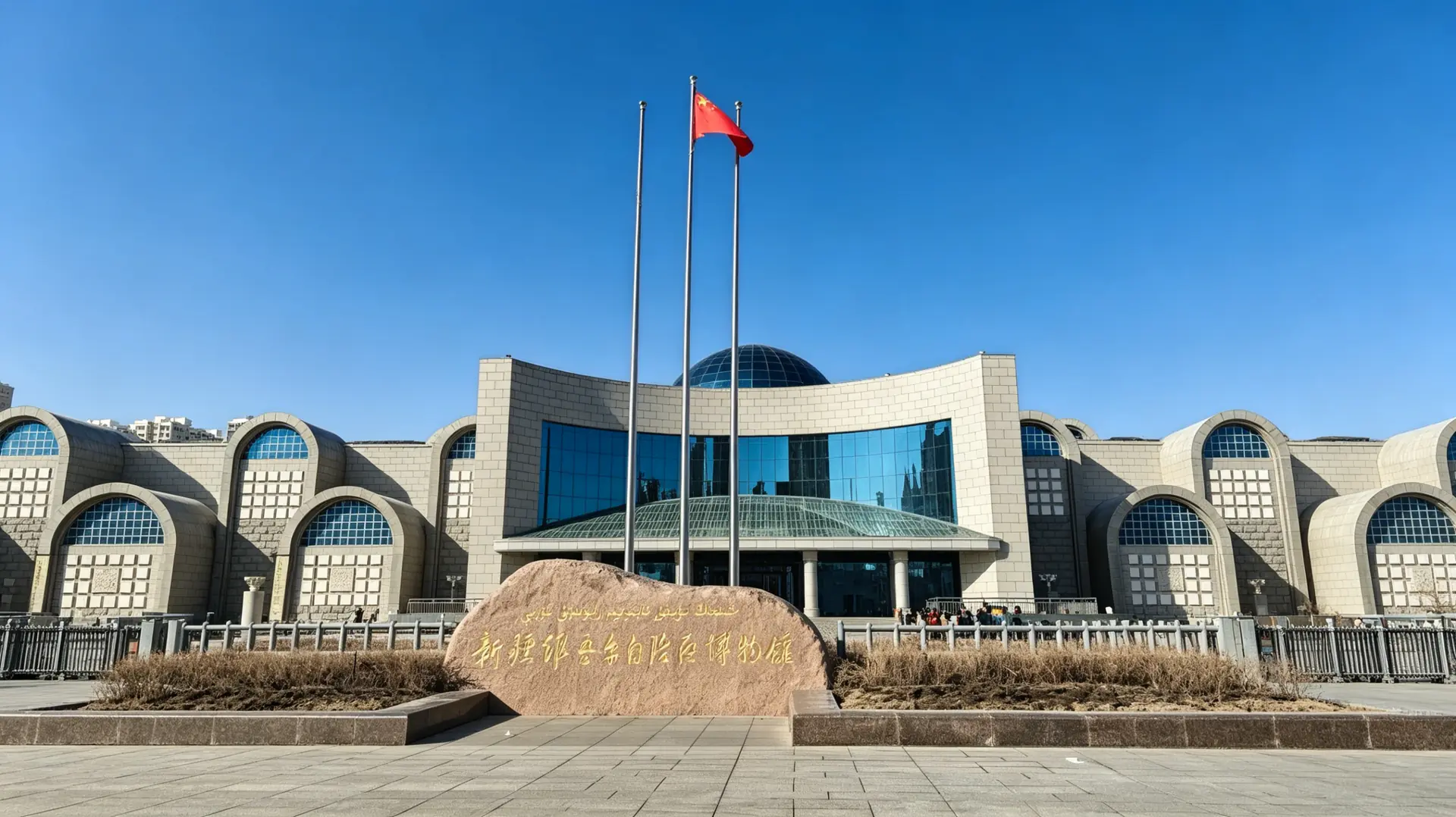
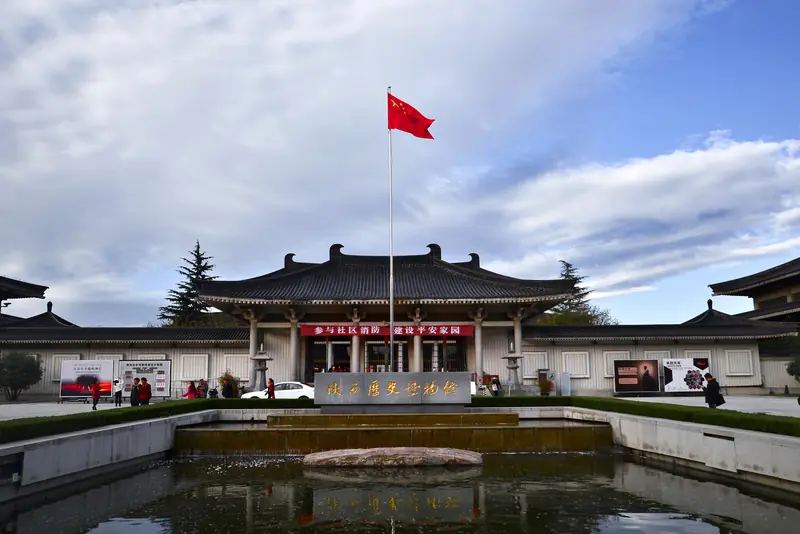
The Xinjiang Museum on Xibei Road. Its second phase entered service in 2022, bringing the two-phase complex to 49,608 m².
For independent travelers, this is a useful place to get cultural and archaeological context before continuing across Xinjiang. A late-2025 government introduction described six permanent exhibitions, but exhibition names and gallery availability can change. Use the museum entrance and current visitor channel to set your own priorities on the day.
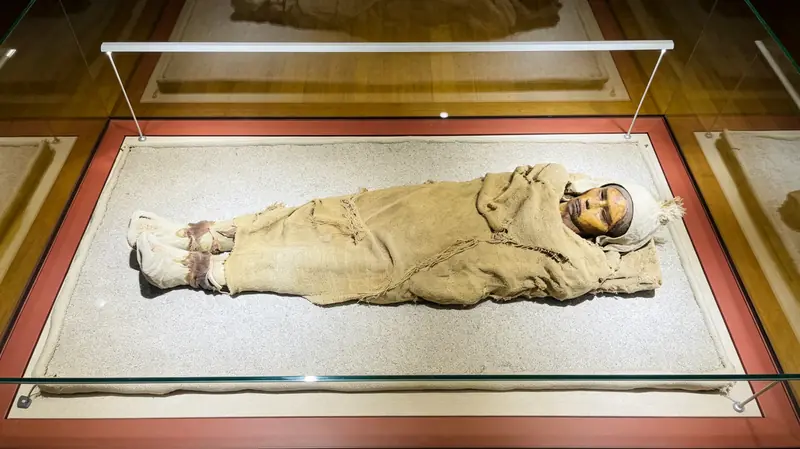
The Tarim mummies are the emotional center of many visits. Loulan Beauty (楼兰美女), discovered near Lop Nur in 1980, dates to roughly 3,800 years ago. Confirm the current display status of any particular specimen before you plan your visit around it.
Tarim Mummies: What to See
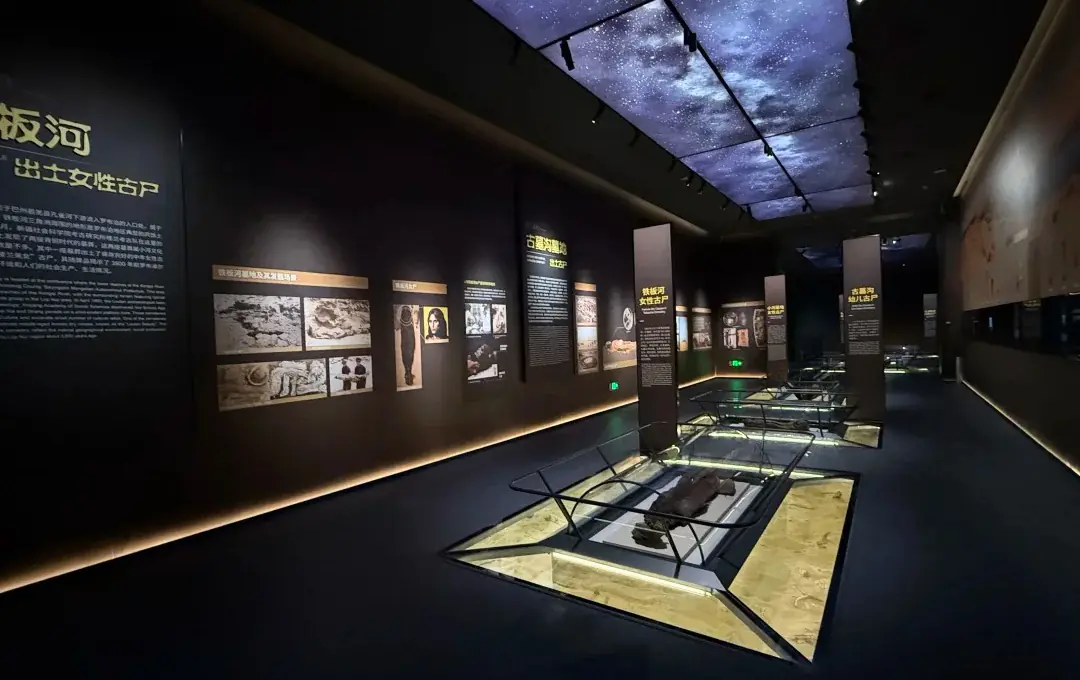
A 2025 government introduction describes the museum's ancient-mummy exhibition as six specimens spanning the pre-Qin period to the Tang Dynasty. That page does not establish a day-by-day display list, so do not treat an older checklist as a promise that every named body will be available when you arrive. If the mummies are central to your trip, confirm the current exhibition status first.
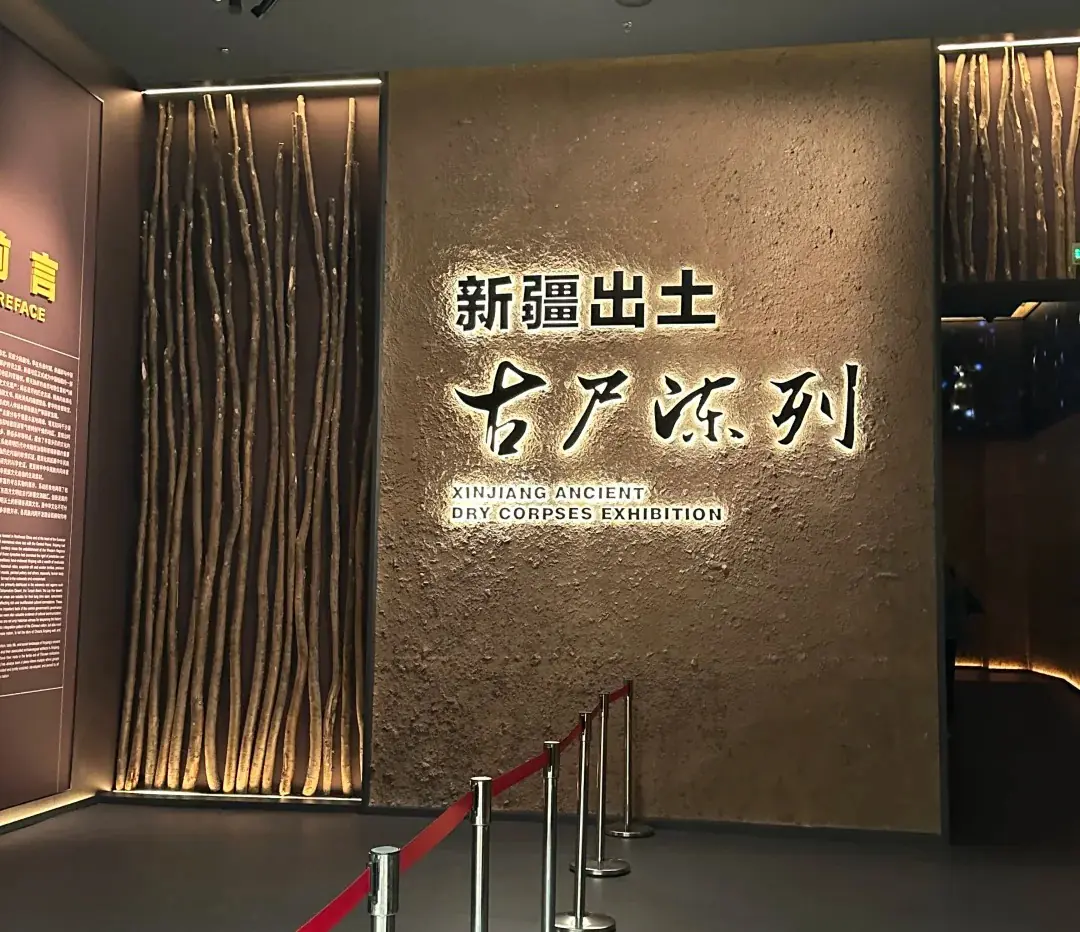
A gallery view associated with the museum ancient-mummy exhibition. Confirm the current display list before a visit built around a particular specimen.
The value of this section is not a rushed checklist. Look closely at the condition of the bodies and the material culture around them, then use the current labels to understand what is actually on view that day. Allow extra time if this is your main reason for visiting.
Loulan Beauty: Historical Context

A display associated with the Tarim mummies. The current location of any named specimen should be confirmed before travel.
Loulan Beauty (楼兰美女) was discovered near Lop Nur in 1980 and is generally dated to roughly 3,800 years ago. A local-government historical account records an estimated age at death of 40–50 years and a height of about 1.57 m. Those historical details do not confirm where she is displayed on any particular day, so treat them as context rather than a current viewing guarantee.
Older English-language summaries often name other Tarim mummies as a fixed route. This guide does not repeat that as a current checklist: individual specimens, their labels, and their display locations need to be checked against the museum's live information on your visit day.
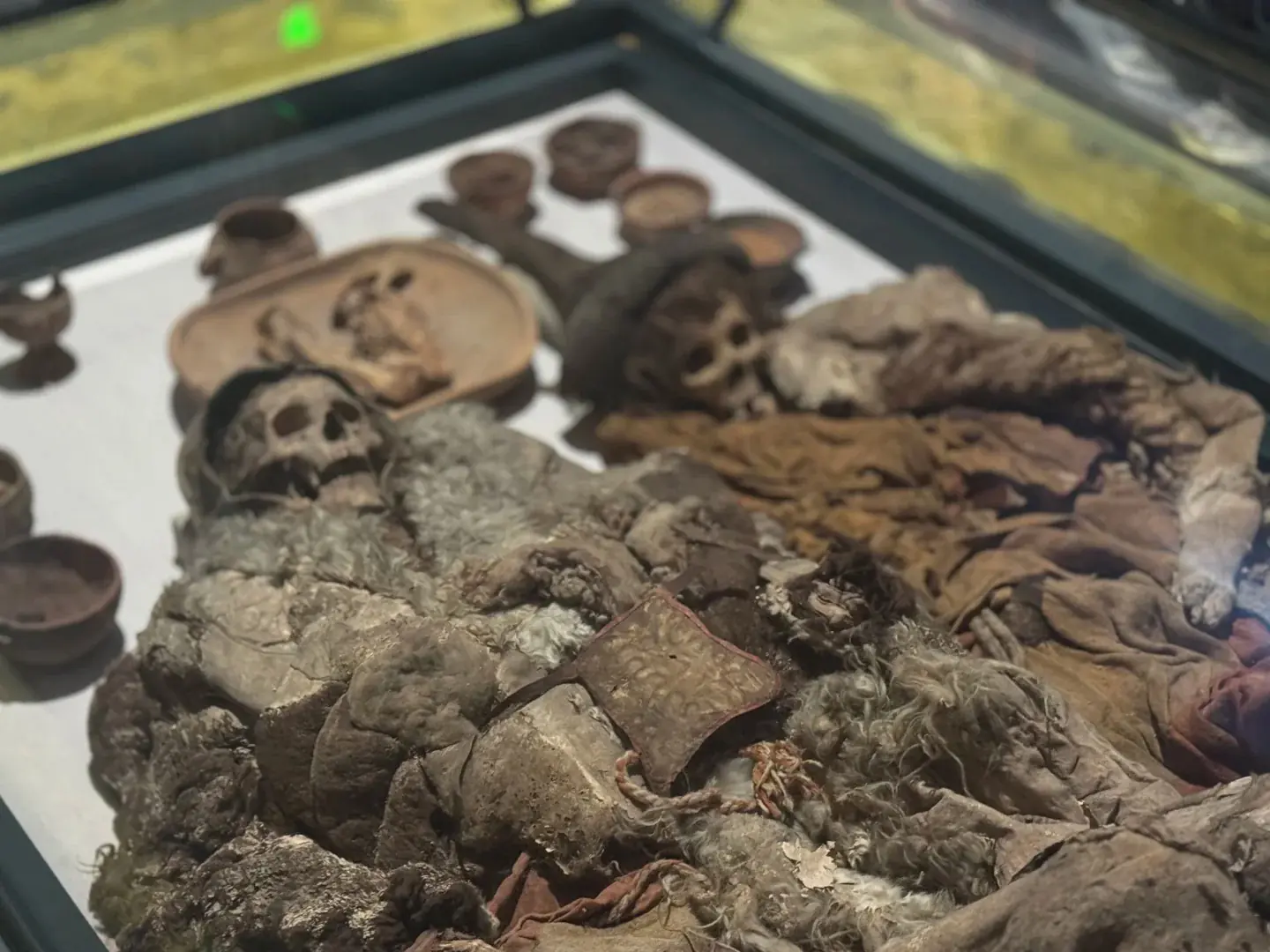
A display of burial-related material. Check current labels for the object identity, site, and display status.
Burial-related objects can be as revealing as the bodies themselves. On the day, use the case labels to distinguish confirmed excavation context from a general display theme rather than relying on an older online caption.
Confirm a must-see display
Gallery access and display rotation can change. If a named mummy is the reason for your visit, confirm the current exhibition information through the museum's official visitor channel before finalizing the day.
Why So Well Preserved?
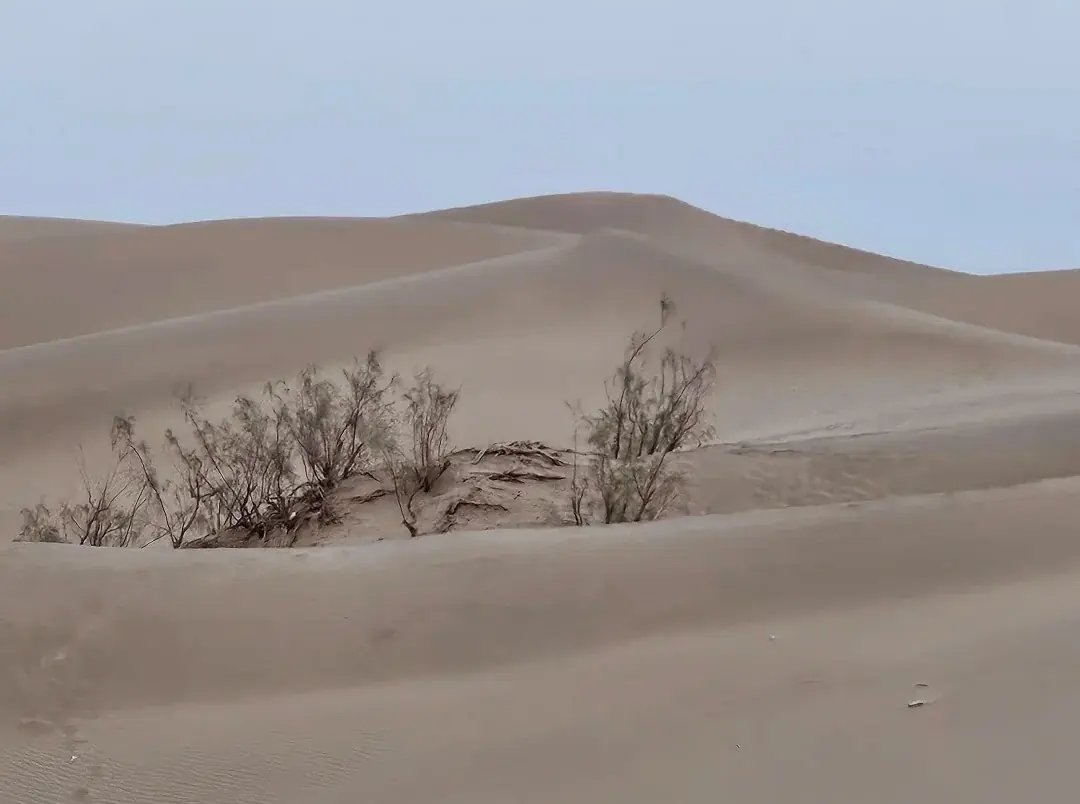
The dry Tarim Basin landscape provides geographic context for the ancient-mummy exhibition.
The Tarim Basin is an exceptionally dry environment, and the museum's ancient-mummy exhibition presents bodies whose preservation has made the region central to archaeological study. This guide avoids reducing that process to a single rainfall number or a universal explanation: use the exhibition text for the specific site and specimen in front of you.
The DNA Debate
The appearance of the Tarim mummies once encouraged broad migration stories, but appearance alone cannot settle population history.
A 2021 Nature study analysed genomic data from 13 Early–Middle Bronze Age individuals from the Tarim Basin, dated to about 2100–1700 BCE. It found evidence that the sampled early Tarim population arose from a genetically isolated local population that adopted neighbouring pastoralist and agriculturalist practices. The study does not establish that Loulan Beauty, every Tarim mummy, or every museum specimen was sampled.
The most valuable response is to look past a simplified East-versus-West framing. These bodies, objects, and excavation contexts open questions about life, movement, and cultural exchange across the ancient Tarim Basin.
Silk Road Objects: A Shortlist
A historical-objects gallery view. Confirm the current exhibition title and label languages on arrival.
The October 2025 museum introduction describes a history exhibition that spans the pre-Qin era through the Qing Dynasty and brings together more than 1,800 objects or groups. Start here if you want chronological context, but confirm the live gallery name, route, and label coverage when you enter.
The museum's documented strengths are textiles, excavated paper documents, painted clay sculpture, and ancient mummies. The earlier version of this guide turned six named objects into a present-day scavenger route, but we could not verify each object identity, replica status, and current display location. Use the official exhibition text and case labels to choose the objects that matter most to you instead of treating an old online list as a live inventory.
🧵Textiles and dress
The collection is particularly noted for textiles and for the official ancient-clothing exhibition. Look for material, technique, and context rather than trying to tick off an outdated object list.
📜Excavated documents
The museum's documented exhibition programme includes materials excavated in Xinjiang. These are especially useful for seeing how languages, administration, and everyday life travelled across the region.
🏺Objects across centuries
Use the history exhibition for the long chronology, then slow down when an object connects directly to a destination already on your itinerary.
🔎Read the live labels
Exhibition titles, objects, and language coverage can change. The current gallery text is the best source for what you can actually see today.
Culture and Dress on Display
The museum's October 2025 exhibition overview includes an ancient-clothing exhibition and a shared-home exhibition. It does not support the older fixed route of twelve named ethnic cultures, so approach this area as changing exhibition context rather than a complete, current map of Xinjiang communities.
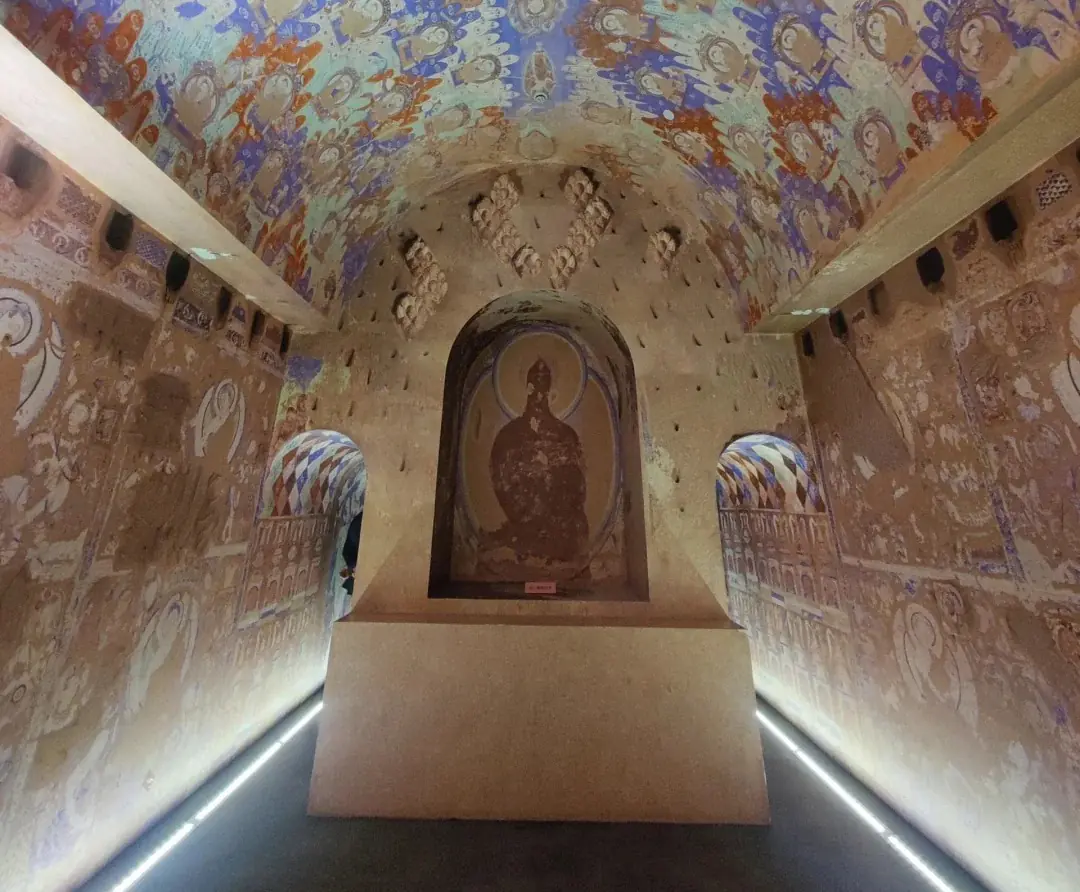
A museum room display. Check current exhibition labels for its specific cultural and historical context.
Room-scale displays can make domestic objects, materials, and spatial habits easier to notice than a case of isolated objects. Read the current labels closely rather than treating one display as a complete portrait of a living community.
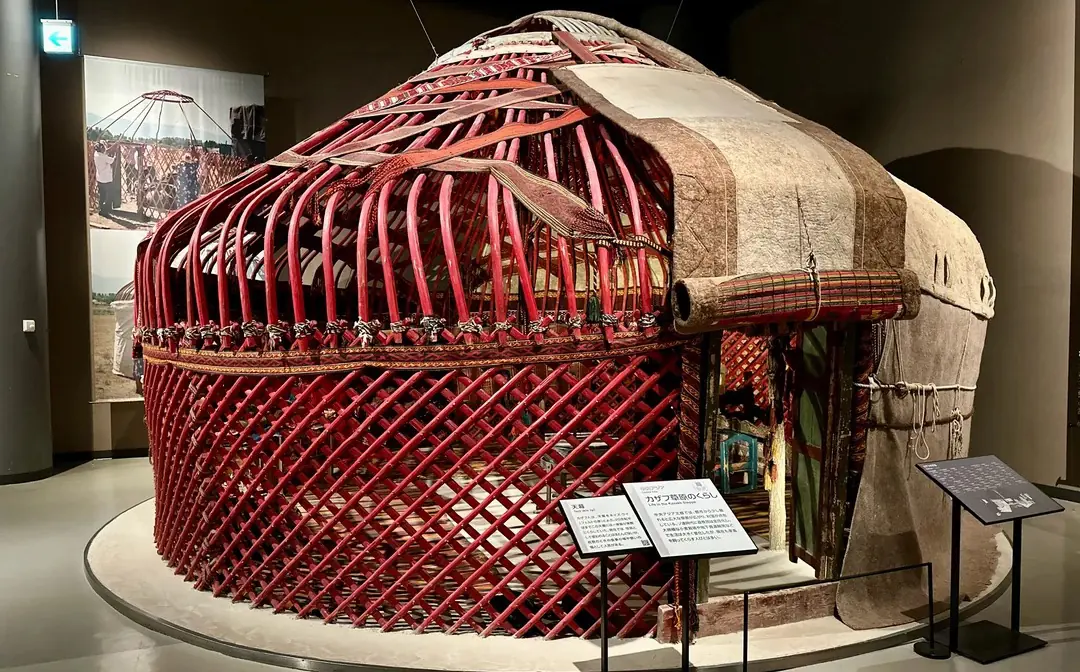
A furnished yurt display in a museum setting. Confirm current display details through the gallery text.
Use a display like this to compare materials and construction methods, then leave room for regional variation when you travel on to a grassland or town in Xinjiang.
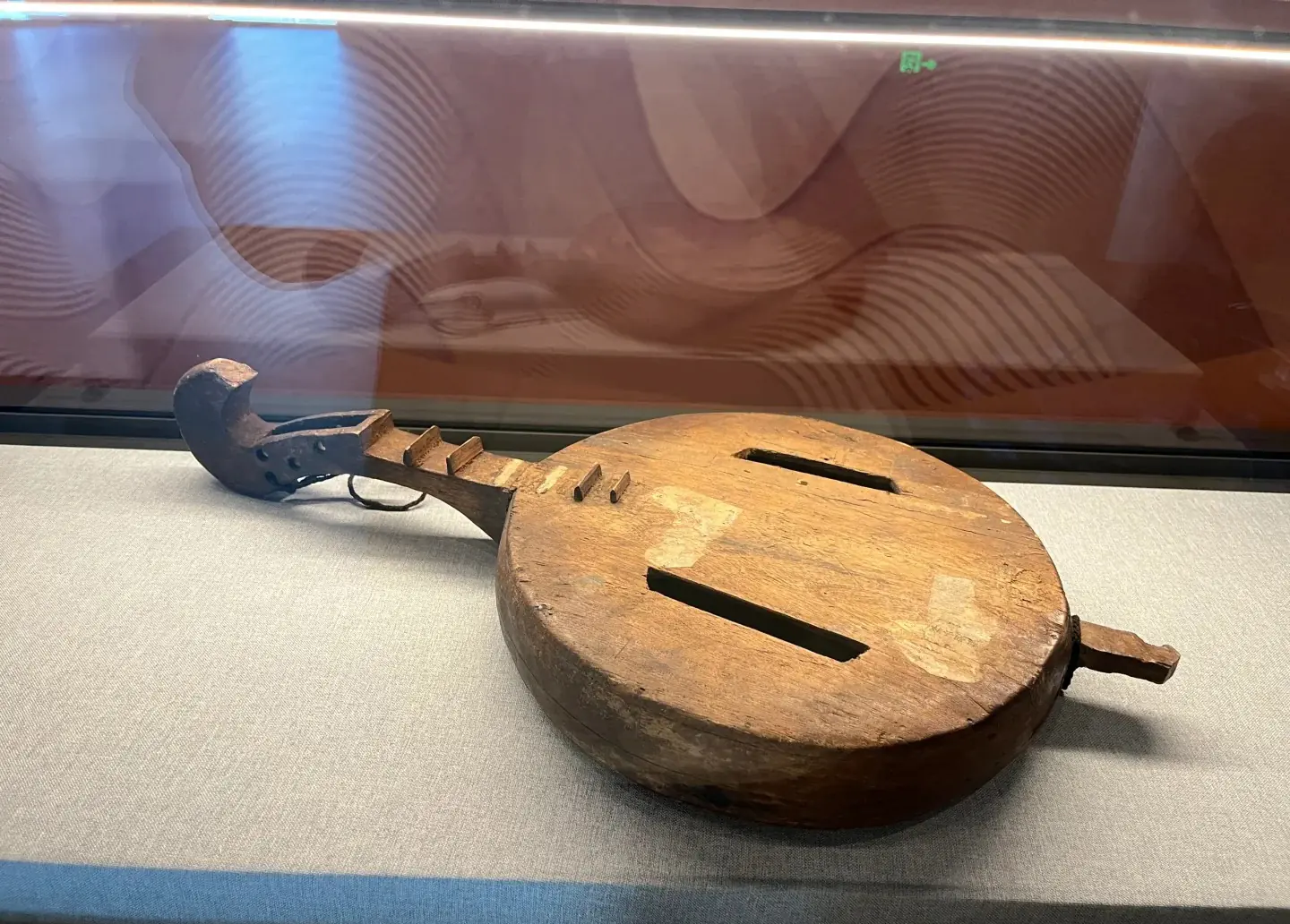
Costumes and instruments in a museum display. Read the case labels for the object, community, and period represented.
Costume, instrument, metalwork, woodwork, and leather can offer a useful visual bridge between historical collections and the places on your wider Xinjiang itinerary. Avoid assuming that a single case represents every period or community.
If you are continuing to Kashgar, the grasslands, or the Pamir region, treat this section as a starting point for questions rather than a substitute for local context. The same 2025 museum overview also lists a revolutionary-artifacts exhibition; include it if that subject matters to you rather than relying on an old fixed time estimate.
Route, Timing, and Tickets
Build your visit around the current exhibition list, not an old floor-by-floor route. A 2–3 hour window is a useful editorial starting point: leave more time if the mummies, archaeological material, or historical documents are central to your trip.
- Check current exhibition information- Confirm the display or subject you most want to see before leaving your hotel.
- Choose one main priority- Start with the collection area that fits your interest, then use the live gallery labels to adjust.
- Leave room for context- Use a second collection area to connect the objects with your onward Xinjiang itinerary.
- Review the exit information- Check temporary exhibitions and practical notices before you leave.
Use Live Visitor Information
The museum receives public funding for free opening, but entry conditions, reservation requirements, opening hours, and holiday arrangements can change. Before committing to a transfer or a tightly timed day, check the museum's official visitor channel for the current notice.
Do not rely on an old booking screenshot
This guide intentionally does not repeat a past reservation window, capacity, exemption list, cancellation penalty, or special-gallery closure day. Use the live official notice for the date you plan to visit.
Arrival and On-Site Basics
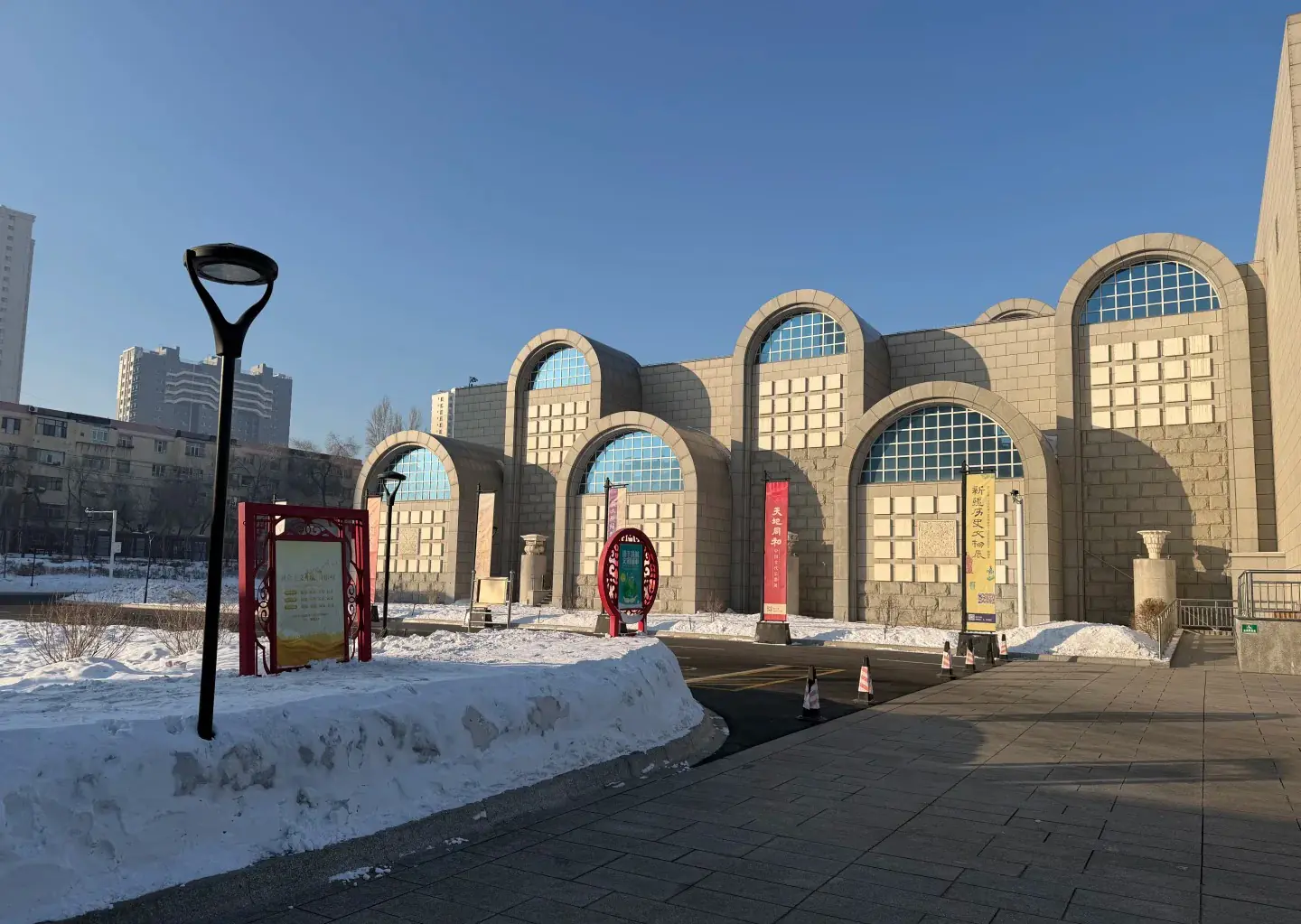
The museum entrance on Xibei Road. Check the current visitor notice for entry, security, storage, and photography rules.
The Xinjiang Museum is at 581 Xibei Road (西北路581号), Saybag District. Use the map link in the Quick Info card and a current China mapping app to choose a bus, metro connection, or ride-hail route on your travel date.
For a driver or ride-hail operator, show the full Chinese destination rather than relying on an old fare or travel-time estimate.
Show this screen to your driver · 出示给司机看
请送我到新疆博物馆(西北路581号),谢谢。
Please take me to Xinjiang Museum, 581 Xibei Road. Thank you.
Use the map pin in the Quick Info card to check the final route before you set off.
On-site policies can change with exhibitions and visitor conditions. Confirm any luggage, photography, accessibility, or language-support need in the current museum notice instead of relying on a guide published for an earlier season.
After the Galleries
Architecture
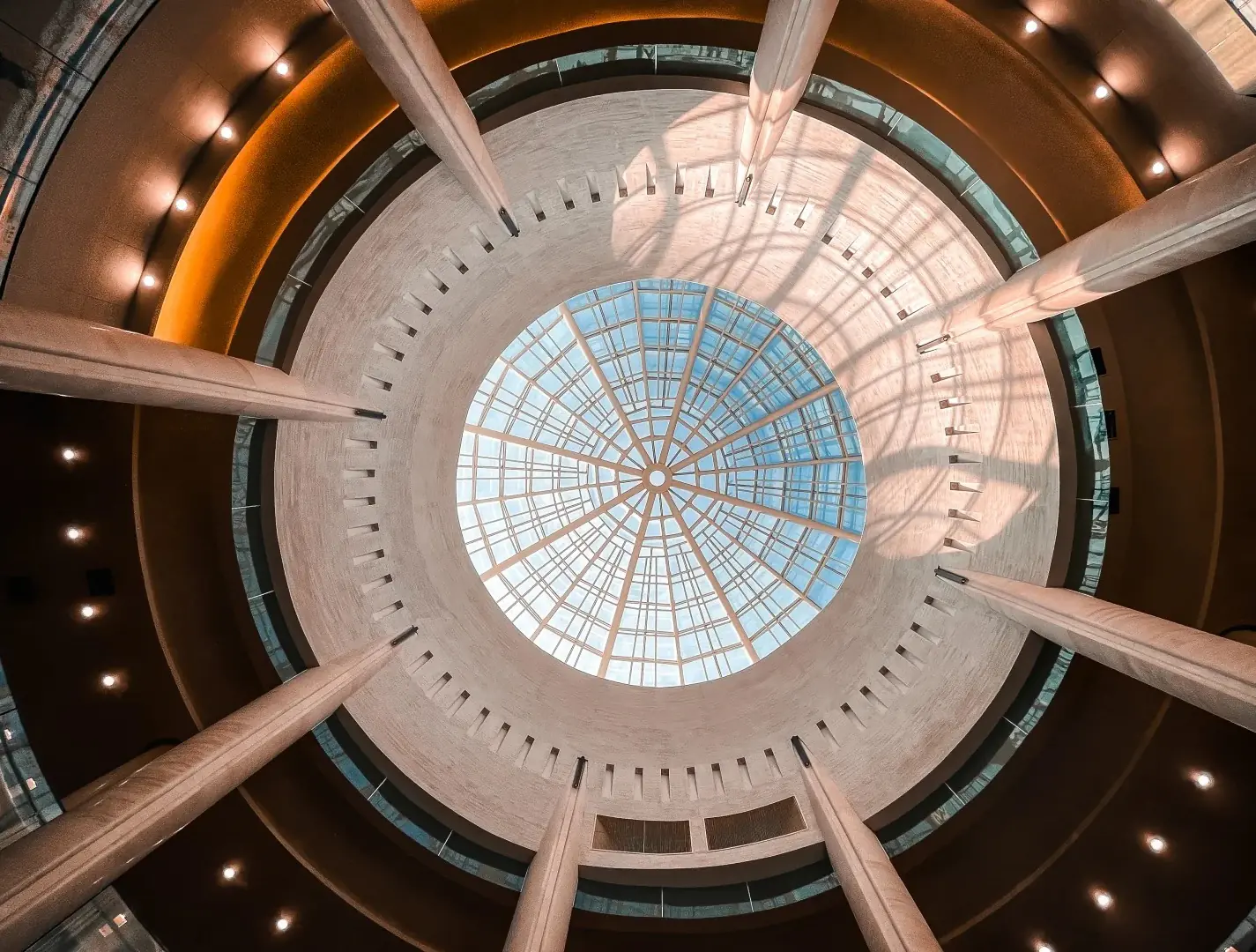
Architectural detail at the museum. Treat the image as a visual observation rather than a current access or night-lighting promise.
Before you leave, look for the architectural details that caught your attention on arrival. They can give the visit a visual close without requiring a separate timed stop or an unsupported claim about after-dark access.
Rotating Exhibitions
Temporary programmes change. The October 2025 government overview mentioned a special Palace Museum jade exhibition, but that is historical context rather than a promise for your date. Check the museum's official visitor channel for the live programme.
Gift Shop
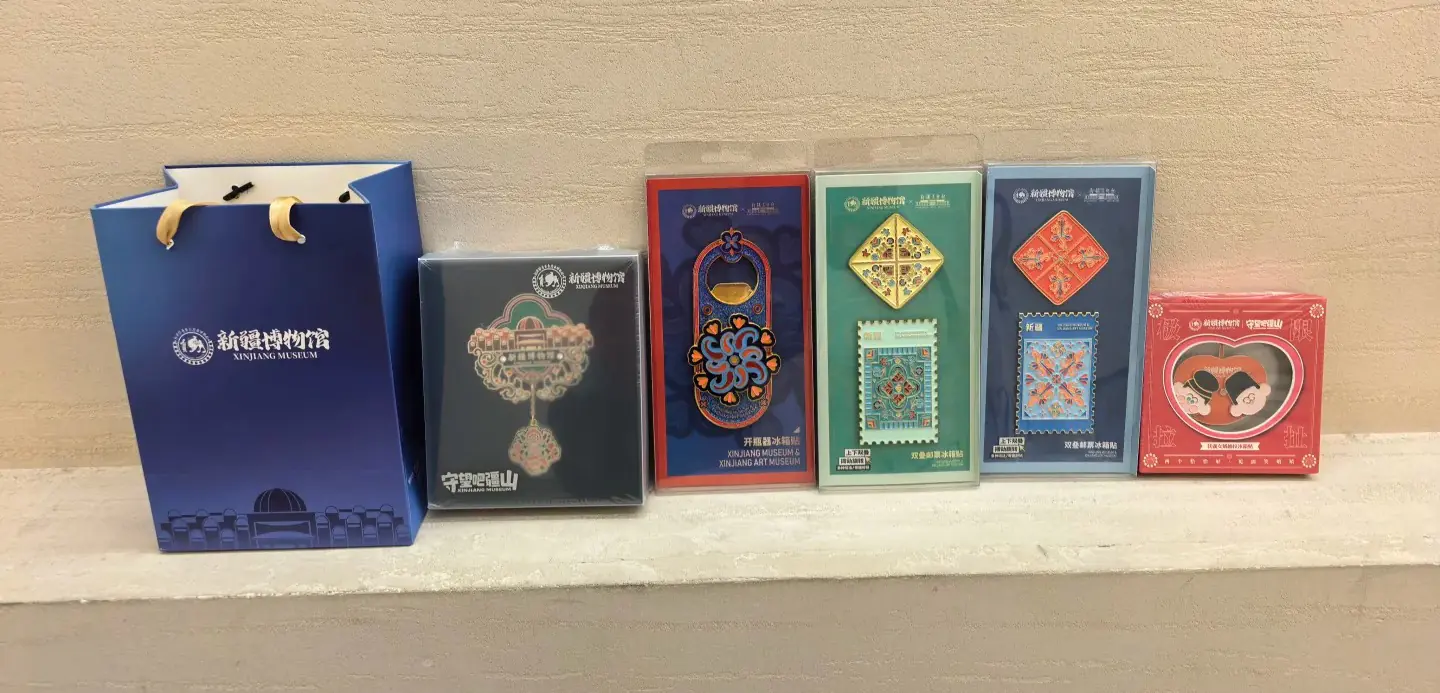
A museum retail area. Product range, opening status, and pricing can change.
If a retail area is open, use it as a final chance to revisit a collection theme that mattered to you. Product range and pricing change, so do not treat an old souvenir list or a comparison with another market as current advice.
Nearby Stops
Choose one nearby stop only if its current opening conditions, your energy, and the live route make it a good fit:
- Hongshan Park (红山公园) (Google | Amap) can be a city-view add-on.
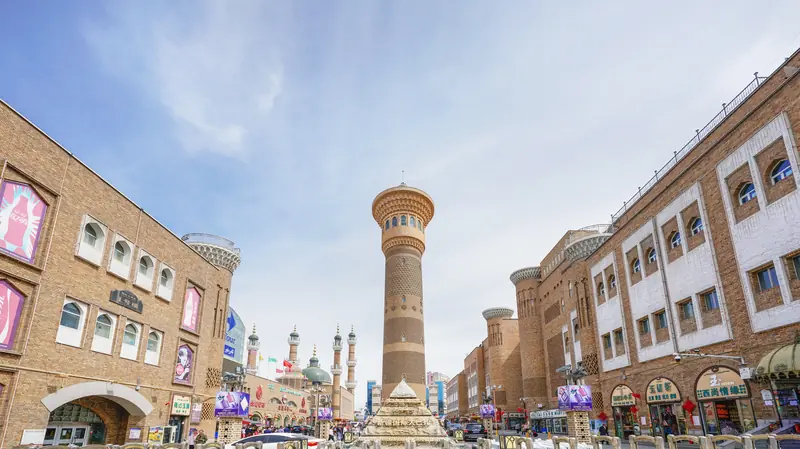
- Xinjiang International Grand Bazaar (新疆国际大巴扎) (Google | Amap) can be a food-and-market follow-up.
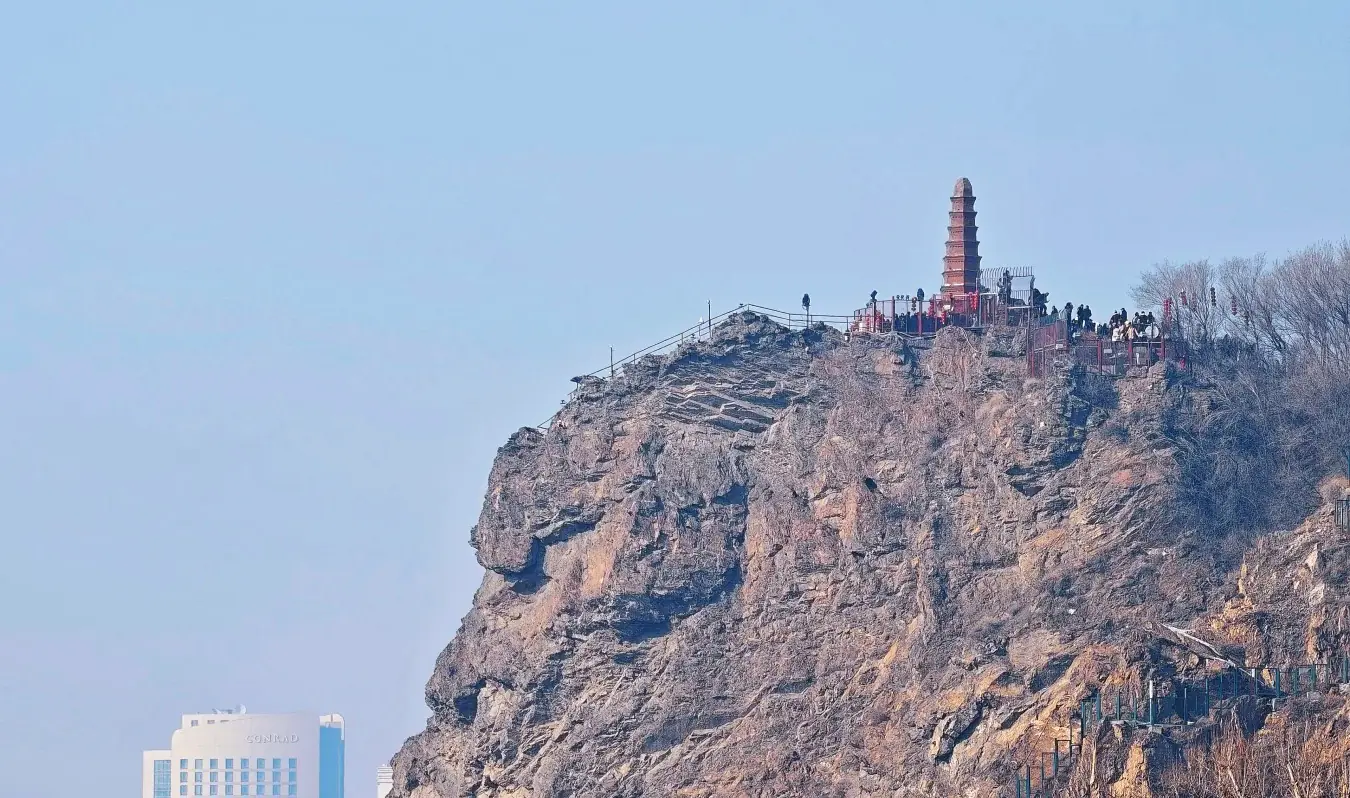
Hongshan Park is a possible map-linked city add-on after the museum.
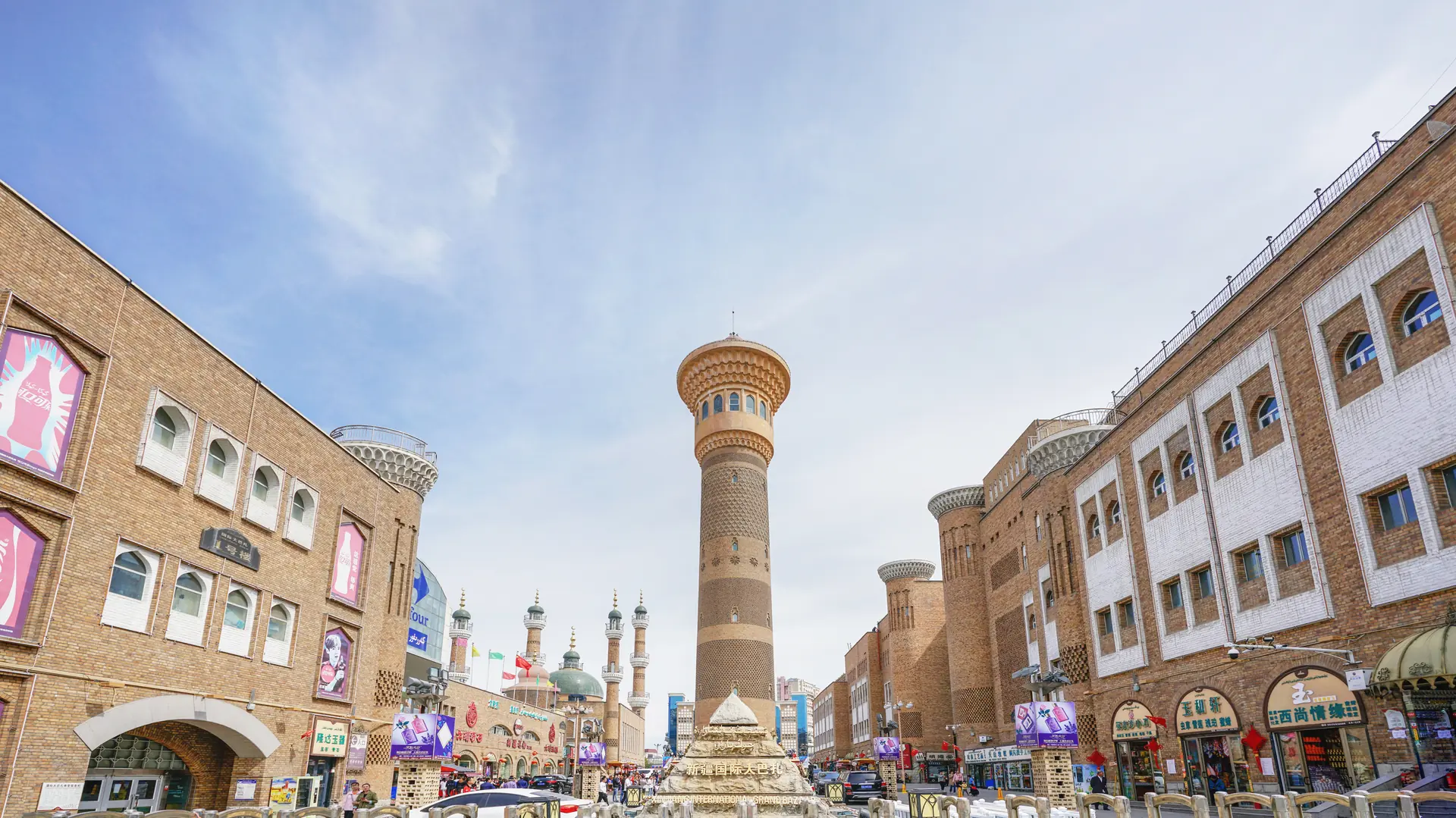
Xinjiang International Grand Bazaar is a possible food-and-market follow-up after the museum.
Pro Tip
Pair the museum with one nearby stop only when the live route and opening conditions work for your day. A shorter plan is better than trying to force an outdated sequence.
Frequently Asked Questions
Check the museum official visitor channel for your date. Reservation requirements and entry conditions can change, especially around holidays and special exhibitions.
Sources checked for this guide
- Museum identity and address: Xinjiang Culture and Tourism Department
- Exhibition and collection context: Saybag District Culture and Tourism Bureau, published 2025-10-31 Use as time-qualified context, not a guarantee of the live display list.
- Free-opening operating context: Xinjiang Museum 2026 budget disclosure
- Tarim Basin genomic study: Nature, 2021
Beyond This Guide
Urumqi is the gateway to Xinjiang's grasslands, deserts, and Silk Road oases — the Xinjiang Museum is the perfect starting point to understand what lies ahead.
Explore more in Xinjiang:
- Best Things to Do in Urumqi — decide what else fits around a museum day.
- Xinjiang Food Guide — plan the meal that follows your Urumqi sightseeing.
- Bayanbulak Grassland Guide — Swan Lake, the Kaidu River, and the Nine Bends at sunset
© gochinafreely.com — Original guide by Go China Freely.