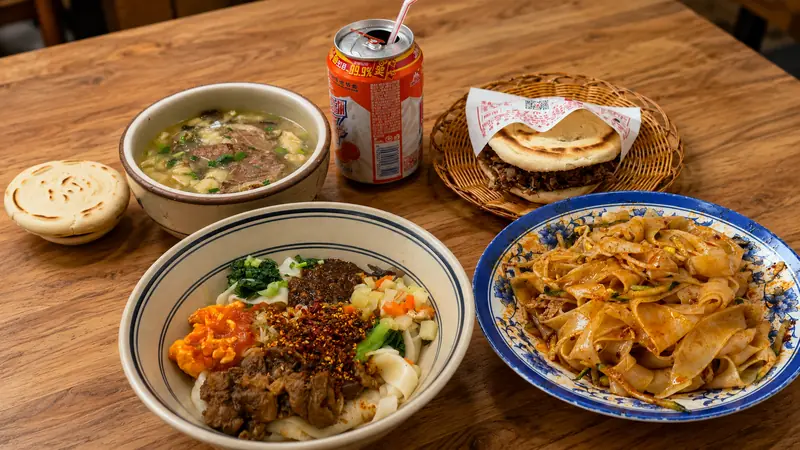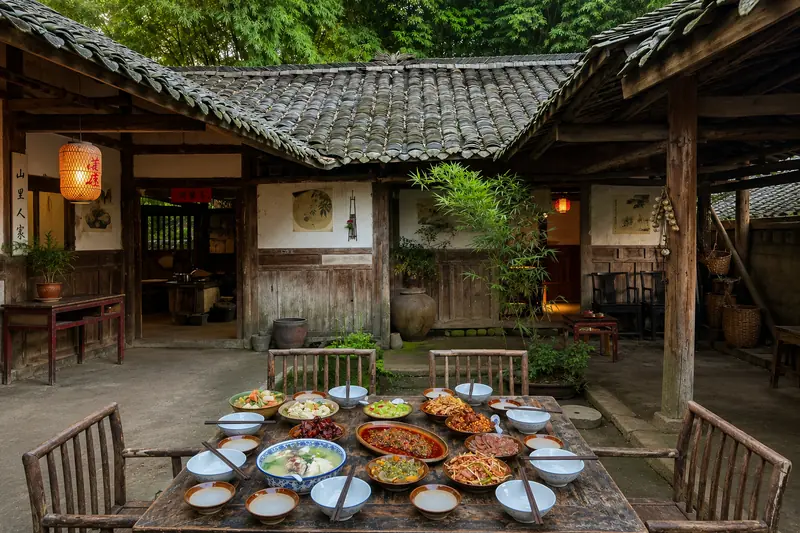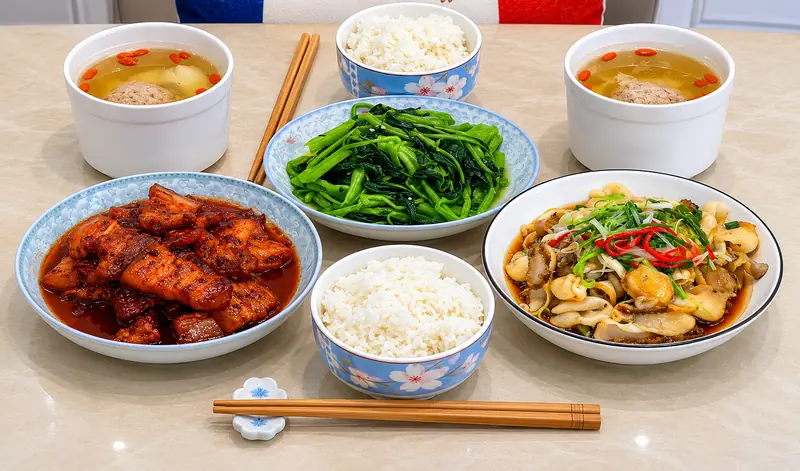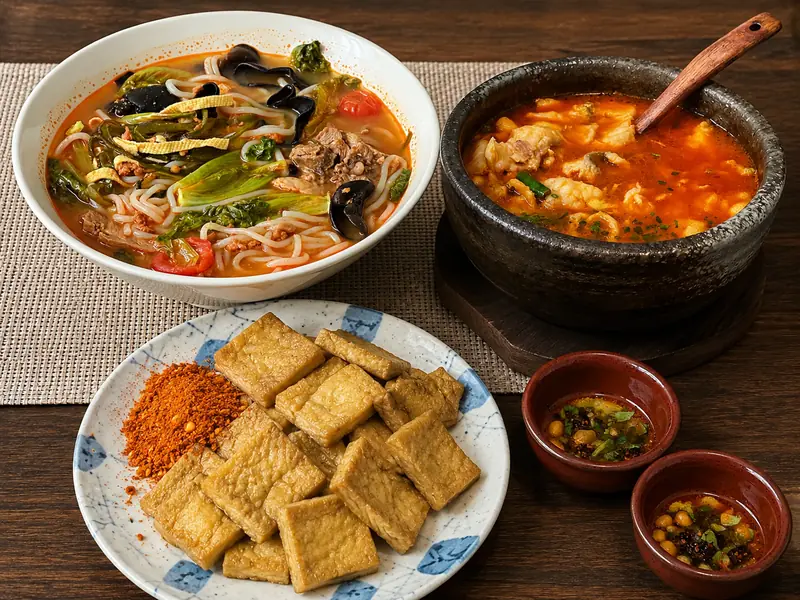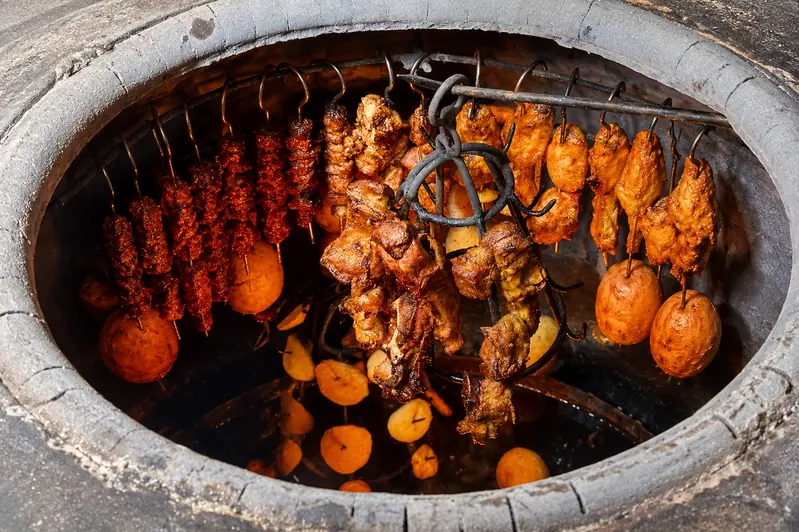
Xinjiang does not eat like eastern China. A meal here is built less around rice, soy sauce, and stir-fry, and more around lamb, naan, hand-pulled noodles, cumin, dairy, dried fruit, and the smoke of halal kitchens. For many first-time travelers, this is the most Central Asian-feeling food experience in China: skewers dripping over charcoal, naan slapped into hot pits, and pilaf served glossy with carrots, lamb, and warm oil.
This guide helps you answer three practical questions: what to order, where each food scene makes sense, and how to confirm halal food without relying on guesswork. Xinjiang covers about 1.66 million square kilometers, roughly one-sixth of China's land area, so do not treat it like one city with one night market. Use Urumqi for an easy first taste, Kashgar for bazaars and old-city smoke, Turpan for fruit, and northern Xinjiang for road-trip meals, dairy, and lamb-heavy tables. China Daily's Xinjiang overview gives the scale behind that planning problem.
Executive Summary
What to expect
Halal-friendly lamb, beef, chicken, naan, pulled noodles, pilaf, yogurt, dried fruit, and cumin heat. Xinjiang food is hearty, wheat-heavy, and closer to Central Asia than to coastal China.
Best first meal
Start with pilaf or laghman at lunch, then do lamb kebabs, naan, yogurt, and fruit at night. Save big plate chicken or lamb-heavy shared dishes for a group meal.
Main traveler challenge
Not only spice. The real issues are portion size, lamb fat, halal certainty, and knowing which food scene belongs to Urumqi, Kashgar, Turpan, or the northern road-trip towns.
Silk Road Food Built on Lamb and Wheat
Xinjiang food starts with geography. Oasis towns, desert basins, Tianshan pastures, and Silk Road trade pushed the region's cooking toward a meeting point between Central Asia, western China, and the wider Muslim food world.
Lamb and wheat
Wheat appears as naan and pulled noodles. Lamb and beef appear more often than pork. Cumin, onion, carrot, tomato, chili, yogurt, milk tea, grapes, and dried fruit do serious work.
Warm, smoky heat
Xinjiang food is not simply very spicy. Its heat is usually warm and aromatic: cumin, dried chili, black pepper, charcoal, and lamb fat rather than numbing Sichuan-style spice.
Portions and language
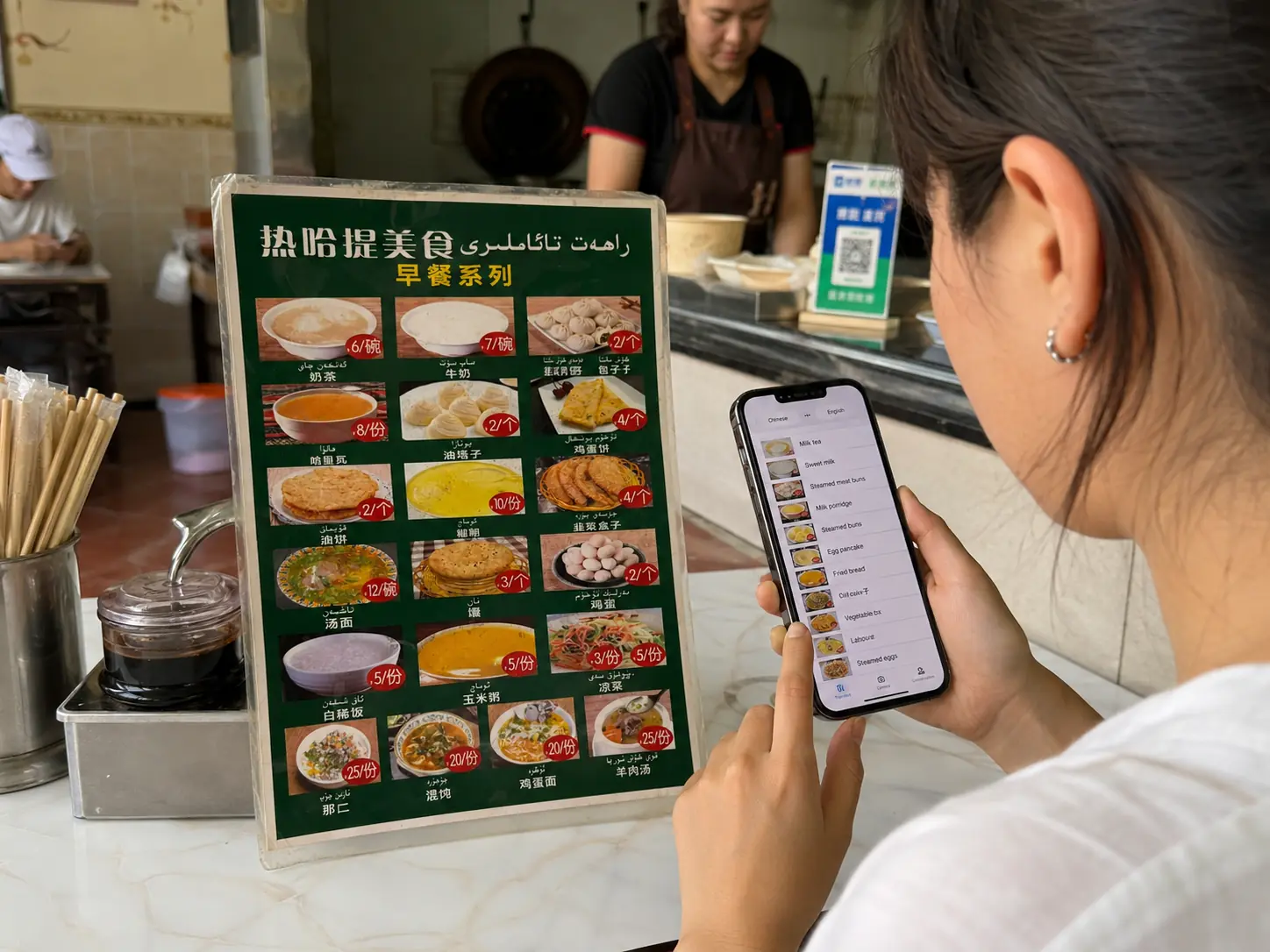
The bigger challenge is managing portions, oil, meat intensity, and menu language. A traveler can eat beautifully here, but one overambitious shared dish can wreck the rest of the day's food plan.
Halal food is the backbone of this guide, but keep the distinction clear. Uyghur, Hui, Kazakh, and Kyrgyz restaurants are commonly halal, and many will display 清真 (halal) clearly. But not every restaurant in Urumqi or Xinjiang as a whole is halal.
Halal is common, not automatic
If you require strict halal food, choose clearly marked 清真 restaurants and avoid assuming that every Xinjiang-branded restaurant qualifies. If you only avoid pork, still say that you do not eat pork or pork fat, because broths and cooking oil matter.
- Look for the 清真 sign before reading the rest of the menu.
- Avoid assuming a Xinjiang-branded restaurant is automatically halal.
- Ask about pork, pork fat, broth, and cooking oil if your restriction is strict.
- Notice whether alcohol is sold openly and judge it together with the restaurant's own labeling.
Must-Try Xinjiang Dishes for First-Time Visitors

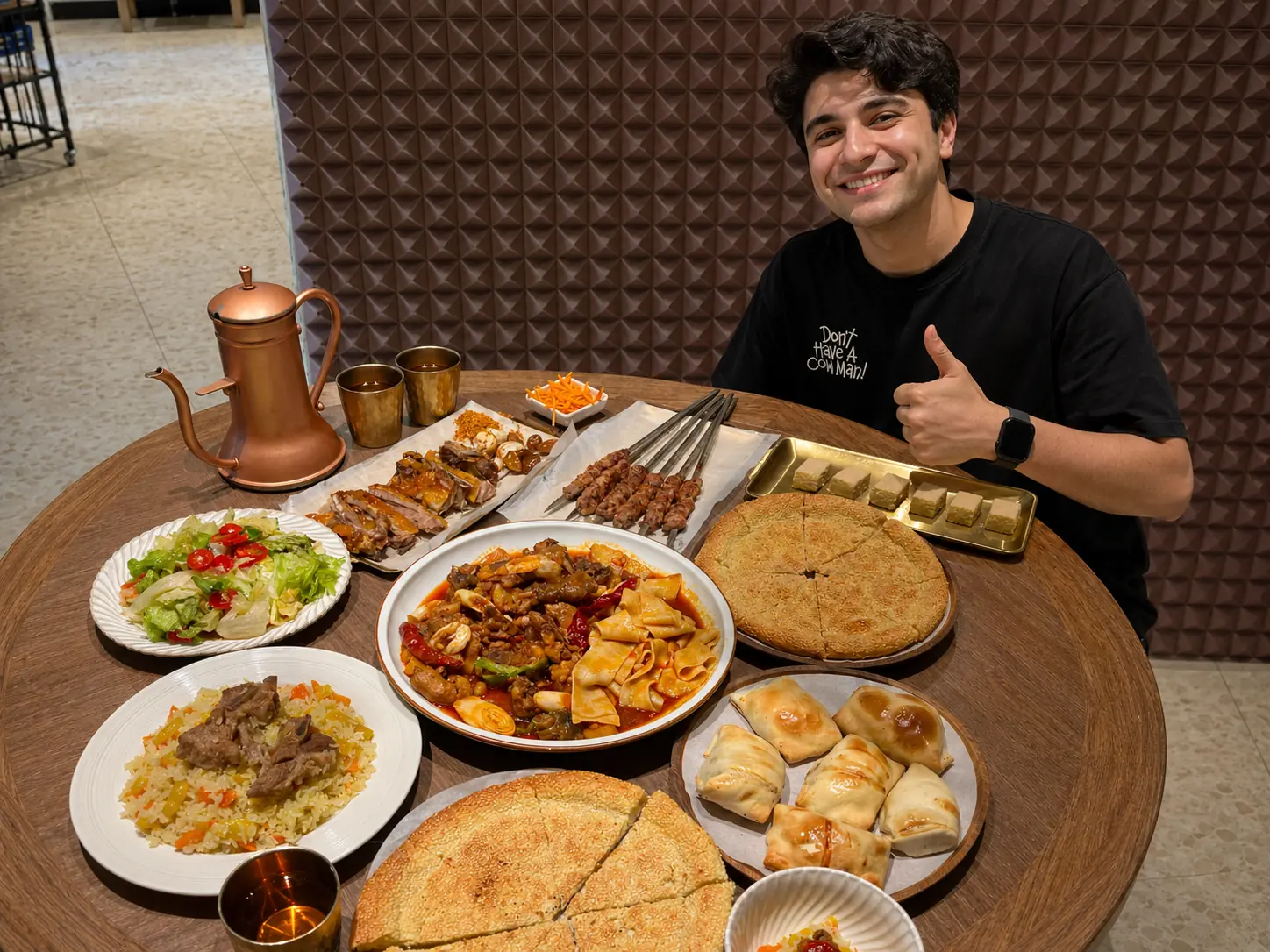
Start with these dishes, but do not try to finish the whole list in one night. A better sequence: pilaf or laghman for lunch, kebabs and naan at night, then big plate chicken or a Kashgar night-market crawl the next day. China Daily's Xinjiang dining page lists naan, mutton skewers, laghman-style noodles, kebabs, and Uyghur pilaf among the region's representative foods; a 2026 China Daily Urumqi food feature also highlights kebabs, baked buns, pilaf, lamb noodles, and big plate chicken.
| Food | Chinese | What It Tastes Like | Best Context |
|---|---|---|---|
| Lamb kebabs | 羊肉串 / 烤肉 | Charcoal, cumin, lamb fat, crisp edges | Night markets, bazaars, first evening |
| Naan bread | 馕 | Pit-baked flatbread, crisp rim, chewy center | Any meal, road-trip snack |
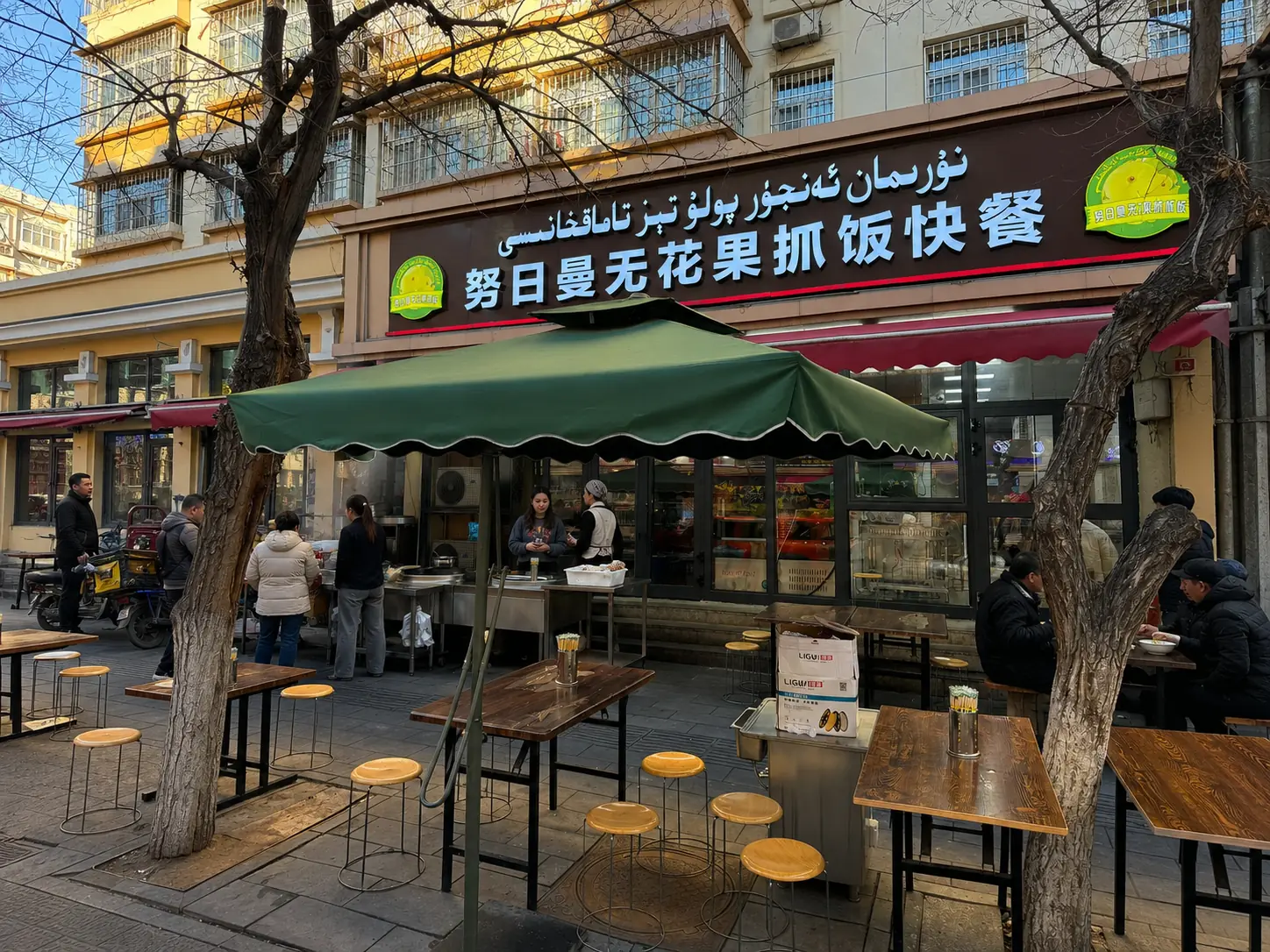
| Pilaf / polo | 抓饭 | Rice, lamb, carrot, onion, warm oil | Lunch, solo-friendly meal |
| Laghman / pulled noodles | 拉条子 / 拌面 | Chewy noodles with meat and vegetable sauce | Quick sit-down meal |
| Samsa / baked bun | 烤包子 | Hot pastry stuffed with lamb and onion | Breakfast, night-market snack |
| Big plate chicken | 大盘鸡 | Chicken, potato, chili, wide noodles | Shared dinner for 2-4 |
| Yogurt and ice cream | 酸奶 / 手工冰淇淋 | Tart dairy, honey, nuts, dried fruit | Cooling break, dessert |
| Fruit and dried fruit | 葡萄、哈密瓜、石榴、杏干 | Sweet, aromatic, travel-friendly | Summer and autumn markets |
Lamb Kebabs
羊肉串 / 烤肉
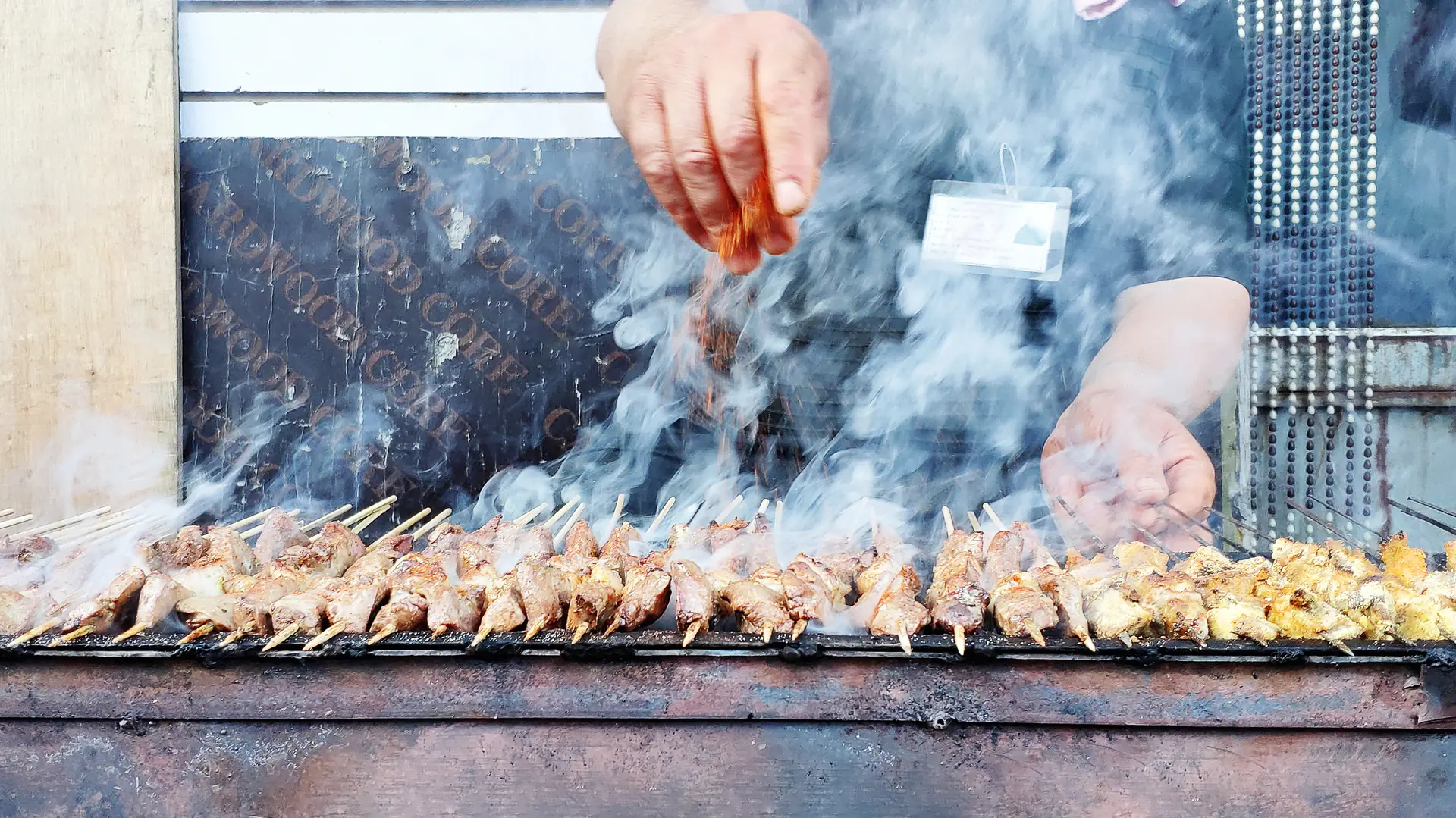
Good versions have visible chunks, a bit of fat, cumin, salt, chili, and enough charcoal smoke to make the meat smell sweet before you bite it. Order two or three skewers before committing to a pile.
Naan
馕
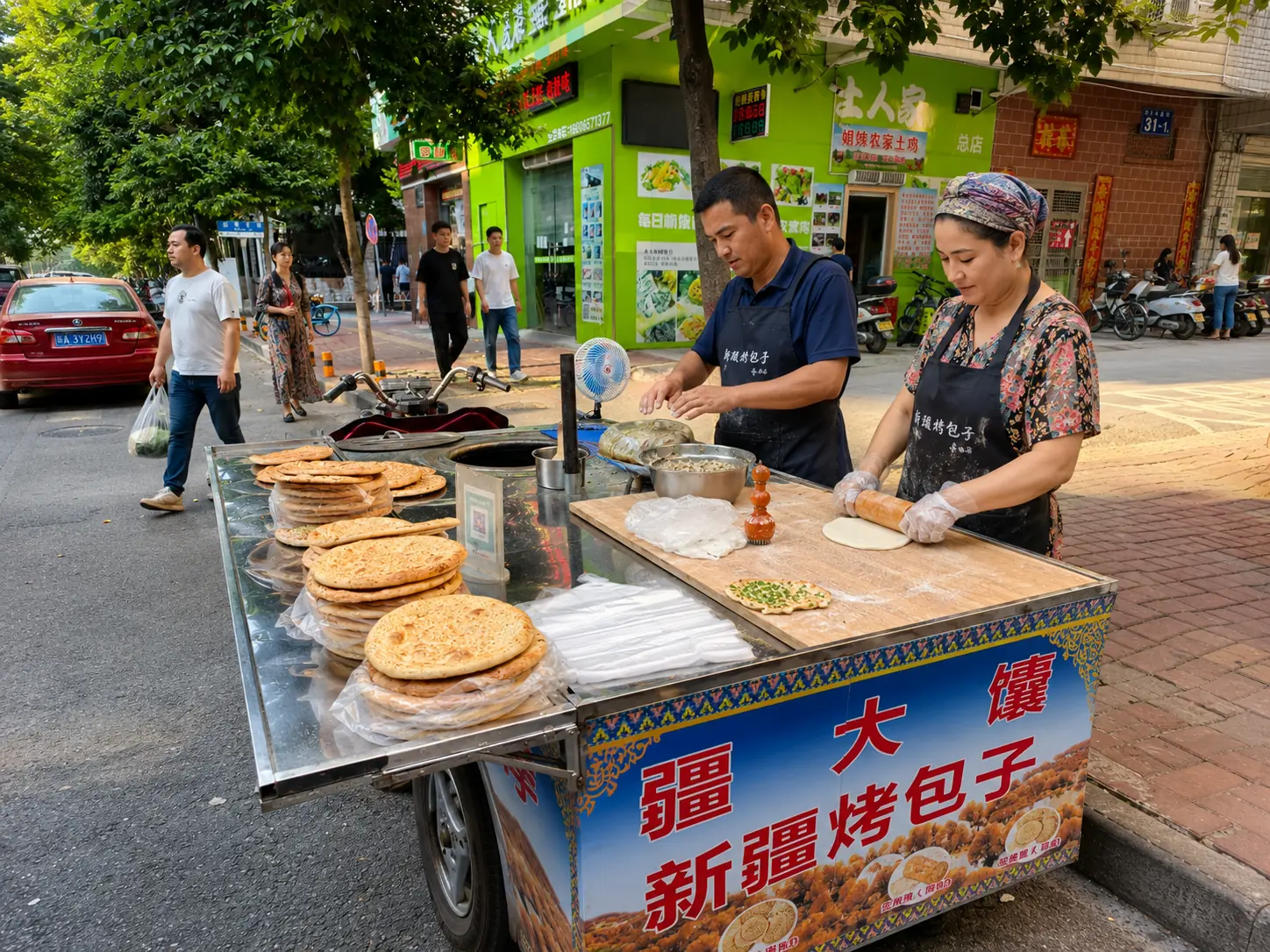
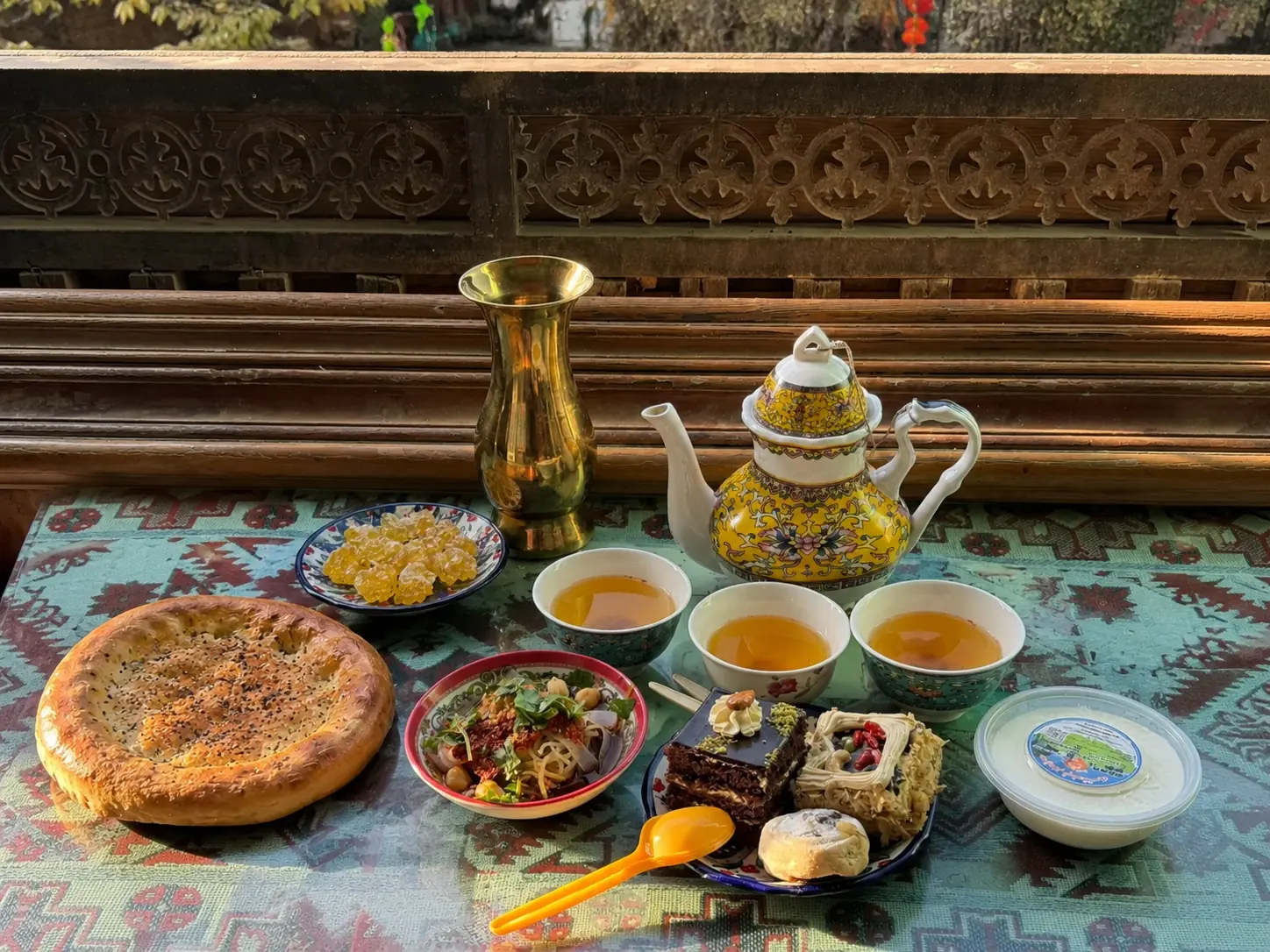
Eat it plain, dip it into broth, wrap it around meat, or carry it in the car as emergency food. The oven and making process matter as much as the polished bread.
Pilaf
抓饭
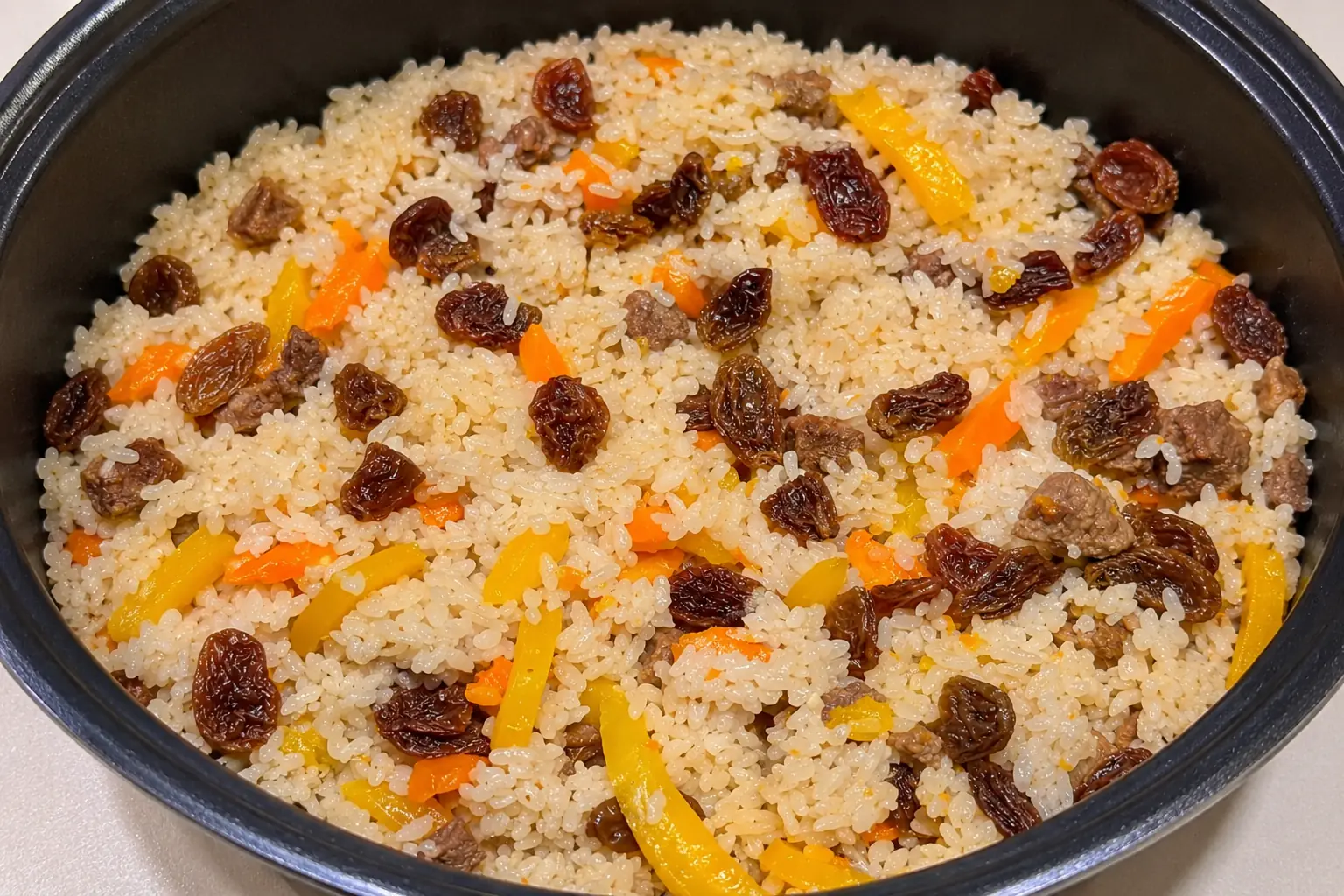
Rice cooked with lamb, carrot, onion, and fat is one of the easiest first meals in Xinjiang. Solo travelers can order one portion and a yogurt without needing a group.
Laghman
拉条子 / 拌面
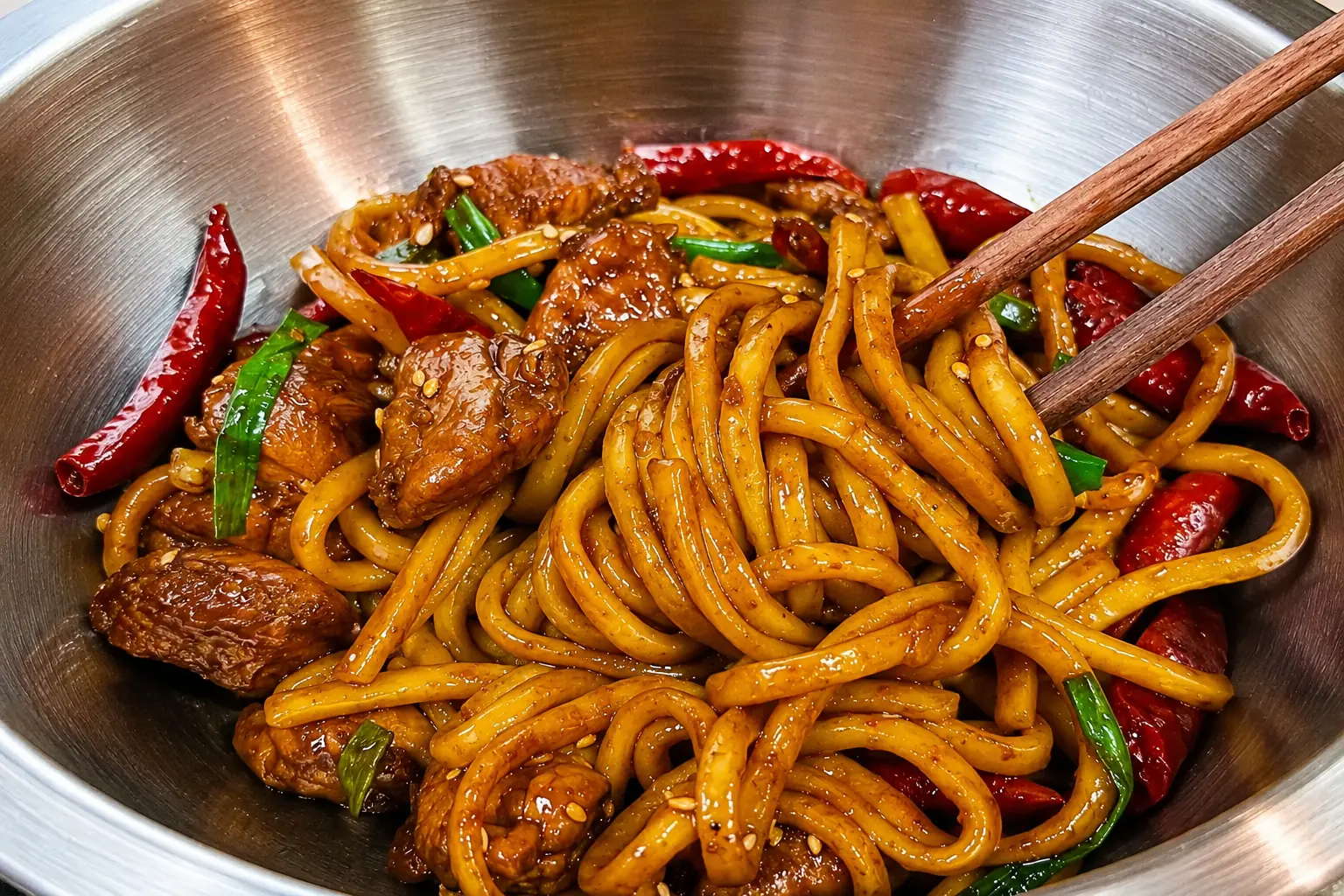
Chewy pulled noodles with meat, tomato, peppers, onion, and vegetables make a steady sit-down plate before a long train, flight, or highway leg.
Samsa
烤包子
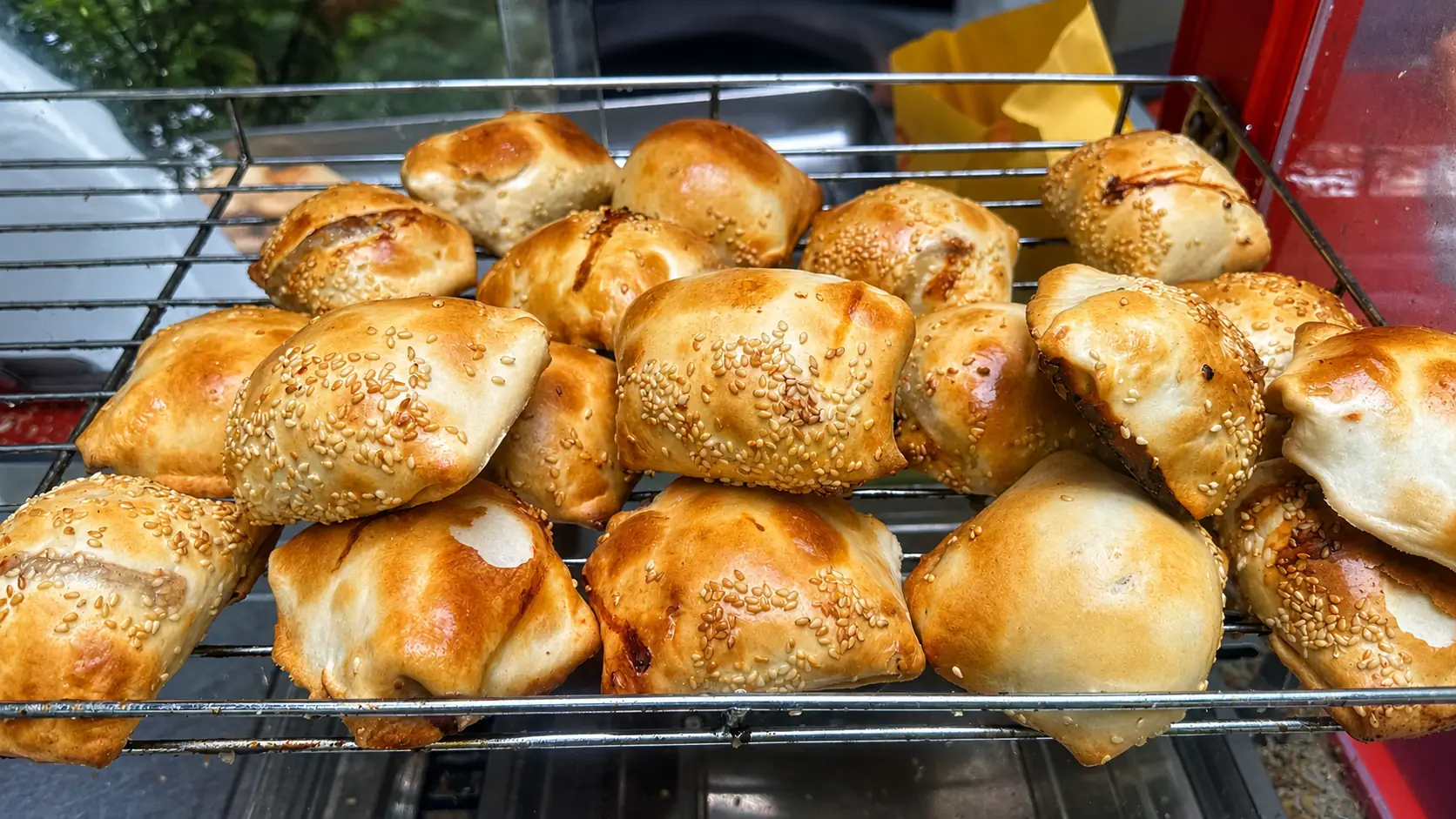
Baked buns come out of the naan pit with crisp pastry and a hot lamb-onion filling. Bite slowly because the juice can be scalding.
Big Plate Chicken
大盘鸡
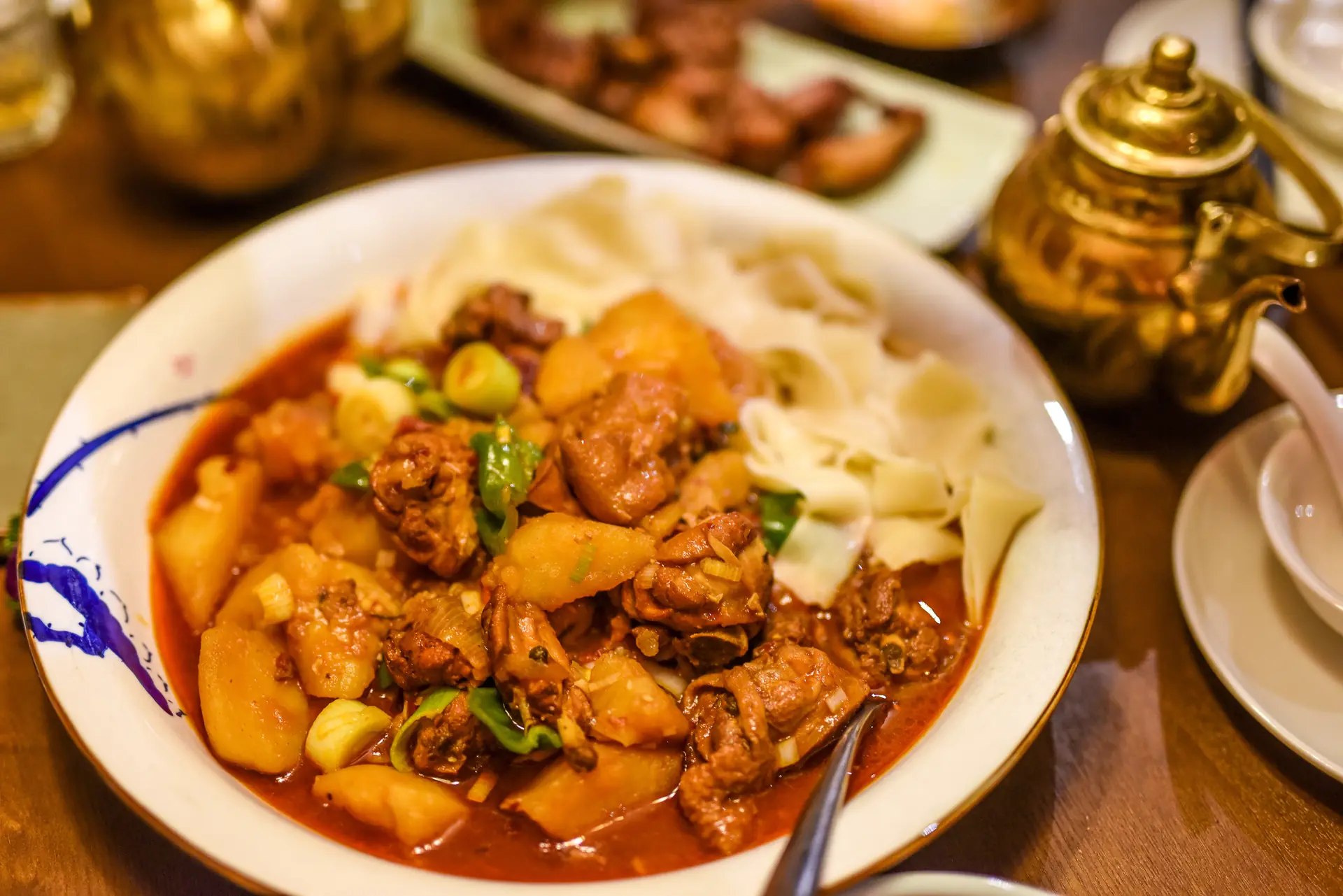
Chicken, potatoes, peppers, and wide noodles soak up a glossy sauce, and the portion is built for sharing. Do not order a whole plate alone unless the shop has a true small size.
Where to Eat from Urumqi to Kashgar
Xinjiang food planning is geographic. Urumqi is the easiest entry point, Kashgar rewards slower eating, Turpan turns fruit into part of the itinerary, and northern Xinjiang asks you to plan around long drives.
Urumqi Grand Bazaar (新疆国际大巴扎) (Google | Amap)
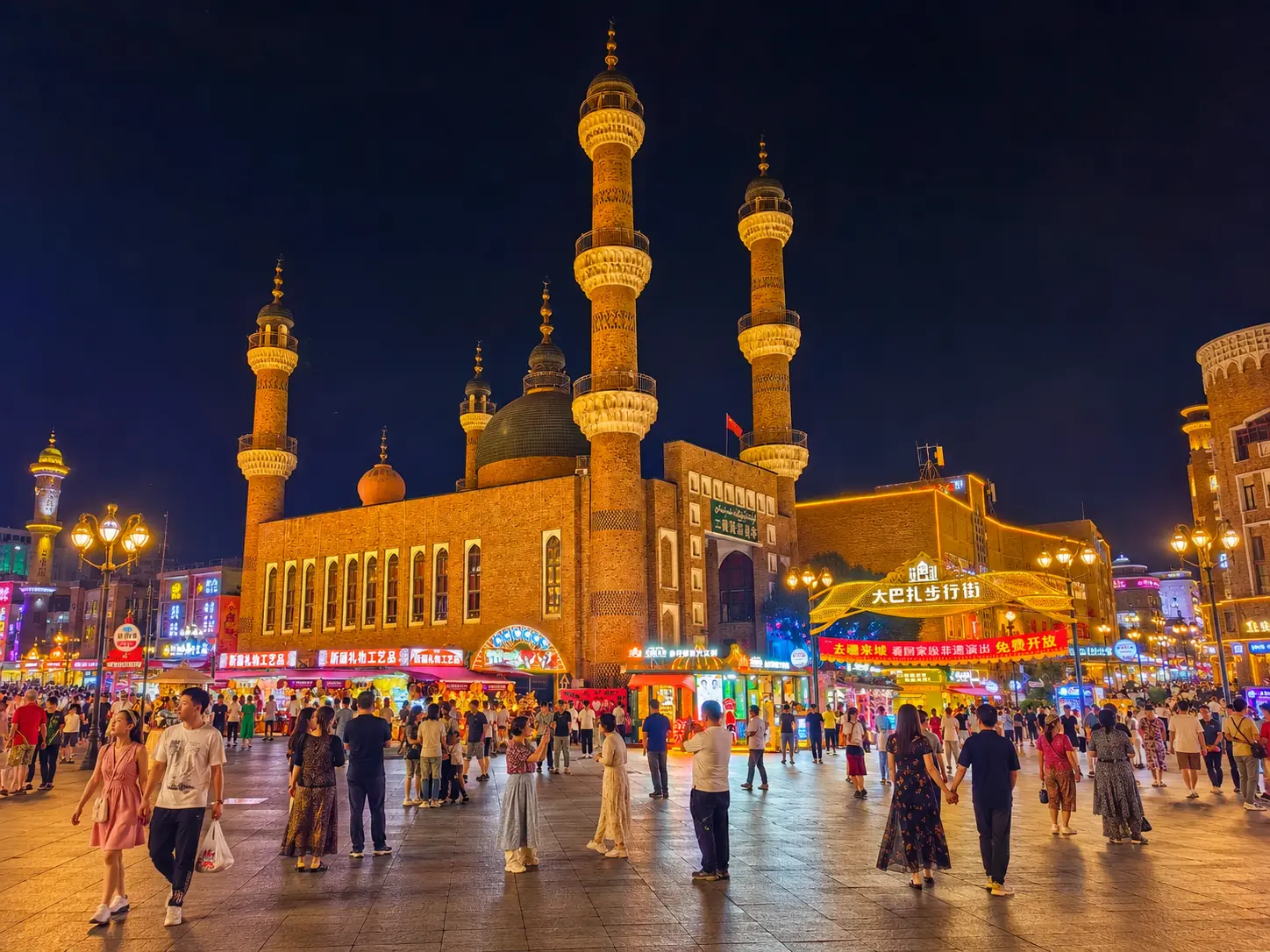
Urumqi gives you more choice, easier transport, concentrated halal restaurants, and a wide range of quality. Xinjiang International Grand Bazaar is a useful first-night preview, not the final word on the region.
Walk it for architecture, kebabs, naan, dried fruit, and a quick map of the flavors to come. The government China Daily page says the bazaar was completed in June 2003, occupies about 100,000 square meters, and includes an 8,000-square-meter food plaza with many characteristic snacks. Read the Grand Bazaar overview.
Kashgar Old City (喀什古城) (Google | Amap)
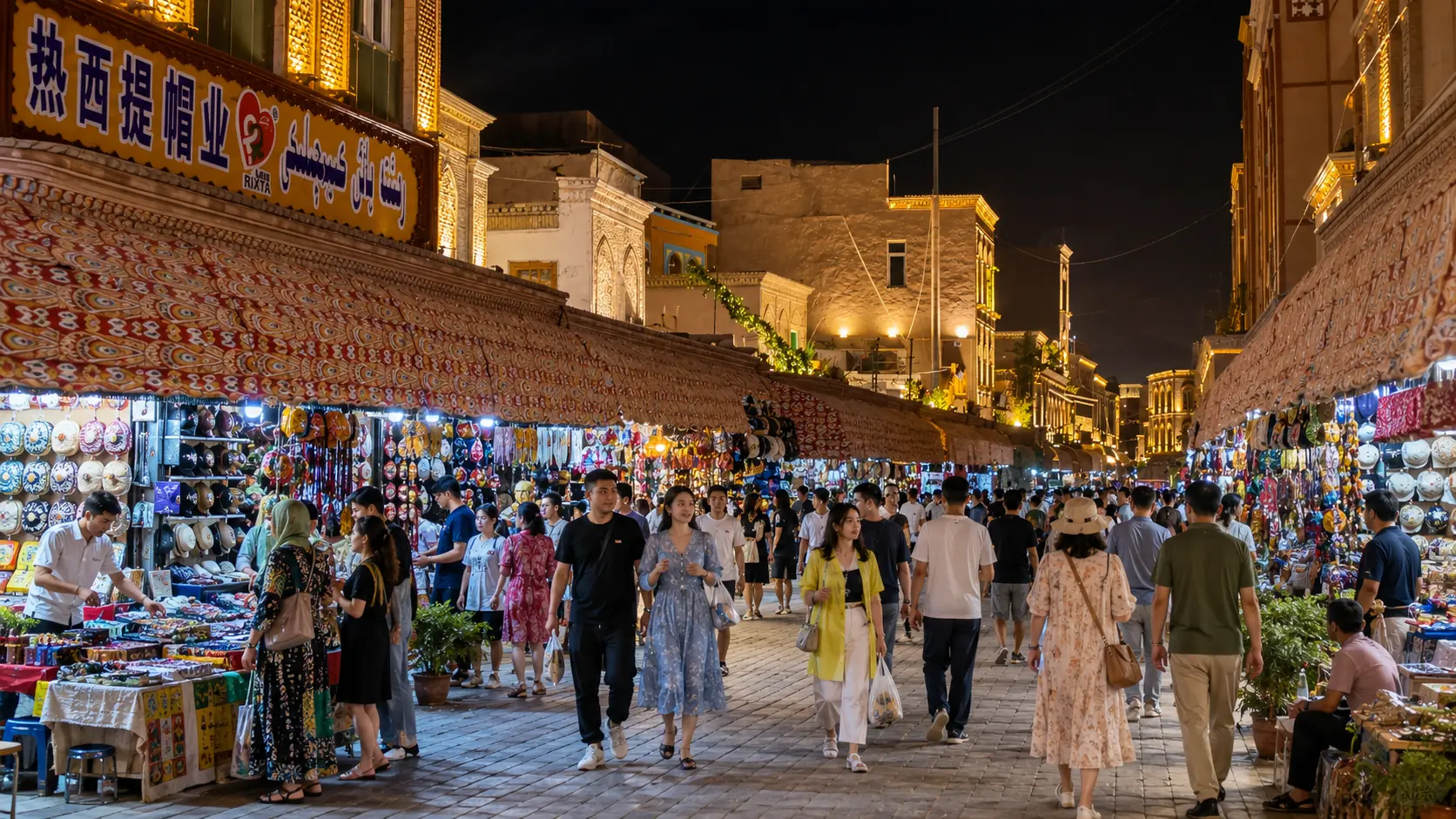
Kashgar Old City is not just sightseeing; it is daily food life: teahouses, naan pits, baked buns, sweets, kebabs, dried fruit, craft stalls, and after-school street noise.
Khan Bazaar Night Market (汗巴扎夜市) (Google | Amap)
Khan Bazaar Night Market is the more direct night-market target. Tianshannet reported in 2023 that the Ouerdaxike Road night market had been renovated, improving the Khan Bazaar food street environment and drawing visitors to food stalls and naan vendors. See the Tianshannet Khan Bazaar report.
Kashgar Grand Bazaar (喀什中西亚国际贸易市场) (Google | Amap)
Kashgar Grand Bazaar is stronger for dried fruit, spices, shopping, and the broader bazaar atmosphere.
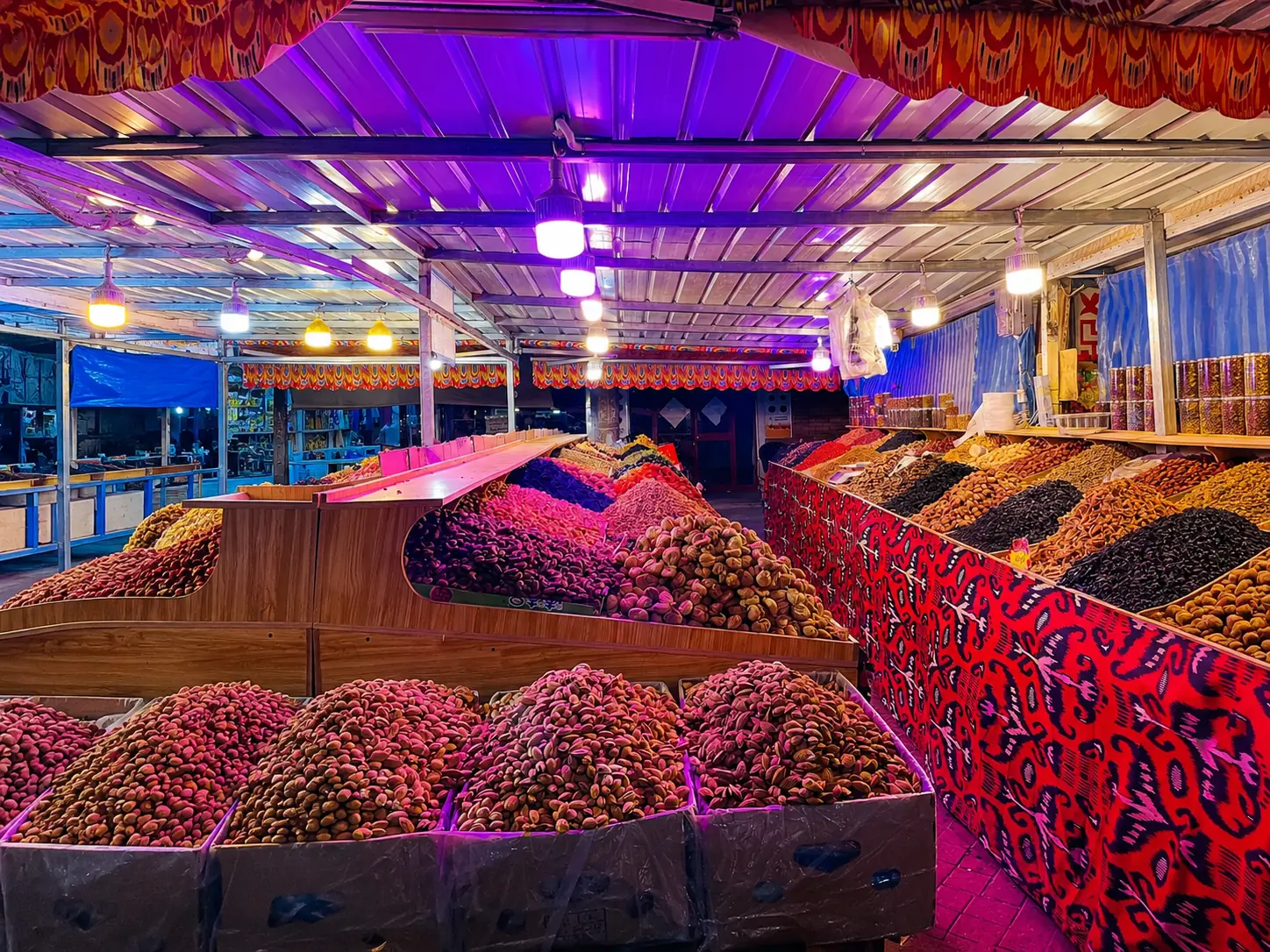
Turpan is where food often means fruit and timing. Grapes, raisins, Hami melon, apricots, mulberries, and other produce can be more memorable than a sit-down meal. People's Daily Online reported in 2025 that Turpan's abundant sunshine, heat, large day-night temperature differences, and underground water help grapes develop high sugar content, and noted more than 500 grape varieties in the area. Read the Turpan grapes report.
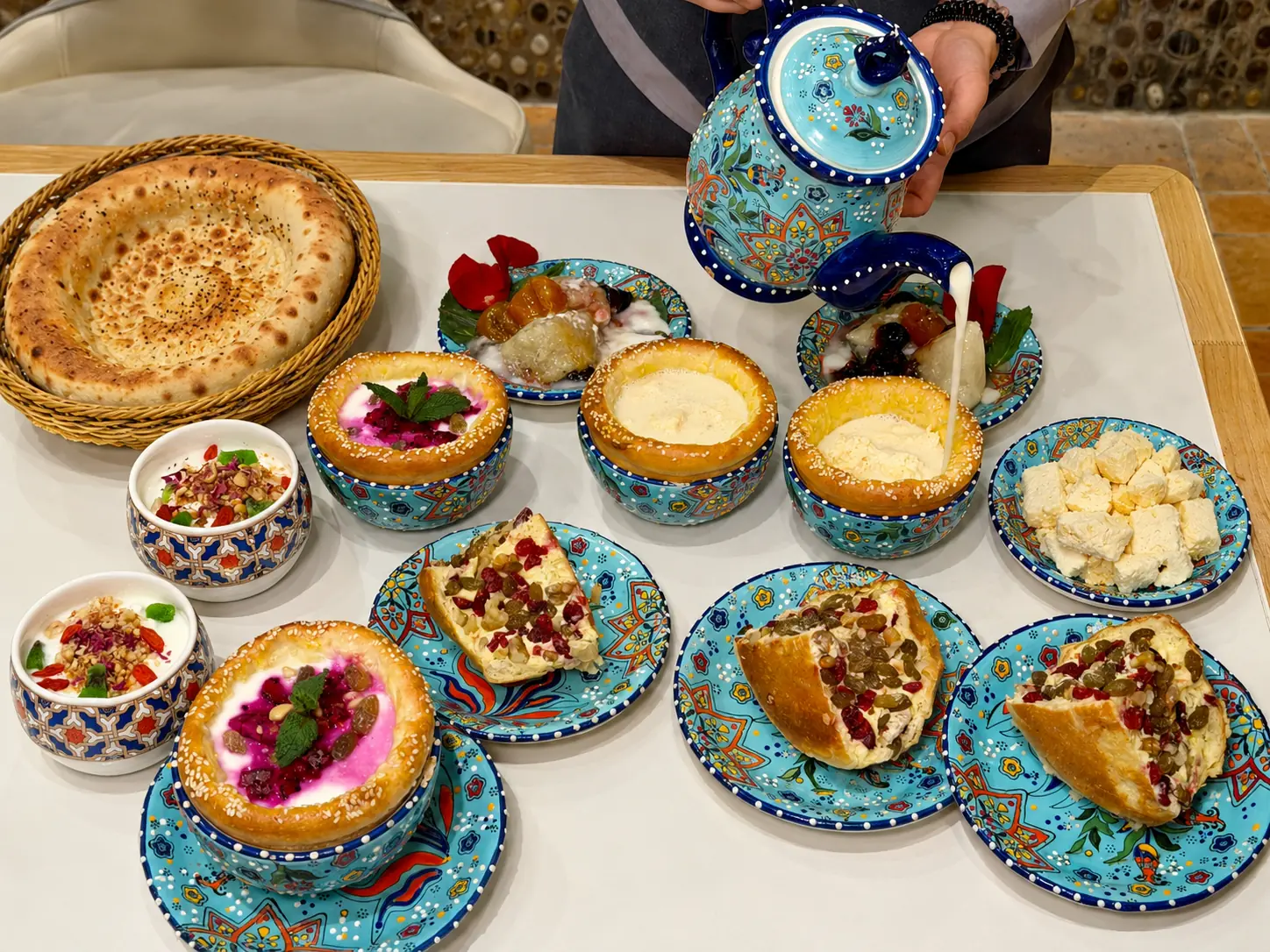
Northern Xinjiang, Altay, and the Ili route feel more pastoral: milk tea, yogurt, dried cheese, lamb, horse-meat sausage in some Kazakh areas, grilled fish in Burqin, and simple road-trip meals.
The practical rule is simple: eat properly in towns, then carry naan, fruit, yogurt, and water for long scenic drives. Do not rely on deep scenic-area stalls as your main meal plan.
How to Read Halal Menus in Xinjiang
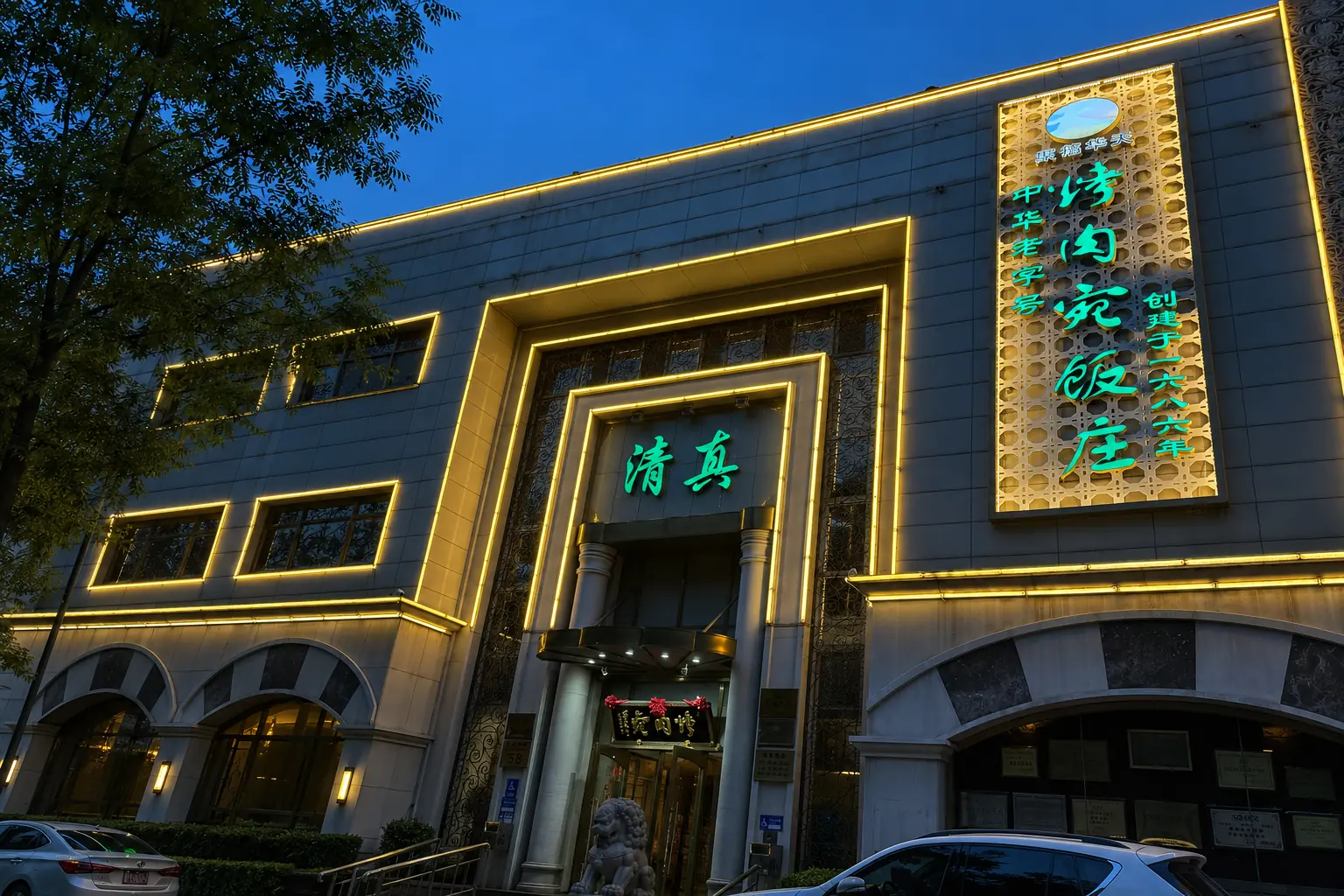
Use this quick order of checks before you sit down. Look for 清真 on the signboard or menu, scan for pork, ham, bacon, lard, or pork-fat wording, and notice whether alcohol is sold openly.
Do not assume that "Xinjiang restaurant" always means halal restaurant. Urumqi and other cities have many restaurant types. If you only avoid pork, still say you avoid pork and pork fat, because soup bases and cooking oil matter.
- Look for 清真 on the signboard or menu.
- Scan the menu for pork, ham, bacon, lard, or pork-fat wording.
- Notice whether alcohol is sold openly, then judge together with the restaurant's own halal labeling.
- If you require strict halal food, ask before sitting down instead of guessing from decor.
| English | Chinese | Pinyin | Say It Like… |
|---|---|---|---|
| Is this restaurant halal? | 这里是清真的吗? | Zhè lǐ shì qīng zhēn de ma? | Juh lee shrr ching-juhn duh mah |
| I do not eat pork, and no pork fat please. | 我不吃猪肉,也不要猪油。 | Wǒ bù chī zhū ròu, yě bú yào zhū yóu. | Waw boo chrr joo row, yeh boo yow joo yo |
| Please use less chili. | 请少放辣椒。 | Qǐng shǎo fàng là jiāo. | Ching shaow fahng lah jyow |
| I am allergic to peanuts. | 我对花生过敏。 | Wǒ duì huā shēng guò mǐn. | Waw dway hwa-shung gwor-meen |
Spice, Fat, Portions, and Ordering Strategy
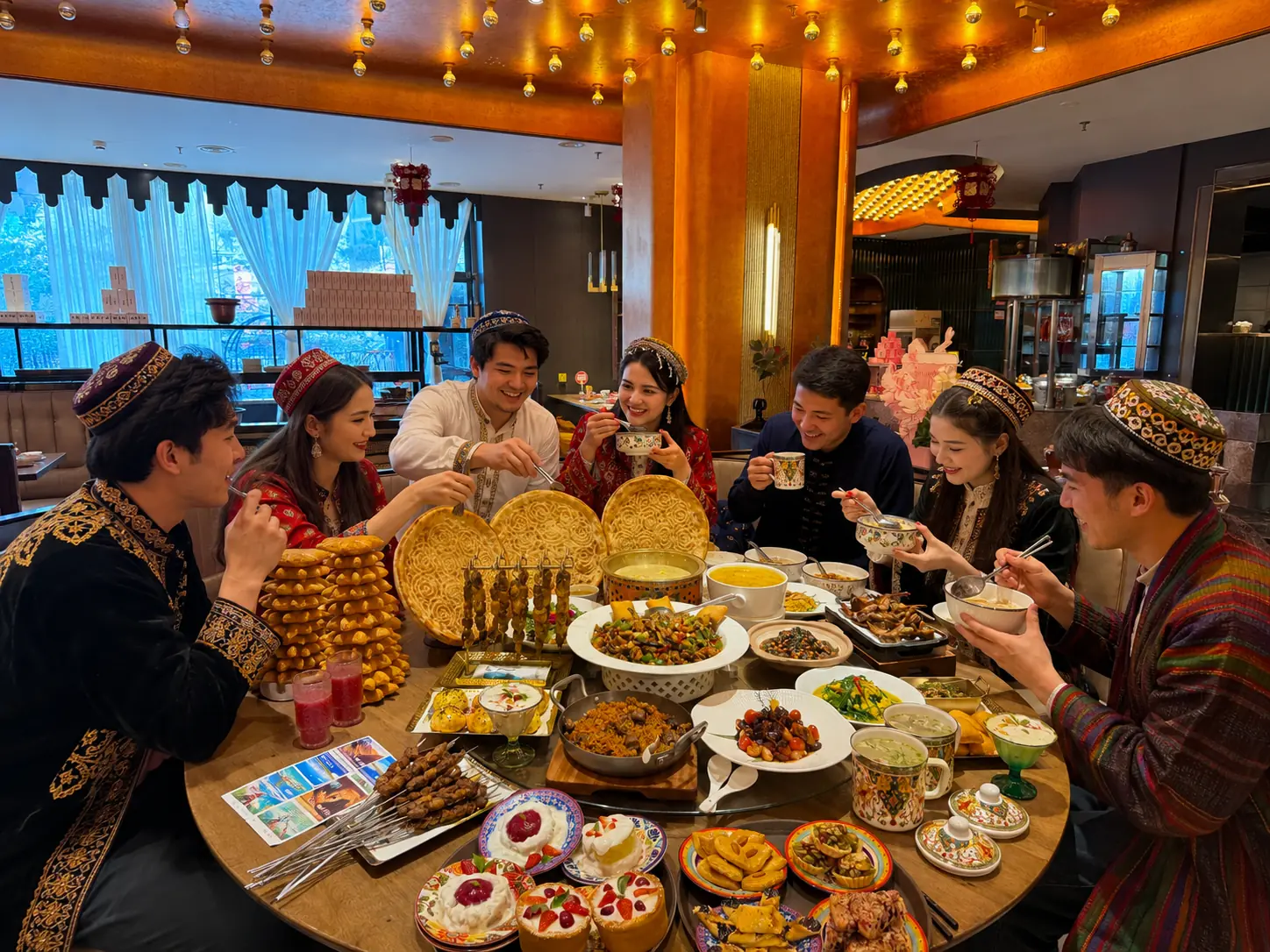
Xinjiang food feels heavy for three reasons: lamb fat, wheat staples, and portion size. Kebabs look light, but add naan, pilaf, yogurt, and melon, and you will fill up fast.
For rough budgeting, use three planning bands rather than fixed promises: simple snacks or noodle meals often land around ¥20-50 per person; a night-market grazing session may run ¥40-90; a sit-down shared meal commonly sits around ¥70-150 per person depending on city, season, tourism zone, and restaurant level.
If you fear spice, Xinjiang is easier than Chengdu or Chongqing. The chili usually warms the dish rather than numbing your mouth for an hour. Fat and lamb aroma are the bigger adjustment.
A good first-timer rhythm:
- Pilaf or laghman- Add yogurt and keep the meal steady before sightseeing, trains, flights, or highway legs.
- Kebabs, naan, fruit- Use the first night for smoke, bread, one cold or vegetable dish, and something sweet.
- Big plate chicken or lamb- Save larger shared dishes for 2-4 people, not a solo challenge.
- Carry naan, yogurt, fruit, and water- Eat properly in towns and do not rely on scenic-area stalls as the main meal plan.
Ask for less chili if needed, but do not strip the food down to nothing; cumin, onion, lamb fat, and fire are the point.
Xinjiang Fruit, Dairy, and Sweet Breaks
Xinjiang has a built-in recovery system for meat-heavy meals: yogurt, handmade ice cream, milk tea, grapes, Hami melon, pomegranates, dried apricots, figs, walnuts, and raisins. They are not decorative extras. They are how you reset after lamb, oil, and bread.
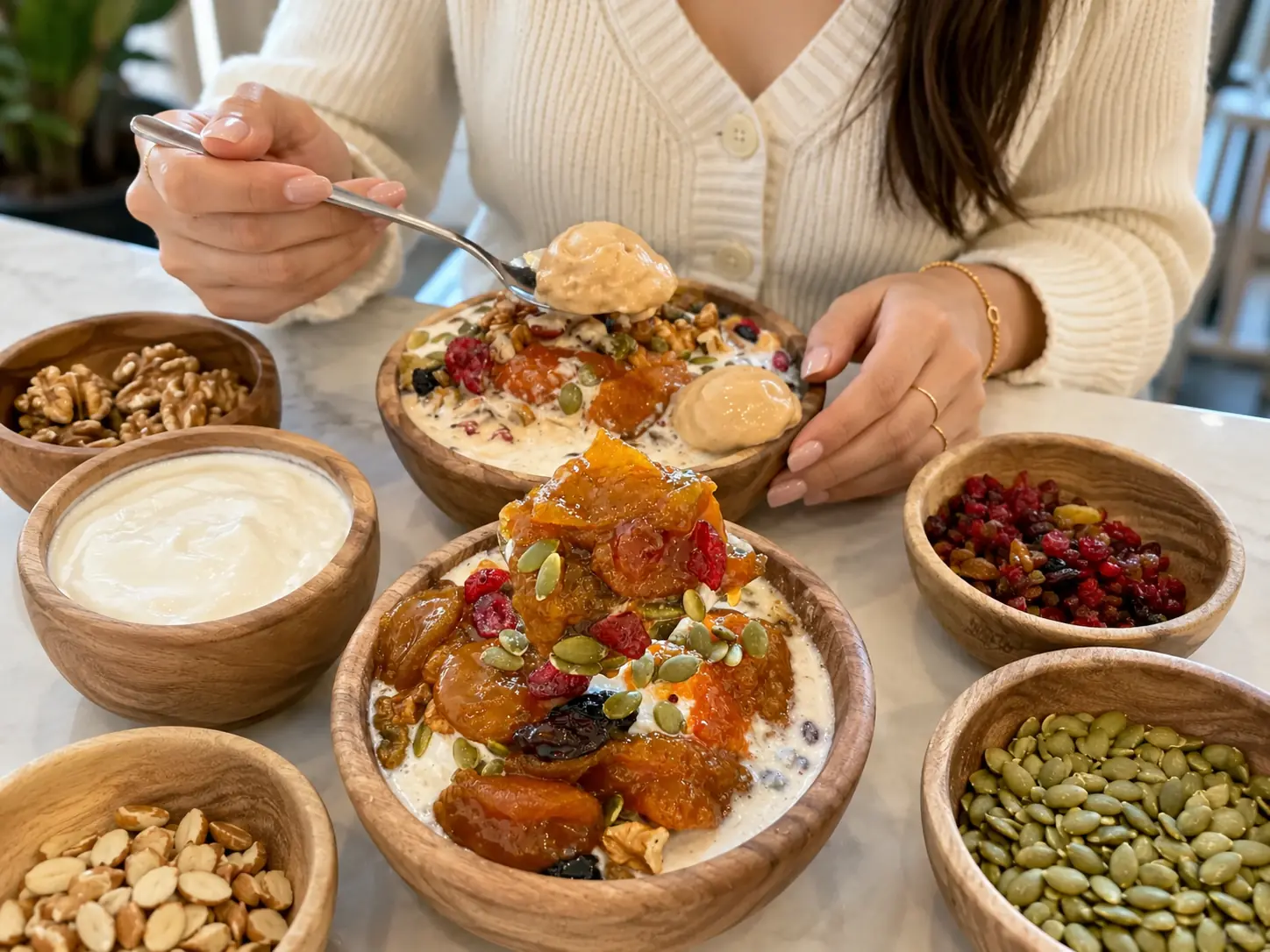
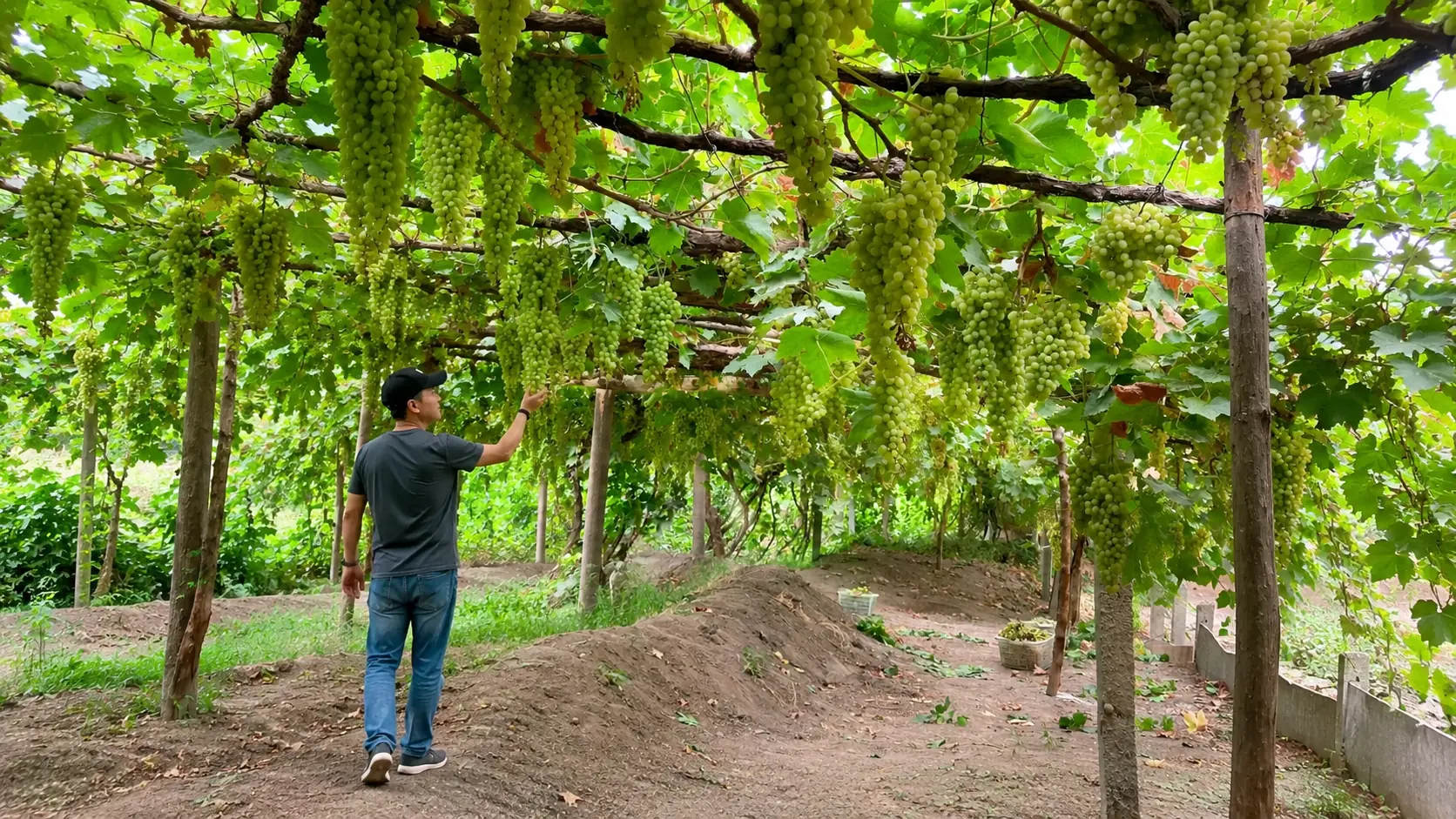
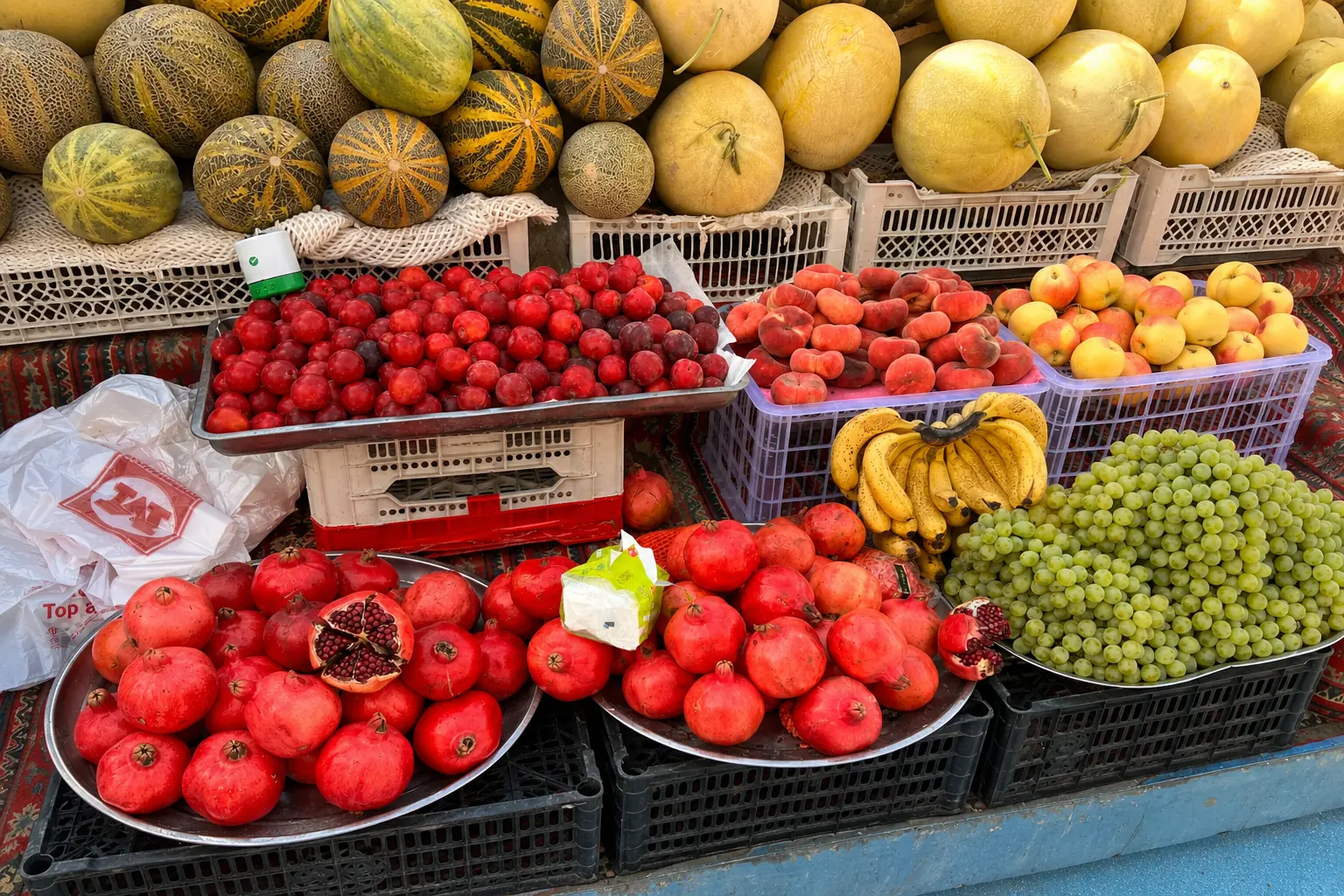
Turpan grapes are best in late summer and early autumn, while Kashgar and Hotan are excellent for pomegranates, figs, and dried fruit shopping. When buying dried fruit or nuts, do not choose only the biggest and shiniest pile. Taste first, confirm whether the price is per jin or per kilogram, and be especially careful with expensive nuts or saffron-like products. Ask before photographing stallholders, faces, or religious spaces.
Budget, Timing, and Food Safety Basics
Xinjiang food is friendly to travelers, but a few mistakes repeat:
- Do not turn your first meal into a meat challenge. The bread and rice are filling.
- At night markets, choose stalls where food is cooked hot and turnover is high.
- Vegetarians should ask about meat oil and broth, not just visible meat.
- Nut-allergic travelers should be cautious with sweets, ice cream, dried fruit stalls, and pilaf toppings.
- Sensitive stomachs should favor grilled, boiled, stewed, or freshly pulled hot foods over long-sitting cold dishes.
- Strict halal travelers should learn the Chinese characters 清真 and use them more than English menu labels.
Xinjiang days often run late
Xinjiang uses Beijing time, but daily life often feels later than the clock suggests. Dinner and night-market energy can run late in summer. If you arrive hungry at what looks like normal dinner time by eastern China standards, the best stalls may only be warming up.
Frequently Asked Questions
Much of the food travelers associate with Uyghur, Hui, Kazakh, and Kyrgyz restaurants is halal, and many restaurants mark this with 清真. But not every restaurant in Xinjiang is halal, especially in large cities. If strict halal matters, choose clearly marked restaurants and ask before ordering.
Beyond This Guide
Xinjiang food works best when it is planned with the route. Urumqi for a first night, Kashgar for old-city eating, Turpan for fruit season, and northern Xinjiang for road-trip meals all ask for different timing.
Kashgar Old City
Use the Kashgar Old City Guide when you want teahouses, lanes, food smoke, and old-city pacing.
Kashgar Grand Bazaar
Pair this food guide with the Kashgar Grand Bazaar Guide for dried fruit, spices, shopping, and market timing.
Urumqi Grand Bazaar Show
Read the Grand Bazaar Dinner Show in Urumqi before turning a first night into an evening plan.
Xinjiang Travel Guide
Use the Xinjiang Travel Guide when food stops need to fit Kashgar, Sayram Lake, the Duku Highway, Bayanbulak, or Turpan.
- Wusu Beer Guide — know why Xinjiang's famous red-label lager pairs with lamb skewers—and packs an unexpected punch
© gochinafreely.com — Original guide by Go China Freely.