Hours & Base Ticket
Published base prices and normal hours are useful planning anchors, but confirm the live booking screen before you set transport. Official notice
Essential Rules
Sanxingdui (三星堆) is one of the most compelling archaeological visits near Chengdu. The finds reveal a distinctive ancient Shu culture in the Sichuan Basin, with its own powerful visual language and long-distance exchange with other Bronze Age societies. Come for the bronze masks, sacred tree, and gold; stay long enough to notice how the museum sets those objects within a much longer archaeological story.
For an independent visit, this is best treated as a full Chengdu day trip. The museum is in Guanghan (广汉), north of Chengdu; reserve through the official channel, leave slack for the journey, and do not build the day around an unconfirmed extra stop.

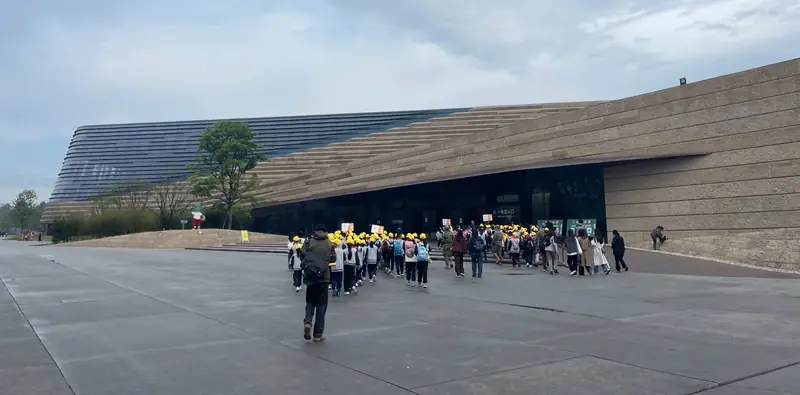
The new exhibition hall opened in 2023. Its three narrative chapters give a better route through the objects than a floor-by-floor checklist: begin with the archaeological story, then return to the major bronzes after you have the context.
Sanxingdui: Ancient Shu in Bronze
The Sanxingdui site is not a detached alternative to Chinese history. It records a distinctive regional tradition within the wider development of ancient Chinese civilization, with evidence of exchange as well as local invention. That balance is more interesting than the familiar "alien" shortcut: the objects are unmistakably human-made, but their style is unlike any other Bronze Age collection in China.
A short archaeological timeline
- 1
Long occupation at the site
Late Neolithic–late Warring StatesCultural layers at Sanxingdui span a long period. The famous bronze-pit finds belong to one part of a broader ancient Shu sequence.
- 2
First modern clue
1929A jade cache found at Yuewan in Guanghan drew attention to the area, decades before the celebrated pits were excavated.
- 3
The first two pits
1986Pits 1 and 2 revealed extraordinary bronzes, gold, jade, ivory, and other ritual objects, changing how scholars understood Bronze Age Sichuan.
- 4
New pits and new research
2020–presentWork on Pits 3 to 8 continues to refine dates, technologies, and connections. Interpretations change as research and conservation progress.
The 1986 discoveries are still the visual heart of the visit, but they are not the whole story. Excavations and conservation since 2020 have added new objects and new questions. Avoid treating any single explanation for the pits, their contents, or their ritual use as settled fact.
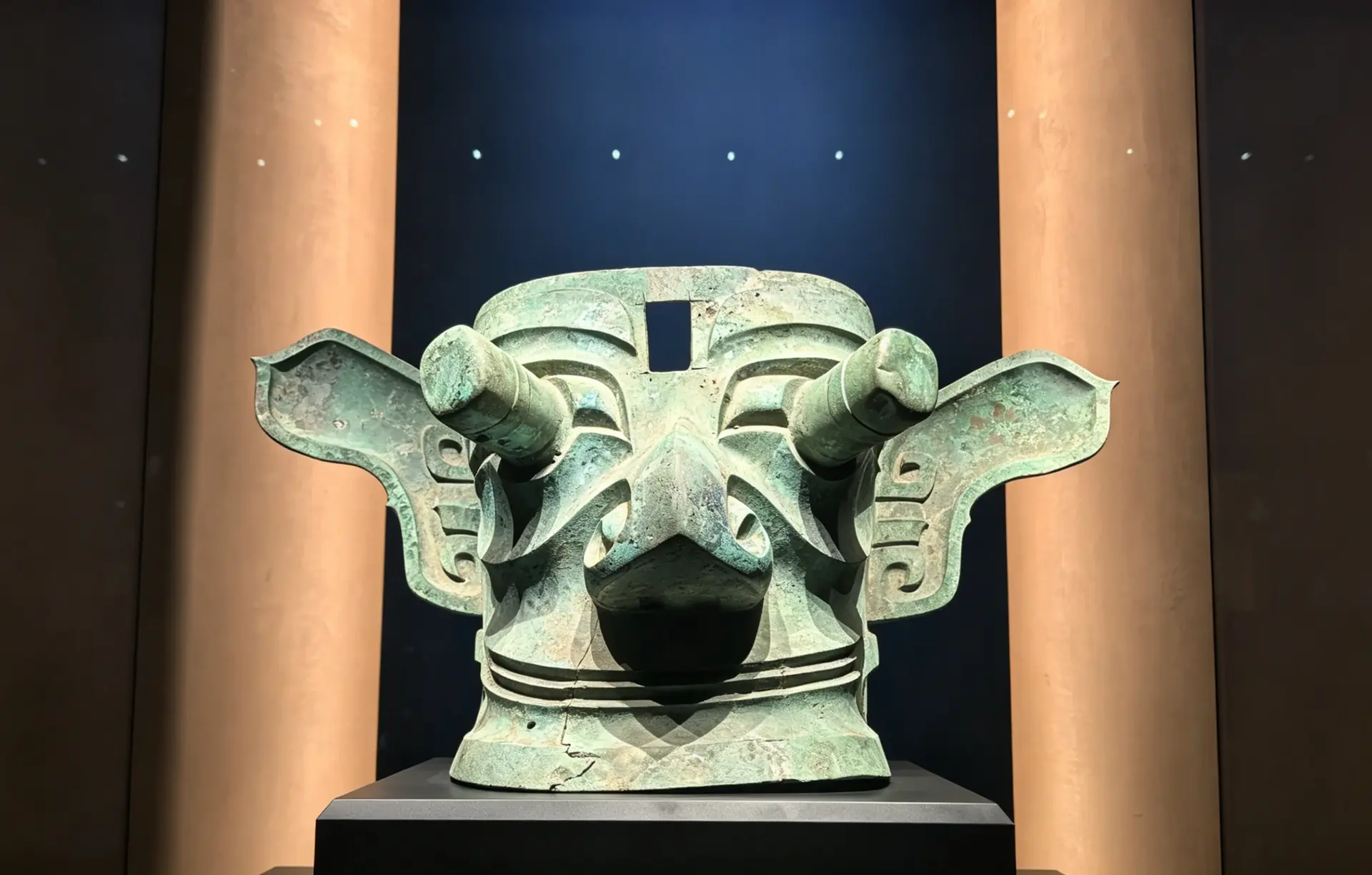
The protruding-eye masks are the signature image of Sanxingdui. Their dramatic eyes and ears encourage questions about ritual and identity, but their exact meaning is still debated.
Must-See Artifacts
The new exhibition hall opened in July 2023. It has a building area of about 54,400 square metres and presents more than 1,500 objects through three thematic chapters, with hundreds shown publicly for the first time. Give yourself permission to slow down: a few closely observed pieces are more rewarding than a hurried gallery tally.
Bronze Protruding-Eye Mask (青铜纵目面具)
This is Sanxingdui's emblematic object: about 138 cm wide and 66 cm high, with cylindrical eyes extending roughly 16 cm from the face. The extreme form is real, not a fantasy embellishment. Its ritual function and the identity it represents remain open questions, so use the gallery labels to separate evidence from interpretation.
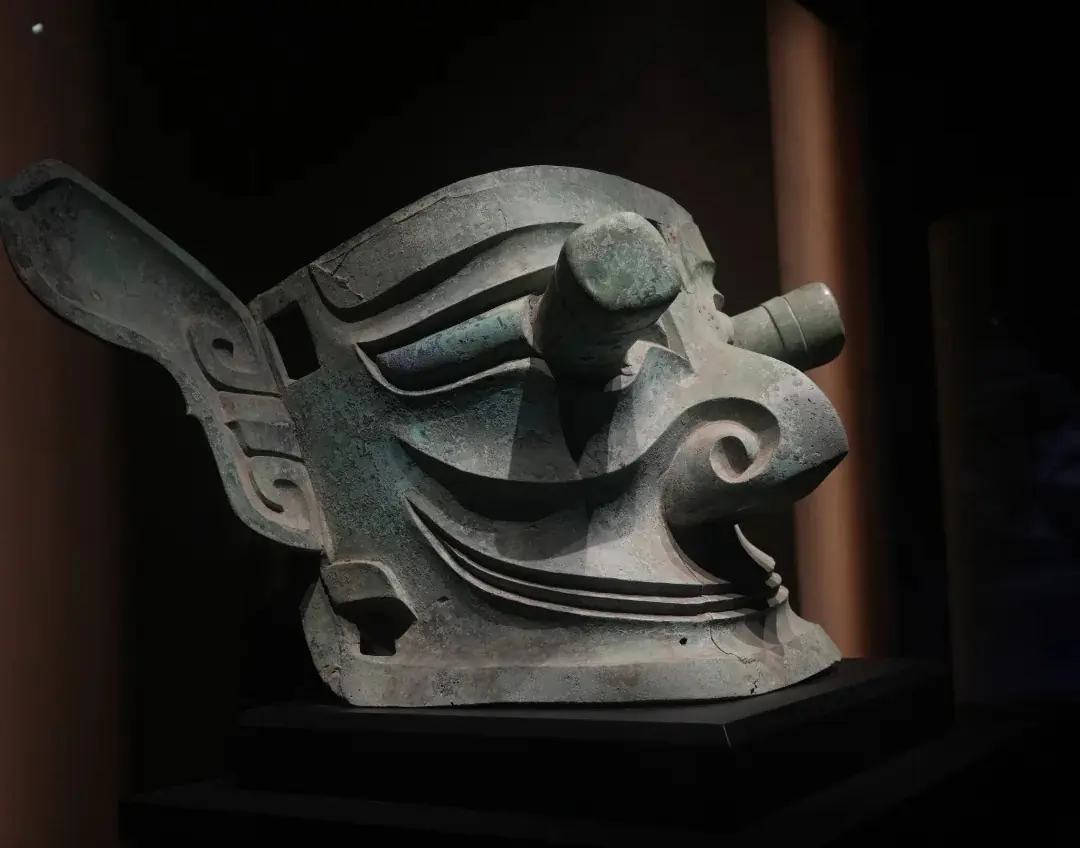
Do not photograph this mask only from the front. The side view makes the projecting eyes legible and is a useful reminder that these bronzes were designed as three-dimensional objects.
Gold Mask (黄金面具)
The complete gold mask shown here was unearthed from Pit 3 in 2021. A different, much heavier but incomplete gold-mask fragment from Pit 5 weighed about 280 grams when found. Together, those discoveries show that gold masks and gold-masked bronze heads existed in more than one form; the precise function of each object is still debated.
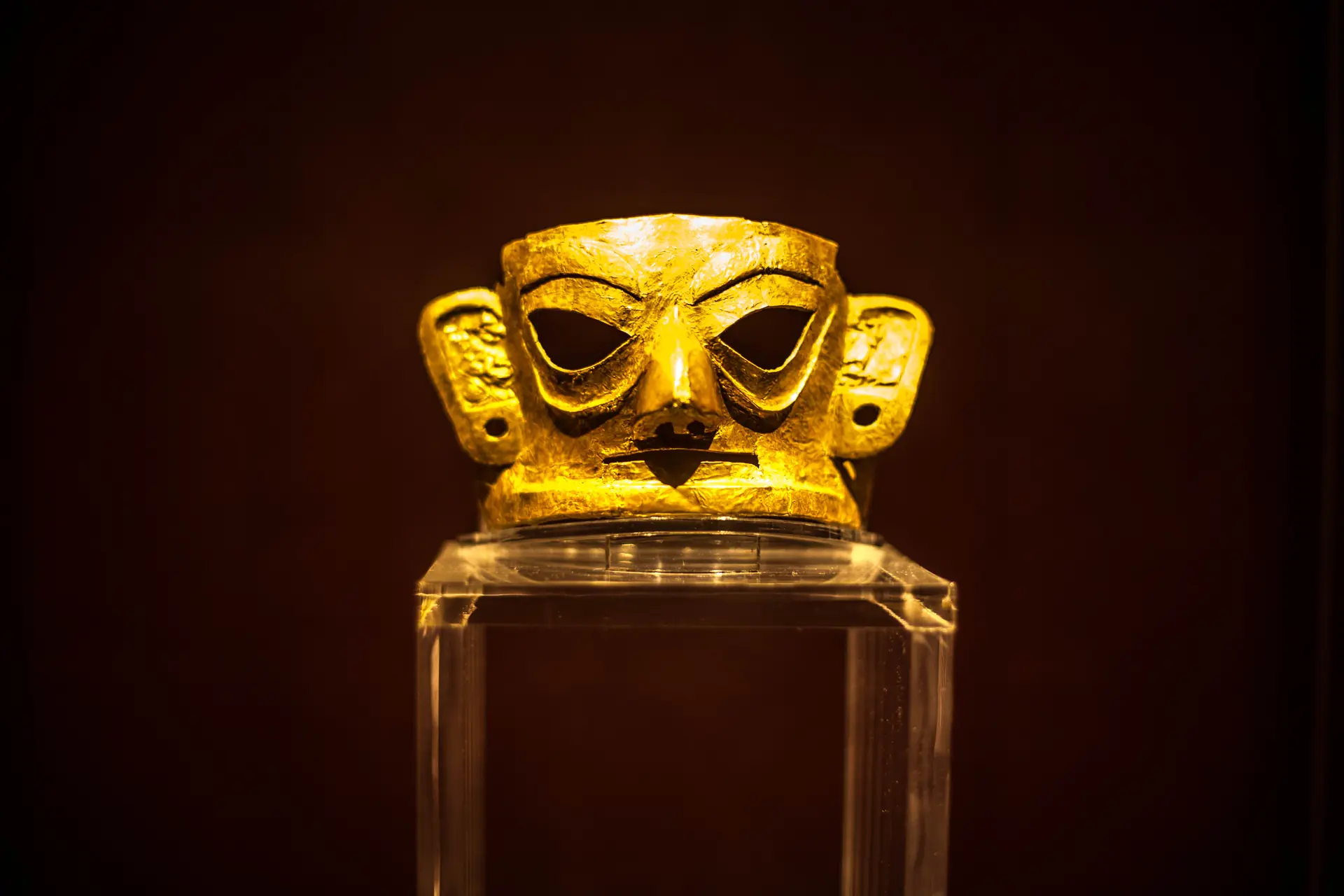
Read the complete mask together with the separate, weightier fragment from Pit 5 rather than treating every gold-mask find as one object. Their different forms are part of the story.
Bronze Standing Figure (青铜大立人)
At 2.62 metres including its base, the Bronze Standing Figure is the largest known bronze human figure from its era. Its layered robe, formal posture, and hands holding a now-missing object make it one of the most theatrical pieces in the hall. Scholars still debate what it held and whom, if anyone, it represented.
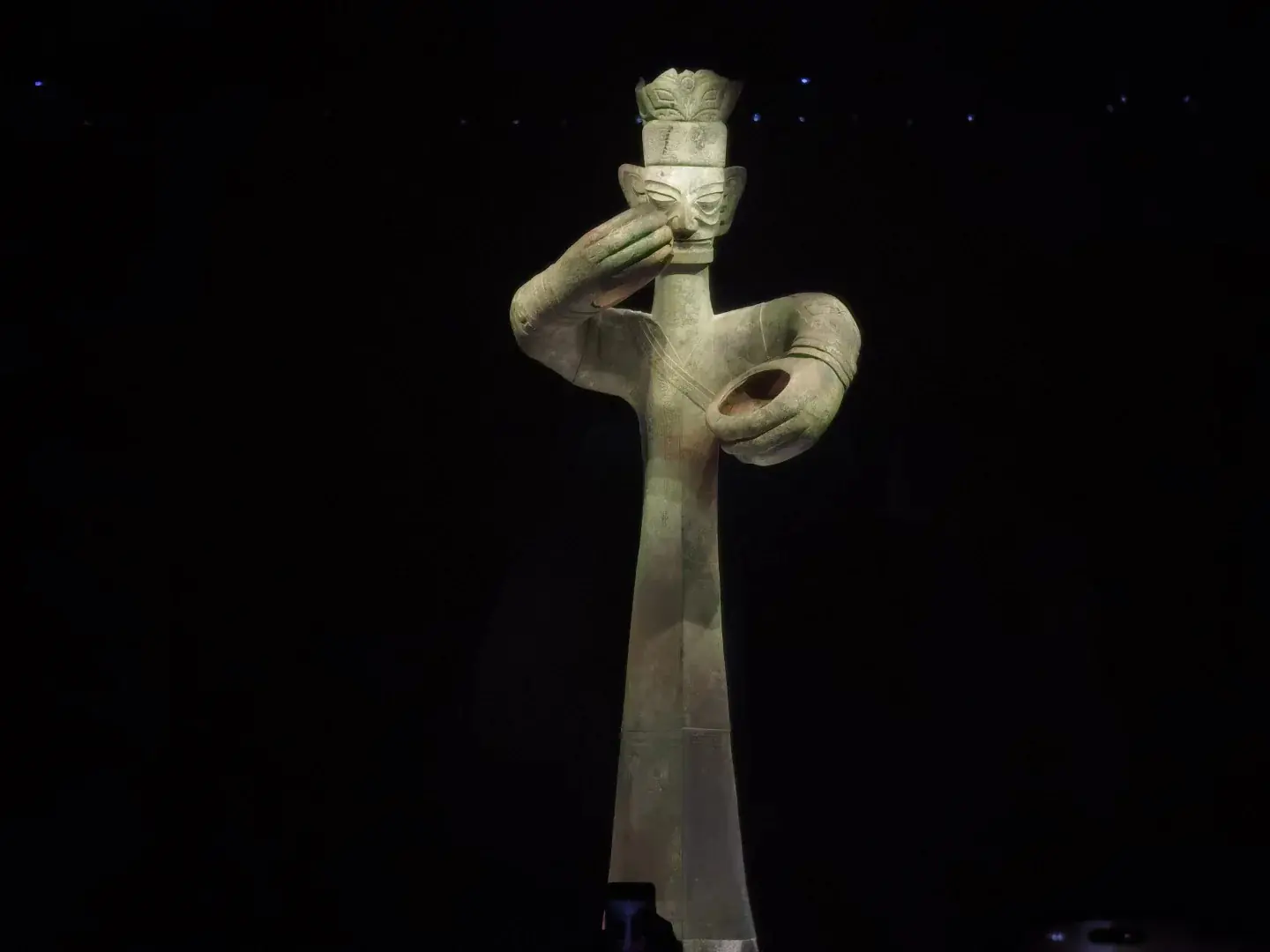
Look for the three layers of the robe and the two hands. The missing object is not a puzzle that the museum has solved, which makes the figure more compelling rather than less.
Bronze Sacred Tree (青铜神树)
Restored to about 3.96 metres, the Bronze Sacred Tree has three tiers, nine birds, and a dragon winding around its trunk. It is among the most complex bronzes from the site. The imagery is often read in cosmic or ritual terms, but that reading should remain an interpretation rather than a caption disguised as certainty.
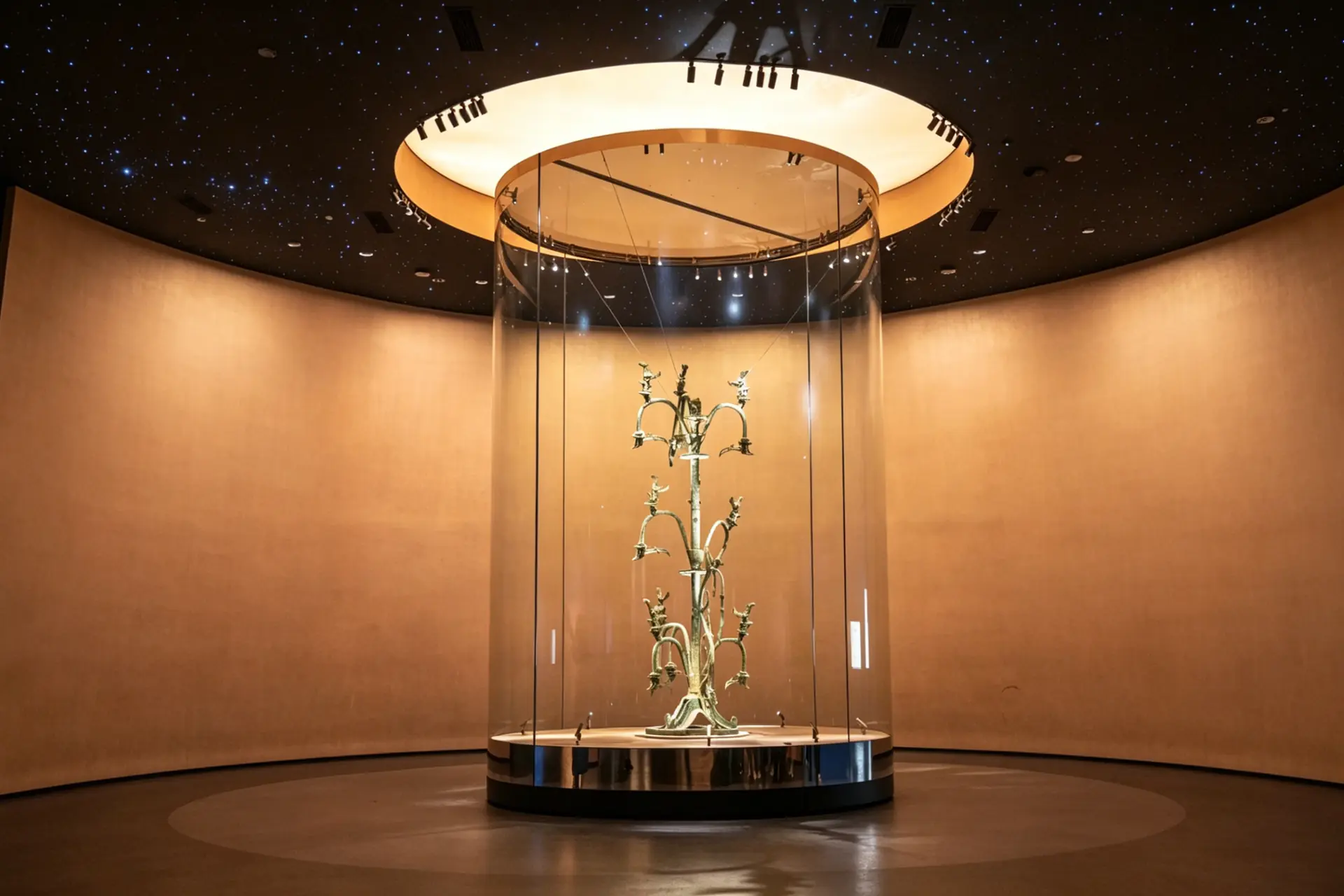
Walk around the base before looking upward. The individual birds, fruit-like elements, and winding dragon are easier to notice from more than one angle.
More Artifacts Worth Your Time
- Bronze heads: compare faces, ears, and traces of gilding or pigment rather than rushing past the cases.
- Animal-feature masks: notice how human and animal traits are combined without assuming a single fixed religious meaning.
- Jade blades and discs: these provide useful context for material exchange and local craft traditions beyond the famous bronzes.
How to Read the Displays
Follow the three exhibition chapters
The new hall is organized around Century Chasing Dreams, Majestic Royal Capital, and Heaven, Earth, Humans and Gods. Let the first chapter establish the excavation and research story before spending time with the icons. That order keeps the masks and tree from feeling like isolated photo stops.
The former Comprehensive Hall and Bronze Hall stopped regular opening after the new exhibition hall opened. Their historical subjects have not disappeared from the story; use the new hall's chronology, jade, and excavation displays instead of planning a separate Old Hall visit.
Use the Restoration Hall as context, not a conclusion
The Restoration Hall gives a valuable view of how fragmented material is cleaned, stabilized, and reassembled. It can make conservation work feel immediate, but it does not prove a single explanation for why the pit objects were broken or deposited. Availability and the work visible on a particular day can change.
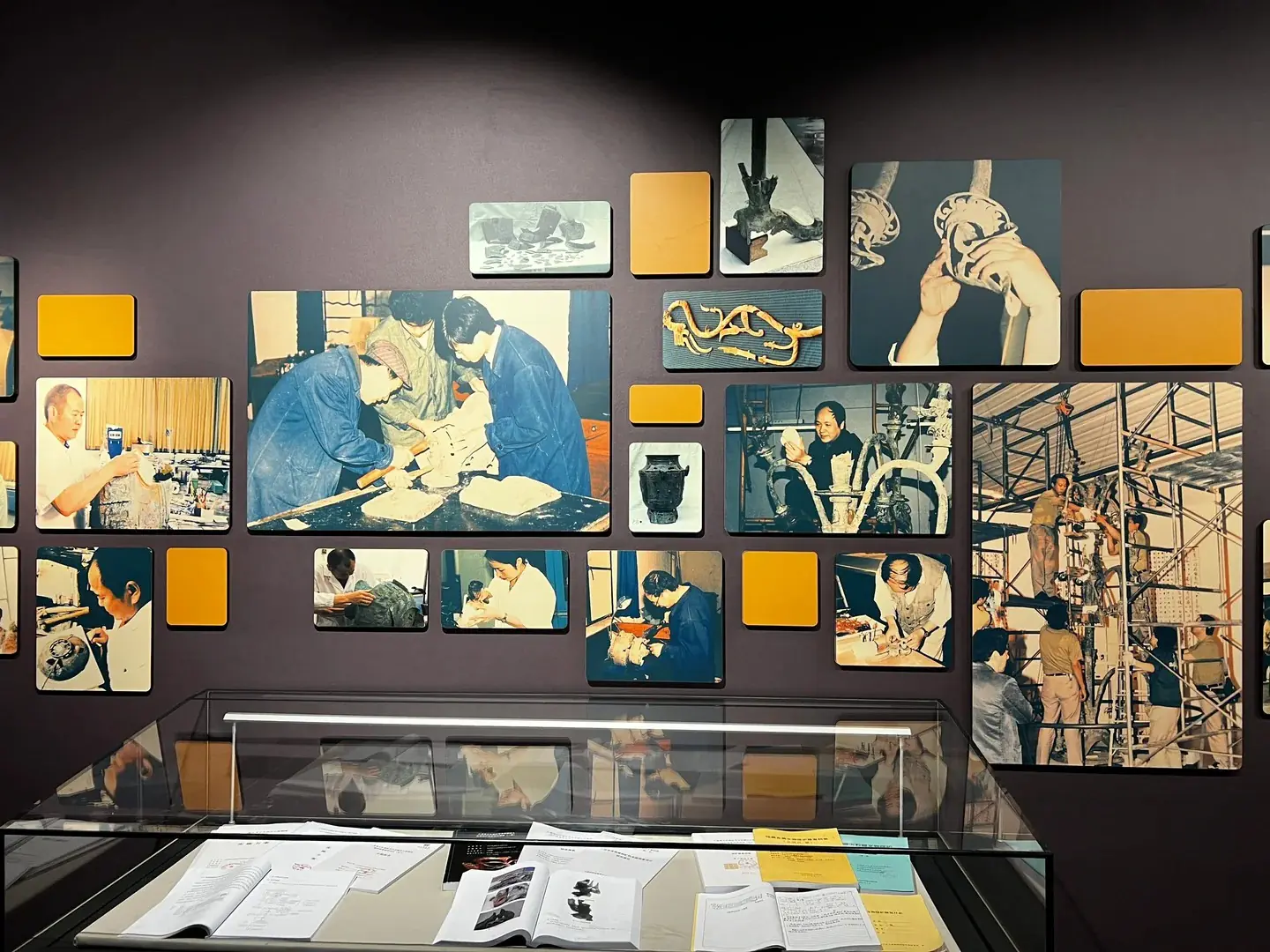
This display is relevant to the restoration story. Read it as conservation context, not as a guarantee that conservators will be working live behind the glass when you visit.
Look from more than one angle
Skip the alien shortcut
The extraordinary forms are evidence of ambitious Bronze Age craftsmanship, not evidence of visitors from another world. The real archaeological questions are richer.
Walk the full circle
The side view of a protruding-eye mask and the low view of the sacred tree reveal construction, scale, and silhouette that a front-facing photo misses.
Check the reverse
Casting seams, repairs, and assembly details can be as informative as the famous faces. Where the case permits, look around rather than only forward.
Choose Your Visit Pace
Three-hour first visit
This is the right baseline for most first-time visitors once you are inside the museum.
- Start with the archaeological introduction- Use the first narrative displays to understand the pits and the site before photographing the icons.
- See the major bronzes- Give the protruding-eye mask, gold mask, Standing Figure, and Sacred Tree enough time for close viewing.
- Add jade, heads, and newer finds- These cases make the famous objects easier to place in the wider Sanxingdui story.
- Finish with the Restoration Hall if open- Treat it as a flexible final stop, then return to one favourite gallery rather than rushing to an outdated Old Hall route.
Four-and-a-half to five-hour deep visit
Use the extra time for the full narrative, not for a longer queue of mandatory stops.
- Complete the archaeological and chronology displays- Read the excavation context before the flagship objects.
- Slow down at the bronze galleries- Compare heads, masks, casting details, and gilded surfaces.
- Study the standing figure and sacred tree from several angles- These two reward a second pass.
- Visit the Restoration Hall- Allow time only if it is open and accessible that day.
- Return to one question- Use labels and the final pass to revisit the object or interpretation that stayed with you.
Tickets, Hours, and Entry
The planning essentials are simple, but they are time-sensitive. The published base ticket is ¥72 for adults and ¥36 for the published concession rate. Check the live official booking screen for current eligibility rather than relying on a static child, student, or senior rule from an older guide.
- Normal published display-hall hours: 08:30–18:00, with last entry at 17:00.
- Restoration Hall: published at 09:00–17:00.
- Holiday and school-break changes: extensions and temporary closures vary. For example, the exact Chinese New Year closure arrangement and summer extension have changed by year.
- Book through an official channel: the museum website, official WeChat account, or mini-program are the published channels. Do not assume a third-party listing is authorized.
- Use the matching ID: reserve and enter with the same valid identity document, especially when booking with a passport.
English audio-guide devices are available in the exhibition hall, and the official WeChat service also offers Chinese and English audio. Photography is generally allowed, but flash, tripods, selfie sticks, and laser pointers are not.
Getting There from Chengdu
Sanxingdui Museum is in Guanghan, north of Chengdu. Journey time depends more on the current departure point and transfer than on a single published number, so choose the route that matches your hotel and the live timetable.
Direct shuttle
When a direct tourist shuttle is running from a convenient Chengdu departure point, it is the least complicated option. Routes, fares, operating days, and boarding points change, so verify the current operator before you plan around it.
Train via Sanxingdui Station
Sanxingdui Station on the Sichuan–Qinghai Railway offers direct services from Chengdu East, with local bus and taxi connections introduced for the museum. Check the train timetable and the last local connection for your travel date; it is now the most useful rail option to investigate first.
Guanghan North as a fallback
Guanghan North can still work when its train timing is better for you. From either rail station, use a taxi or ride-hail for the final stretch and keep a small timing buffer for traffic or a queue at the museum entrance.
Sanxingdui Museum (Google | Amap)Show this screen to your driver · 出示给司机看
请到广汉市三星堆博物馆
Please take me to Sanxingdui Museum in Guanghan.
Show this to a taxi or ride-hail driver for the museum, not an unconfirmed archaeological-park entrance.
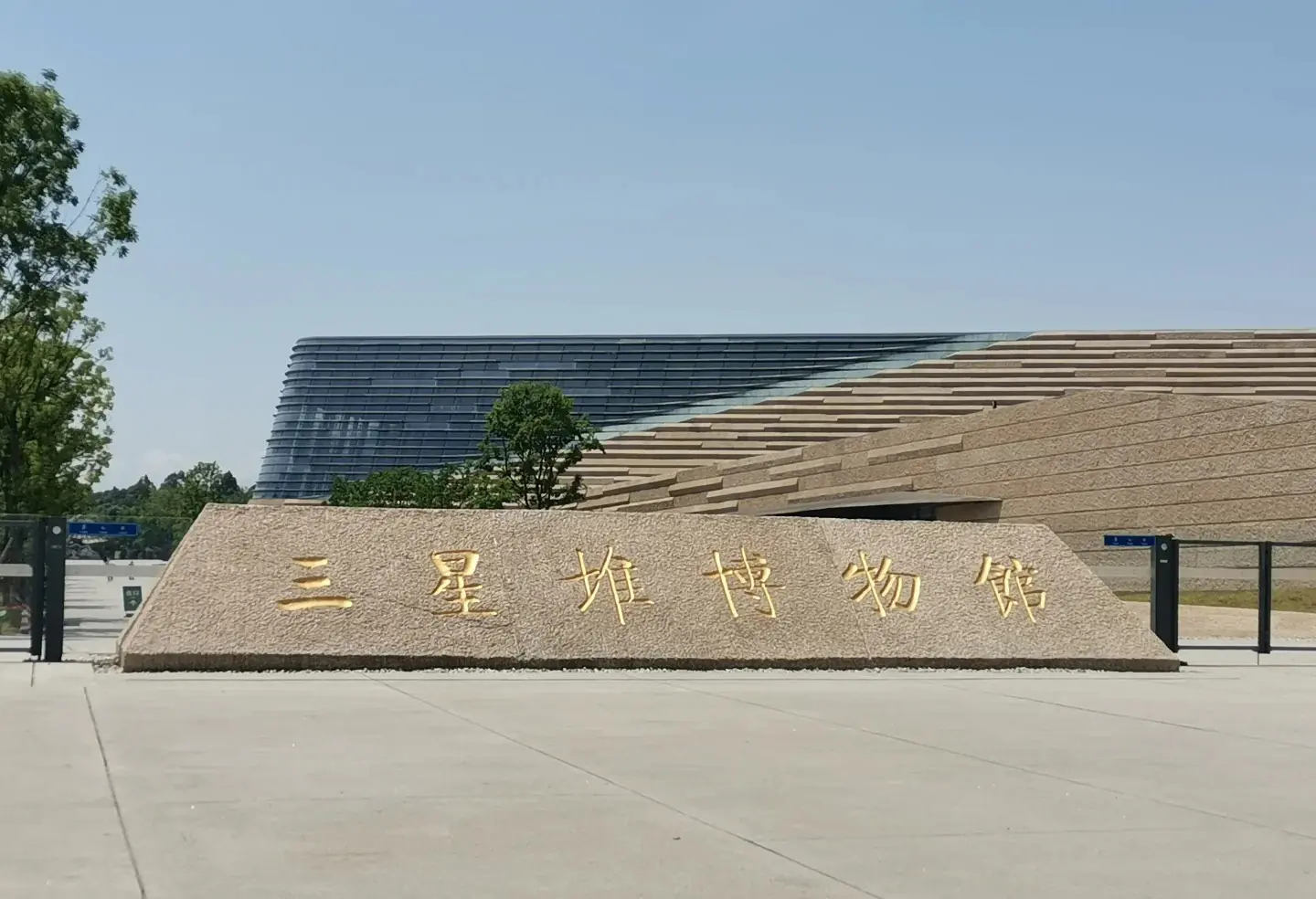
Save the official museum name in Chinese before you leave Chengdu. It is the clearest handoff for a driver and prevents a vague search for the wider ruins area.
Practical Tips Inside
Arrive with a calm first hour
Weekday opening is usually a more comfortable time to enter, but no day is crowd-proof. Arrive early when you can, pass security, and start with the archaeological introduction rather than sprinting straight to the photogenic bronzes.
Make audio and labels work together
Use the English audio guide for orientation, then read the object labels slowly. The useful distinction throughout this museum is between what has been excavated, what has been conserved, and what is still an interpretation.
Photograph without disrupting the visit
Gallery light is deliberately low. Keep flash off, put away tripods and selfie sticks, and allow people around you to see the major cases. A side angle on the protruding-eye mask and a full-height view of the Sacred Tree are better memories than a rushed close-up.
Give lunch and weather their own buffer
This is a long outing from Chengdu. Carry water, wear comfortable shoes, and do not depend on an unverified museum-complex meal stop or outdoor attraction to make the schedule work.
Plan the Rest of Your Day
Treat the archaeological landscape carefully
The image below belongs to the wider Sanxingdui archaeological landscape, but a public archaeological site park is not a guaranteed add-on to a museum visit. National archaeological-site-park work and access arrangements have continued to evolve, so check a current official notice before promising yourself an outdoor ruins walk, a separate entrance, or ticket inclusion.
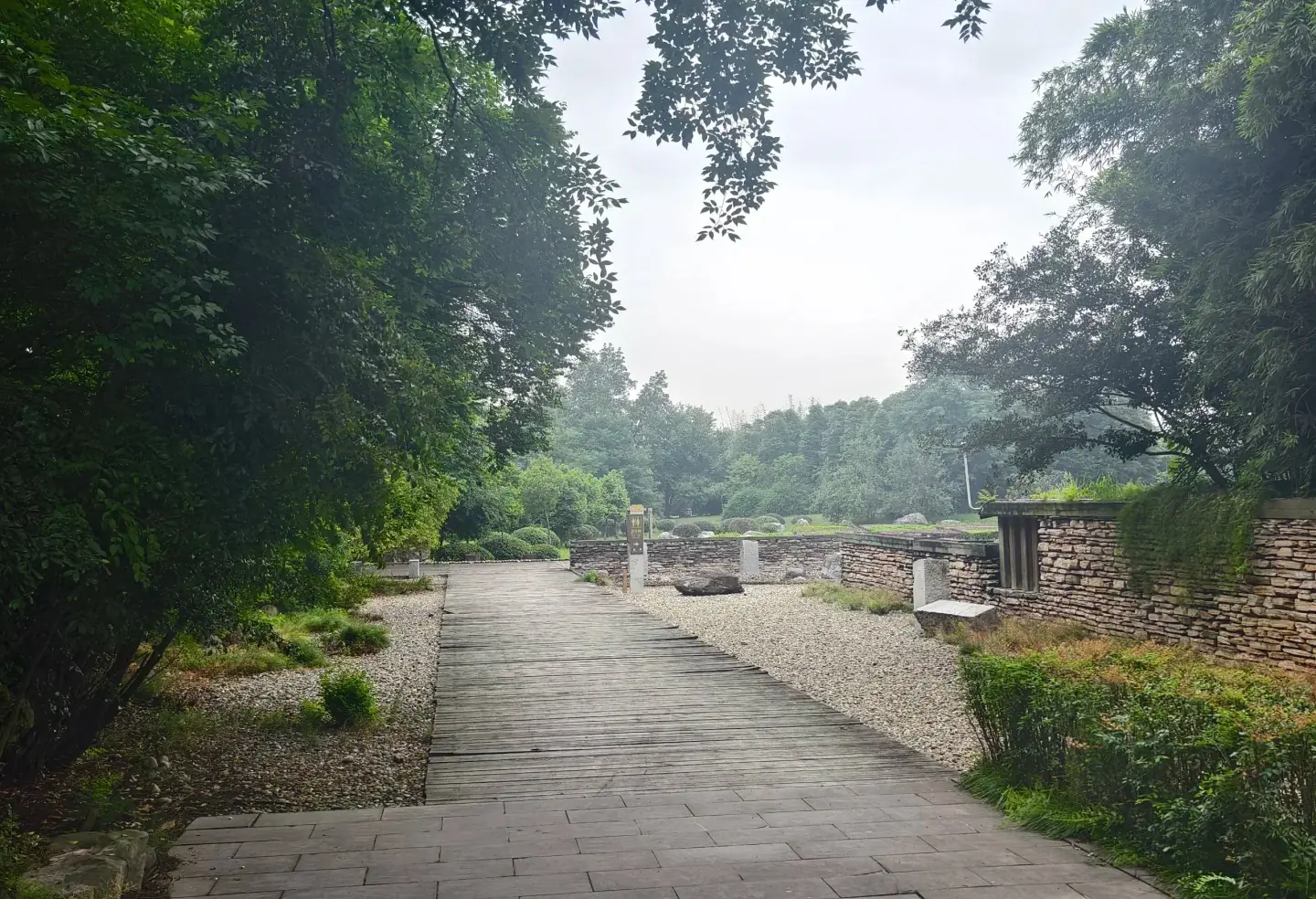
The wider archaeological setting is genuinely part of the Sanxingdui story. For a visit-day plan, however, treat it as background unless the current official access notice confirms a public route.
Pair it with the right Chengdu day
For most travellers, make Sanxingdui a full day and keep the evening flexible. Guanghan can supply a simple local lunch after the museum; return to Chengdu for dinner rather than forcing an overpacked itinerary.
The Chengdu Panda Base is best as a separate morning. If you insist on combining it with Sanxingdui, confirm both reservations, transport, and current hours first, then accept that the day will be tight rather than assuming a seamless two-stop route.
Frequently Asked Questions
Yes, especially if you enjoy archaeology, ancient art, or museums. Plan it as a full day from Chengdu so you have three to five unhurried hours inside the museum.
Sources checked for this guide
- Museum access, published normal hours, base prices, official booking channels, and the former halls: Guanghan municipal notice
- New exhibition hall scale, opening, and three thematic chapters: Ministry of Culture and Tourism
- Entry ID, English audio, and photography restrictions: CCTV visitor notice
- Sanxingdui Station connections from Chengdu East: Guanghan municipal update
- Bronze Sacred Tree dimensions and details: Sichuan Cultural Heritage Administration
- Complete Pit 3 gold mask: Xinhua photo report
- Archaeological-site-park planning context: Guanghan municipal plan
Beyond This Guide
Plan the wider trip with our Chengdu Panda Base guide, Chengdu food guide, and China train-ticket guide.
© gochinafreely.com — Original guide by Go China Freely.