At a glance
Confirm before paying
Longjing Tea Lives in the Hills
From West Lake crowds to a living tea landscape
Longjing tea (龙井茶) picking and roasting is one of Hangzhou's easiest cultural experiences for independent travelers. You step into the tea hills, try picking tender leaves, watch a tea master pan-fire them, then sit down with a glass of green tea that tastes much fresher than any airport souvenir box. The catch is timing: spring gives the full experience, while other seasons need careful expectation-setting.
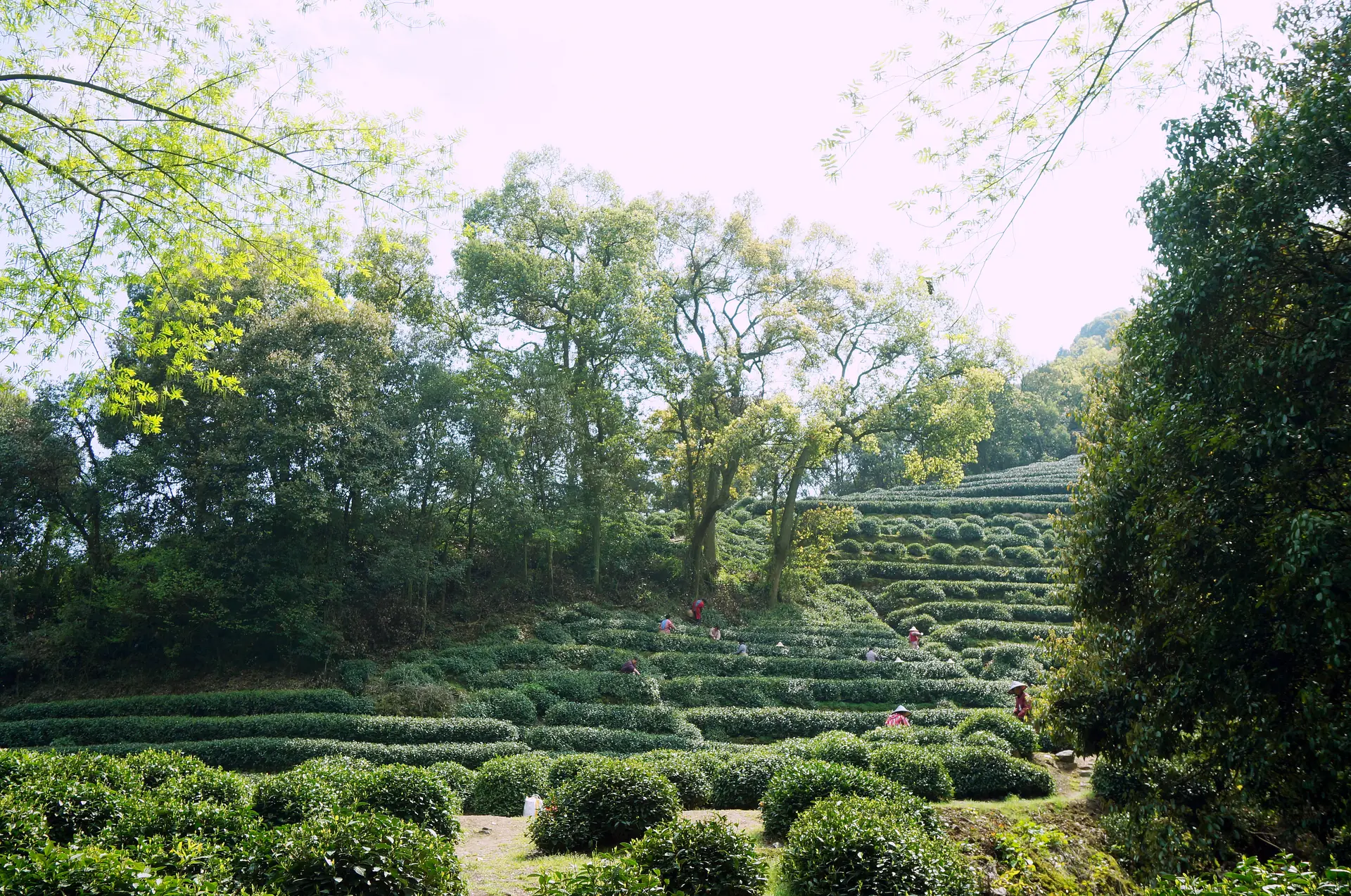

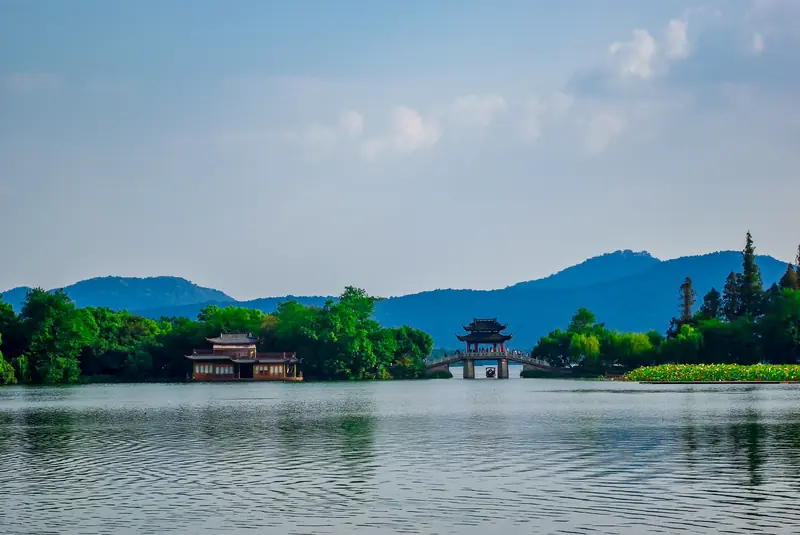
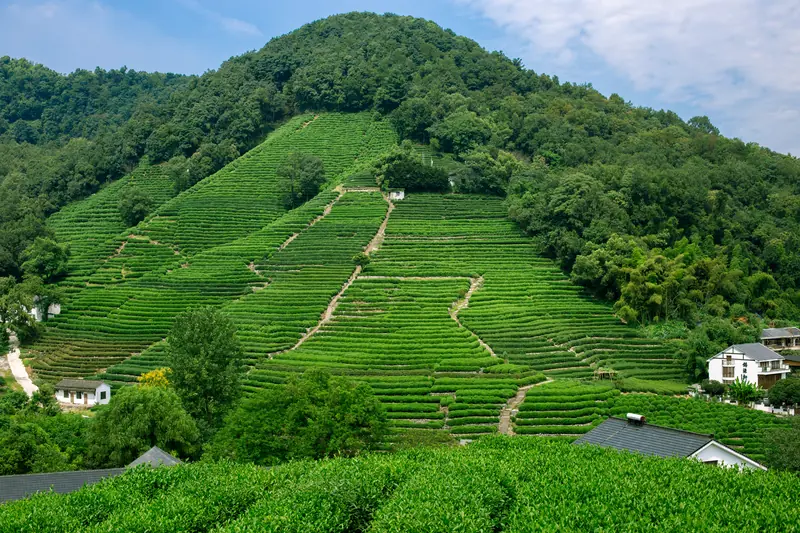
Longjing is not just a famous tea name. The classic West Lake Longjing area sits in the hills west of West Lake (西湖), where villages, springs, temples, and tea fields fold into the same landscape. Longjing Village (龙井村), Meijiawu (梅家坞), Wengjiashan (翁家山), and nearby slopes all help explain why Hangzhou tea culture feels tied to place rather than a generic classroom.
The craft also has real cultural weight. The Hangzhou culture and tourism bureau describes Green Tea Processing Techniques (West Lake Longjing Tea) as a national intangible cultural heritage item and a Hangzhou sub-item of the 2022 UNESCO inscription. UNESCO's page for Traditional tea processing techniques and associated social practices in China frames the heritage around plantation management, tea-leaf picking, manual processing, drinking, and sharing.
For visitors, the point is simple: a good workshop should not feel like a costume photo stop. It should connect the field, the leaf, the hot wok, and the cup in a way you can understand without becoming a tea expert.
Should You Book a Tea Workshop
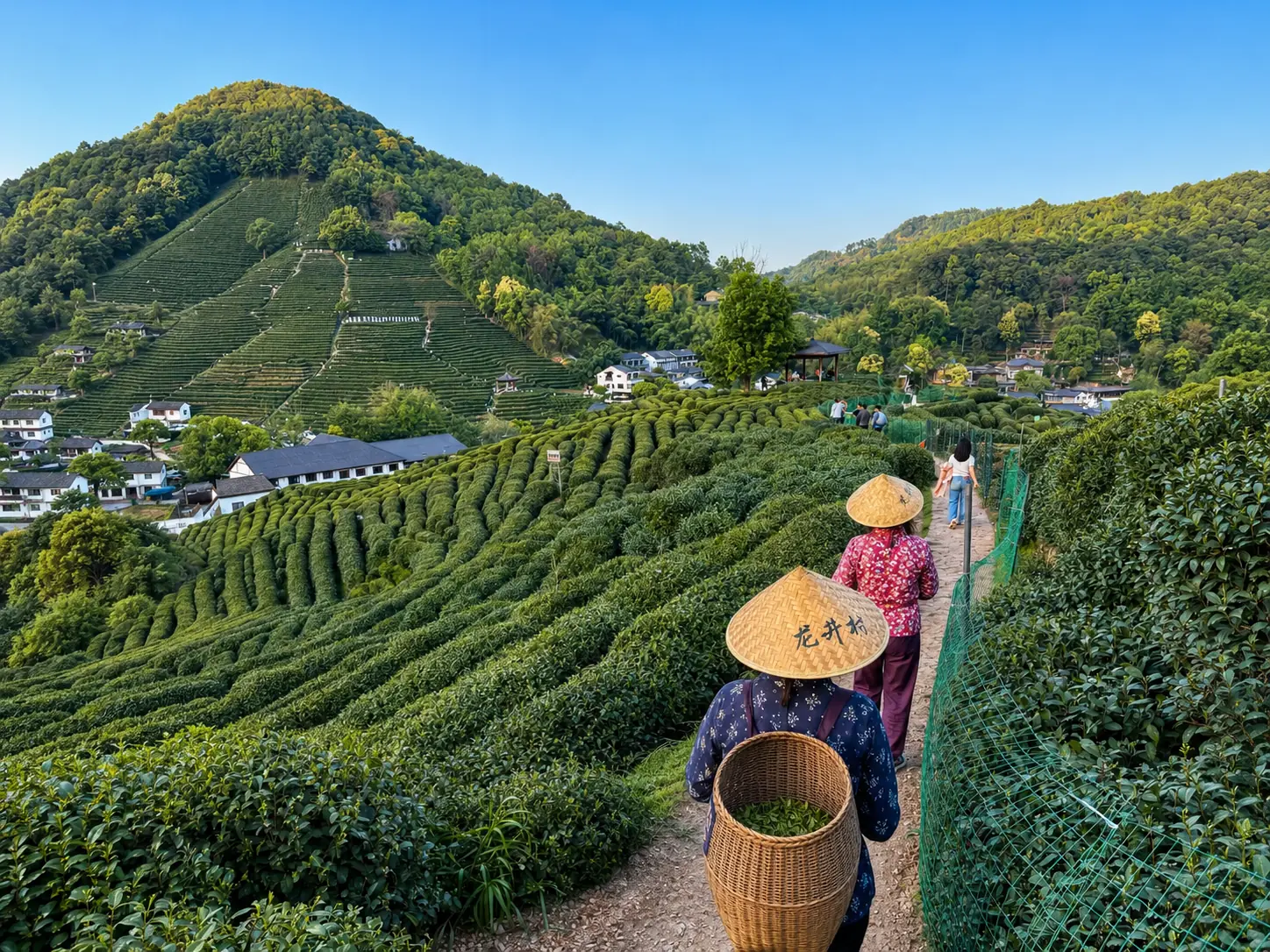
A slow half day, not another photo stop
Book a workshop if your trip has space for a slow half day and you want something more participatory than another scenic stop. The best versions are small, outdoorsy, and tactile: you walk through tea rows, learn what leaves to pick, feel the heat of the roasting wok from a safe distance, and taste the finished tea with context.
Skip or keep it short if Hangzhou is a rushed day trip and you still need to see West Lake and Lingyin Temple (灵隐寺). A casual tea village stop can be enough if you mainly want scenery, a tea break, or lunch in the hills.
Decision shortcut
Is this worth half a day?
Good fit
Choose it if you like hands-on food or craft experiences, spring scenery, light walking, tea culture, and small-group conversation.
Think twice
Skip it if your Hangzhou day is already packed, you dislike sales situations, or you are visiting outside spring but expect real harvesting.
It is especially good for families with school-age children, solo travelers who want a guided local encounter, and first-timers who want Hangzhou beyond the lake postcard. It is less ideal for travelers seeking a serious tea-buying mission. The workshop should be about understanding the process, not being pressured into a large purchase.
Spring Picking Is the Real Prize
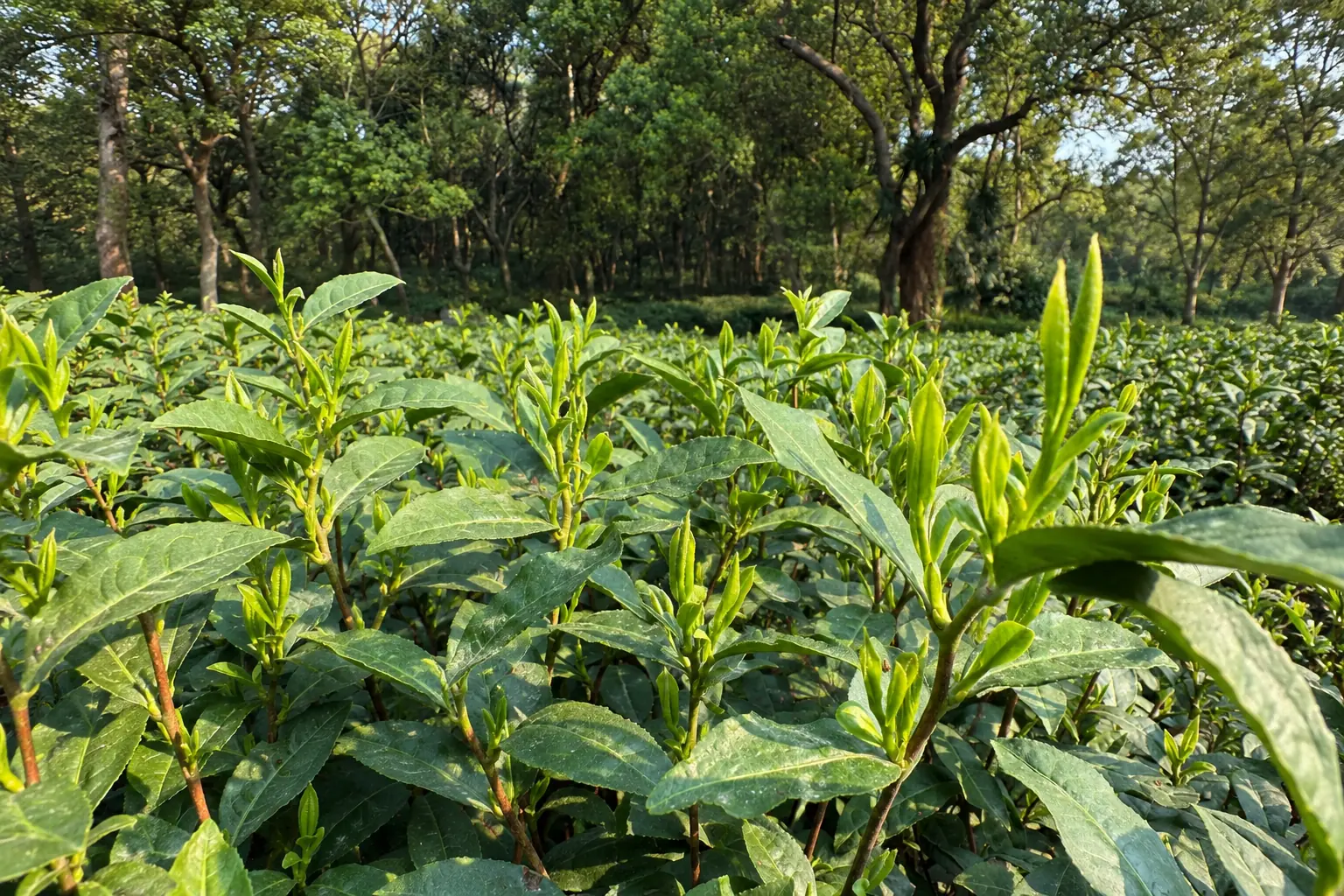
A short harvest window that moves every year
The real harvest window is short. In a normal year, West Lake Longjing picking begins around the spring equinox period in late March, with April as the most reliable visitor month. The pre-Qingming period before early April is famous for premium early tea, but it is also expensive and weather-sensitive.
The Zhejiang Provincial Government's English portal reported the first batch of 2026 West Lake Longjing being harvested in Wengjiashan on March 17, while Xinhua's 2025 coverage reported the official start on March 20. Those dates are useful planning clues, not a fixed annual calendar. Temperature, rain, and leaf growth shift the exact start date every year.
Ask the seasonal question directly
Before you pay, ask the provider: "Will we actually pick fresh tea leaves on my date, or is this a tea-field walk plus roasting and tasting?" A good answer should be specific, not vague.
Outside spring, a Longjing experience can still be pleasant. You may get tea fields, a village walk, a roasting demonstration, a brewing lesson, and a tasting. Just do not market it to yourself as a harvest day.
What Happens During a Tea Workshop
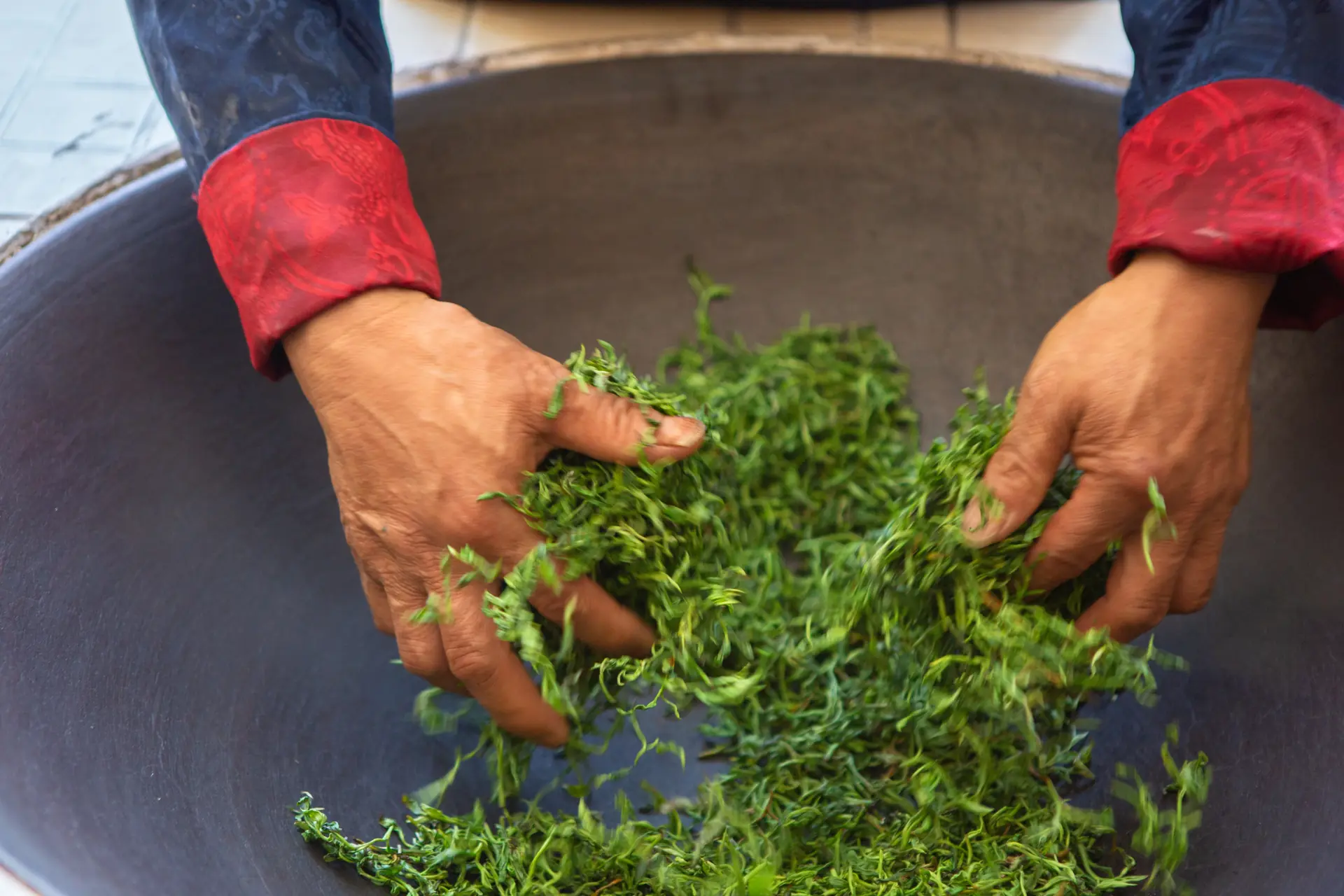
Field, leaf, wok, cup
A complete visitor workshop usually follows a simple arc: field, leaf, wok, cup. The order matters because it turns Longjing from a souvenir into a process you can remember.
Be realistic about the roasting part. Real West Lake Longjing pan-firing is skilled work with hot metal, repeated movements, and sensory judgment. Visitors may be allowed to try briefly, but that is a guided taste of the craft, not a full production lesson.
The six-step visitor flow
- Meet at the village or pickup point- Many experiences start in Longjing Village, Meijiawu, or a central Hangzhou meeting point.
- Walk into the tea fields- The guide explains the tea rows, picking season, and what a tender bud looks like.
- Try picking leaves- In spring, you may pick one bud with one leaf or two leaves under local guidance.
- Watch the pan-firing- A tea master demonstrates how heat, pressure, and hand movements shape Longjing tea.
- Taste and compare- You drink the tea, learn a simple brewing method, and sometimes try a tea-whisking add-on.
- Decide about purchases- Buying tea should be optional. Ask prices and units before agreeing to anything.
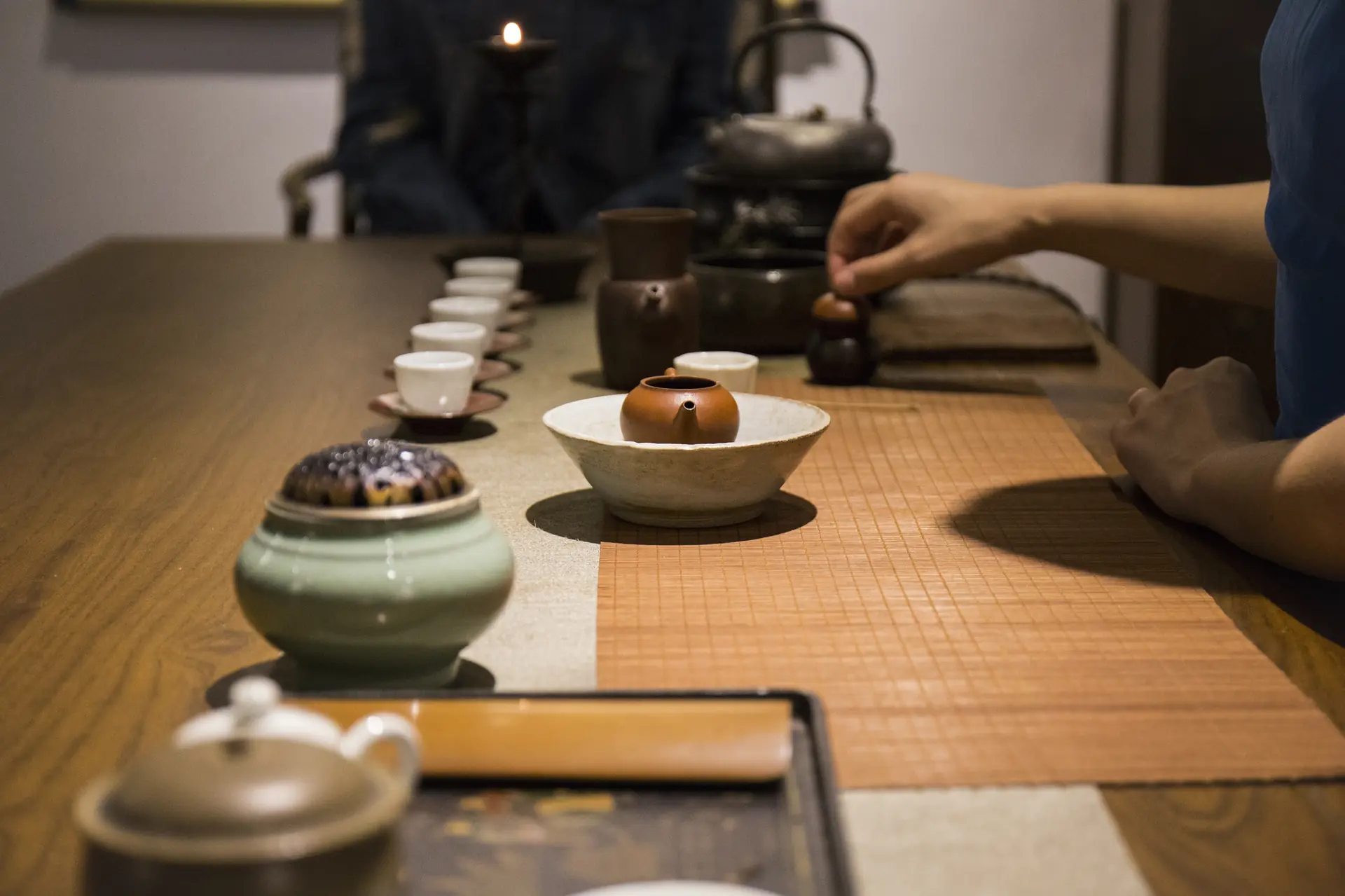
The tasting is the quiet close: you drink the tea, learn a simple brewing method, and sometimes try a tea-whisking add-on. This is where the field and roasting explanations become easier to remember.
Demo vs Hands-On
If the listing says "tea roasting," ask whether guests actually touch the leaves in the wok, watch only, or take turns for a short photo-friendly practice. All three can be fine, but they are different experiences.
Choose the Right Tea Village Area
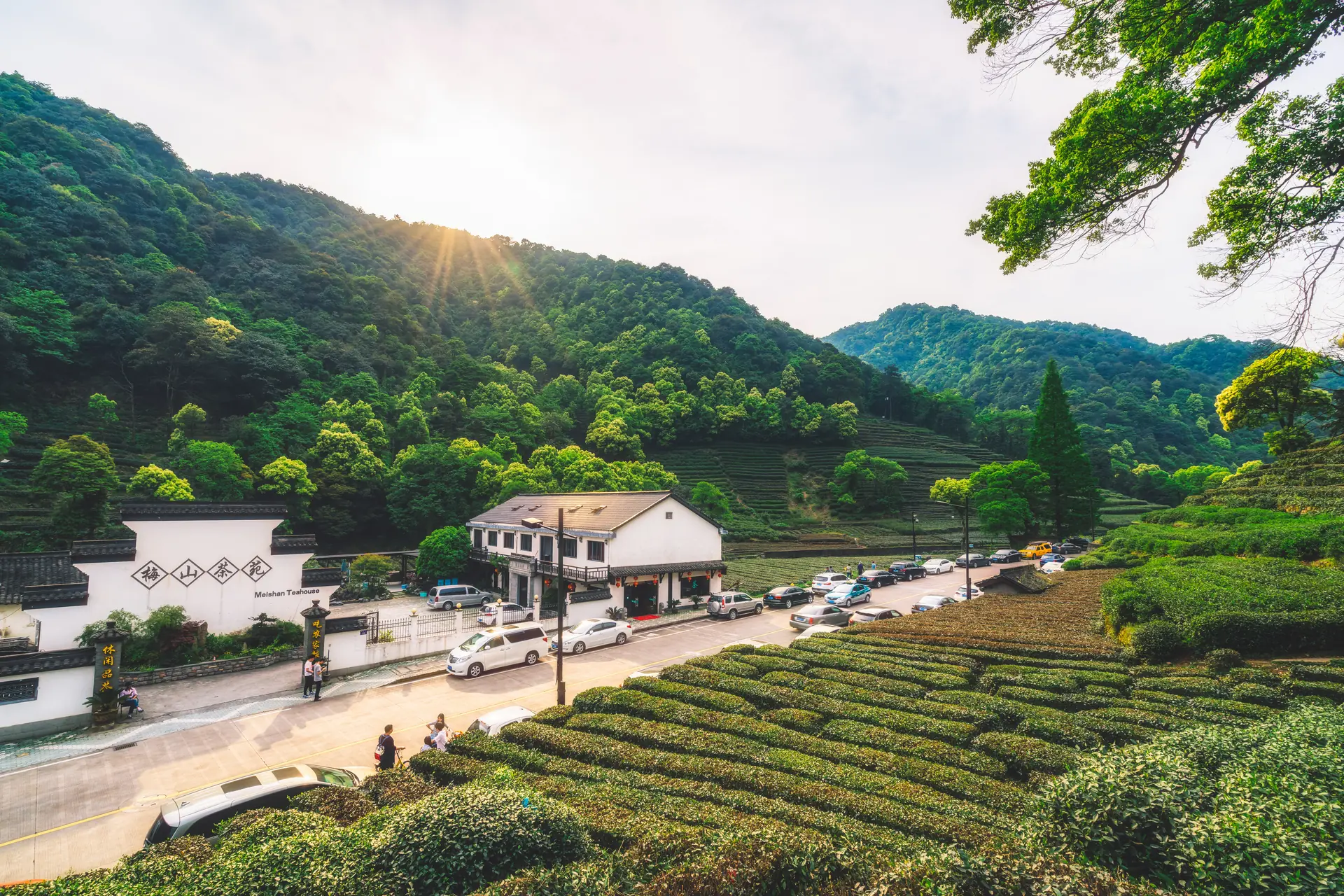
Choose by route shape, not village fame
Choose the area by route shape, not by trying to rank every tea village. For most first-timers, Longjing Village is the easiest fit because it sits close to Lingyin and the west side of West Lake. Meijiawu feels more like a broad tea village, with more tea houses and farmhouse meals. Wengjiashan and smaller nearby areas can be excellent but are harder to navigate independently without a guide or local contact.
← swipe to compare all options →
Longjing Village (龙井村)
- ✓Simple taxi route from Lingyin Temple and the west side of West Lake.
- —Can feel commercial in peak spring and public holidays.
Best for first-time workshops
Pairs well with Lingyin
Meijiawu (梅家坞)
- ✓Broader tea-village feel, with more tea houses and farmhouse restaurants.
- —Some venues focus more on selling tea than teaching the process.
Best for tea-house pauses
Good for village meals
Wengjiashan (翁家山)
- ✓Excellent for travelers who want a less obvious tea-hill setting.
- —Harder to navigate independently through English-first booking channels.
Best for core Longjing atmosphere
Quieter hill roads
Pick by route shape first; village fame matters less than meeting point, season, and teaching quality.
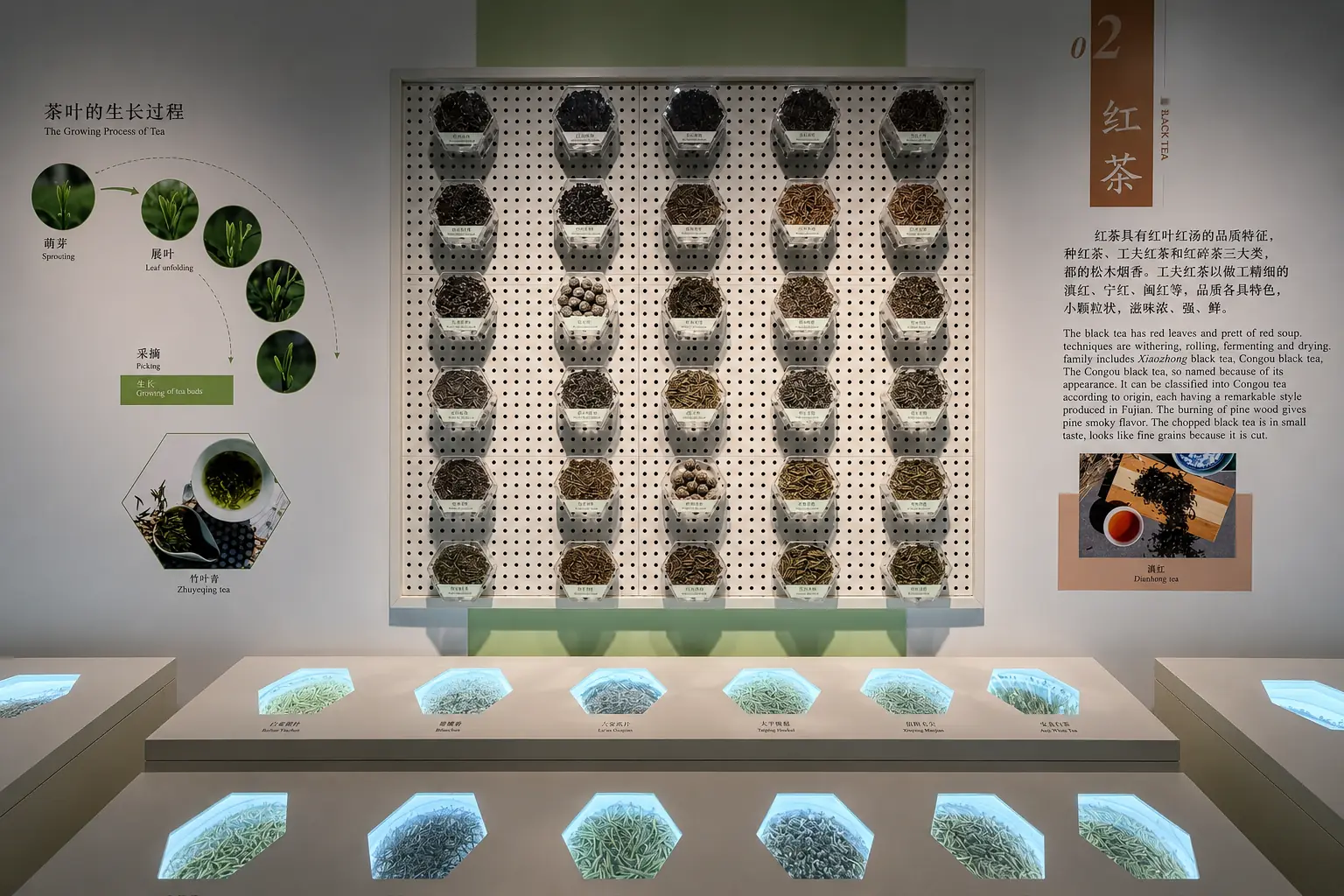
Rainy-day alternative
The China National Tea Museum (中国茶叶博物馆) is useful for families and travelers who want tea learning with lower sales pressure. It is more museum-like and is not always a full picking workshop.
If your main goal is the hands-on class, start with the provider's exact meeting point and itinerary. If your main goal is atmosphere, pair a tea village with a slow meal and a short walk instead of forcing a formal class.
Use the Hangzhou day route to protect enough time for West Lake, Lingyin, transfers, and a real tea-workshop block.
Booking Channels Worth Linking for Foreigners
Compare the live details, not just the title
The foreigner-friendly booking market is real, but quality varies. For this guide, it makes sense to link only major, relatively transparent platforms and leave smaller personal channels unlinked.
← swipe to compare all options →
Provider page check
- ✓Use clearly written provider pages to understand the common half-day format.
- —Useful when you want visible itinerary fields and guide-language details in one place, but confirm the actual booking path before paying.
Format
Reviews
Cancellation policy
Trip.com: Longjing Village
- ✓English-guide Longjing tea picking and frying experience(affiliate link · may earn commission, no extra cost)
- —Good for checking duration, instant-booking fields, and pickup or meeting-point details.
English-service listing
International payment flow
Trip.com: Meijiawu
- ✓Meijiawu tea picking, roasting, tasting, and tea culture experience(affiliate link · may earn commission, no extra cost)
- —Helps compare Longjing Village with a broader tea-village format.
Village-style option
Useful comparison listing
Use platform listings as starting points, then verify season, language, transport, group size, and roasting details before paying.
Read the listing carefully before paying. The title may say tea picking, but the date, season, language, group size, transportation, and hands-on roasting details decide what you actually get.
Combine It with Lingyin or West Lake
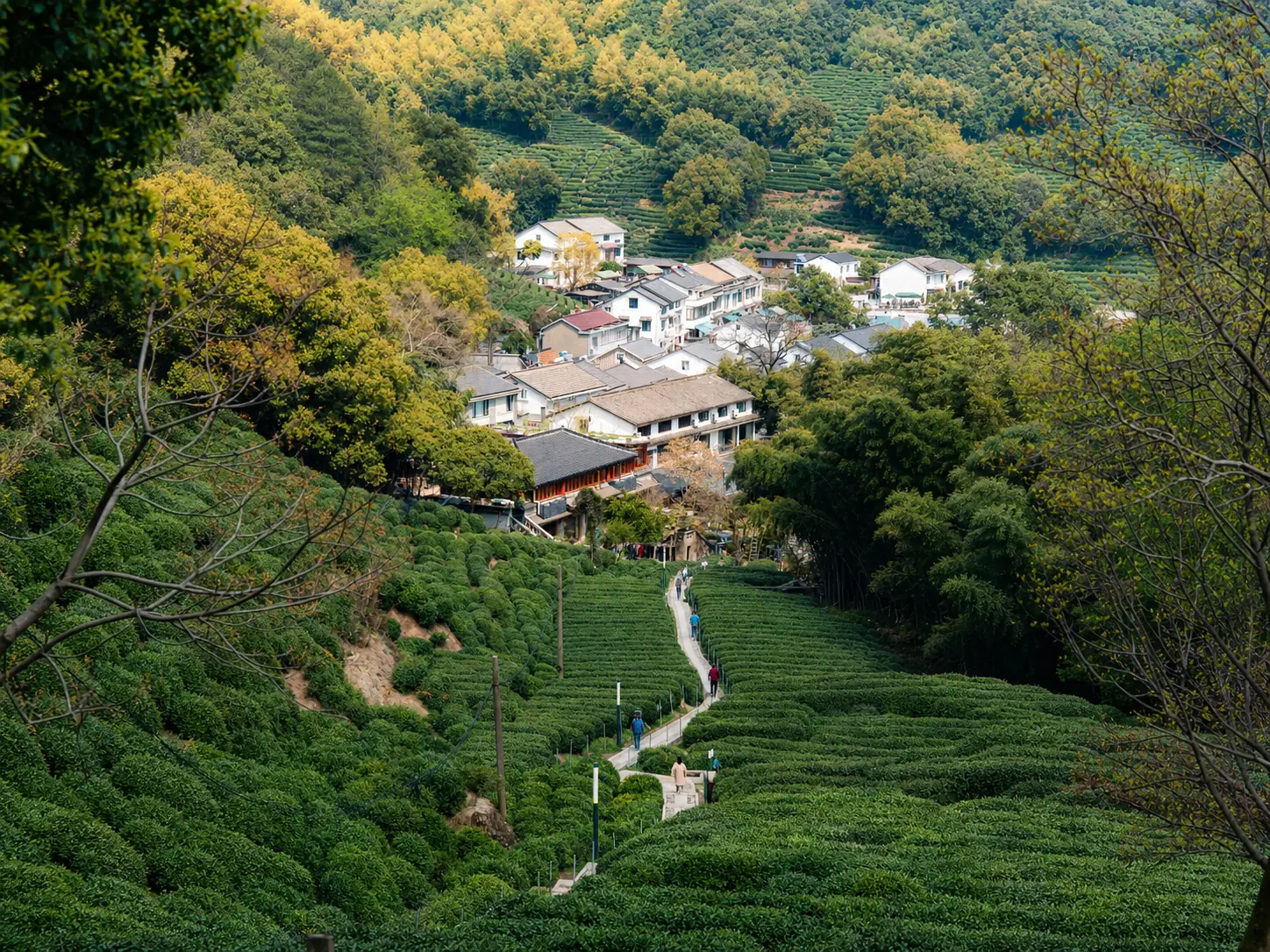
Protect the workshop block before adding sights
The cleanest route pairing is Lingyin Temple plus Longjing Village. In normal traffic, the taxi ride from Lingyin to Longjing Village is often around 10-20 minutes, though spring weekends, holidays, rain, and crowd control can stretch it. From the east side of West Lake or Hangzhou East Station, allow more time.
For a same-day Shanghai to Hangzhou trip, do not combine a full West Lake loop, Lingyin, a formal tea workshop, Hefang Street, and a late show. Something will become rushed. Use our Hangzhou day trip guide for the broader route logic, then add the workshop only if you can protect a real 2-3 hour block.
Four combinations that stay realistic
Route
West Lake north shore + Lingyin + Longjing tea
Best for
First-time day route
Notes
Keep West Lake selective and book a later return train
Route
Lingyin + Longjing workshop only
Best for
Slow cultural half day
Notes
Best if you are staying overnight in Hangzhou
Route
Tea workshop + tea village lunch
Best for
Food and tea focus
Notes
Pair with the Hangzhou food guide
Route
West Lake + tea museum
Best for
Rainy day or low-pressure version
Notes
Easier for families and travelers avoiding sales pressure
For deeper background on nearby sights, see our West Lake guide and Lingyin Temple guide.
Buy Tea Without Pressure in Villages
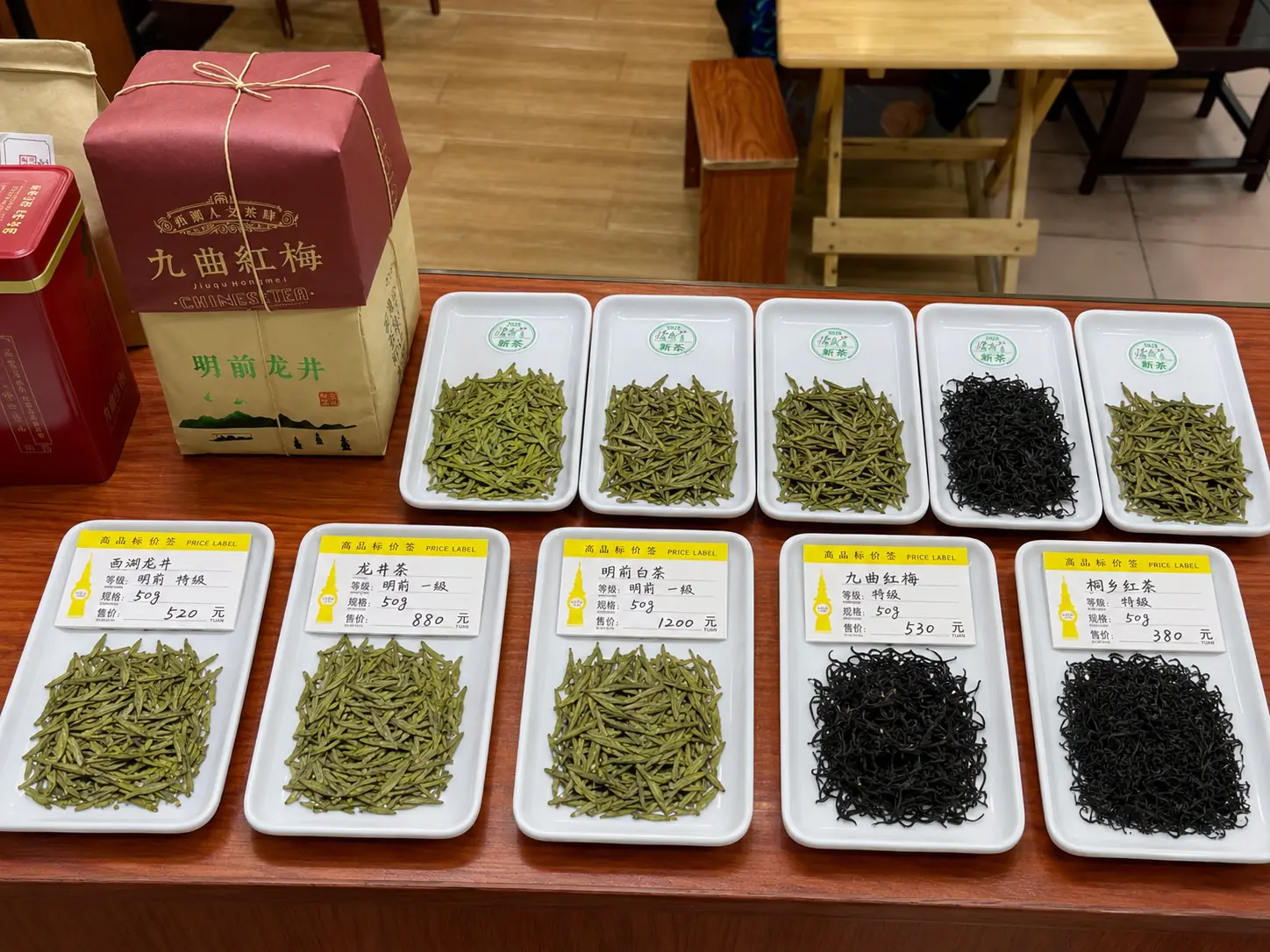
Understand the price before the courtesy purchase
Tea buying is the awkward part for many foreign travelers. After a warm tasting, it can feel rude to say no. Remember: a tasting does not obligate you to make a large purchase, and a good host should be comfortable with a clear, polite decision.
Ask three things before buying: price, unit, and grade. In Chinese tea shops, prices may be quoted by jin, by liang, by box, or by package. If you do not understand the unit, you do not understand the price.
- Buy a small amount if you like the tea and understand the price.
- Ask whether the tea is West Lake Longjing or broader Zhejiang Longjing.
- Slow down if the seller says the offer is only available today.
- Do not buy expensive tea because you feel embarrassed after a tasting.
If you are not buying, keep it simple: smile, thank them, and say you are only tasting today. You do not need to debate quality, origin, or value.
What to Wear in the Tea Hills
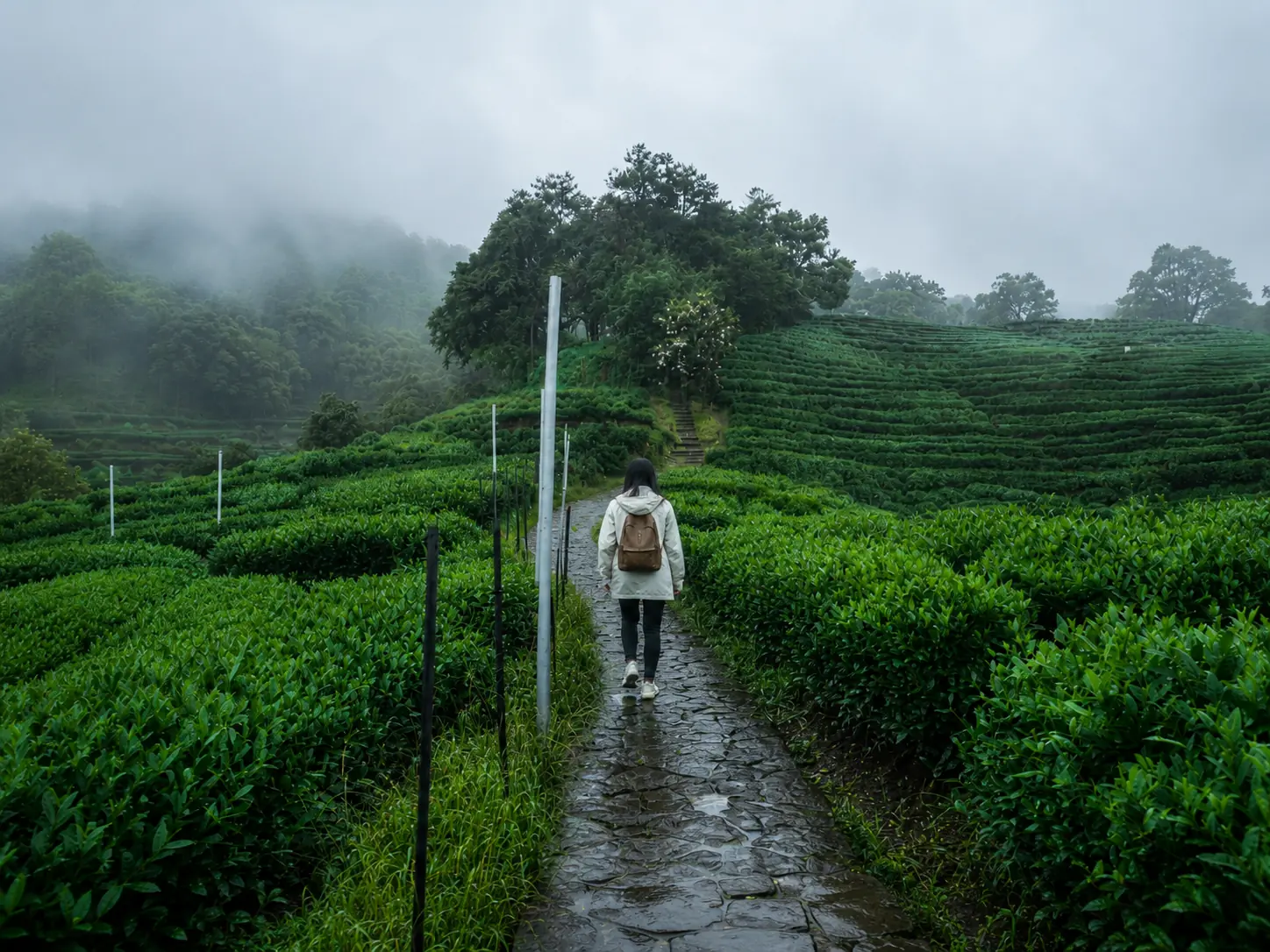
Easy walking still needs field-ready shoes
Tea fields are not difficult hiking, but they are still fields. Expect slopes, stone steps, narrow paths, wet soil after rain, insects in warm weather, and strong sun on clear spring days. Wear shoes with grip, a light layer, and clothes that can handle dust or tea leaves.
For families, ask in advance whether children can enter the tea rows, how close they can get to the roasting wok, and whether there is a clean bathroom near the workshop. The wok can be very hot, so children should treat the roasting segment as supervised observation unless the host explicitly offers a safe short practice.
Keep children clear of the hot wok
Treat the roasting segment as supervised observation unless the host explicitly offers a safe short practice. Confirm the child policy before the visit and follow the tea master's direction around heat.
Bring for the hills
- Comfortable walking shoes with grip.
- Sun protection and a light rain layer in spring.
- A small bottle of water.
- Payment app setup or some cash, especially in village tea shops.
- A bag with room for a small tea purchase, if you plan to buy.
Frequently Asked Questions
No. Tea fields can be visited year-round, but meaningful Longjing picking is mainly a spring activity, usually late March through April. Outside that window, confirm whether the experience is a field walk, roasting demo, and tasting instead.
Sources checked for this guide
- Verified the first 2026 West Lake Longjing batch in Wengjiashan on March 17 and the one-bud, one-leaf picking standard reported for that batch: Zhejiang Provincial Government English portal — First batch of Longjing Tea harvested in Hangzhou
- Verified the 2022 inscription and the field, picking, manual-processing, drinking, and sharing scope of China’s traditional tea practices: UNESCO — Traditional tea processing techniques and associated social practices in China
- Checked Hangzhou’s official identification of West Lake Longjing processing as a local sub-item of the UNESCO-inscribed tea traditions: Hangzhou Culture, Radio, TV and Tourism Bureau — Hangzhou, Living Poetry
- Checked the current English-language Longjing Village listing, 1.5–2-hour duration, picking/frying framing, cancellation field, and meeting-option details: Trip.com — Longjing Village tea picking and frying experience
- Checked the current English-language Meijiawu listing, 2-hour duration, picking/roasting/tasting framing, and live booking fields: Trip.com — Meijiawu tea culture experience
Beyond This Hangzhou Tea Guide
Keep the workshop in proportion to the wider trip
This guide helps you choose and sanity-check the tea workshop itself.
Continue with the Hangzhou day trip guide when the next decision is how to connect West Lake, Lingyin, and the tea hills.
© gochinafreely.com — Original guide by Go China Freely.