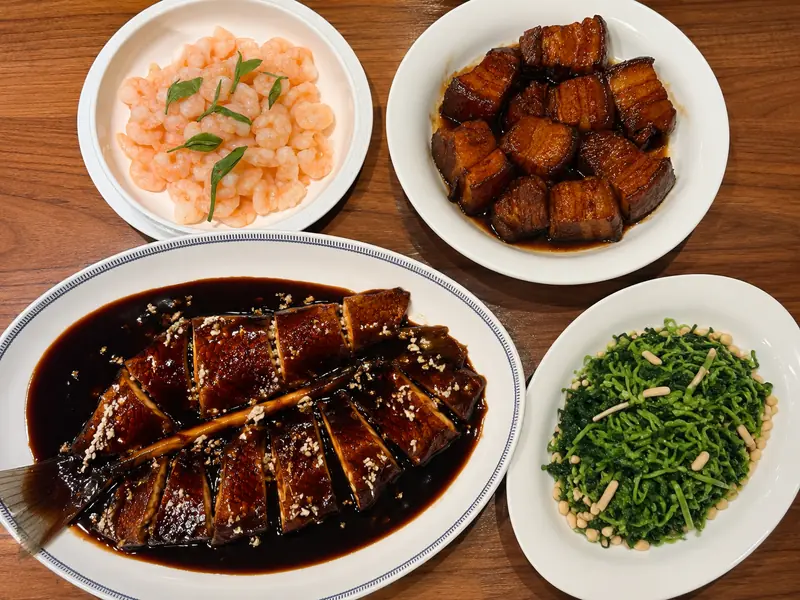
Hangzhou (杭州) does not hit you with chili oil or smoky street grills. It works more quietly: lake fish in a glossy vinegar sauce, shrimp barely cooked with fresh tea leaves, pork belly that collapses under a spoon, and noodles sharpened with preserved vegetables. If Chengdu is a punch, Hangzhou is a clean brushstroke.
That gentleness is exactly why some travelers miss the point. Hangzhou food is built around freshness, texture, and seasonality. A bad meal tastes bland; a good one tastes balanced. This guide shows you what to order, where to eat around West Lake, which old names are worth knowing, and how to avoid spending your one Hangzhou dinner on the wrong version of the famous dishes.
Executive Summary
What to expect
Soft, seasonal Jiangnan cooking: river fish, freshwater shrimp, bamboo shoots, tea leaves, rice wine, soy sauce, and gentle sweetness. The challenge is choosing well, not surviving spice.
Best first meal
Order Dongpo Pork, Longjing Shrimp, one green vegetable, and a noodle or soup dish. Add West Lake Fish in Vinegar Gravy only if the restaurant is strong and you enjoy sweet-sour fish.
Main traveler challenge
Famous old restaurants sit beside heavy tourist demand. Go early, manage expectations, and use neighborhood eating zones instead of relying on one name.
Hangzhou Freshwater Ingredients and Gentle Sweetness
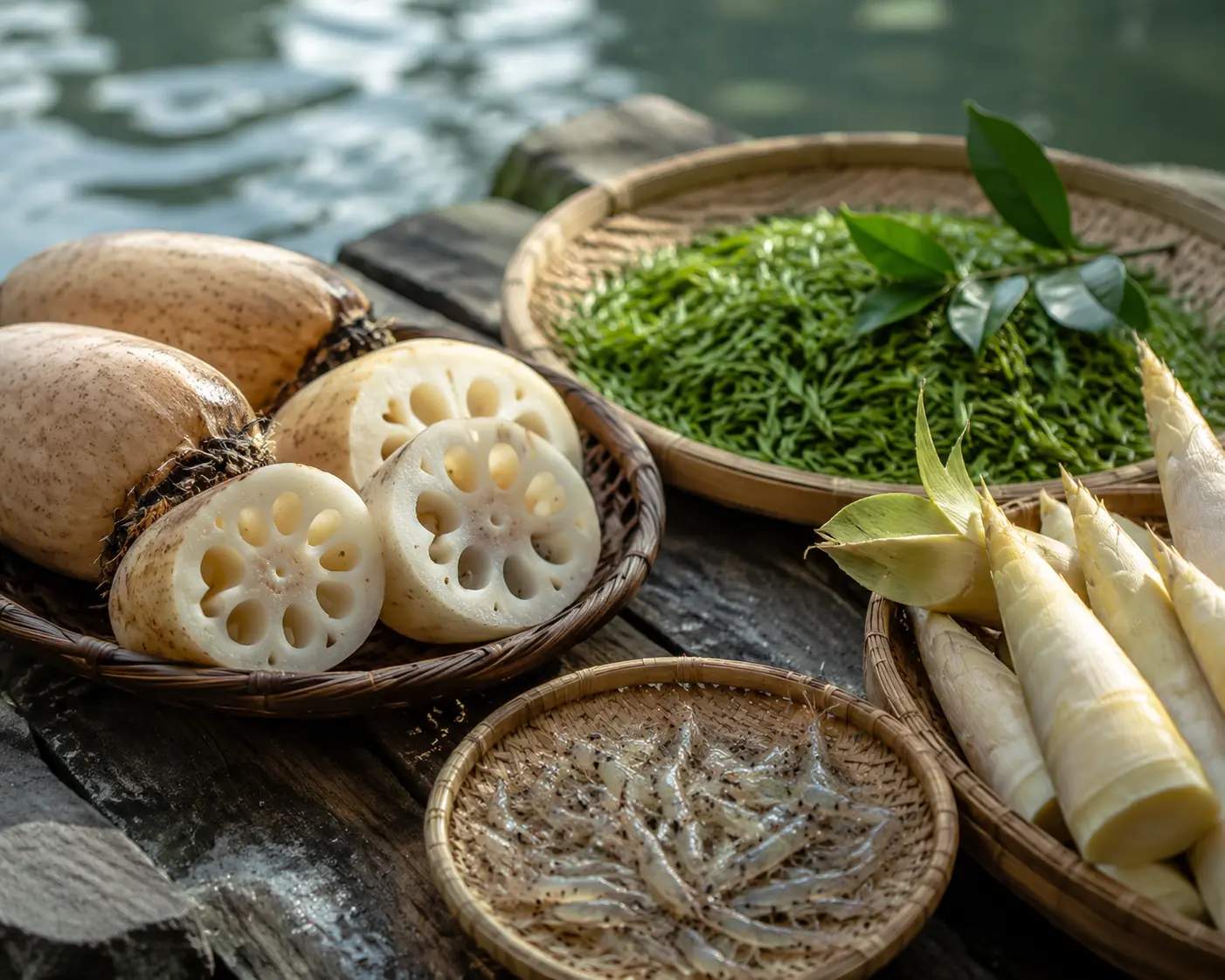
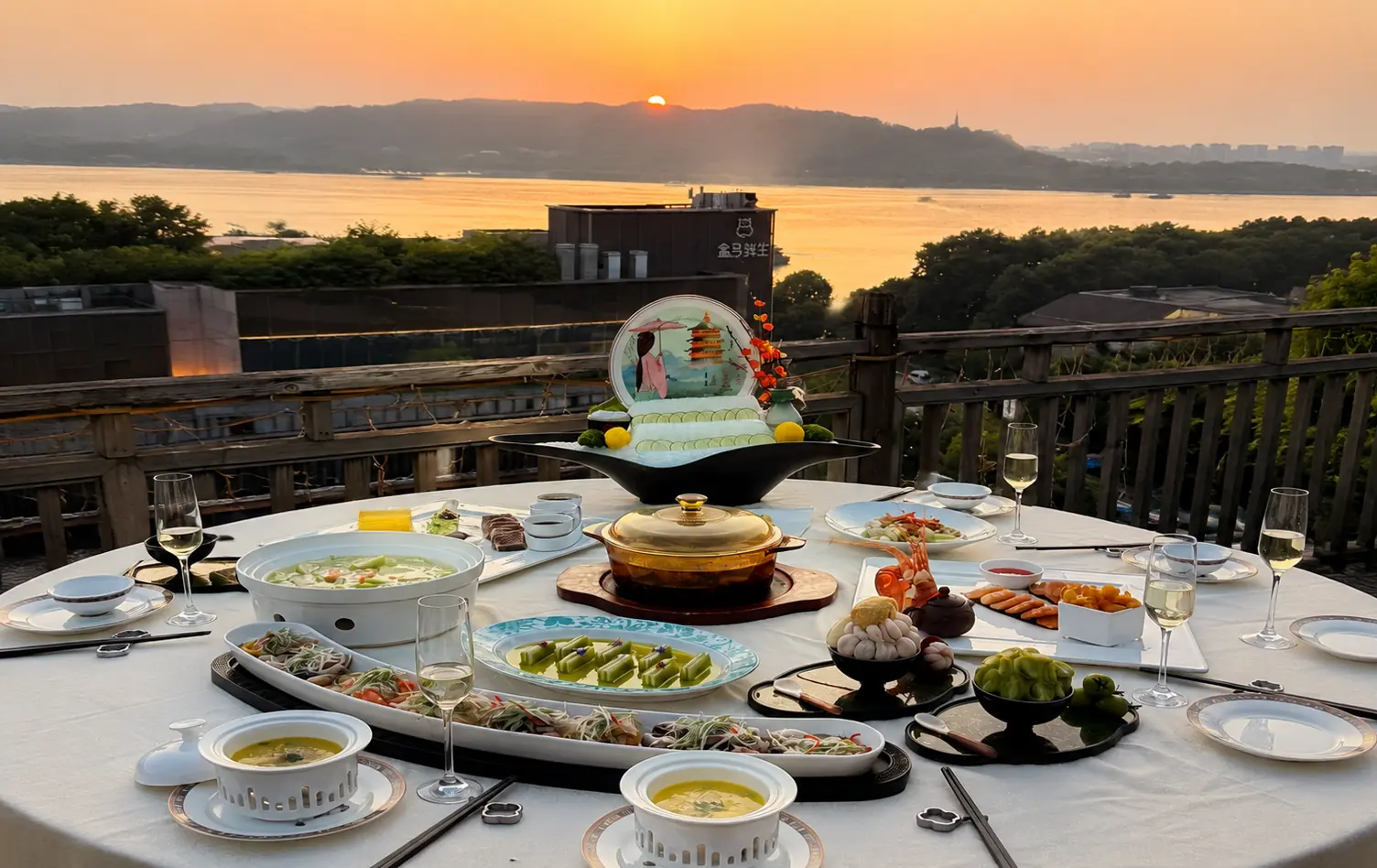
Hangzhou cuisine belongs to Zhejiang cuisine (浙菜), but it has its own rhythm. The city sits between West Lake, the Grand Canal, tea hills, rivers, wetlands, and fertile fields. That geography shapes the table: freshwater fish, river shrimp, bamboo shoots, lotus root, water shield, tea leaves, ham, and rice wine show up again and again.
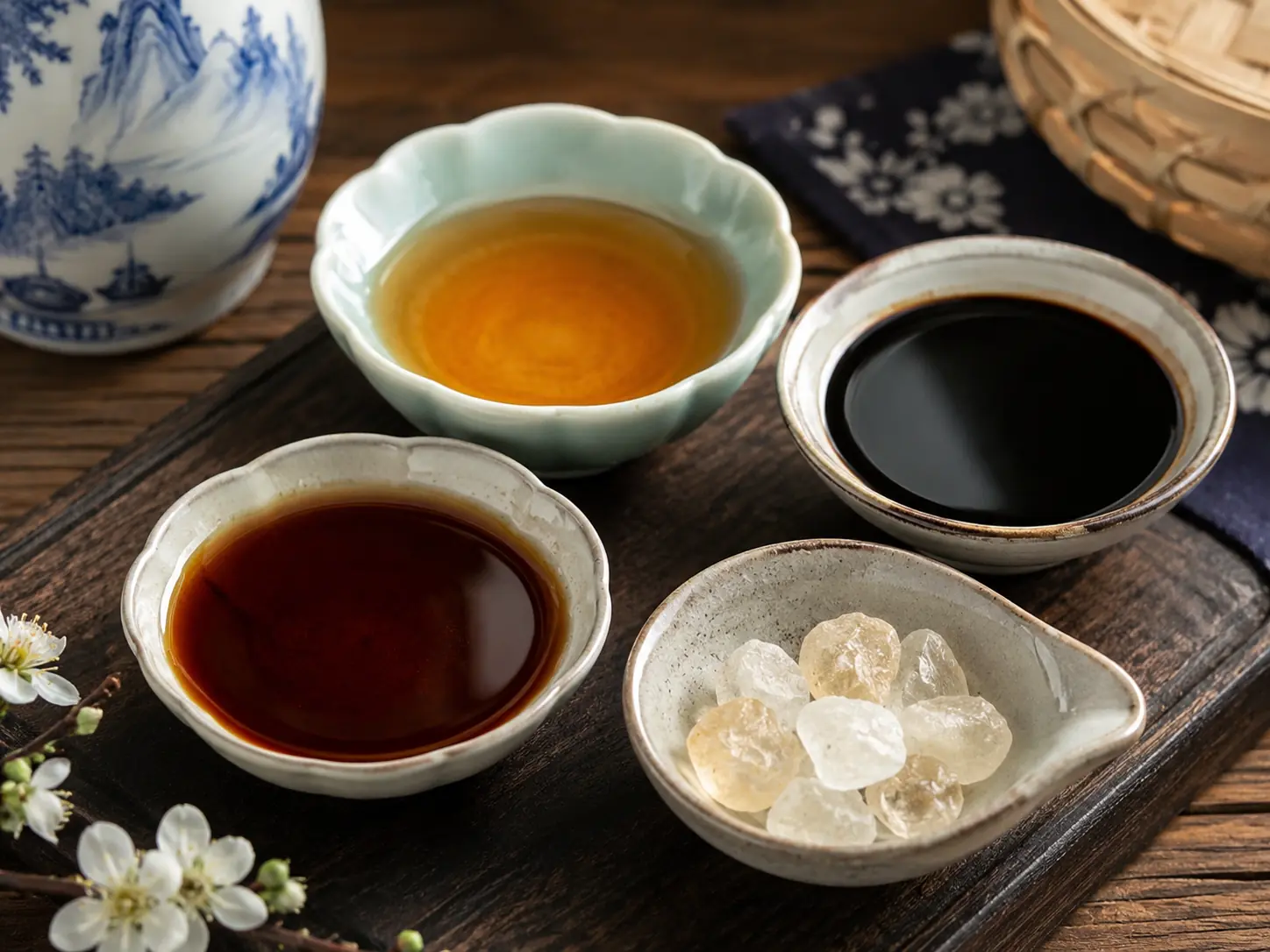
The flavor profile is light, but not empty. Classic Hangzhou cooking leans fresh, mellow, slightly sweet, and clean rather than spicy or oily. Sauces are glossy instead of heavy. Knife work and timing matter because the ingredients are supposed to stay delicate.
Gentle Does Not Mean Bland
The easiest mistake is expecting Hangzhou food to behave like Sichuan or Xi'an food. The excitement comes from contrast: sweet against vinegar, fatty pork against rice wine, tea fragrance against shrimp, tender fish against a clean sauce. The city is not weak on food; it rewards a slower, more selective approach.
The Seasonal Rule
Spring favors bamboo shoots, tea, and fresh greens. Summer brings lotus root, water shield, and cool desserts. Autumn is for osmanthus sweets and richer river dishes. Winter makes braised pork, soy-sauce duck, and warm noodle soups feel right. Ask what is good today, then build around one seasonal ingredient and one classic anchor dish.
Must-Try Hangzhou Dishes for First-Time Travelers

Start with the dishes below. They cover the city better than any single restaurant list.
- Chinese
- 西湖醋鱼
- What It Tastes Like
- Sweet-sour, glossy, tender freshwater fish
- Best Context
- Classic meal, expectations managed
- Chinese
- 东坡肉
- What It Tastes Like
- Slow-braised pork belly, soy, rice wine, soft fat
- Best Context
- First Hangzhou dinner
- Chinese
- 龙井虾仁
- What It Tastes Like
- Fresh shrimp, green tea fragrance, very clean
- Best Context
- Spring, tea village meal
- Chinese
- 叫化童鸡
- What It Tastes Like
- Whole chicken sealed and baked, aromatic and soft
- Best Context
- Group meal
- Chinese
- 宋嫂鱼羹
- What It Tastes Like
- Finely shredded fish in a gentle thick soup
- Best Context
- Light starter
- Chinese
- 西湖莼菜汤
- What It Tastes Like
- Soft water shield, clear broth, seasonal texture
- Best Context
- Summer, classic tables
- Chinese
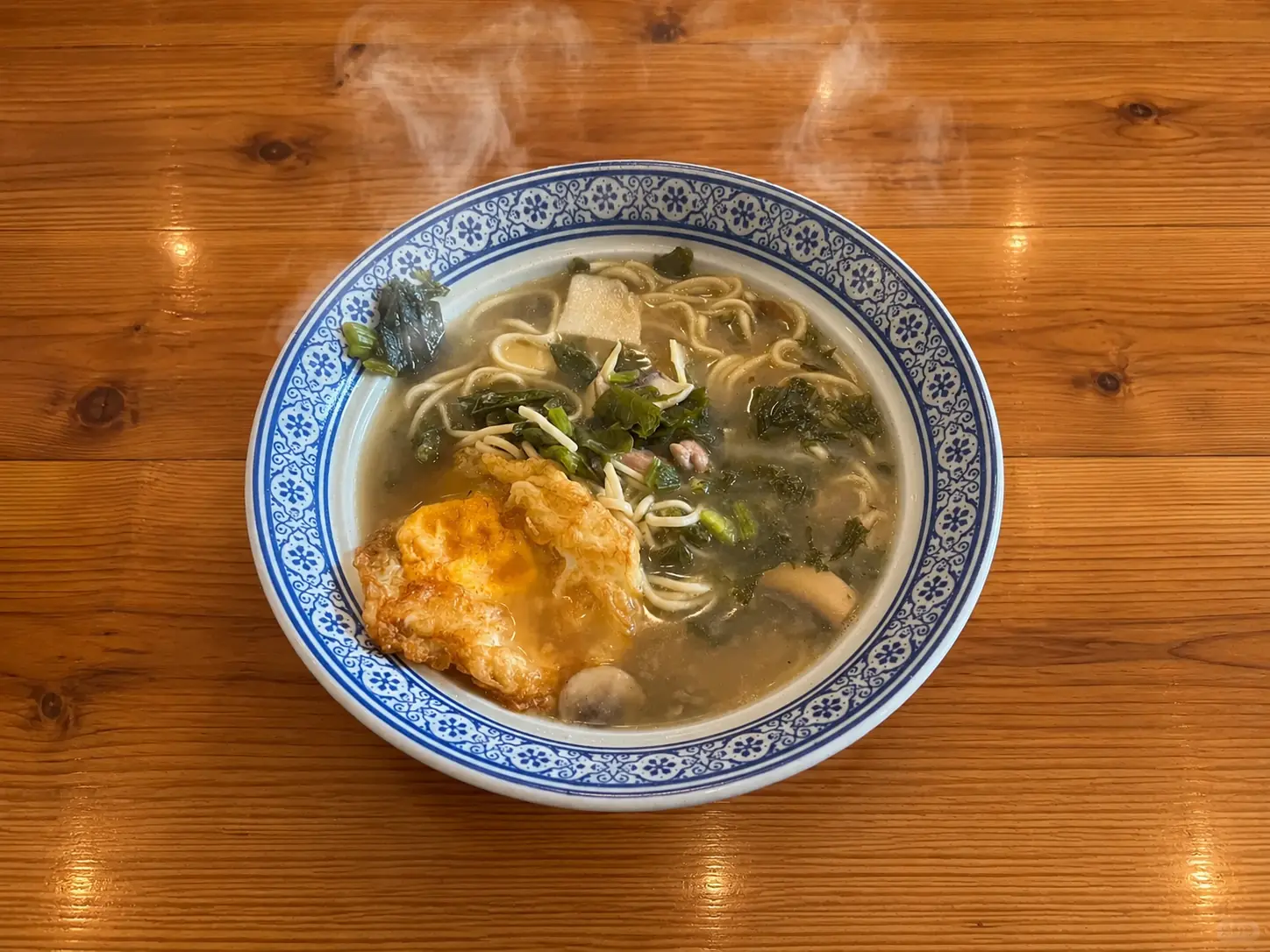
- 片儿川
- What It Tastes Like
- Noodles with pork, bamboo shoots, preserved greens
- Best Context
- Breakfast or lunch
- Chinese
- 虾爆鳝面
- What It Tastes Like
- Crisp eel, shrimp, dark sauce, strong wok aroma
- Best Context
- Noodle specialist
- Chinese
- 杭州酱鸭
- What It Tastes Like
- Firm, savory-sweet duck, served cold or room temp
- Best Context
- Winter, deli-style meal
- Chinese
- 桂花糖藕
- What It Tastes Like
- Sticky rice in lotus root with osmanthus syrup
- Best Context
- Dessert, autumn
West Lake Fish in Vinegar Gravy (西湖醋鱼)
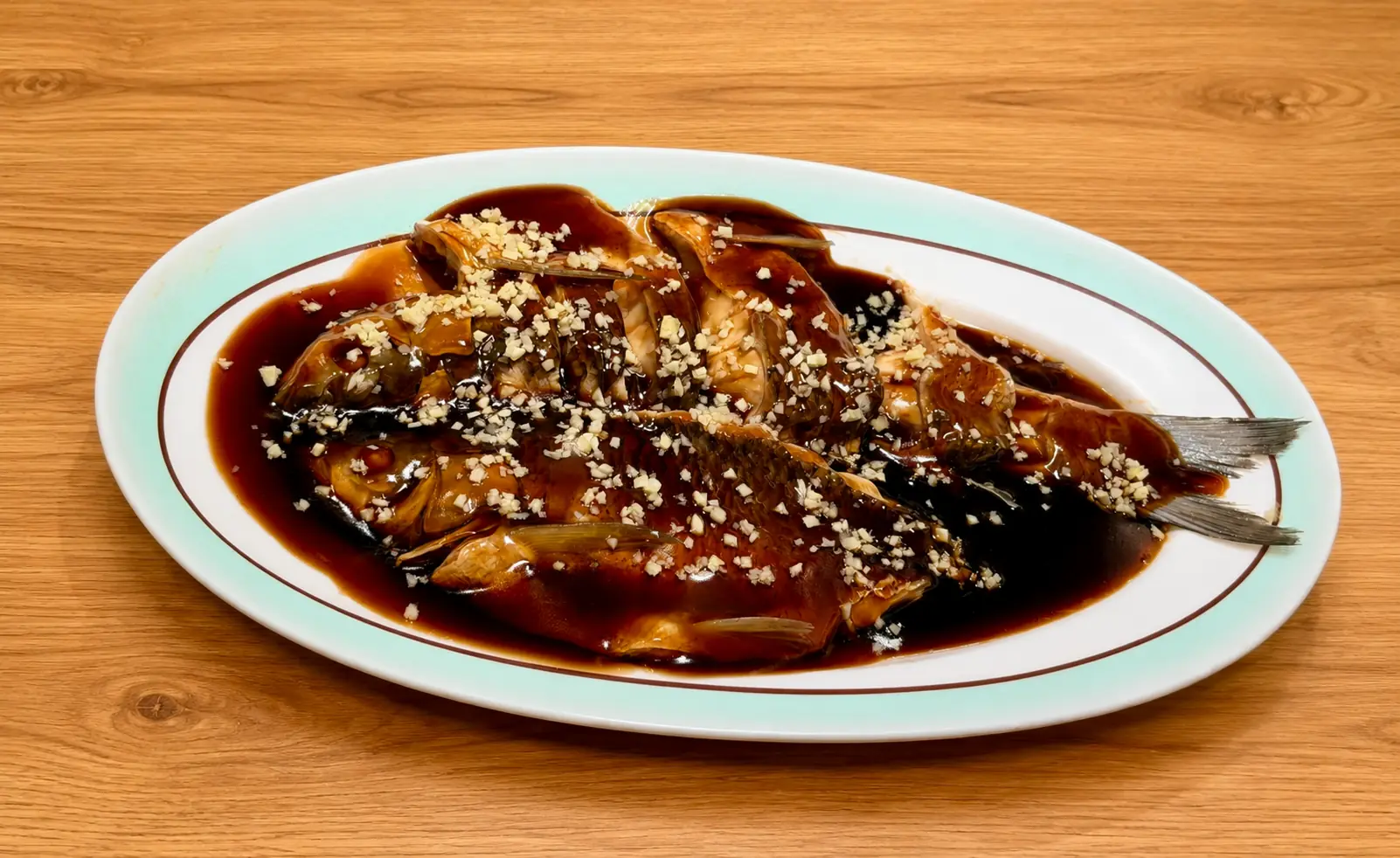
This is the dish every guide mentions and many visitors misunderstand. It is poached fish with a dark glossy vinegar sauce, not crispy fried sweet-and-sour fish. Order it only at a restaurant known for Hangzhou classics, and share it with other dishes.
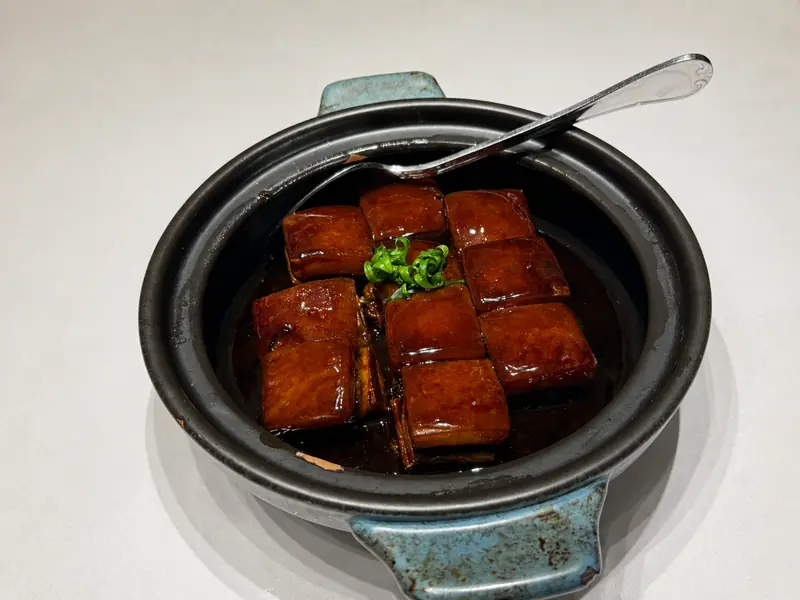
Dongpo Pork (东坡肉)
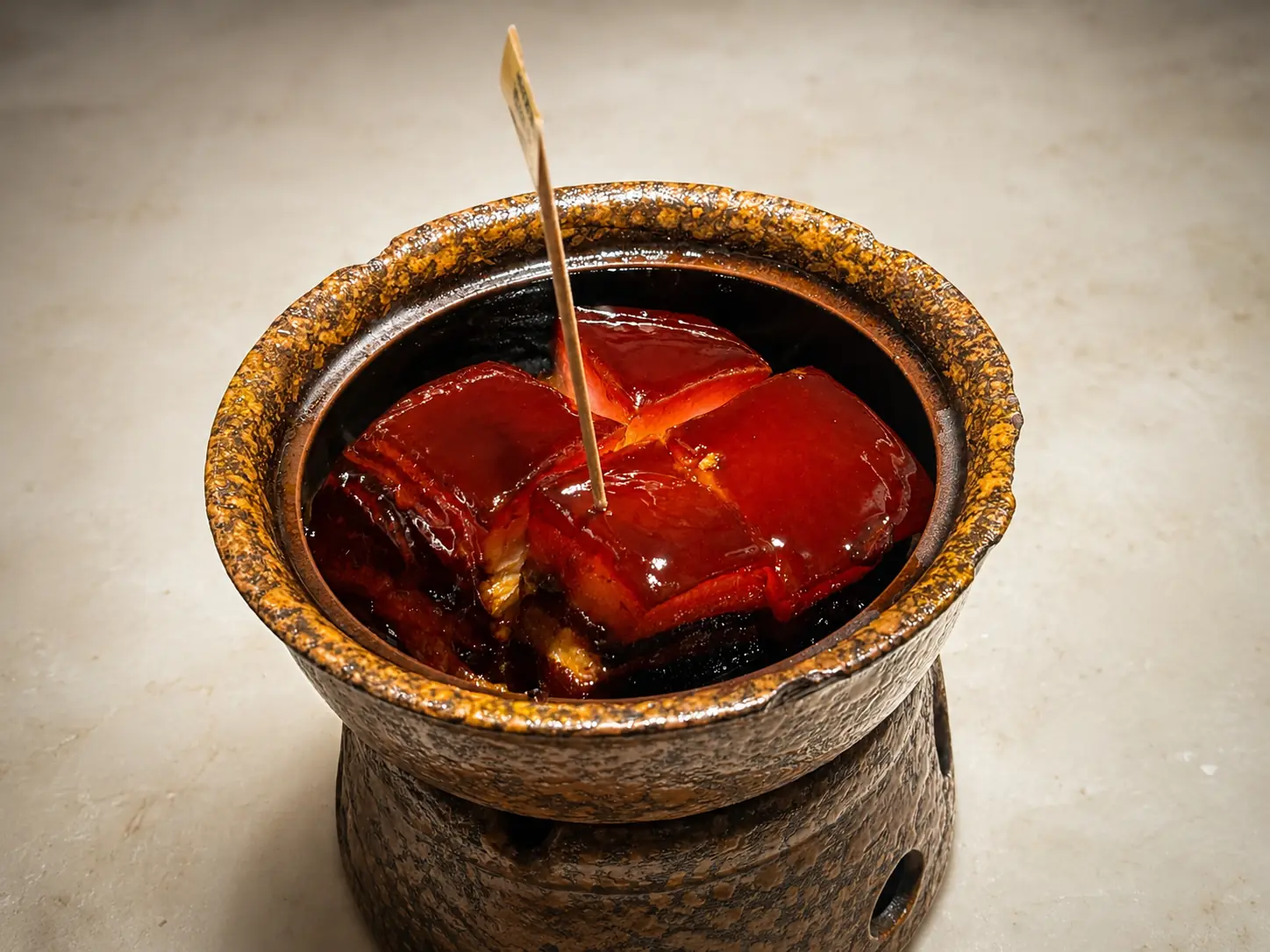
The safest classic for first-timers: a square of pork belly braised with soy sauce, rice wine, and sugar until the lean meat stays intact and the fat turns glossy and spoonable. Eat it with rice; the sauce is half the point.
Longjing Shrimp (龙井虾仁)
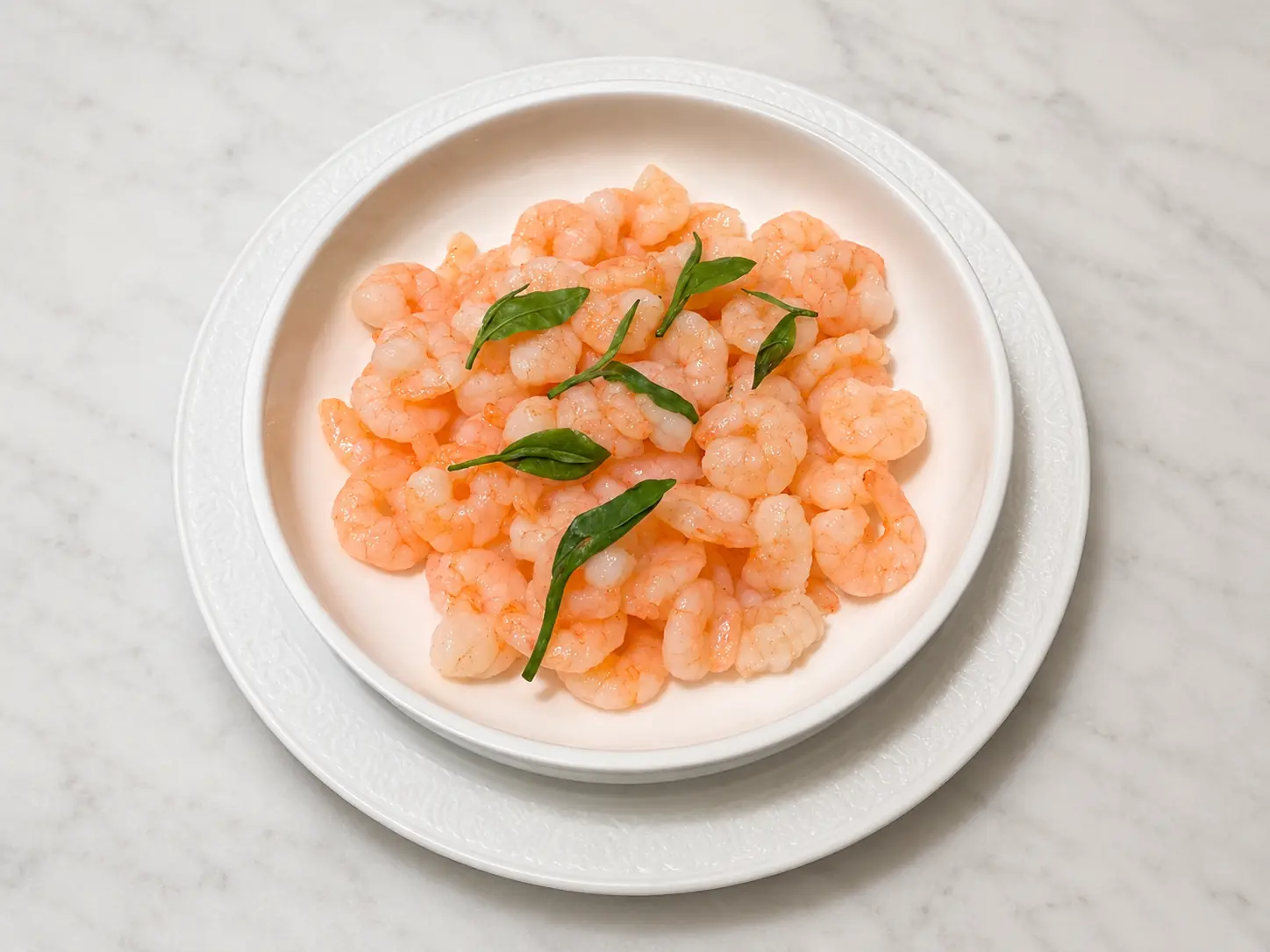
Peeled freshwater shrimp are stir-fried quickly with young Longjing tea leaves. The texture should be springy, the seasoning light, and the tea aroma subtle. Quality varies sharply because the dish depends on shrimp quality and timing.
Beggar's Chicken (叫化童鸡)
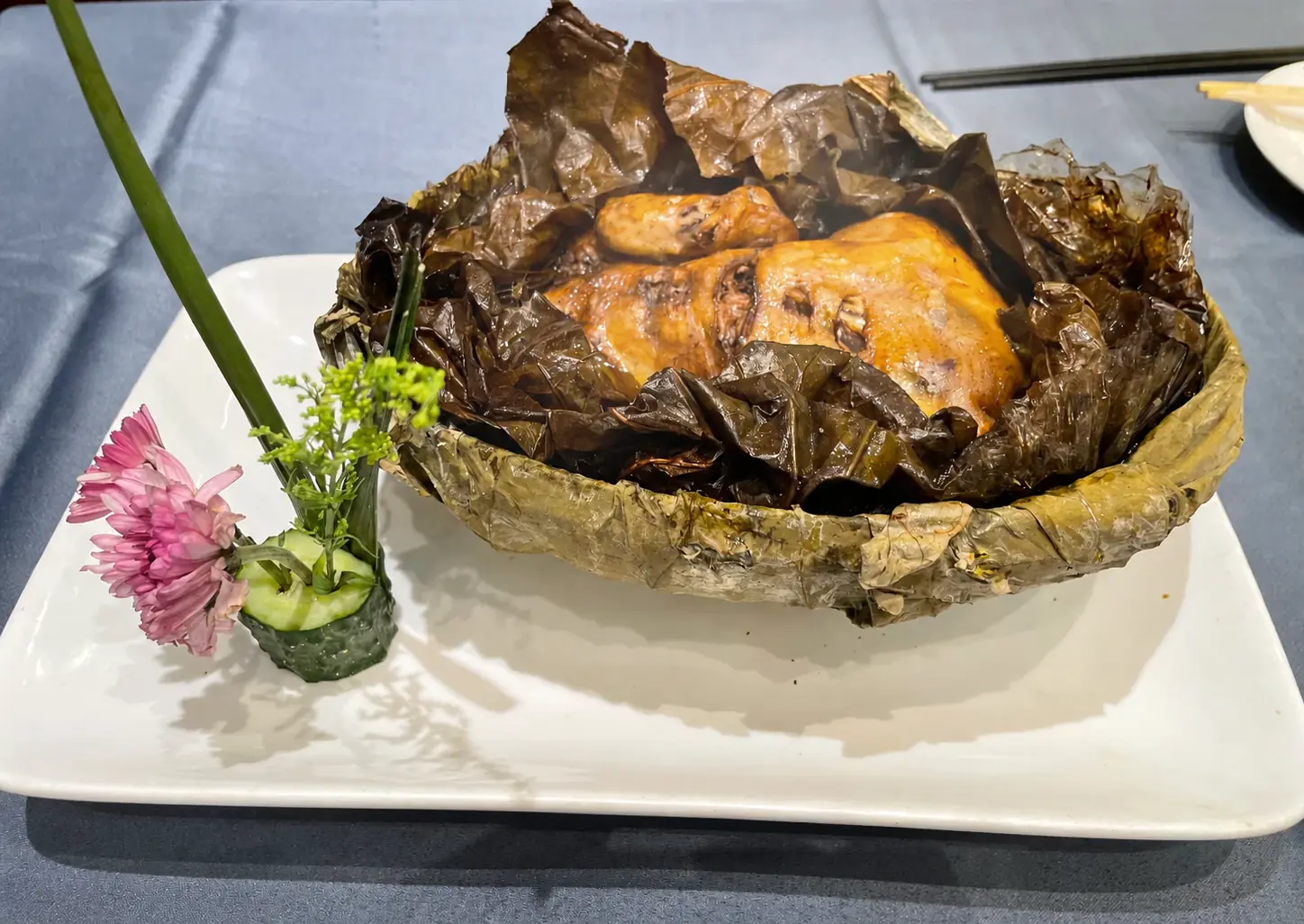
A whole chicken is wrapped, sealed, and baked so the juices stay inside. Modern restaurants usually use lotus leaf or foil rather than the older clay-sealed method. Better for a group than a solo diner.
Fish Broth and Water Shield
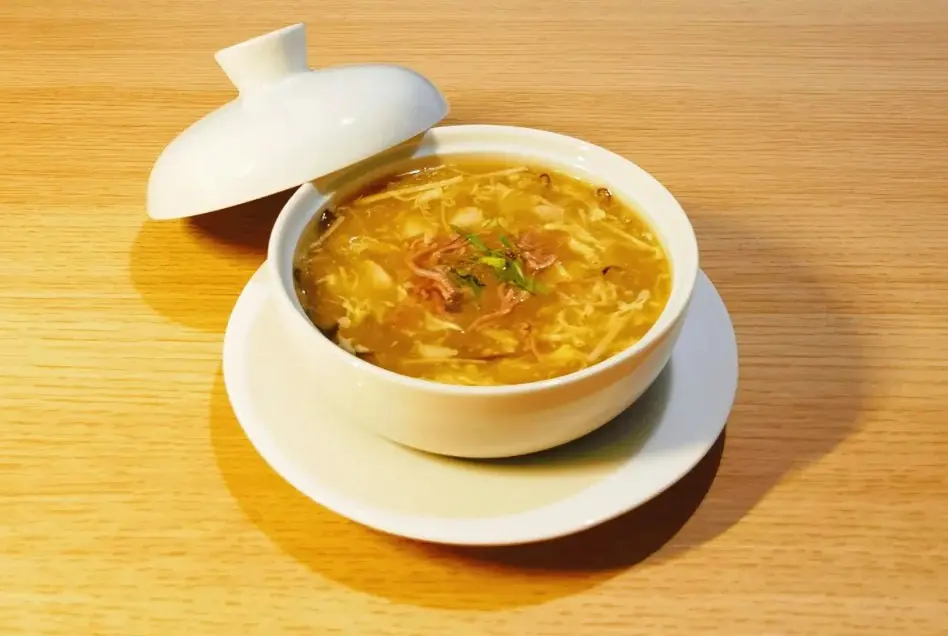
Sister Song's Fish Broth (宋嫂鱼羹) is a refined fish soup with shredded fish, smooth broth, and light seasoning. Water Shield Soup (西湖莼菜汤) is even more texture-driven, with a slippery, delicate surface in clear broth.
Pian'erchuan Noodles (片儿川)
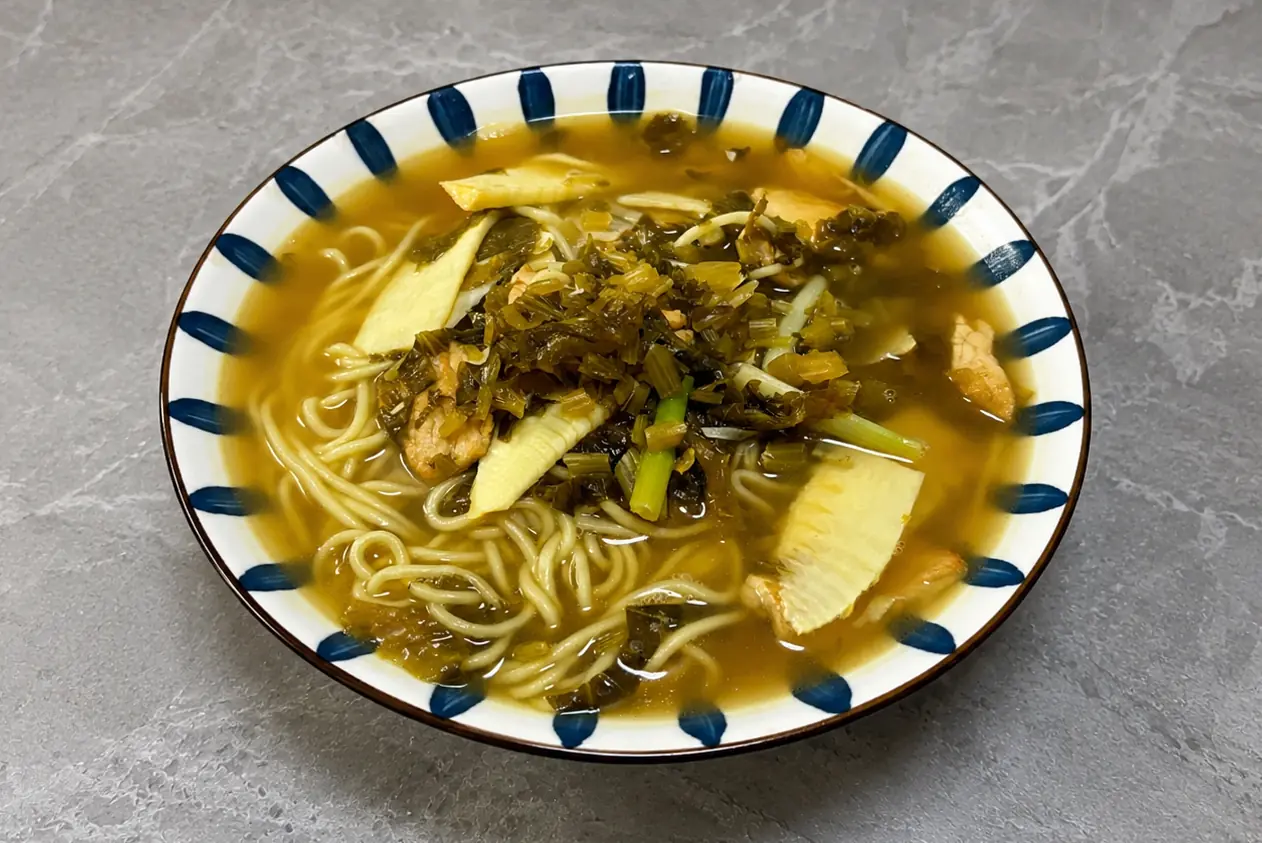
Preserved-vegetable pork noodles may be the best everyday entry into Hangzhou food: pork slices, bamboo shoots, and preserved greens over noodles in a savory broth. Practical, warm, and local.
Shrimp-and-Eel Noodles (虾爆鳝面)
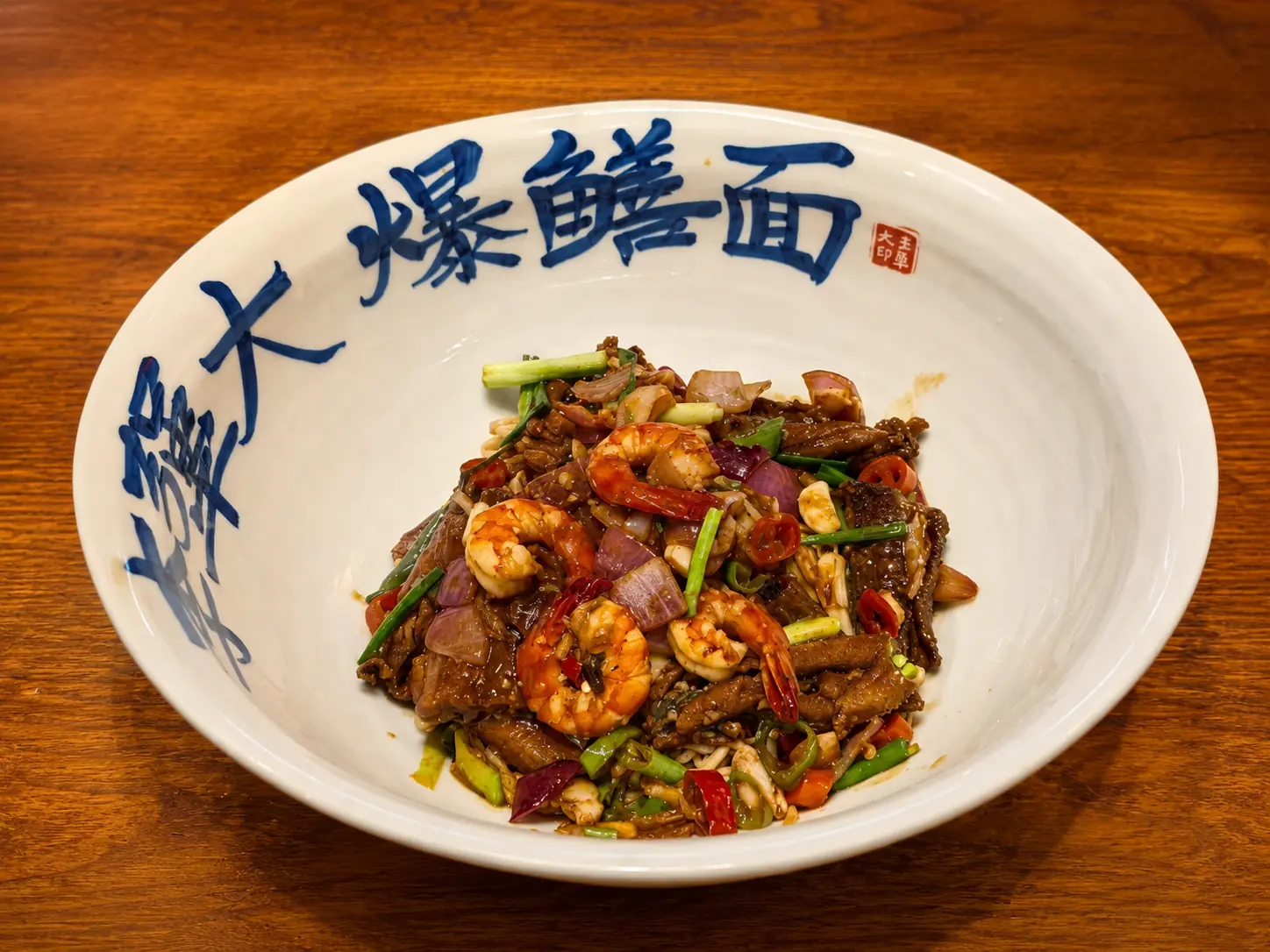
A stronger noodle choice with fried eel strips, shrimp, and dark sauce. Go to a noodle specialist rather than a broad tourist restaurant for this one.
Hangzhou Soy-Sauce Duck (杭州酱鸭)
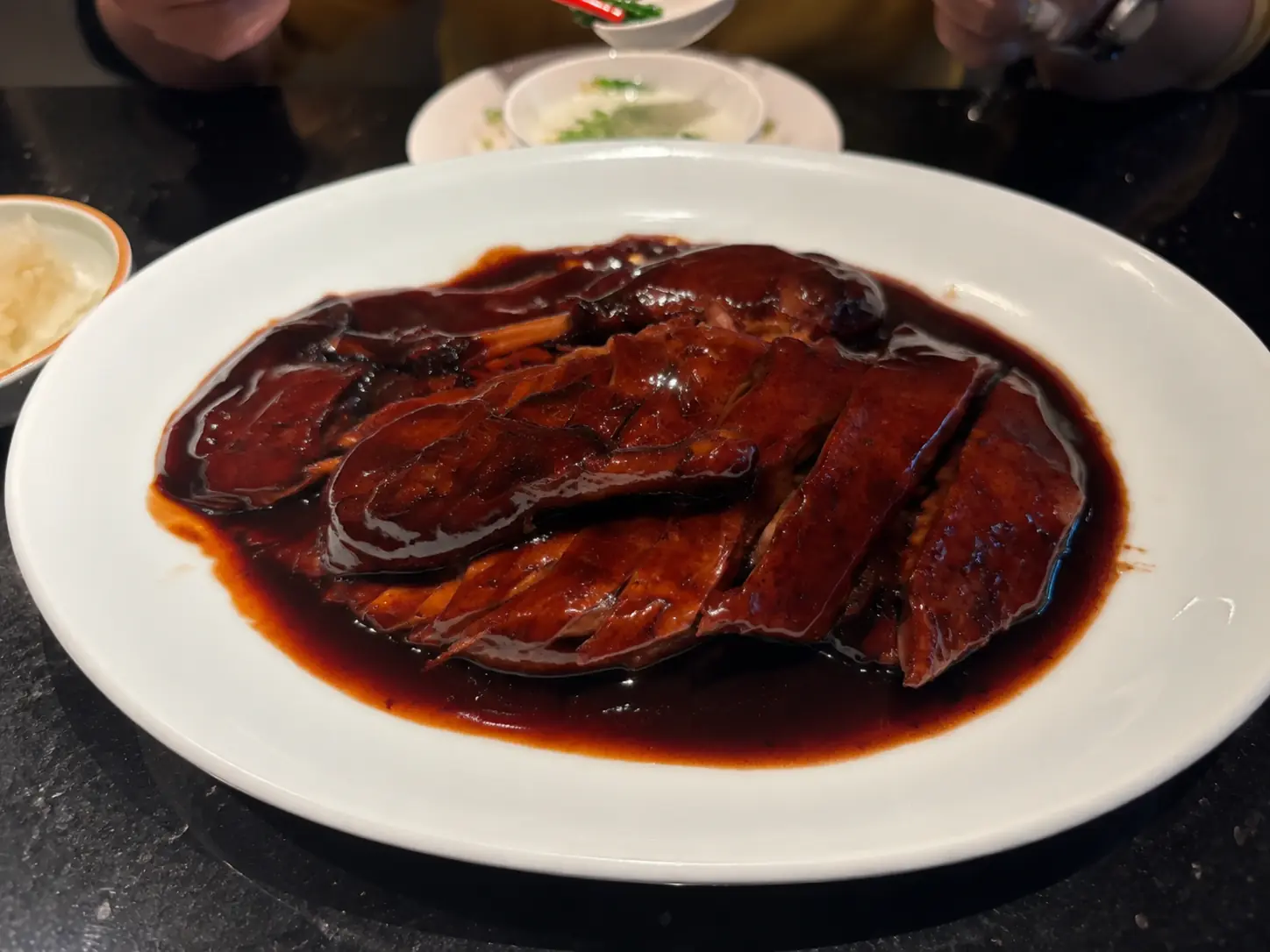
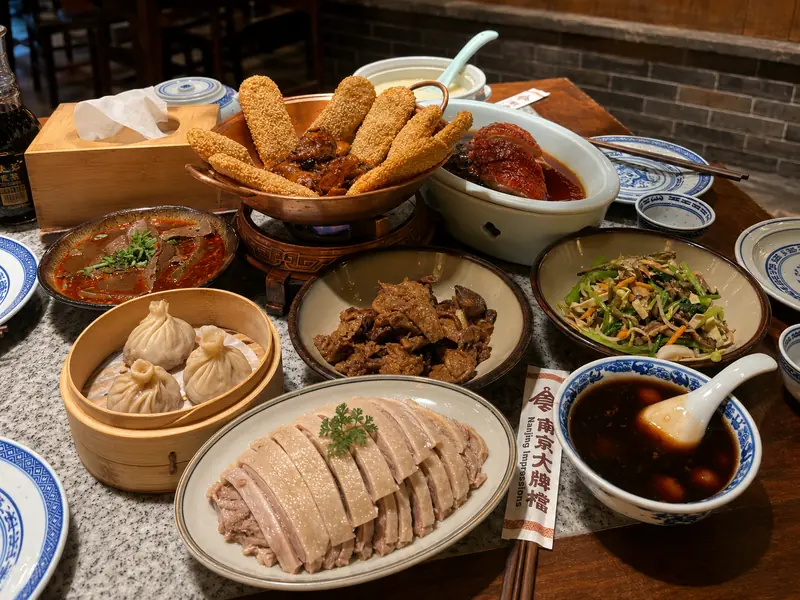
Often served cold or room temperature, this duck is firmer and more savory than Peking duck, with a sweet soy depth that works well as part of a larger table.
How to Order a West Lake Classic Meal
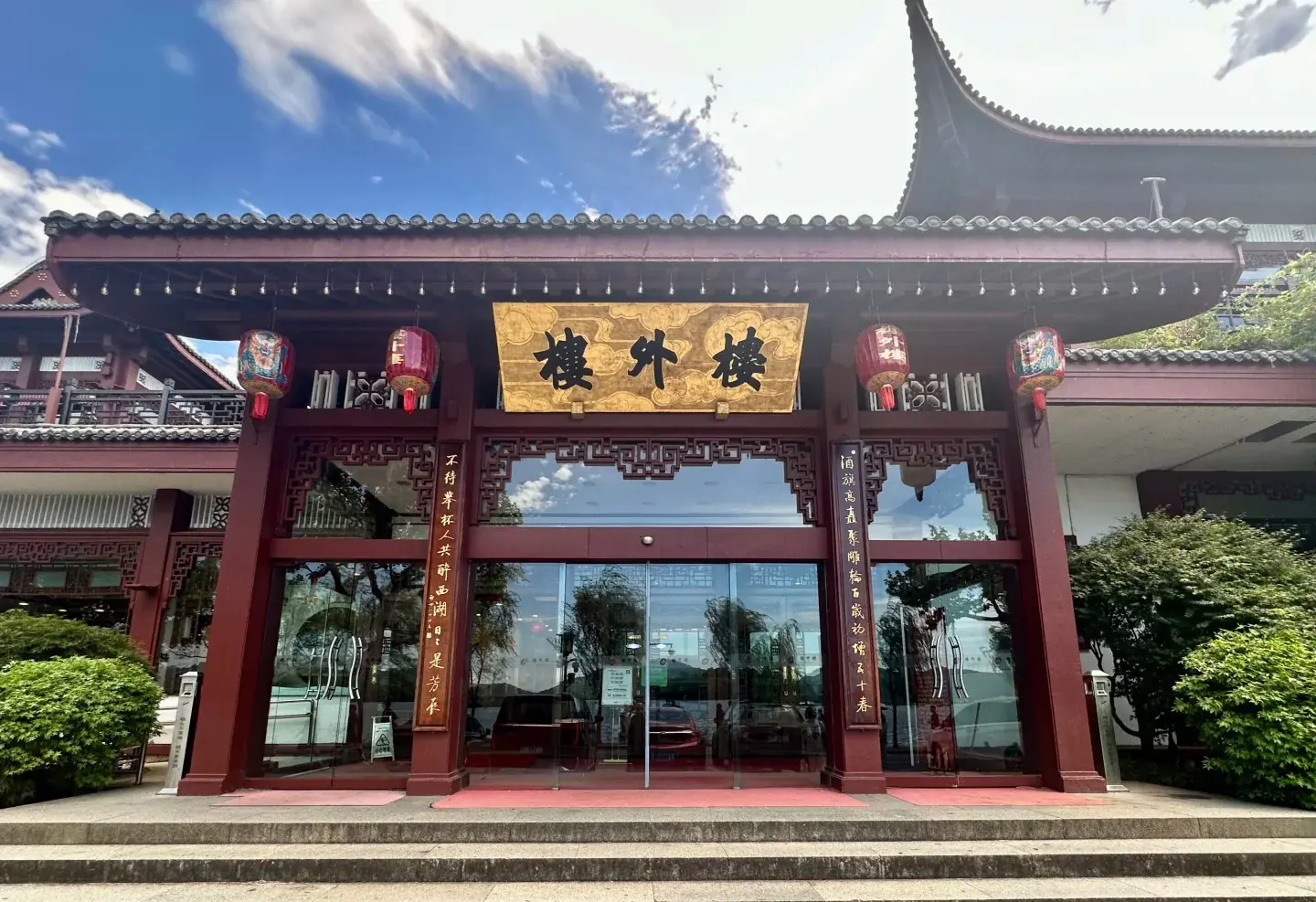
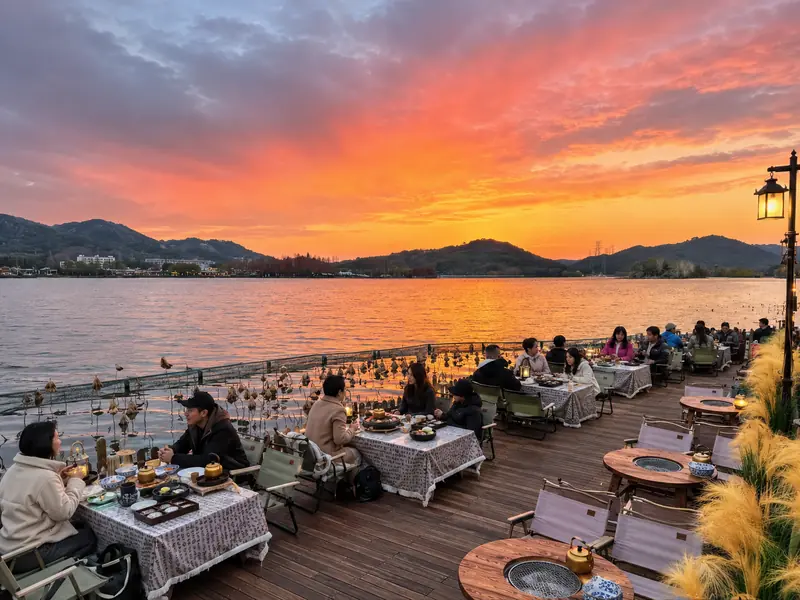
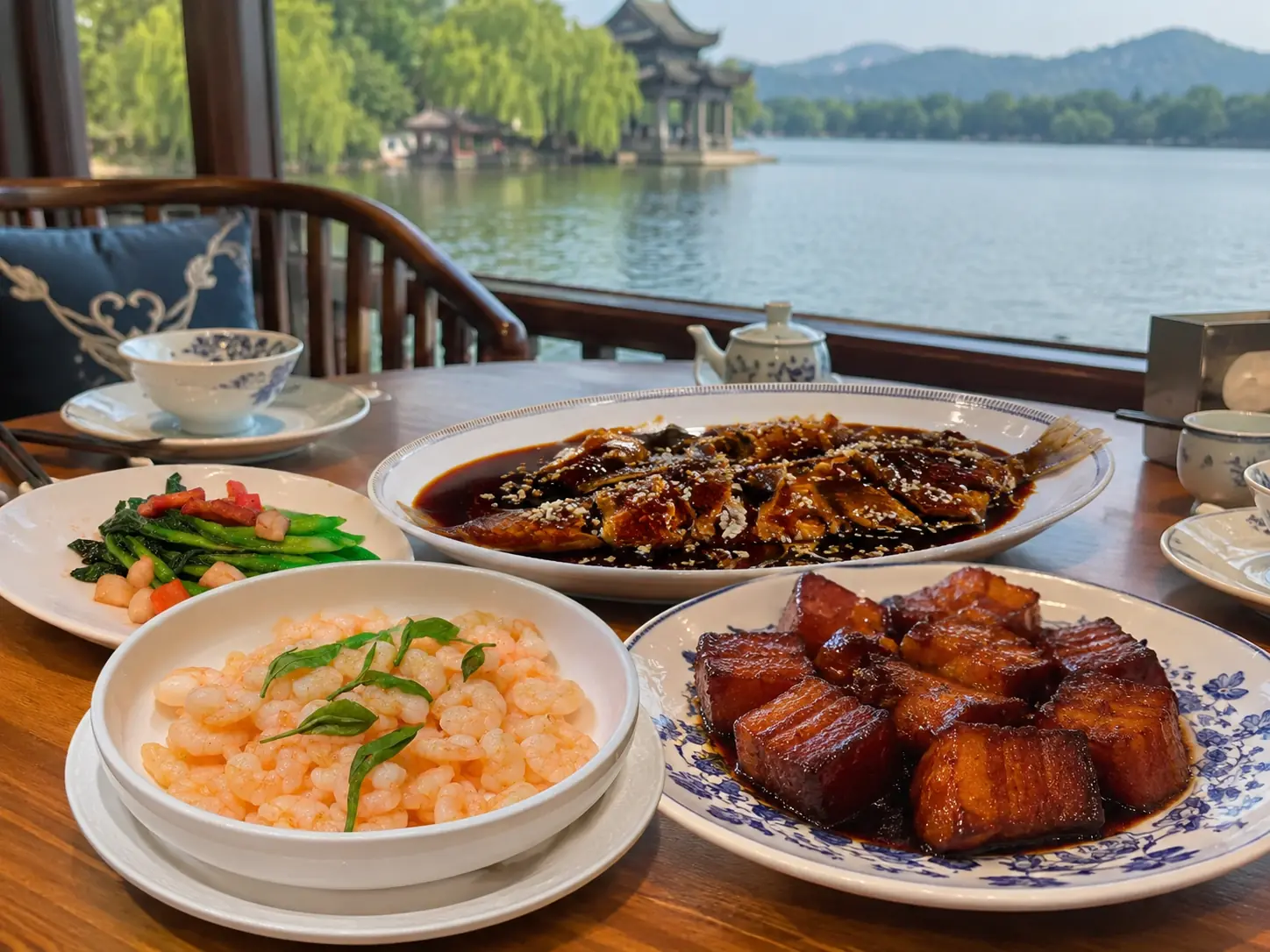
For many travelers, the obvious first stop is Lou Wai Lou (楼外楼), the classic lakeside name on Gushan Road beside West Lake. It is famous, scenic, and heavily visited. That combination is both the attraction and the risk.
Do not go expecting a hidden local secret. Go because you want the old West Lake setting and a one-stop classic meal. Arrive before peak lunch or dinner, order selectively, and avoid turning the table into a museum checklist.
A Better First Order
For two people, start with Dongpo Pork, Longjing Shrimp, one seasonal green vegetable, and a soup or noodle. Add West Lake Fish in Vinegar Gravy only if you specifically want to try the famous dish and are comfortable with sweet-sour fish.
For four people, add Beggar's Chicken or soy-sauce duck, plus one light cold dish. Hangzhou portions are usually shareable, but the classics can become rich quickly. Balance is the meal.
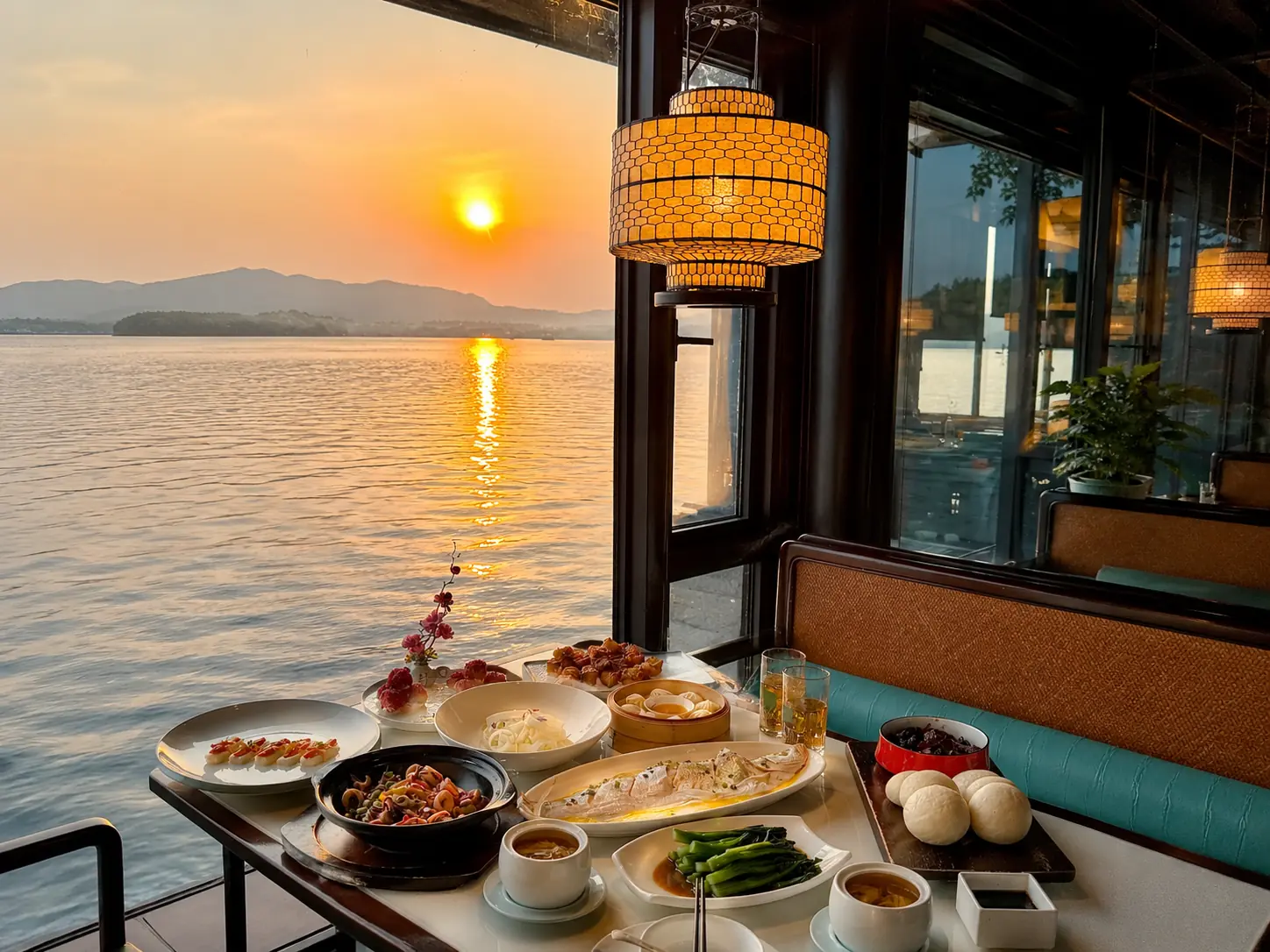
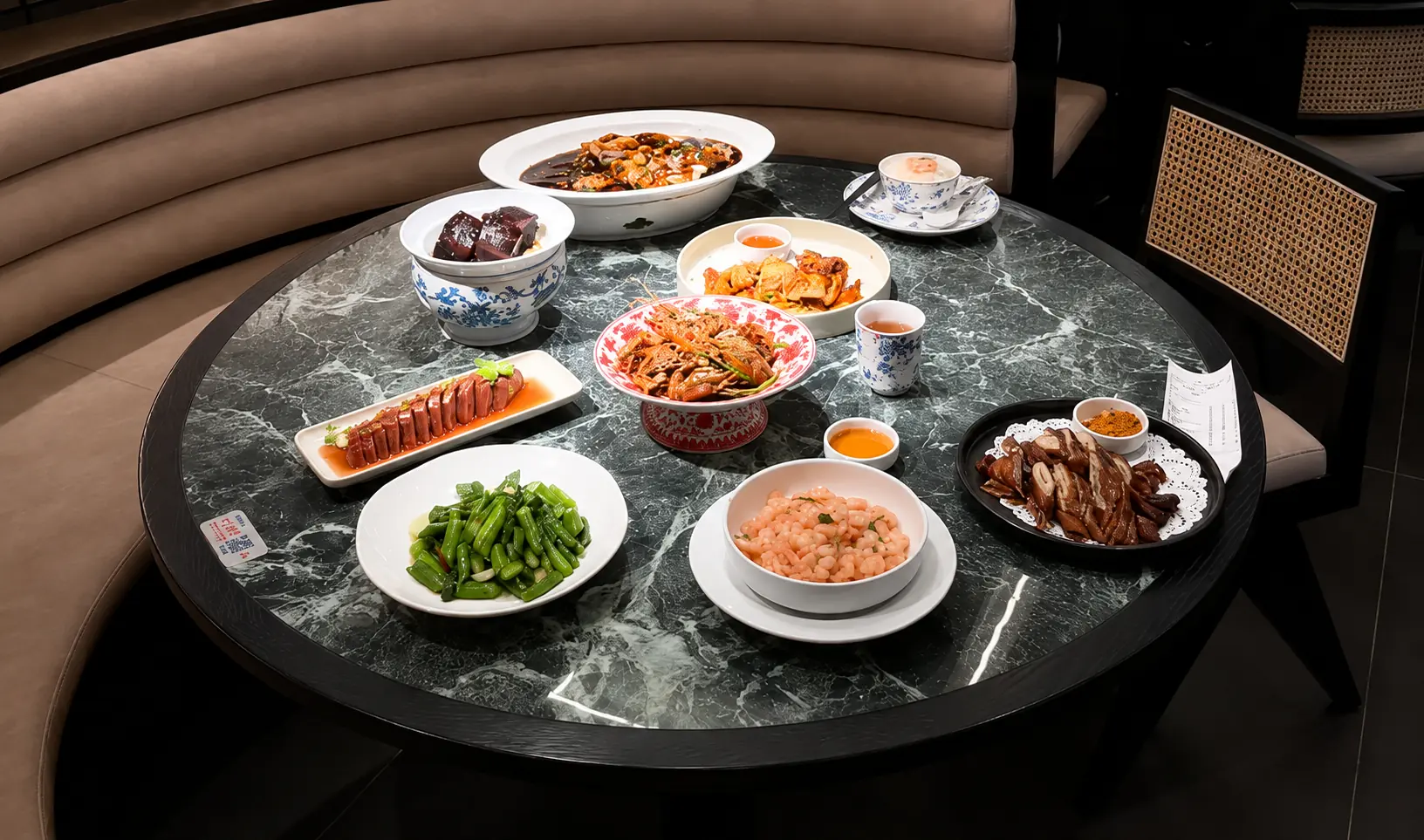
West Lake meal strategy
Eat one classic lakeside meal for the experience, then use the rest of your Hangzhou meals for noodles, snacks, tea village food, and canal-side neighborhoods. That gives you a more honest picture of the city.
Hangzhou Noodles and Breakfast Snacks Worth Trying
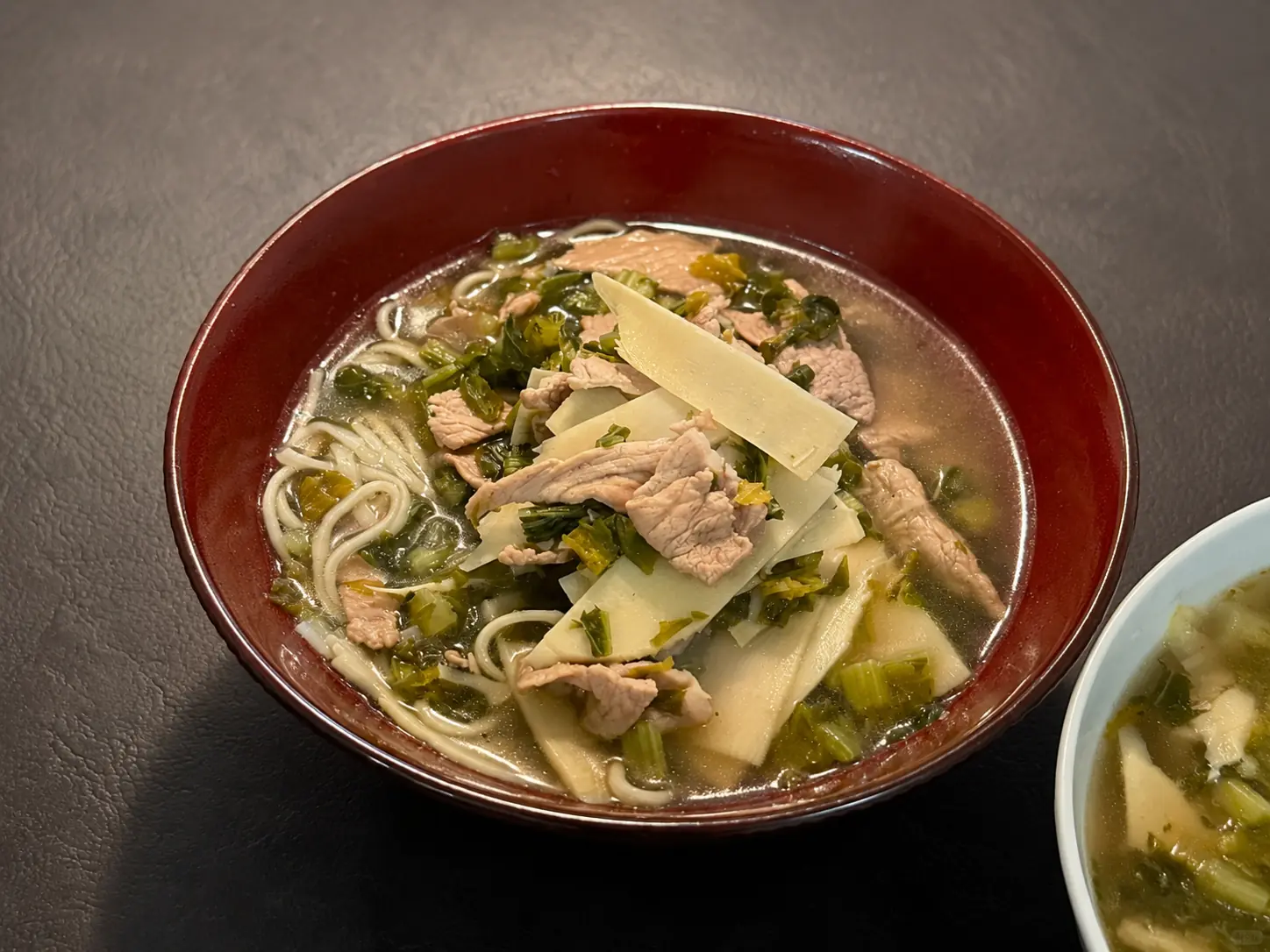
Hangzhou breakfast is calmer than Xi'an or Chengdu, but it is not boring. The best morning meals are noodle shops, steamed buns, soy milk, fried dough, rice cakes, and small snack counters where locals eat quickly before work.
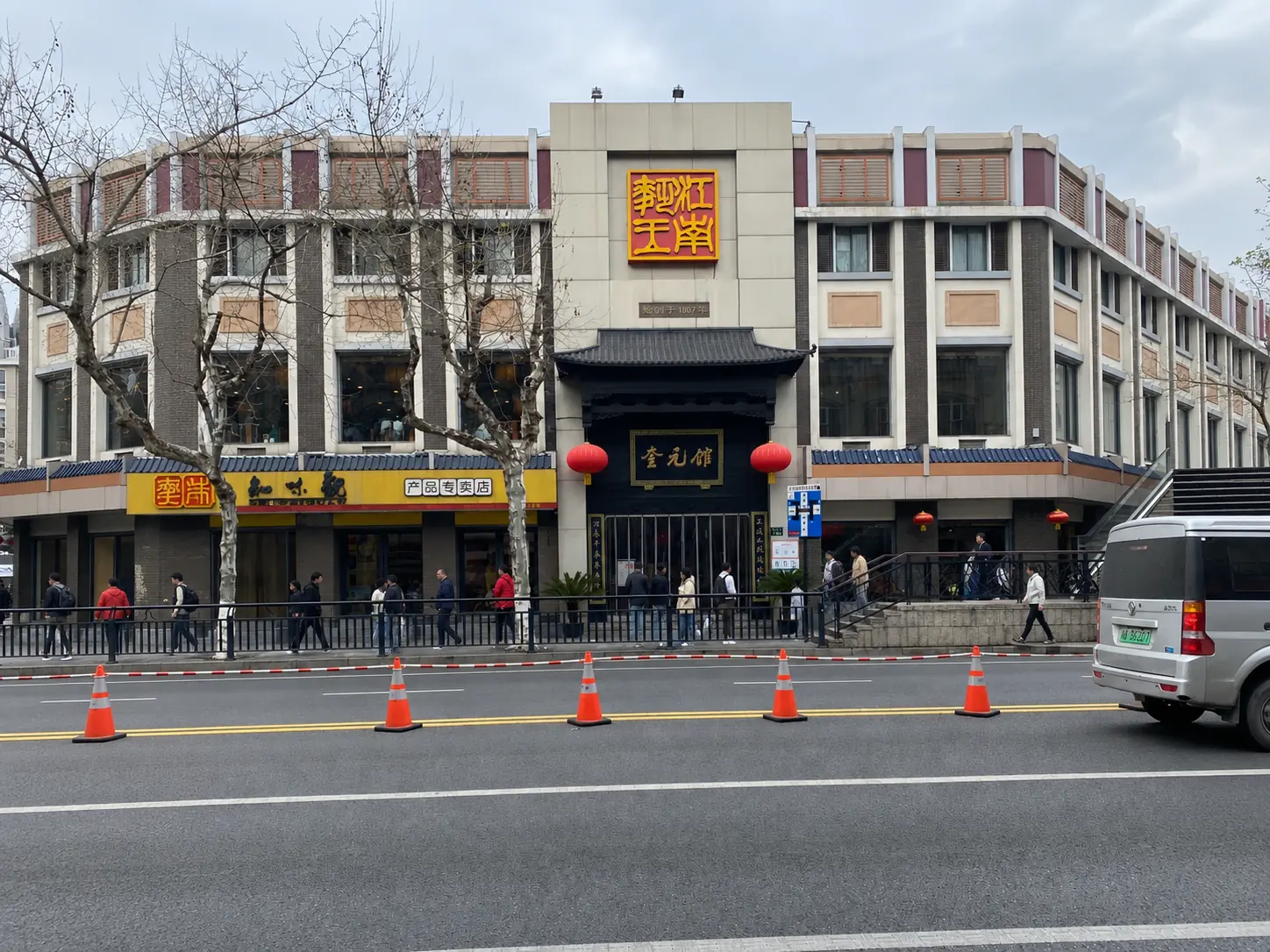
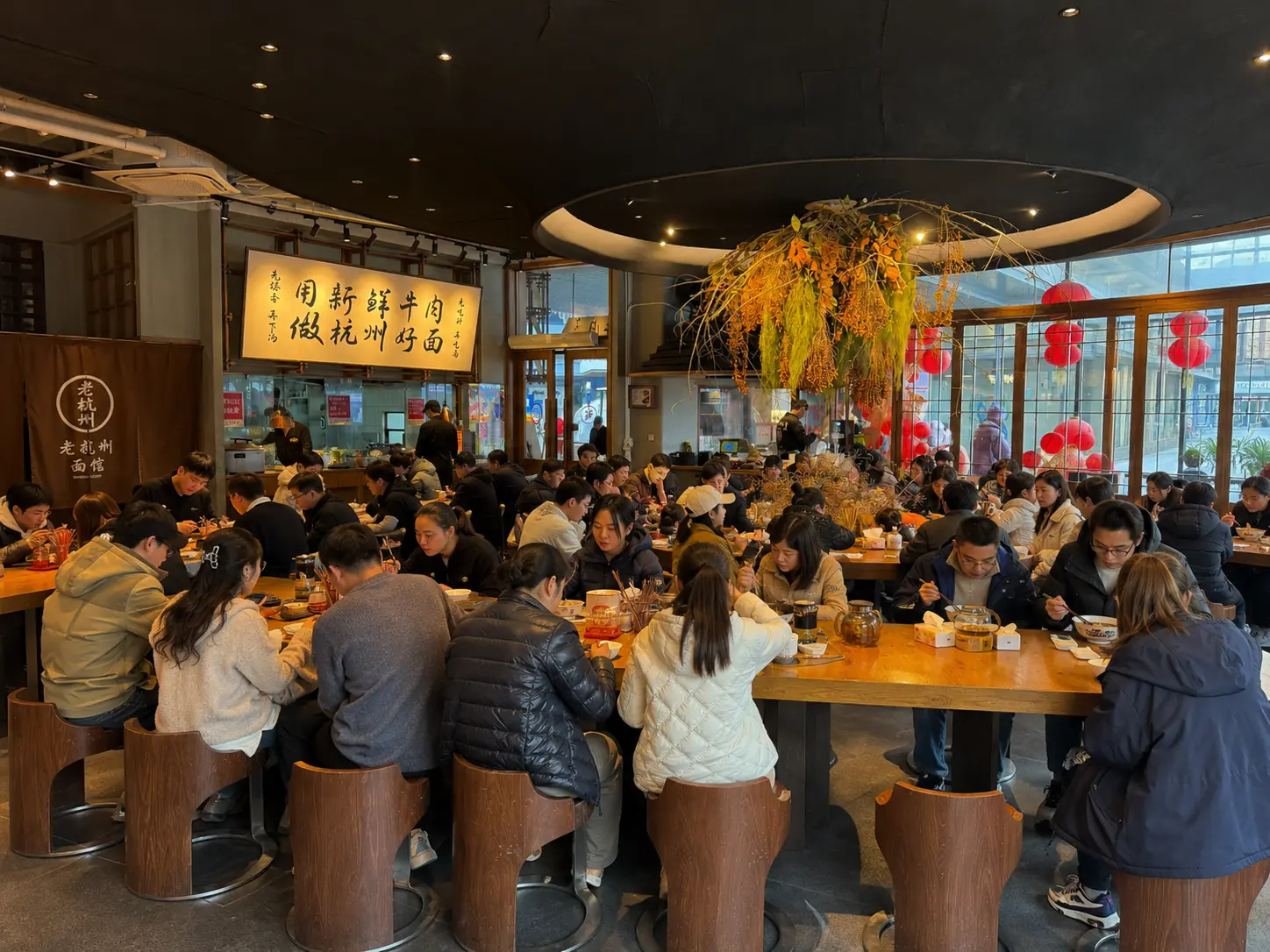
The classic name for noodles, especially shrimp-and-eel noodles and preserved-vegetable pork noodles. Branch quality and crowds vary, so use it as an entry point, not a guarantee.
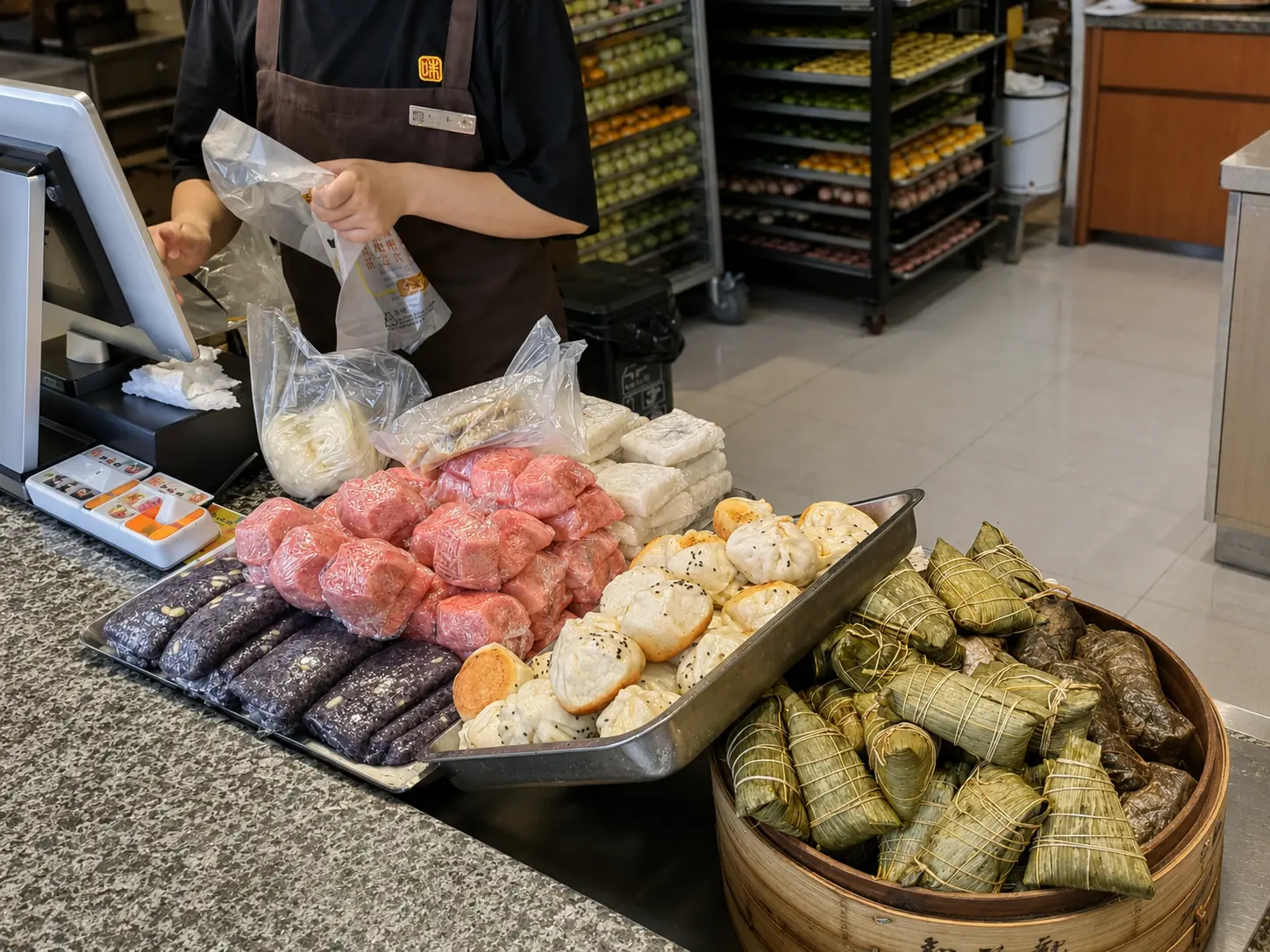
A time-honored snack brand useful for first-timers who want one safe place to sample dumplings, wontons, cakes, and light local dishes. Convenient and tourist-friendly, though not always the most soulful version of each item.
Scallion-Wrapped Fried Dough (葱包桧儿)
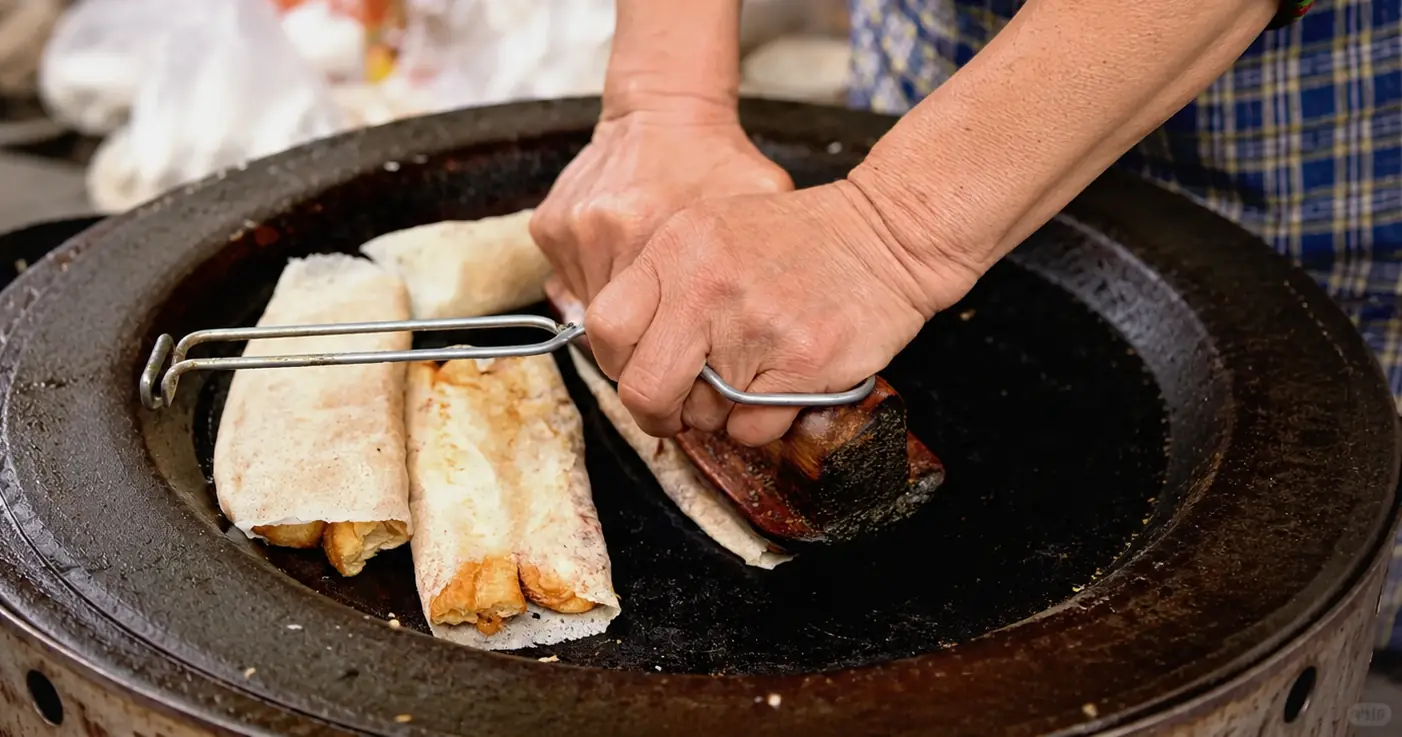
Fried dough stick and scallion are wrapped in thin dough, pressed on a hot plate, then brushed with sauce. Quick, cheap, and more interesting than it looks.
Dingsheng Cake (定胜糕)
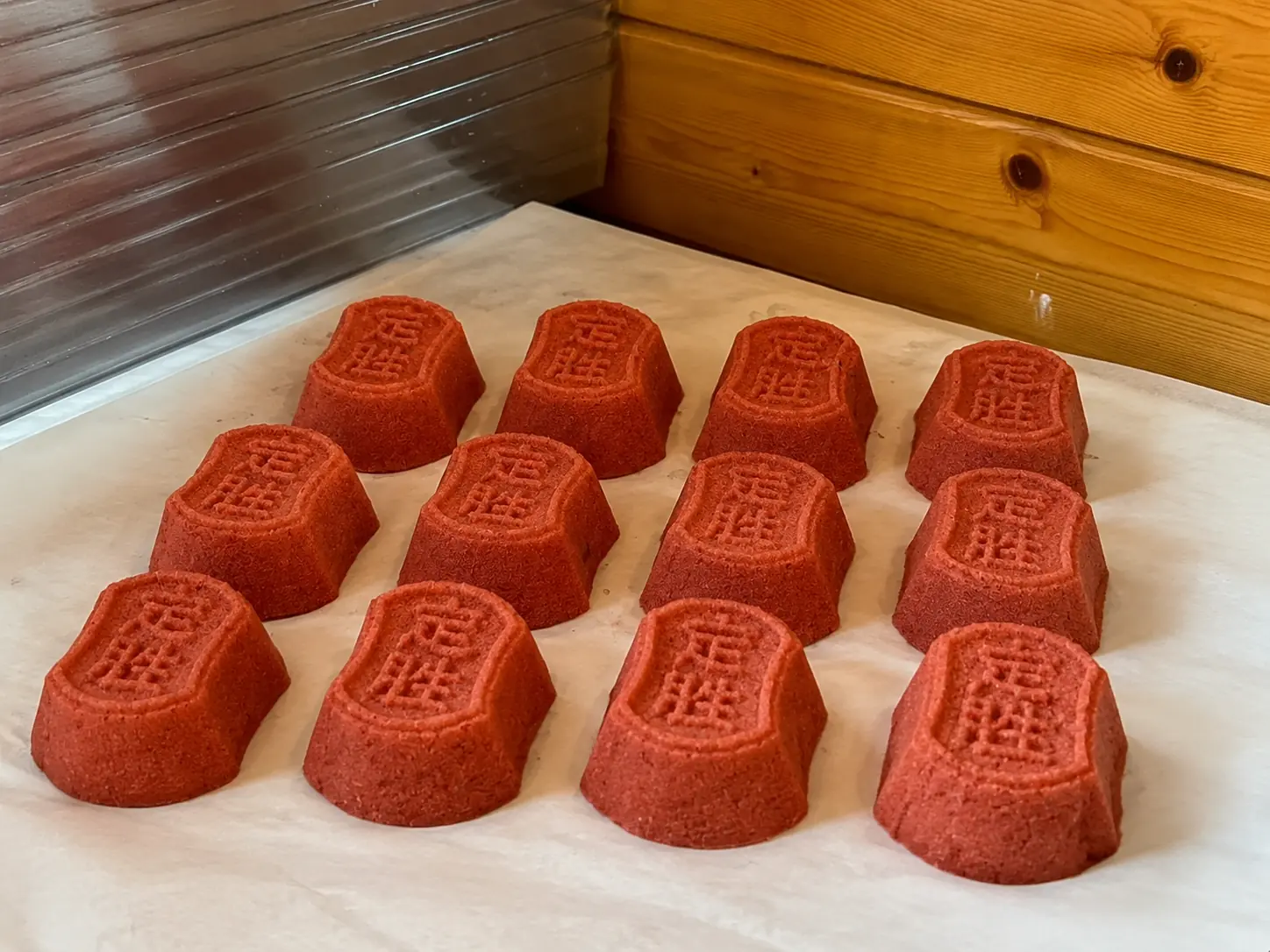
A soft rice-flour cake, often pale pink, lightly sweet, and linked to old Hangzhou snack culture. Buy one fresh; boxed tourist versions dry out fast.
Breakfast Fallbacks
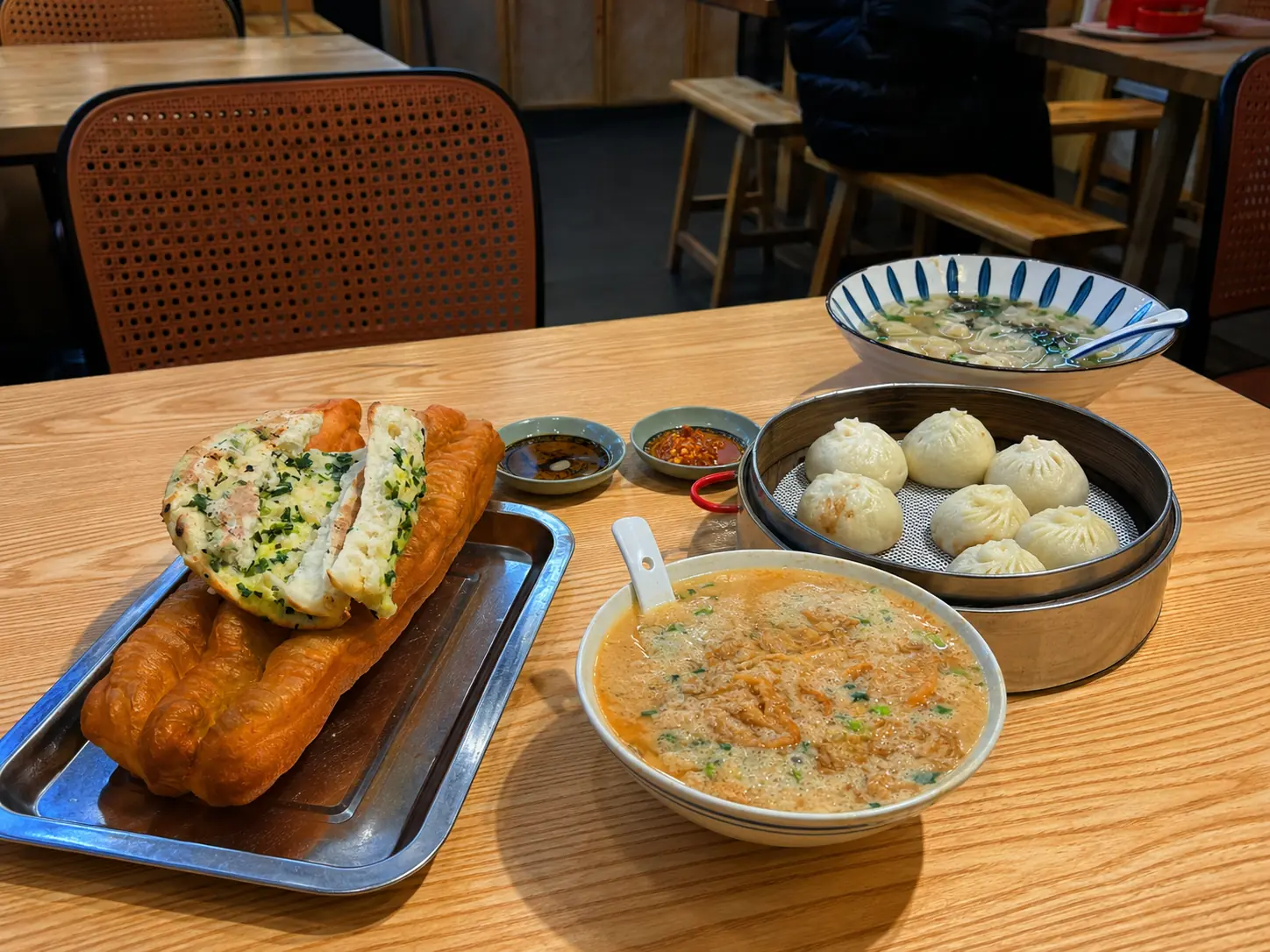
Wontons, steamed buns, soy milk, and fried dough are not uniquely Hangzhou, but they are reliable when you are jet-lagged and want something gentle before West Lake.
Tea Village Meals Around Longjing and Meijiawu
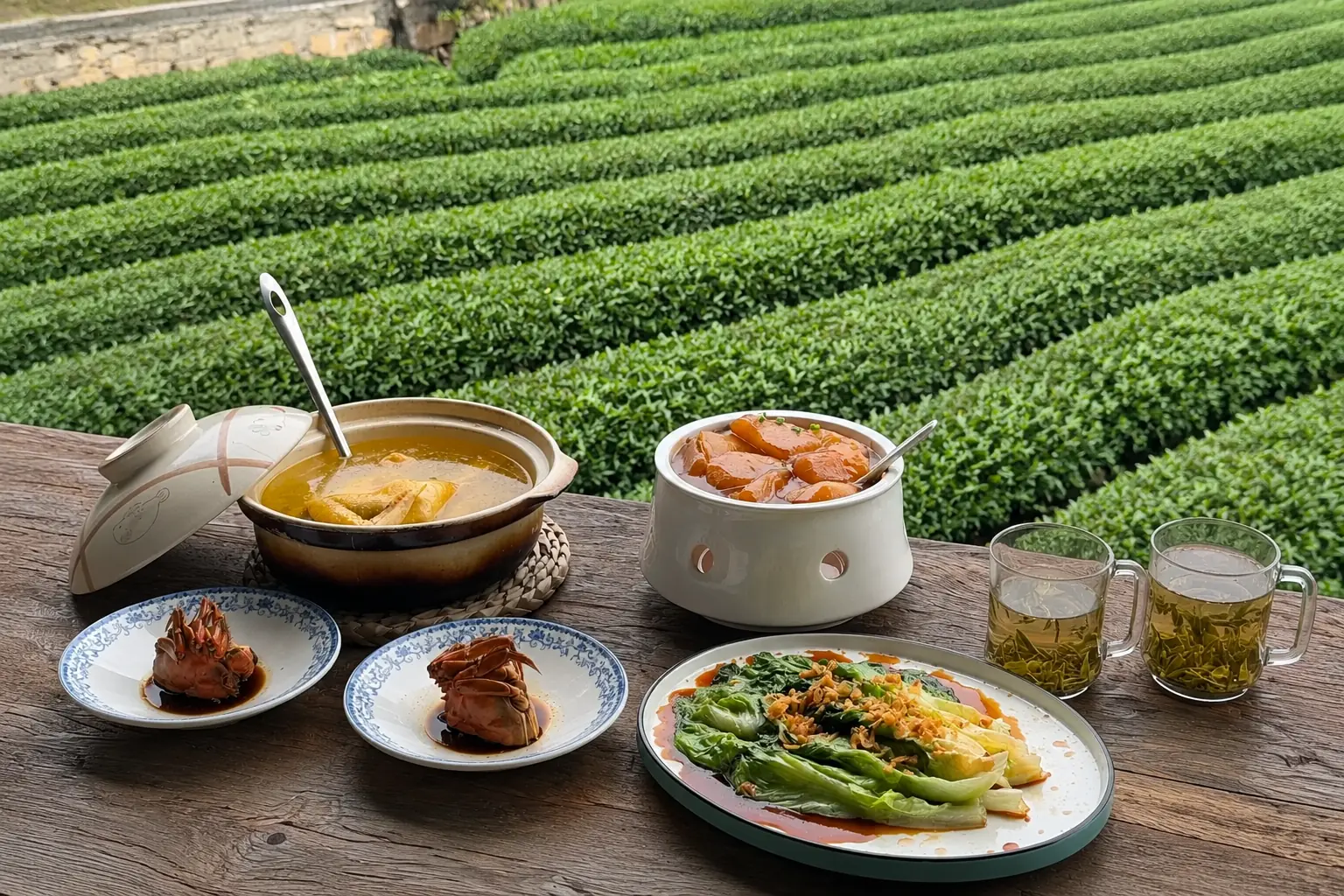
Longjing Village (龙井村) and Meijiawu Tea Village (梅家坞) turn food into landscape. The meal is usually simple: tea-scented shrimp, bamboo shoots, stir-fried greens, chicken soup, river fish, and a pot of green tea.
The setting matters as much as the food. Come after Lingyin Temple or a West Lake morning, not as a rushed taxi detour. Spring is best for tea atmosphere, but autumn is easier for weather and crowds.
Map links: Longjing Village (Google | Amap) · Meijiawu Tea Village (Google | Amap)
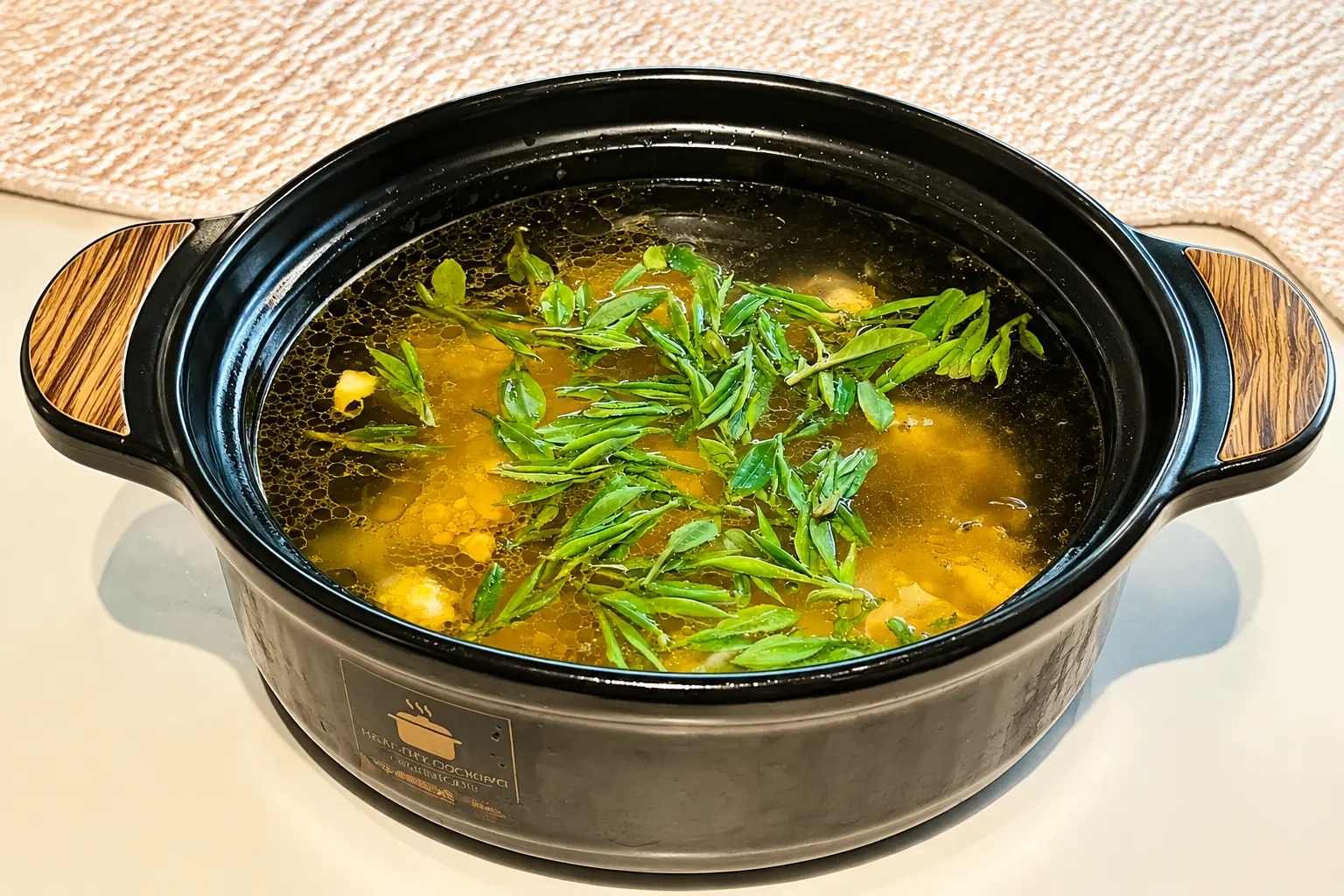
How to avoid tea-meal pressure: Tea villages are beautiful, but they can be sales-heavy. Before sitting down, ask for the menu and tea prices. If someone starts with a private tea tasting before showing food prices, slow the conversation down. You are there to eat and enjoy the view, not to buy expensive tea under pressure.
| English | Chinese | Pinyin | Say It Like… |
|---|---|---|---|
| Let me see the menu first | 先看菜单 | xiān kàn càidān | Shyen kahn tsai-dan |
| How much is one pot of tea? | 茶多少钱一壶? | chá duōshǎo qián yì hú | Chah dwaw-shaow chyen ee hoo |
| We are only eating | 我们只吃饭 | wǒmen zhǐ chīfàn | Woh-men jir chir-fahn |
Where to Eat by Hangzhou District
Use districts as your food map
Pick the eating zone that matches your sightseeing route instead of crossing Hangzhou for every famous shop.
Hangzhou is easier when you eat by district. Do not cross the city for every famous shop. Pick the area that matches your sightseeing route.
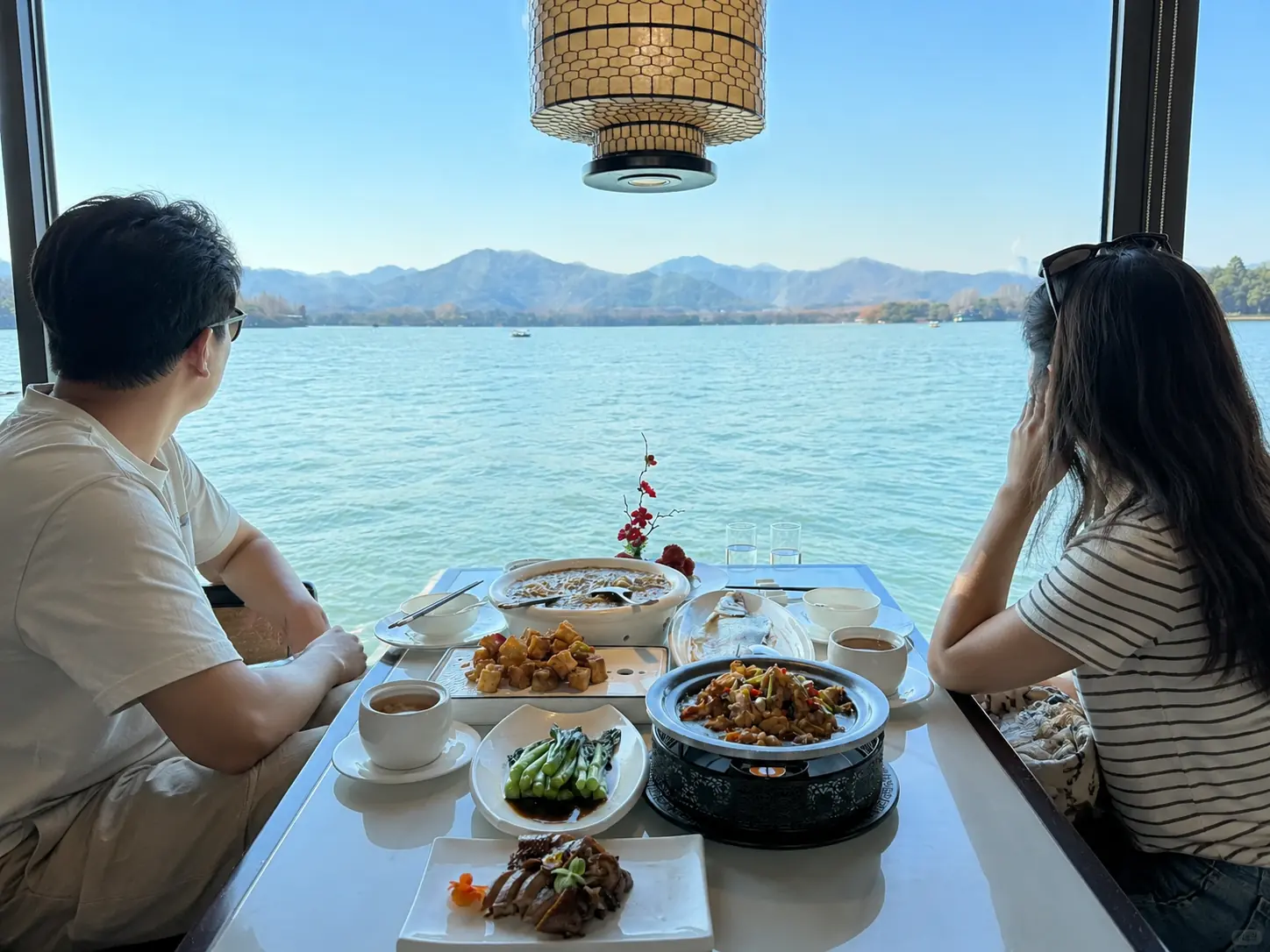
Best for classic Hangzhou restaurants, scenic meals, and one formal lunch. Lou Wai Lou is the headline, but the broader West Lake area is also good for refined restaurants inside hotels and quiet tea houses. Prices rise quickly near the lake.
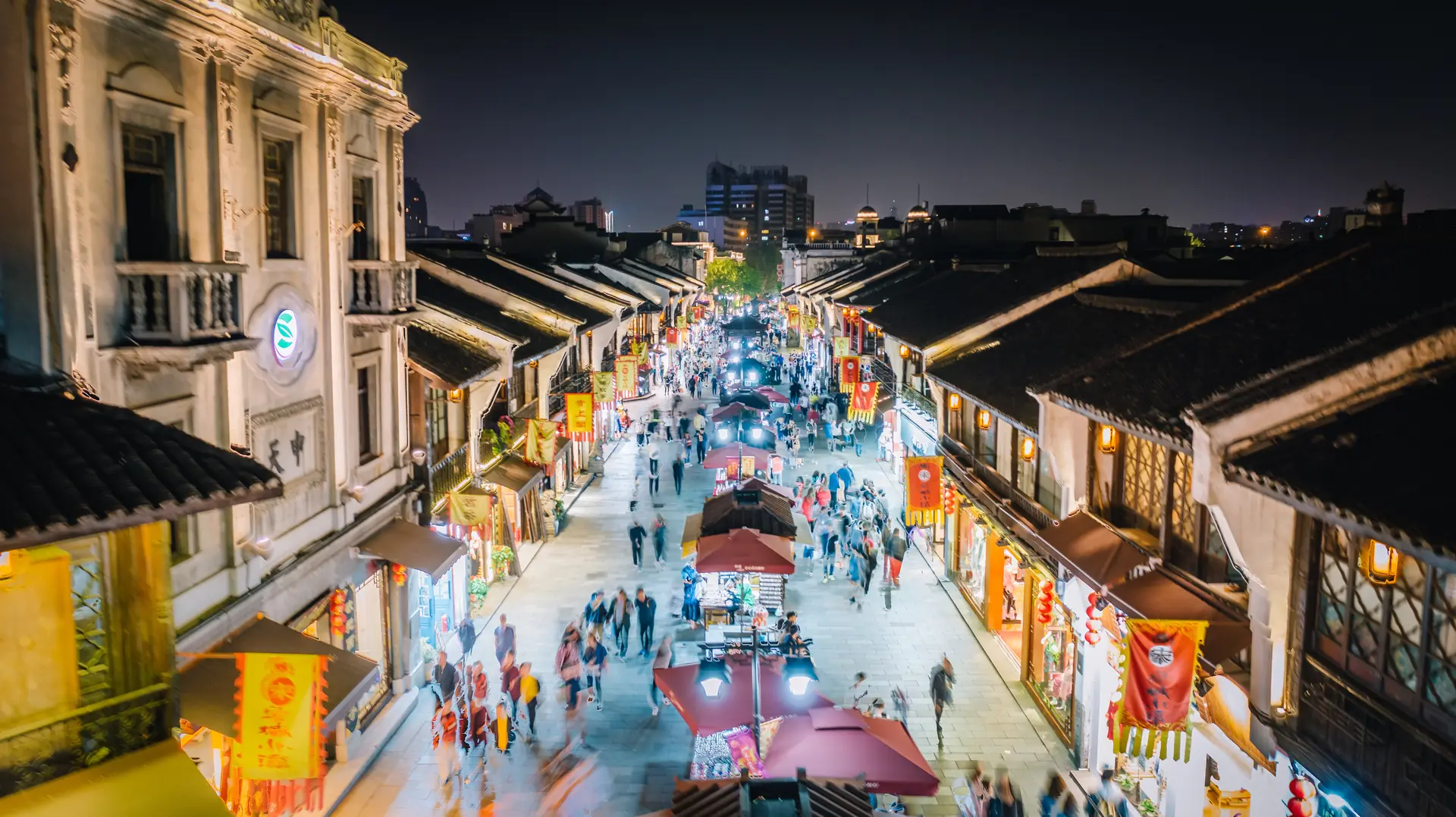
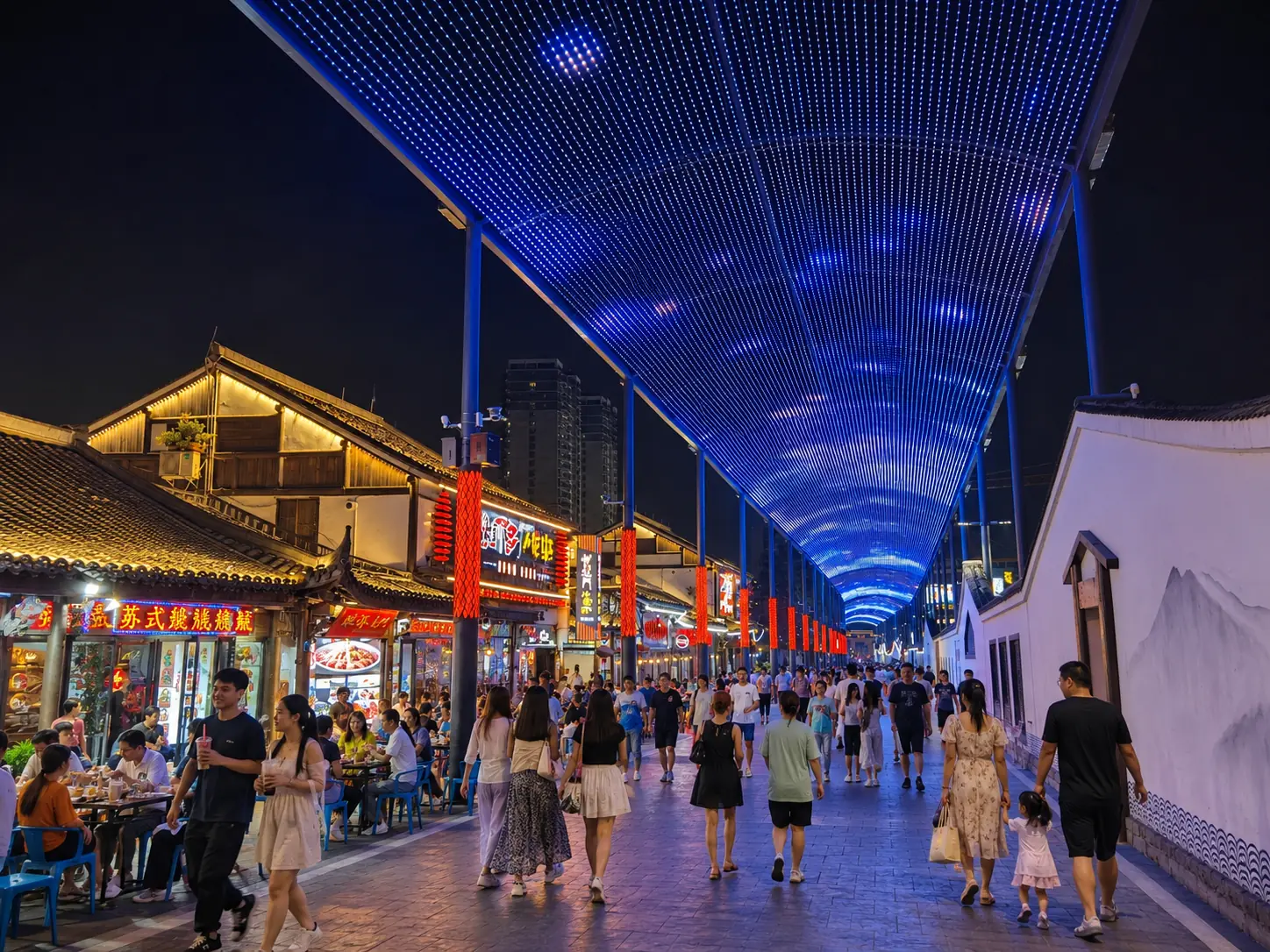
More useful for dinner groups and late meals. Expect seafood, local restaurants, casual grills, and a stronger neighborhood feel than the lakefront. Check current opening status on the day because individual restaurants change quickly.
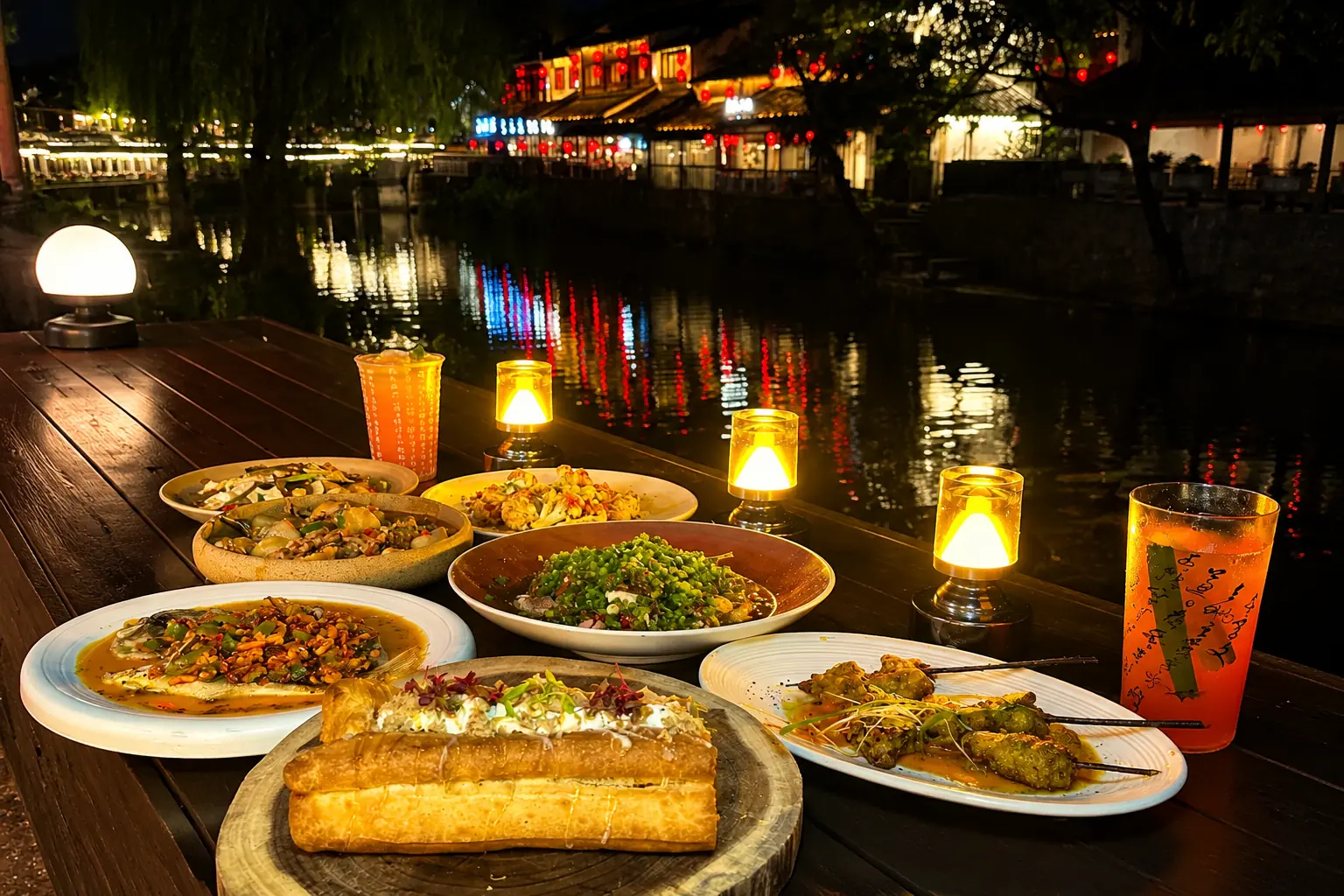
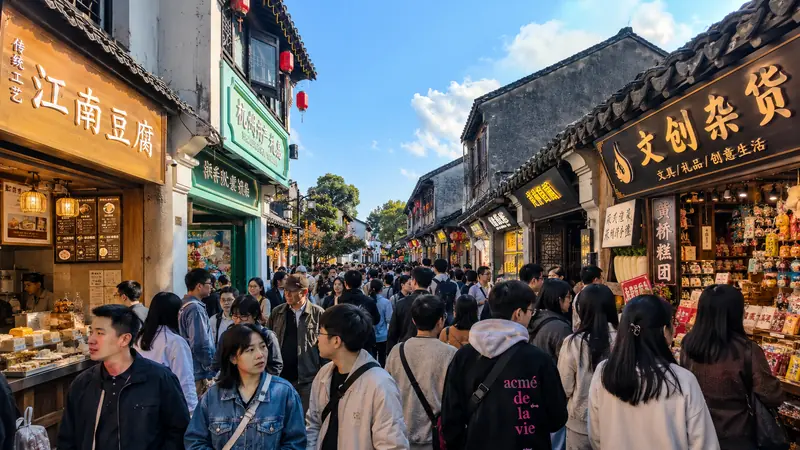
Xiaohe Straight Street (小河直街) is better for atmosphere than for a single famous dish: canal lanes, cafes, small restaurants, and a slower evening walk. Pair it with Gongchen Bridge for a quieter food-and-walk night.
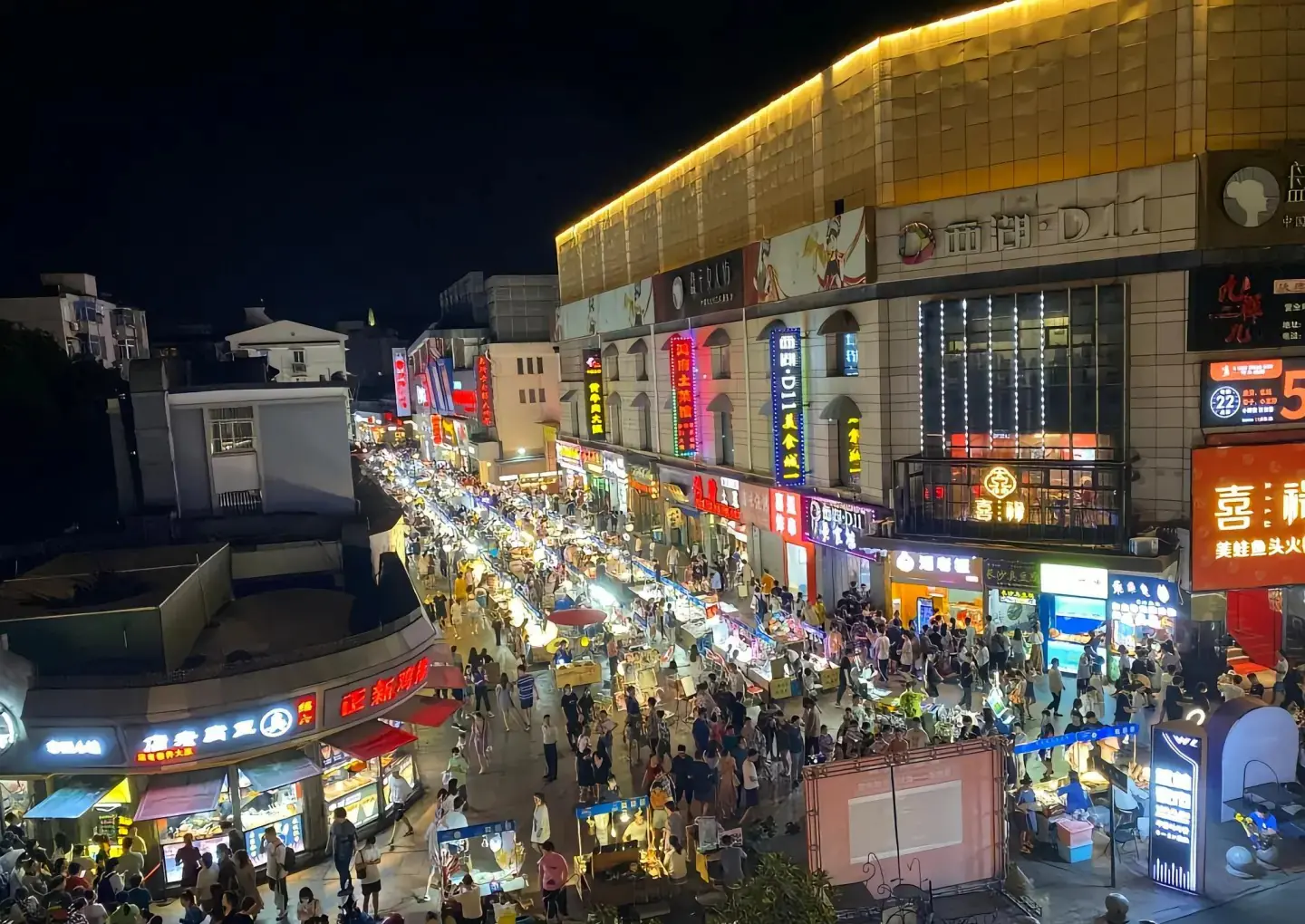
Wulin Night Market (武林夜市) and the Hubin shopping area are convenient when your hotel is central. Use them for snacks, dessert, and easy backup meals. For serious Hangzhou classics, go more selective.
Which Hangzhou Restaurant Style to Choose
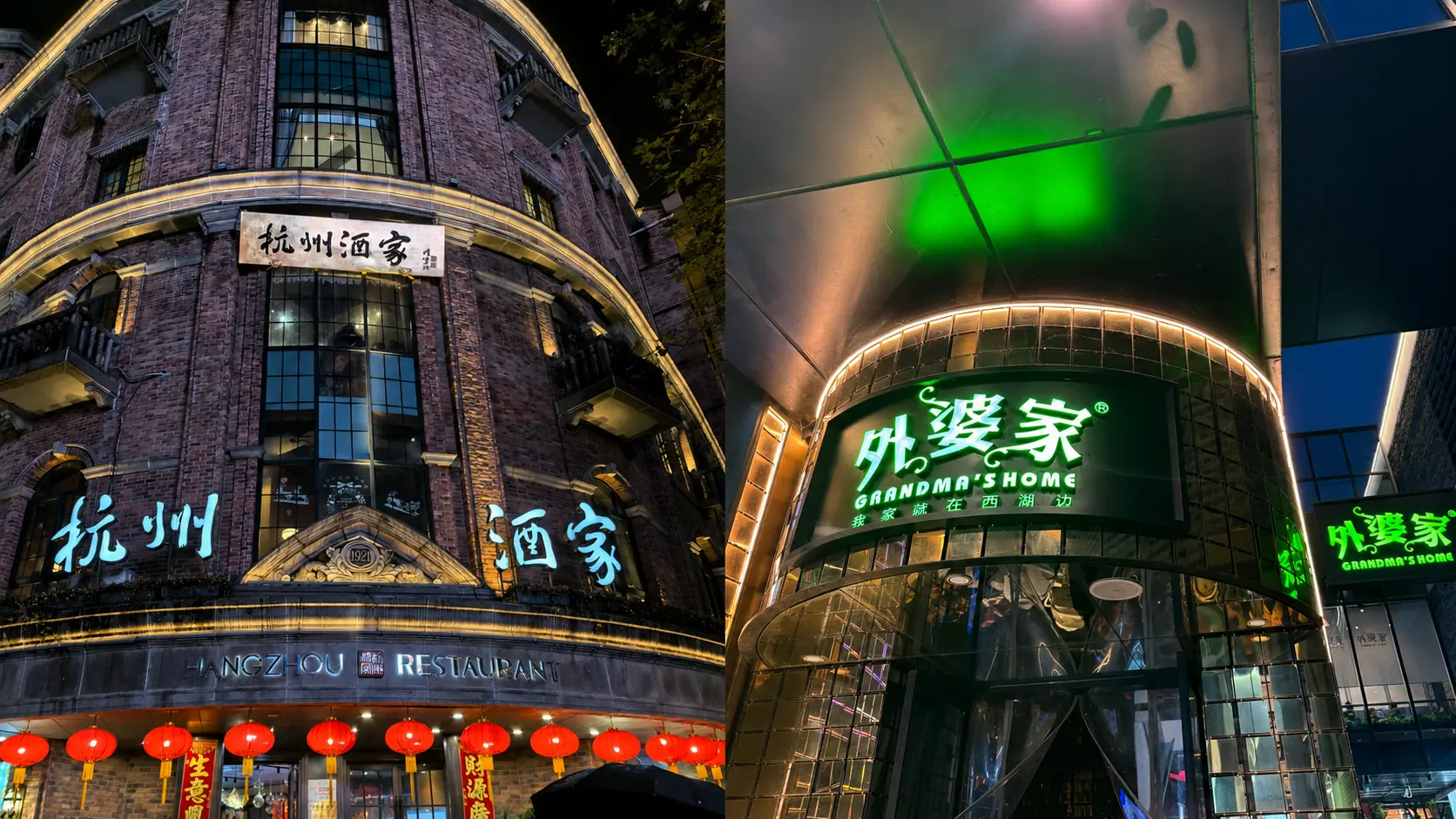
Classic old names
Lou Wai Lou, Zhiweiguan, and Kuiyuan Guan give first-timers a controlled entry into the cuisine. They are also famous enough to attract crowds and mixed expectations. Order the dishes each place is known for instead of treating the menu as equal.
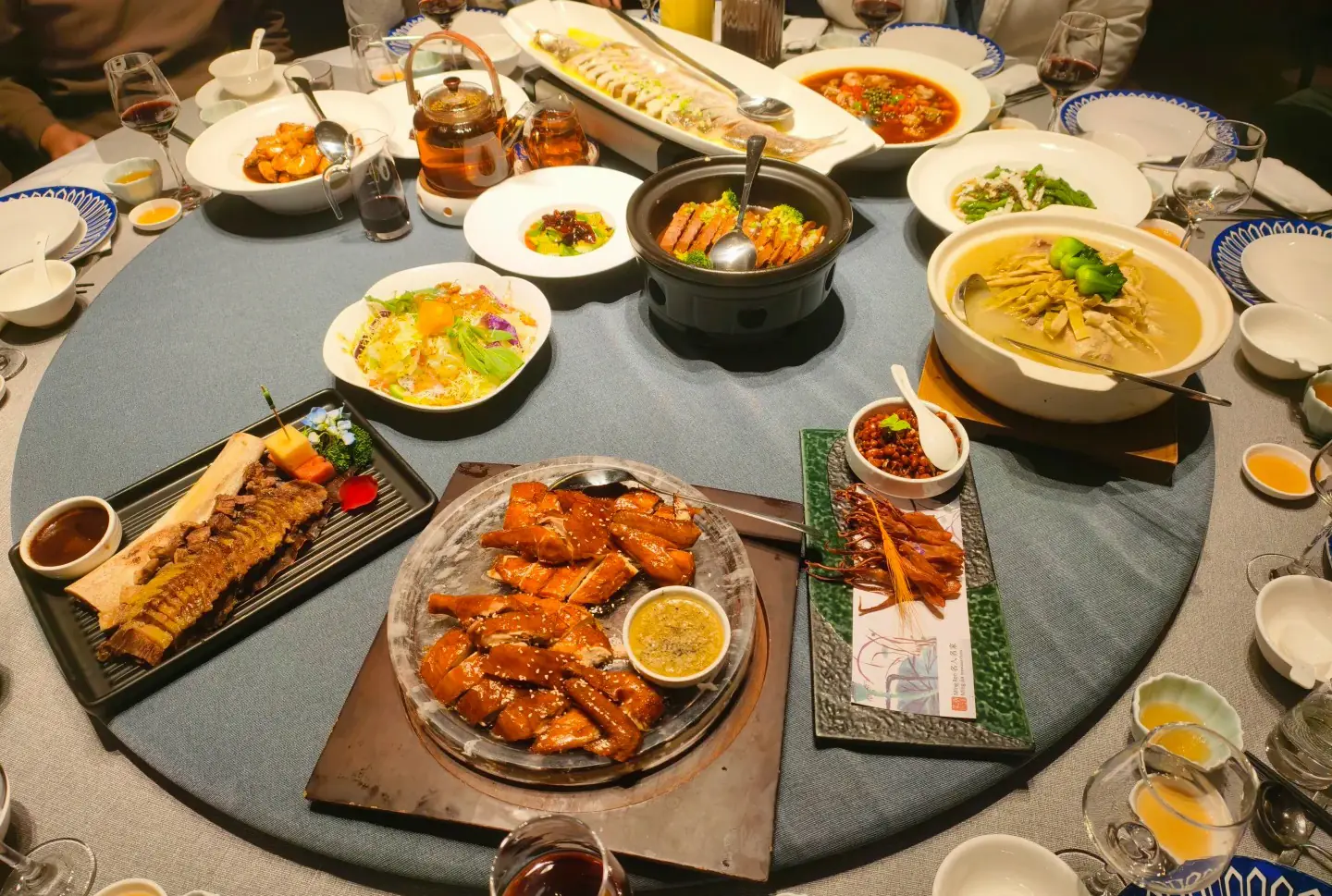
Casual Hangzhou-style restaurants
Modern local chains and neighborhood restaurants are often easier for families and groups. Picture menus, broad dish coverage, and lower prices make experimentation less painful.
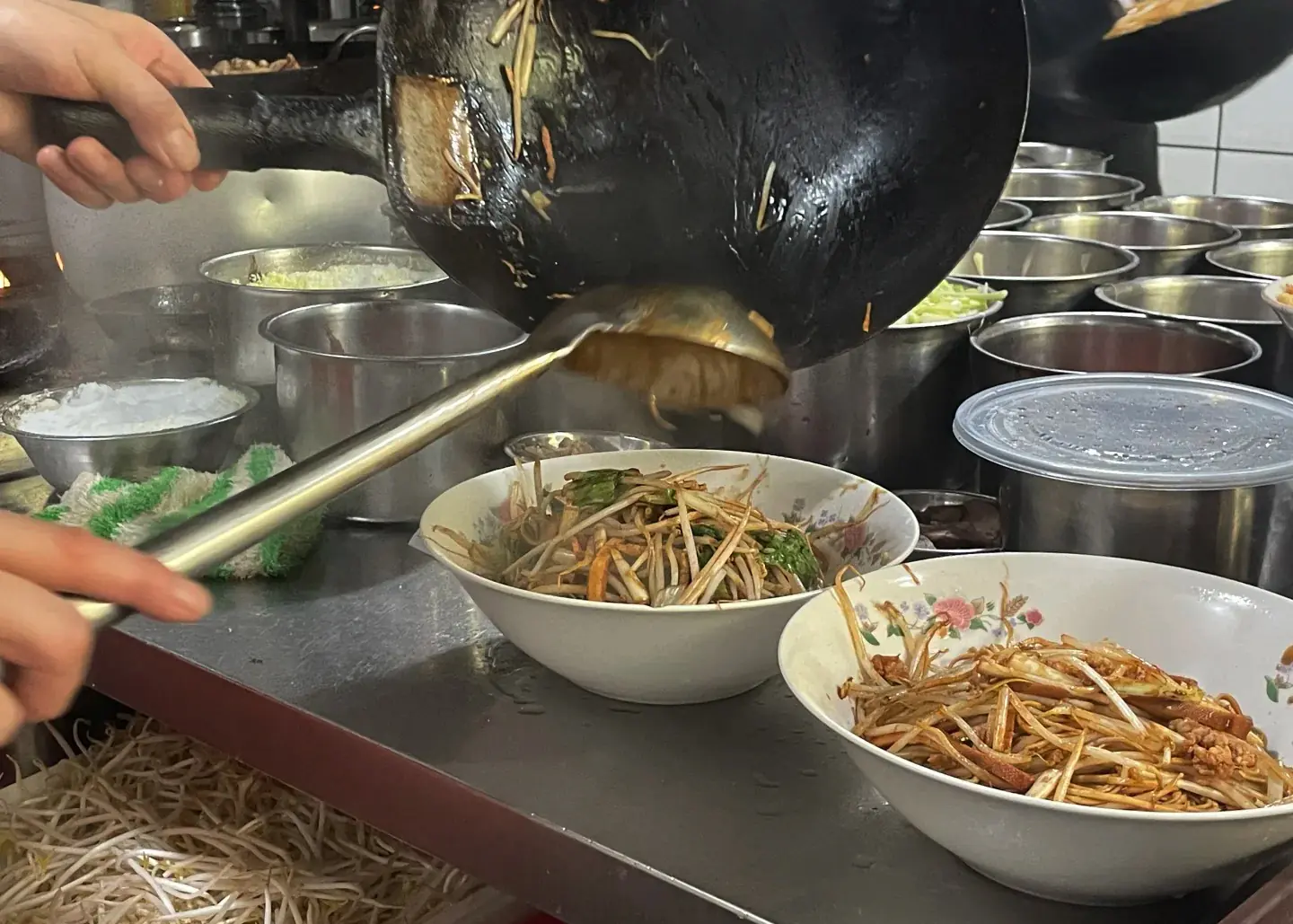
Noodle specialists
For preserved-vegetable pork noodles and shrimp-and-eel noodles, choose a dedicated noodle shop. The broth, oil, and wok timing matter more than decor. Breakfast and early lunch are safest.
Tea village and vegetarian choices
Ordering Etiquette and Useful Restaurant Phrases
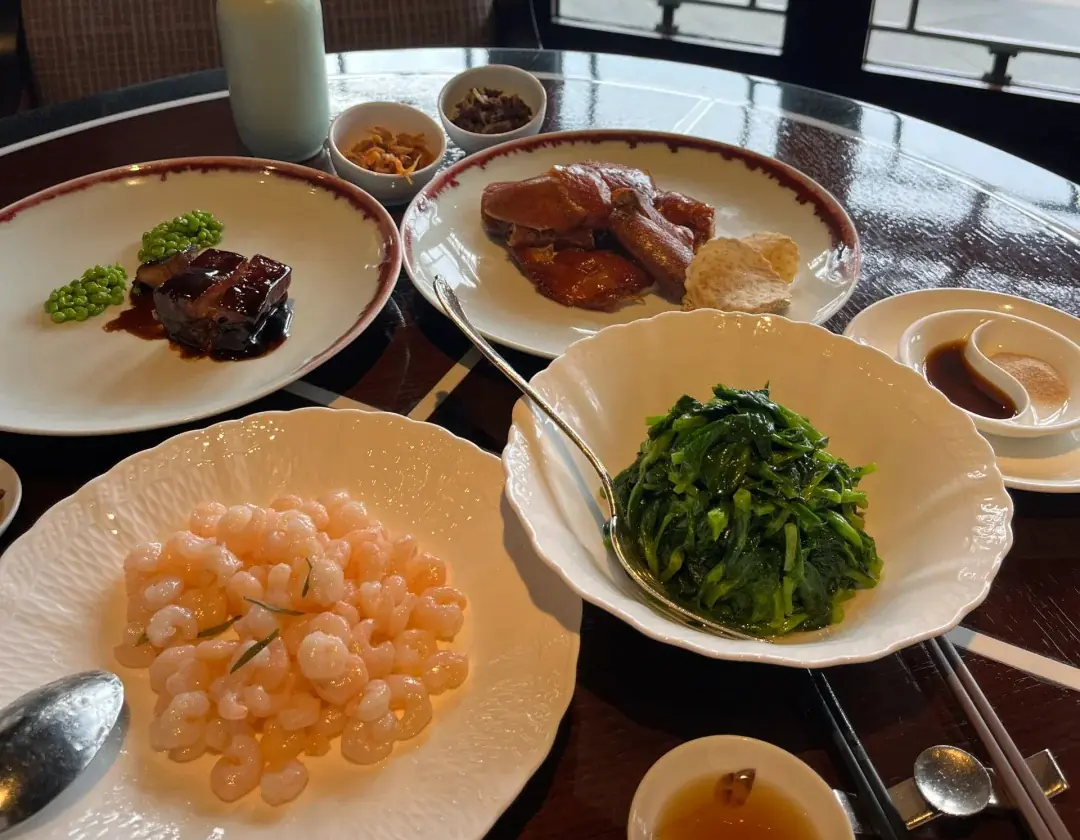
Hangzhou restaurants are usually calmer than hotpot cities, but the menu can be harder because many famous dishes sound gentle until you learn the texture. Fish may arrive whole. Soups may be subtle. Pork may be sweeter than expected. Tea may be priced separately.
The safe way to order: one anchor dish, one fresh dish, one carb or soup, and one vegetable. For two people, that is enough. For four, add one cold dish and one seasonal special.
| English | Chinese | Pinyin | Say It Like… |
|---|---|---|---|
| I'll have this one | 我要这个 | wǒ yào zhège | Woh yow juh-guh |
| Not too sweet | 不要太甜 | bù yào tài tián | Boo yow tie tyen |
| Less sugar | 少放糖 | shǎo fàng táng | Shaow fahng tahng |
| Does it have fish bones? | 有鱼刺吗? | yǒu yúcì ma | Yo yoo-tsih mah |
| Is tea charged separately? | 茶水收费吗? | cháshuǐ shōufèi ma | Chah-shway show-fay mah |
| Check, please | 买单 | mǎidān | My-dan |
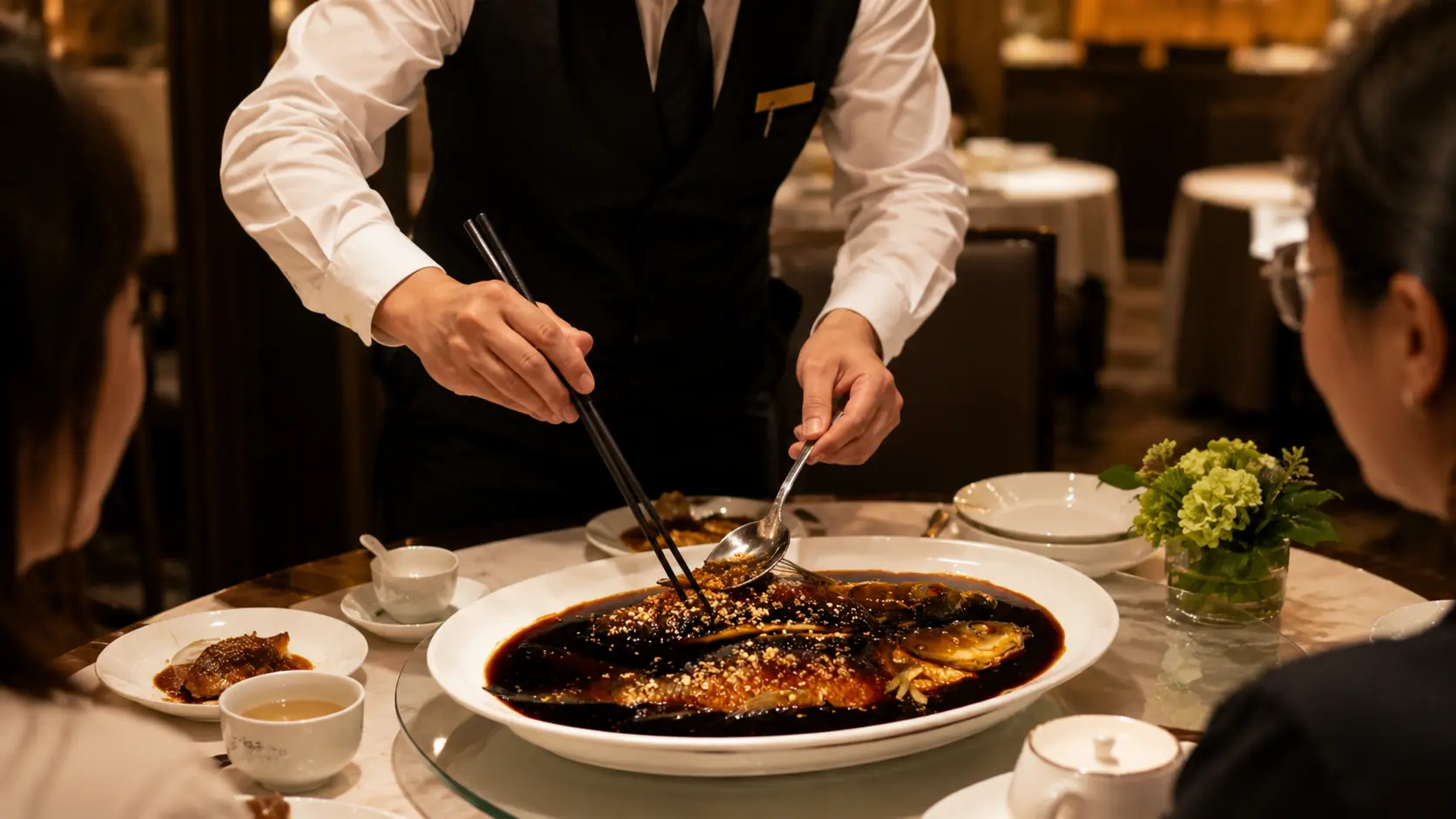
Fish bones and sweetness: West Lake fish, river fish, and some soups can contain bones. If you are traveling with children, ask before ordering. Hangzhou sauces can also be sweeter than visitors expect. "Less sugar" is a useful phrase, especially for braised dishes and sweet-sour sauces.
Tea charges: Some restaurants serve tea automatically; some charge per person or per pot. In tea villages, tea can become more expensive than the meal if you do not ask first. Check the price before agreeing.
Vegetarian and Dietary Safety in Hangzhou
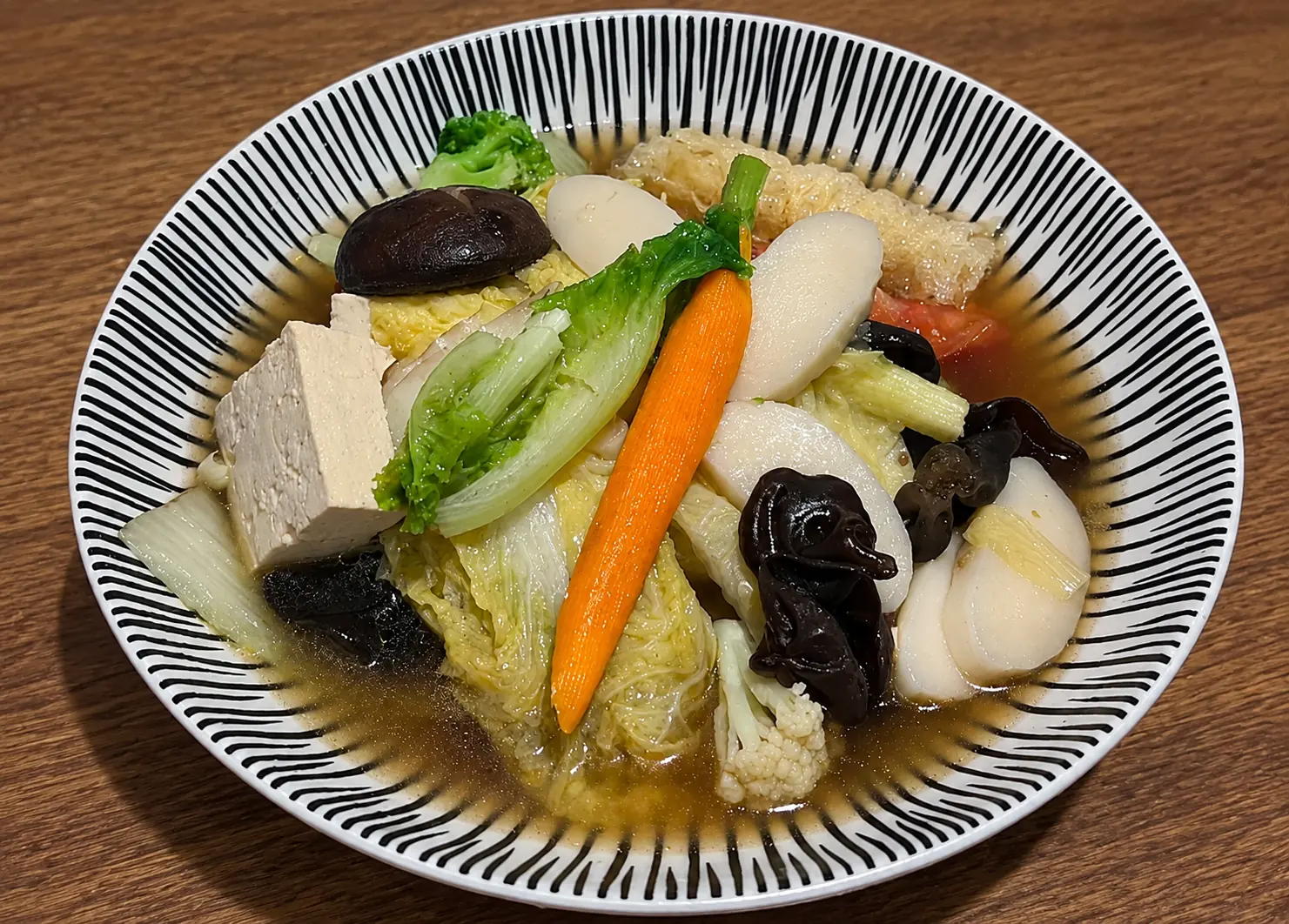
Hangzhou looks vegetarian-friendly because the food is gentle and vegetable-heavy. The reality is mixed. Many dishes use lard, chicken stock, ham, dried shrimp, oyster sauce, or fish-based seasoning. A plate of green vegetables may still be cooked with animal fat.
Vegetarian dishes are not automatically vegetarian
Strict vegetarians should choose dedicated vegetarian restaurants, temple-adjacent dining, or clearly Buddhist-style restaurants. Around Lingyin, vegetarian food is much easier than in random lakefront restaurants.
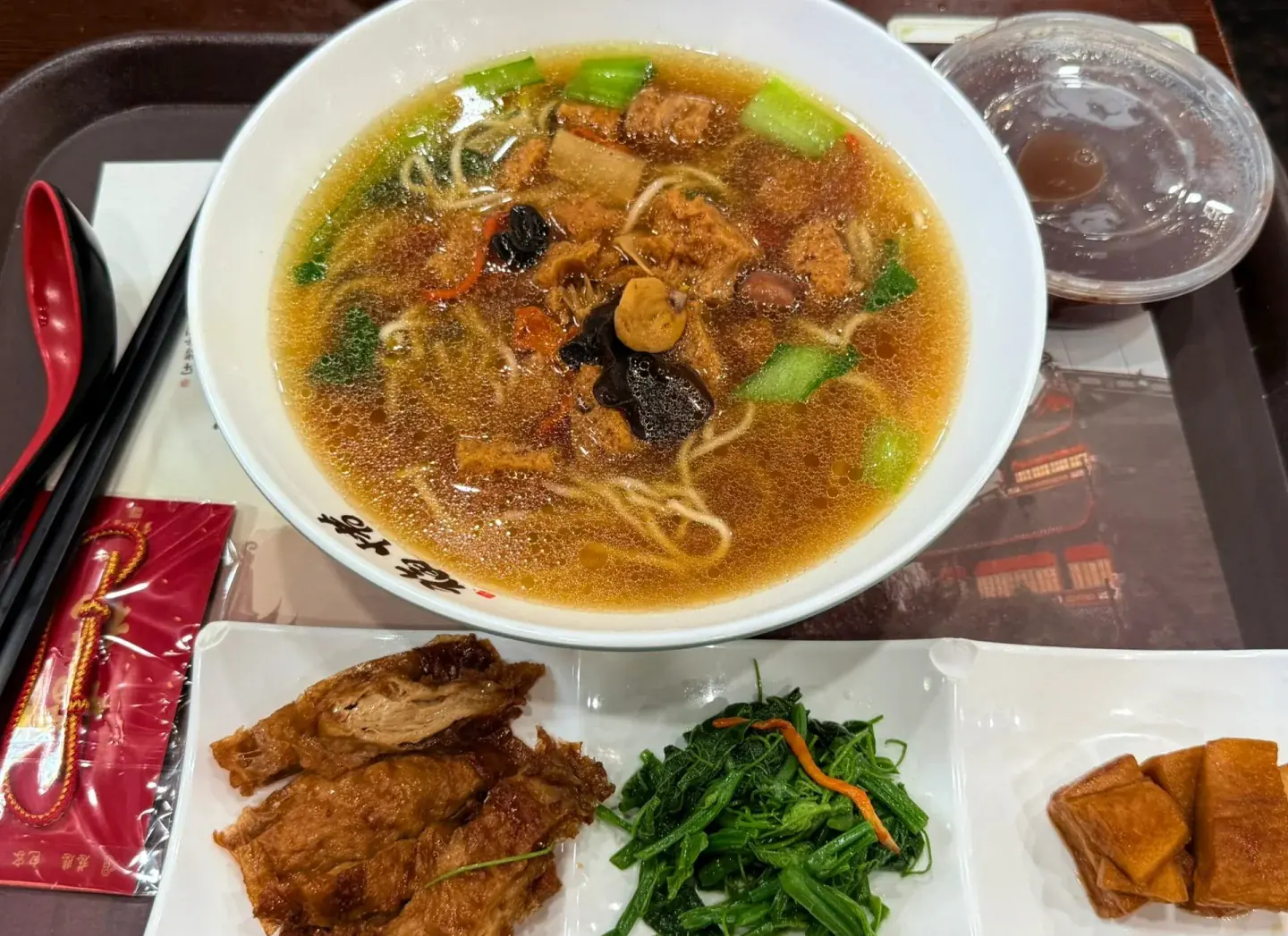
Seafood allergies require extra care. Longjing Shrimp is obvious, but dried shrimp may appear in soups, sauces, vegetable dishes, and fillings. Show the allergy phrase on your phone and confirm before ordering.
| English | Chinese | Pinyin | Say It Like… |
|---|---|---|---|
| I'm vegetarian | 我吃素 | wǒ chī sù | Woh chir soo |
| No lard | 不要猪油 | bù yào zhūyóu | Boo yow joo-yo |
| No chicken stock | 不要鸡汤 | bù yào jītāng | Boo yow jee-tahng |
| No ham | 不要火腿 | bù yào huǒtuǐ | Boo yow hwaw-tway |
| I'm allergic to shrimp | 我对虾过敏 | wǒ duì xiā guòmǐn | Woh dway shyah gwaw-min |
Local Food Mistakes to Avoid in Hangzhou
Do not judge Hangzhou by one famous fish
West Lake Fish in Vinegar Gravy is culturally important, but it is also the easiest dish to dislike if the kitchen is average or your palate expects crispy sweet-sour fish. Dongpo Pork, Longjing Shrimp, and noodles are safer first impressions.
Eat noodles earlier in the day
Noodle shops are strongest at breakfast and lunch. By late dinner, broth and toppings can feel tired, especially in tourist-heavy areas.
Use old brands for orientation
A time-honored sign tells you the dish matters, but it does not guarantee the best version in the city. Branches differ. Crowds change the experience. Order narrowly and move on.
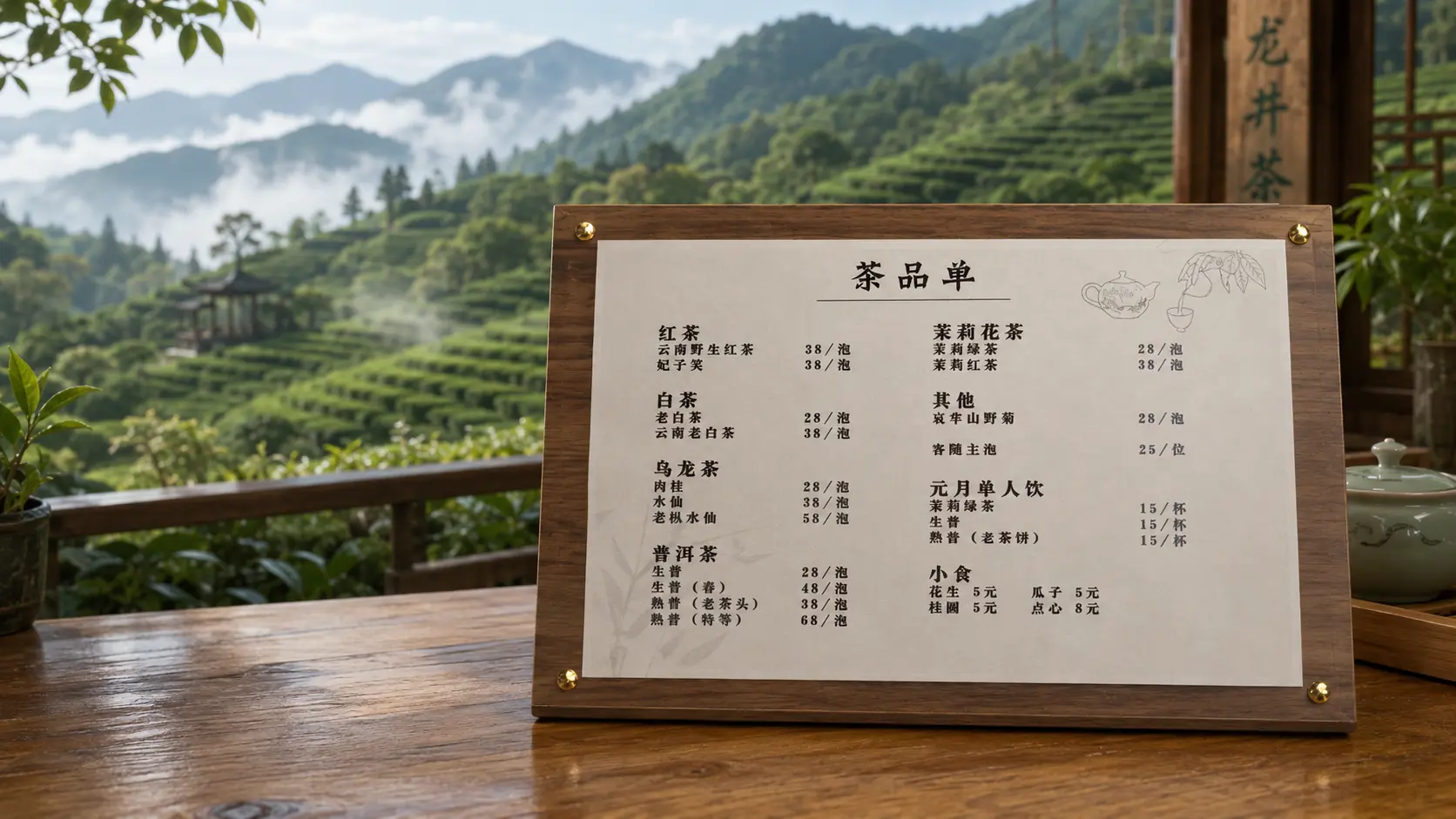
Separate food from tea decisions
In tea villages, you can enjoy the view and a simple meal without buying tea. Ask prices first, especially during spring tea season.
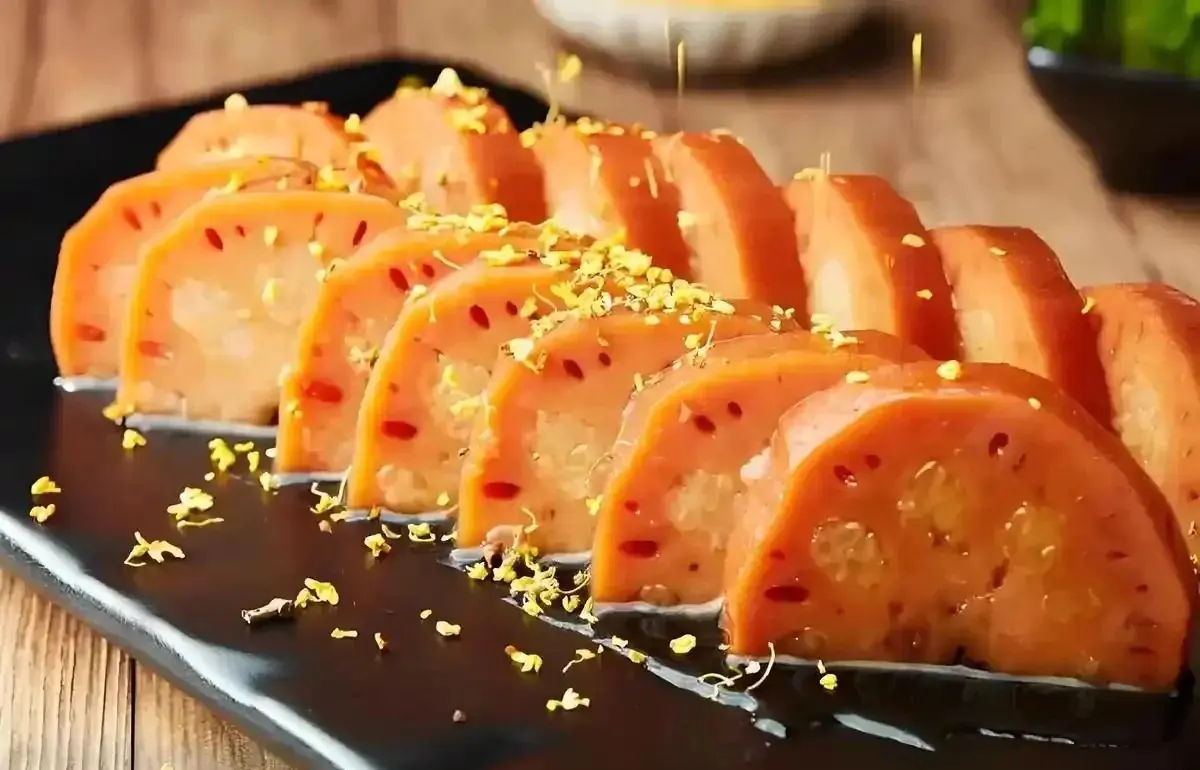
Save room for autumn desserts
Osmanthus season makes Hangzhou sweets better: lotus root, rice cakes, sweet soups, and small pastries feel more connected to the city when the air smells faintly floral.
Frequently Asked Questions
No. Hangzhou food is one of the gentler major city cuisines in China. The main flavors are fresh, lightly sweet, savory, vinegary, and seasonal. Chili appears occasionally, but it is not a core identity.
Sources checked for this guide
- China Daily feature checked for Hangzhou signature Hangbang dishes including Dongpo Pork and West Lake classics: China Daily: Get a taste of Hangzhou
- China Daily culinary feature checked for Hangzhou Longjing Shrimp and regional Jiangnan cooking traditions: China Daily: Hangzhou culinary heritage
Beyond This Guide
Hangzhou food makes the most sense when it fits the day: West Lake in the morning, a classic lunch, Lingyin and Longjing in the afternoon, then noodles or canal-side snacks at night. For a closer look at Hangzhou's signature braised pork dish, read our Dongpo Pork Hangzhou Guide. Pair this guide with the West Lake guide, Lingyin Temple guide, Hangzhou day trip itinerary, and Xiaohe Straight Street canal walk.
© gochinafreely.com — Original guide by Go China Freely.