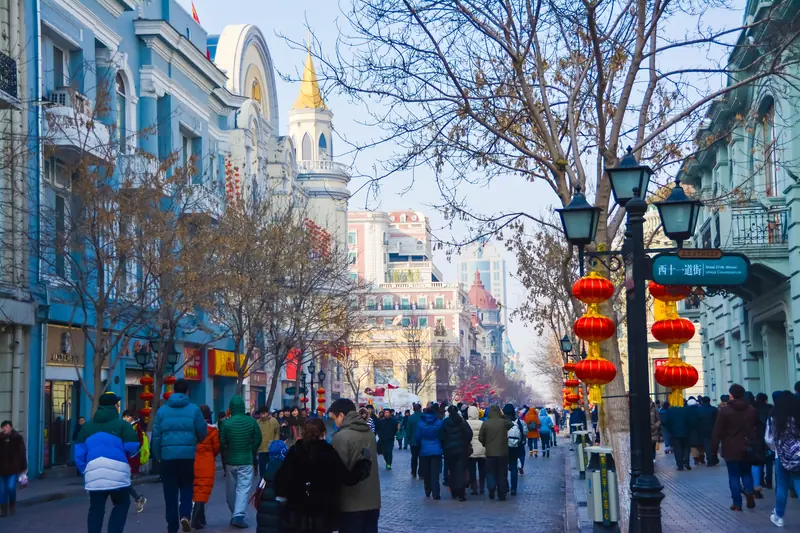
Harbin (哈尔滨) is not just Ice and Snow World plus one famous walking street. On a first trip, you meet a winter city that can drop below -20C at night, a railway-built river city, Russian Orthodox and Jewish architectural layers, serious wartime memory, and Northeast Chinese food that suddenly makes sense in the cold. This guide is a first-timer's map of what is actually worth building your Harbin trip around.
First-Time Harbin: How to Pace It
If you are looking at Harbin for the first time, start with season and stamina, not a list of names. A short winter trip can be spectacular, but only if you protect the Ice and Snow World evening, keep enough warm breaks, and stop pretending every famous side trip belongs in the same 48 hours.

Two Days
Use one day for the city core: Central Street, Saint Sophia, the Songhua River edge, snacks, and a warm dinner. Use the second day for Sun Island or Zhaolin Park, then Ice and Snow World at night.
Three Days
Add one serious extension: Unit 731 Museum, Siberian Tiger Park, Volga Manor, Harbin Grand Theatre, or a slower Old Daowai food and heritage day. This is the best first-timer length.
Four Days or More
Only longer trips should start considering China Snow Town, a wider Northeast route, extra museums, repeated ice-park visits, or slow neighborhood time. Harbin rewards editing more than completion.
This guide is best for first-time visitors, winter travelers, families choosing snow activities carefully, food-focused travelers, and anyone deciding whether Harbin deserves two nights or a proper Northeast China stop. It is less useful if you only want a single escorted Ice Festival package with every transfer handled.
Harbin Is Ice, Railways, and Heat
The easiest way to understand Harbin is to stop treating it as one frozen attraction and start seeing four different layers.
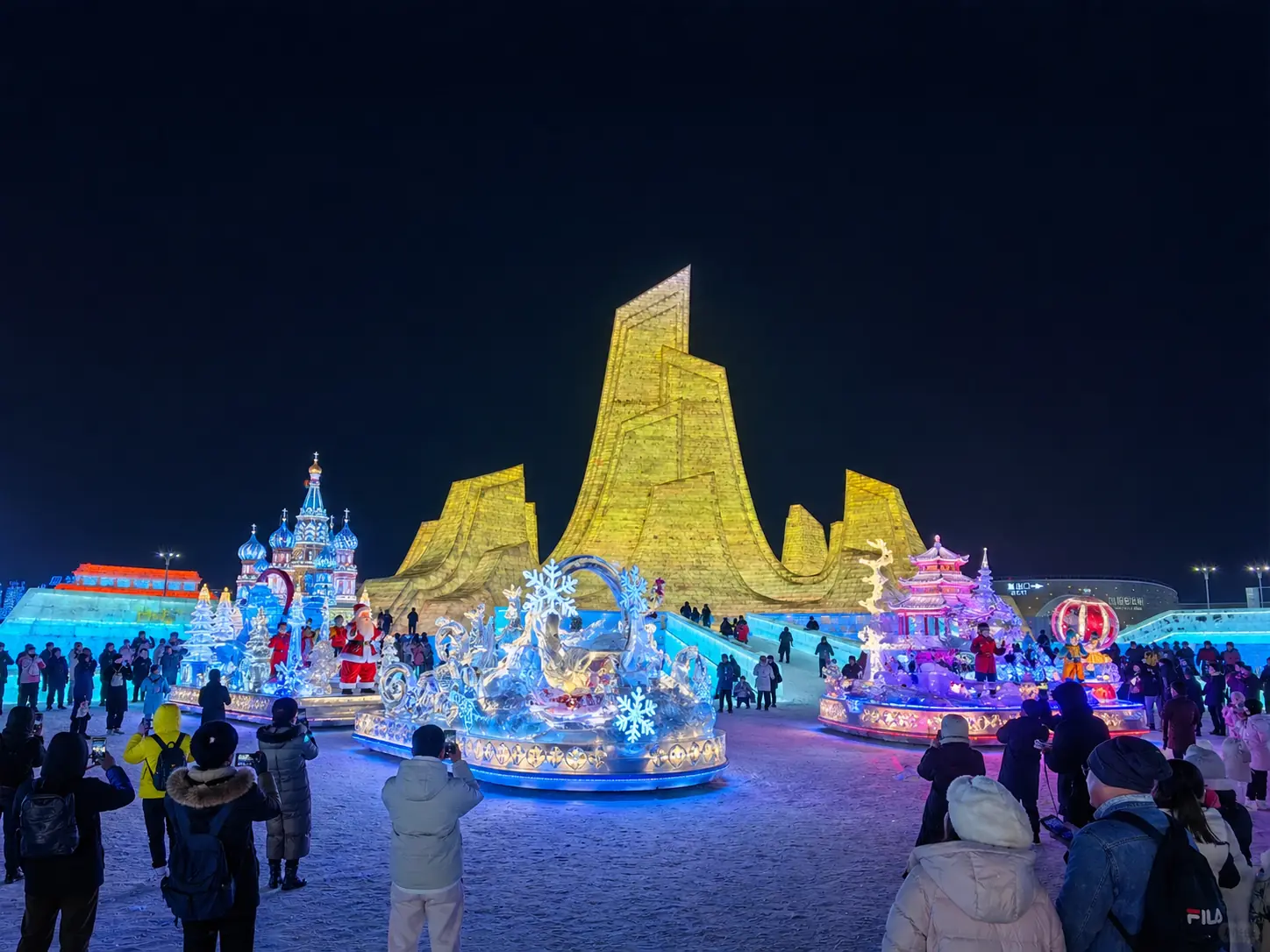
Ice City Harbin
Where it shows up: Ice and Snow World, Sun Island Snow Expo, Zhaolin Park ice lanterns, frozen-river activity areas, and winter night lights.
This is the reason many travelers come. It is also the layer where timing, cold protection, and queue strategy matter most.
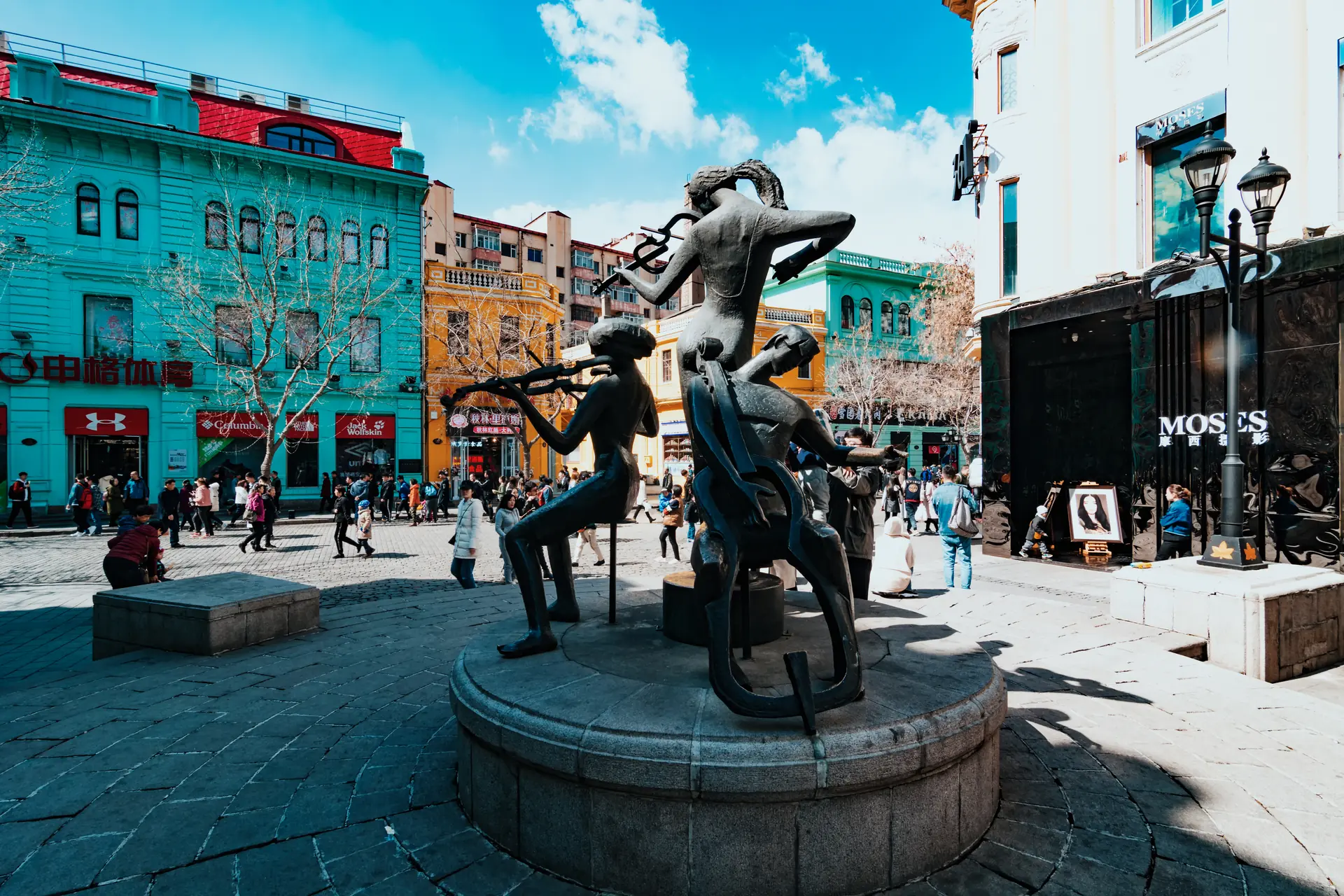
Railway and Borderland City
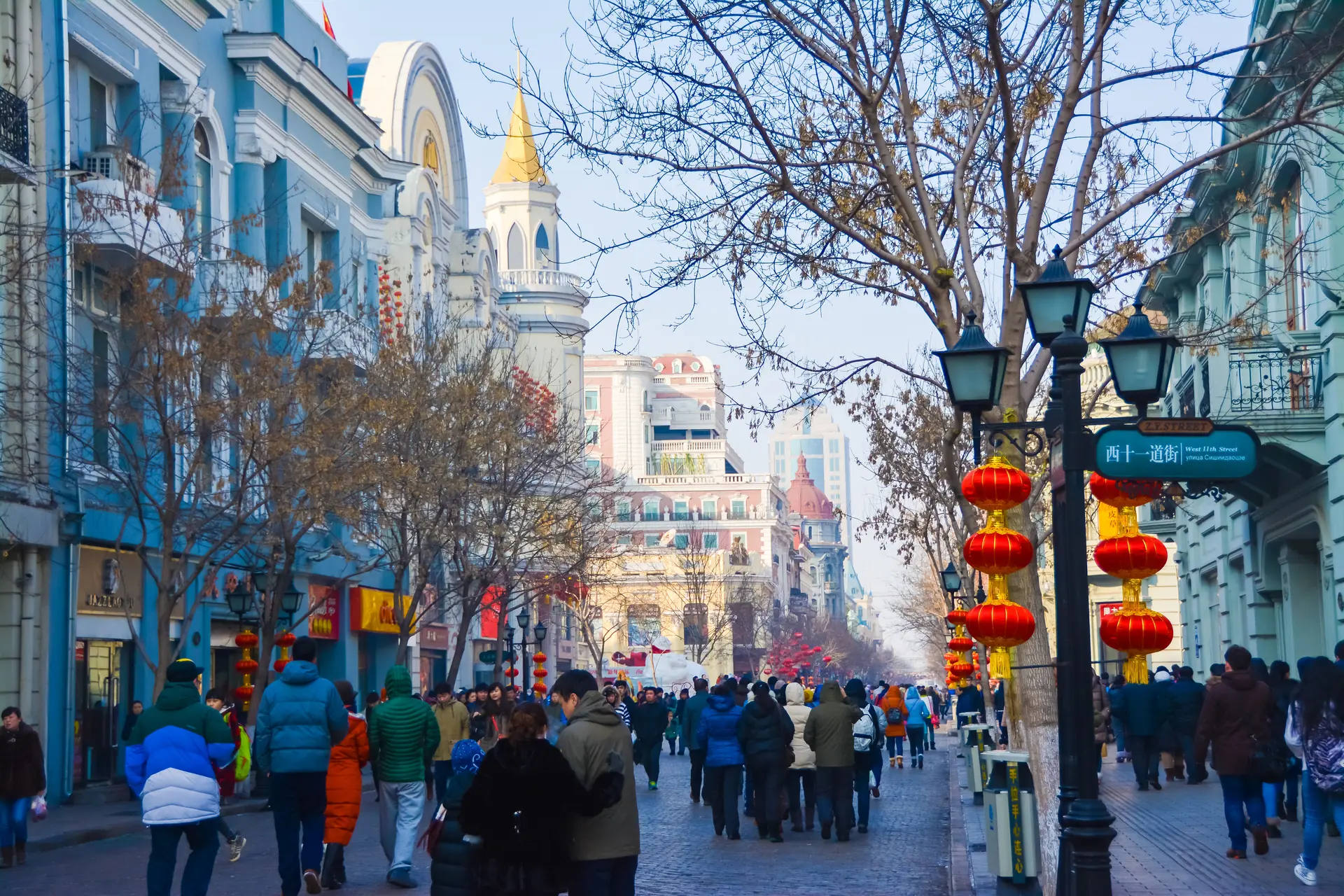
Where it shows up: Central Street, the Songhua River approach, old commercial blocks, railway-era streets, and imported architectural details.
This layer explains why Harbin feels different from most Chinese city breaks: the modern city grew around railways, trade, migration, and cold-weather commerce.
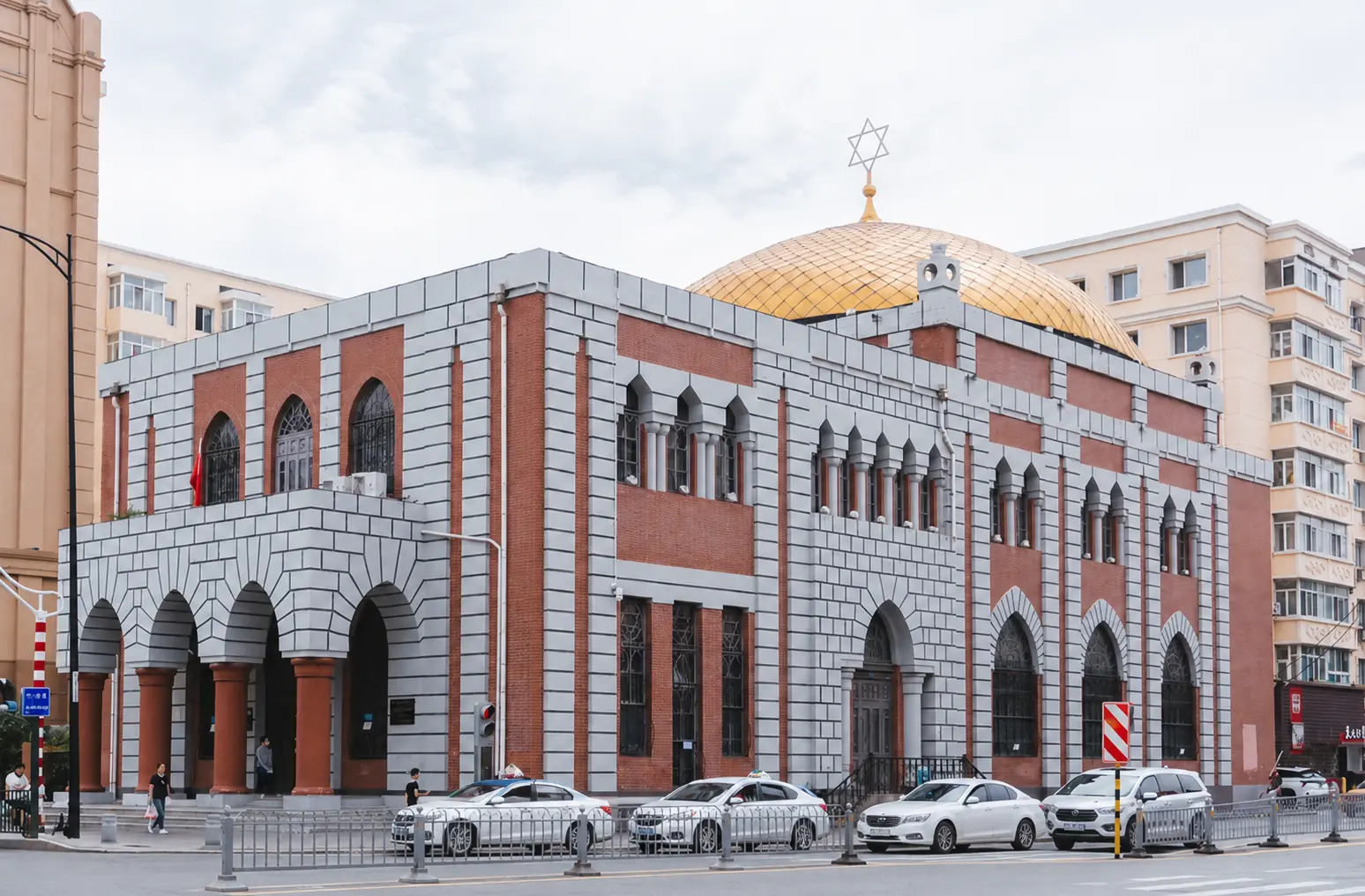
Faith and Memory
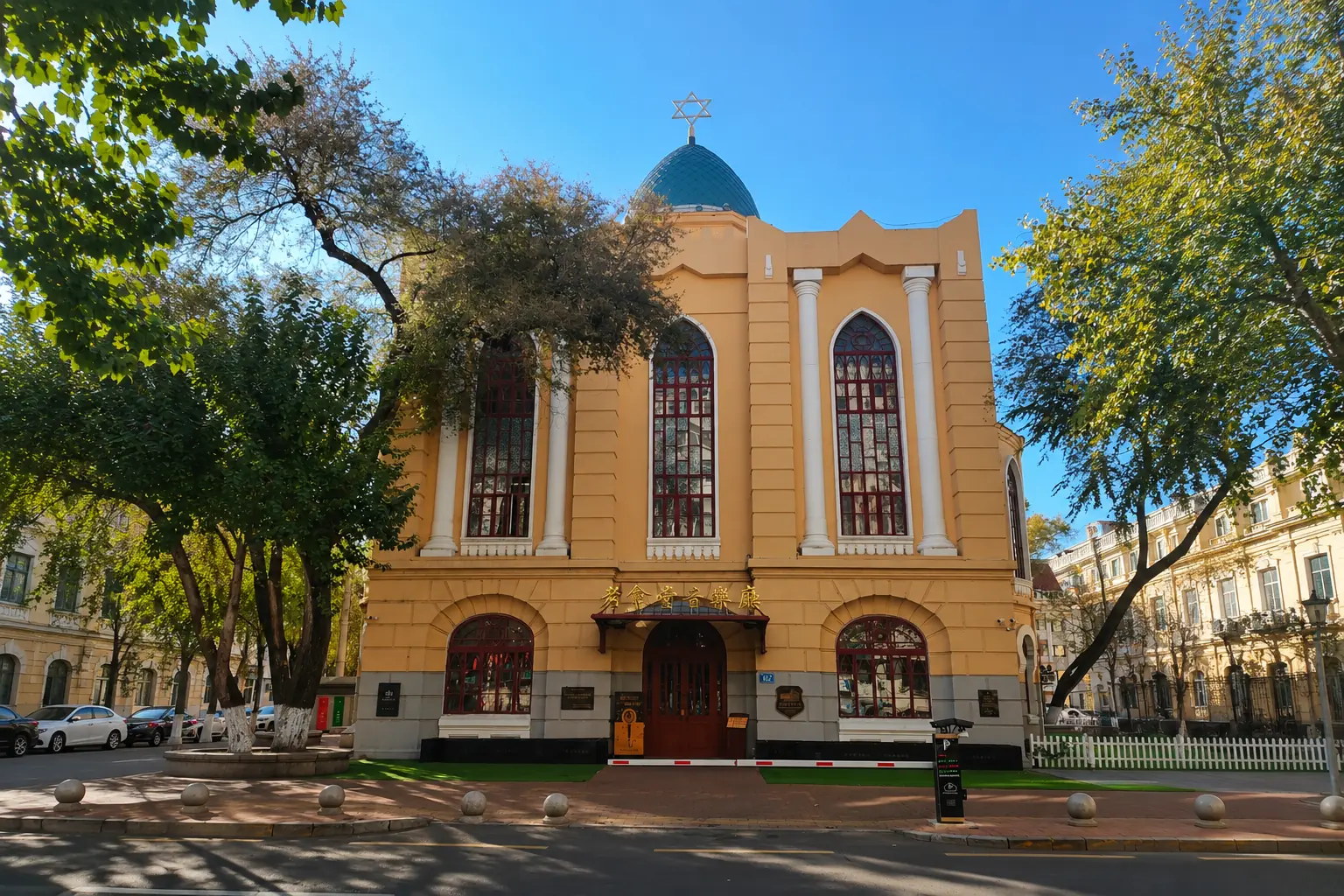
Where it shows up: Saint Sophia, Jewish heritage buildings, Old Synagogue Concert Hall, Old Daowai, and Unit 731 Museum.
This layer is not all light or pretty. Harbin's strongest city day should leave room for both architecture and serious history.
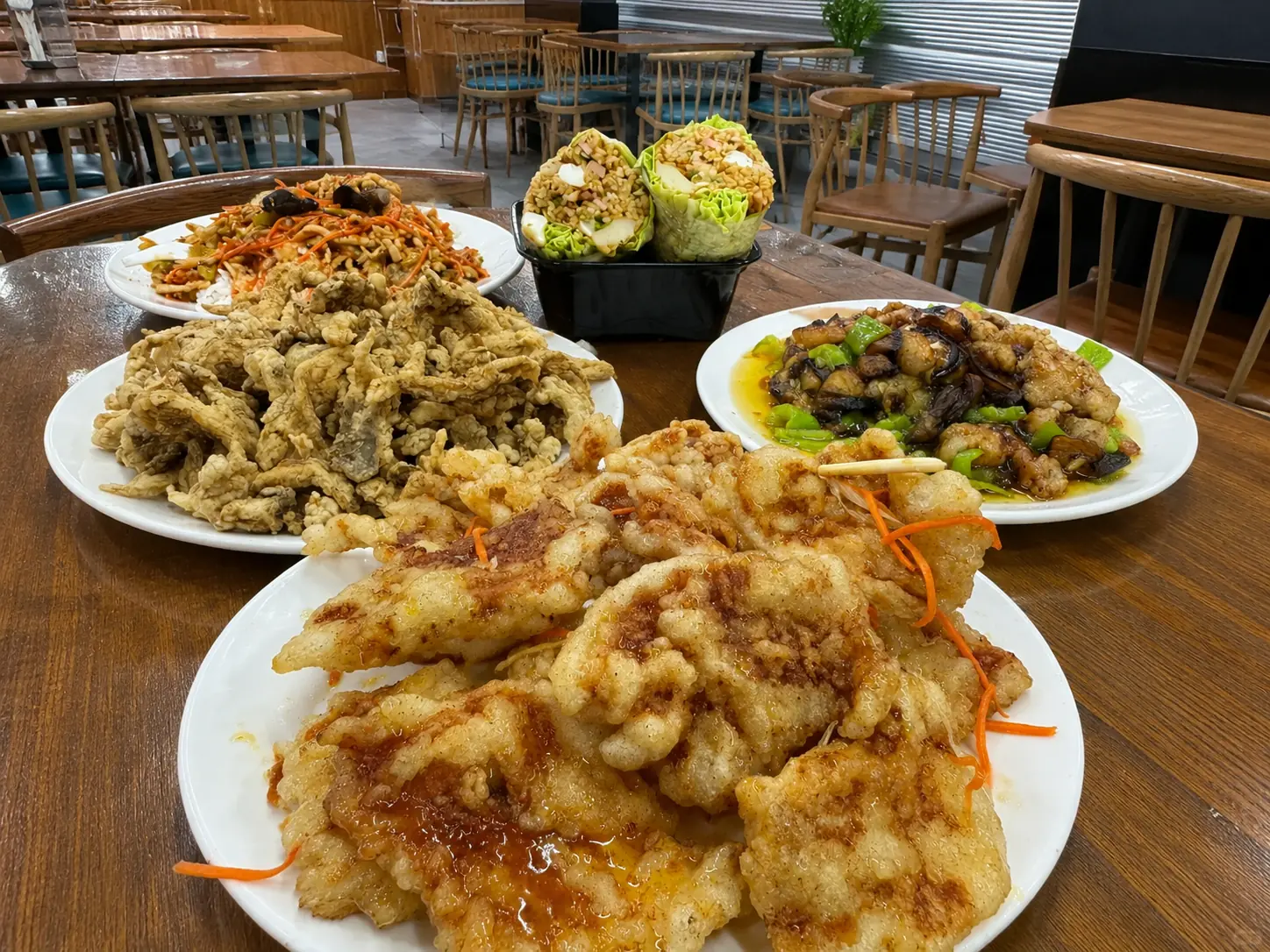
Northeast Warmth
Where it shows up: red sausage, dalieba bread, sweet-and-sour pork, stews, Russian-style restaurants, barbecue, and hot drinks inside winter parks.
Food is not a side note in Harbin. It is how the city warms itself, tells its Russian-contact story, and keeps winter sightseeing survivable.
For a first trip, the goal is not to finish Harbin. Choose one or two strong experiences from each layer, then leave enough time for the cold, the meals, and the city streets to do their work.
12 Harbin Experiences Worth Building Around
The first six are Harbin's strongest first-trip foundations. The final six are powerful, but more selective: they depend on season, interests, ethics, distance, and how much time you actually have.
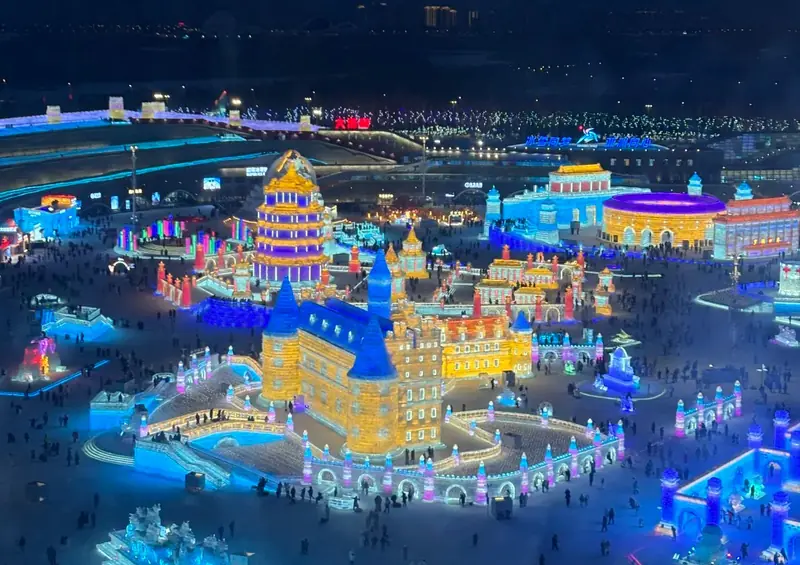
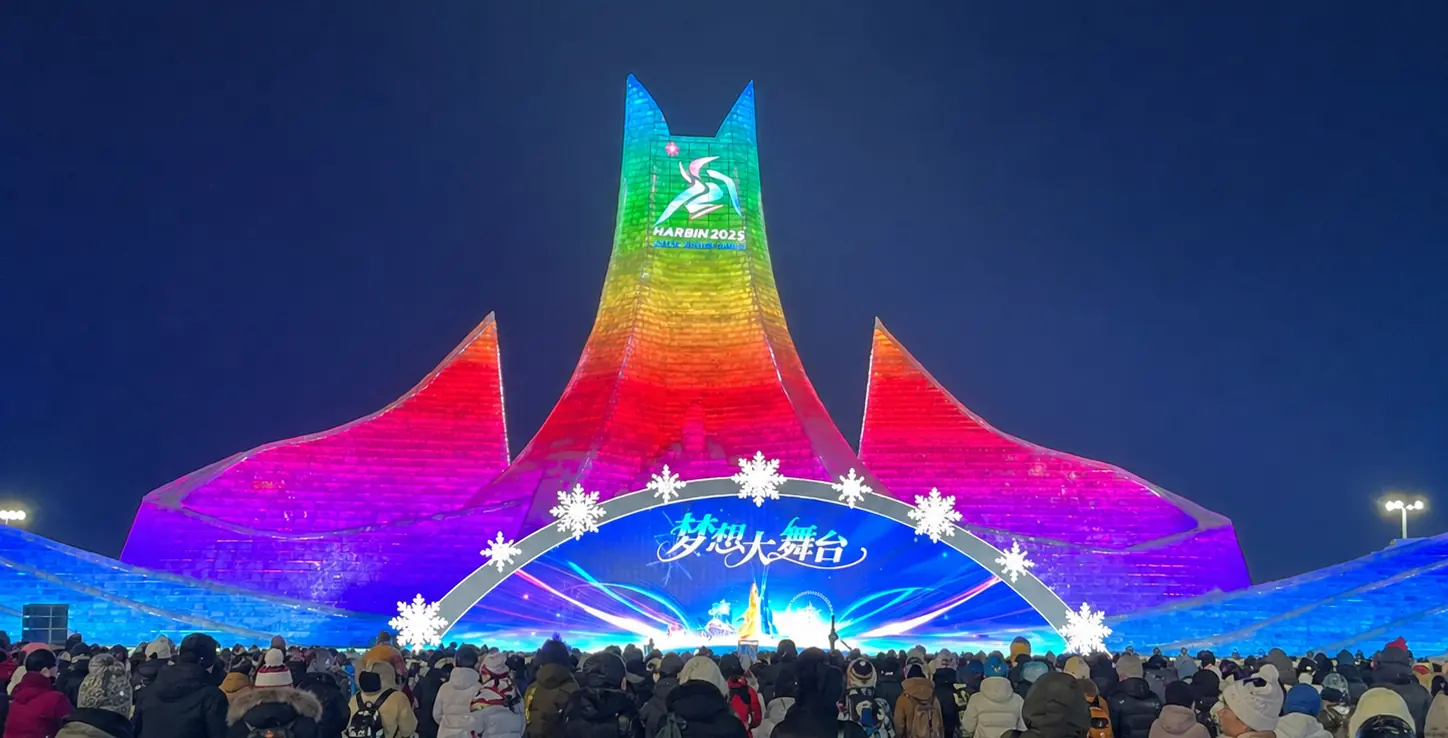
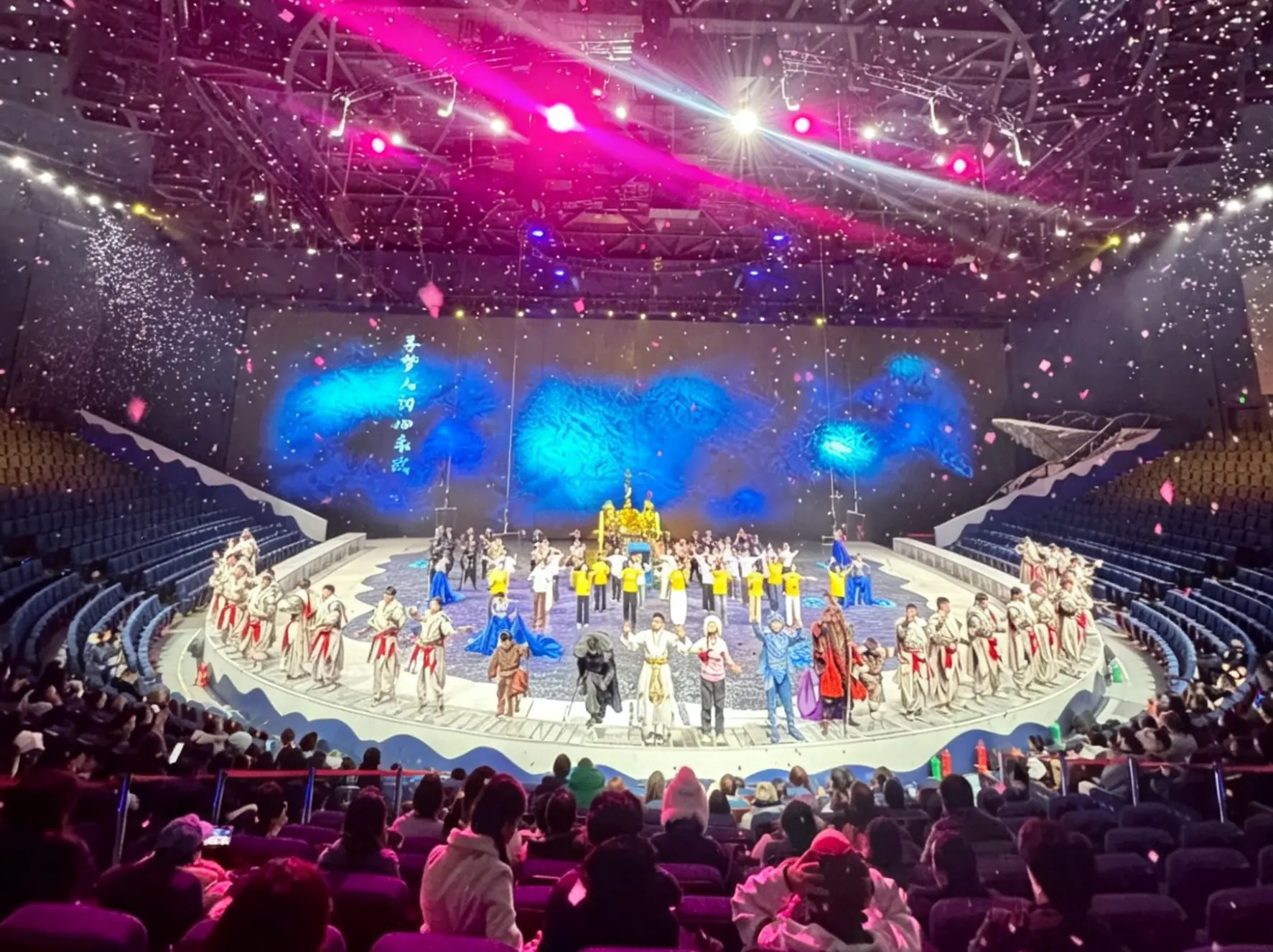
Harbin Ice and Snow World (哈尔滨冰雪大世界) is the headline winter experience: giant illuminated ice buildings, shows, crowds, queues, and serious cold. Treat it as a full evening, not a quick stop. For show order and survival details, use our Harbin Ice and Snow World Shows Guide.
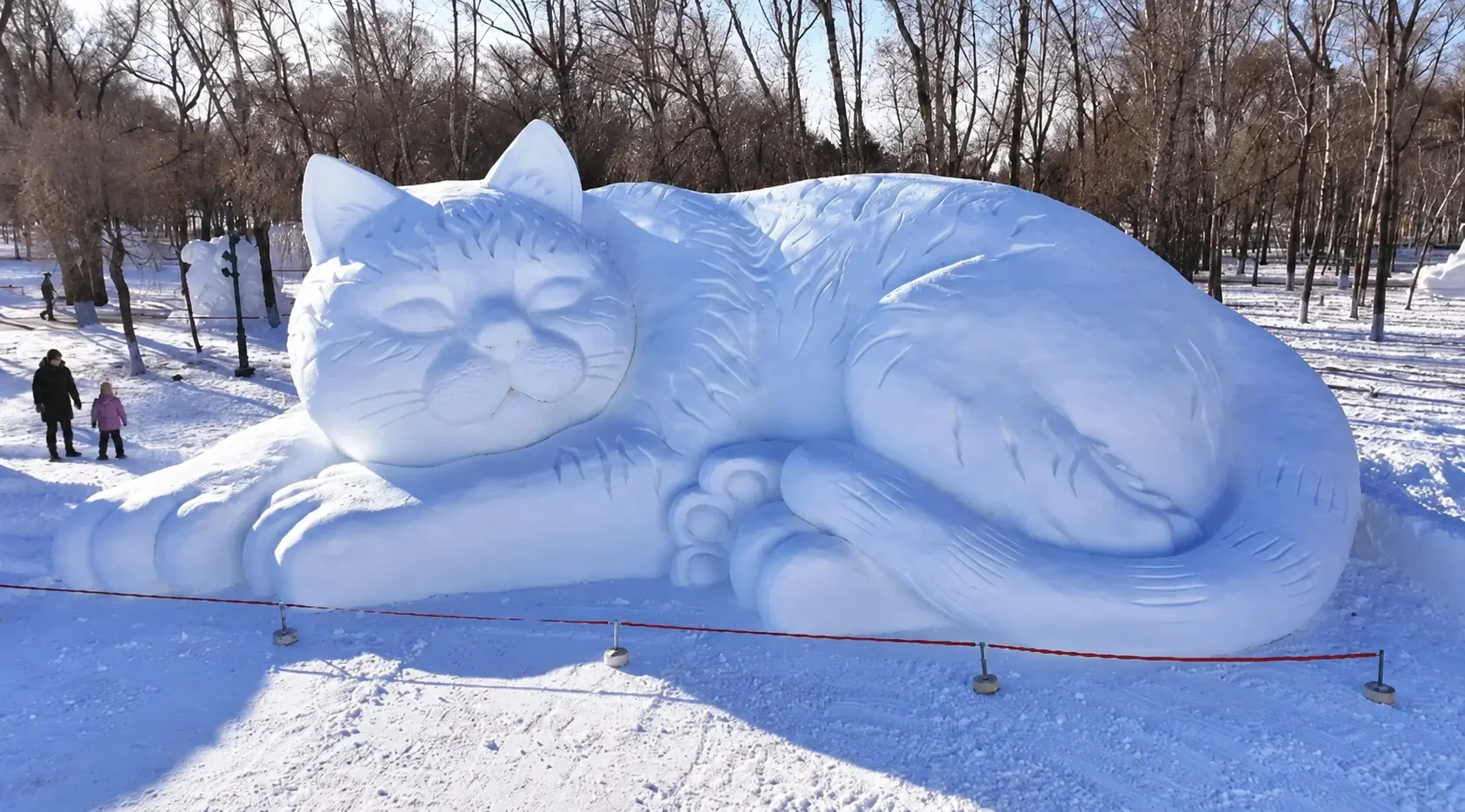
Sun Island Snow Sculpture Art Expo (太阳岛国际雪雕艺术博览会) is the daytime companion to Ice and Snow World. The 2025-26 edition was the 38th expo, and Heilongjiang culture and tourism reporting described a stamp-collecting activity running with the park rhythm of 8:30-17:00. Check the current season before going.
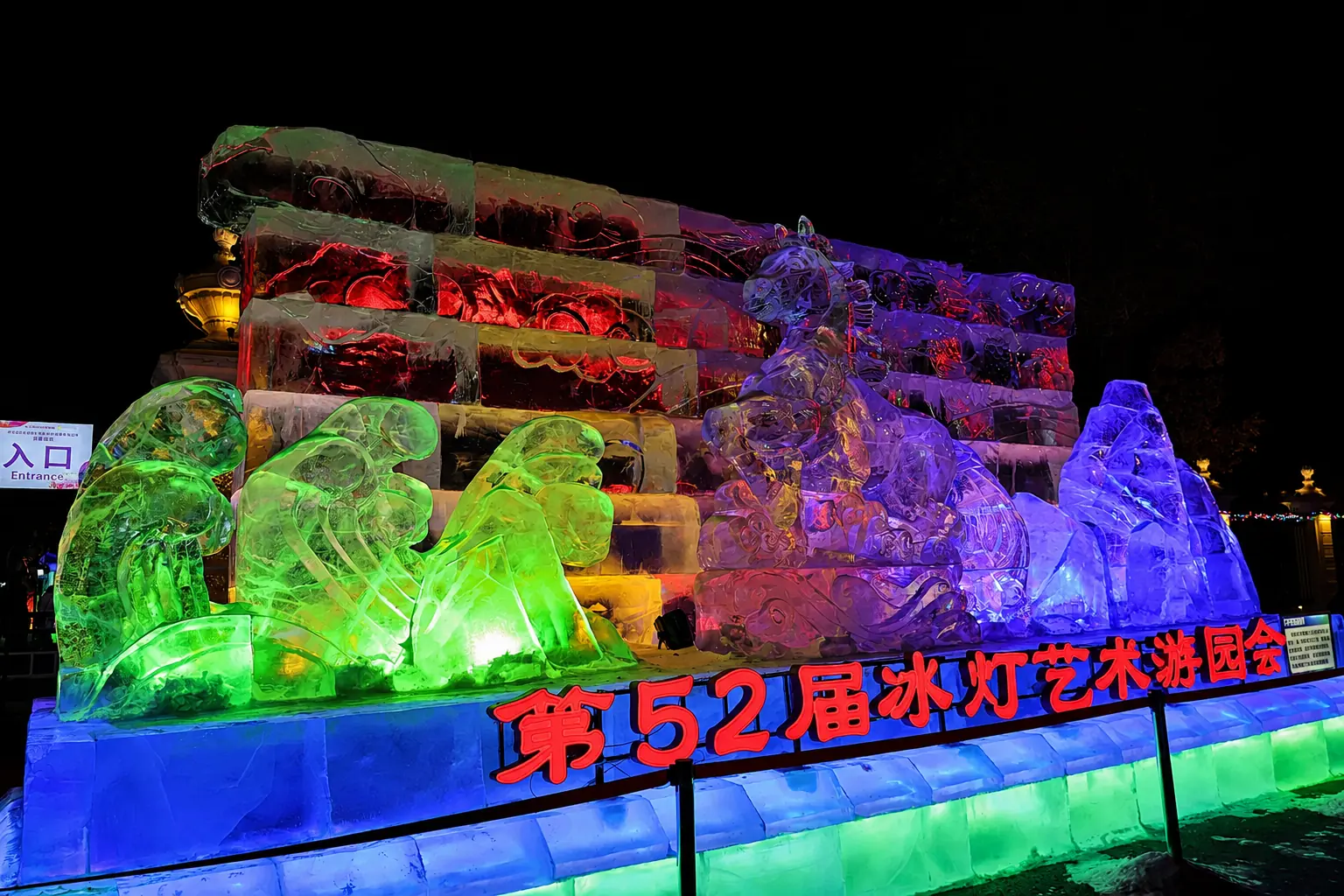
Zhaolin Park (兆麟公园) is smaller, more central, and easier than a huge ice-park night. For the 2025-26 season, the 52nd Ice Lantern Art Garden opened on December 30, 2025 and was free with no reservation, according to Heilongjiang tourism notices. It is best as an easy city-center add-on.

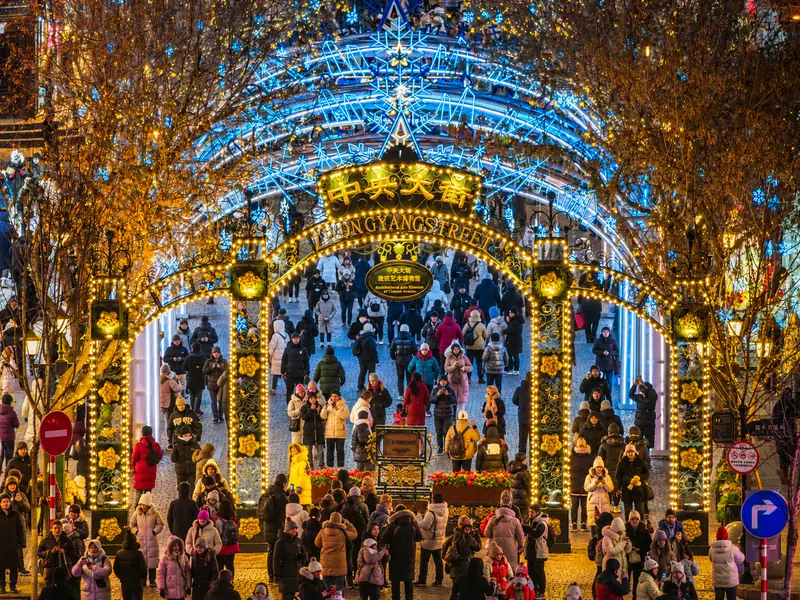
Central Street (中央大街) is touristy, yes, but still essential. Guinness lists the full length at 1,450m and the pedestrian shopping section at 1,210m; use it for architecture, snacks, and the river approach. Daylight is better for facades, blue hour is better for atmosphere.
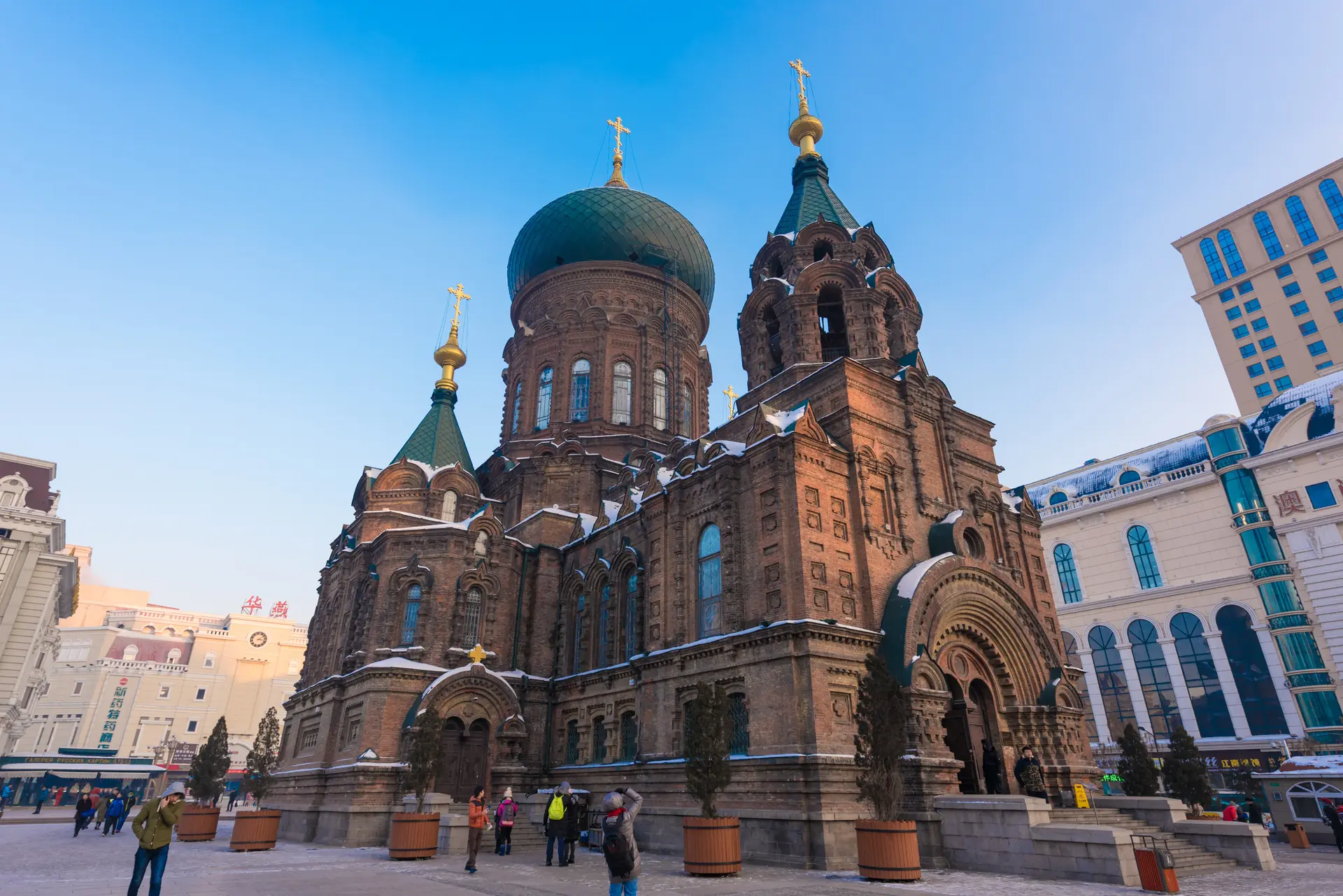
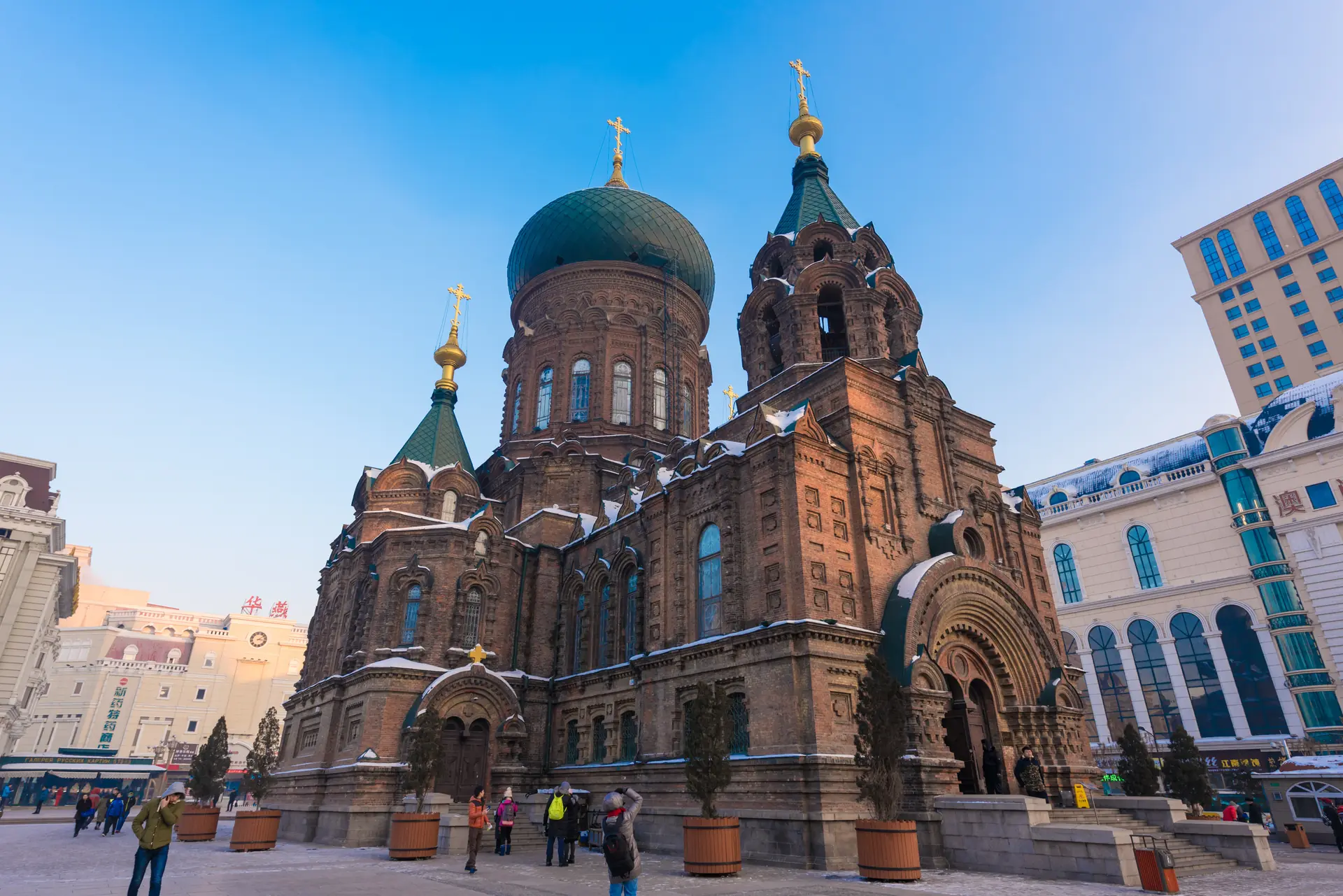
Saint Sophia Cathedral (圣索菲亚教堂) began in 1907, rises about 53m, and now serves as the Harbin Architectural Art Gallery. Pair it with Central Street rather than treating it as a disconnected photo stop.
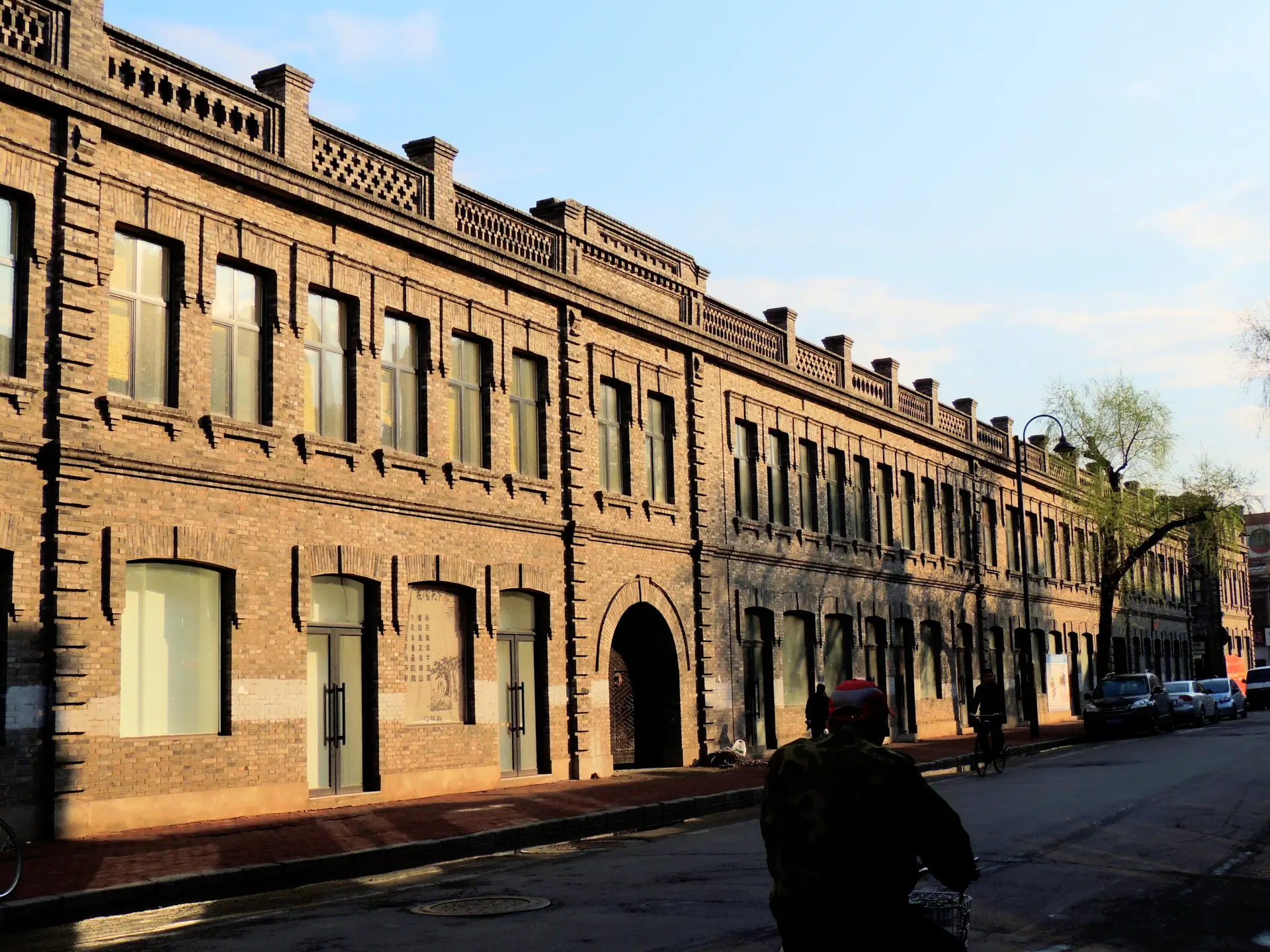
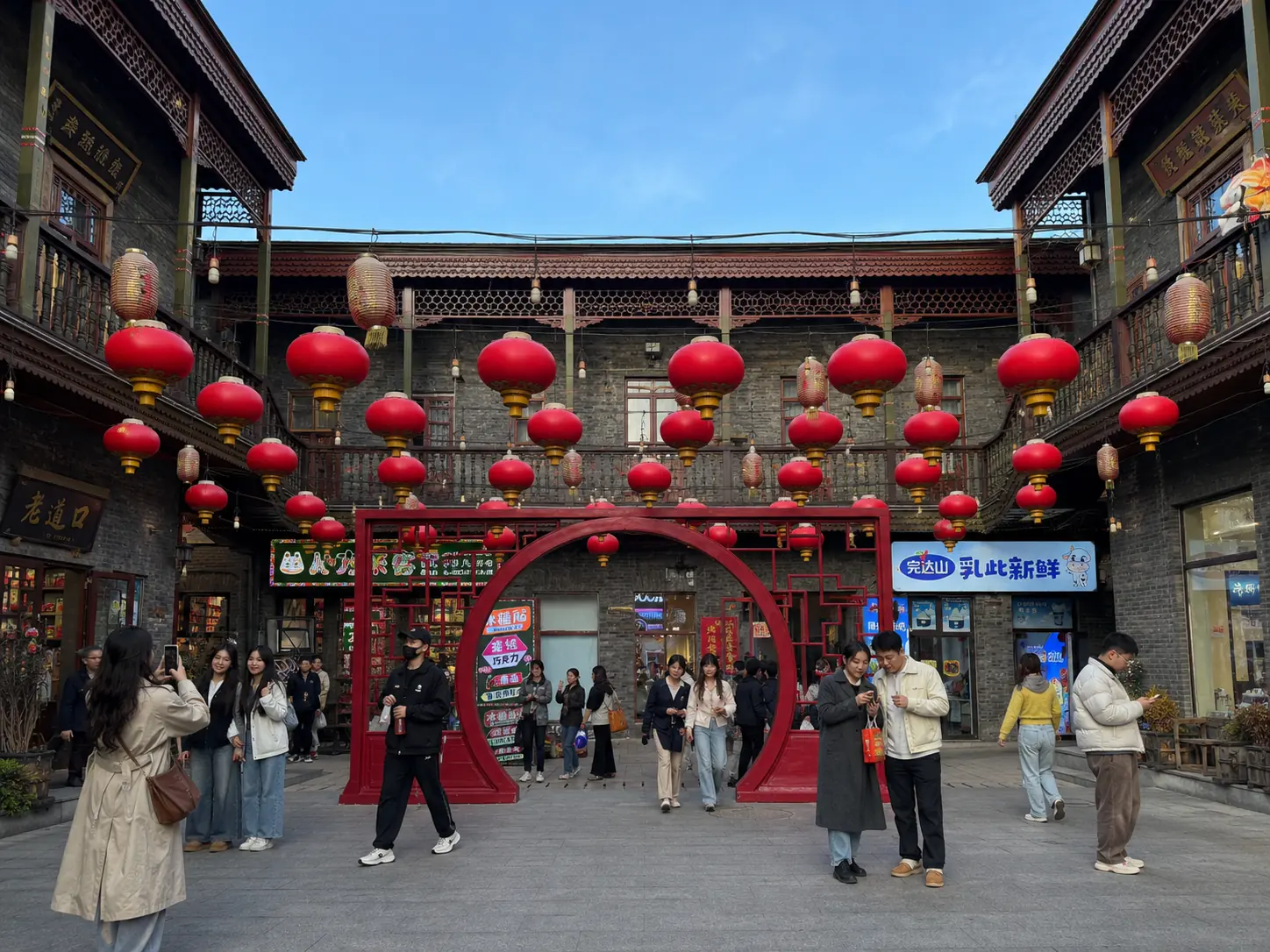
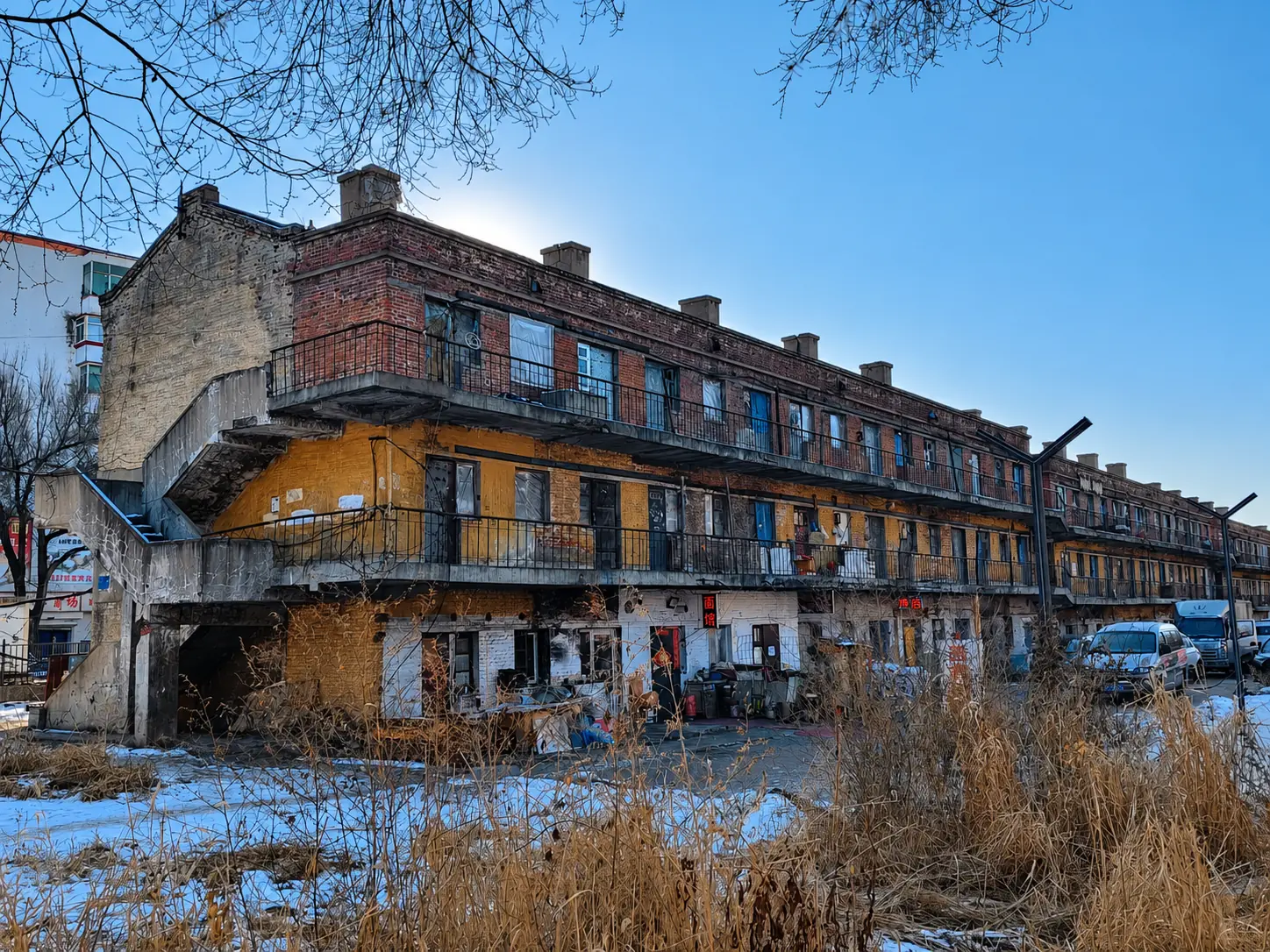
Old Daowai (老道外) shows another Harbin layer: Western Baroque facades with Chinese courtyard logic behind them. For a deeper route, use our Central Street and Daowai heritage walk.
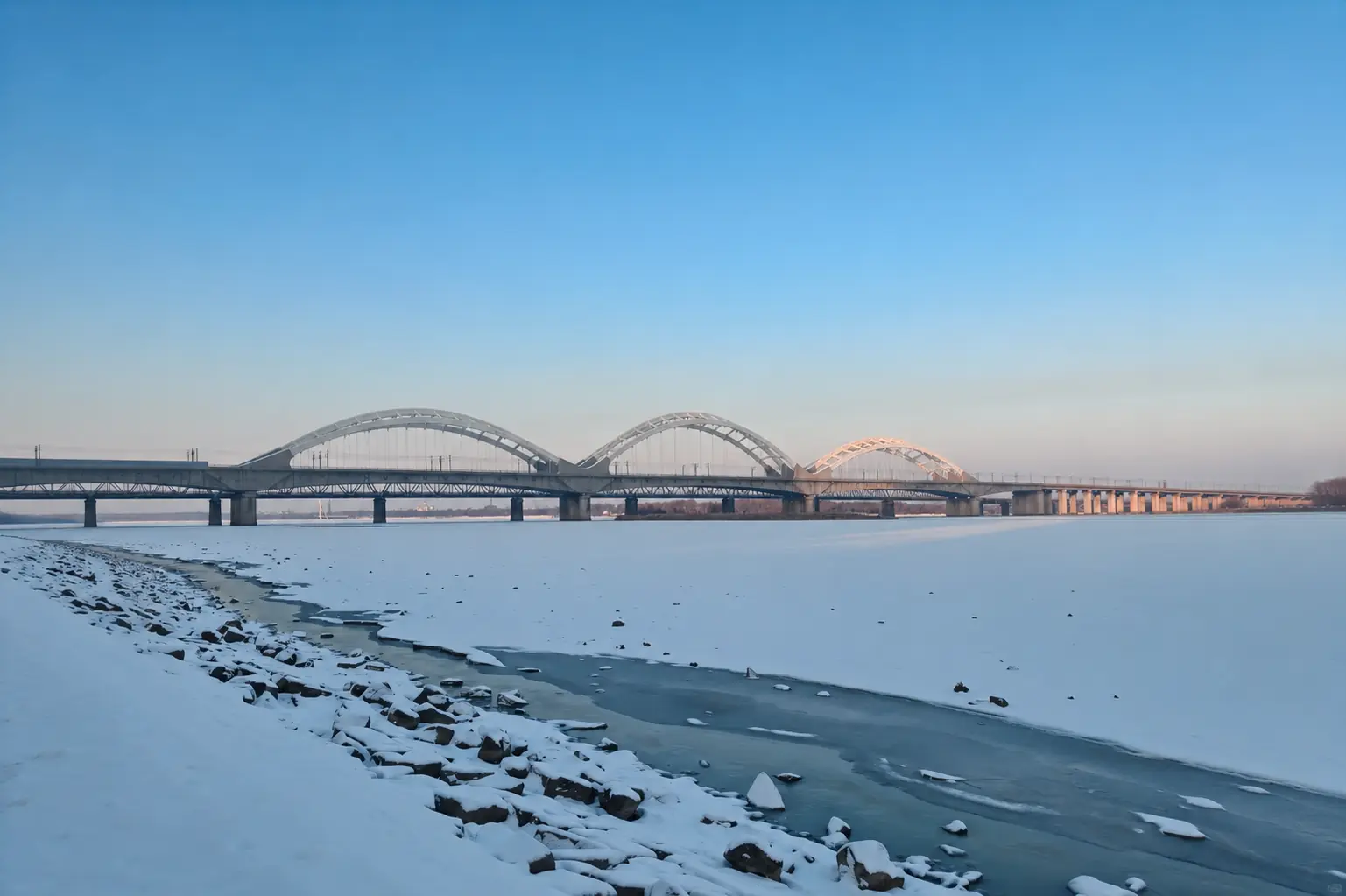
The Songhua River (松花江) gives Harbin scale. In winter, use only managed ice activity areas; in warmer seasons, the Flood Control Monument, Stalin Park, and railway bridge make an easy city walk.
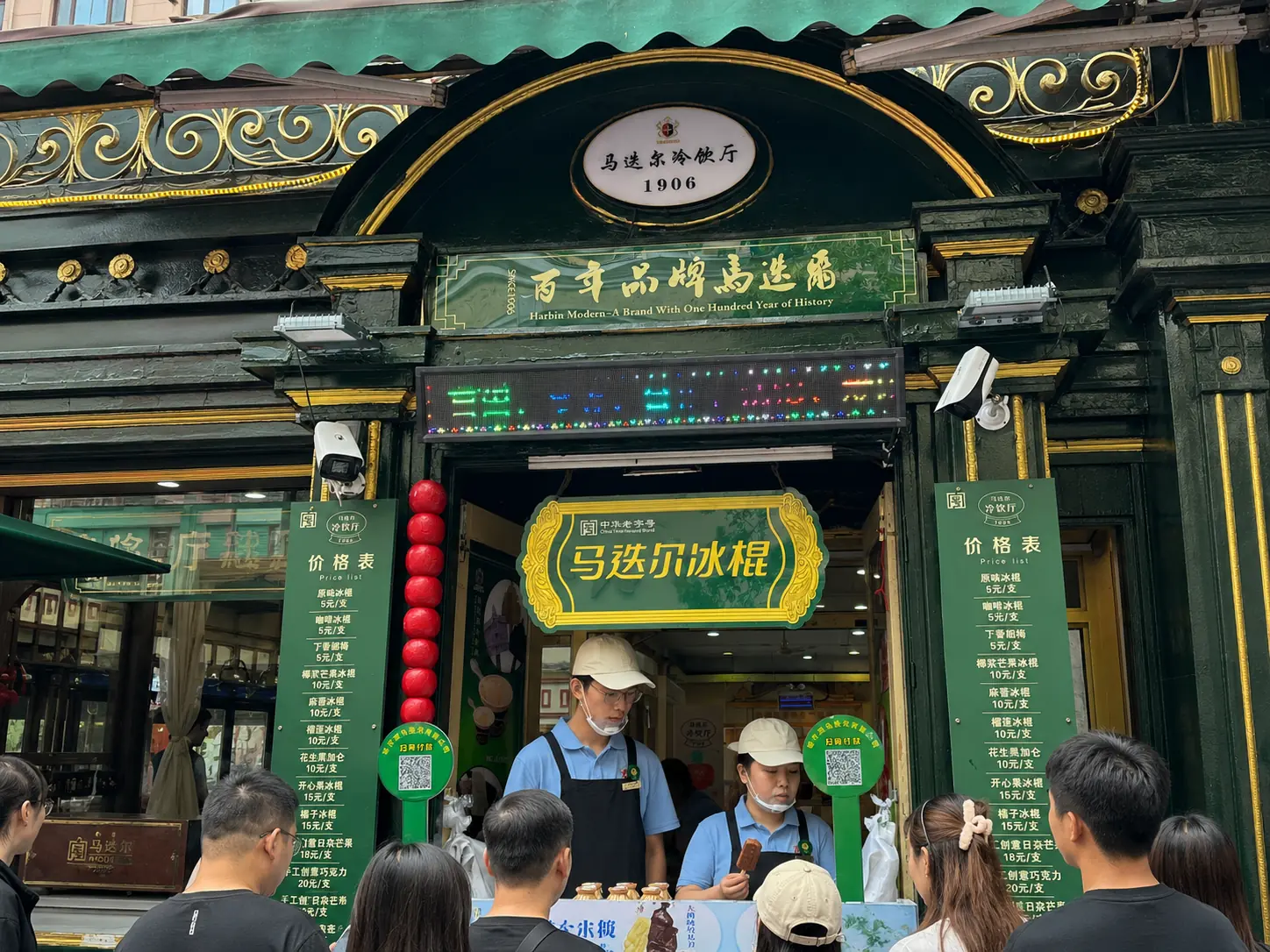
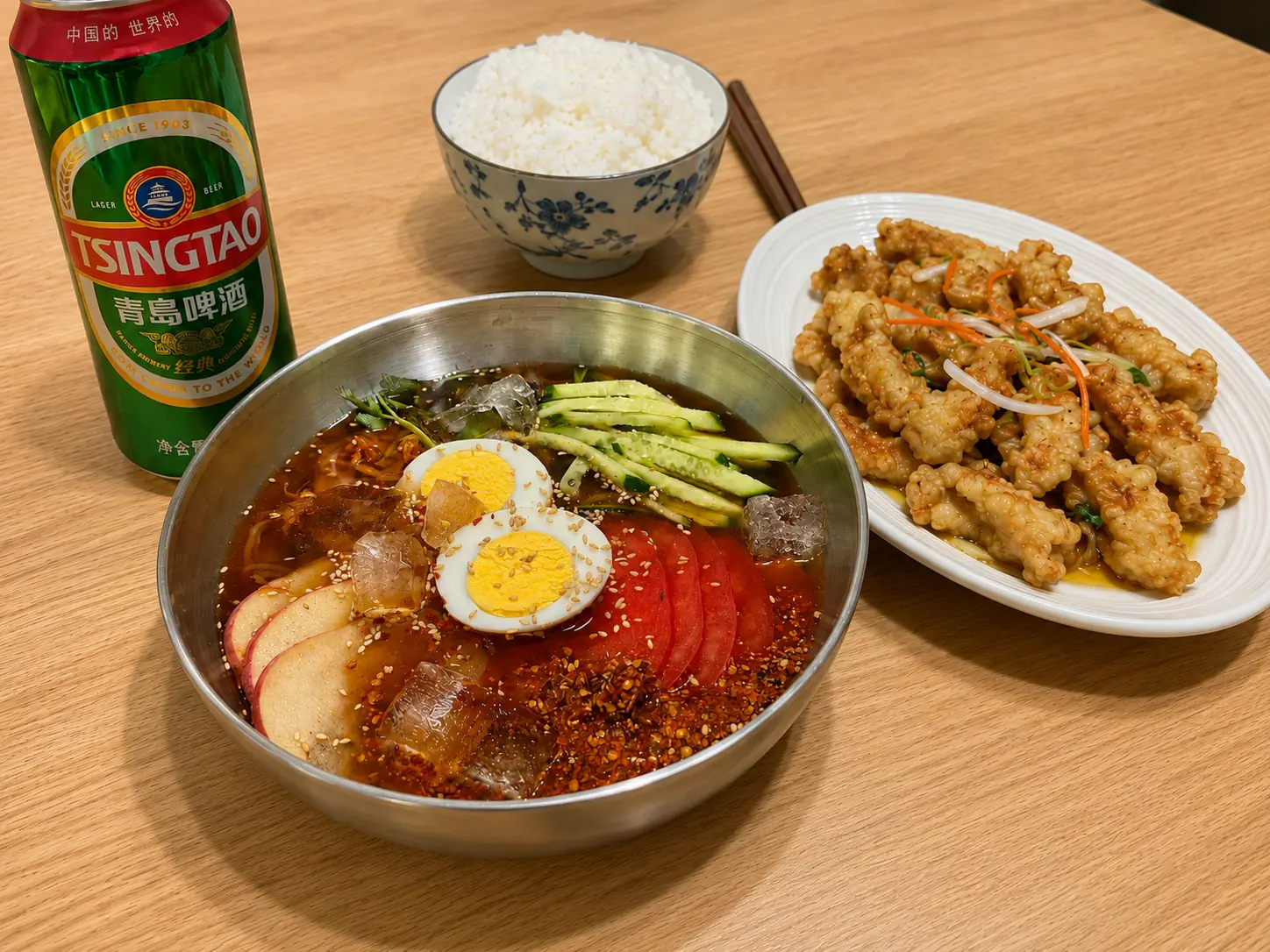
Red sausage (红肠), large Russian-style bread (大列巴), sweet-and-sour pork (锅包肉), Russian-style meals, stews, and barbecue make more sense in this climate. Start with our Harbin Food Guide and the sweet-and-sour pork guide.
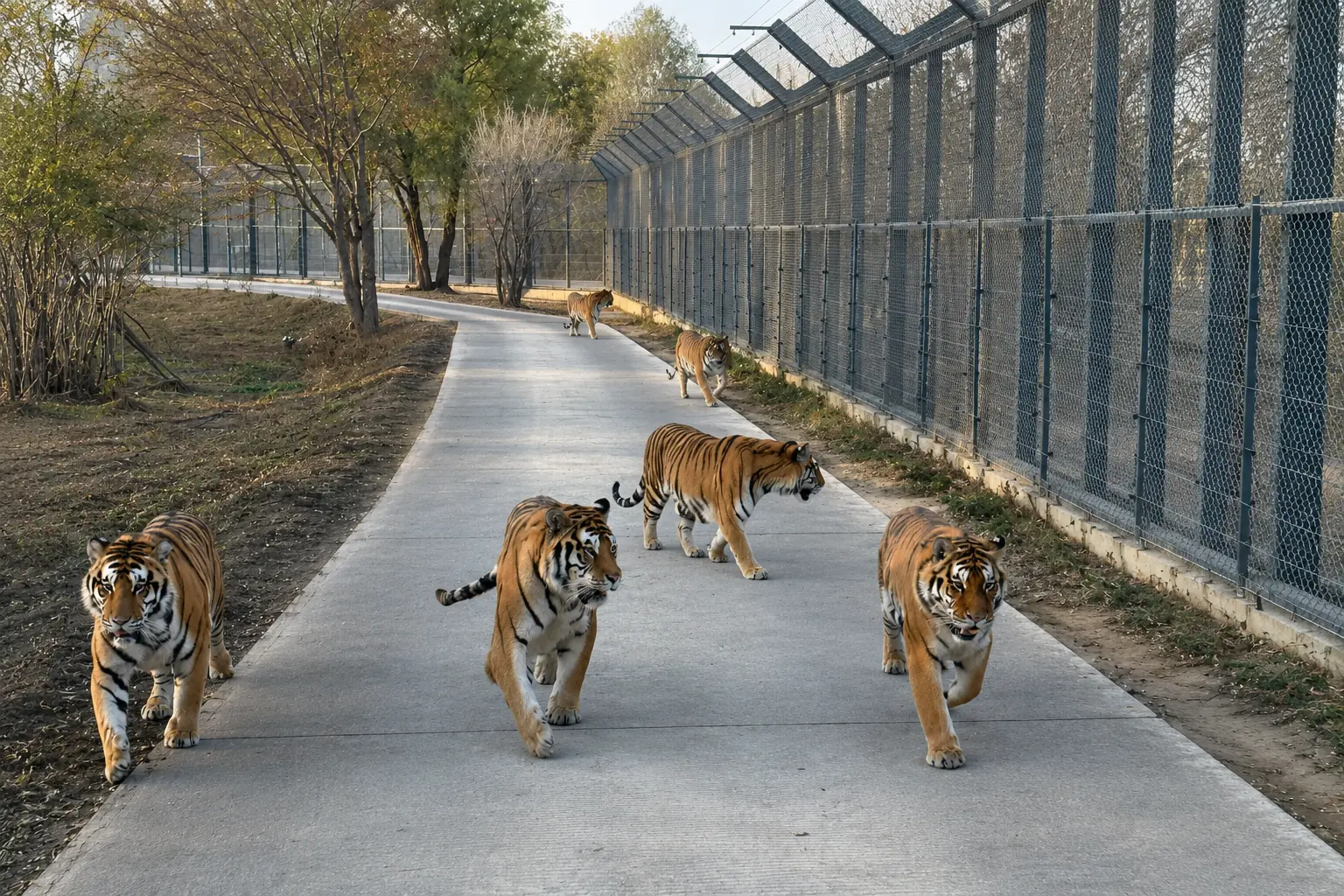
Siberian Tiger Park (东北虎林园) is a tiger breeding and viewing park, not a wild safari. Visit only if you are comfortable with captive-wildlife tourism, visitor vehicles, and possible feeding-style viewing.
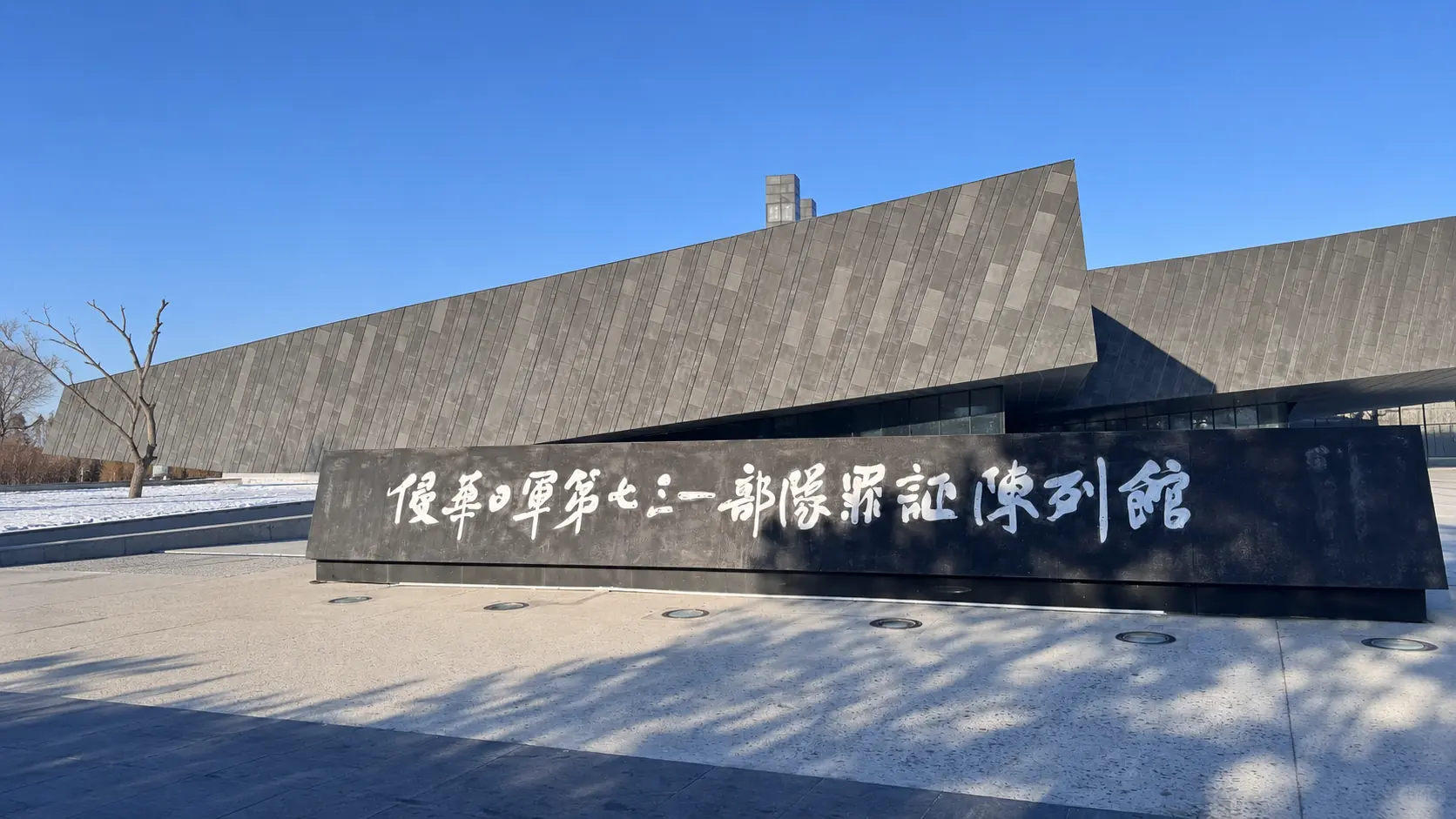
Unit 731 Museum (侵华日军第七三一部队罪证陈列馆) in Pingfang District is a serious war-crimes memorial and evidence exhibition. Give it a separate half day and do not frame it as entertainment.
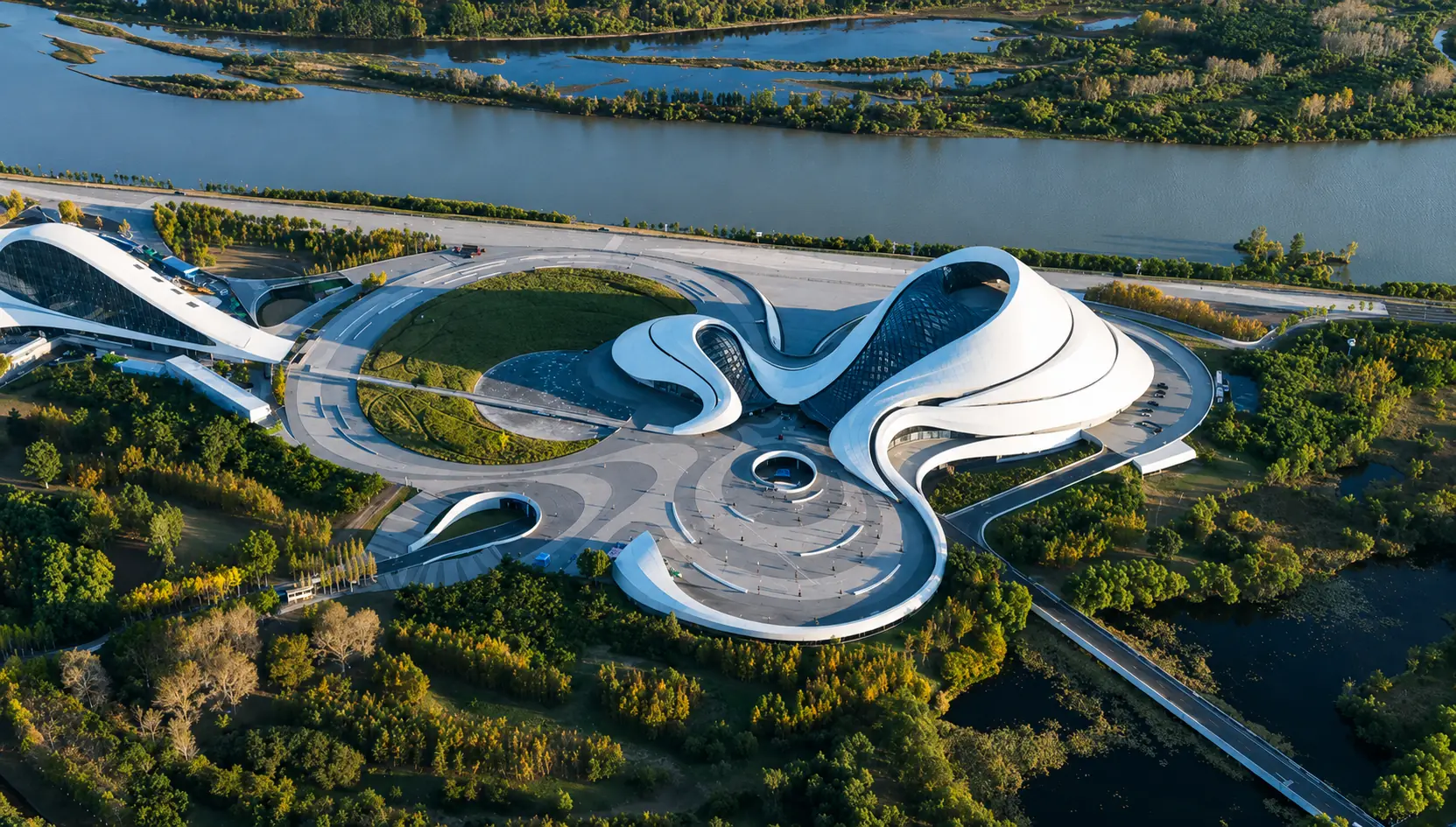
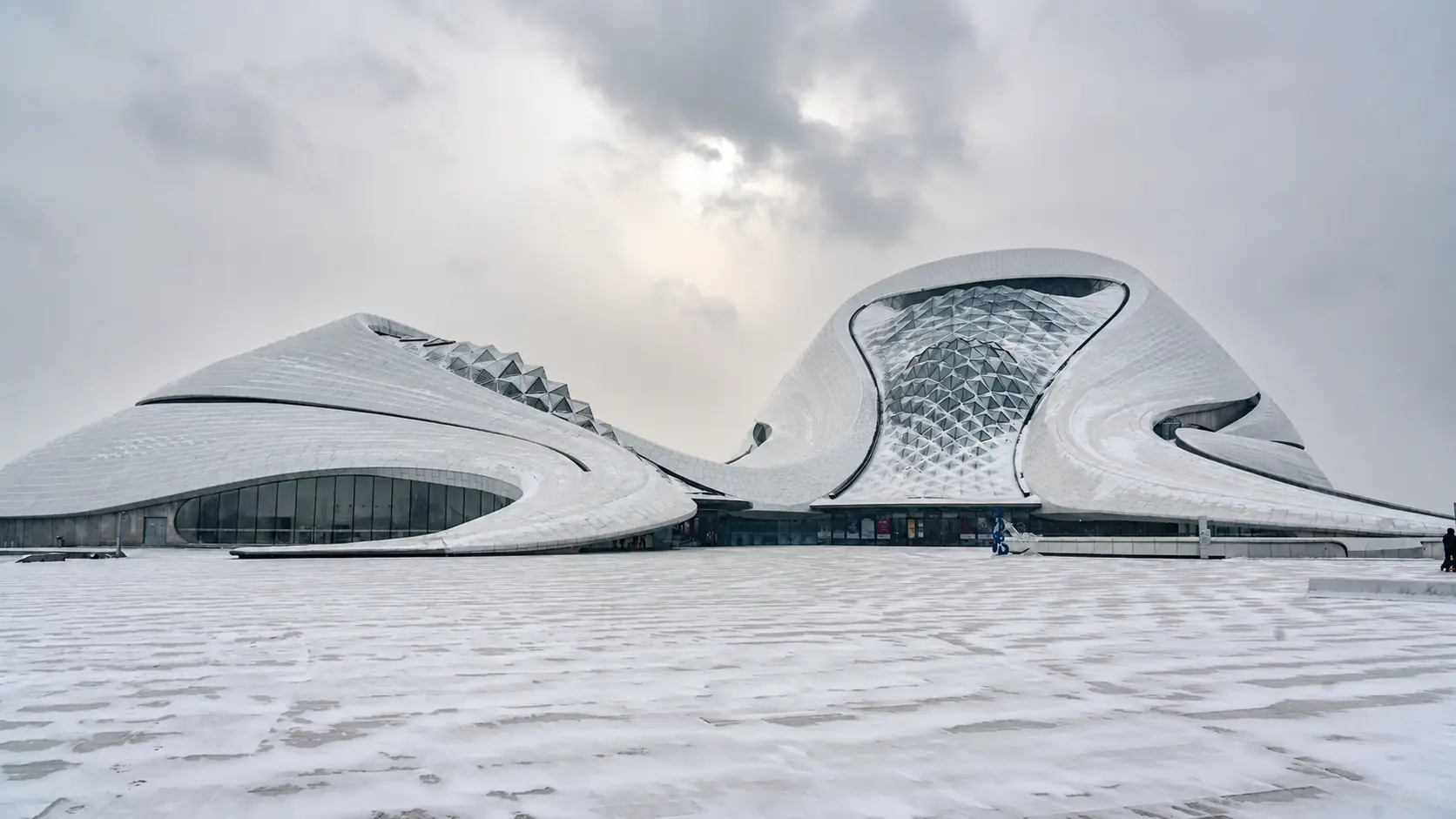
Harbin Grand Theatre (哈尔滨大剧院), often called Harbin Opera House in English architecture media, was designed by MAD Architects and opened in 2015. Go for architecture, performances, or a modern counterpoint to railway-era Harbin.
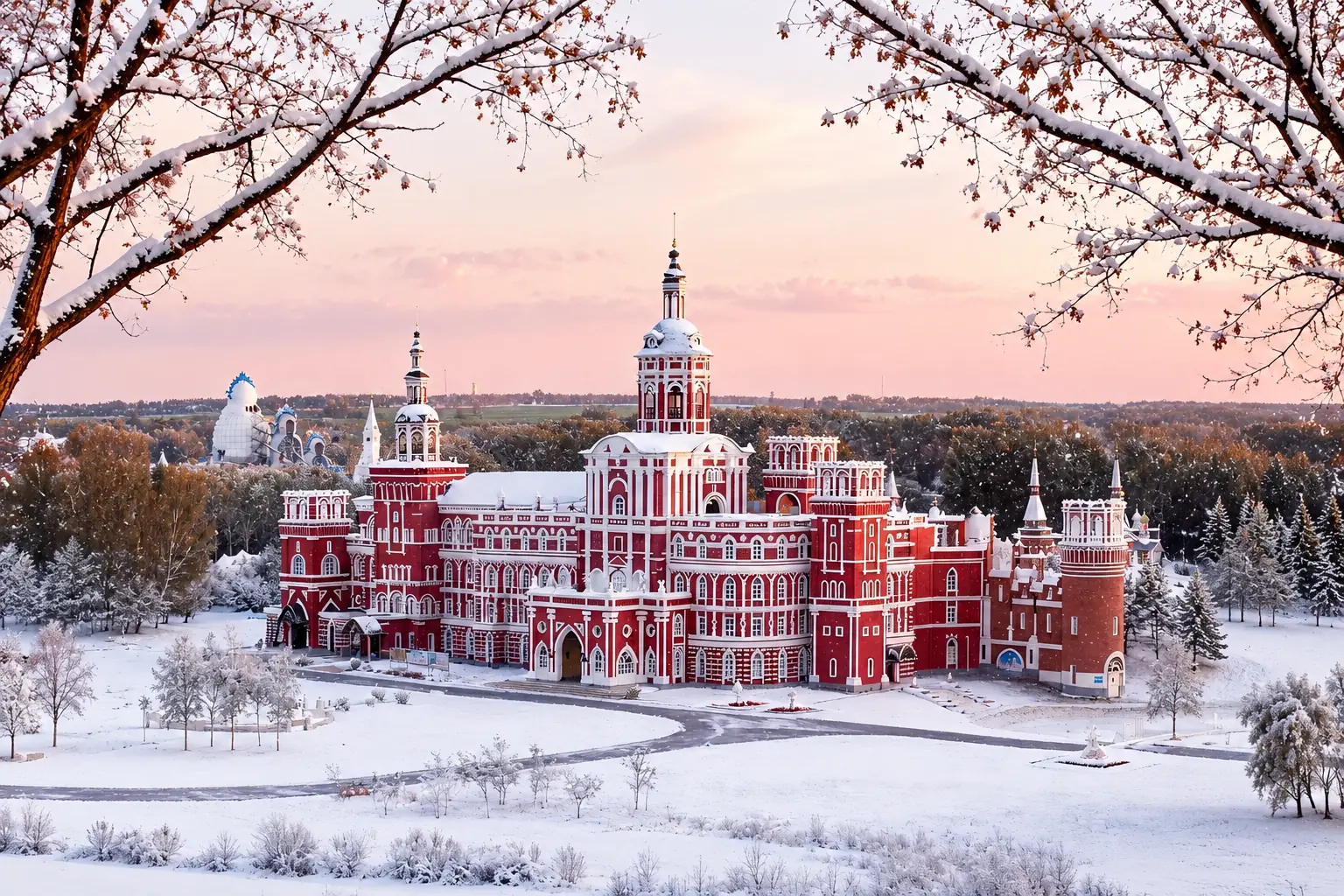
Volga Manor (伏尔加庄园) is a Russian culture-themed park outside the central city. It can be photogenic in snow, but it is better for an extra half day than for a short first stay.
What Kind of Harbin Trip Are You Building?
Do not choose Harbin sights only by fame. Choose them by the version of the city you want to feel. Ice and Snow World, Central Street, Old Daowai, Unit 731 Museum, the tiger park, and Volga Manor all count as "things to do in Harbin," but they serve very different trips.
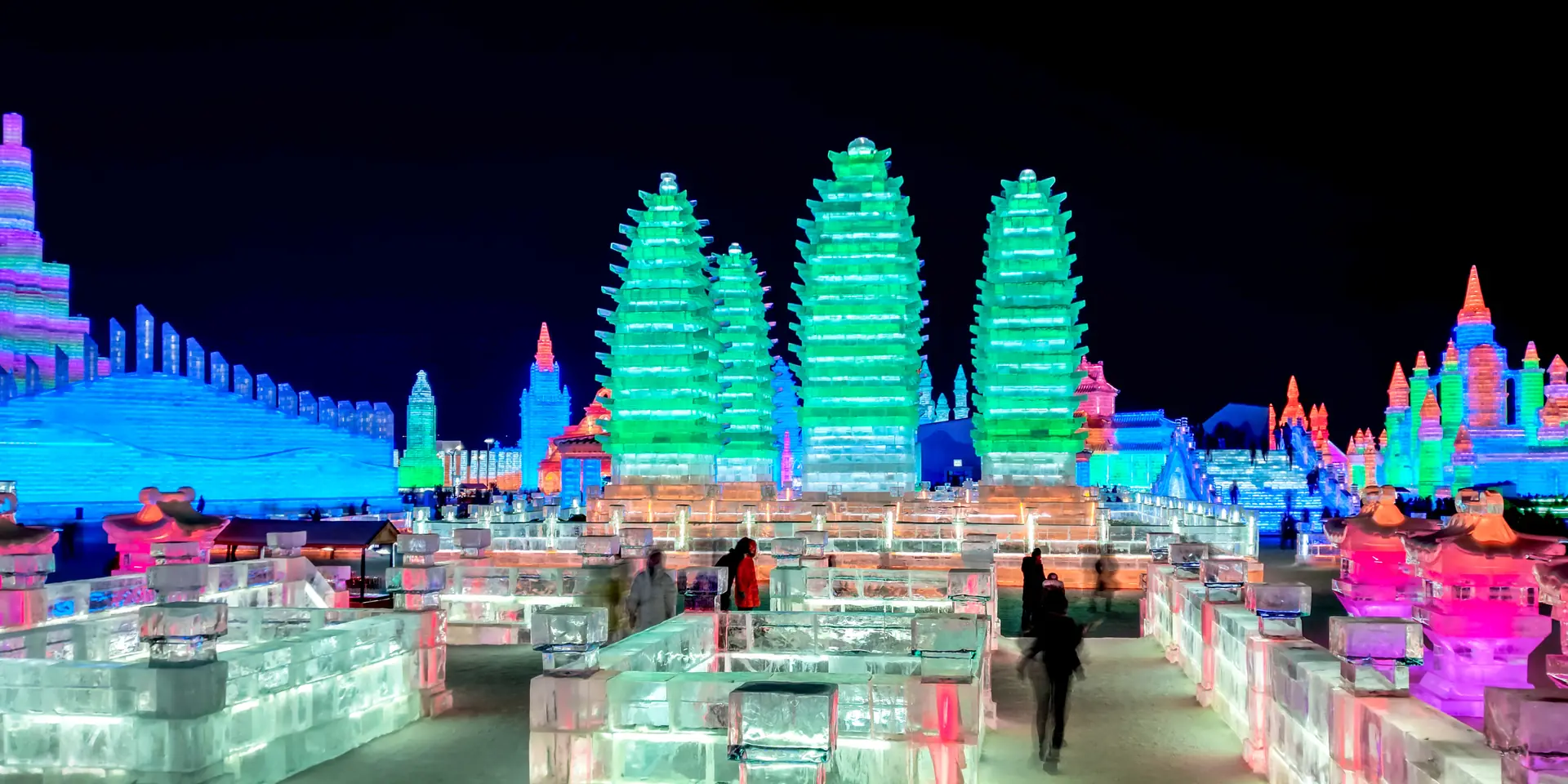
The Classic Winter Trip
Best for: first-timers who came for the Ice City image.
Prioritize Central Street, Saint Sophia, one daytime snow or ice stop, Ice and Snow World at night, and a proper Northeast Chinese dinner. This is the strongest 2-night version.
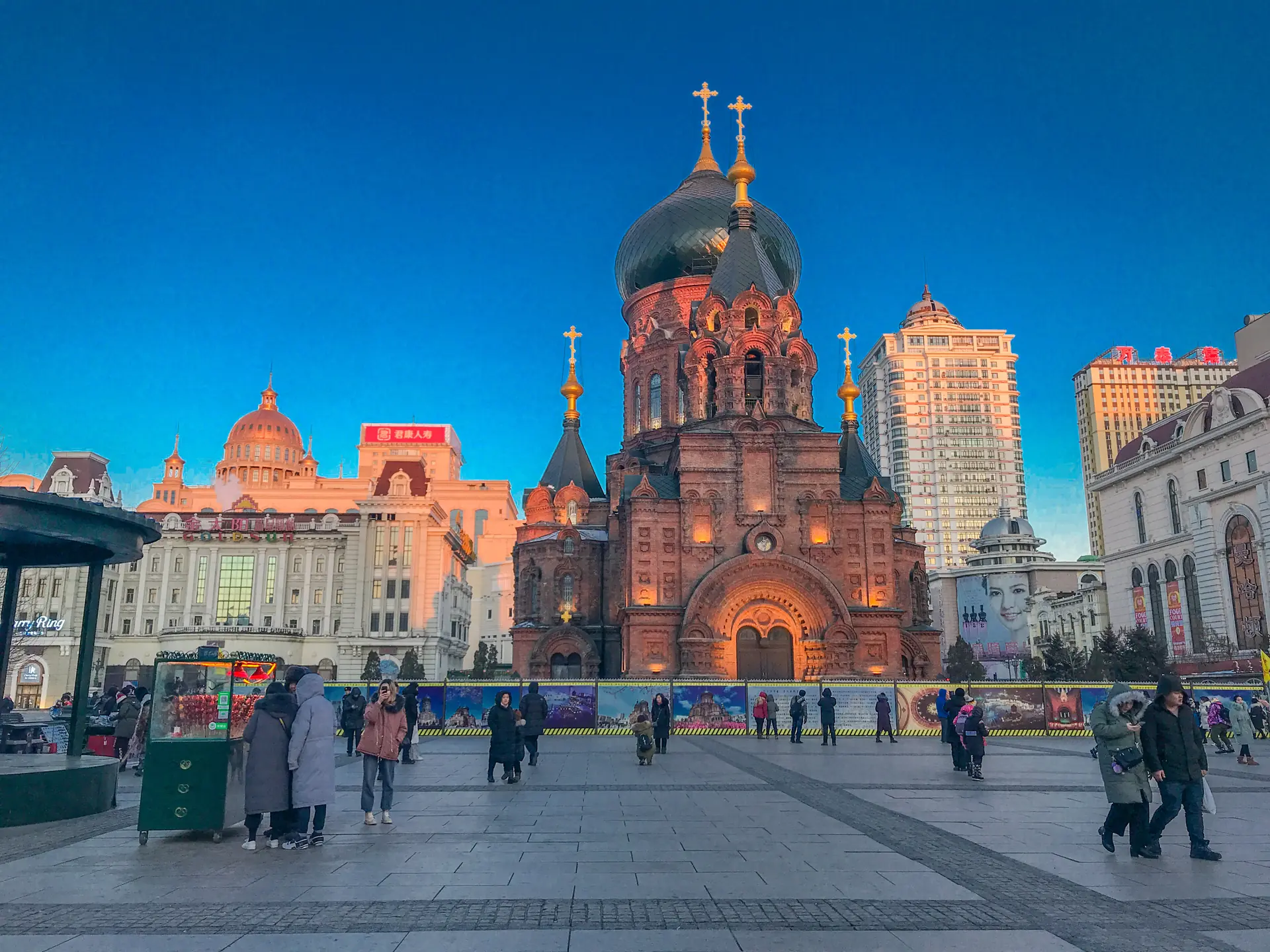
The Heritage City Trip
Best for: architecture, migration history, and city identity.
Give more room to Central Street, Saint Sophia, Jewish heritage, Old Daowai, the Songhua River, and Harbin Grand Theatre. This version works in winter, summer, or autumn.
The Food-First Trip
Best for: travelers who want winter comfort and old-city meals.
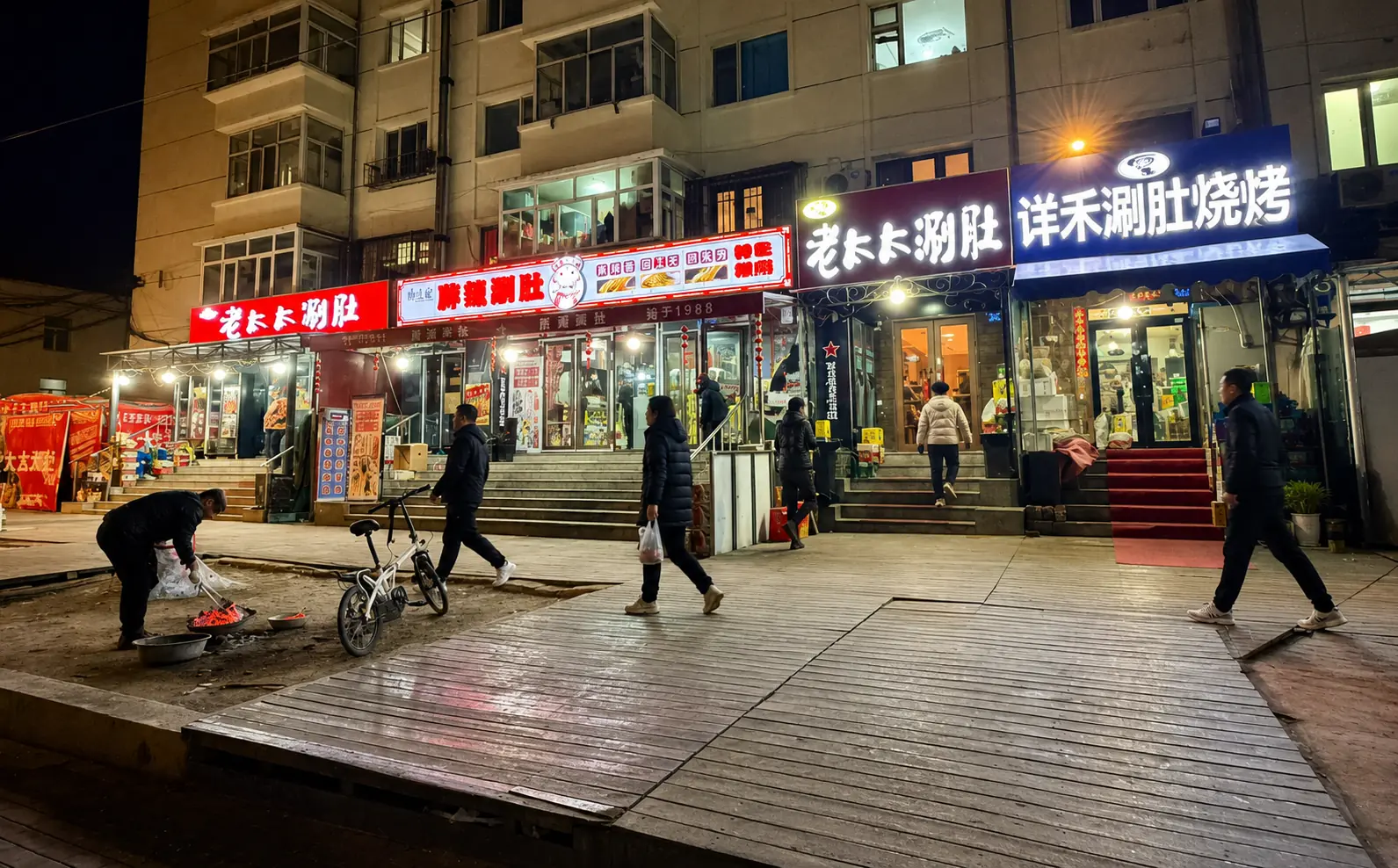
Use Central Street for quick tastes, then plan slower meals for sweet-and-sour pork, red sausage, bread, stews, barbecue, dumplings, and Old Daowai or local restaurant time.

The Family Snow Trip
Best for: families who want snow without an endurance test.
Keep outdoor blocks shorter: Sun Island or Zhaolin Park by day, a warm rest, then a selective Ice and Snow World evening instead of five straight frozen hours.
The Serious History Trip
Best for: travelers prepared for harder history.
Give Unit 731 Museum its own half day, then use another half day for the heritage walk. Keep the tone separate from light snow entertainment.
The Summer City Trip
Best for: travelers who do not want the deep freeze.
Skip ice expectations and focus on walking, riverfronts, architecture, food, cafes, music, and Harbin as a Northeast route stop.
Harbin Areas That Shape Your Days
Before you build each day, get the city clusters clear. Harbin's winter attractions can look close on a map, but cold-weather movement, queues, and warm-up stops change how each area behaves.
Daoli City Core
Includes: Central Street, Saint Sophia, Flood Control Monument, riverfront walks, snacks, and many first-trip hotels.
Use this for: your first city day and easiest winter base. Watch out: Central Street is not the whole city.
Sun Island and Songbei
Includes: Ice and Snow World, Sun Island Snow Expo, winter river crossings when officially operating, and some newer city spaces.
Use this for: the snow-and-ice day. Watch out: do not arrive cold and hungry before your main evening park visit.
Old Daowai
Includes: Chinese Baroque streets, old commercial lanes, food stops, and a more local street rhythm.
Use this for: the strongest finish after Central Street and Saint Sophia. Watch out: restoration levels vary by block.
Pingfang
Includes: Unit 731 Museum and related memorial context.
Use this for: a dedicated, serious history half day. Watch out: it is emotionally and geographically separate from the ice-festival mood.
Northeast Side Trips
Includes: Siberian Tiger Park, Volga Manor, and other car-dependent or tour-dependent extras.
Use this for: a third day or longer stay. Watch out: do not let optional extras steal the core city day.
Modern Culture Edge
Includes: Harbin Grand Theatre, performance venues, newer riverfront architecture, and summer music layers.
Use this for: architecture lovers or warm-season trips. Watch out: check performance and access details before crossing the river.
How to Pace Harbin's Big Days
Once you know what your trip can hold, think less about equal sightseeing days and more about day weight. Harbin works best when the heavy cold-weather anchors have space and lighter streets or meals keep the trip human.
Heavy Anchor Days
Use for: Ice and Snow World, Unit 731 Museum, Volga Manor, or a farther wildlife/side-trip day.
Give these real space. They involve cold, distance, transport, queues, emotional weight, or all of the above.
Medium City Days
Use for: Central Street, Saint Sophia, Jewish heritage, Old Daowai, and the Songhua River.
These can pair well with snacks, warm drinks, short taxi hops, and one proper meal. In winter, break the walking into smaller blocks.

Light Warm Layers
Use for: red sausage stops, Madier ice cream, Russian-style meals, cafes, dumplings, barbecue, and indoor rests.
Use food and warmth as part of the route design, not as afterthoughts squeezed in once everyone is already frozen.
This is the step between a list and a usable itinerary: choose the big anchors first, then use lighter food, streets, and warm interiors to balance the day.
How to Handle Harbin Winter Cold
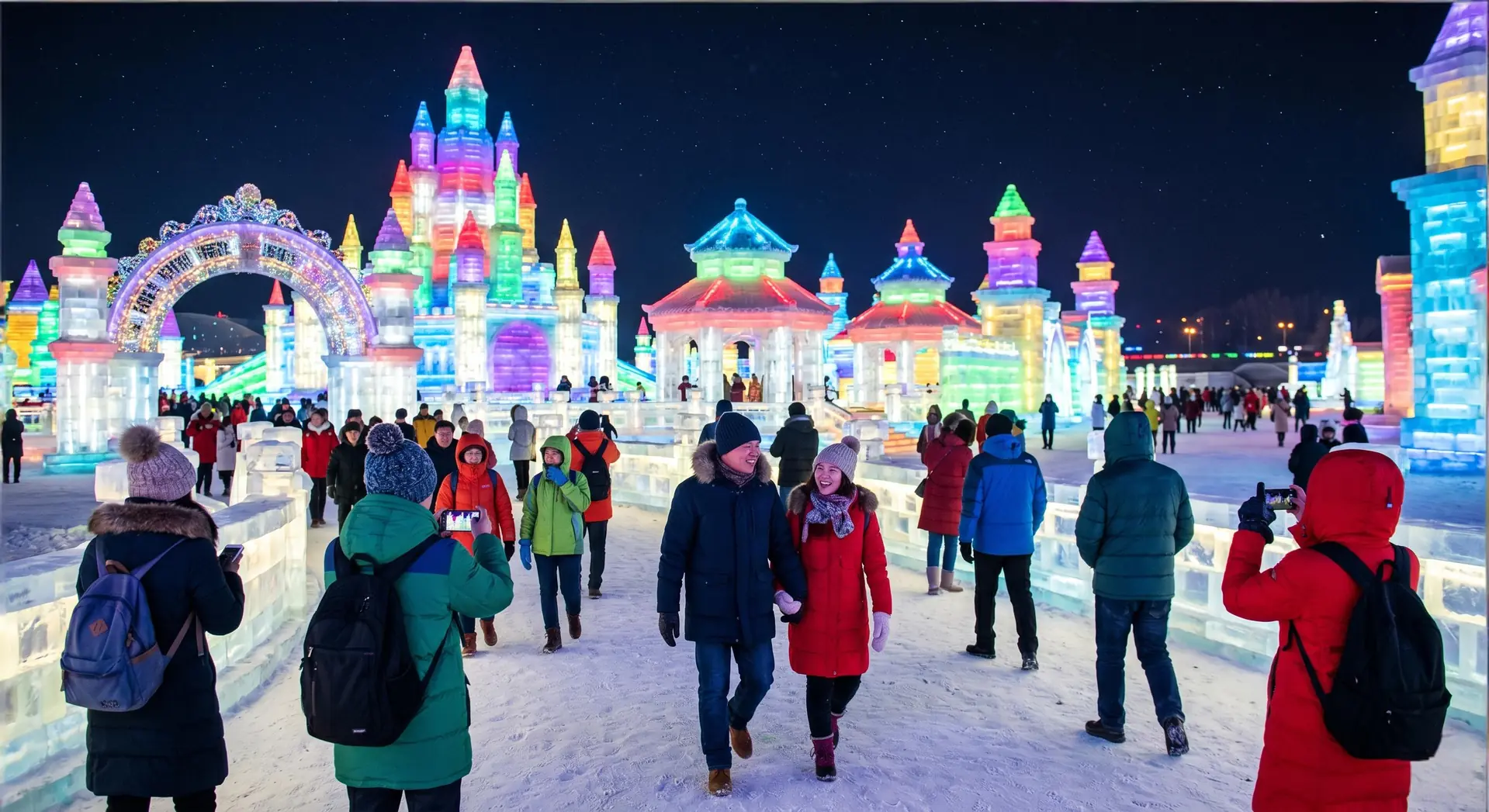
The main Harbin problem is not whether the sights are worth it. It is whether you respect the cold enough to enjoy them.
Dress for a -20C Night, Not a City Walk
Heilongjiang tourism's 2025-26 Zhaolin Park notice warned that Harbin's nighttime perceived temperature can drop below -20C and recommended a hat, gloves, scarf, thick down coat, snow boots, and warm packs. For foreign travelers, translate that into practical planning: do not dress for a mild Christmas market, a Beijing winter day, or a quick walk from a taxi.
Wear real insulated footwear with grip. Keep your phone and power bank close to your body. Build indoor warm-up points into each day: cafes, restaurants, shopping malls, hotels, museums, metro stations, or theater lobbies. On the Ice and Snow World day, avoid spending the entire daytime outdoors before your main evening visit.
Taxis and ride-hailing are often worth it in winter, especially for two or three people. Saving a short fare is not a win if it drains the energy you need for the night.
Common First-Trip Mistakes to Avoid in Harbin
- Do not put Ice and Snow World after a full outdoor day with no hotel rest.
- Do not treat Central Street as the whole Harbin story; add Saint Sophia, the river, or Old Daowai.
- Do not frame Unit 731 Museum as a casual attraction between snow activities.
- Do not assume every winter date has the same ice-event status; each season opens and closes differently.
- Do not use tiger-park marketing as a substitute for thinking about captive-wildlife ethics.
What to Save for a Later Trip
A strong first Harbin trip needs editing. The goal is not to touch every famous name, but to leave with a clear memory of ice, railway-era streets, riverfront space, Northeast food, and one deeper city layer.
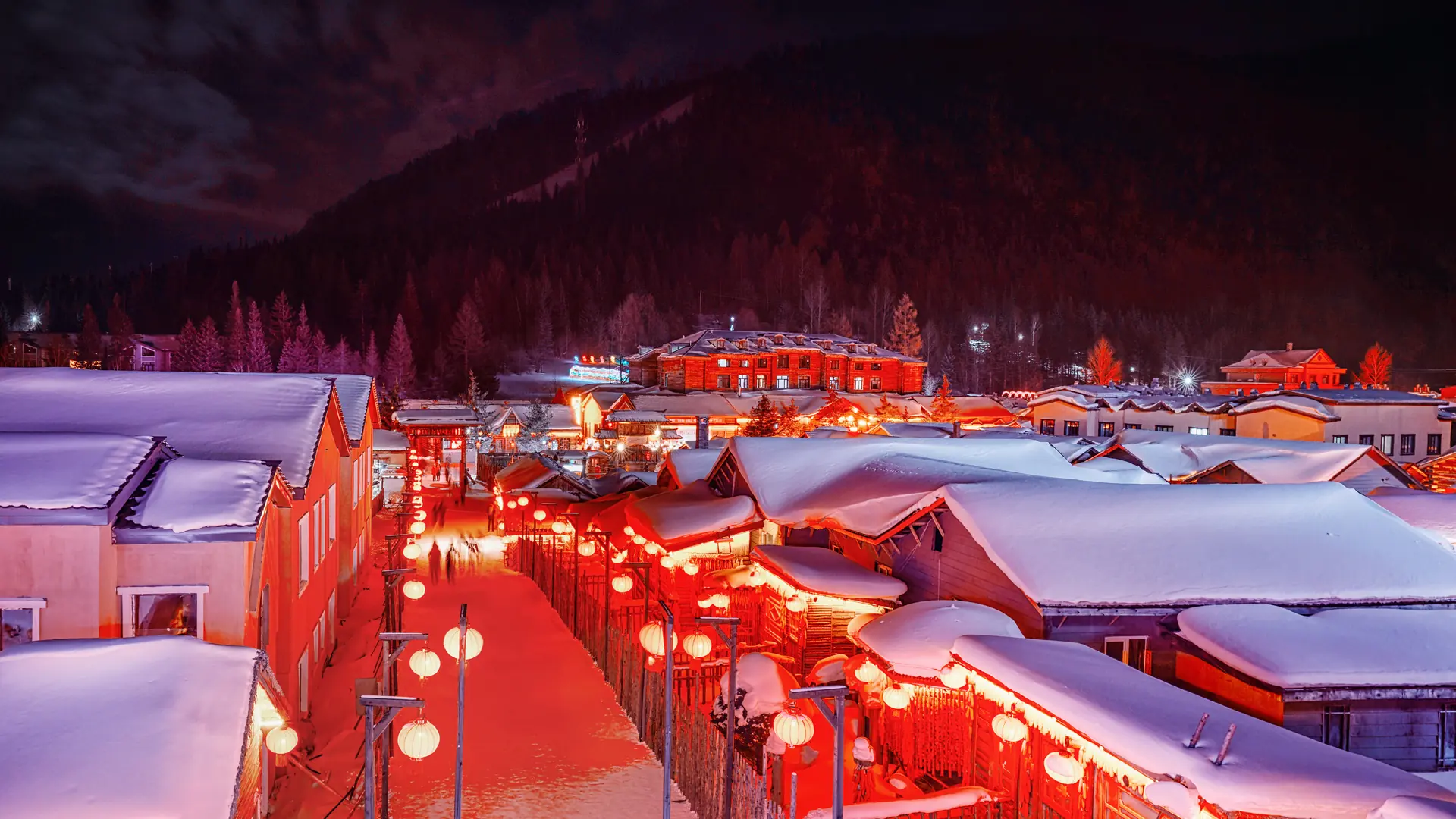
China Snow Town
Save for later unless: you are building a separate Northeast winter extension.
It is not a casual Harbin day trip. Distance, roads, accommodation, weather, and crowd levels make it a different planning problem.
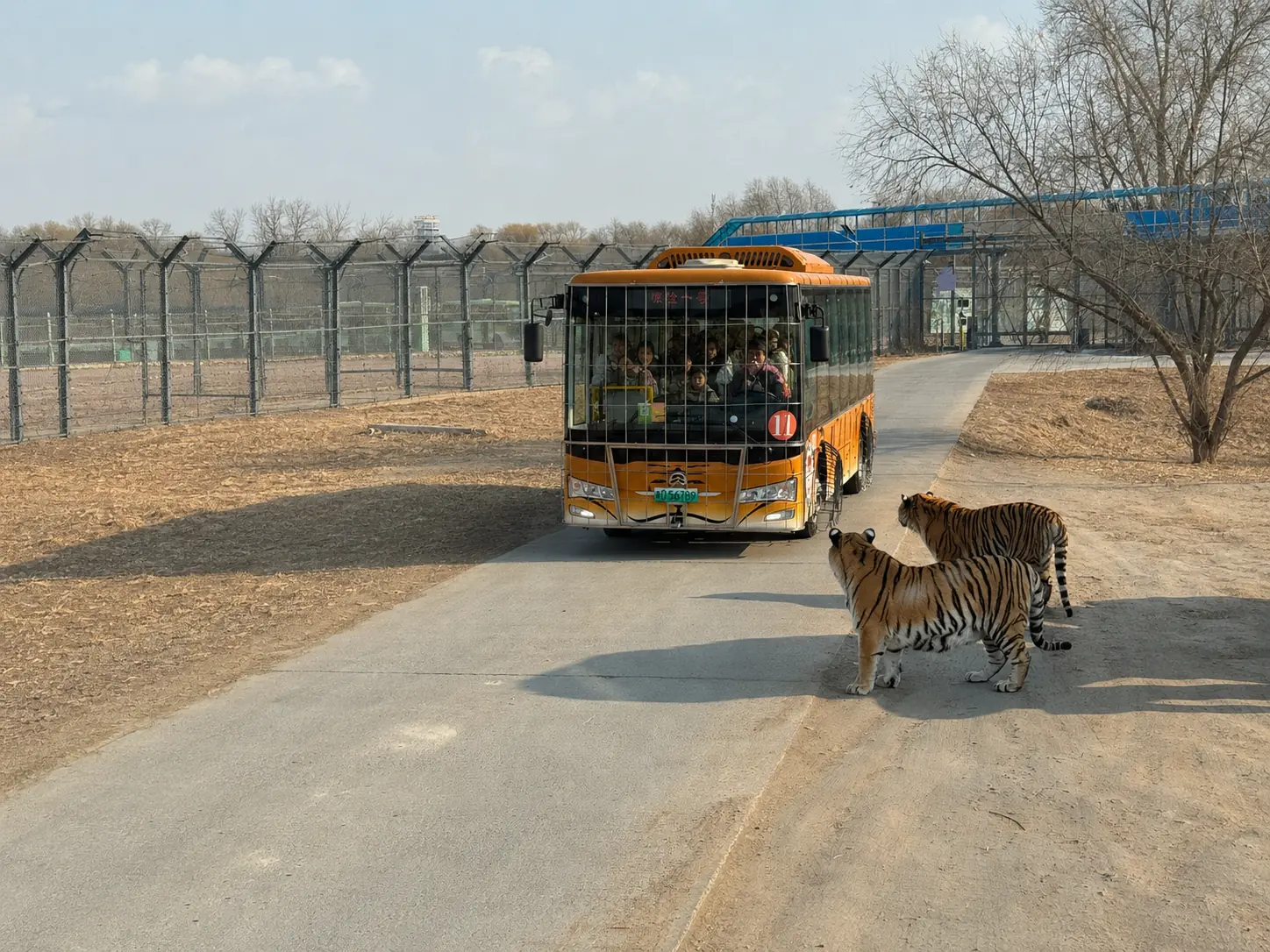
Siberian Tiger Park
Save for later unless: your group actively wants this wildlife-viewing format.
If captive wildlife tourism makes you uncomfortable, skip it without guilt. Harbin still works without it.
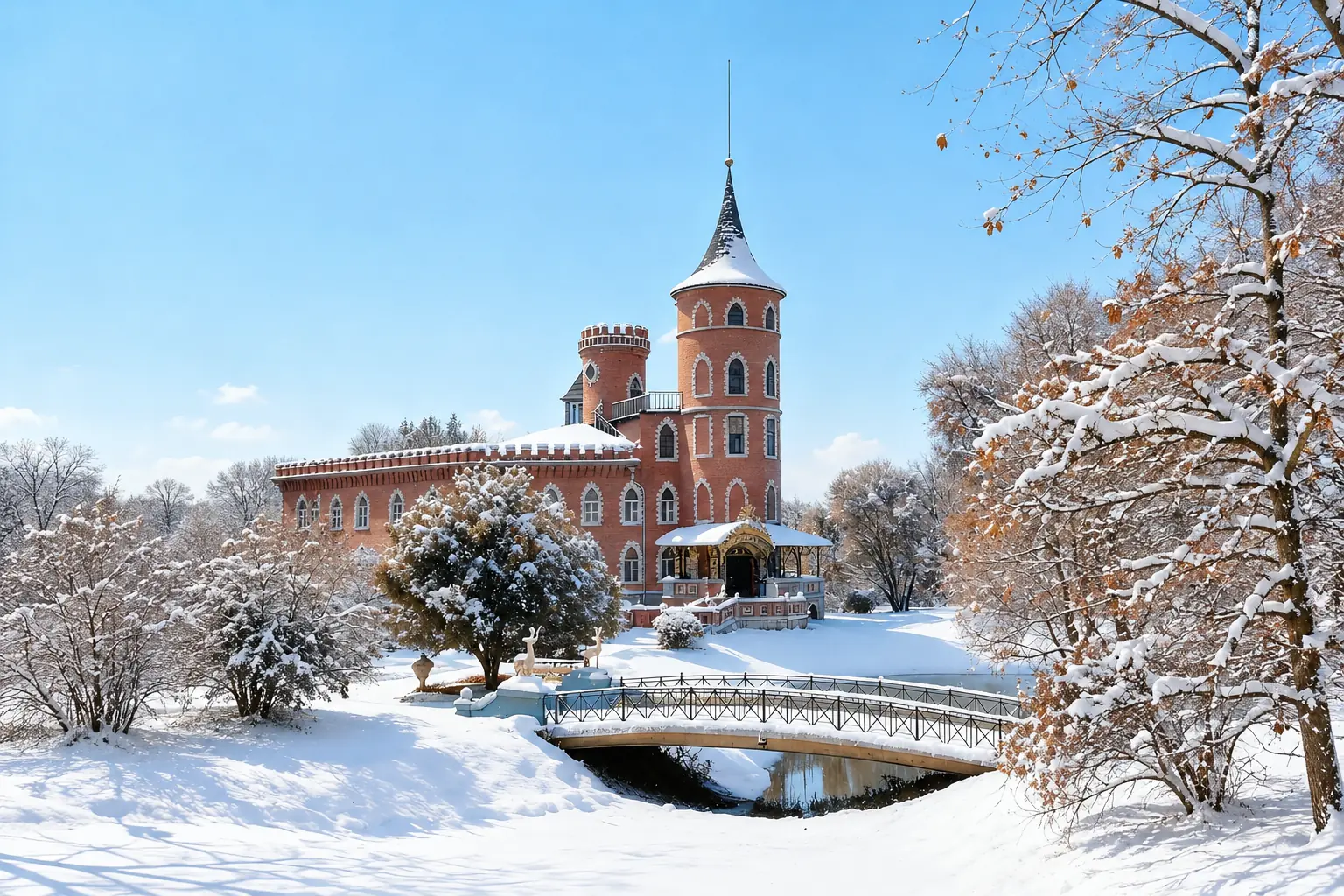
Volga Manor
Save for later unless: you have extra half-day space or want themed snow photos.
It can be photogenic, but it should not replace Central Street, Saint Sophia, Old Daowai, the Songhua River, or the winter ice core on a short trip.
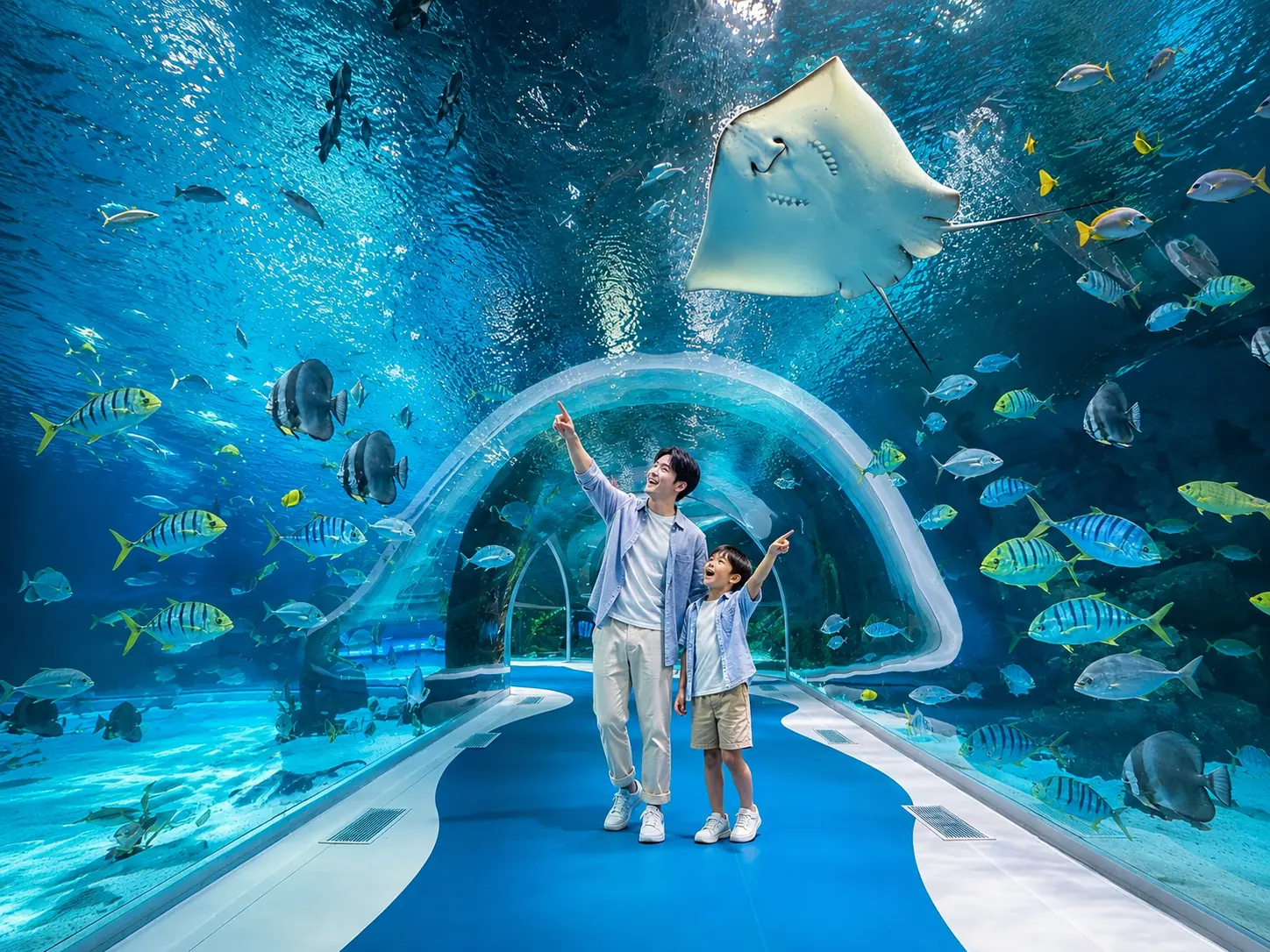
Polar-Animal Venues
Save for later unless: you are traveling with children or need a weather backup.
They can be useful, but they do not explain why Harbin feels different. Use them as optional family extras.
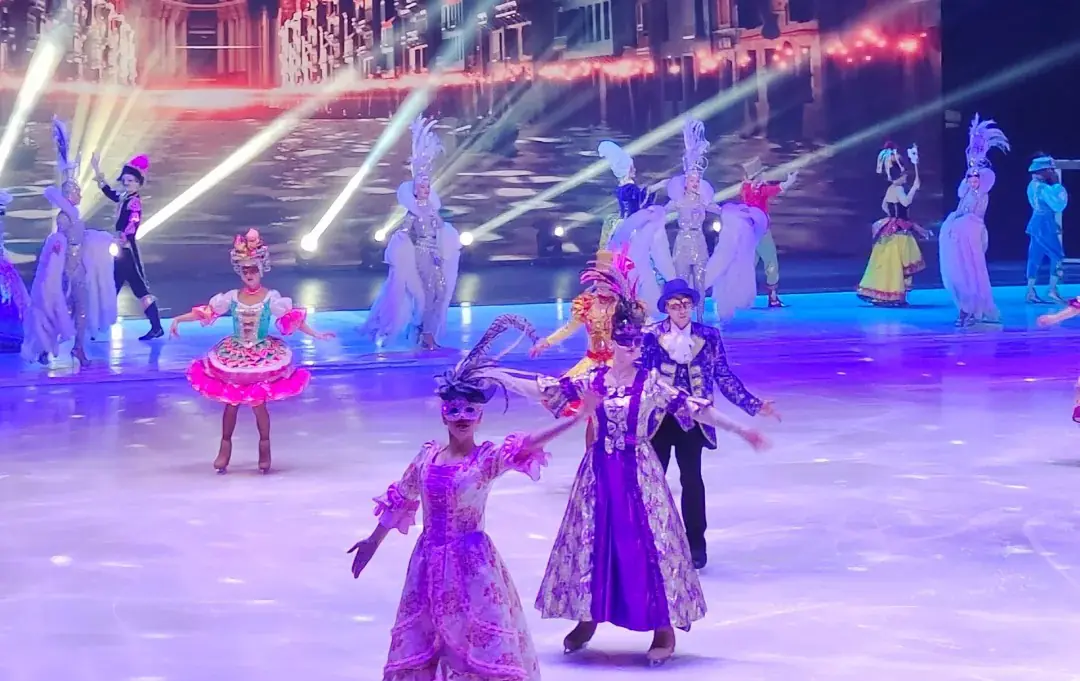
A Second Ice-Park Night
Save for later unless: ice performances and photography are the point of the trip.
Most first-timers get the strongest memory from one well-planned Ice and Snow World evening, not repeated cold nights.
Too Many Food Streets
Save for later unless: food is your primary reason to visit.
Choose one strong Central Street snack pass, one sit-down Northeast meal, and maybe one night market or barbecue layer instead of grazing all day.
Where to Stay for These Sights
Think less about abstract neighborhood names and more about what kind of winter base you need. Harbin's best hotel area for first-timers is usually the one that reduces cold-weather friction.
For the Easiest First Trip
Best base: Central Street / Daoli.
Choose this if your first priorities are Central Street, Saint Sophia, the Flood Control Monument, riverfront walks, easy food, and simple pickup points for winter activities. It is the safest default for first-timers.
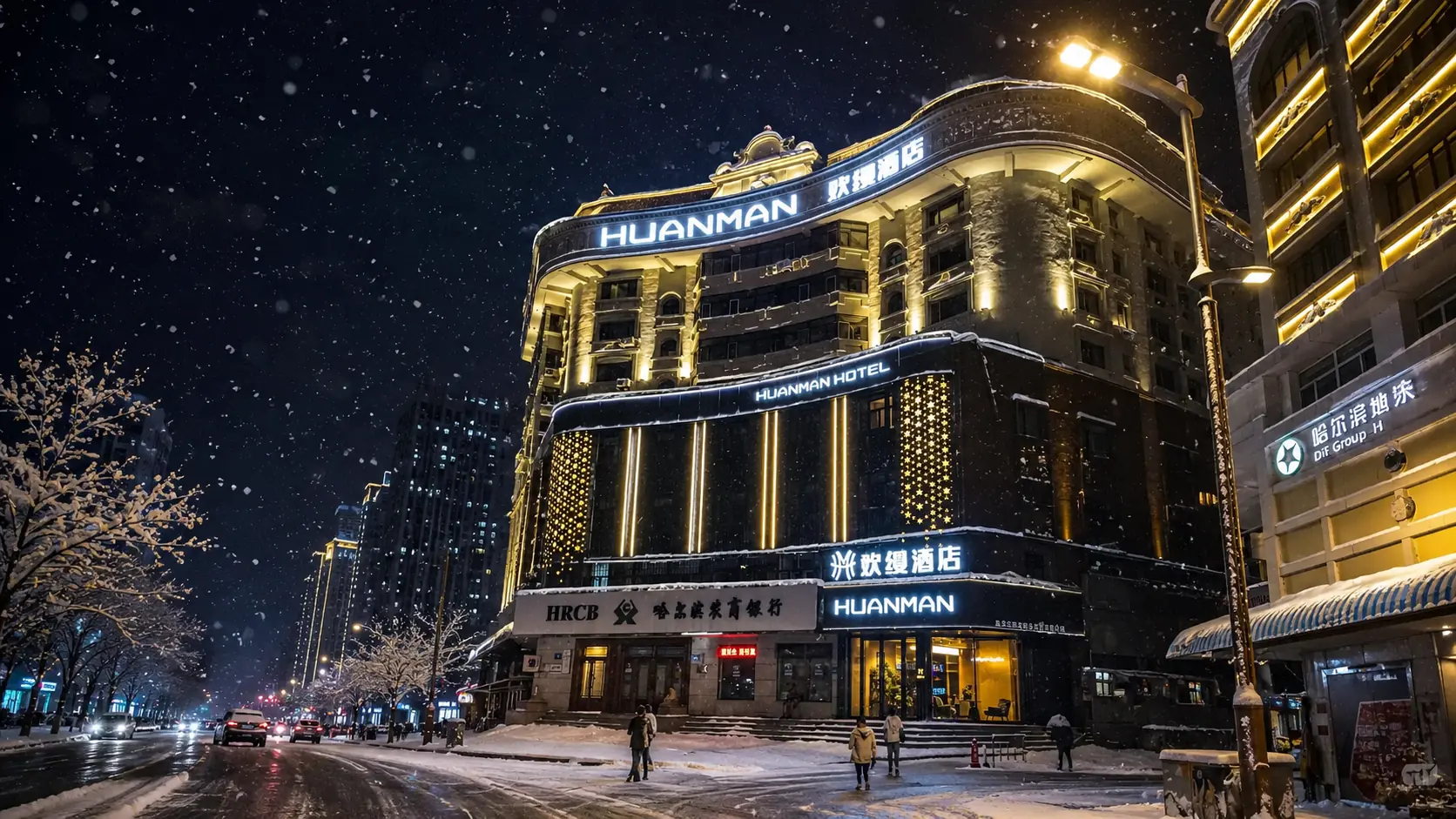
For Quieter City Comfort
Best base: a subway-connected hotel in Daoli or Nangang.
Choose this if you want newer hotels, easier transfers, and less pedestrian-street crowding. Make sure taxis and winter pickup points remain straightforward.

For Ice-Park Access
Best base: Songbei only when the itinerary is ice-park or family-resort focused.
Choose this only if you understand the tradeoff: easier access to some winter venues, but less old-city atmosphere and more rides for Central Street, Saint Sophia, and Daowai.

For Side Trips
Best base: stay central, then use car transfers or arranged day plans.
Do not move hotels just for Unit 731, Siberian Tiger Park, Volga Manor, or one-off attractions. A central base plus planned transport usually works better.
Use this as the quick default if you are choosing blind:
- Best base
- Central Street / Daoli
- Best base
- Subway-connected Daoli or Nangang
- Best base
- Songbei, only if the tradeoff is clear
- Best base
- Stay central and arrange transport
Frequently Asked Questions About Harbin
For a first winter trip, plan 2-3 days. Two days cover the city core and the snow-and-ice core. Three days let you add Unit 731 Museum, Siberian Tiger Park, Volga Manor, Harbin Grand Theatre, or a slower food and heritage day.
Sources checked for this guide
- Global Times: 27th Harbin Ice and Snow World opening date, 2025-26 area, and ice-snow volume
- People’s Daily Online: 42nd Harbin Ice and Snow Festival opening on January 5, 2026
- Heilongjiang Culture and Tourism Department: 38th Sun Island Snow Expo activities and winter operating rhythm
- Heilongjiang Culture and Tourism Department: 52nd Zhaolin Park Ice Lantern Art Garden opening, free entry, and winter-cold reminder
- Guinness World Records: Central Street 1,210m pedestrian section and 1,450m full length
- China Daily: Central Avenue history, 1898 origin, and European architecture context
- China Daily: Saint Sophia Cathedral 1907 origin, height, Byzantine style, and protected-heritage status
- China Daily / Xinhua: Daowai Chinese Baroque buildings and courtyard/exterior explanation
- Heilongjiang Culture and Tourism Department: Unit 731 Museum address, opening hours, free reservation, and access notes
- National Forestry and Grassland Administration / Xinhua: Siberian Tiger Park breeding-center context and visitor viewing
- Architectural Record: Harbin Opera House design by MAD Architects and October 2015 opening
- Xinhua: Volga Manor as a Russian culture-themed park in winter
Beyond This Harbin Guide
Once you know which version of Harbin you want, start with our Harbin destination guide to match the December–February ice window and compare Central Street vs Songbei bases, then revisit the Harbin Ice and Snow World Shows Guide, the Central Street and Daowai heritage walk, our Harbin Food Guide, the Northeast Chinese cuisine guide, and the sweet-and-sour pork guide linked above. Then decide whether Unit 731 Museum, Siberian Tiger Park, Volga Manor, or Harbin Grand Theatre deserves one of your limited extra blocks.
© gochinafreely.com — Original guide by Go China Freely.