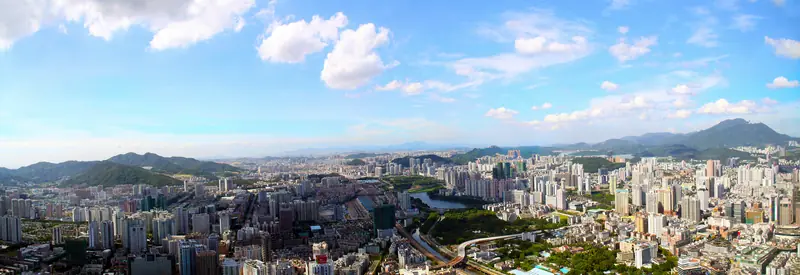
Shenzhen is the city to choose when you want to see modern China operating at full speed. It is not a place of one grand ancient monument; it is a city of electronics markets, supertall views, waterfront parks, creative districts, theme parks, migrant food, and fast metro transfers.
For first-time visitors, the trick is not to chase every district. Shenzhen is long and spread out. A good trip picks one or two strong themes per day: tech and skyline, design and urban villages, food and shopping, or coast and mountains.
First-Time Shenzhen: Start With the Right Mix

If you have one day
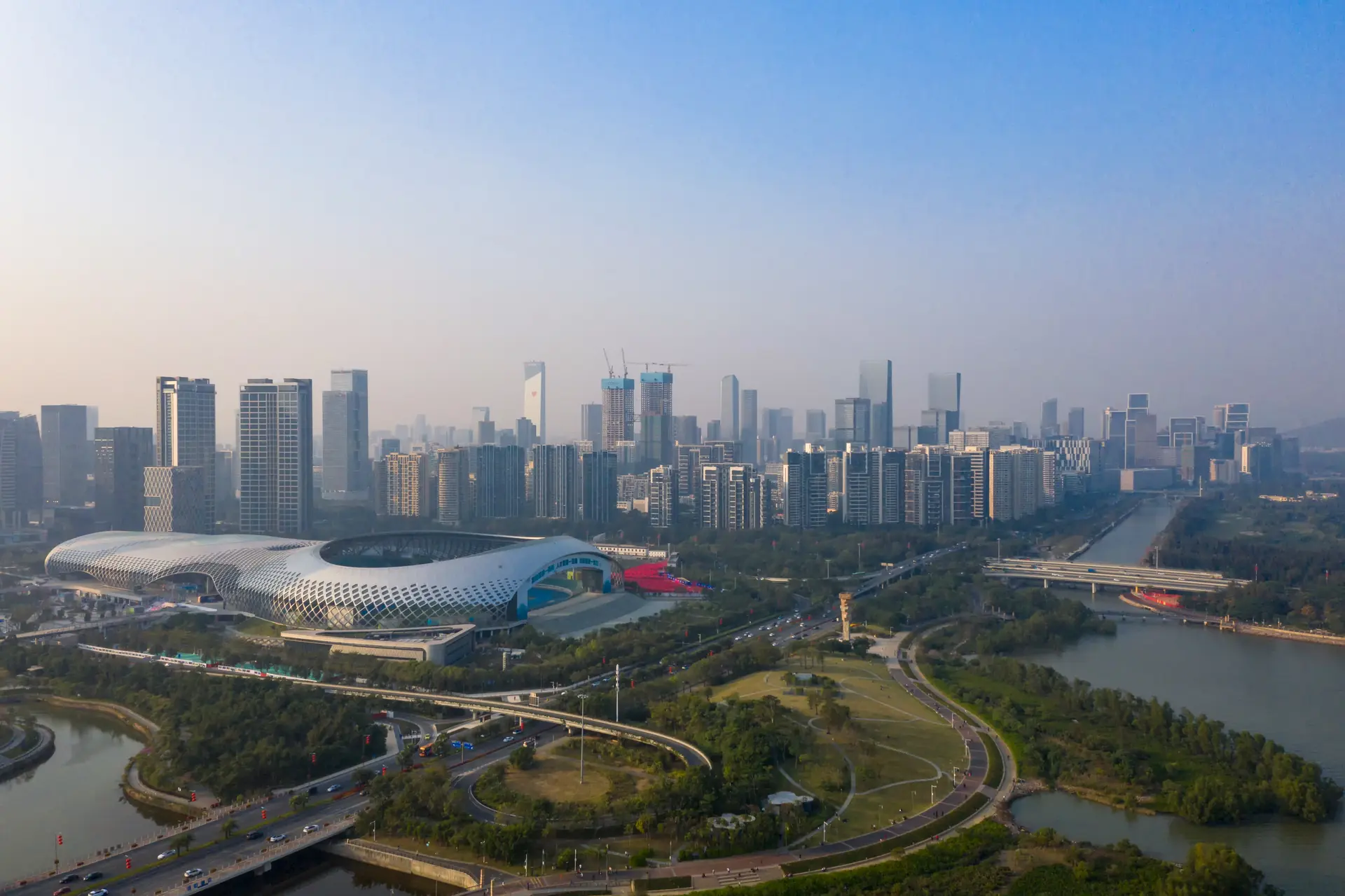
Pair Huaqiangbei (华强北) with Ping An Finance Centre (平安金融中心) or a Shenzhen Bay sunset. That gives you the city's tech energy, skyline scale, and a clean evening finish.
If you have two days
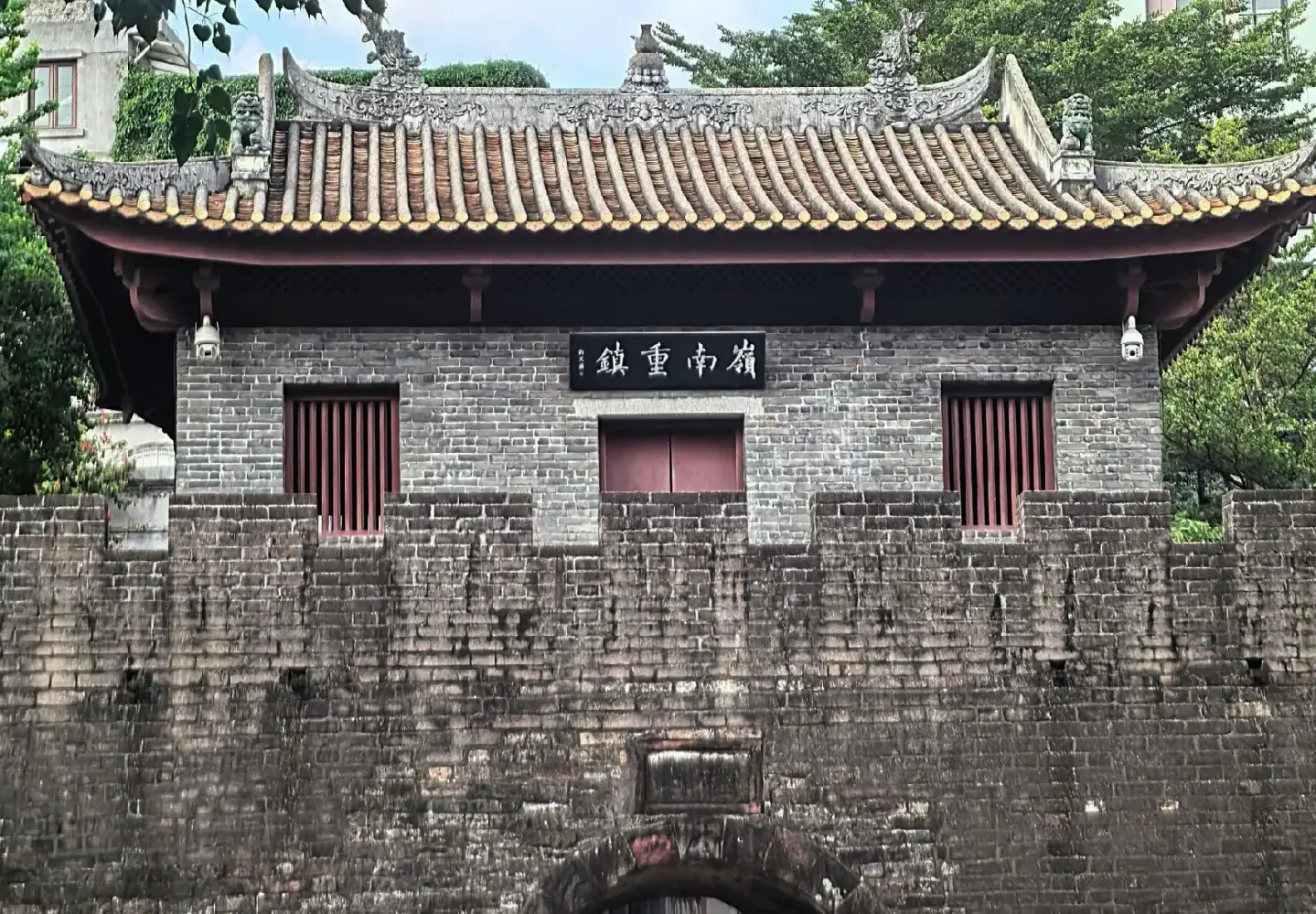
Add Nantou Ancient City (南头古城), OCT-LOFT (华侨城创意文化园), or Shekou (蛇口). This is where Shenzhen starts to feel less like a business city and more like a layered place to walk.
If you have three days
Use the extra time for one big theme: a theme-park day, Wutong Mountain (梧桐山), Dameisha Beach Park (大梅沙海滨公园), or Dapeng Fortress (大鹏所城). Shenzhen rewards breathing room.
Shenzhen Is a City of Layers
Shenzhen is often described as young, but that can make the city sound simpler than it is. The best visitor days move between polished towers, working markets, restored villages, waterfront parks, and eating streets that show how many parts of China have gathered here.
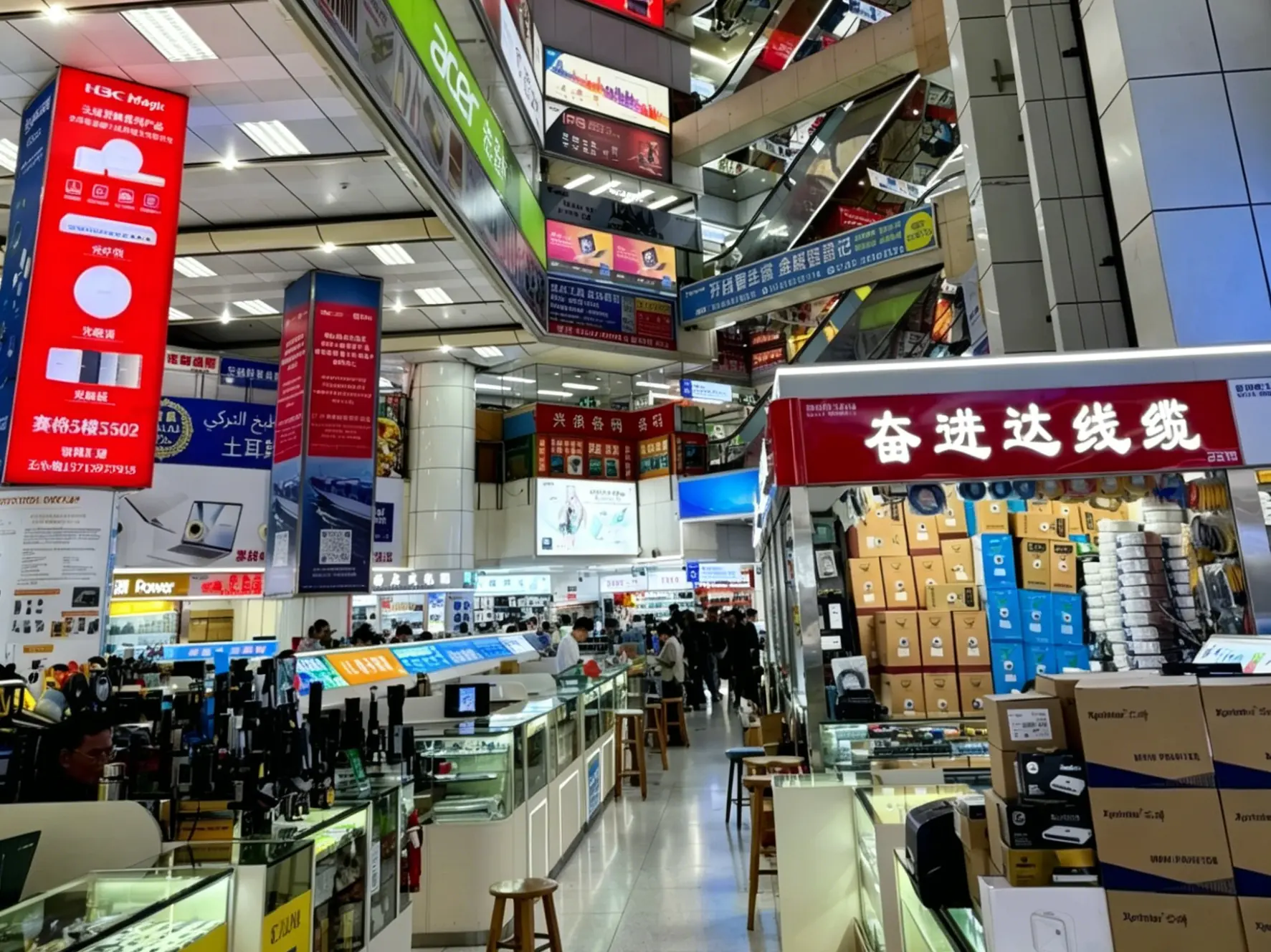
Tech Shenzhen
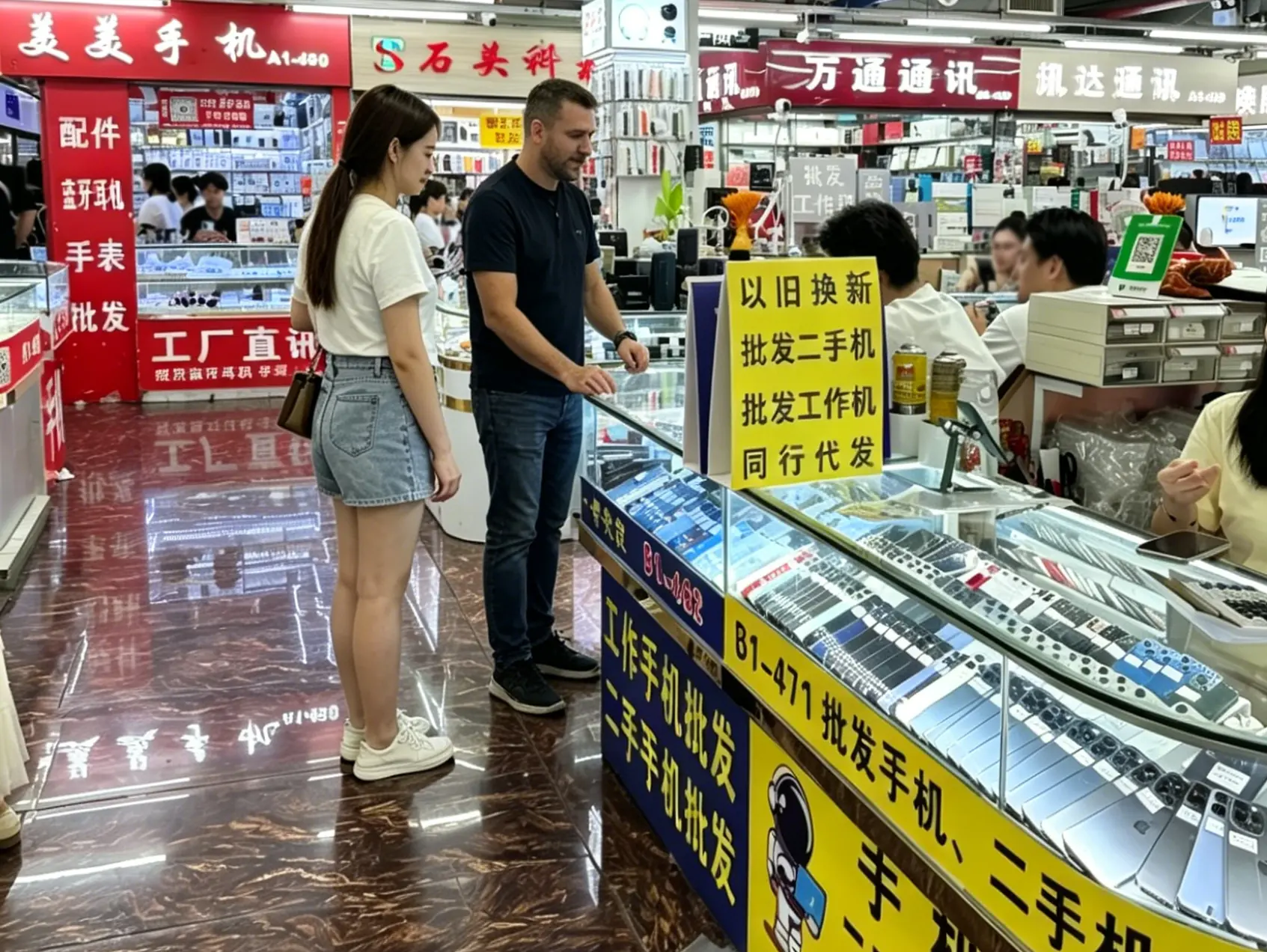
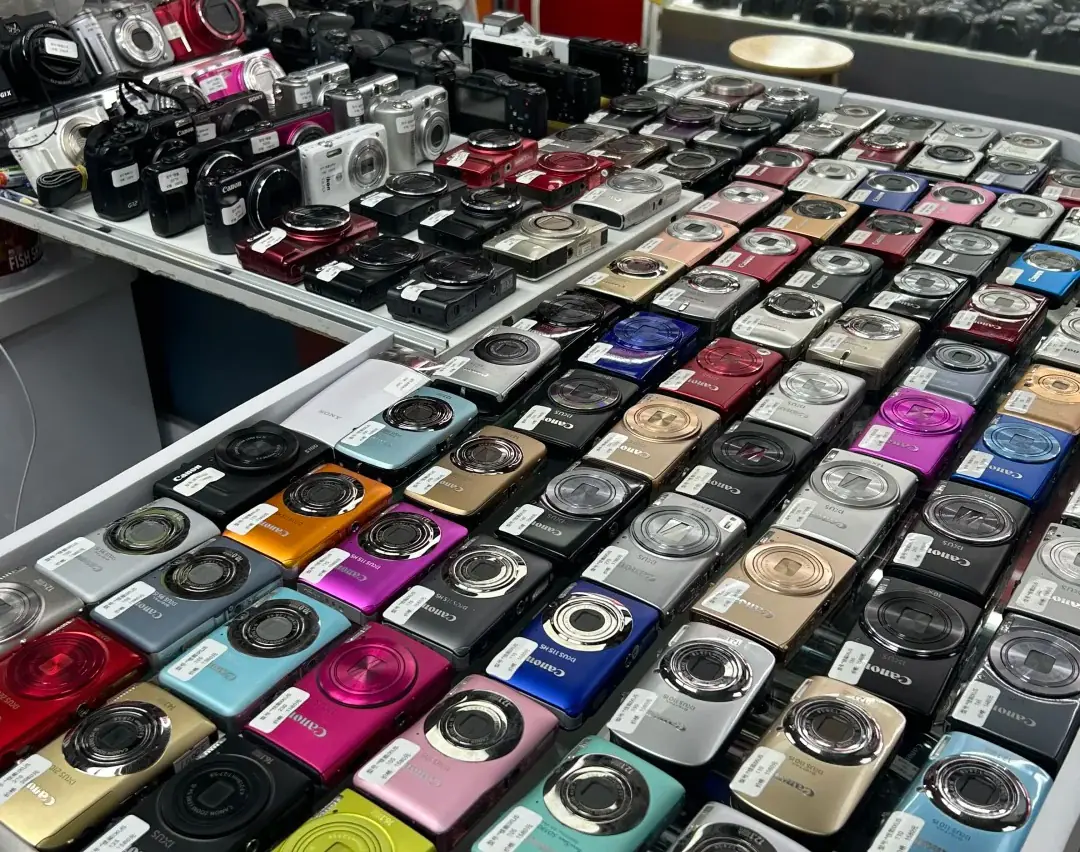
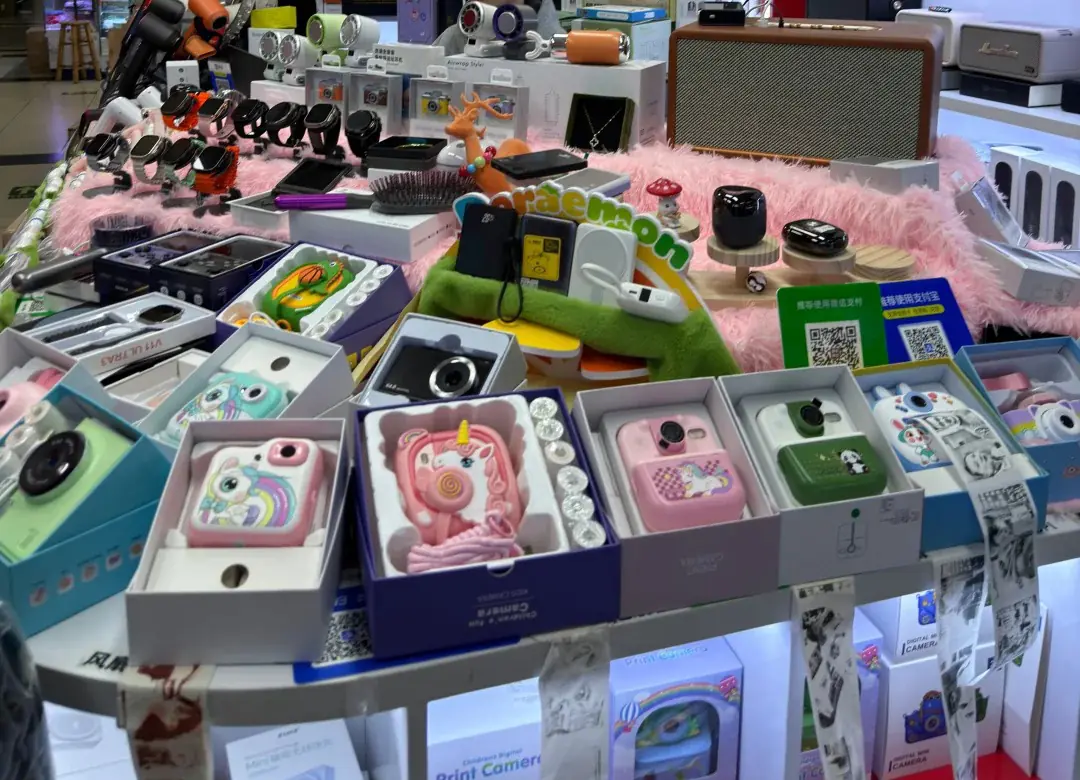
Huaqiangbei is the famous one, but the real experience is watching how components, phone parts, cameras, drones, repairs, and wholesale trading sit side by side.
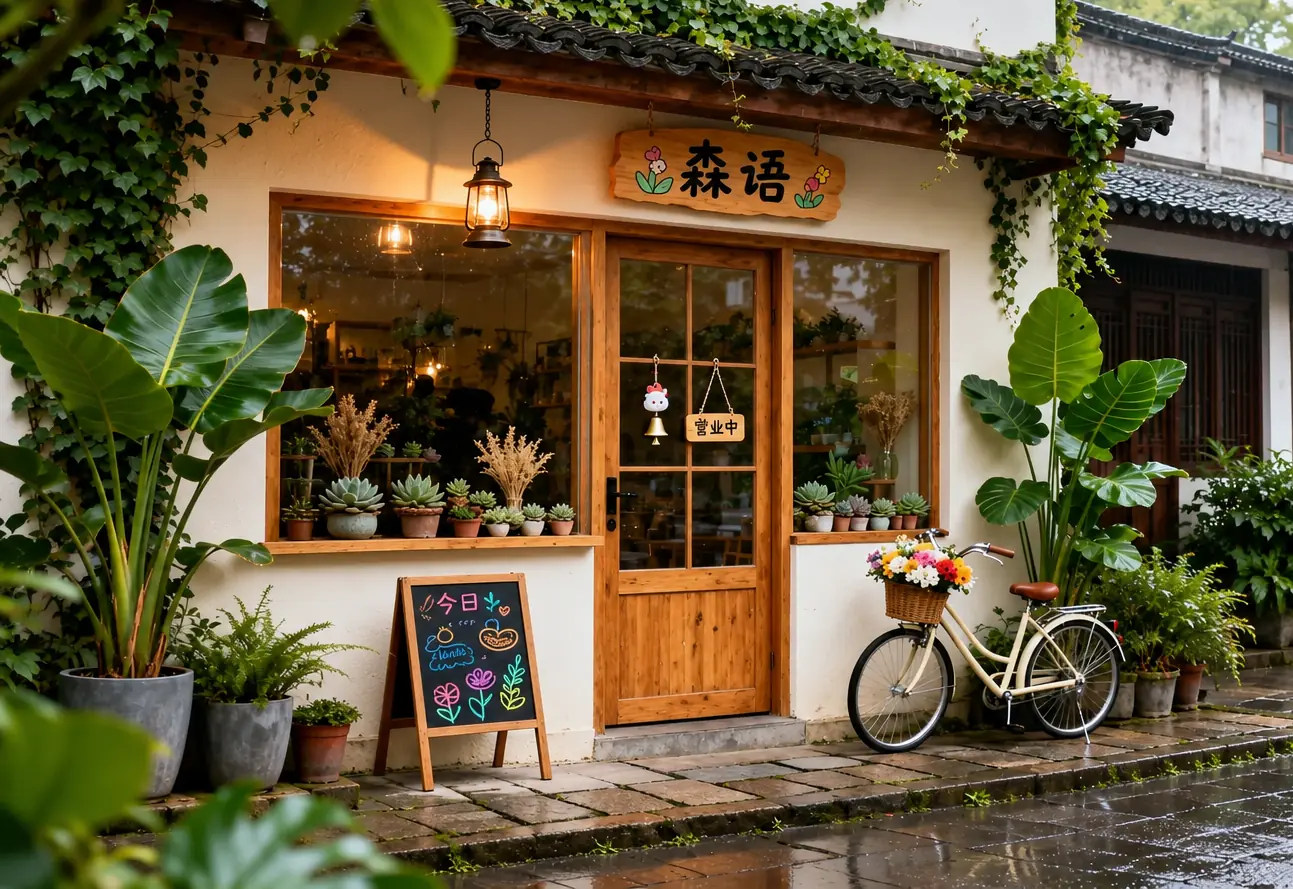
Design Shenzhen
Nantou, OCT-LOFT, Shekou, and the Design Society side of the city show Shenzhen's second personality: experimental, curated, and quietly ambitious.
Coastal Shenzhen
Shenzhen Bay Park, Shekou waterfront, Yantian, Dameisha, and Dapeng make the city feel less sealed-in than many Chinese megacities.
Food Shenzhen
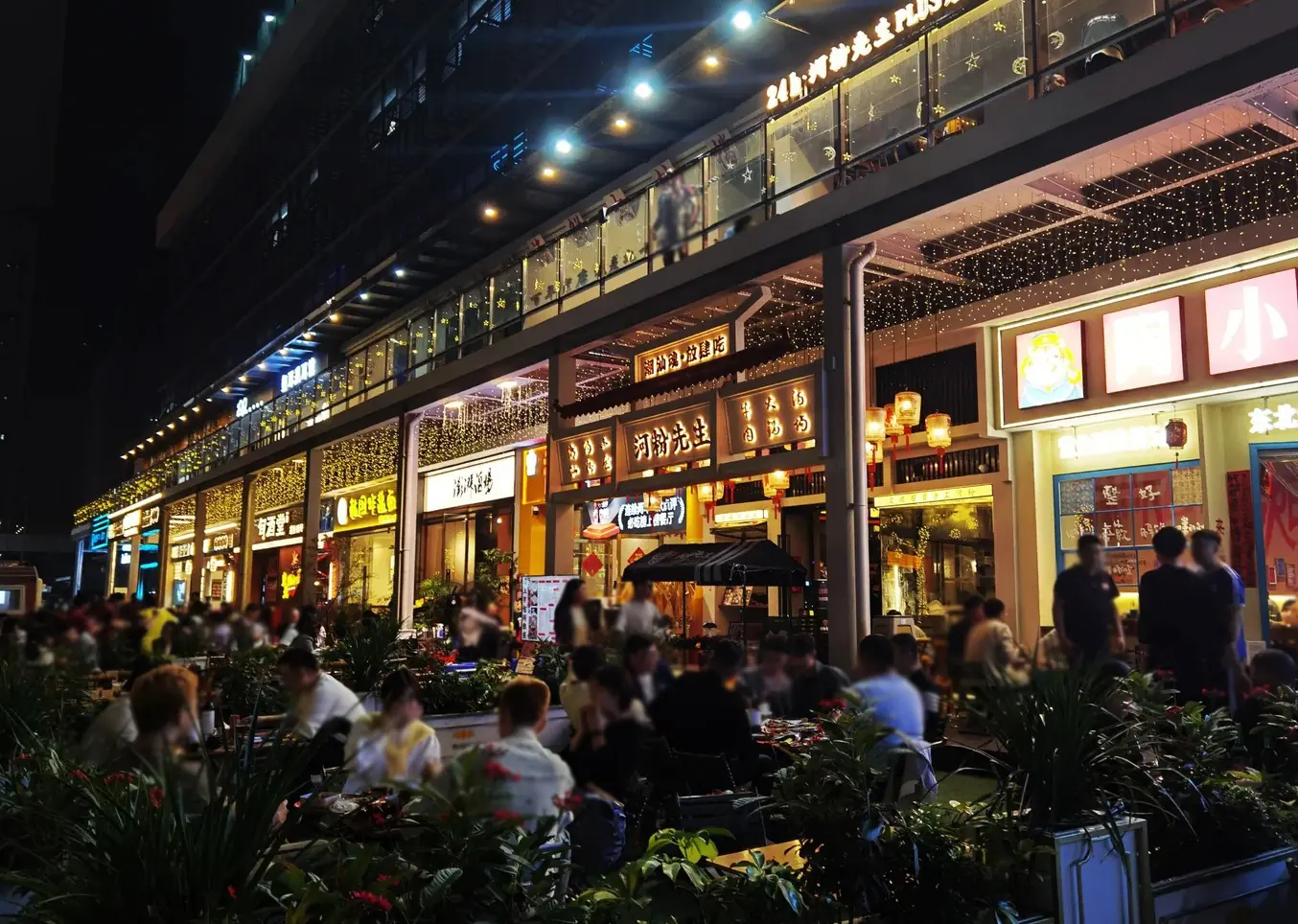
There is no single ancient Shenzhen cuisine to chase. The fun is migrant-city eating: Cantonese, Hakka, Sichuan, Hunan, seafood, late-night snacks, and mall dining all competing for attention.
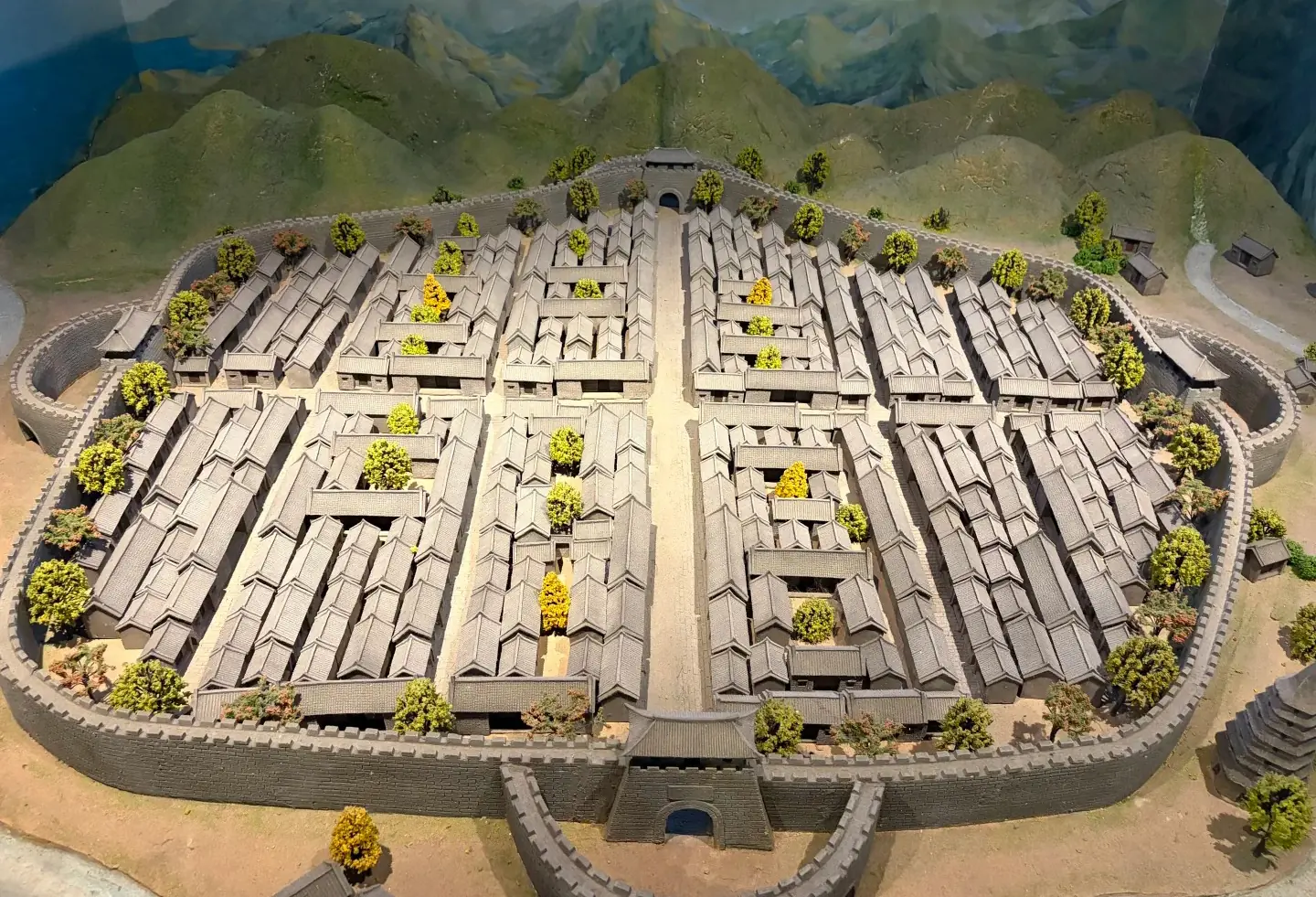
12 Shenzhen Experiences Worth Building Around
These are not ranked as a race. For a first trip, pick the experiences that fit your pace and cluster them by area.
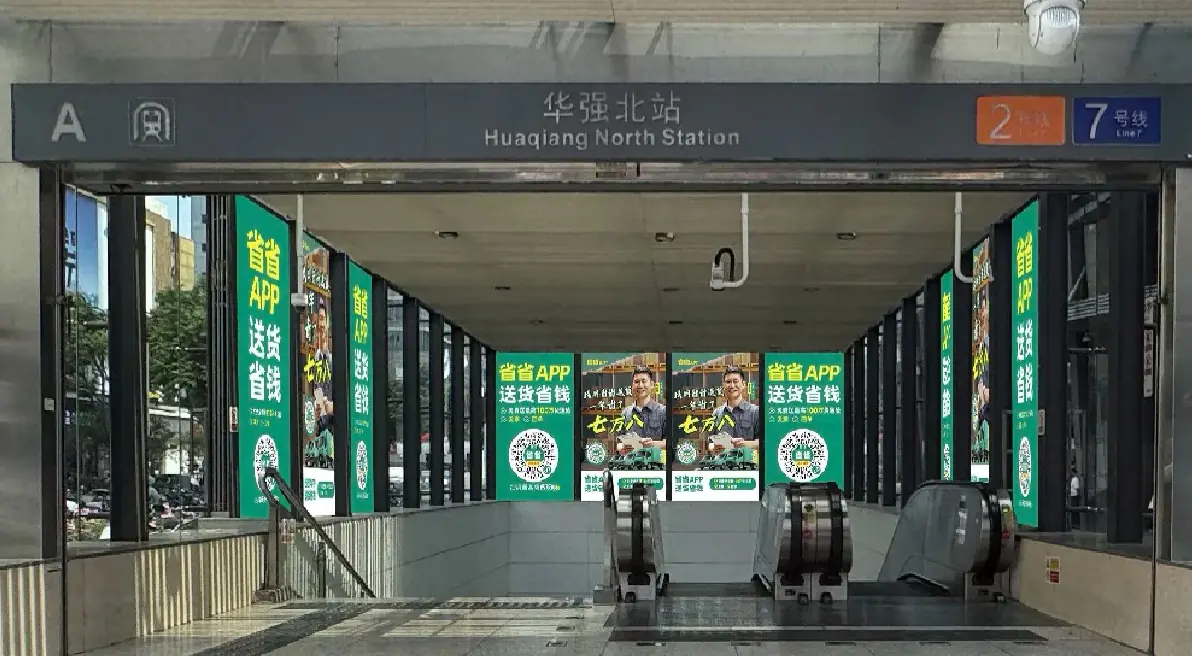
Huaqiangbei is Shenzhen's most distinctive visitor experience: part market, part repair ecosystem, part glimpse into how hardware moves. Go in the late morning or afternoon when buildings are active, then stay into early evening for neon and snacks.
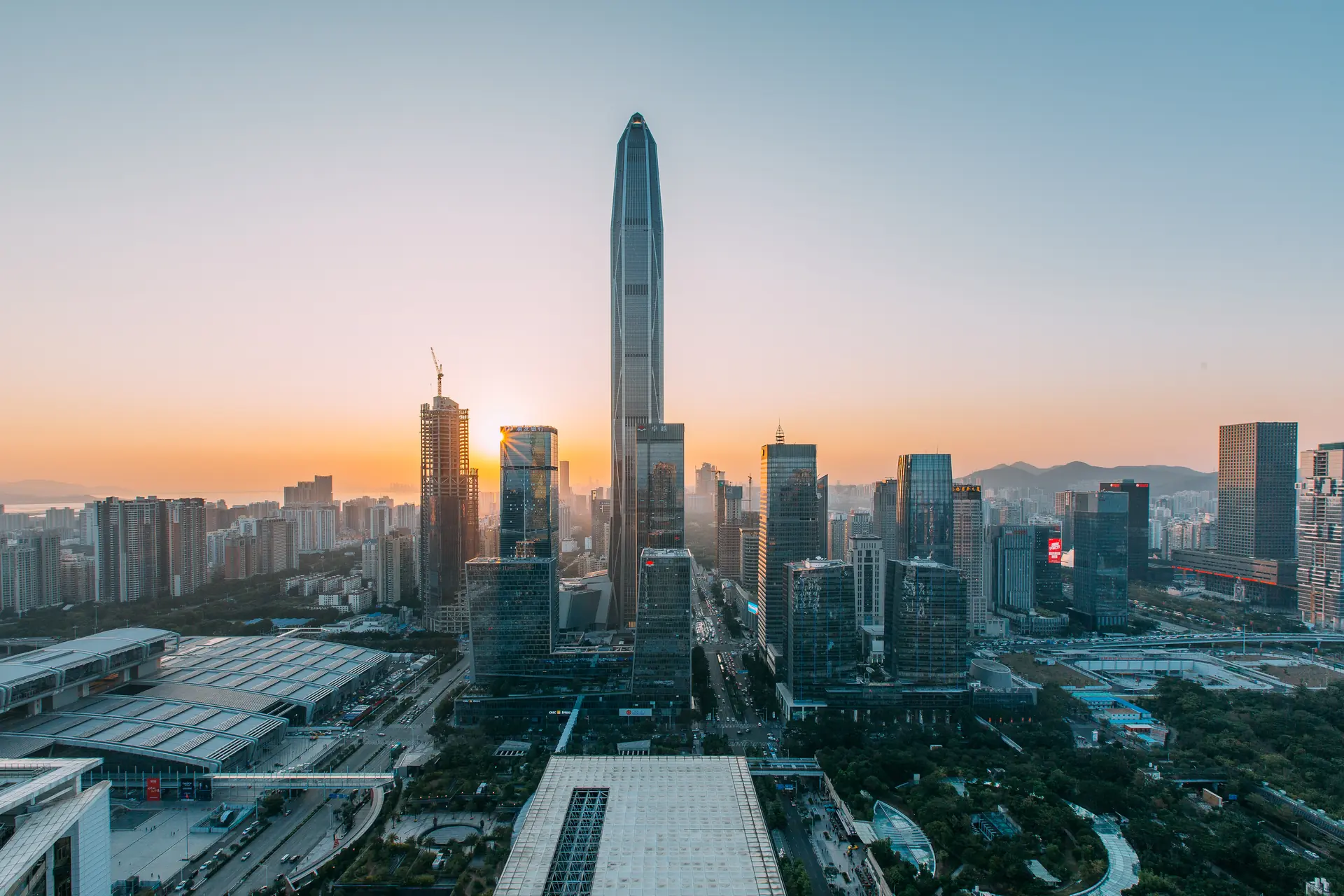
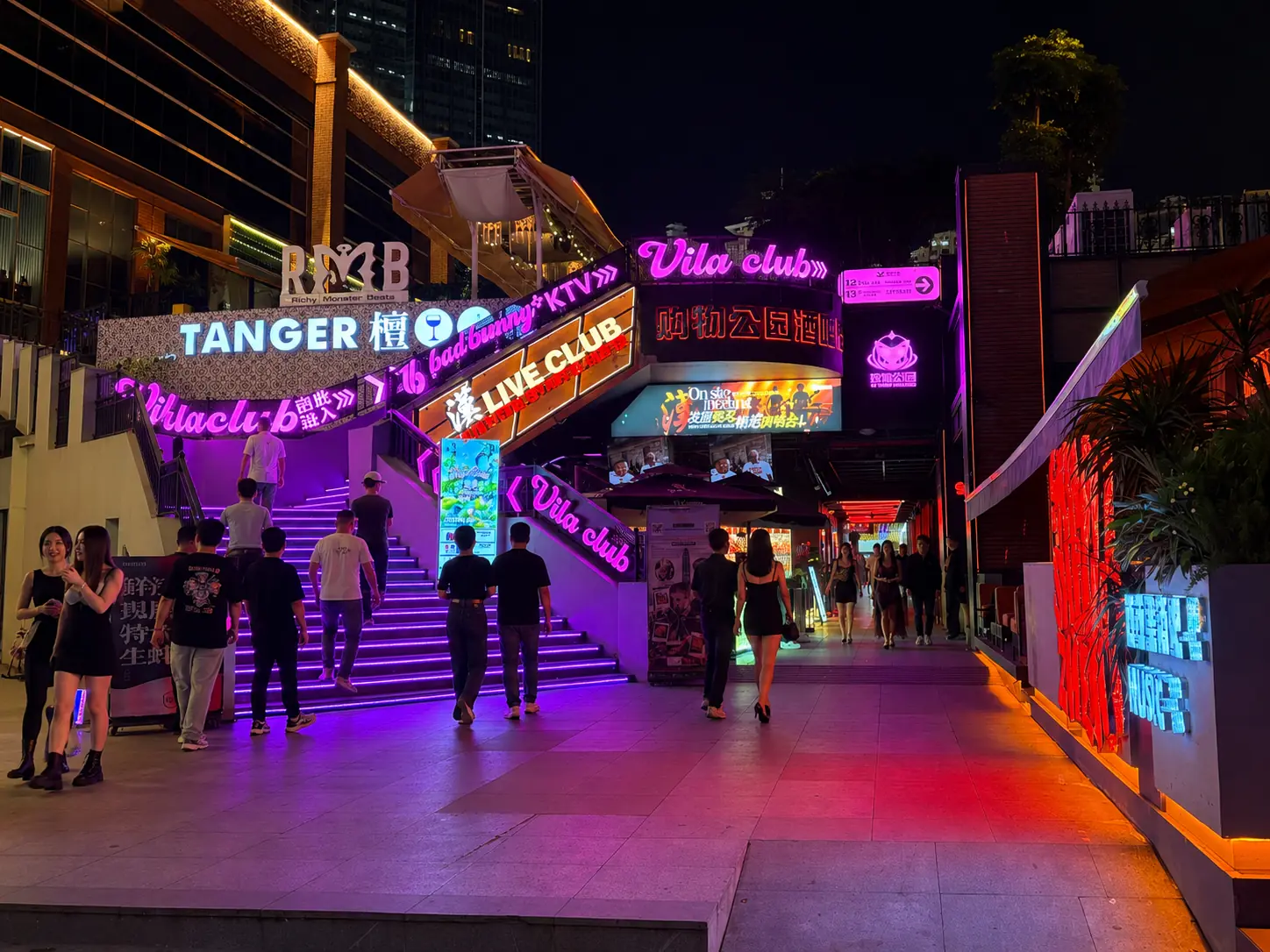
Futian's skyline is where Shenzhen makes its cleanest first impression. Pair Ping An Finance Centre with Civic Center (市民中心), Lianhuashan Park (莲花山公园), or an evening walk around Coco Park (购物公园).
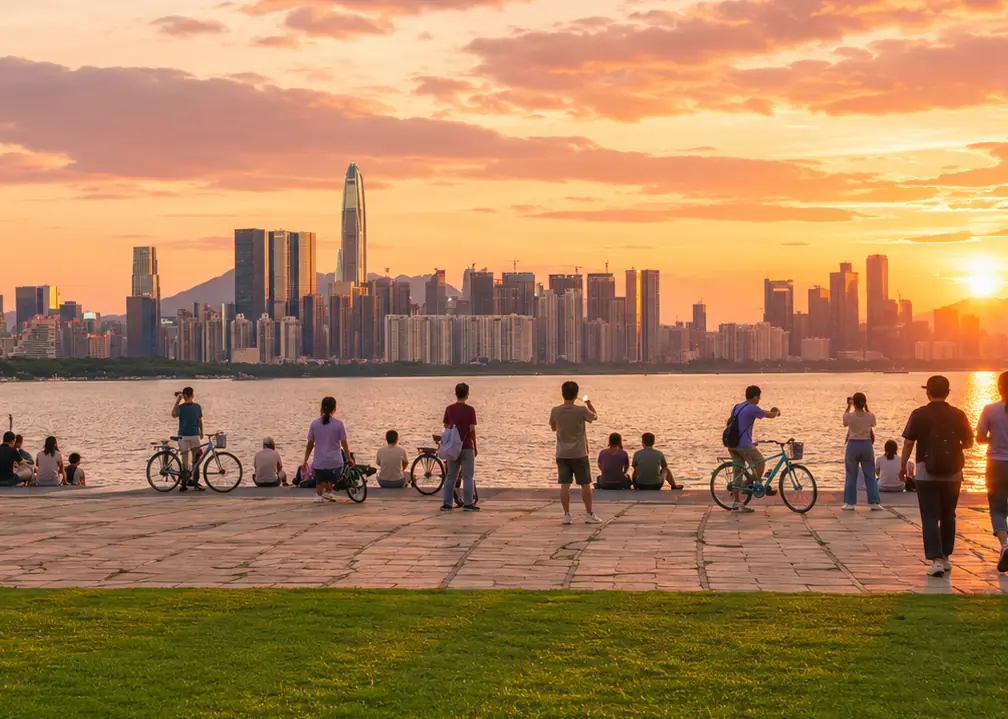
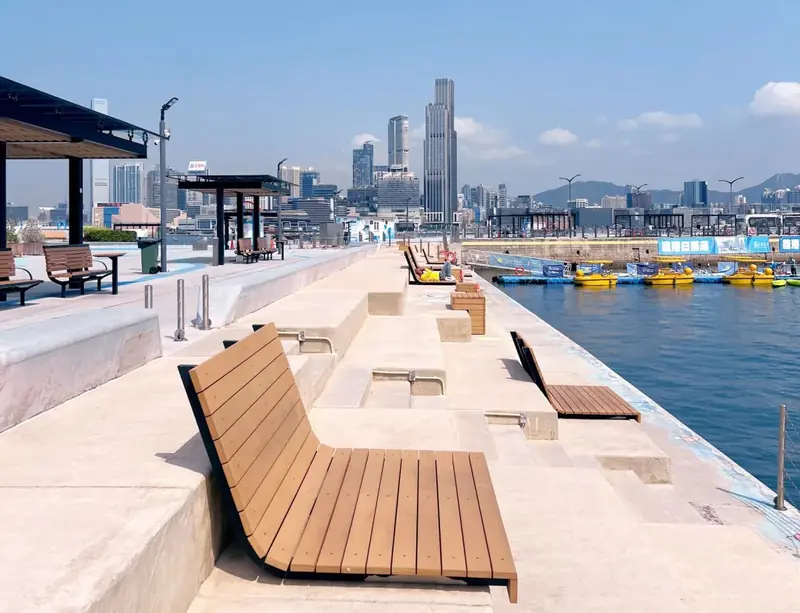
This is the easiest place to reset your pace after dense market or mall time. Come near sunset, walk a waterfront section instead of trying to cover the whole park, and keep dinner nearby in Nanshan or Shekou.
4. Browse OCT-LOFT's Creative Lanes
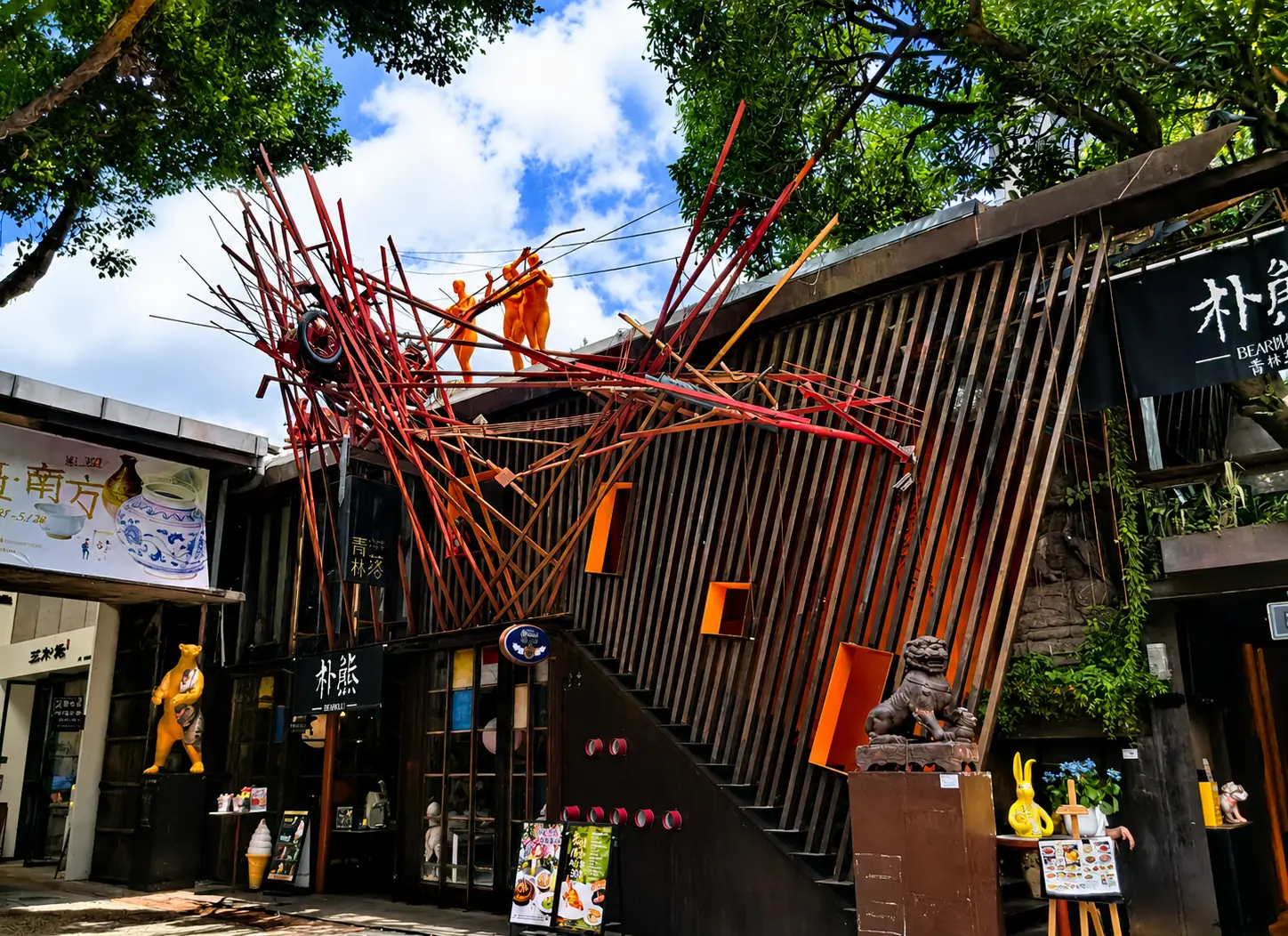
OCT-LOFT is good for galleries, bookshops, cafes, design stores, and a slower afternoon. It works best as a half-day with nearby Overseas Chinese Town (华侨城) sights rather than as a rushed photo stop.

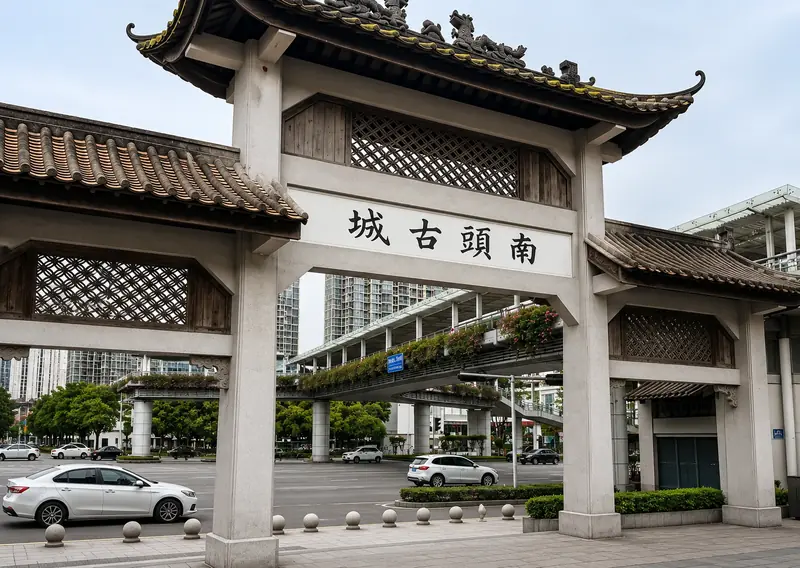
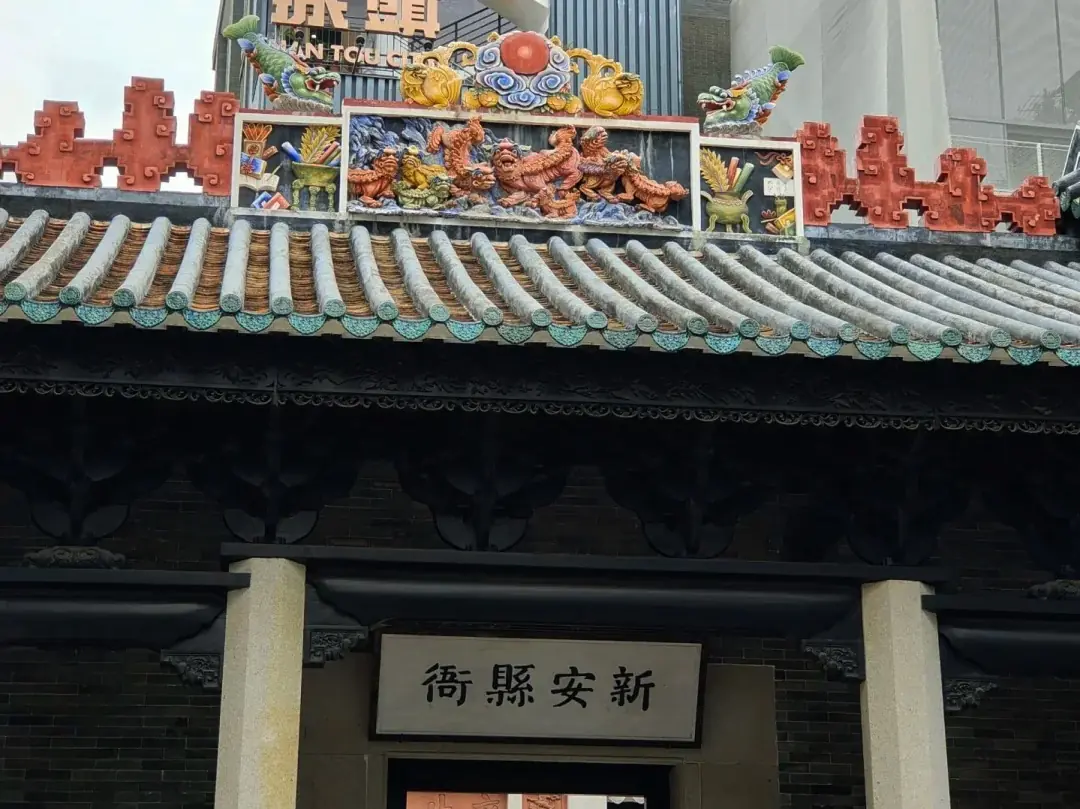
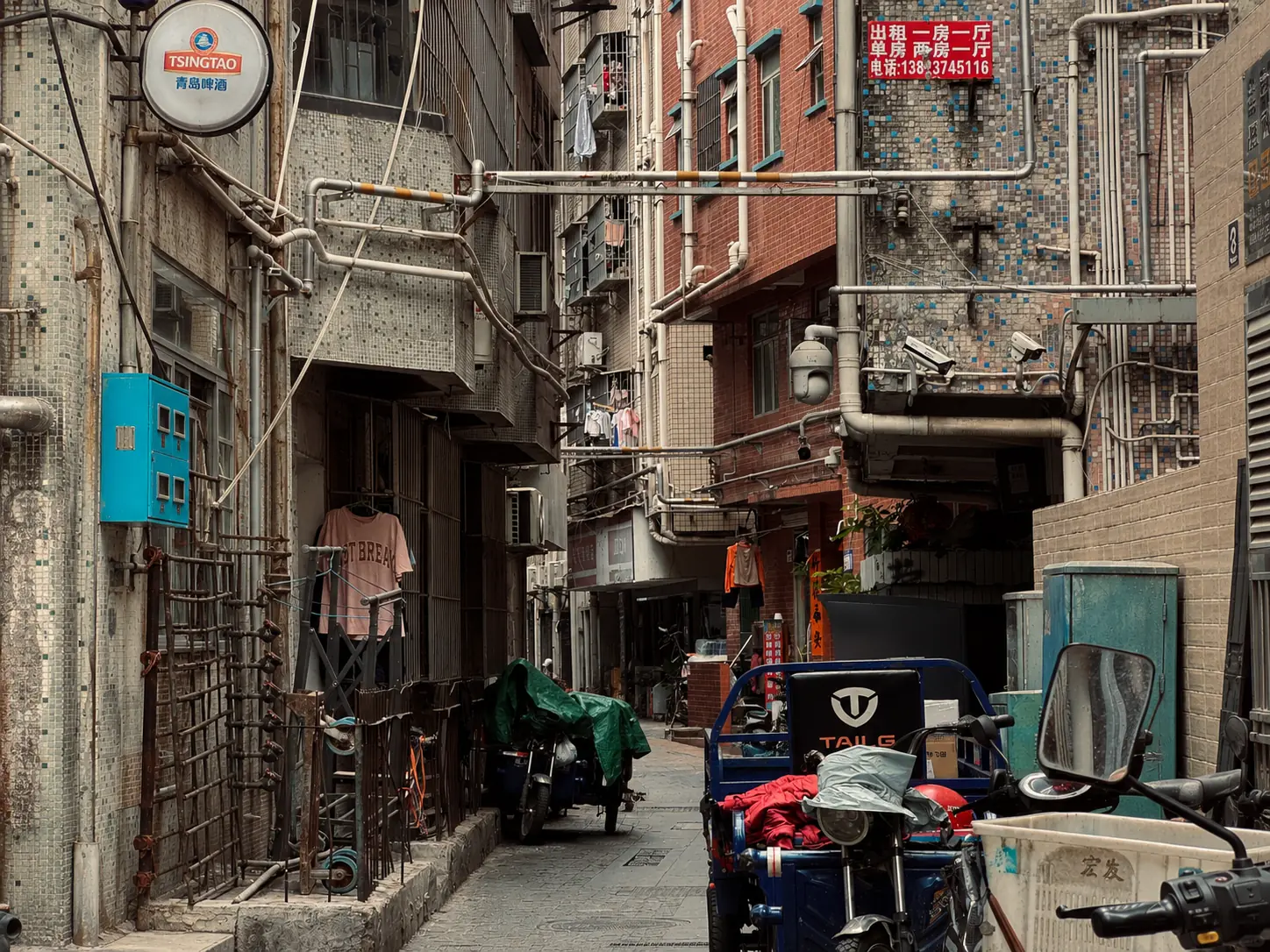
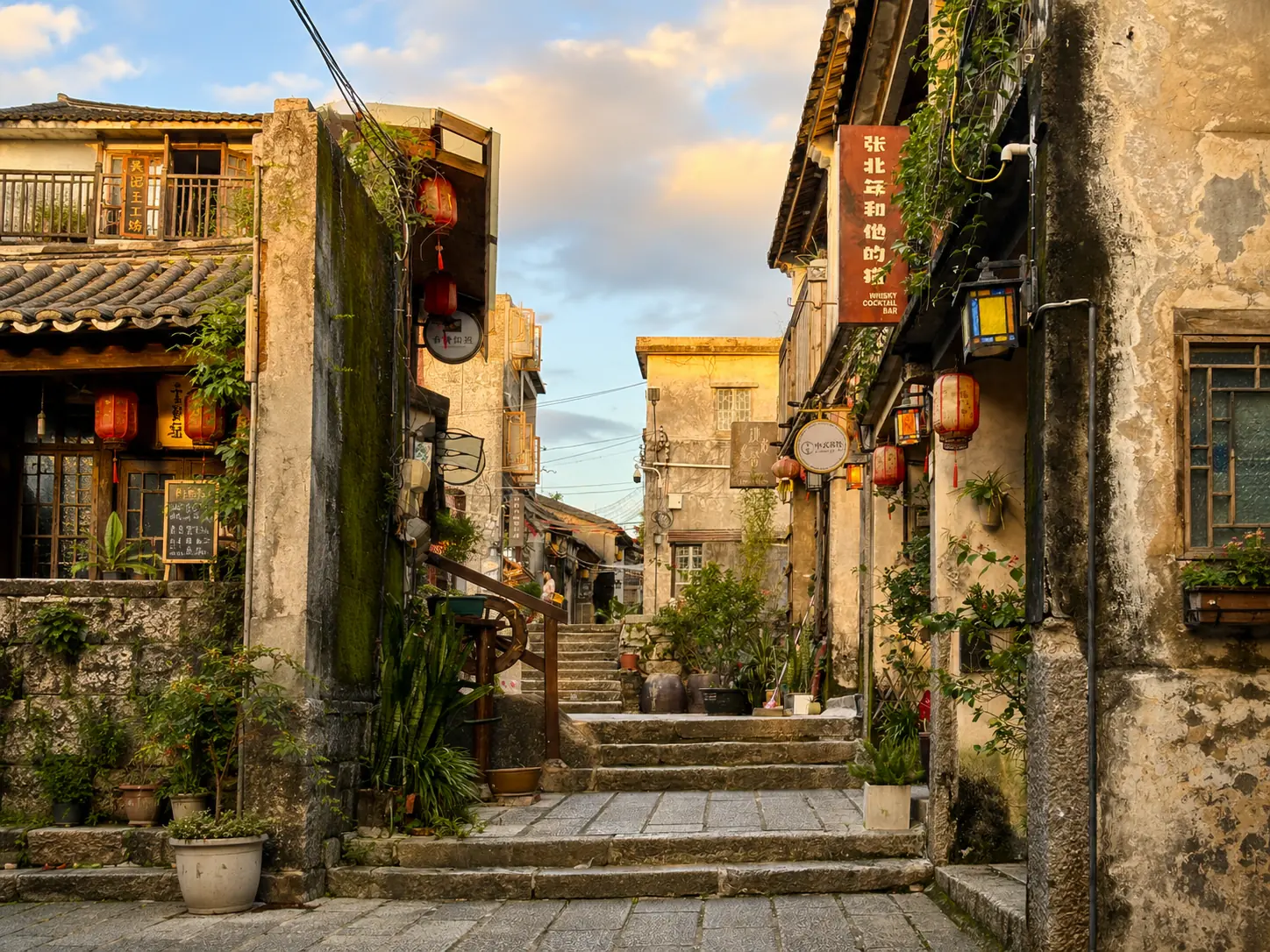
Nantou is one of Shenzhen's best urban-history walks because it layers old gates, village texture, small museums, coffee shops, creative storefronts, and daily life inside one compact area.
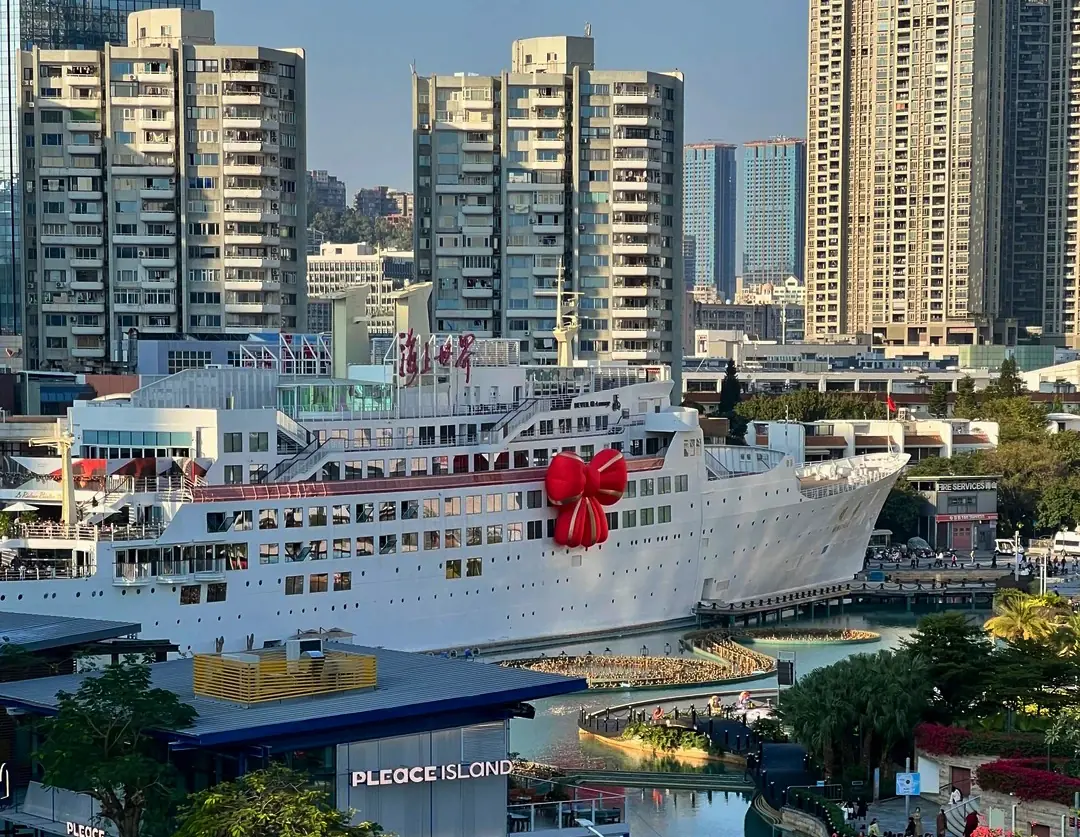
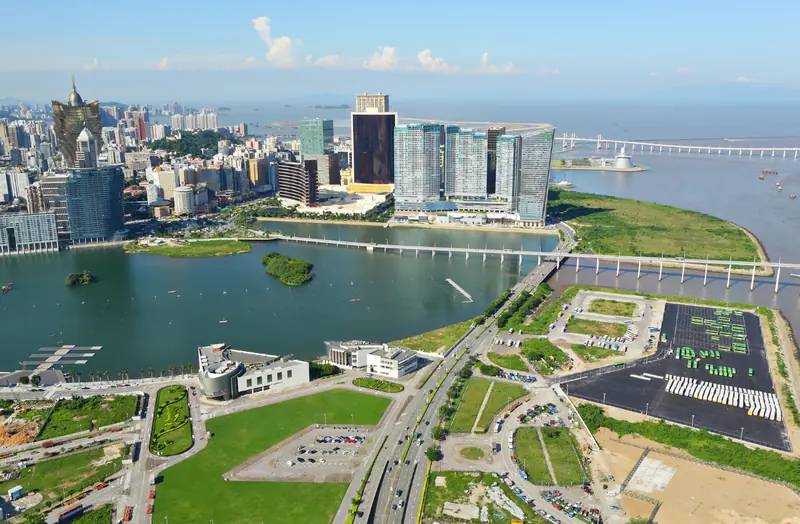
Shekou is Shenzhen at its most international and waterfront-oriented: Sea World (海上世界), casual dining, bay views, and the Design Society cluster. It is especially useful for travelers who want an easier evening after a full sightseeing day.
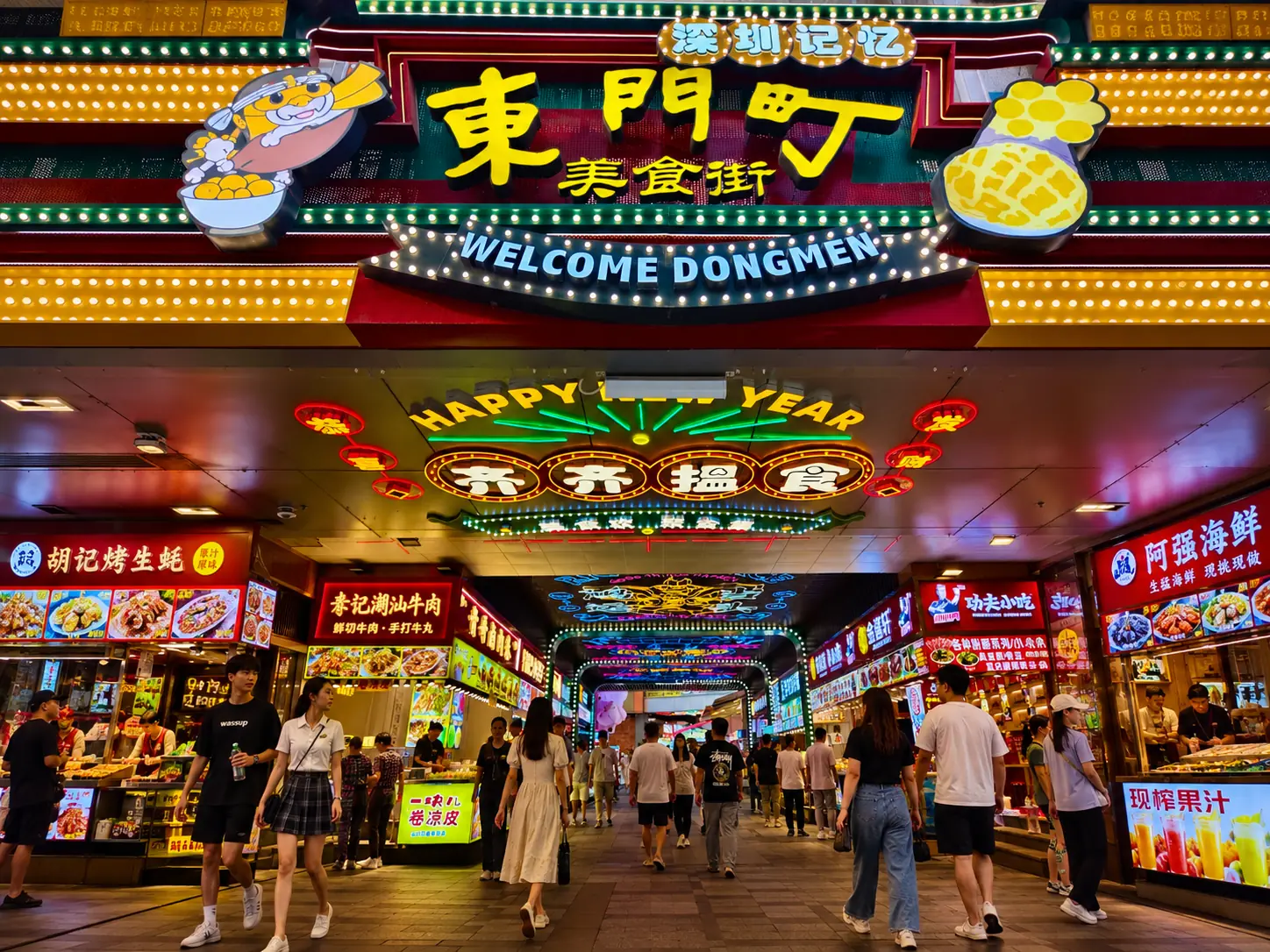
Dongmen is loud, practical, snack-heavy, and closer to older Shenzhen street energy than the city's glassier business districts. Go for casual shopping, street food, and people-watching rather than polished design.
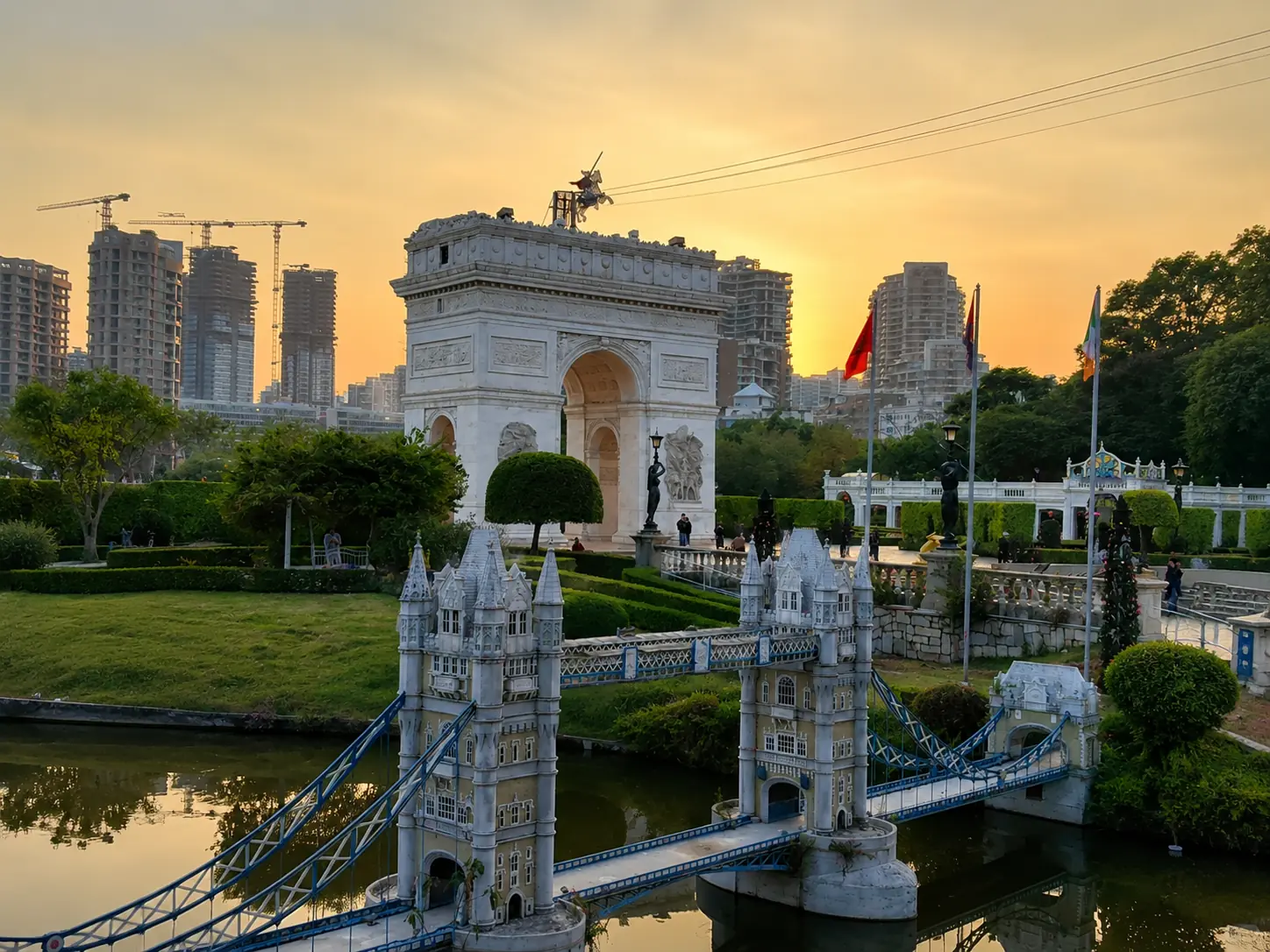
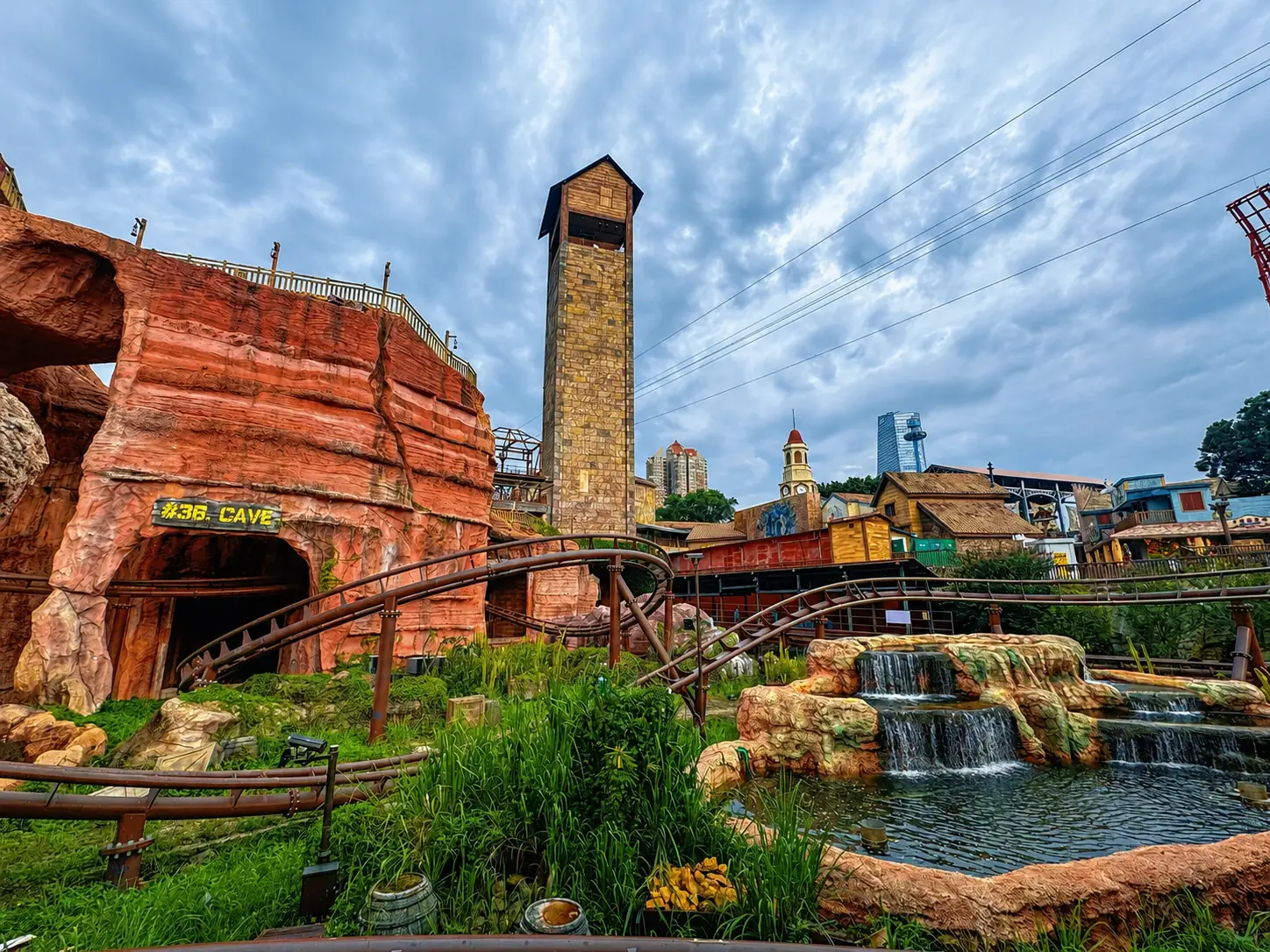
Window of the World (世界之窗), Splendid China Folk Village (锦绣中华民俗村), and Happy Valley (欢乐谷) are not mandatory for every traveler, but they are strong choices for families, first-time China visitors with children, or anyone who wants a full entertainment day.
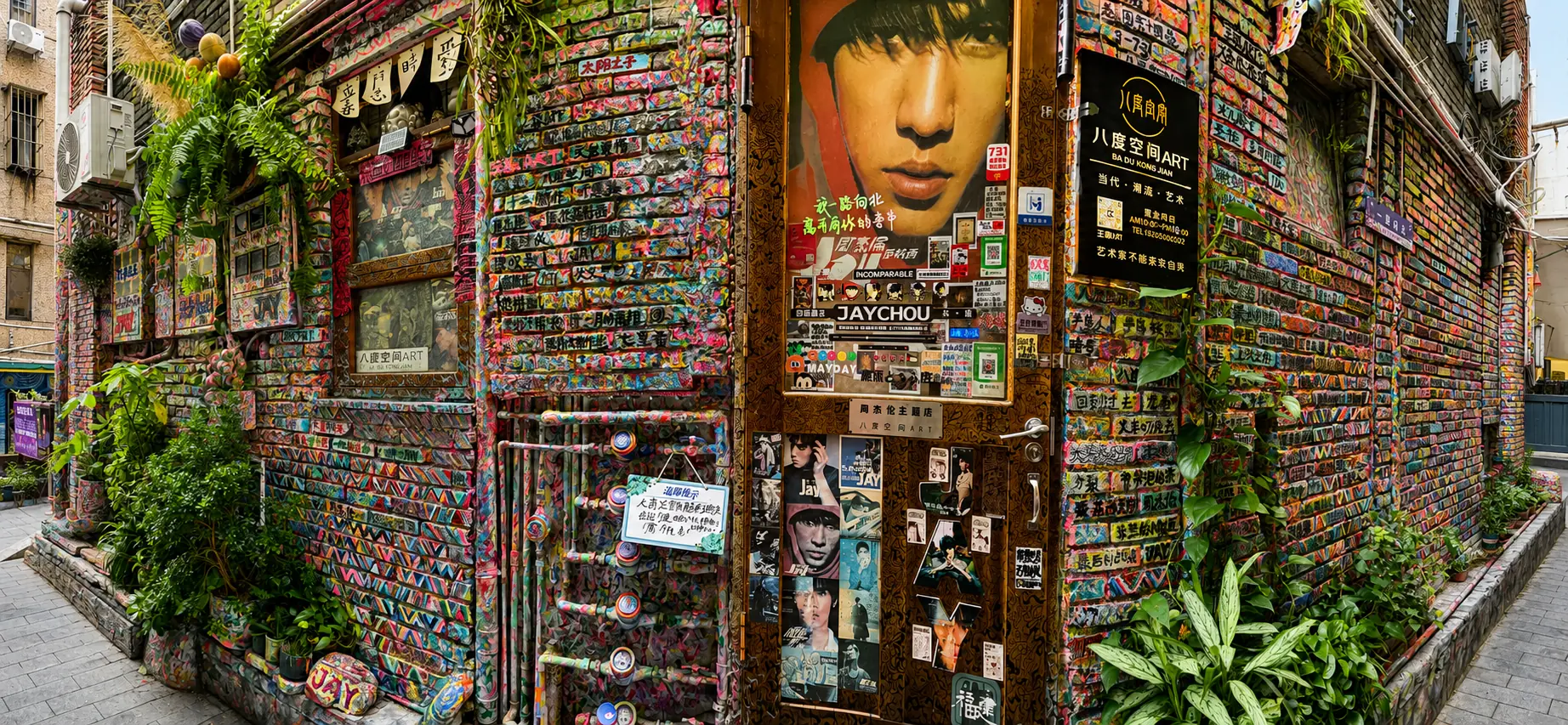
Dafen is a niche but memorable stop if you like studios, commercial art, reproduction painting, and small creative economies. It is best paired with Luohu or Dongmen rather than forced into a Futian-Nanshan day.
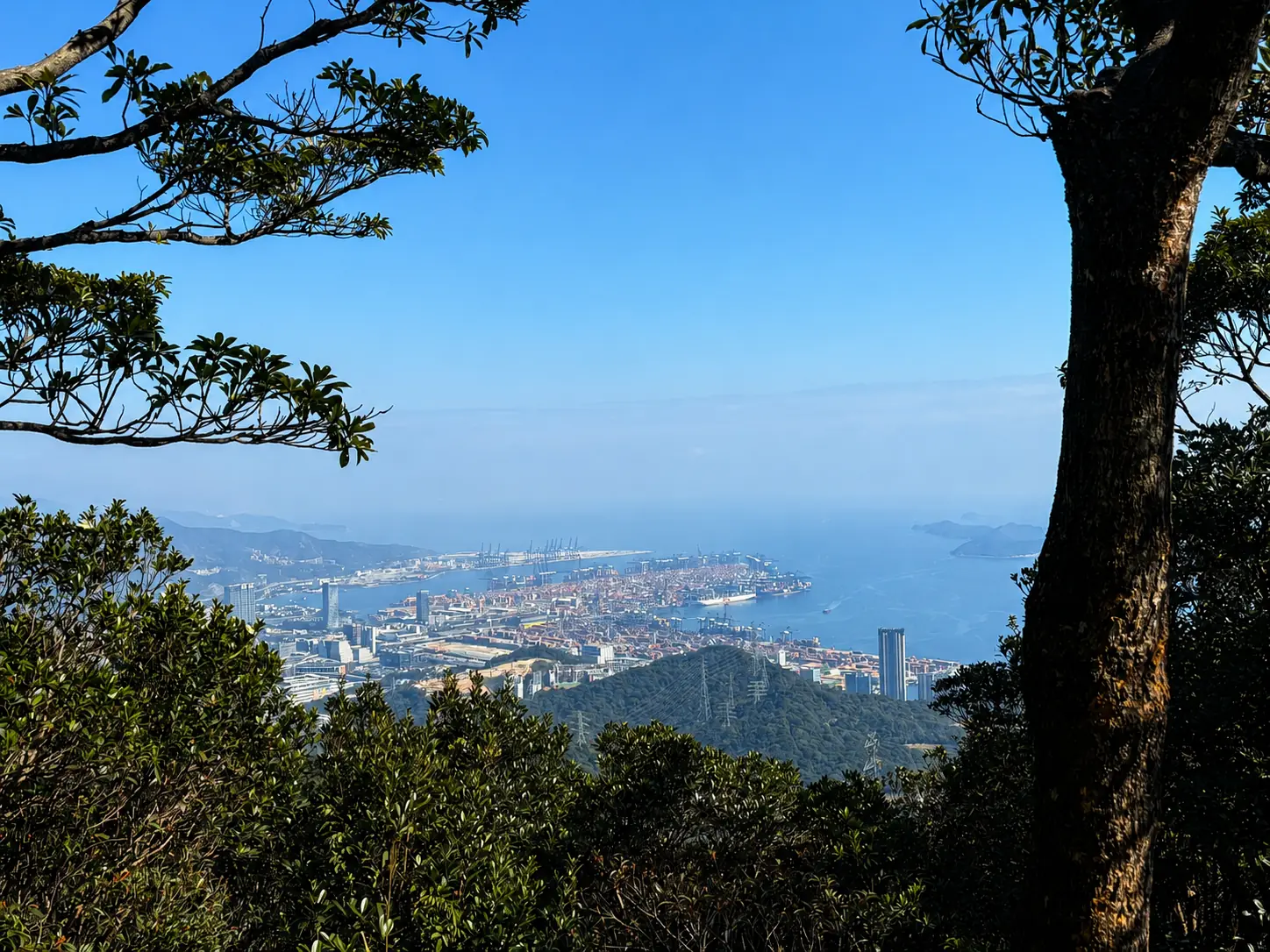
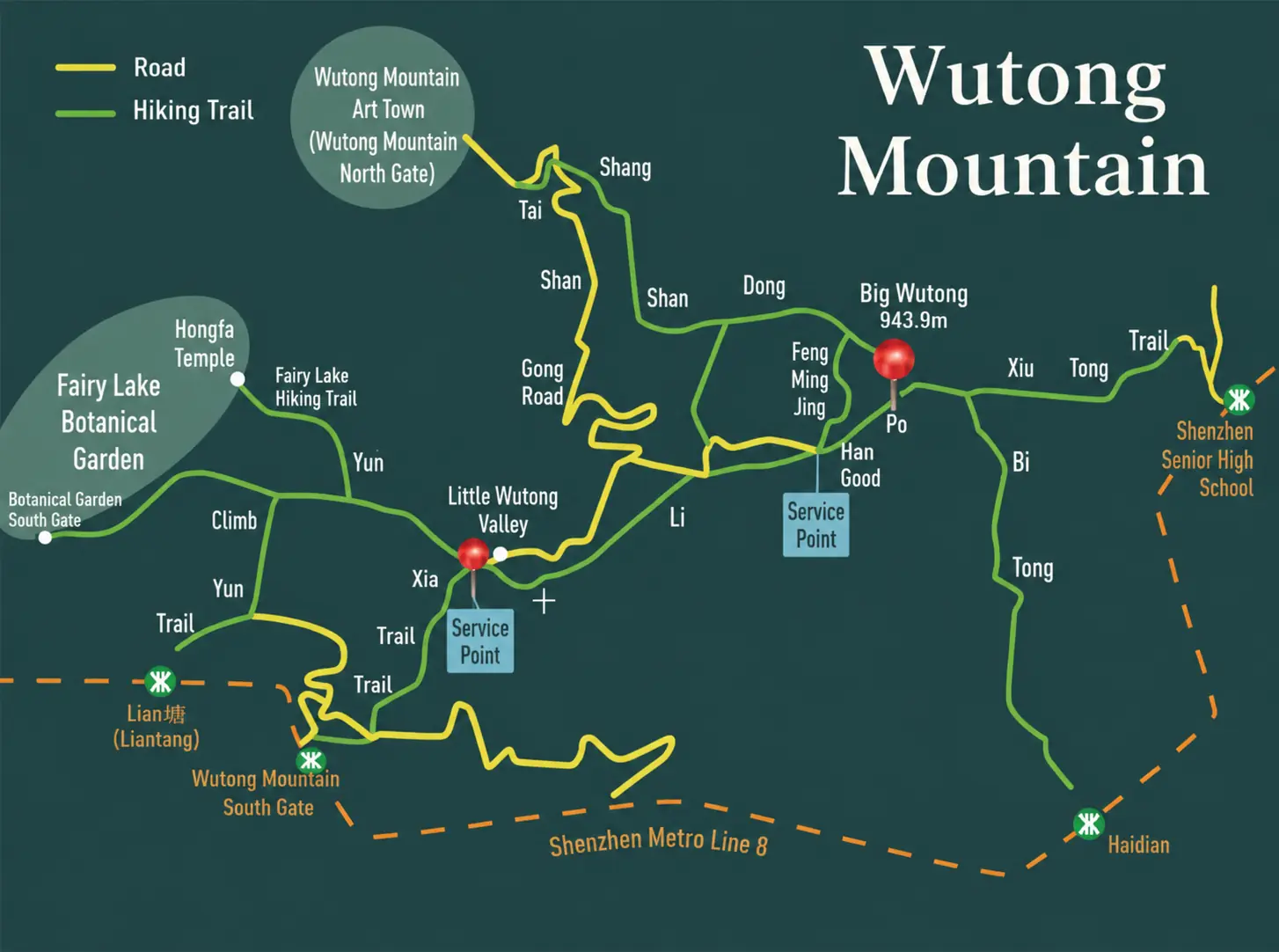
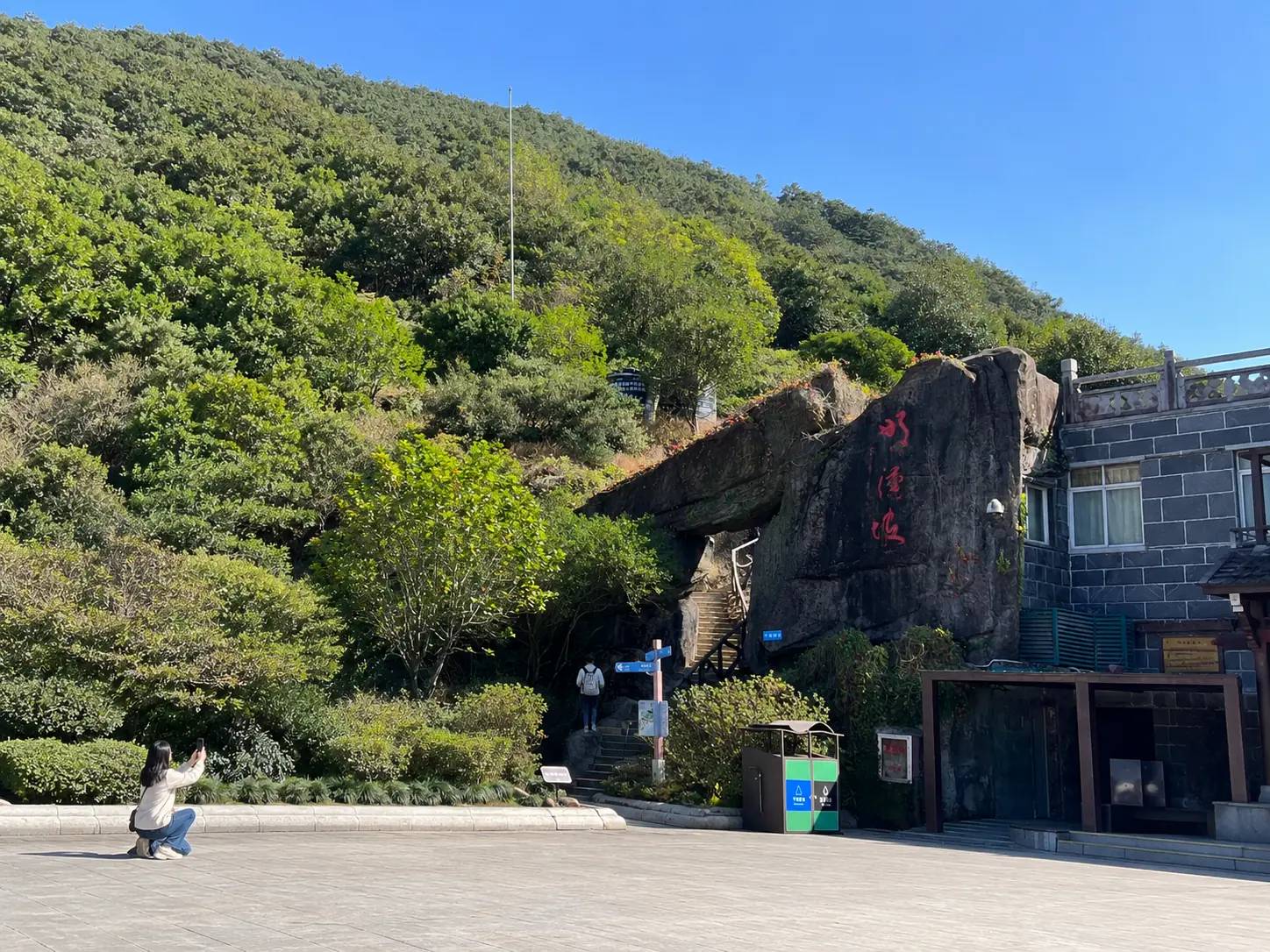
Wutong Mountain is the city's big outdoor counterweight. Choose it only when the weather is clear and you have the stamina for a real hiking day; in hot, humid, or rainy conditions, pick Shenzhen Bay or Dameisha instead.
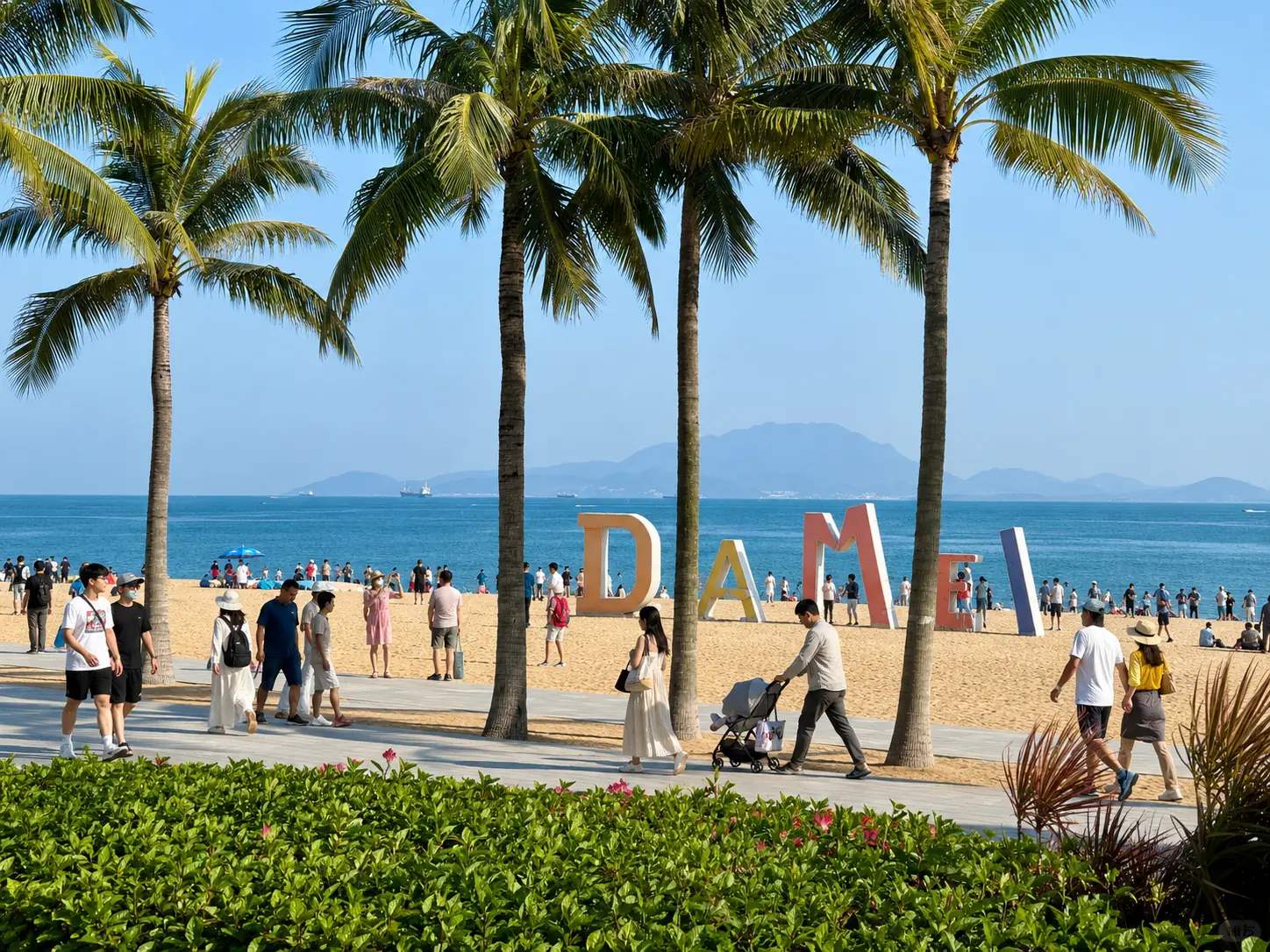
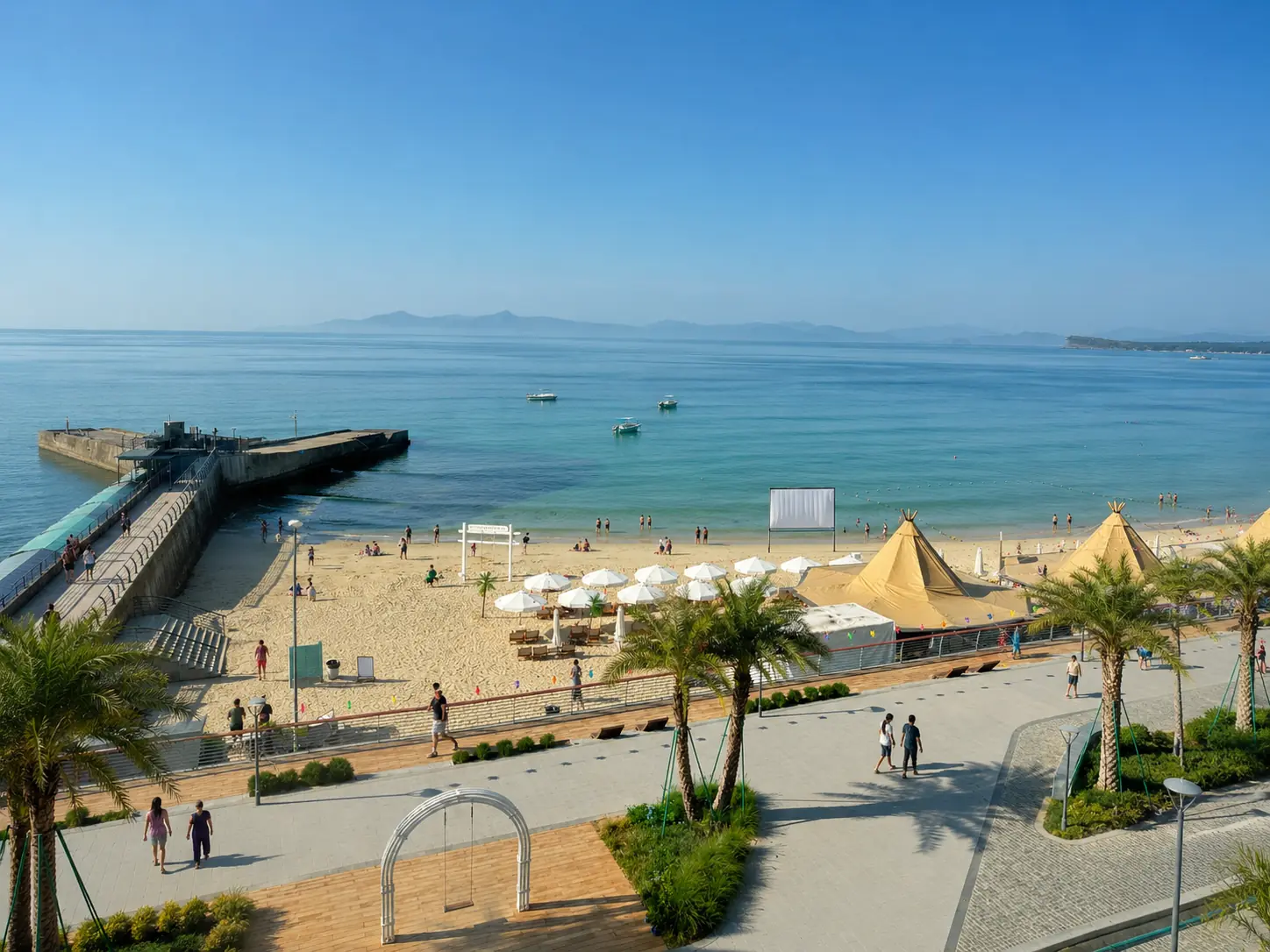
Eastern Shenzhen is where the city turns toward beaches, old fortress lanes, and slower coastal air. Dameisha is easier; Dapeng needs more time. Do not treat either as a quick add-on after a packed central-city day.
12. Eat Like a Migrant Megacity
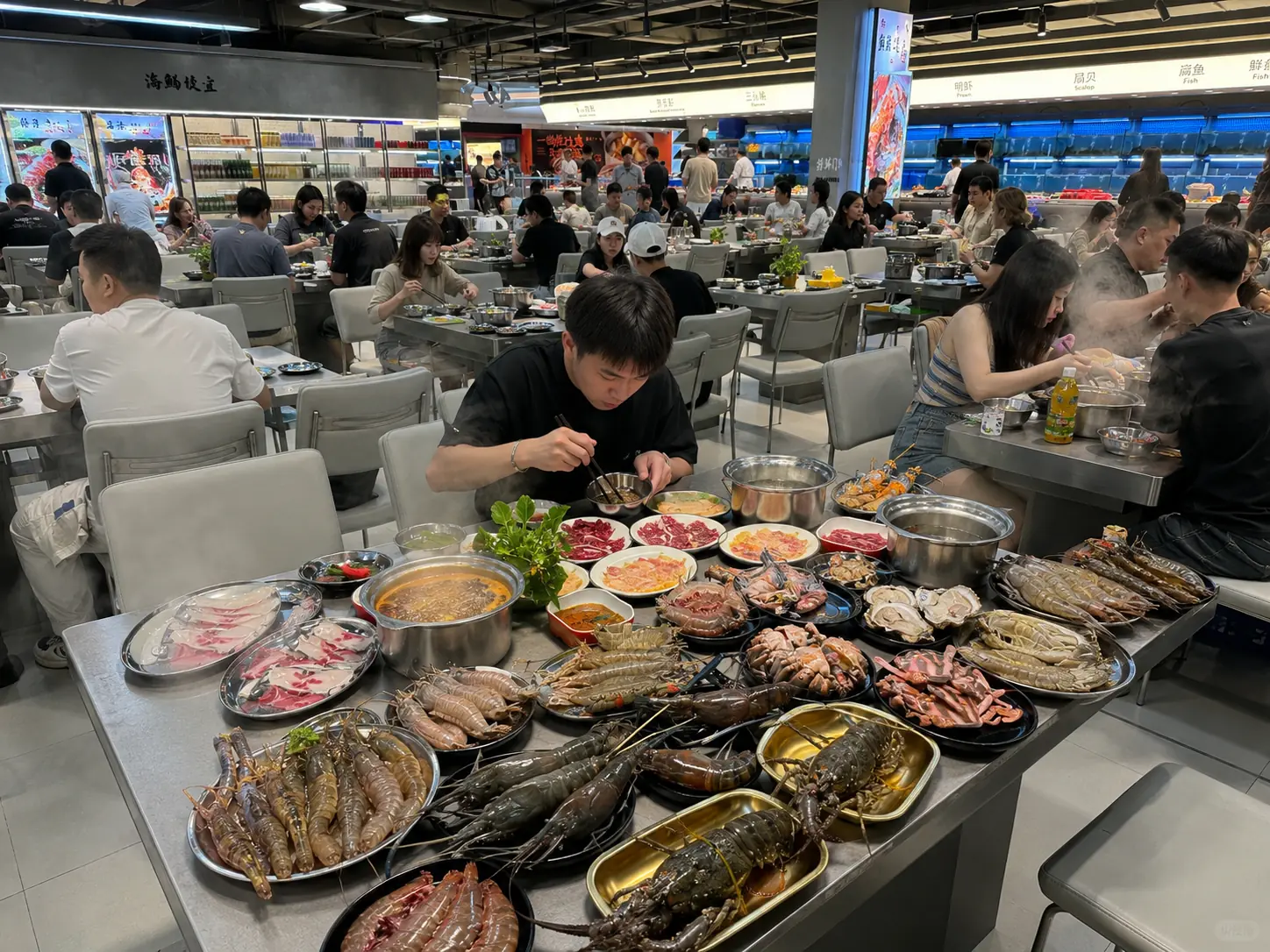
Shenzhen's food story is movement: Cantonese dim sum, Hakka dishes, Chaoshan beef hotpot, Sichuan and Hunan meals, seafood, mall dining, and late-night snacks. Pick dinner by neighborhood instead of chasing one famous dish across town.
Choose the Shenzhen Trip You Are Building
The best Shenzhen itinerary starts with a trip type. A tech traveler, a family, a design lover, and a coastline-focused traveler should not use the same route.
Classic first visit
Best mix: Huaqiangbei, Futian skyline, Shenzhen Bay Park, one food neighborhood, and either Nantou or Shekou.
Tech-focused day
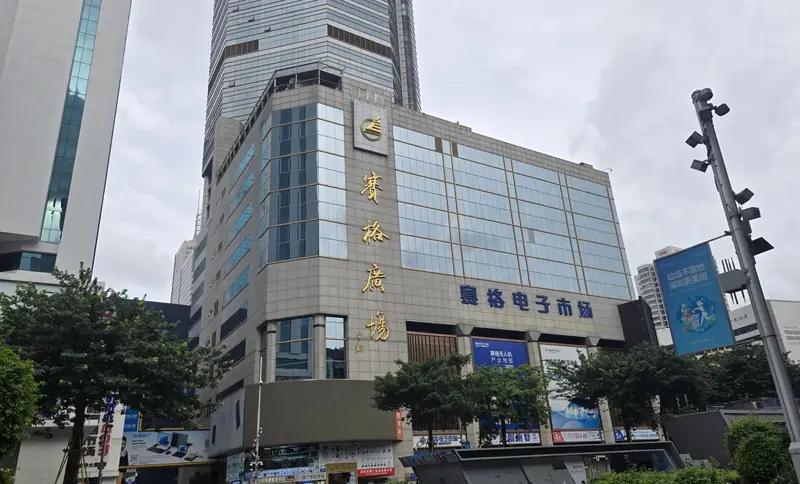
Best mix: Huaqiangbei buildings, repair counters, component floors, SEG Plaza exterior, and a relaxed Futian evening.
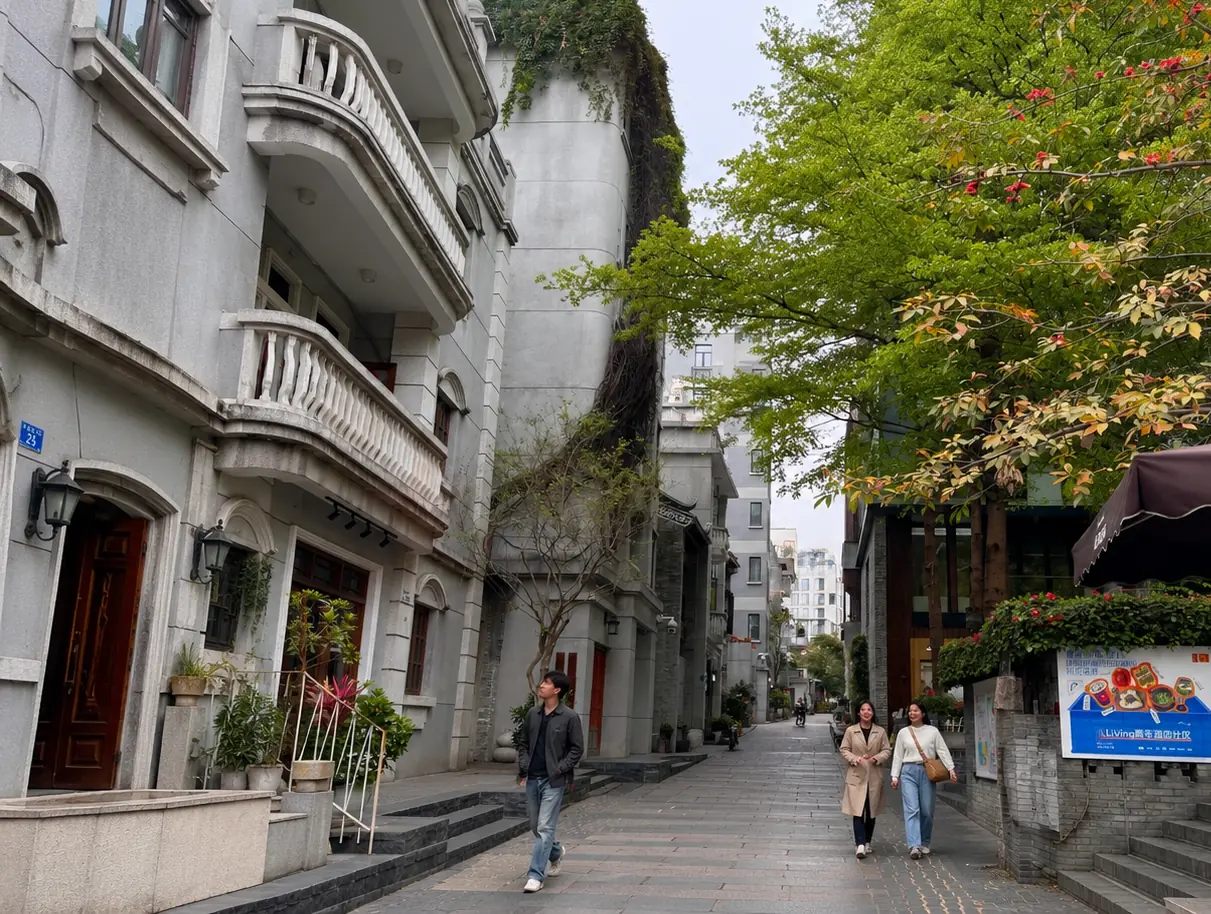
Design-focused weekend
Best mix: Nantou, OCT-LOFT, Shekou, Design Society, coffee streets, bookshops, and waterfront dining.
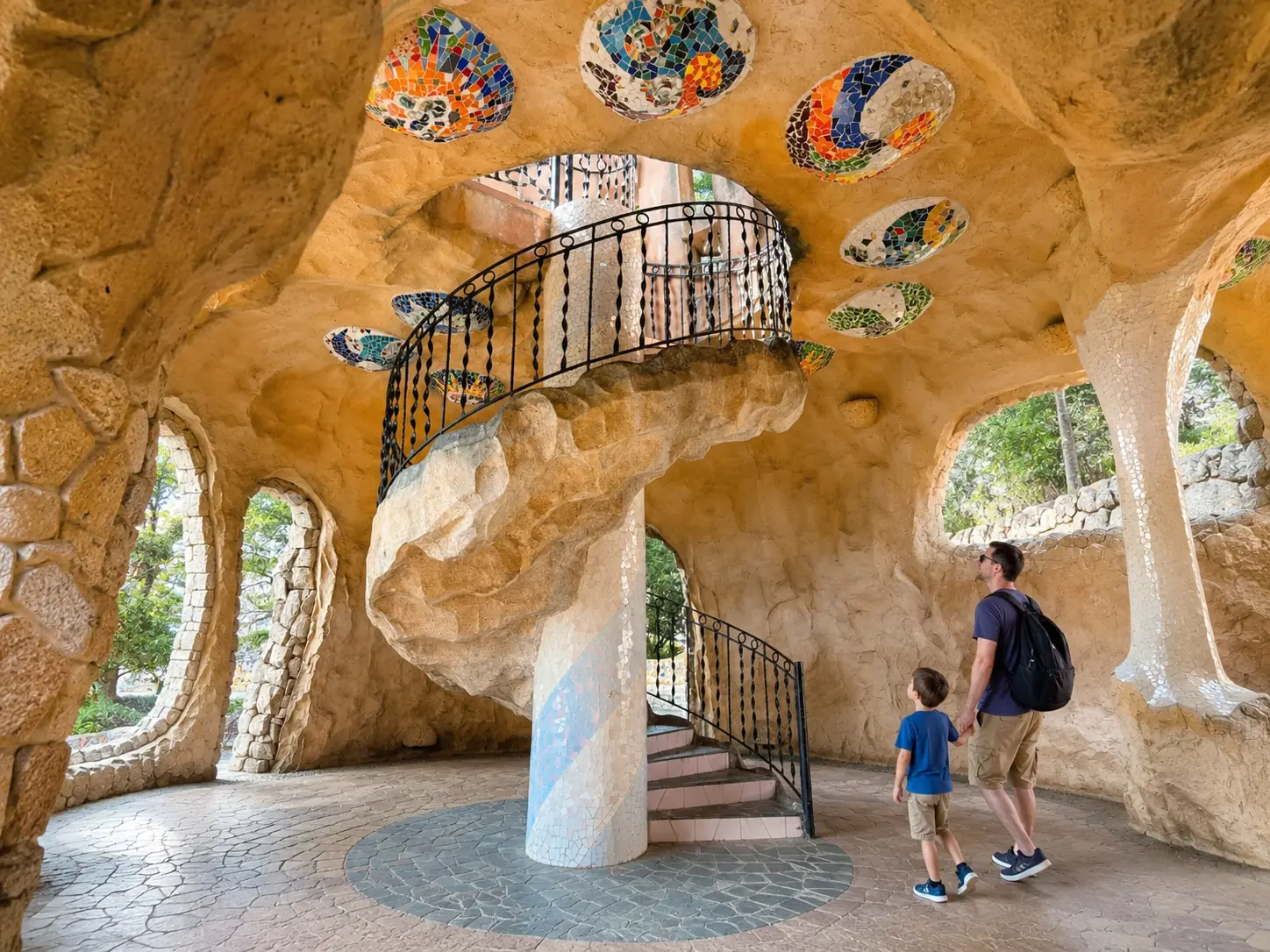
Family-friendly Shenzhen
Best mix: one theme park cluster, one easy skyline stop, Dongmen or mall dining, and a waterfront walk with low transfer pressure.
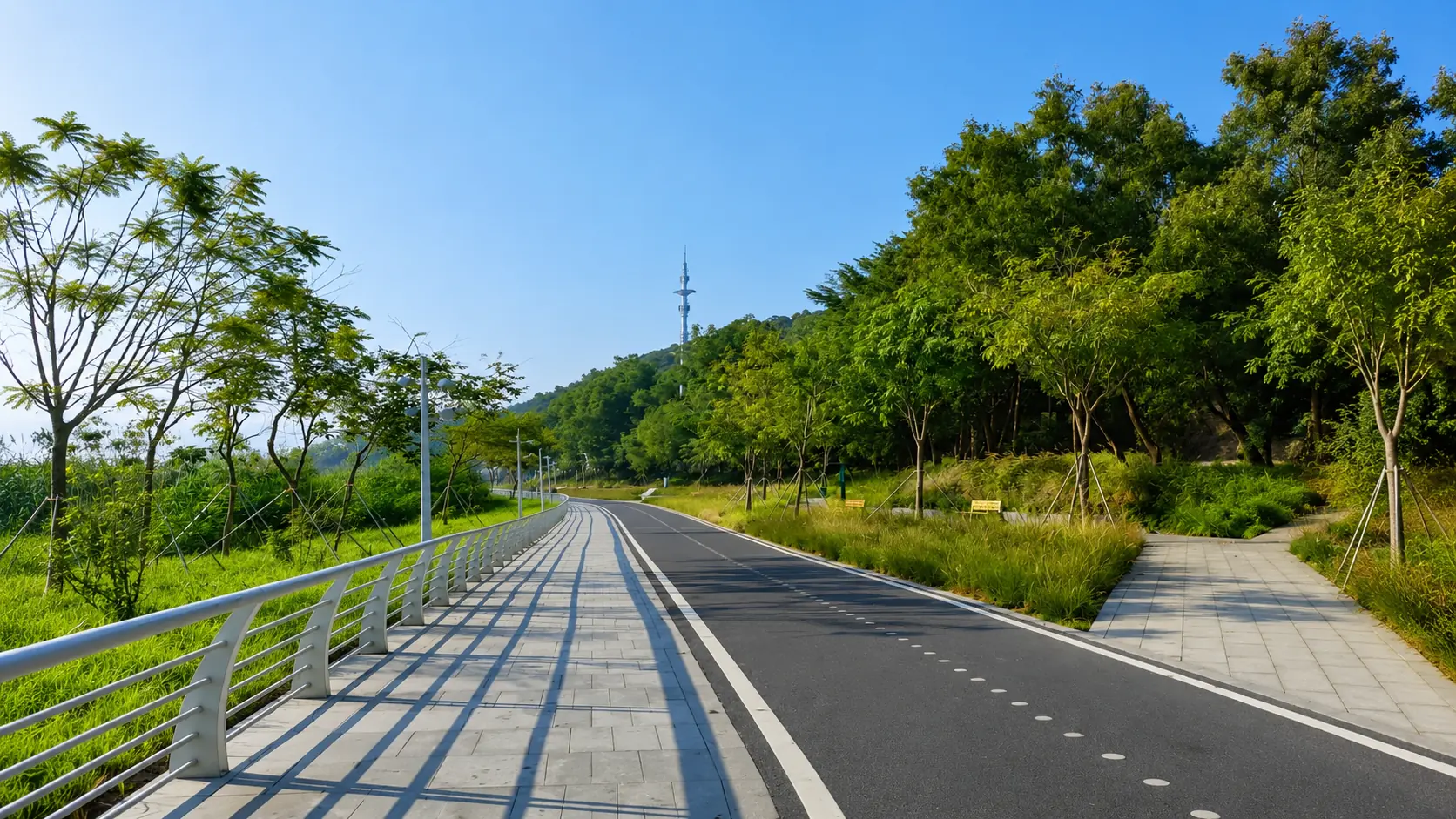
Outdoor and coast
Best mix: Shenzhen Bay Park, Dameisha, Wutong Mountain, or Dapeng. Keep the day weather-led and do not overpack central-city stops.
Food and night
Best mix: Dongmen snacks, Nanshan hotpot, Shekou dinner, Huaqiangbei night streets, and one late mall or bar district.

Plan Shenzhen by Area, Not by Checklist
Shenzhen rewards area-based planning. The metro is excellent, but the city is too spread out for random zigzags.
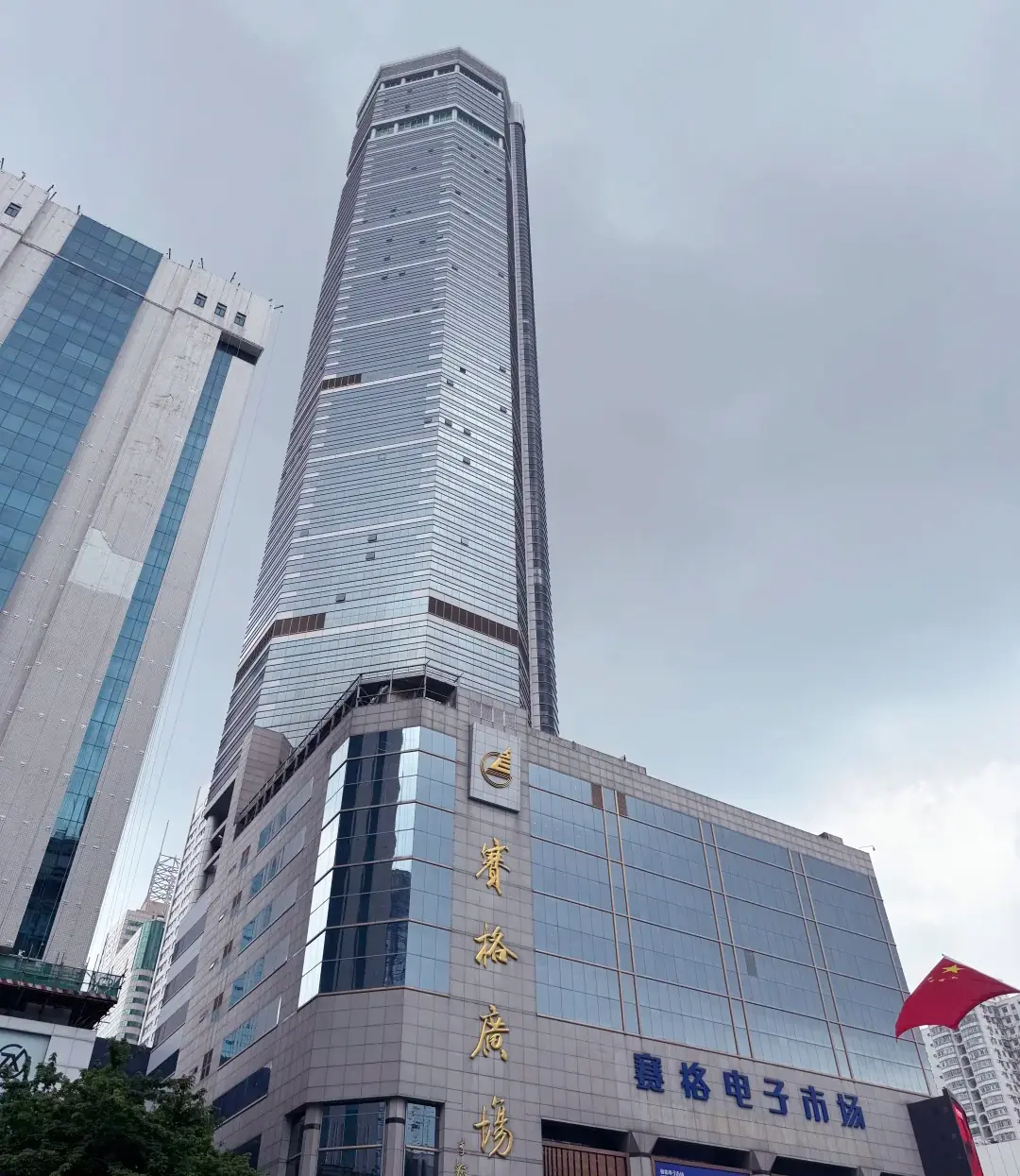
Futian and Huaqiangbei
Best for tech markets, skyline views, Civic Center, Lianhuashan Park, Coco Park, and business-district dining. This is the easiest one-day starter zone.
Nanshan and Nantou
Best for Nantou, OCT-LOFT, universities, tech campuses from the outside, creative streets, and slower cafes. Good for a second day.
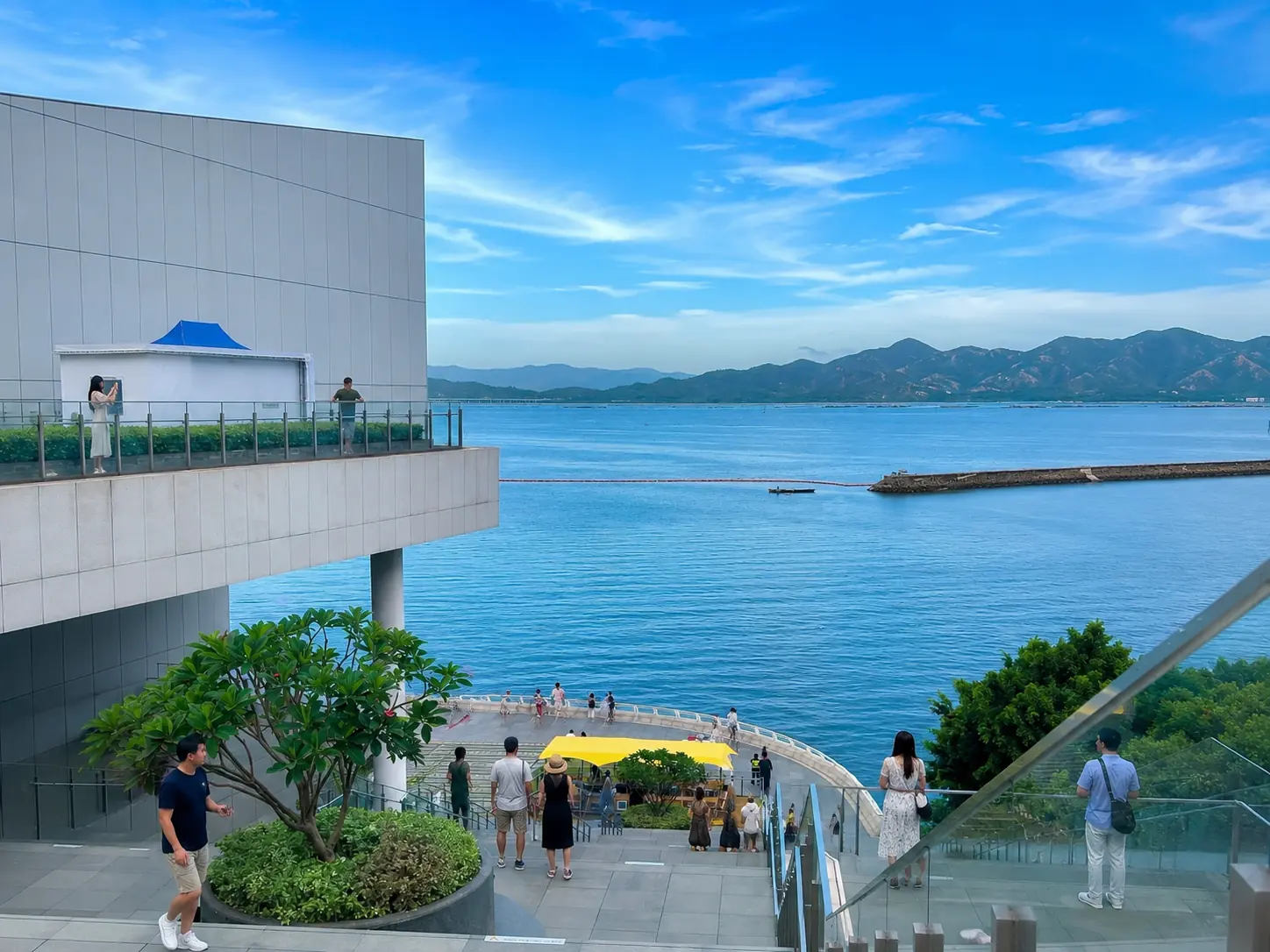
Shekou and Shenzhen Bay
Best for waterfront walks, Sea World, Design Society, relaxed dinners, and sunset pacing. This area works well after a dense indoor or market day.
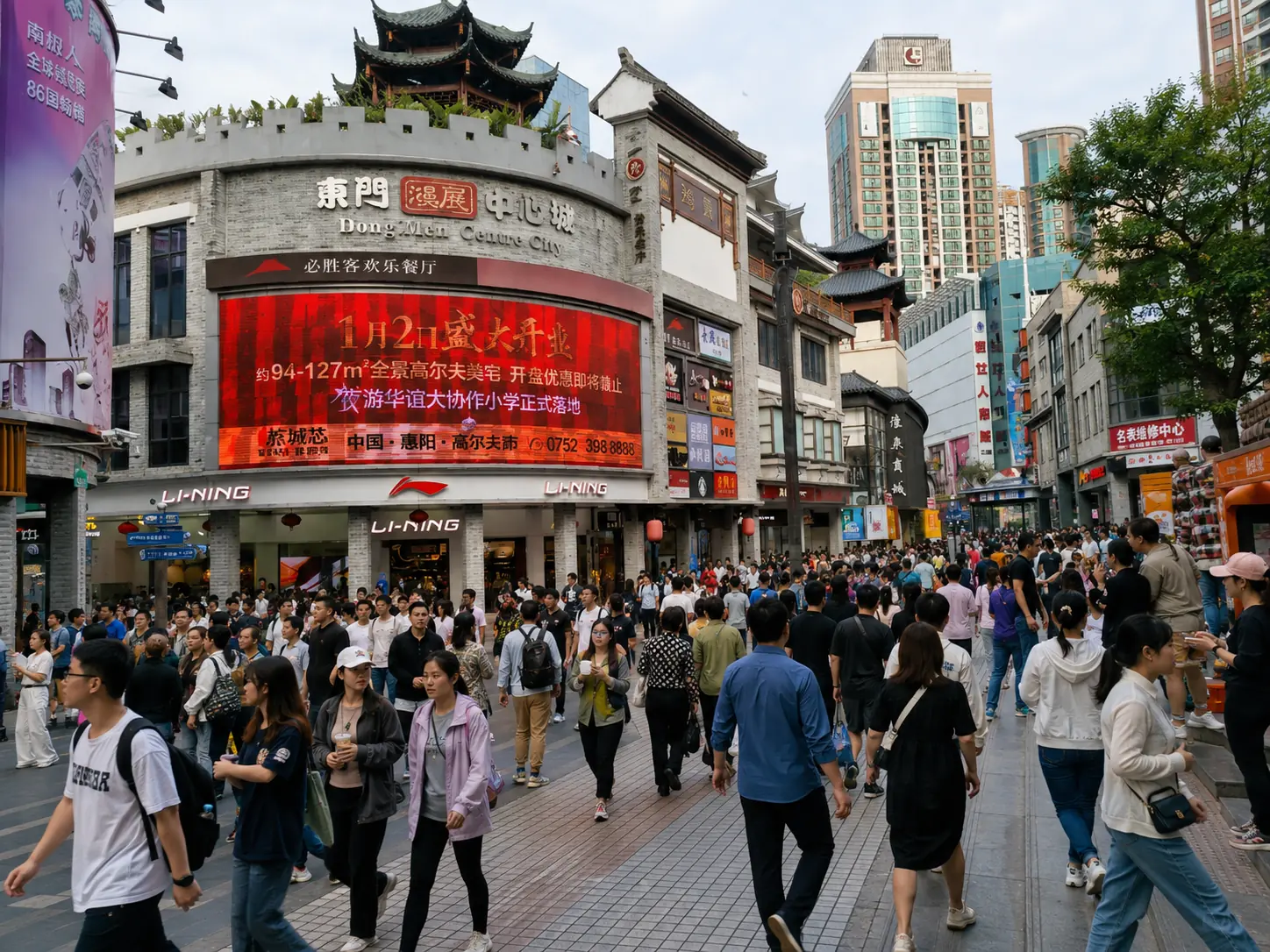
Luohu and Dongmen
Best for older commercial energy, snacks, bargain shopping, and easy links to Dafen. Expect crowds and practicality rather than polished scenery.
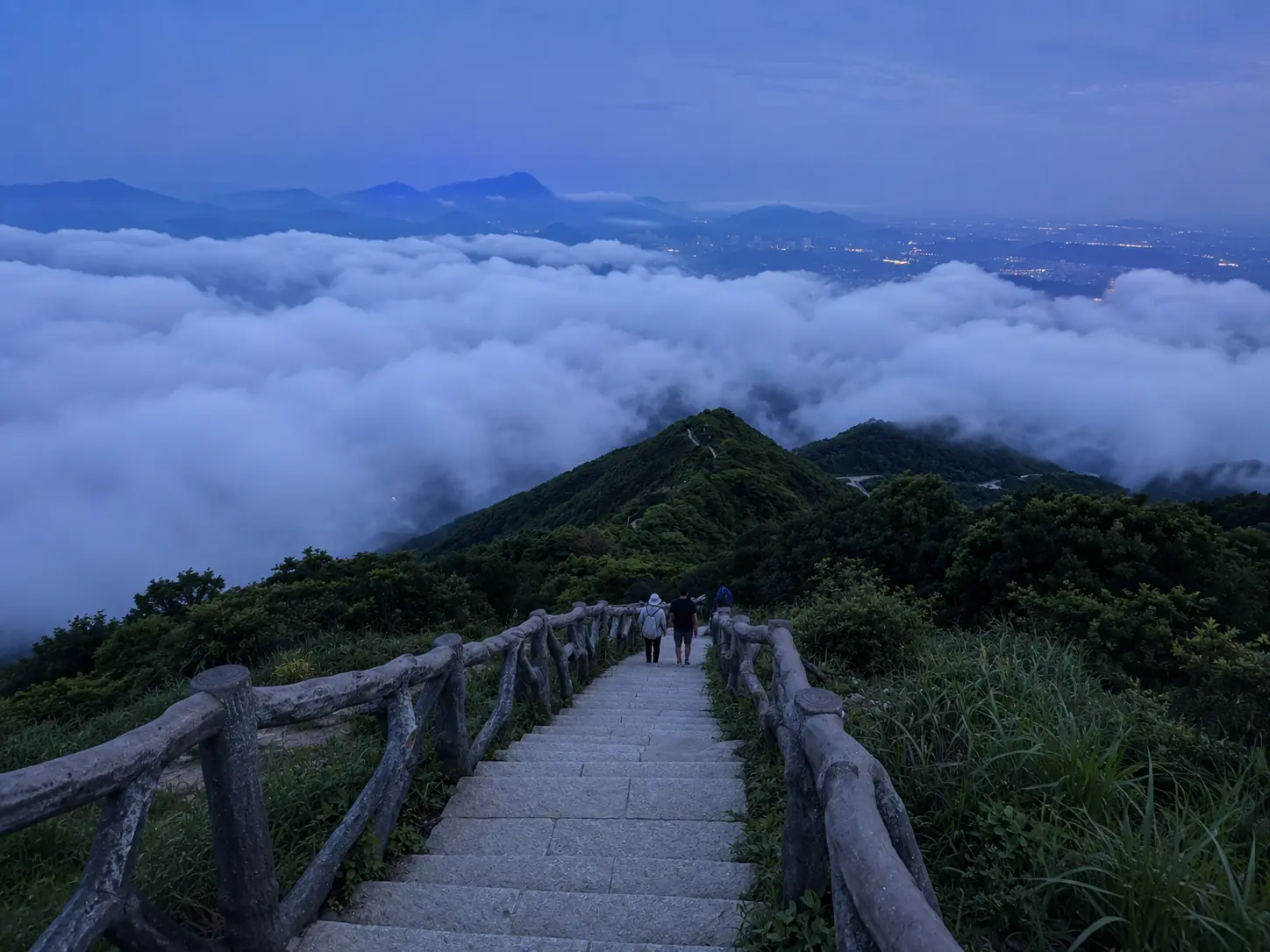
Yantian and Wutong Mountain
Best for hiking, sea-facing districts, and a more outdoorsy day. It needs a cleaner weather window and more transit patience than central Shenzhen.
Dapeng Peninsula
Best for a slower coastal or fortress day. Dapeng is rewarding when you give it time, but it is the first thing to cut if your Shenzhen schedule is short.
Pace Shenzhen Days by Energy Level
Shenzhen feels smoother when each day has one main identity. These pacing rules prevent the city from turning into a metro marathon.
Heavy day: coast or mountain
Use this for Dameisha, Dapeng, or Wutong Mountain. Start early, keep dinner flexible, and avoid adding Huaqiangbei or theme parks afterward.
Medium day: tech and skyline
Huaqiangbei plus Futian is strong but manageable. Add one evening food stop, not three more districts.
Light day: design and dinner
Nantou, OCT-LOFT, or Shekou works well when you want a slower day with cafes, shops, museums, and a good dinner.
Common Shenzhen First-Trip Mistakes to Avoid
- Trying to see Huaqiangbei, OCT-LOFT, Shekou, Dameisha, and Dongmen in one day. Shenzhen is efficient, not small.
- Treating Hong Kong as a casual evening add-on after a full Shenzhen day. Border crossings are simple, but they still cost time and energy.
- Planning outdoor stops without checking heat, rain, haze, and sunset time. Wutong Mountain and the eastern coast are weather-sensitive.
- Assuming every famous Shenzhen attraction is equally interesting for every traveler. Theme parks, Dafen, and paid skyline views are taste-dependent.
- Changing districts for every meal. In Shenzhen, the smarter move is to choose food near your final sightseeing cluster.
- Build each day around one main area, one secondary area, and one flexible dinner plan.
What to Save for a Second Shenzhen Trip
You do not need to force all of Shenzhen into a first visit. These are good second-trip choices unless they match your main interest.
Dapeng by default
Dapeng Fortress and the peninsula are worthwhile, but they need time. Save them unless coast and history are core to your trip.
Every theme park
Pick one theme-park cluster, not all of them. Families may love them; travelers short on time may prefer Huaqiangbei, skyline, and waterfront instead.
Wutong in difficult weather
If the day is very hot, wet, or hazy, do not spend your best Shenzhen time grinding through a mountain plan with poor views.

Dafen without art curiosity
Dafen is interesting when you care about studios and commercial painting. If that does not sound fun, save the transfer time.
Too many malls
Shenzhen malls are useful for food and comfort, but a trip built only on malls can make the city feel more generic than it is.
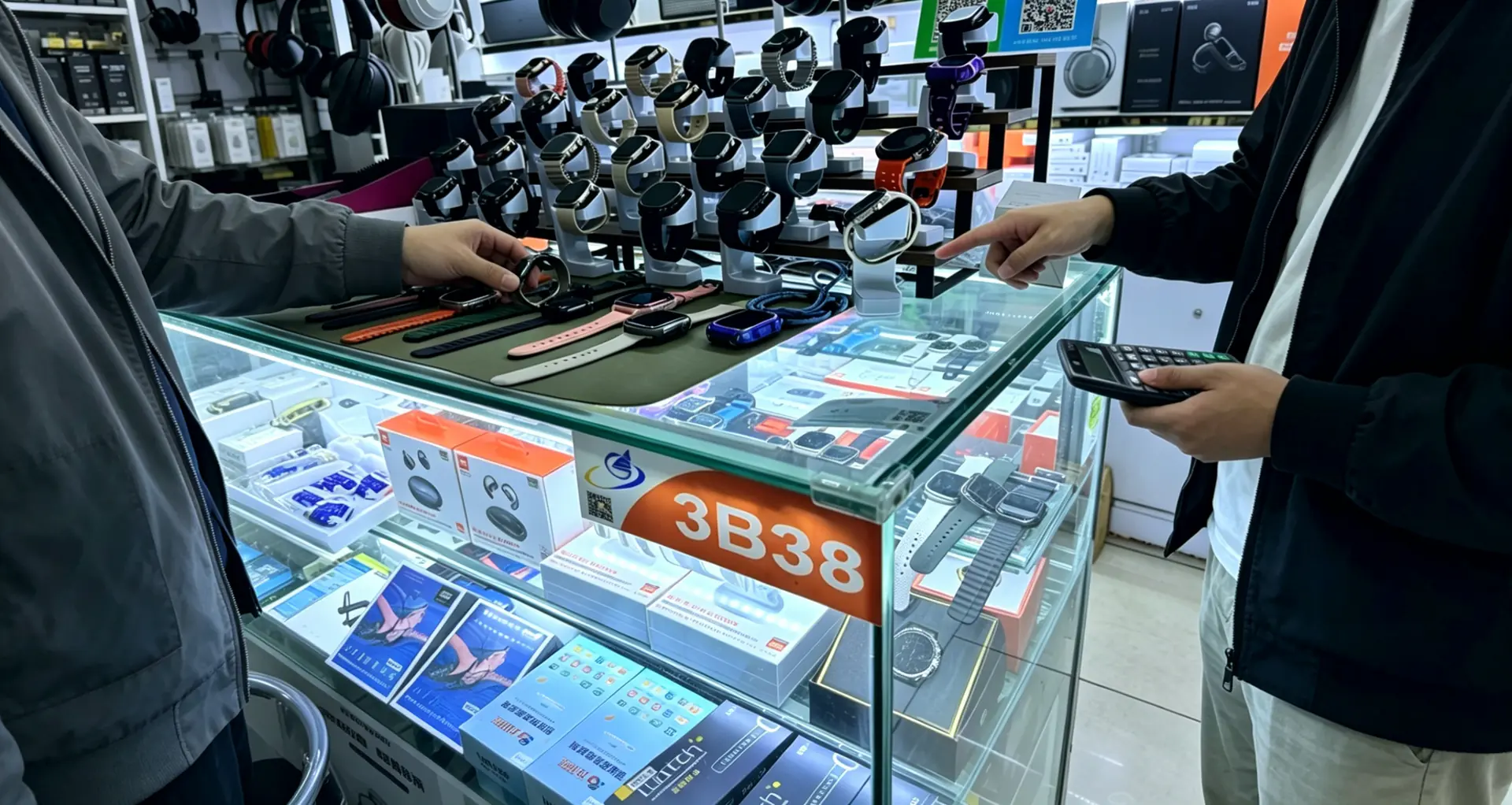
Deep hardware buying
Browsing Huaqiangbei is easy. Serious component sourcing, phone repairs, or wholesale buying need more language support and clearer goals.
Where to Stay for These Sights
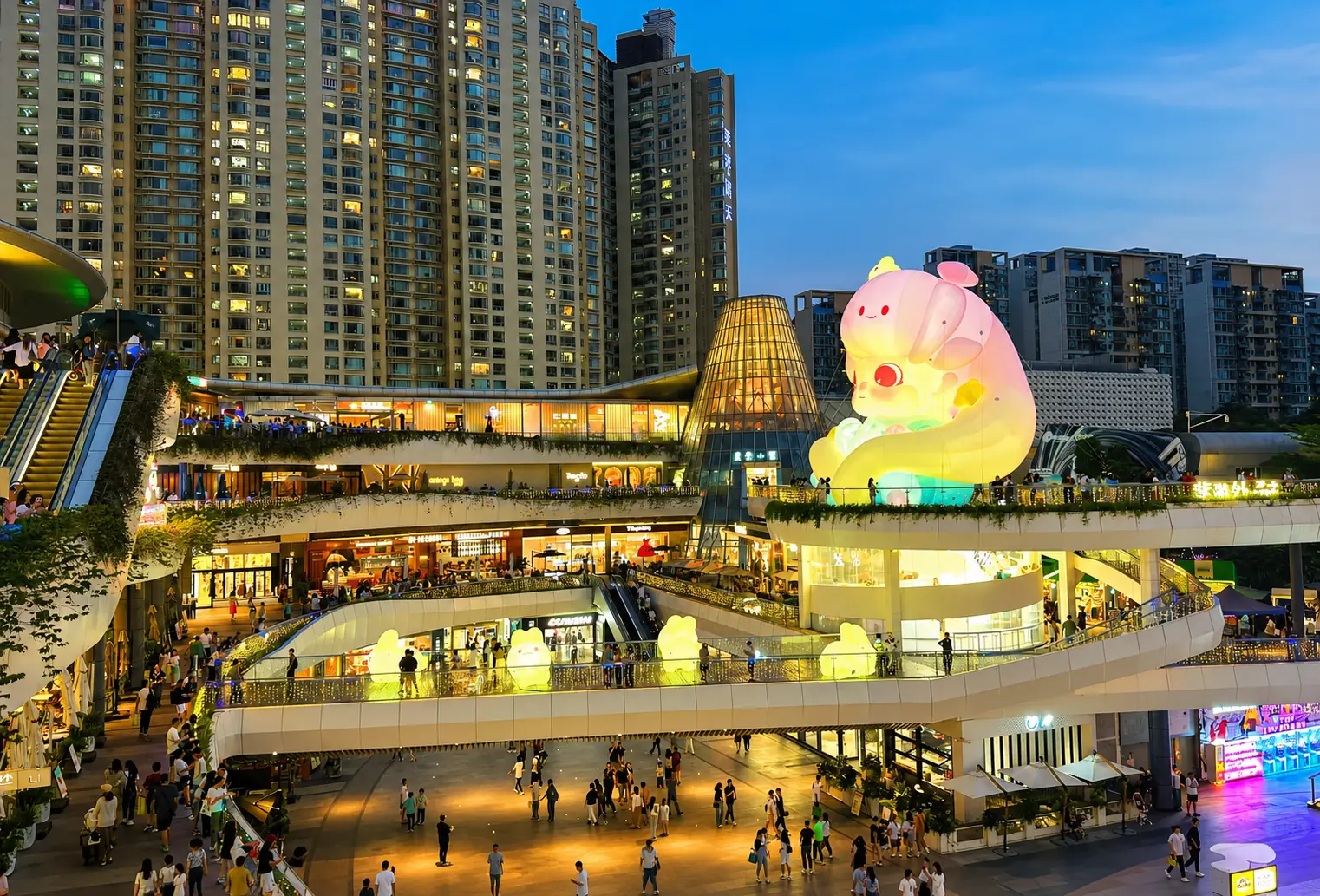
Futian: easiest first-timer base
Choose Futian if you want the simplest balance of metro access, skyline, Huaqiangbei, dining, and business-hotel convenience.
Nanshan: design, tech, and slower evenings
Choose Nanshan if your trip leans toward Nantou, OCT-LOFT, Shenzhen Bay, university areas, tech districts, or cafe-and-dinner pacing.
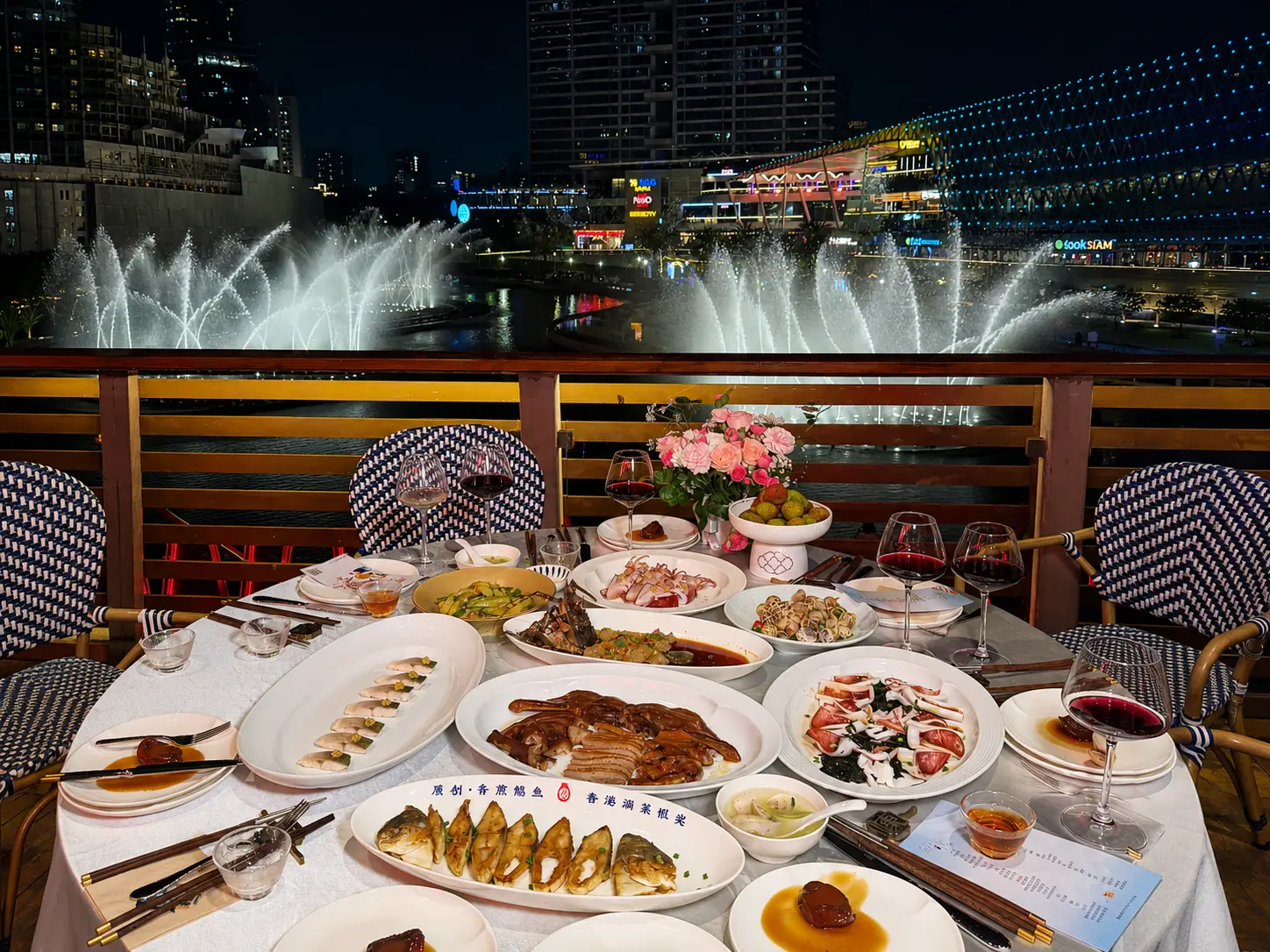
Shekou: waterfront and international comfort
Choose Shekou if you prefer an easier waterfront evening, western dining options, Sea World, Design Society, and a calmer base after busy daytime sightseeing.
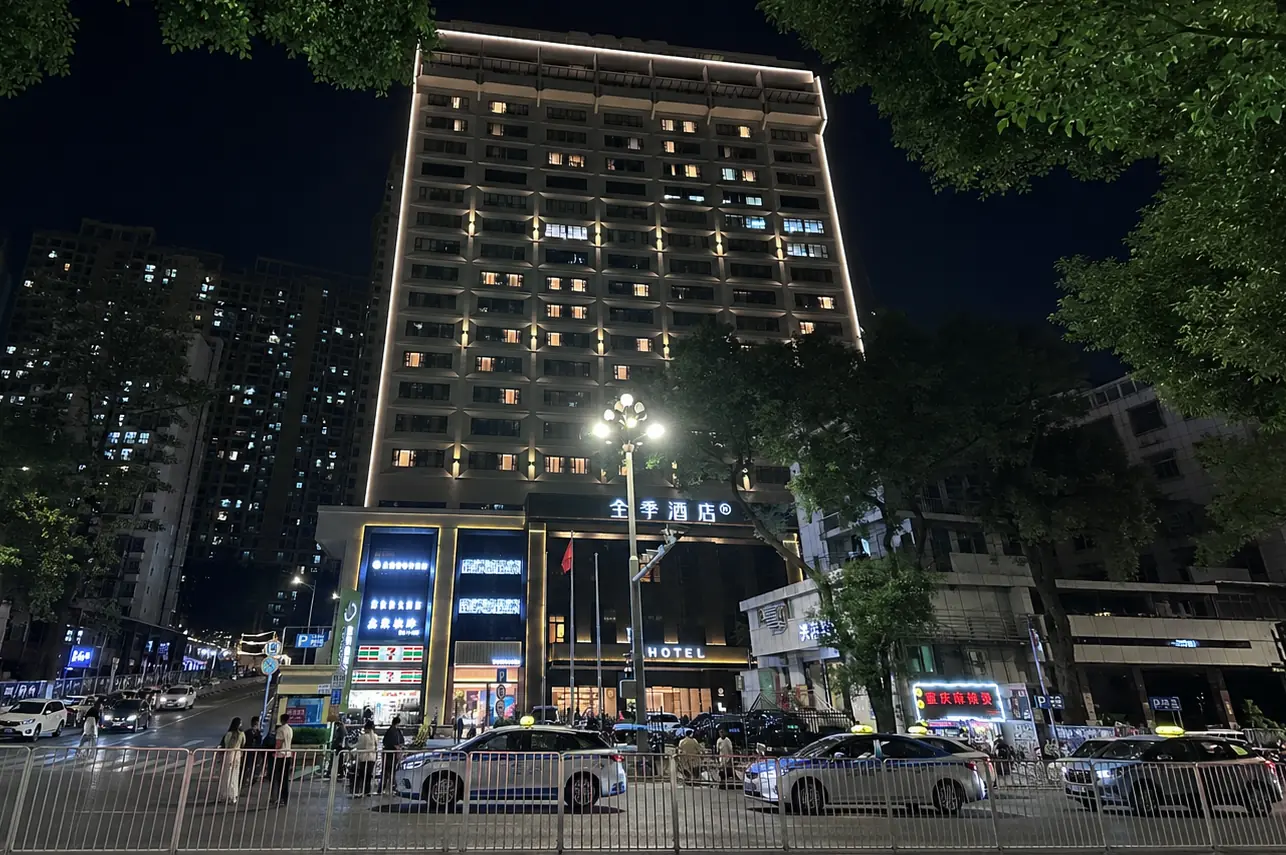
Luohu: shopping and cross-border convenience
Choose Luohu if you care about Dongmen, older shopping districts, train-station convenience, or a quick cross-border transit plan.
Frequently Asked Questions
Yes. Shenzhen is clean, metro-connected, and practical for solo travelers. The main challenge is not safety; it is choosing districts wisely so you do not spend too much of the day crossing the city.
Sources checked for this guide
- Huaqiangbei electronics-district scale, SEG Plaza history and market layout: Shenzhen Government Online — Huaqiangbei overview
- Shenzhen-Hong Kong land-port operating hours and metro border connections: Shenzhen Government Online — 2026 border-crossing guide
- Direct Metro Line 13 passenger connection into Shenzhen Bay Checkpoint: MTR — Shenzhen Metro Line 13
- Cross-district subway network across Luohu, Futian, Nanshan, Shekou and Bao'an Airport: Shenzhen Metro official network map
- Nantou Ancient City walking layout, museum context and Metro Line 12 access: Nantou Ancient City official visitor guide
Beyond This Guide
Shenzhen is not trying to be Beijing, Xi'an, or Suzhou. Its appeal is newer, faster, and more experimental: a city where electronics markets, supertall towers, restored villages, creative parks, waterfront paths, and late-night food all sit within a few metro lines of each other. For stay-area comparisons, rail/airport hubs, and Hong Kong border-port routing, continue to our Shenzhen destination guide.
Plan it by mood and geography, and Shenzhen becomes much easier to like. If you want a route shaped around your dates, pace, hotel area, food priorities, and weather backups, our planners can recommend a clean day-by-day order and walk you through the choices before you go.
© gochinafreely.com — Original guide by Go China Freely.