Class basics
Confirm before paying
A Courtyard Meal, Not a Restaurant
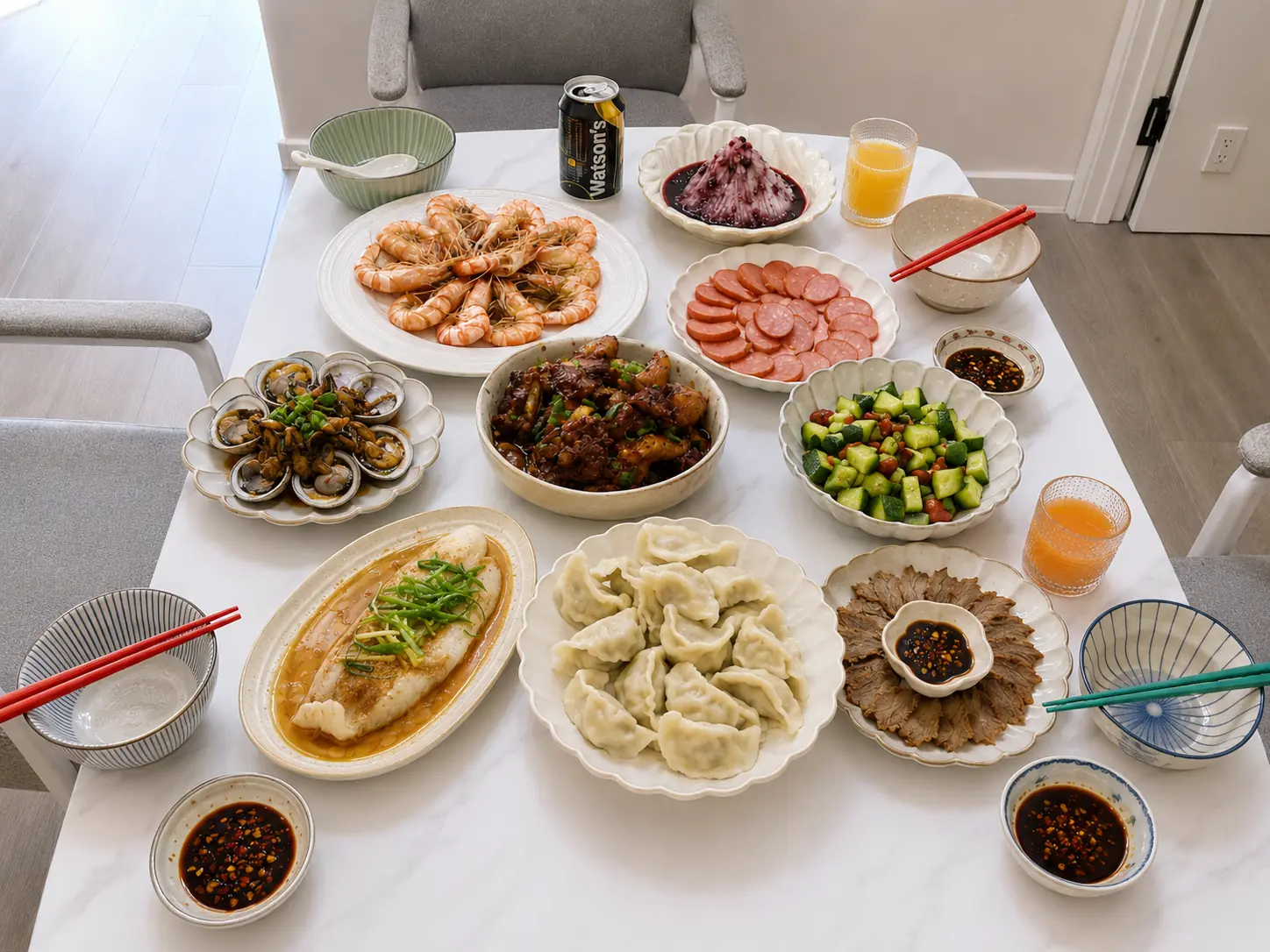
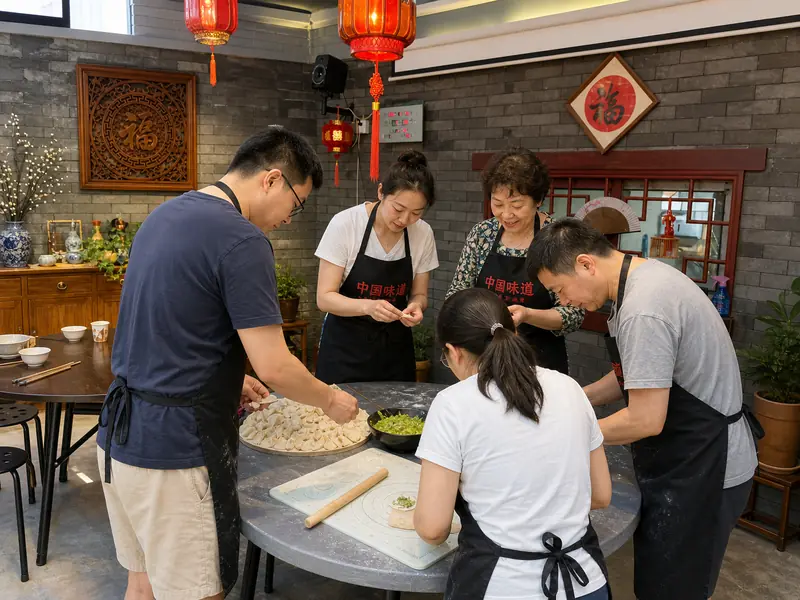
A Beijing hutong dumpling class is not just a meal with an apron. Over a typical 2.5- to 3.5-hour class, you step behind grey-brick lane doors, sit at a family-style table, and learn how northern Chinese dumplings move from flour and filling to a shared lunch or dinner. Conversation matters as much as the food.
It is worth the half day if you want a slower, more personal Beijing experience than another monument or restaurant meal. A good class gives you three things at once: a way into courtyard life, a hands-on northern food lesson, and a shared table where conversation happens naturally.
It is not the best use of time if you only want a quick meal, dislike entering private-feeling homes, need a tightly controlled allergen-free kitchen, or already have a packed Beijing day. This is an activity that works best when it has room to breathe.
Decision shortcut
Should you spend half a day on it?
Good fit
Choose it if you like hands-on food, old-city lanes, small-group conversation, and a relaxed lunch or dinner.
Think twice
Skip it if you mainly want photos, need strict allergen control, dislike wheat-based cooking, or only have one rushed evening.
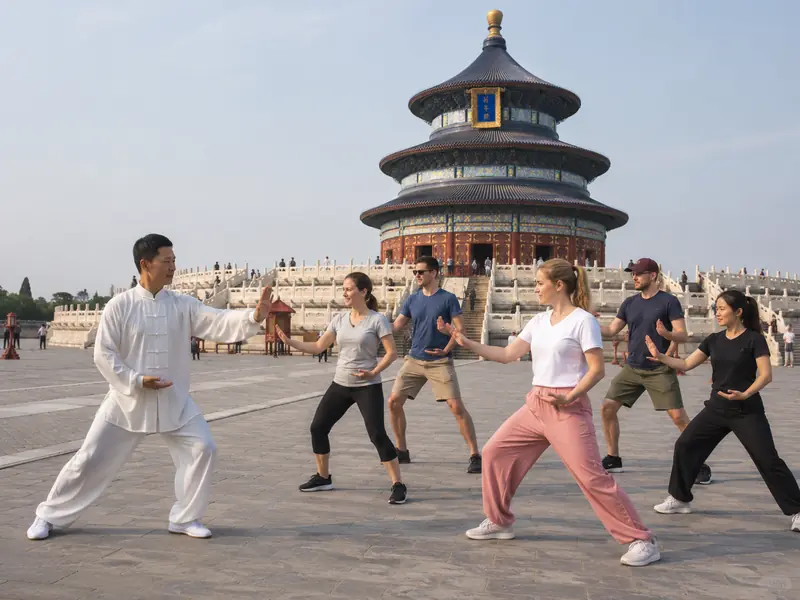
The class is especially useful after a palace-heavy day. The Forbidden City (故宫), Temple of Heaven (天坛), and Great Wall show Beijing at imperial scale; a hutong kitchen brings the city back down to a table, a bowl of filling, and someone showing you how to pinch the edge closed.
How Dumplings Open Beijing Courtyard Doors
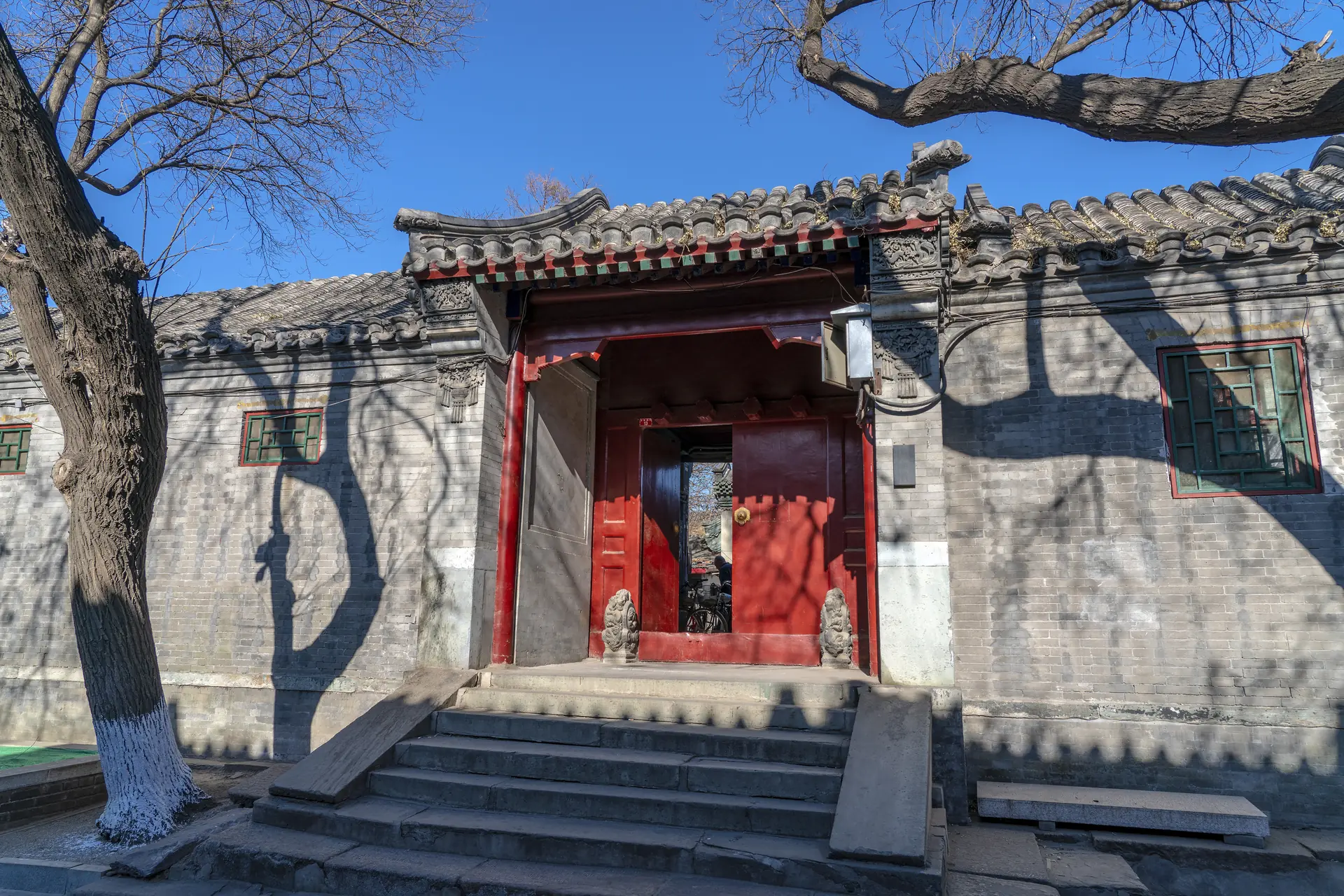
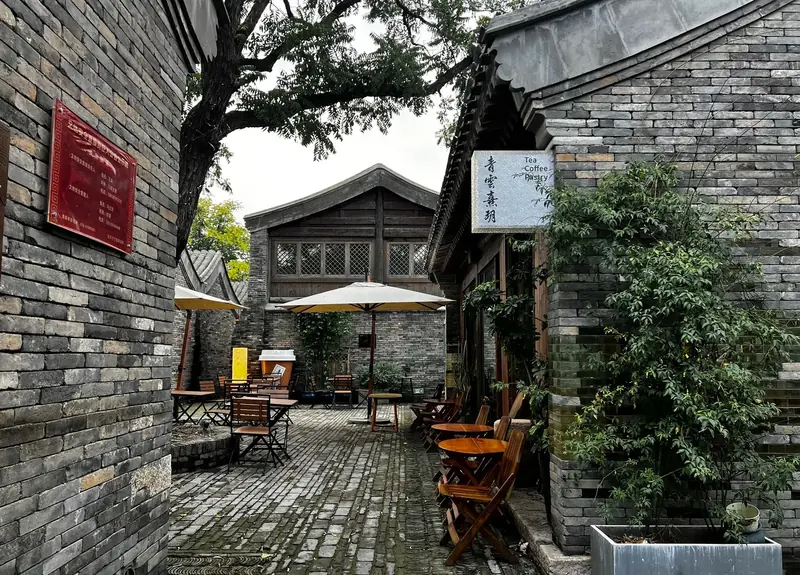
Hutongs (胡同) are the narrow lanes of old Beijing, and many are lined with courtyard homes known as siheyuan (四合院). Visitors often see the grey walls and carved door stones from outside. A dumpling class gives that architecture a human rhythm: shoes at the threshold, tea on the table, someone washing cabbage, and a host correcting your folding with a laugh.
Not every class is hosted in a private home. Some use hutong cultural spaces or cooking schools, which can be excellent if you want a clearer curriculum and smoother English. The key is matching the format to your expectation.
The setting
Courtyard context
The setting explains Beijing better than a lecture. You see how old lanes, shared courtyards, small kitchens, and neighborhood life still fit together.
The activity
Hands-on rhythm
Dumplings make conversation easy. Everyone is busy enough to relax, but not so busy that the class turns into a technical kitchen drill.
The close
Shared meal
The meal is not an add-on. Eating what you folded is the point: imperfect dumplings, dipping sauce, tea, and family-style side dishes.
Choosing the Right Hutong Class Format
Choose the format first, then compare providers. A family courtyard home, a professional cooking school, and a cultural combo class can all be good, but they answer different traveler needs.
← swipe to compare all options →
Family courtyard class
Home kitchen and shared meal
- ✓Best if you want hutong life, host stories, and a table that feels personal
- —Confirm the exact meeting point, language support, and whether the host or guide translates
- —Dietary changes may be possible, but must be requested before booking
Best for atmosphere
Small groups feel strongest
Cooking school
Recipe-led and more predictable
- ✓Best if you care about clear instruction, recipes, equipment, and a stable menu
- —The setting may feel less like a family visit and more like a class
- —Ask whether dumplings are the full focus or only one dish in a wider menu
Best for technique
Usually easier to standardize
Culture combo
Dumplings plus calligraphy, tea, or market
- ✓Good when children, first-timers, or mixed-interest groups need variety
- —Check whether the cooking part still gets enough time
- —Pay the provider or booking platform directly, especially for paid activities
Best for families
Often private or semi-private
Prices, menus, meeting points, and availability change. Confirm current details with the provider before paying.
For a live booking-oriented example, Trip.com's Shichahai and hutong dumpling-making tour(affiliate link · may earn commission, no extra cost) shows how one English-language half-day product combines a local-family dumpling activity with wider old-city sightseeing. Use the listing to understand one available format, not as proof that a specific date, price, menu, meeting point, or pickup detail will match your trip.
Checked July 23, 2026
Current provider snapshots
The Hutong
Its first-party page lists 2.5-hour public cooking classes with three dishes, recipes to take home, and a shared meal at CNY 350 per person.
Family-courtyard example
A current byFood product page shows a three-hour format with calligraphy, dumpling making, lunch, and English support.
These are provider snapshots, not a market-wide price or inclusion standard. Private or family-hosted hutong classes can cost more or less depending on group size, pickup, market visits, guide time, and add-ons, so compare structure before headline price.
What a Typical Class Flow Looks Like
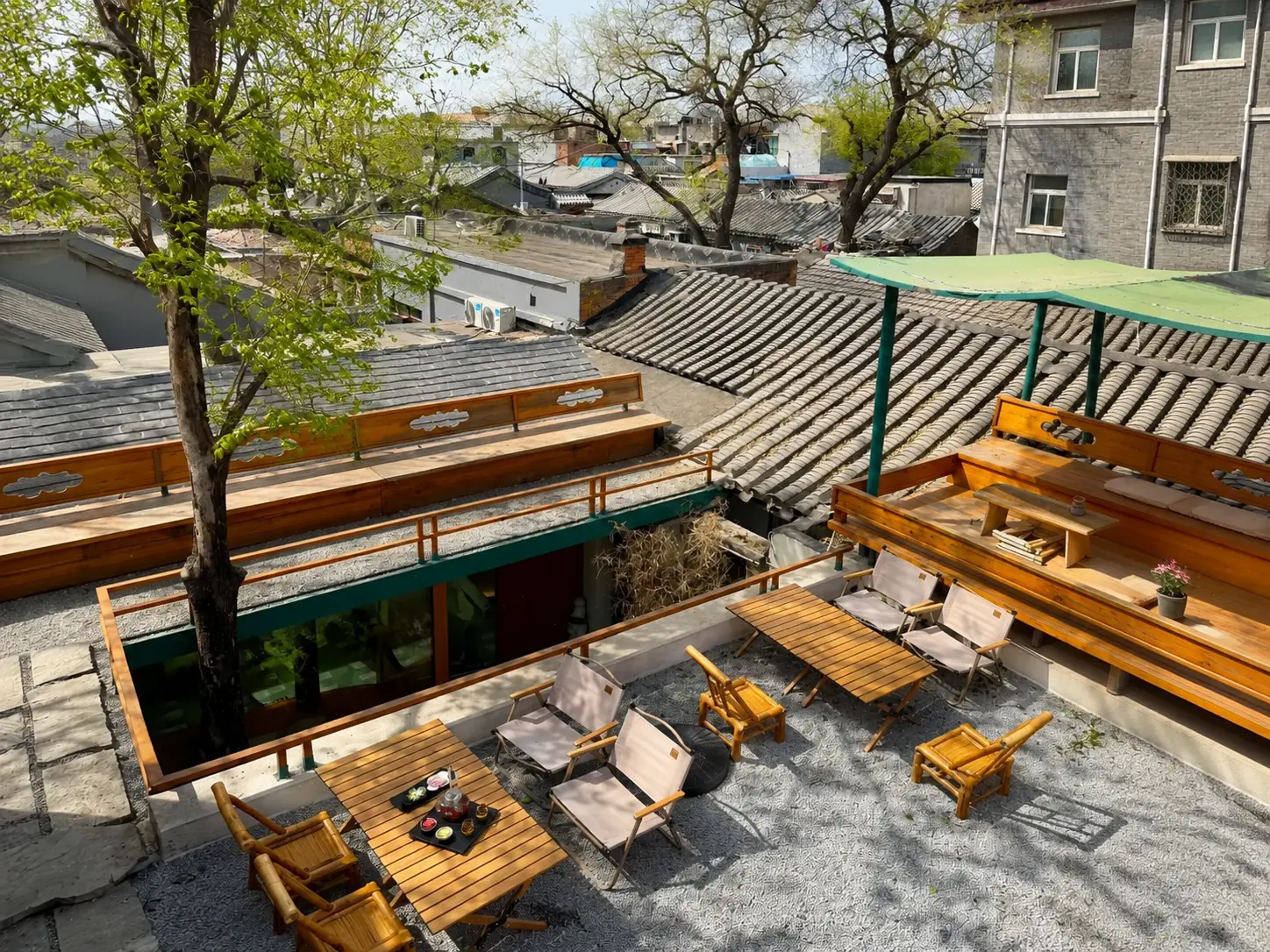
The best classes feel like a small home visit that slowly turns into dinner. If there is a market stop, it should connect directly to what you cook later. If there is no market stop, the teacher should still explain the ingredients before everyone starts folding.
- Meet in the Old City- Many classes use a public meeting point near Shichahai, the Drum Tower, Yonghegong, or another old-city landmark.
- Walk into the Lanes- Your host or guide leads you through the hutong to the home, kitchen, or cultural space.
- Tea and Ingredients- You meet the host, see the dough, filling, vegetables, sauces, and tools, and hear what the class will cook.
- Make Dough and Filling- You learn how moisture, salt, wheat dough, and chopped vegetables decide whether dumplings hold together.
- Roll and Fold- The teacher corrects wrapper thickness, filling amount, edge pressure, and pleats.
- Cook and Eat- Dumplings are boiled, served with dipping sauce and side dishes, then eaten around the same table.
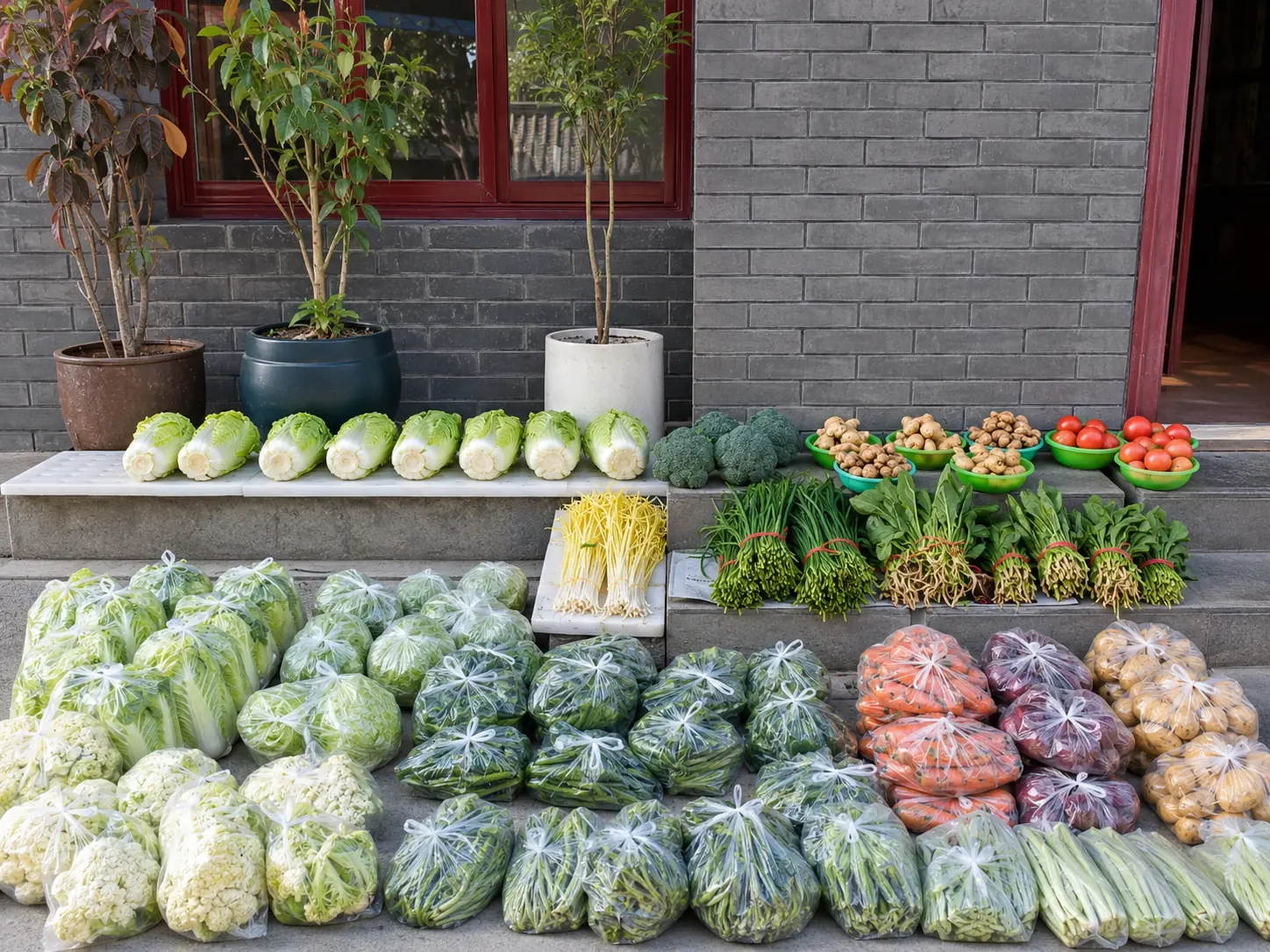
Most visitor-facing classes take about 2.5 to 3.5 hours. Versions with wet-market shopping, hotel pickup, tea, calligraphy, paper-cutting, or a longer hutong walk can run longer. Ask for the real start and finish time rather than relying on the headline.
Dumpling Skills That Matter in Class
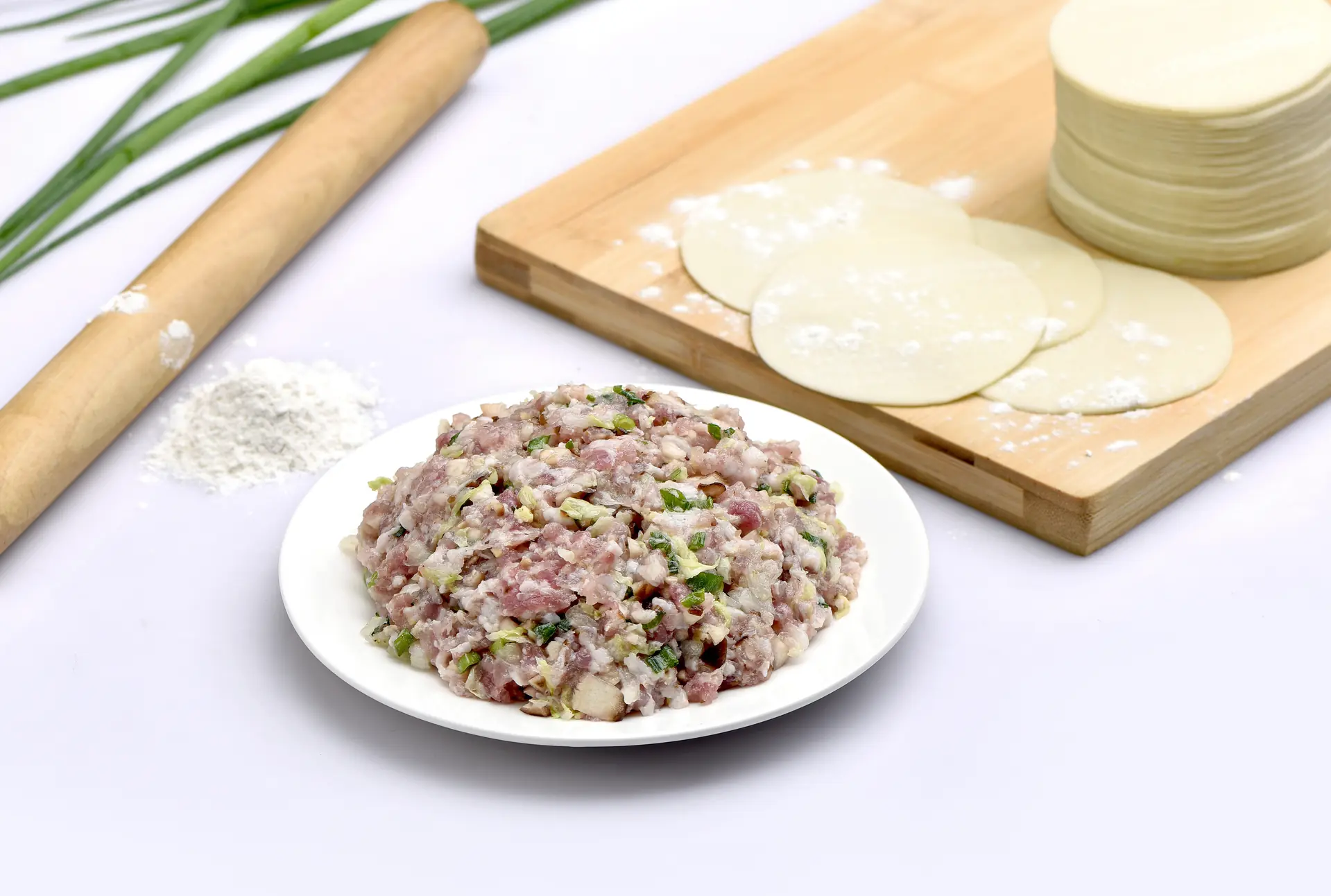
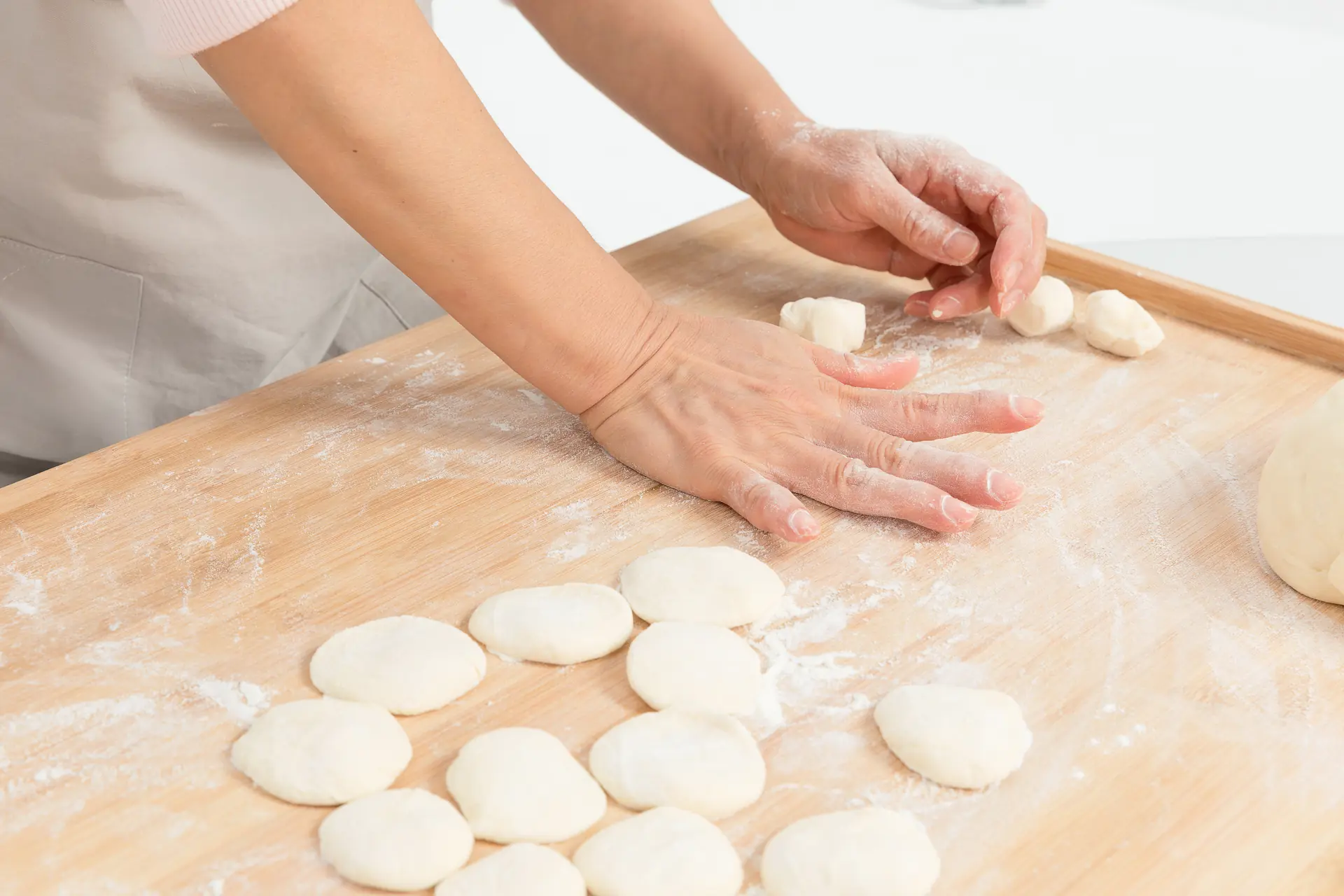
The filling gets attention, but the wrapper is the real lesson. A good teacher will show you how to rest the dough, roll the center slightly thicker than the edge, keep the filling from getting watery, and press out trapped air so the dumplings do not burst in the pot.
Wrapper thickness
The center supports the filling; the edge needs to be thin enough to seal. This is why handmade wrappers feel different from supermarket rounds.
Filling moisture
Cabbage, chives, tofu, mushrooms, pork, and egg all release moisture differently. The teacher should explain how to season without making soup inside the wrapper.
Folding pressure
Pretty pleats are optional; sealing is not. Watch how the teacher squeezes out air and presses the edge before worrying about symmetry.
Boiling rhythm
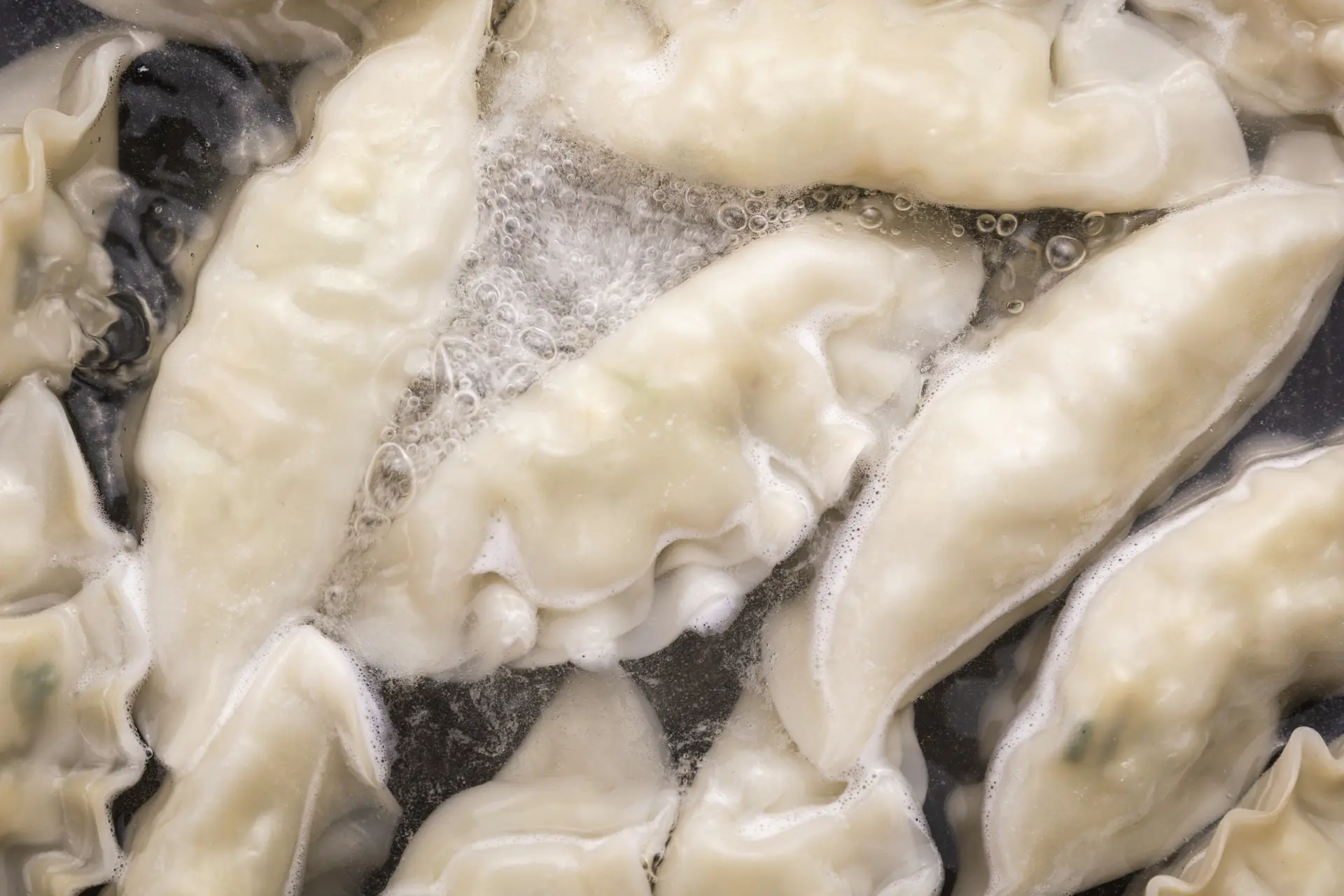
Boiled dumplings (水饺) need enough water movement to cook evenly, but not so much that weak seams tear open.
Most family-style classes teach northern boiled dumplings (水饺), not Shanghai soup dumplings (小笼包) or Cantonese dim sum. Classic Beijing-friendly fillings include pork and cabbage or pork with chives, but chicken, beef, egg-and-chive, tofu, mushroom, and vegetable versions are possible with the right provider.
Questions to Ask Before Booking a Class
Do not book only because the photos look charming. A courtyard door and a plate of dumplings do not tell you whether the class is truly hands-on, whether English is included, or whether dietary notes can be handled.
- Is the venue a real family home, a hutong cultural space, or a professional cooking school?
- Will each guest make dough, roll wrappers, fold dumplings, and cook, or will some parts be demonstration only?
- What is the exact start time, finish time, meeting point, and nearest subway station?
- Is English instruction included on your date, or is an English-speaking guide translating?
- Does the class include a market visit, tea, calligraphy, hotel pickup, or any other add-on?
- Can the provider handle vegetarian food, no pork, allergies, sesame, soy, egg, wheat, or other restrictions?
- What happens if you are late, the meeting point is hard to find, or the provider changes the address?
Be careful with vague listings
If a page says only "Beijing cooking class" but never explains the venue, group size, language, hands-on ratio, menu, or meeting point, ask before paying. The best class for you may not be the cheapest or the prettiest one online.
Diet, Kids, and Real Kitchen Comfort
A dumpling class is usually beginner-friendly, but it is still a real kitchen. Expect wheat dough, raw filling, hot water, shared tools, dipping sauces, and a room that may be smaller than a restaurant kitchen.
- Good for school-age children who like hands-on activities, especially in a slower small-group class.
- Good for solo travelers because the table format creates easy conversation.
- Vegetarian fillings may be possible, but confirm before booking and ask what goes into broth, sauces, and side dishes.
- Vegan, halal, severe nut allergies, sesame allergies, soy allergies, gluten-free diets, and celiac-level cross-contamination needs require extra caution.
- Do not assume a home kitchen can become fully allergen-free on arrival.
If you are traveling with young children, ask about knives, stove access, open boiling water, stairs, bathrooms, and whether children actually cook or mainly assist. A shorter cooking-only class may be easier than a market-plus-culture combo on hot days.
Getting There and Planning the Day
Meeting-point pattern
Shichahai-area meeting points
Treat the landmark as the start of the final approach, not as a universal class address.
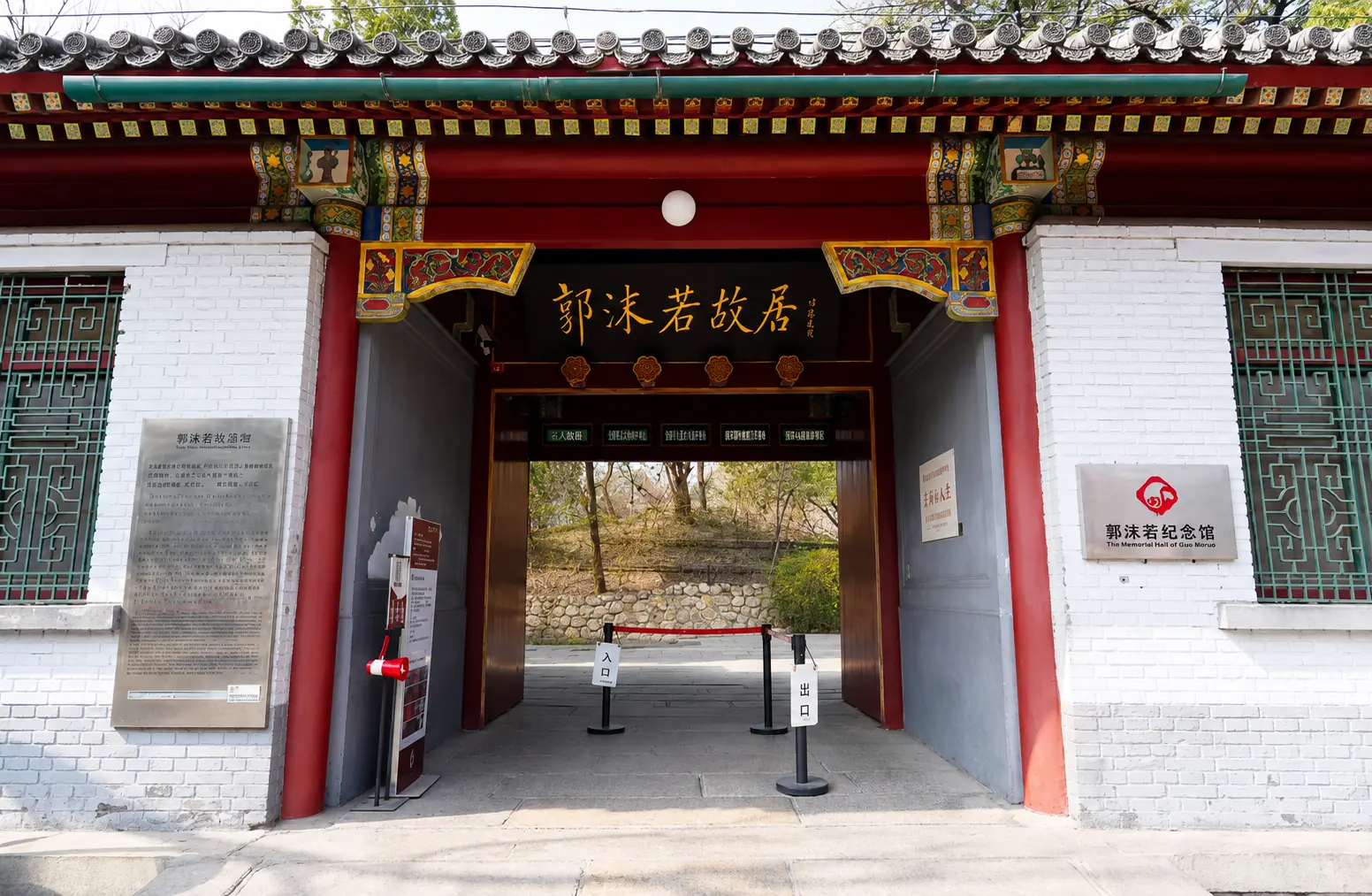
One current byFood product listing uses Guo Moruo Residence (郭沫若故居) as its meeting point and identifies Shichahai Station (什刹海站) on Metro Line 8, Exit C, as an approximately five-minute walk. That guidance belongs to that product. Other classes meet elsewhere around Shichahai, the Drum Tower, Yonghegong, or at a private address sent after booking.
Final approach
Plan for the last 5-10 minutes on foot
Do not assume a taxi can stop at the exact door. Many hutong lanes are narrow, residential, or awkward for cars. Save the Chinese address, keep the provider's phone or WeChat contact handy, and arrive early if the meeting point is a museum gate, subway exit, or busy lakeside street.
The smoothest plan is a late-afternoon or early-evening class. Morning Forbidden City (故宫), Jingshan Park (景山公园), or Beihai Park (北海公园); hotel rest; then a hutong class and dinner works well. A class after a long Great Wall day can be charming, but only if your group still has energy.
House Etiquette and Courtyard Photo Manners
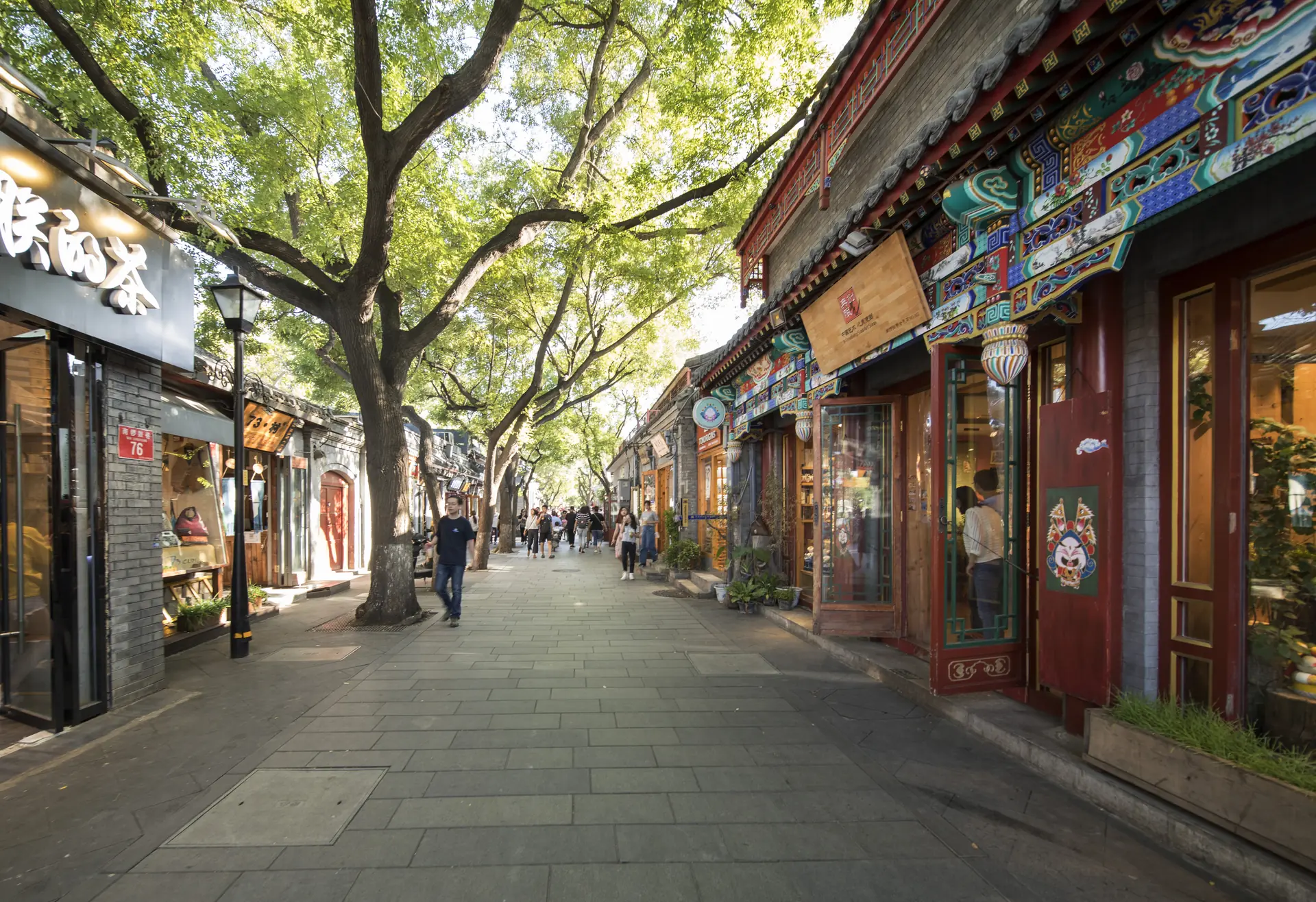
Treat a courtyard home as a home first, not an attraction. Ask before photographing the kitchen, doorways, neighbors, children, or personal objects. Some courtyards have shared space; keep your voice lower than you would in a restaurant and avoid filming deep into other residents' doors.
- Ask before close-up photos of the host, family members, kitchen, private rooms, or neighbors.
- Keep bags compact; hutong kitchens and courtyards can be narrow.
- Compliment the meal simply. 谢谢,很好吃 means "Thank you, it was delicious."
- Do not livestream or film long videos inside residential courtyards unless the host explicitly agrees.
- Do not step through closed doors, open cabinets, or photograph residents who are not part of the class.
At the table, do not worry if your first dumplings look strange. The host has seen worse, and imperfect folds are often what make the class feel like a real family meal rather than a polished performance.
Nearby Walks After a Dumpling Class
Low-friction evening
Shichahai lakeside walk
Choose this only when the actual class finish point is nearby; otherwise use the closest neighborhood option below.

If your class finishes around Shichahai, keep the rest of the evening light. Walk toward Yinding Bridge (银锭桥), follow the lakeside toward Houhai (后海), and let the water, willow trees, grey rooftops, and early bar lights do the work.
Best if your class meets near Guo Moruo Residence, Qianhai, or Houhai. Keep it slow: lake edge, Yinding Bridge, then a short hutong wander.
Bell and Drum Towers
鼓楼 / 钟楼 · old-city skyline
Good before a late class or on a separate old-city day. Use the Bell and Drum Towers guide if you want the view over hutong rooftops.
Use it as an access spine, not the whole experience. The quieter side lanes are better than the main commercial strip.
Best if your class is near Yonghegong or Wudaoying. Pair with coffee, small shops, or a gentler evening rather than another major attraction.

For a broader food context, use the Beijing food guide. For a full old-city route, pair the class with Nanluoguxiang hutong walking tour, Shichahai lakes walk, or the Forbidden City and hutong one-day itinerary.
Frequently Asked Questions
Plan a half-day block rather than a quick lunch. The class itself is often 2.5 to 3.5 hours, and you should leave extra time for the meeting point, the hutong walk in, and an unhurried meal.
Sources checked for this guide
- Checked the current first-party description of 2.5-hour Beijing cooking classes, three dishes, take-home recipes, a shared meal, the CNY 350 public price, and the dumpling-class skills covered: The Hutong — Beijing cooking classes
- Cross-checked one current English-language Shichahai and local-family dumpling half-day listing; platform price, availability, meeting details, and cancellation terms remain volatile: Trip.com — Shichahai dumpling-making product
- Cross-checked a current three-hour family-courtyard product with calligraphy, dumpling making, lunch, English support, and provider-specific Guo Moruo Residence meeting guidance: byFood — Beijing hutong family experience
- Checked municipal background on Beijing hutongs, courtyard culture, Wudaoying, Yandai Byway, Yinding Bridge, and Line 8 access without treating it as class-provider information: Beijing Government — Hutong cultural guide
- Checked the municipal Shichahai route for Yinding Bridge, Guo Moruo Memorial Museum, nearby old-city nodes, and the area's cultural context: Beijing Government — Shichahai heritage route
Beyond This Guide
A dumpling class is easiest to enjoy when the rest of the day gives it room. Keep the surrounding plan simple: one major sight, one rest window, one hutong meal experience, and a soft walk near the actual finish point instead of a cross-city dash.
© gochinafreely.com — Original guide by Go China Freely.