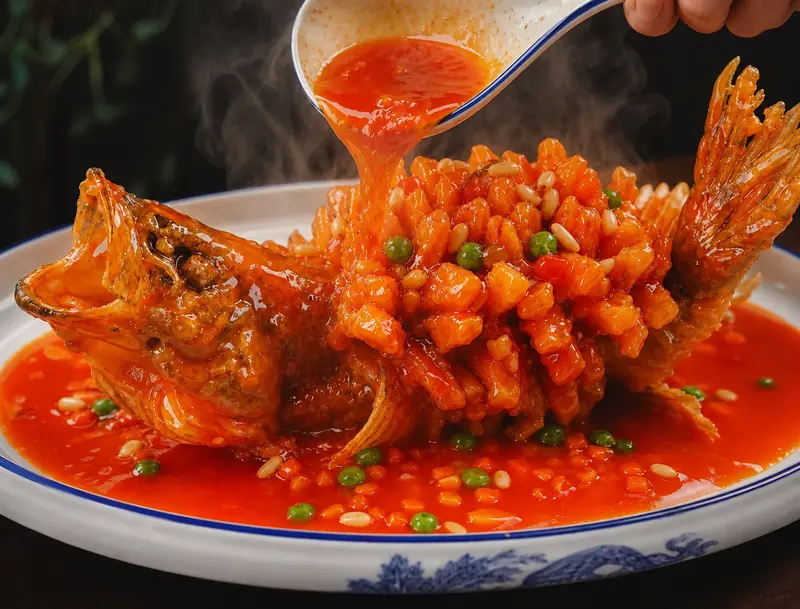
Squirrel Fish (松鼠桂鱼) is Suzhou's most theatrical dinner dish: a whole mandarin fish cut into a bristling pattern, fried until the flesh opens like a fan, then hit with glossy sweet-sour sauce while it still crackles. It looks playful, but the technique is serious. This guide explains what the dish is, why it matters in Suzhou, where to try it, and how to order it without turning one fish into an awkward meal.
Executive Summary
What to expect
A whole mandarin fish carved, starch-coated, deep-fried, and covered with hot sweet-sour sauce. The best versions are crisp outside, tender inside, and bright rather than sticky-sweet.
Best first order
Order it as the main dish of a sit-down Suzhou meal, ideally for two to four people. Add rice, greens, and one lighter soup or tofu dish instead of stacking more rich plates.
Main traveler challenge
It is still a whole fish. Ask about bones, sweetness, portion size, and fish allergies before ordering, especially if children or strict dietary needs are involved.
2-4
Best sharing group
0-1 / 5
Typical spice level
Sweet-sour
Signature flavor
Whole fish
Not a snack
Why Squirrel Fish Defines Suzhou Food
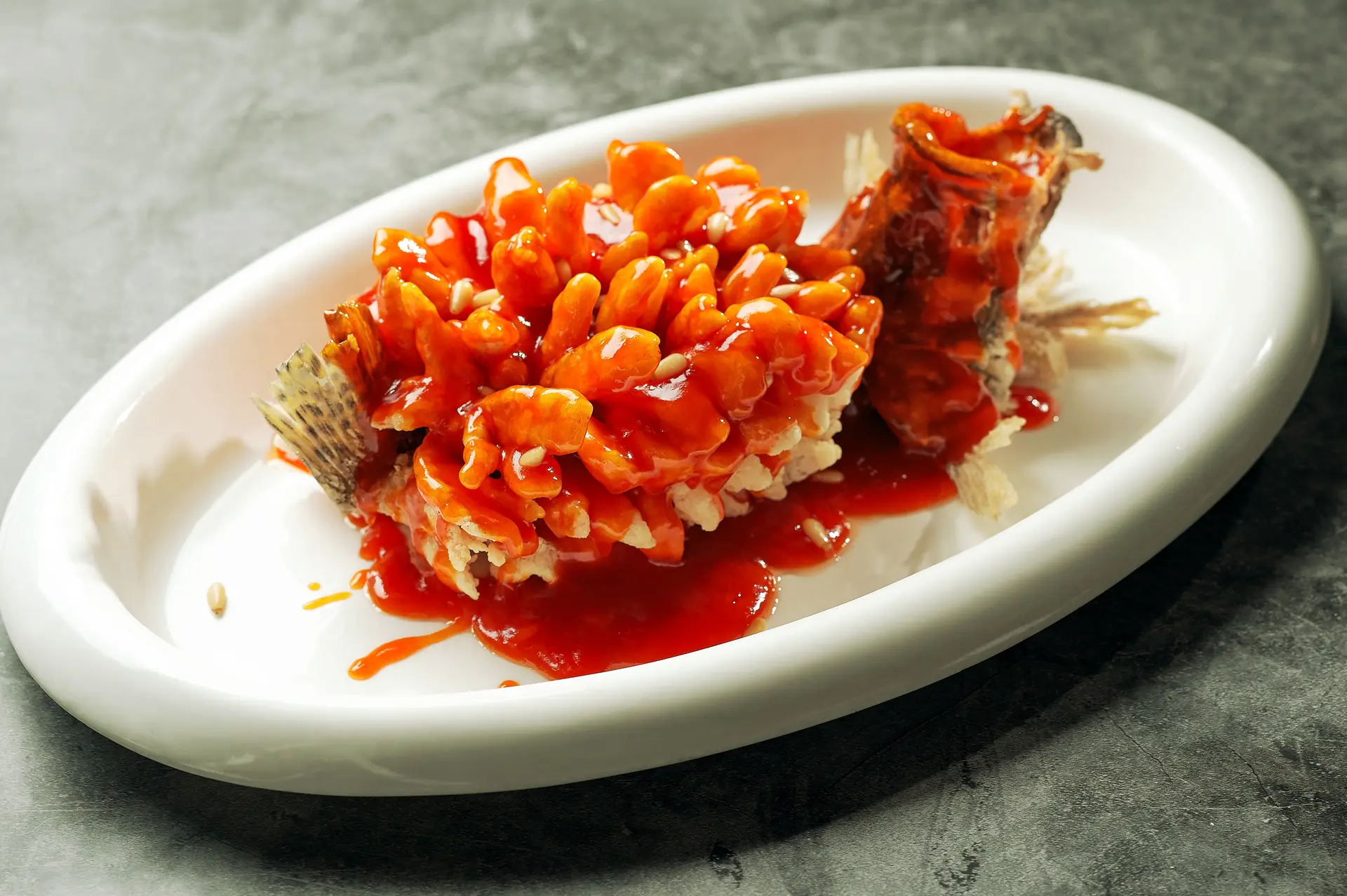
Suzhou food often rewards attention instead of shock. It leans toward freshwater ingredients, careful cutting, gentle sweetness, seasonal timing, and dishes that make sense around a proper table. Squirrel Fish puts all of that in one plate.
The official Suzhou government English site describes Squirrel-shaped Mandarin Fish as a dish made from mandarin fish, cut into rhombus patterns, coated with starch, deep-fried, and finished with hot sauce. That is the traveler's useful frame: this is not just "sweet and sour fish." It is a Suzhou showpiece built from knife work, frying, and timing.
It also fits the city. After a morning of gardens, Suzhou Museum, Pingjiang Road (平江路), or Guanqian Street (观前街), a shared squirrel-shaped fish feels like the sit-down meal that proves Suzhou is more than snacks and canals.
Treat the imperial story as local lore
You may hear a story connecting the dish to Emperor Qianlong, Songhelou (松鹤楼), and an earlier carp version. It is part of the dish's charm, but the safest wording is "according to local lore" rather than treating it as a verified court record.
What Squirrel Fish Looks Like on Menus
Squirrel Fish is usually made with mandarin fish and written as 桂鱼 or 鳜鱼 on Chinese menus. The fish is prepared whole, with the head and tail kept for the dramatic final shape.
The meat is cut so it opens outward after frying. When the hot sauce is poured over the crisp fish, the surface can sizzle. That sound is one reason people explain the name as "squirrel" fish, along with the raised head, curved tail, and fur-like opened flesh.
1Whole Fish Drama
The plate is designed to arrive as a centerpiece, not as a quiet fillet.
2Freshwater Core
Mandarin fish gives the dish a tender, relatively fine-boned base compared with many river fish.
3Sweet-Sour Finish
The sauce should wake up the fried fish, not bury it under gluey sweetness.
Some restaurants translate it as "squirrel-shaped mandarin fish," "squirrel fish," or "sweet and sour mandarin fish." Those usually point to the same Suzhou classic. If the English menu only says "sweet and sour fish," check the Chinese name or photo before assuming it is this dish.
How the Fish Gets Its Shape
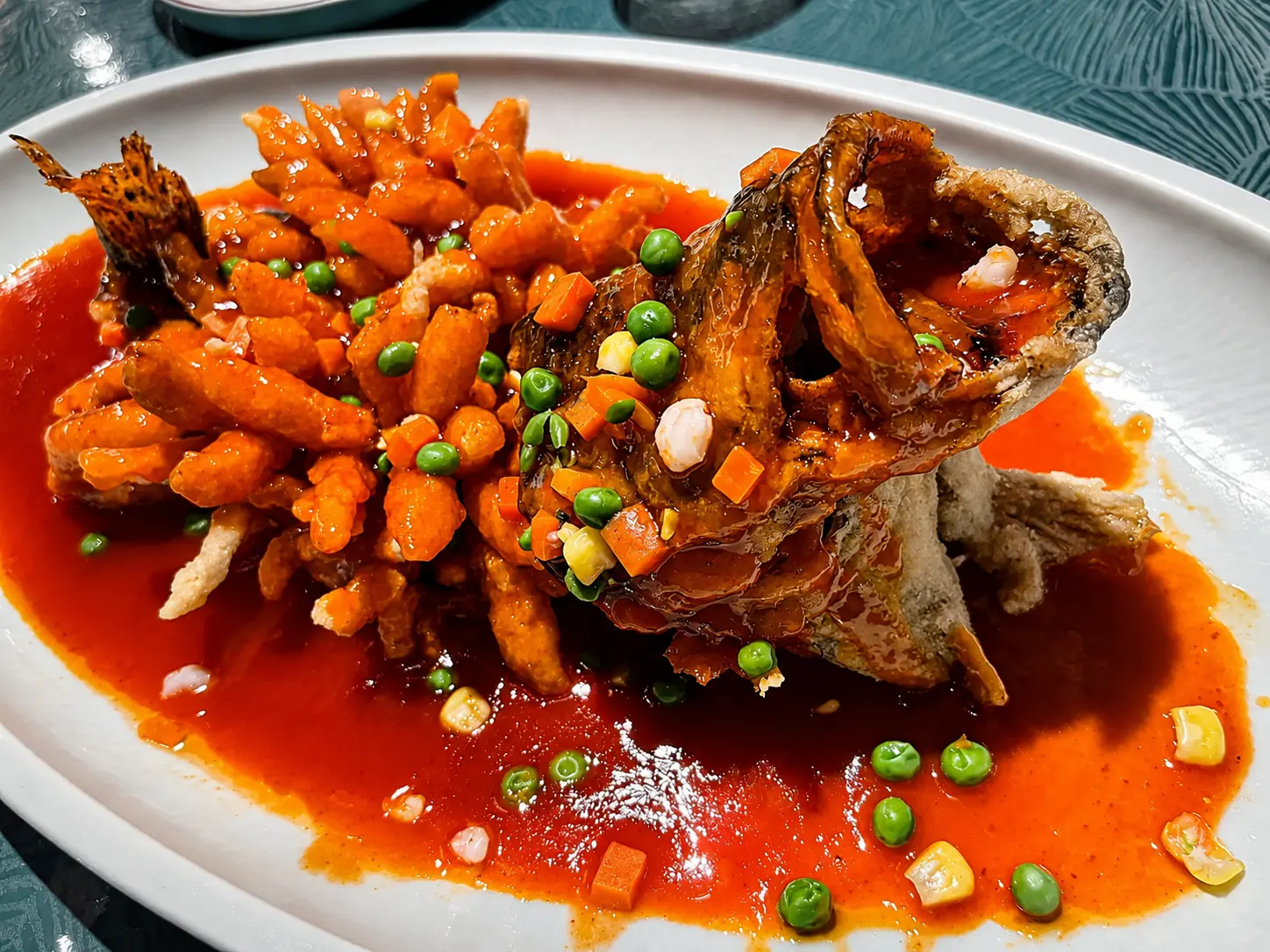
The squirrel shape starts before the fish reaches the oil. The cook removes the spine, keeps the head and tail, cuts the flesh into a pattern, coats it with starch, and fries it so the cut pieces bloom outward. Good knife work makes the fish look full and textured; poor knife work makes it look flat, broken, or over-battered.

| Step | What Happens | Why It Matters |
|---|---|---|
| 1 | Whole fish is cleaned and partly deboned | The final plate keeps the visual drama but is easier to eat than many whole-fish dishes. |
| 2 | Flesh is scored in a fine pattern | The cuts let the meat open outward during frying. |
| 3 | Fish is coated with starch | The coating creates crisp edges and helps the sauce cling. |
| 4 | Hot sweet-sour sauce is poured over | The sauce adds shine, aroma, and the dramatic table finish. |
For travelers, the key quality test is simple: the fish should look sculpted, not greasy. The ridges should stay crisp at first bite, while the inside remains tender and moist.
Sweet-Sour Sauce and Crisp Texture Balance
The sauce is usually red-orange, glossy, sweet, tangy, and mild. It should not be spicy. In many restaurants, the flavor sits closer to a bright sweet-sour gravy than to Western ketchup-heavy versions of sweet and sour fish.
Good Squirrel Fish has contrast. The outer ridges are crisp, the inside is soft, and the sauce should land on the surface without immediately turning everything soggy. Eat soon after it arrives. This is not a dish that improves while everyone spends five minutes taking photos.
← swipe to compare all options →
Best Version
Crisp, bright, balanced
- ✓Fish opens into clear ridges and stays tender inside.
- ✓Sauce tastes sweet-sour, not just sugary.
- ✓Head and tail look intentional, not collapsed.
Worth ordering
Average Version
Photogenic but heavy
- —Good shape, but the sauce may be quite sweet.
- —Crisp edges soften quickly after serving.
- ✓Still fun if you mainly want the Suzhou classic.
Fine for first-timers
Weak Version
Flat, oily, or muddy
- ✗Fish tastes oily before it tastes fresh.
- ✗Sauce is thick, dull, or candy-sweet.
- ✗Cuts are shallow, so the fish never opens properly.
Skip next time
Restaurant versions vary. Use the Chinese name and photo to confirm what you are ordering.
Ask for less sweet before the fish is made
If you dislike sweetness, ask "less sweet" when ordering, not after the fish arrives. The kitchen may still keep the house style, but you have a better chance before the sauce is finished.
Where to Try Squirrel Fish in Suzhou
Use restaurant names as route anchors, not as permanent rankings. Branch quality, queues, pricing, and opening hours change. The smarter question is whether the restaurant fits your day: near Guanqian Street, near a garden route, or convenient before your train back to Shanghai.
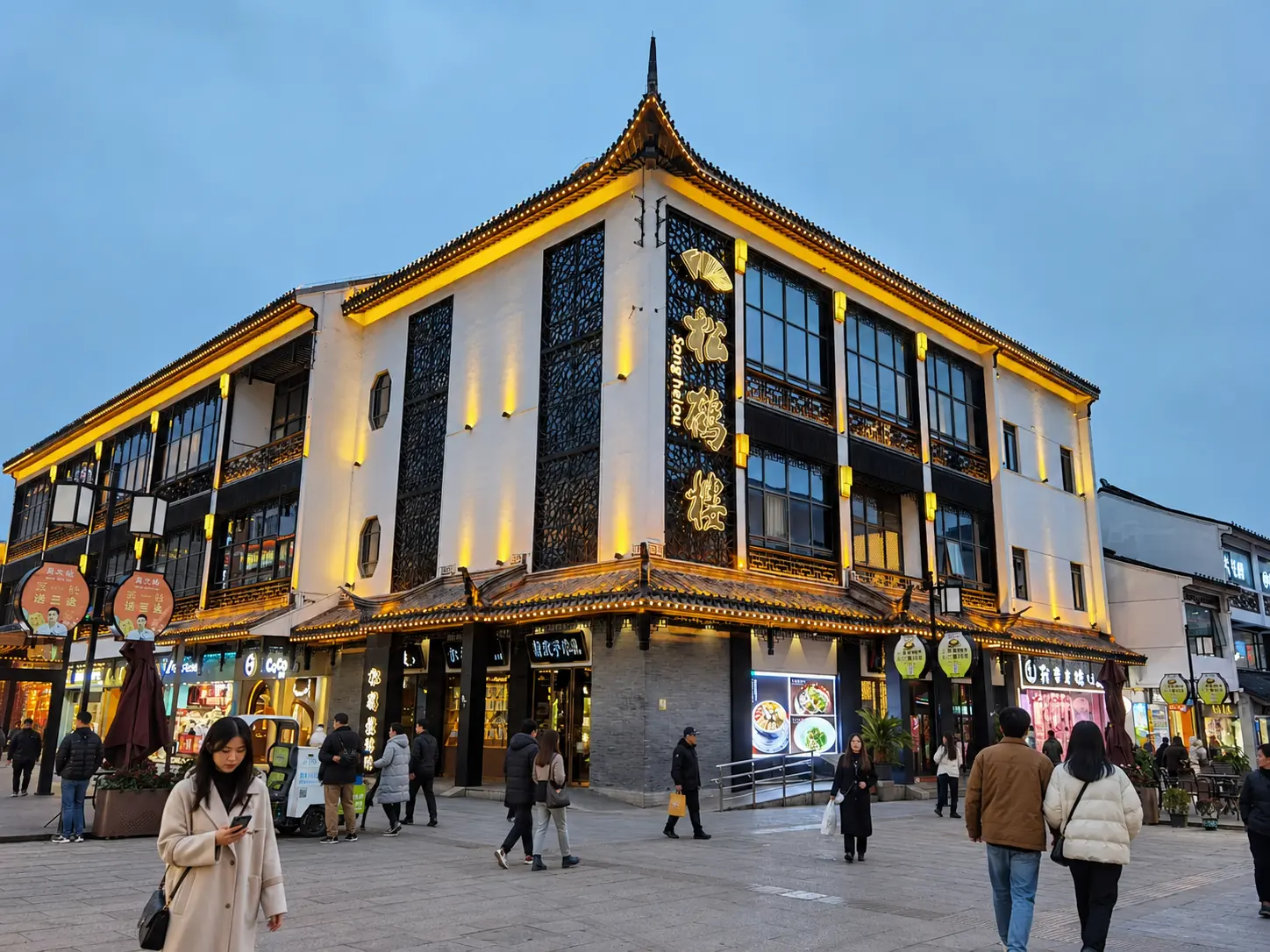
Songhelou is the name most closely tied to the dish's local lore. Choose it when you want the classic Suzhou old-restaurant story as much as the plate itself.
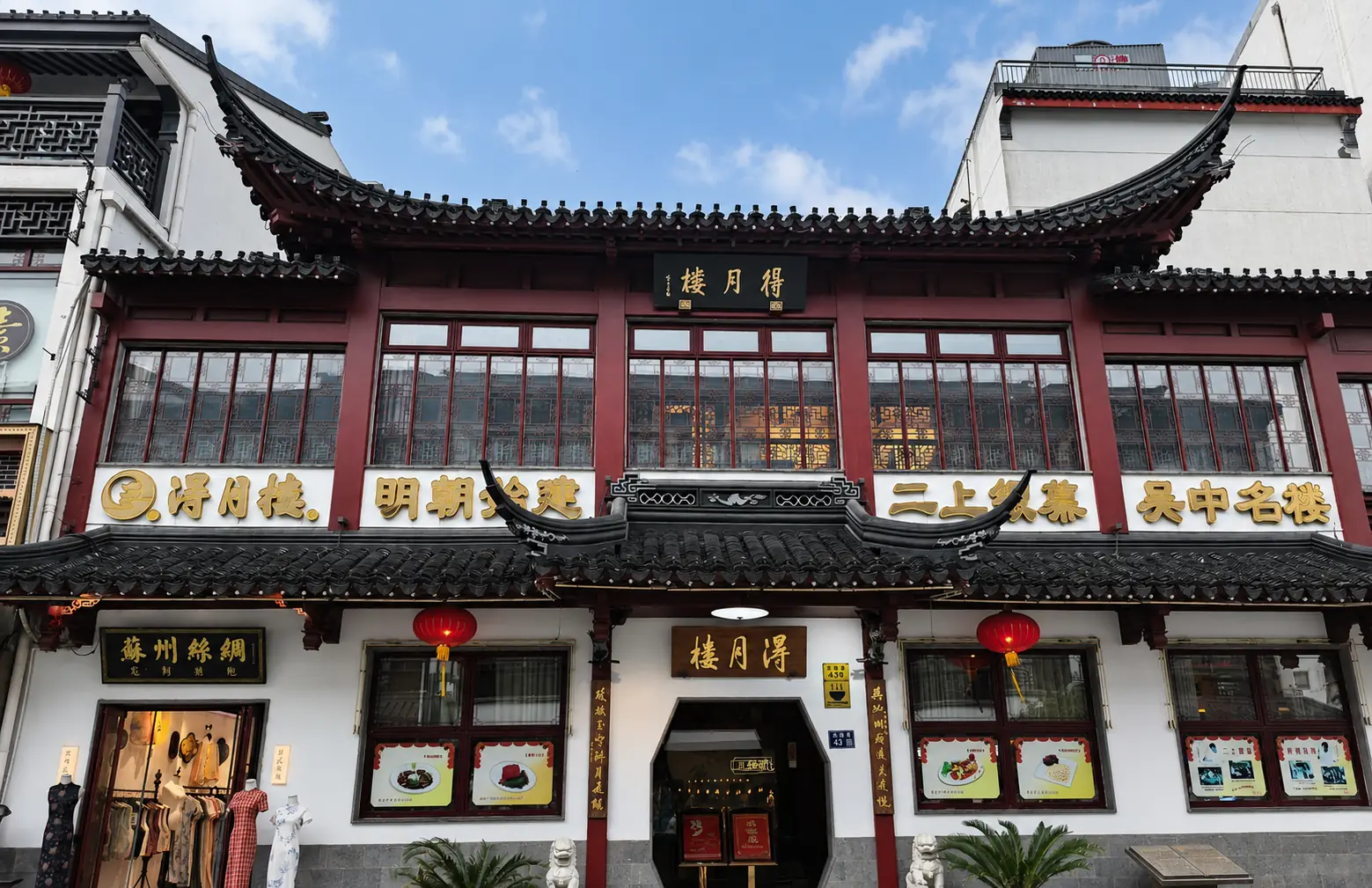
Deyuelou is another useful old-brand option around the central sightseeing and shopping area. It works well when Songhelou is busy or inconvenient.
Guanqian Area
观前街 / broader city strategy
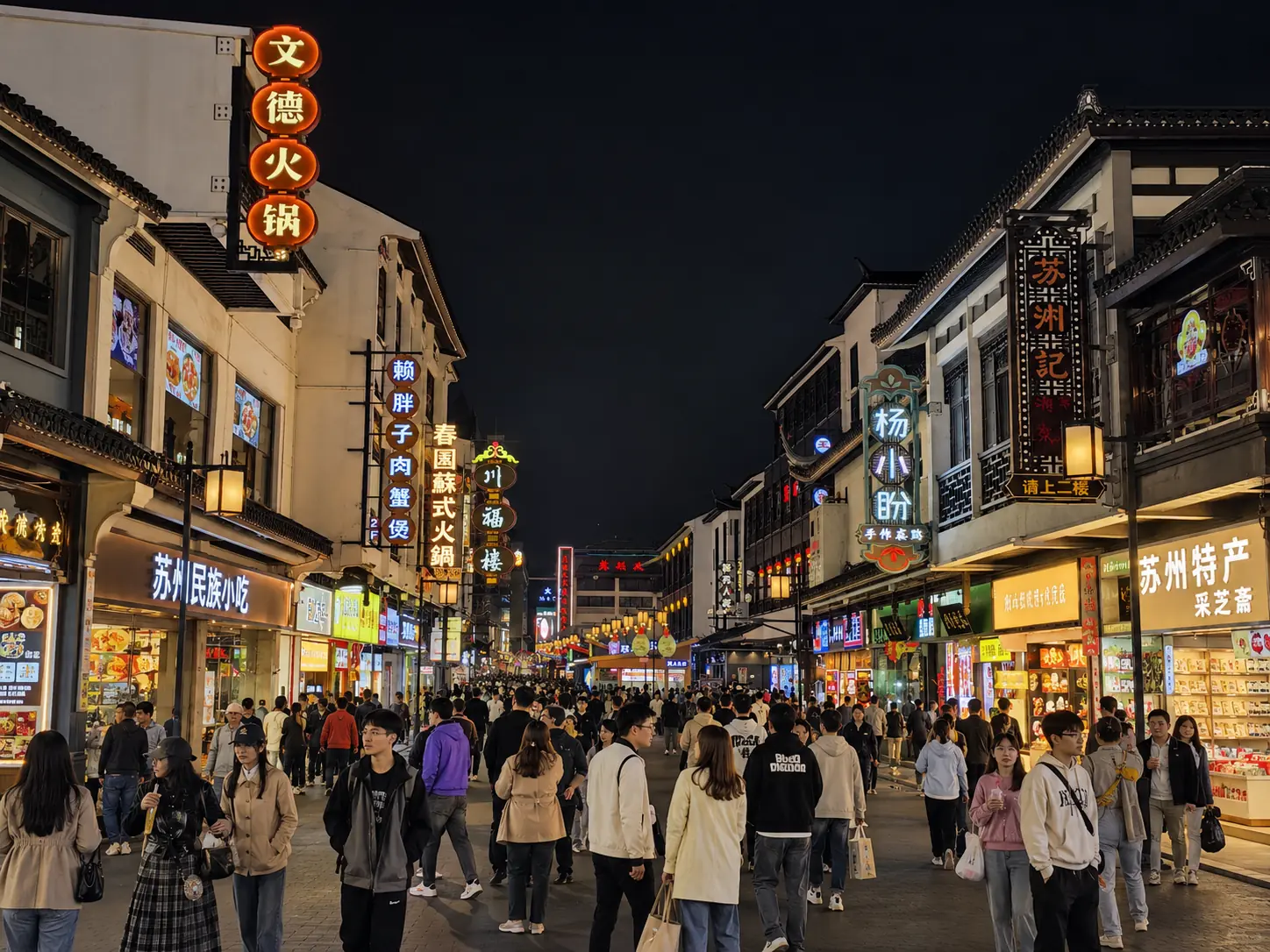
Other Suzhou restaurants may serve strong versions too. Look for a full Suzhou menu, fresh-water dishes, busy dining rooms, and photos that show a well-opened fish.
For a one-day Suzhou route, lunch is usually better than late dinner. You still have appetite after the morning gardens, and the fish will not sit too heavily right before a train. For an overnight stay, early dinner can be excellent, especially if you walk Pingjiang Road after the meal.
How to Order and Share It
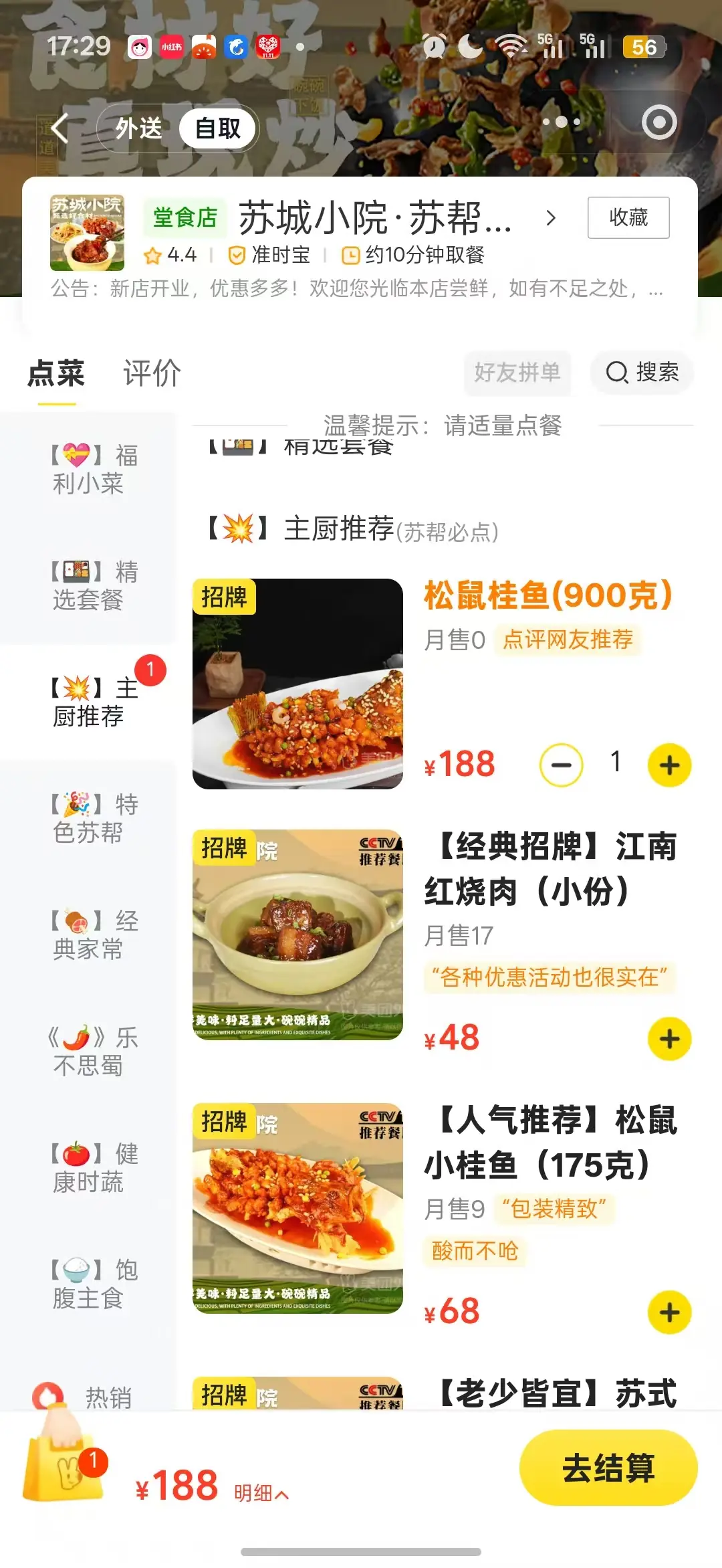
Squirrel Fish is usually best for two to four people. It can be too much for one person, especially if you also want noodles, pastries, or canal snacks that day. For a couple, one fish plus greens and rice can be enough. For a family, add a soup, tofu dish, or another gentle Suzhou plate.
| English | Chinese | Pinyin | Say It Like… |
|---|---|---|---|
| Squirrel-shaped mandarin fish | 松鼠桂鱼 | sōngshǔ guìyú | soong-shoo gway-yoo |
| Another common written form for the dish | 松鼠鳜鱼 | sōngshǔ guìyú | soong-shoo gway-yoo |
| Less sweet, please | 少甜一点 | shǎo tián yīdiǎn | shaow tyen ee-dyen |
| Does it have bones? | 有刺吗? | yǒu cì ma? | yo tsuh mah |
| How many people is this good for? | 适合几个人吃? | shìhé jǐ ge rén chī? | shir-huh jee guh run chir |
| I am allergic to fish | 我对鱼过敏 | wǒ duì yú guòmǐn | woh dway yoo gwaw-min |
| Can we pack leftovers to go? | 可以打包吗? | kěyǐ dǎbāo ma? | kuh-yee dah-baow mah |
| Group | Smart Order | Why It Works |
|---|---|---|
| Solo | Skip unless you are happy with leftovers | The fish is dramatic, but Suzhou noodles and snacks are easier alone. |
| Two people | One fish, rice, greens, and tea | You get the showpiece without over-ordering. |
| Four people | One fish, soup, tofu or vegetables, and one seasonal dish | The fish anchors the meal while the table stays balanced. |
| Family | Ask staff to help portion and watch for bones | Children often like the sauce, but adults should check each bite. |
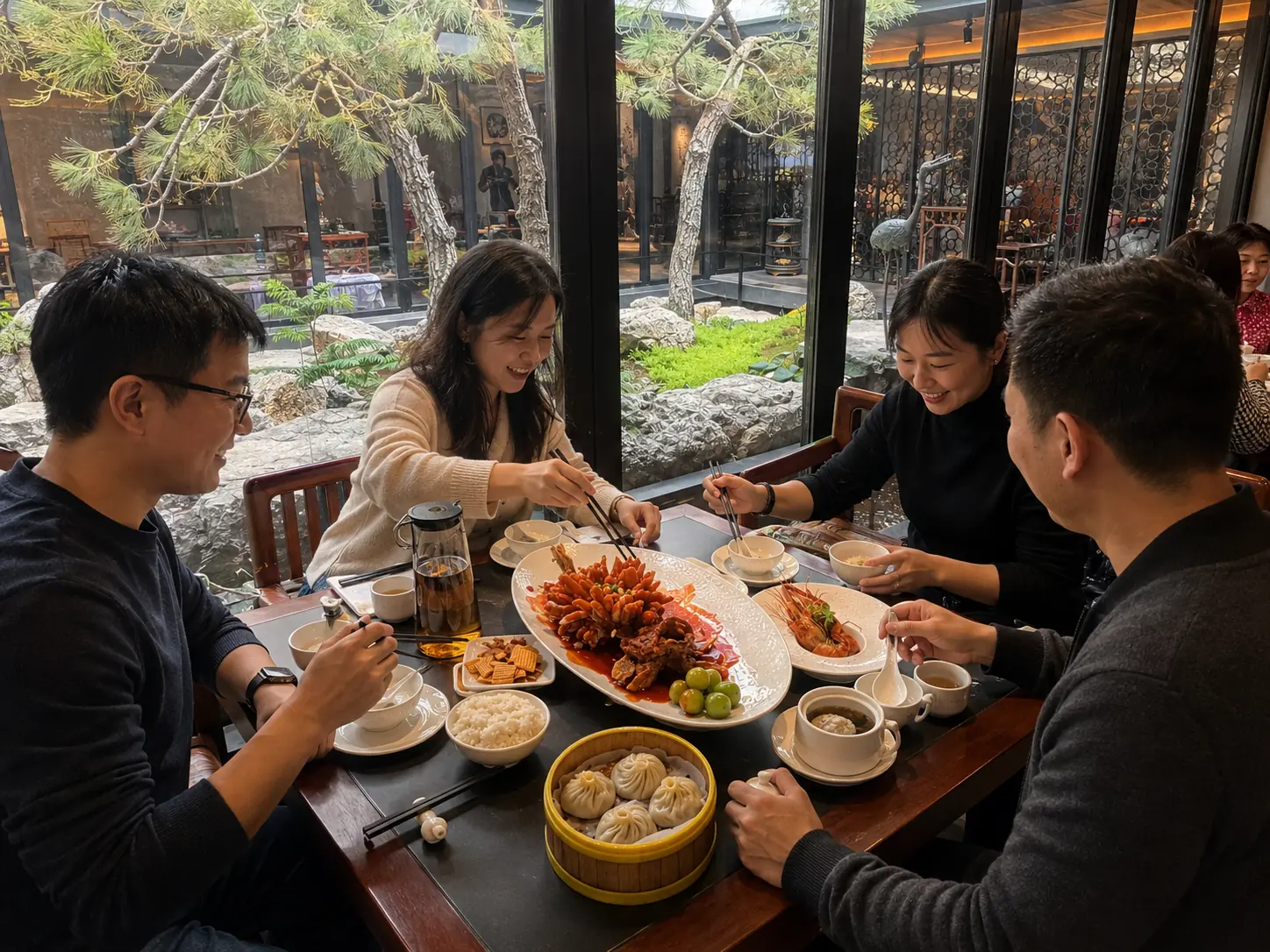
Bones, Allergies, and Common Ordering Mistakes
Squirrel Fish is easier to eat than many whole-fish dishes, but "easier" does not mean boneless. Small bones can remain, especially around the head, tail, and edges. Use chopsticks carefully, and help children with portions.
Do not treat it as allergy-safe or gluten-free by default
The dish contains fish, is deep-fried, and may involve starch, egg, stock, vinegar, wine, soy-based seasonings, or shared fryers depending on the restaurant. Travelers with fish allergy, celiac disease, or strict dietary rules should ask directly before ordering.
- Fish bones: fewer than many whole-fish dishes, but not zero.
- Fish allergy: this is not a dish to test casually.
- Sweetness: ask for less sweet before cooking if needed.
- Timing: eat it soon after the sauce is poured.
- Sharing: best when one person is not forced to finish the whole fish.
Common mistakes are easy to avoid: ordering it as a solo snack, stacking it with several other sweet dishes, expecting a spicy Sichuan-style plate, or choosing a restaurant only because the fish looks huge in a photo. Bigger is not automatically better. Cleaner frying and brighter sauce matter more.
Frequently Asked Questions
It belongs to the sweet-sour fish family, but the Suzhou dish is more specific: a whole mandarin fish is cut into a squirrel-like shape, fried, and finished with hot sauce.
Beyond This Guide
Build the fish around the rest of your Suzhou day. If you only have one meal alone, start with the broader Suzhou Food Guide. If you are visiting from Shanghai, place the dish inside the Suzhou Day Trip from Shanghai route instead of crossing town only for lunch.
Useful next reads:
- Pingjiang Road Suzhou Walking Guide
- Shantang Street Suzhou Walking Guide
- Suzhou Food Guide
- Suzhou Day Trip from Shanghai: Gardens, Canals & Water Towns
© gochinafreely.com — Original guide by Go China Freely.