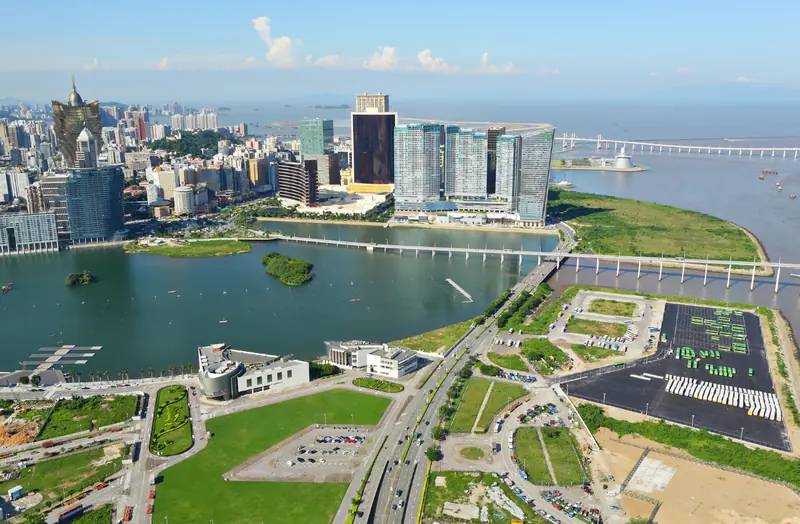
Macau (澳门) is easy to flatten into one nickname: the "Vegas of Asia." The better first trip sees a smaller, stranger, and more layered city: UNESCO streets, Portuguese paving, Cantonese temples, casino-resort spectacle, egg tarts, old markets, evening shows, and sea-facing slow corners all within a short ride of each other. Use this guide as a first-timer's map of what is actually worth building your Macau trip around.
First-Time Macau Planning Basics for Visitors
If you are looking at Macau for the first time, start with time and energy, not a list of every famous name. Macau is compact, but border queues, ferry timing, old-town crowds, resort corridors, slopes, and meal decisions can make the day feel much heavier than the map suggests.
One Day
Focus on the Historic Centre, one food area, and one Cotai or night-view anchor. This is best for Hong Kong day-trippers who want contrast rather than depth.

Overnight
Split old Macau from Cotai. Use one evening for a show, resort lights, or a proper Macanese dinner, then give the old city an early or late crowd-light window.
Two Days
Add A-Ma Temple, St. Lazarus, Guia, Coloane, Red Market, or a slower food plan. This is where Macau starts to feel like its own short break rather than Hong Kong's add-on.
This guide is best for first-time visitors, food-focused travelers, photographers, families choosing around casino rules, and independent travelers who want Macau's heritage and resort layers without turning the city into a checklist.
Macau Is a City of Layers
The easiest way to understand Macau is to stop treating it as one casino city and start seeing four different layers.

Historic Macau
Where it shows up: Senado Square, St. Paul's, Monte Fort, A-Ma Temple, St. Dominic's, Na Tcha Temple, and old lanes.
This layer explains Macau's UNESCO streets, church-and-temple proximity, and the city grid shaped by centuries of exchange.
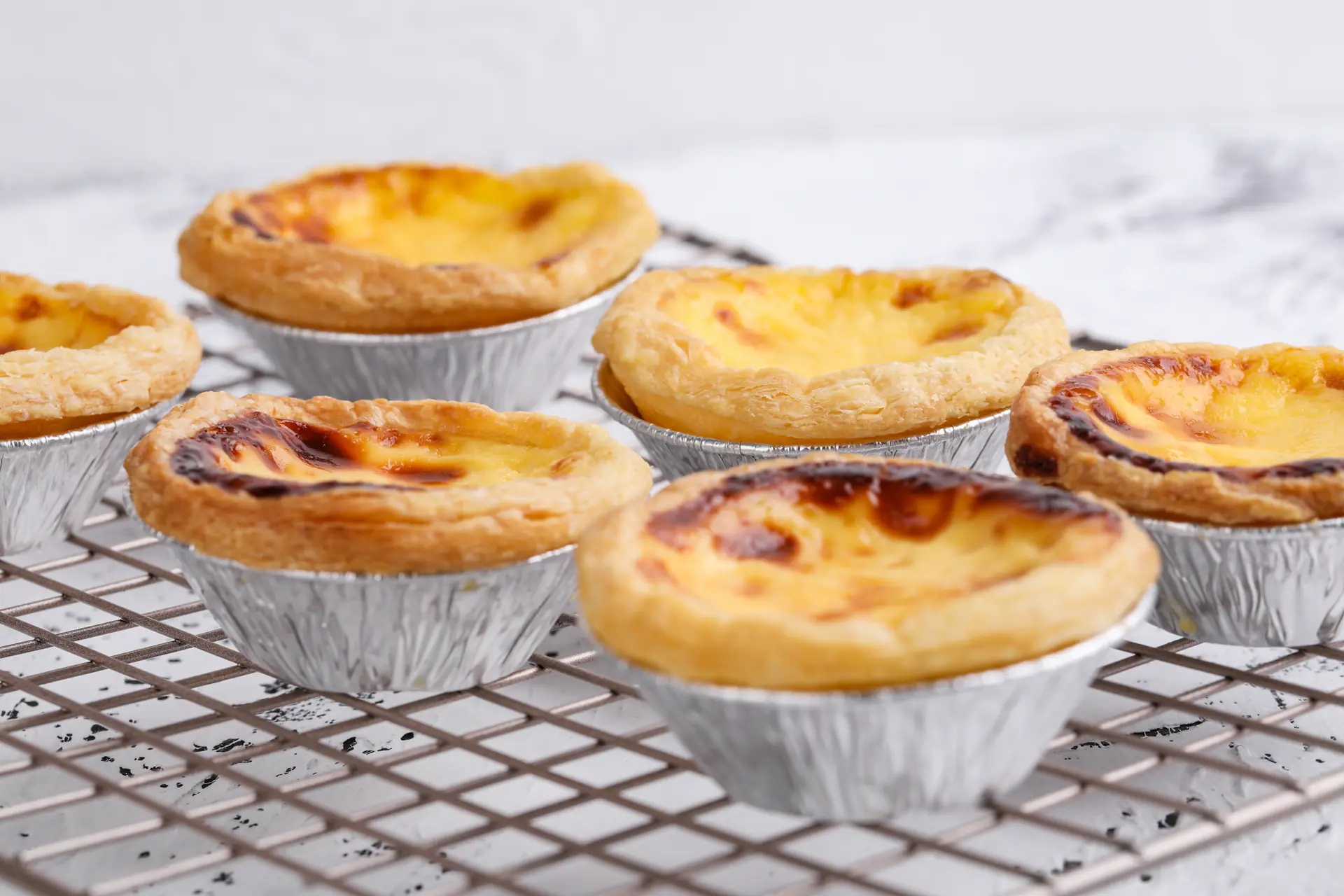
Food Macau
Where it shows up: egg tarts, pork chop buns, almond cookies, jerky samples, Taipa snacks, Coloane bakeries, and Macanese dinners.
This layer is why Macau should not be planned as only sightseeing. Food is one of the clearest ways the city becomes distinct from Hong Kong.
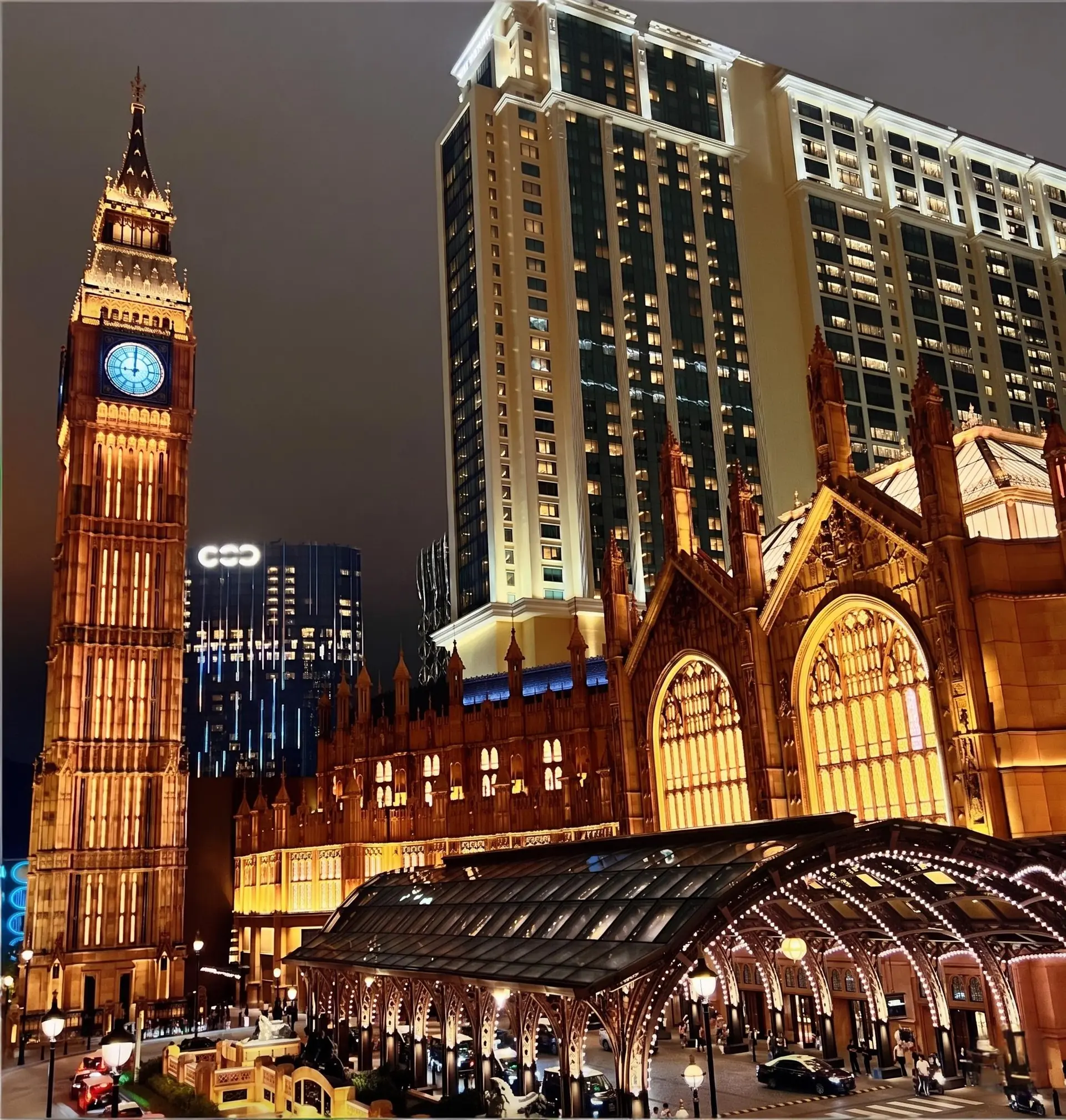
Resort Macau
Where it shows up: Cotai, the Venetian, the Londoner, Wynn Palace, City of Dreams, hotel dining, shows, malls, and casino architecture.
This layer is part of modern Macau, even if you never gamble. Treat it as scale, lighting, performance, and spatial spectacle.
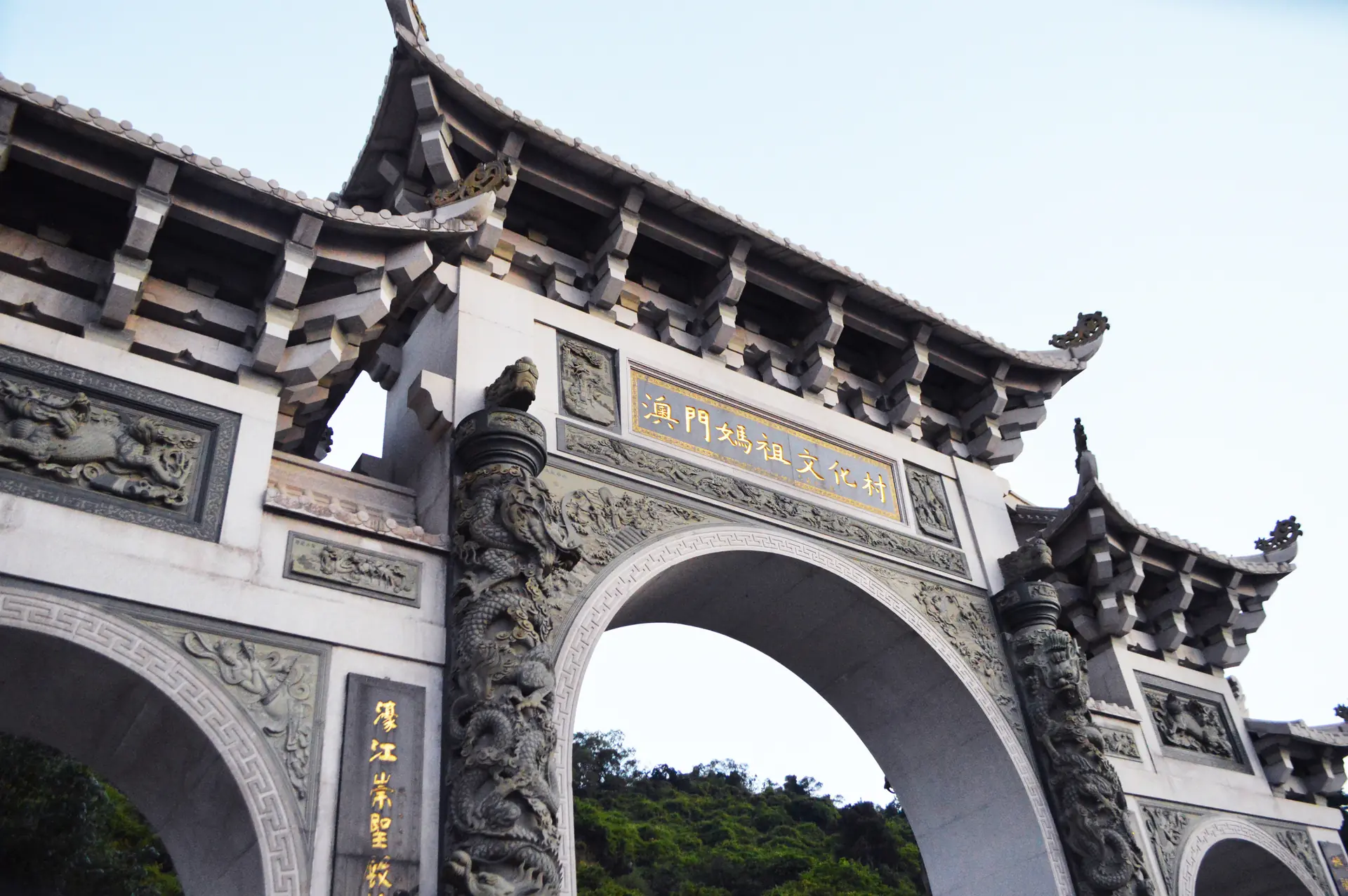
Slow Macau
Where it shows up: A-Ma Temple, St. Lazarus, Coloane, Guia, Red Market, side streets, cafes, and waterfront pauses.
This layer keeps Macau from feeling like a transfer day. It is especially valuable if you stay overnight.
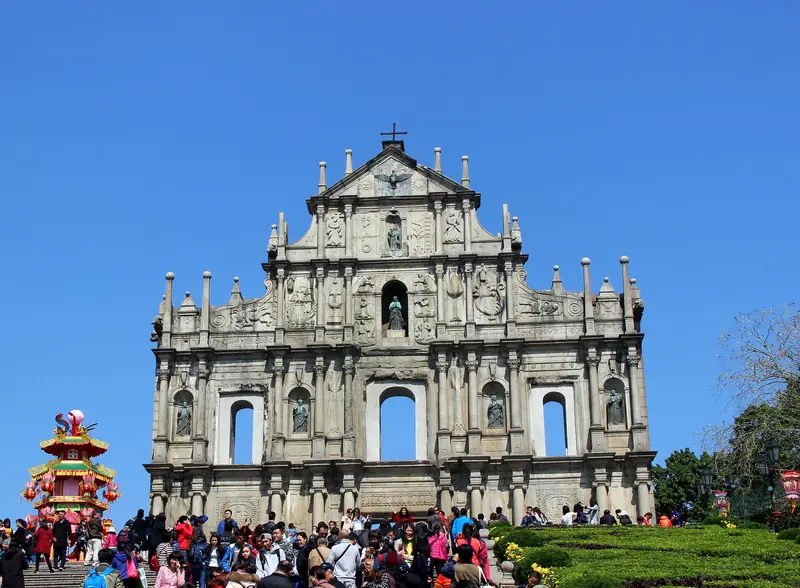
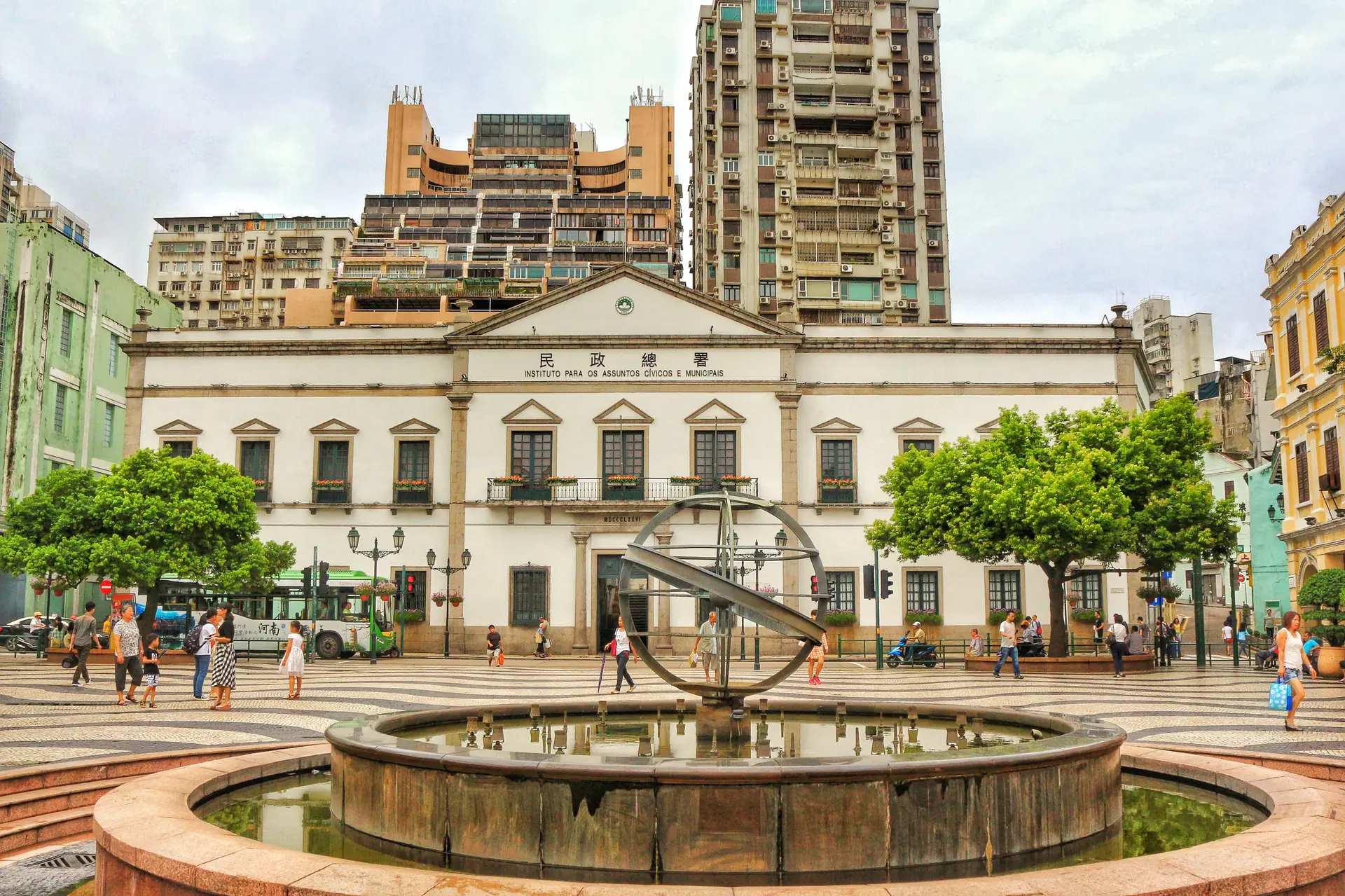
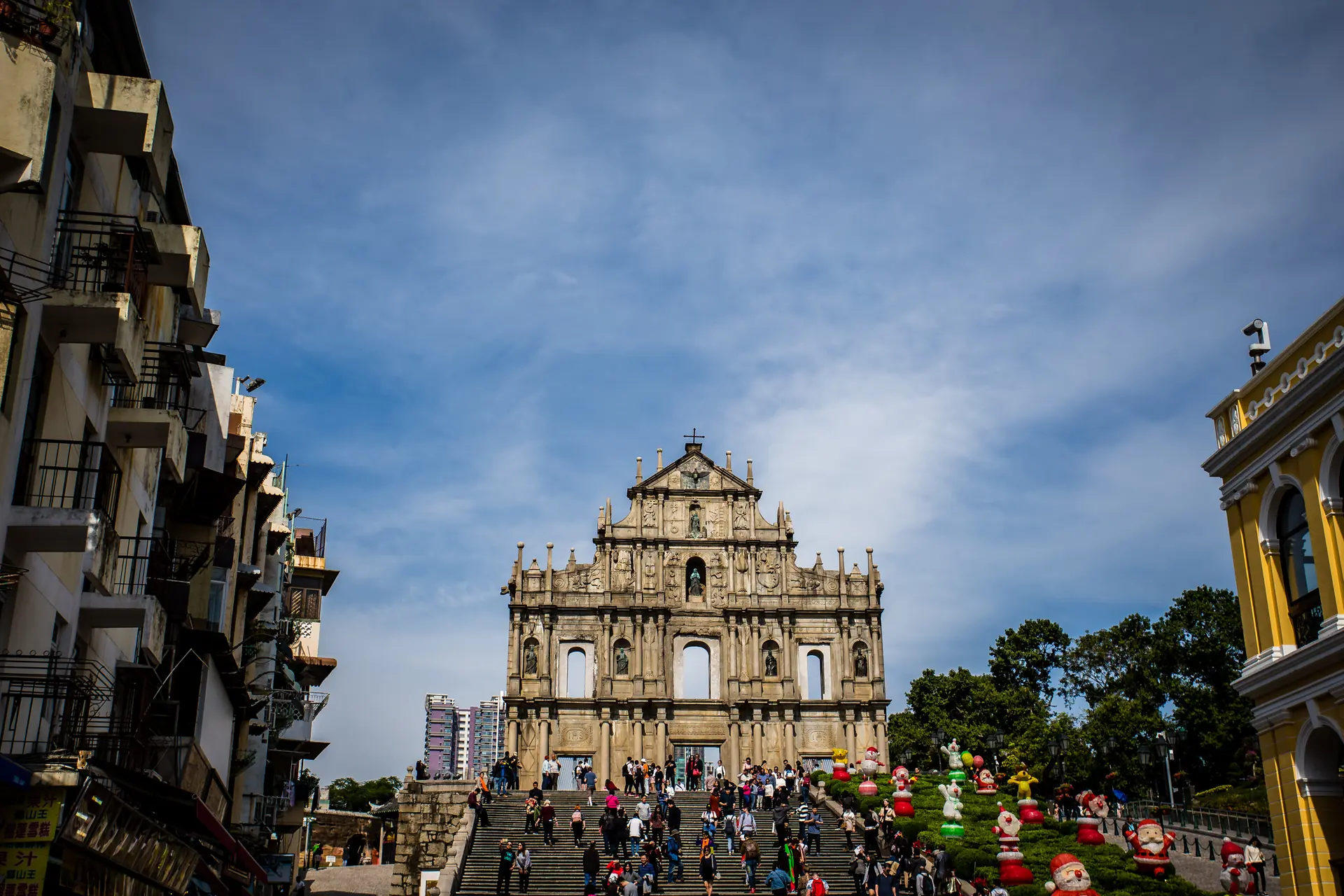
Official Macao cultural heritage materials describe the Historic Centre as 30 sites across 8 squares and 22 historic buildings, inscribed on the World Heritage List in 2005. For travelers, the practical lesson is simple: do not treat the old city as one entrance and one photo. The short walk between Senado Square (议事亭前地) (Google | Amap), St. Dominic's Church (玫瑰圣母堂) (Google | Amap), the Ruins of St. Paul's (大三巴牌坊) (Google | Amap), Na Tcha Temple (哪吒庙) (Google | Amap), and Monte Fort (大炮台) (Google | Amap) is where Macau's mixed urban texture makes sense.
For current official background on the World Heritage listing, use the Macao cultural heritage site. For gambling rules and responsible-travel context, Macau's tourism office notes that casino entry is restricted to adults aged 21 or above on its official gaming page.
12 Macau Experiences Worth Building Around
The first six experiences are Macau's strongest first-trip foundations. The final six add height, quieter heritage, slower food, and a more local second layer. If you only have one day, do not try to complete the whole list.
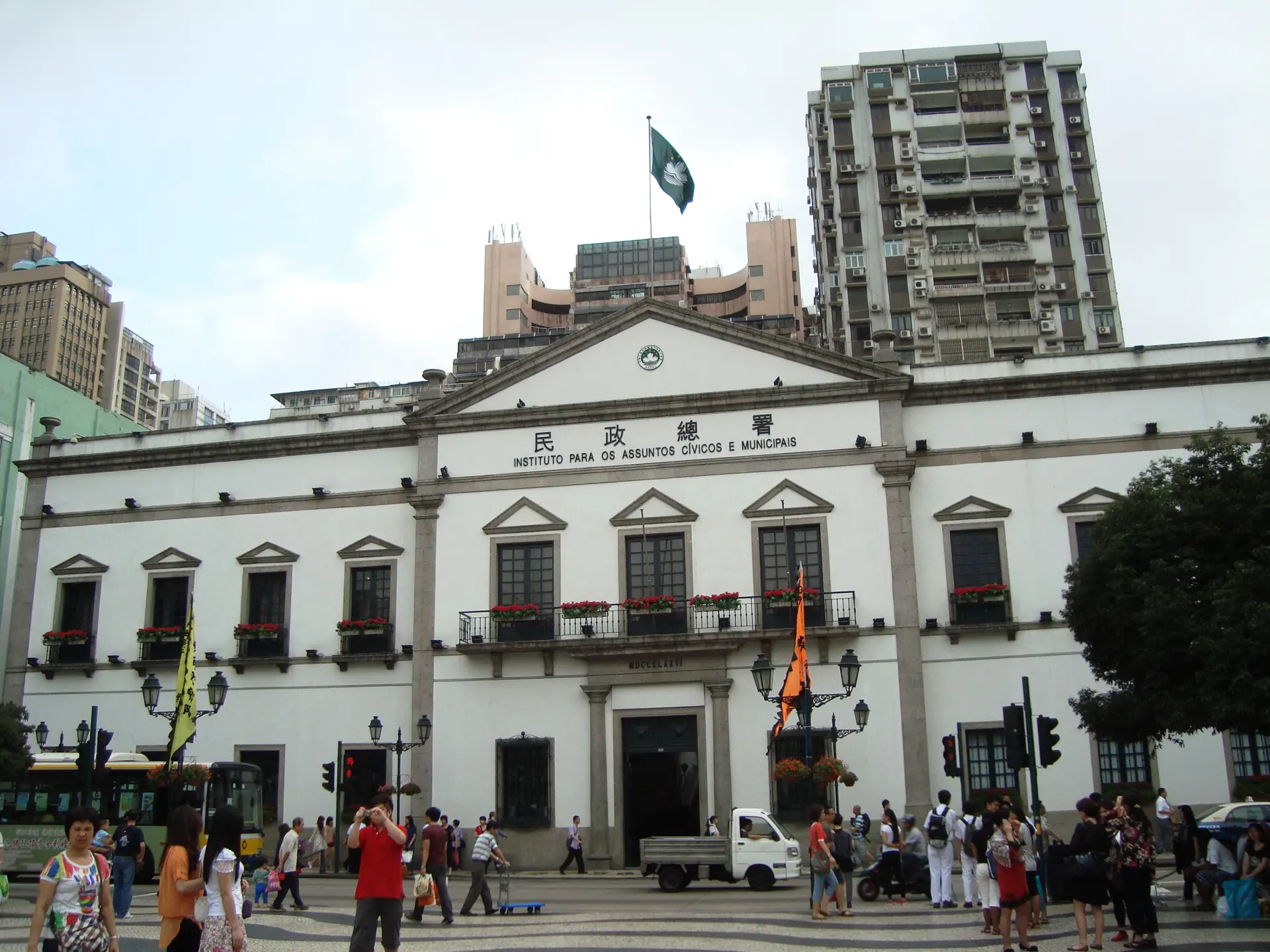
This short route is Macau's classic first walk. It compresses Portuguese paving, civic buildings, yellow church facades, pharmacies, snack shops, uphill lanes, and the famous St. Paul's facade into a small but intense old-city corridor. Do it early if you care about photographs or crowd comfort.
The Ruins of St. Paul's are the remaining facade of the former Church of Mater Dei and St. Paul's College complex, built from 1602 to 1640 and destroyed by fire in 1835. After the front-step photo, look at the stone carvings, the side approach, Na Tcha Temple, and the old city-wall fragments beside it.
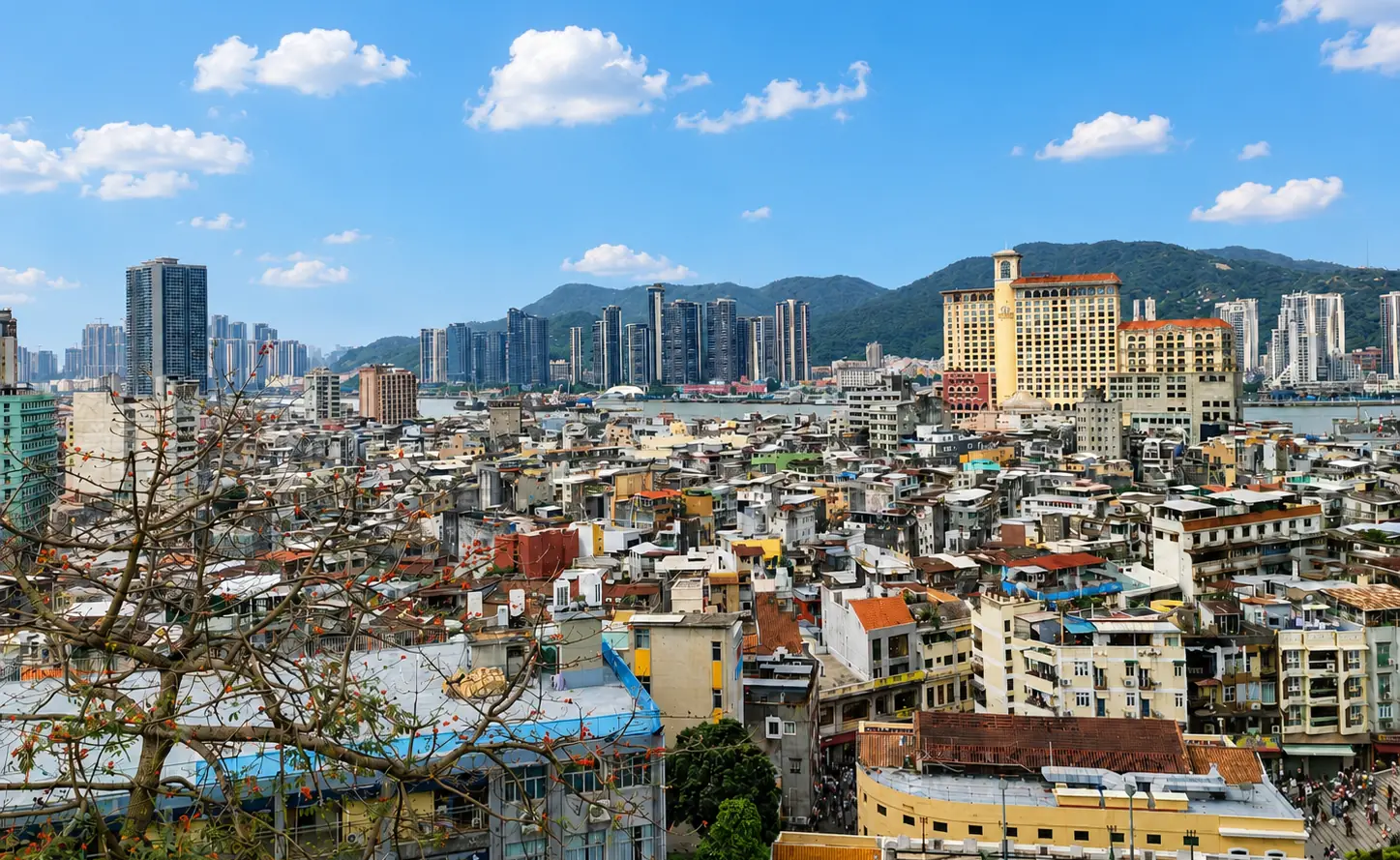
Monte Fort is one of Macau Peninsula's most useful viewpoints. It places old roofs, dense apartment blocks, the St. Paul's area, and casino towers in the same frame, which helps first-timers see Macau as layered rather than split into unrelated old and new halves.
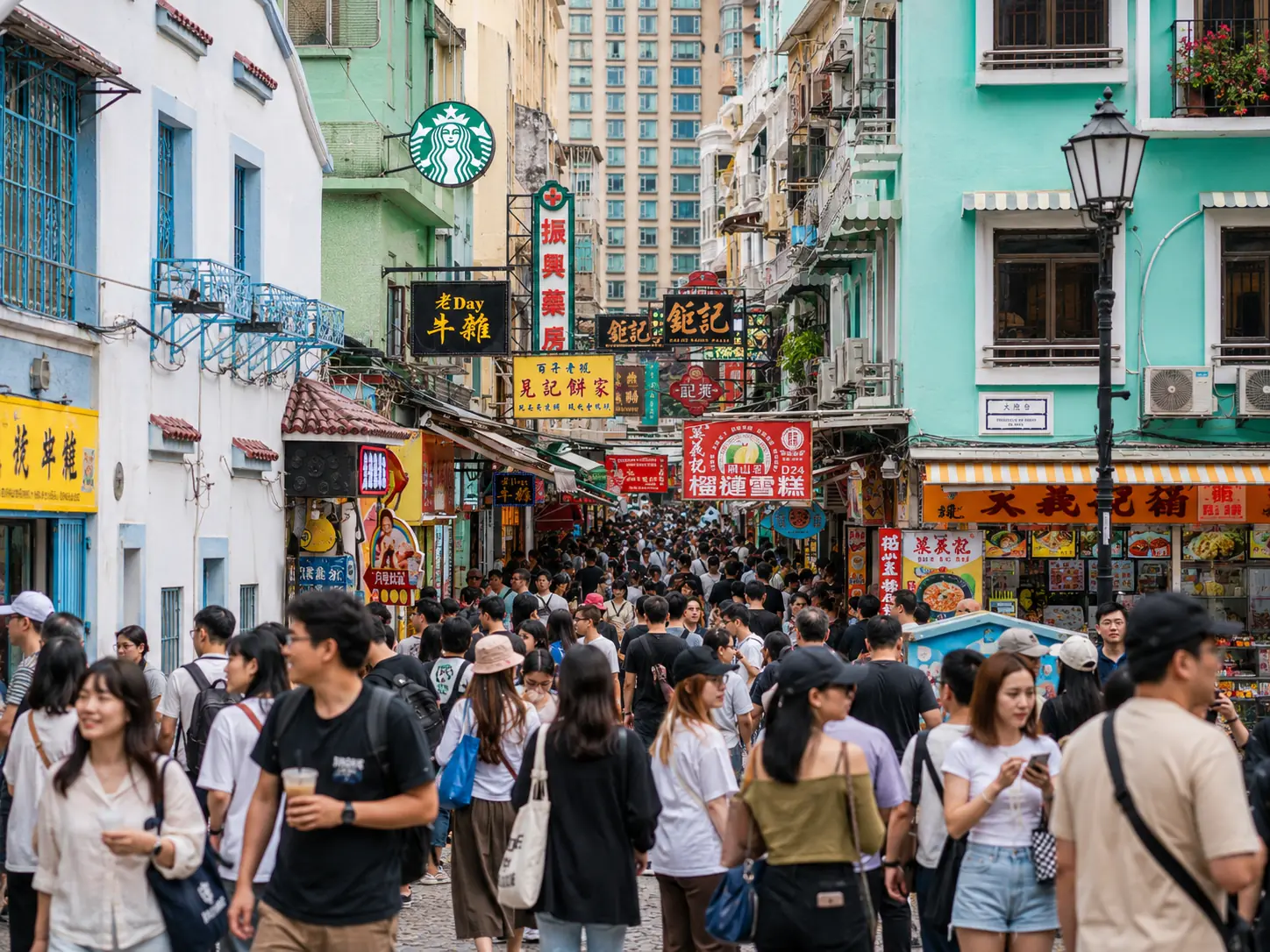
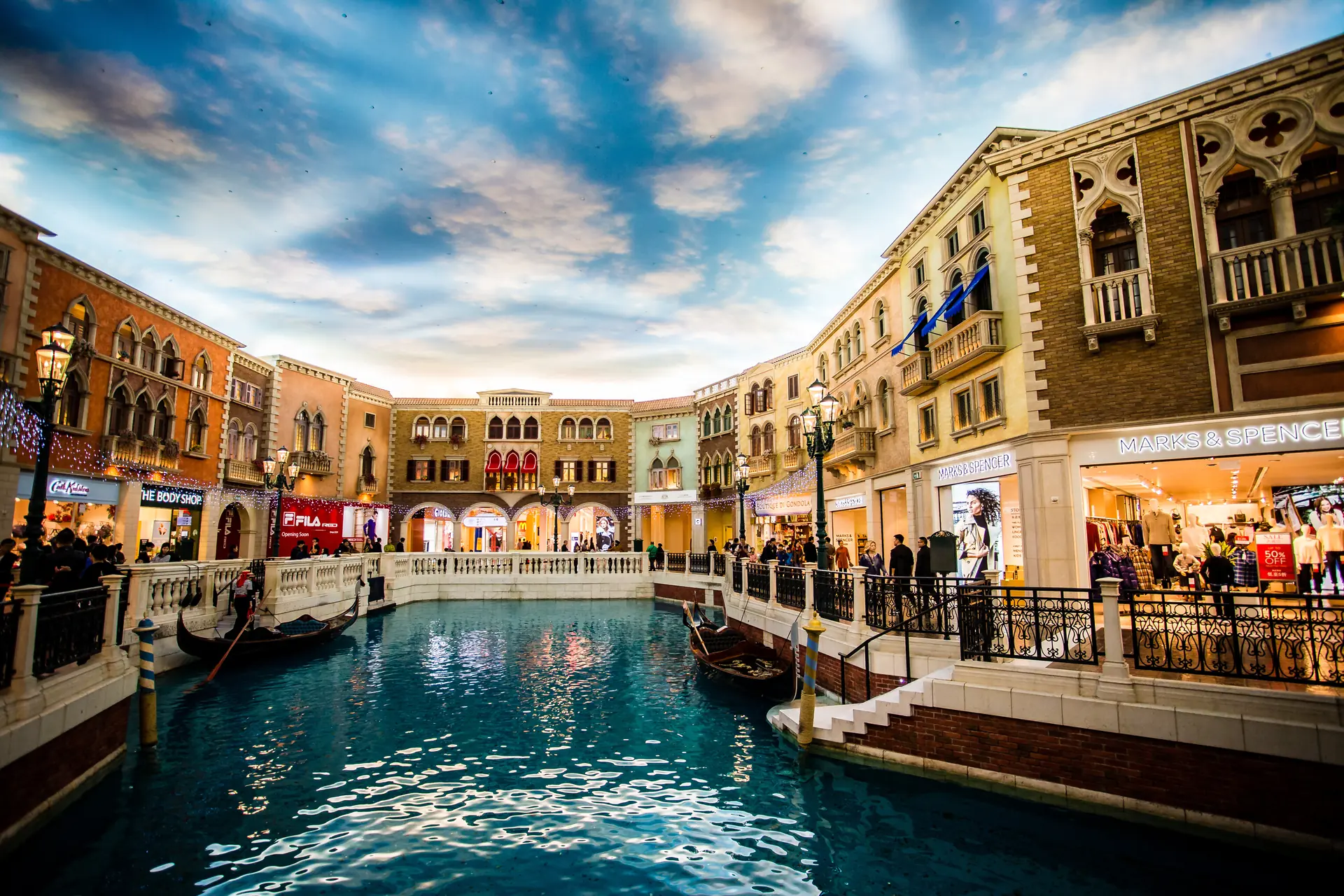
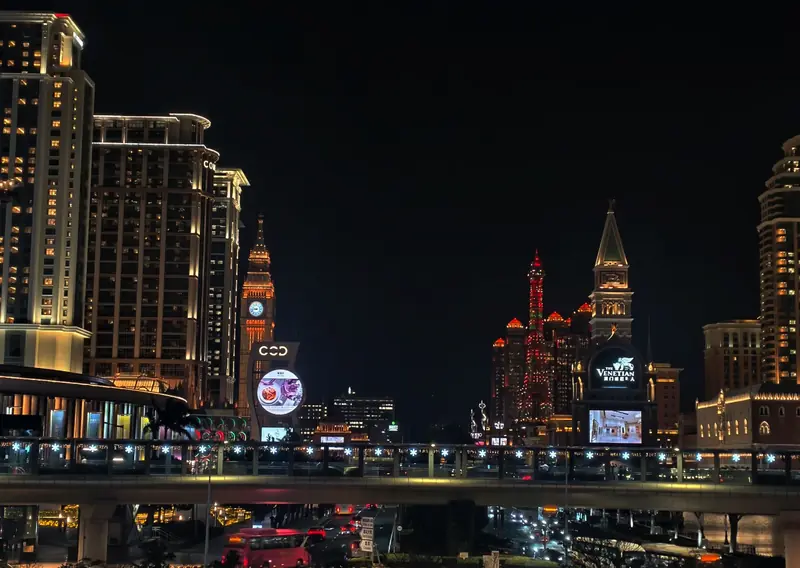
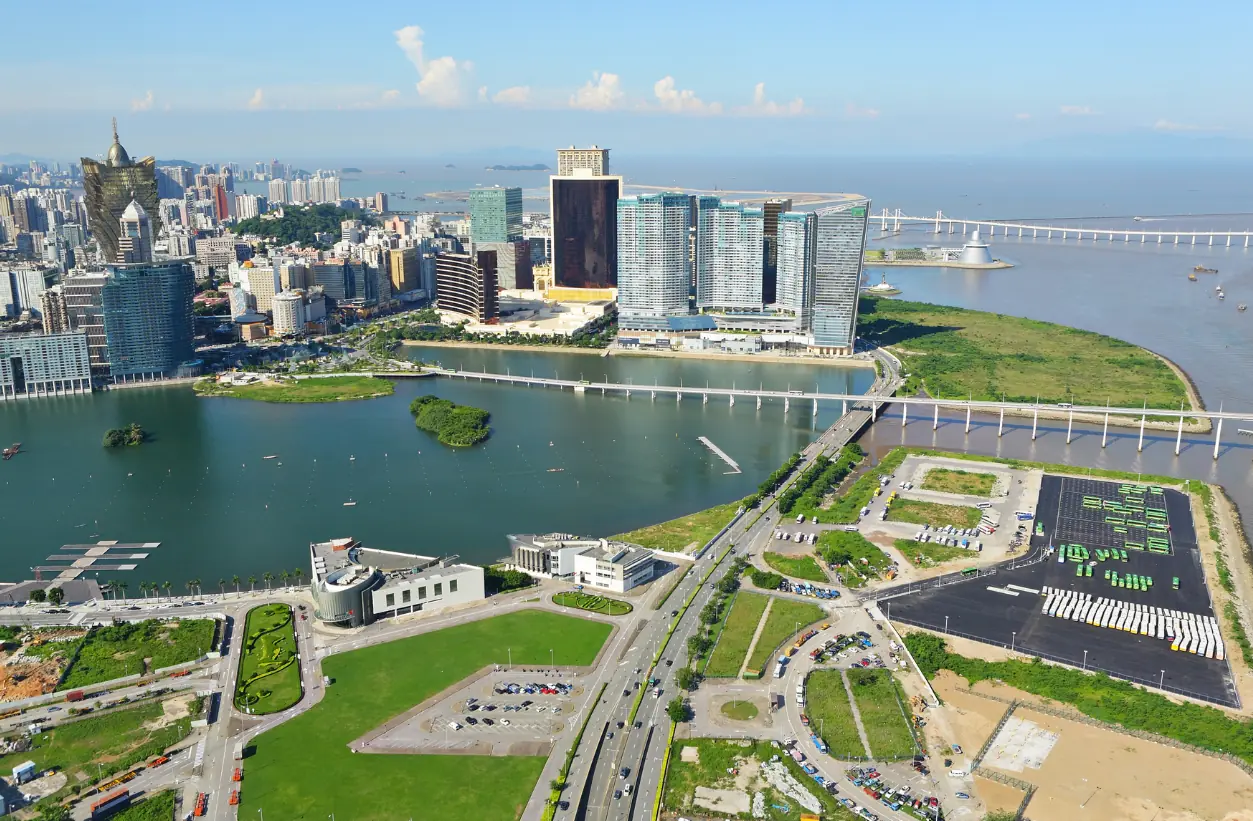
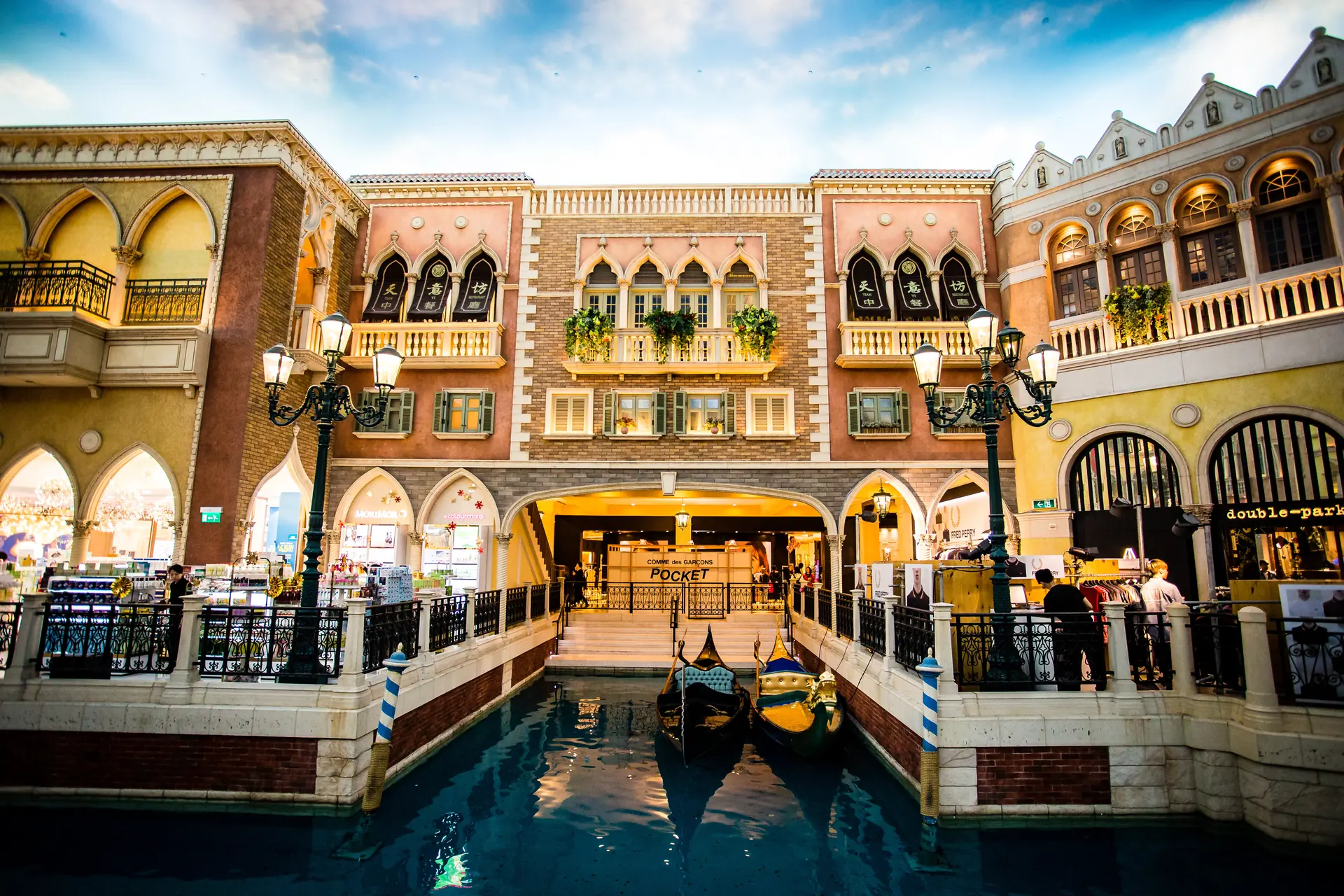
Cotai's resorts are best treated as a modern entertainment landscape, not normal city blocks. Even if you do not gamble, the public areas, restaurants, hotel lobbies, exterior lights, theaters, indoor canals, and large-scale architecture explain a major part of contemporary Macau.
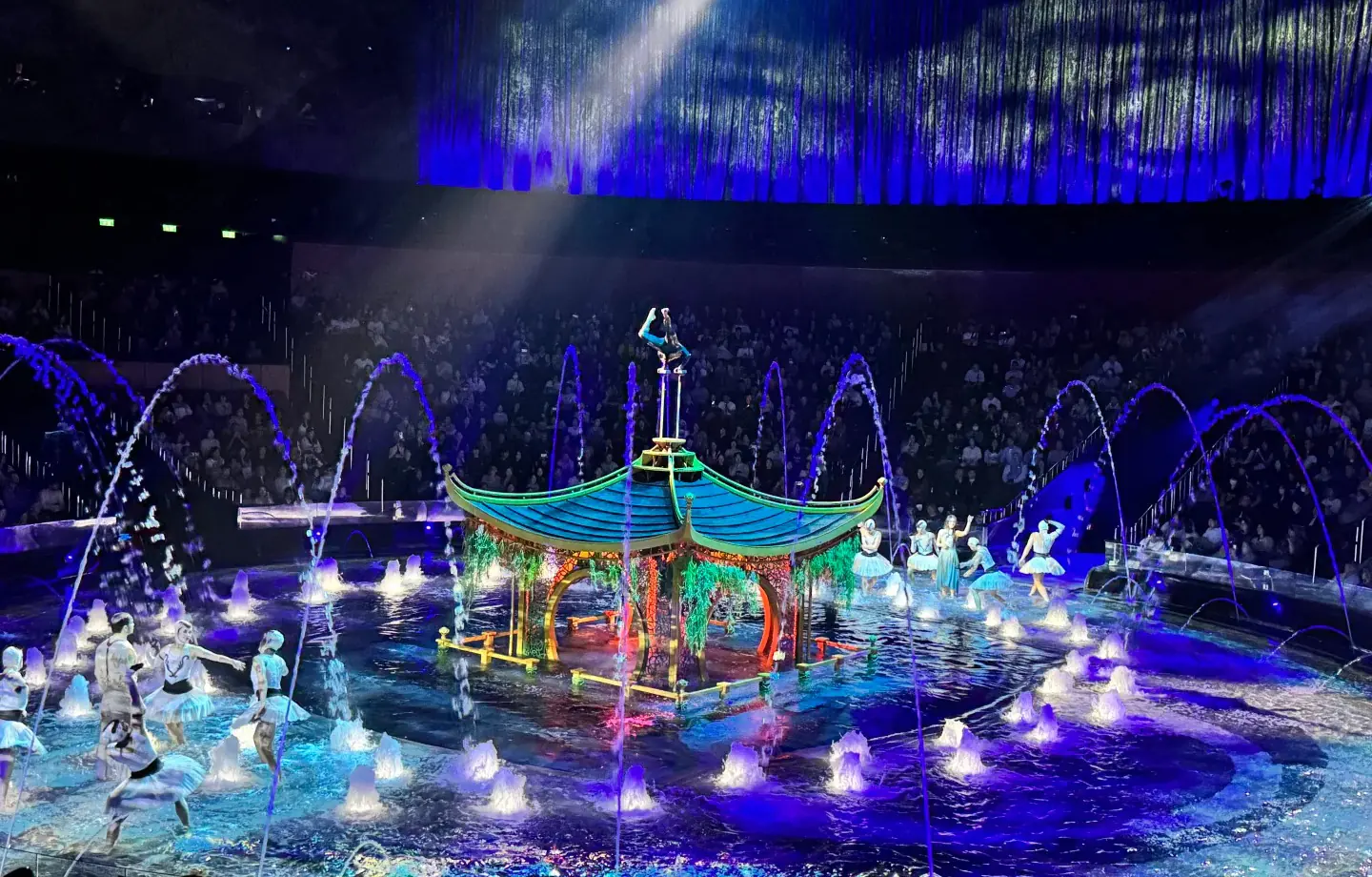
House of Dancing Water (水舞间) (Google | Amap) works well for international visitors because the show relies on water-stage design, acrobatics, lighting, movement, and spectacle more than language. Schedule details and prices change, so check the official House of Dancing Water page before planning your evening around it.
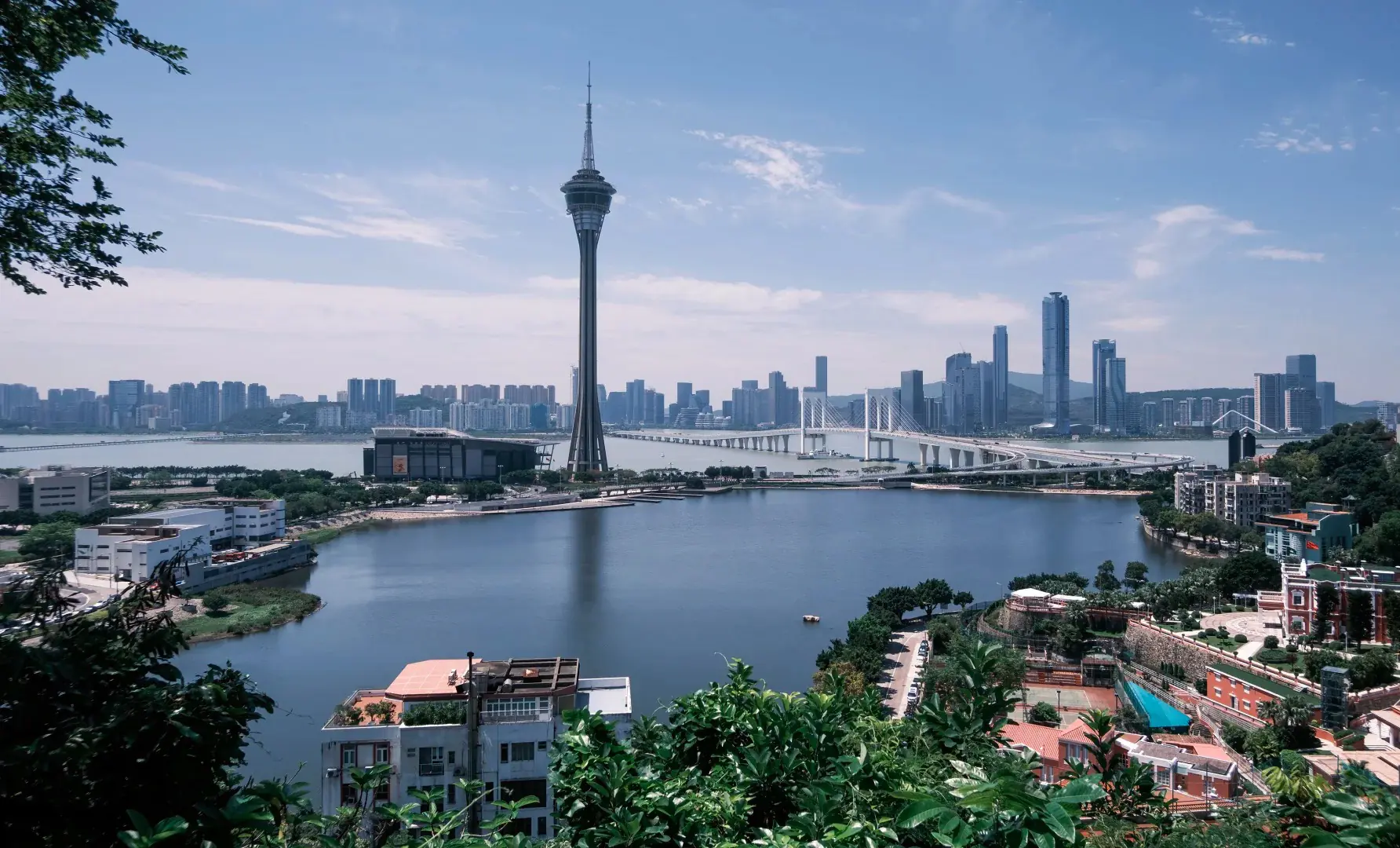
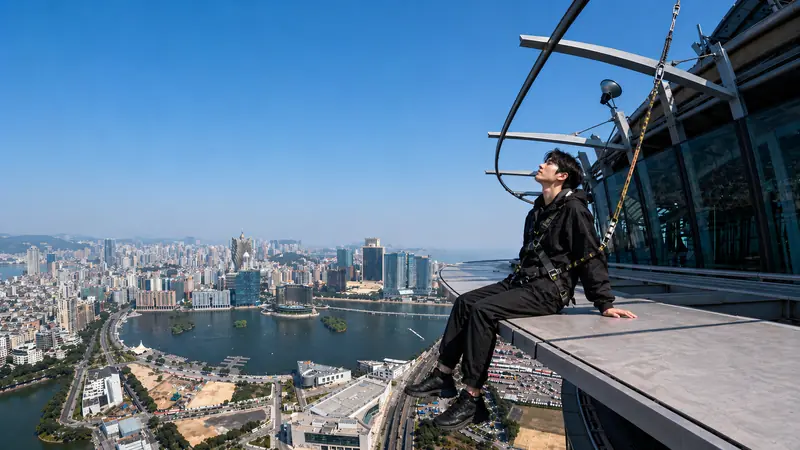
Macau Tower Skypark (澳门旅游塔 Skypark) (Google | Amap) is for travelers who want a height memory: observation views, Skywalk, SkyJump, or the 233 m commercial bungy jump operated by Skypark. It is not essential for every first trip, but it is clearer than adding one more mall when you want a distinct activity.
A-Ma Temple is often linked with the origin story of the name Macau and is one of the best places to shift the city back toward maritime trade, local worship, and Chinese community history. It is less convenient than the main St. Paul's route, so add it when you have an overnight stay or a peninsula-south plan.
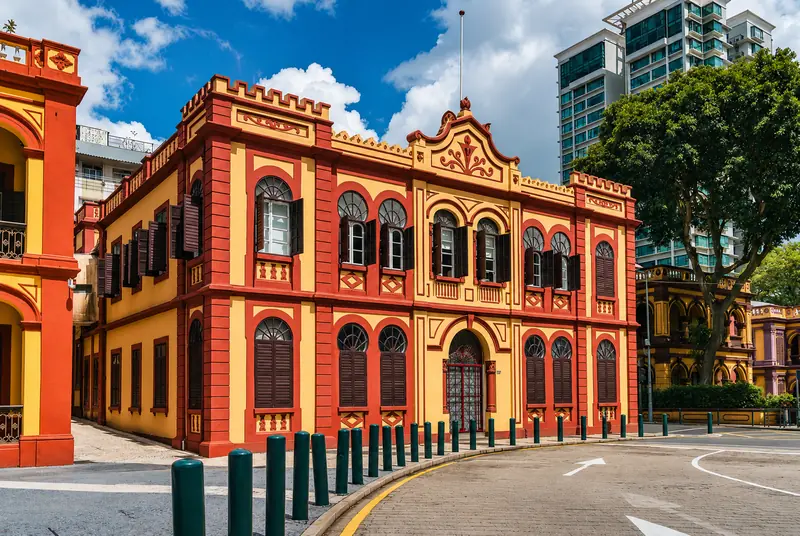
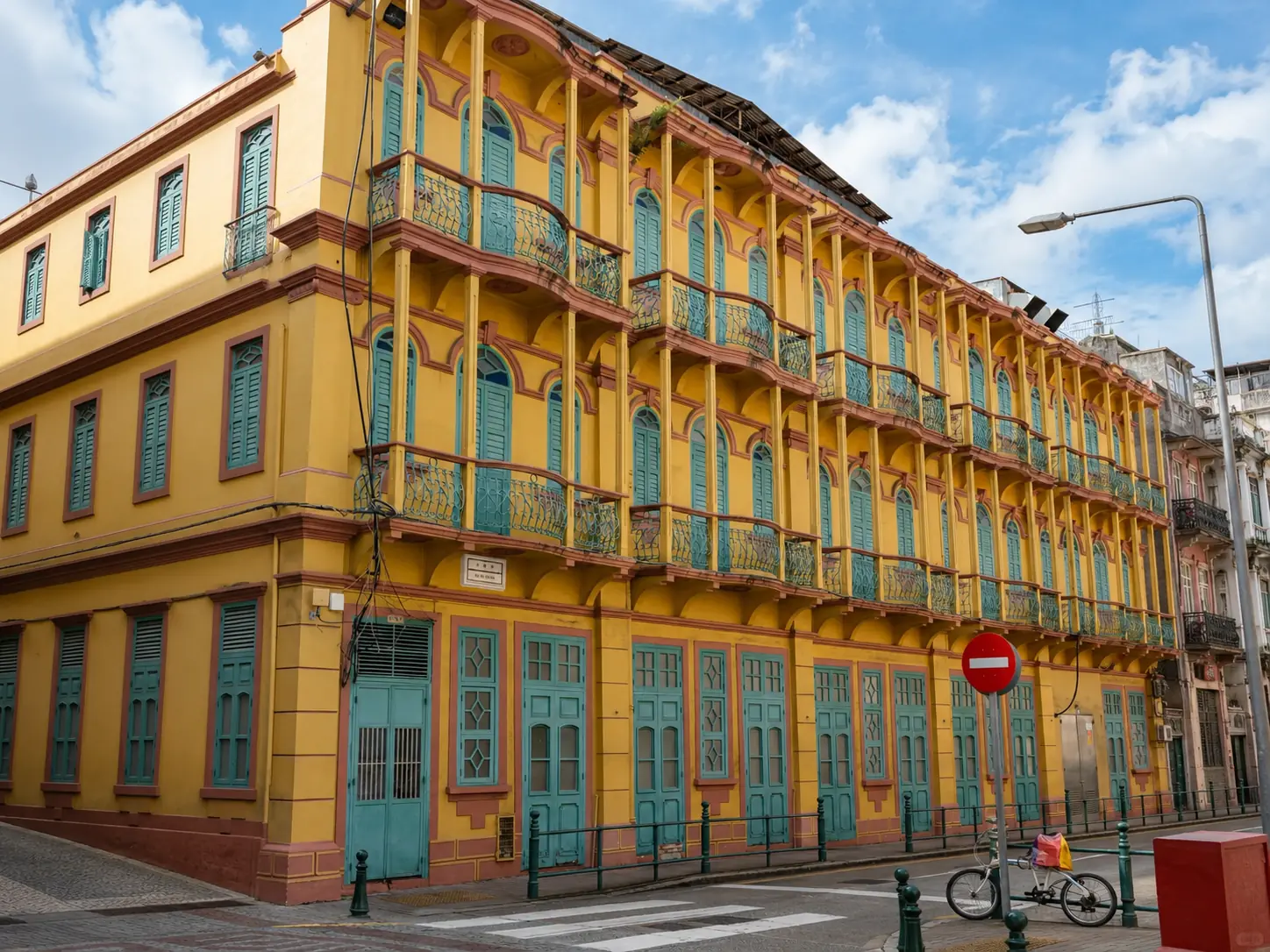
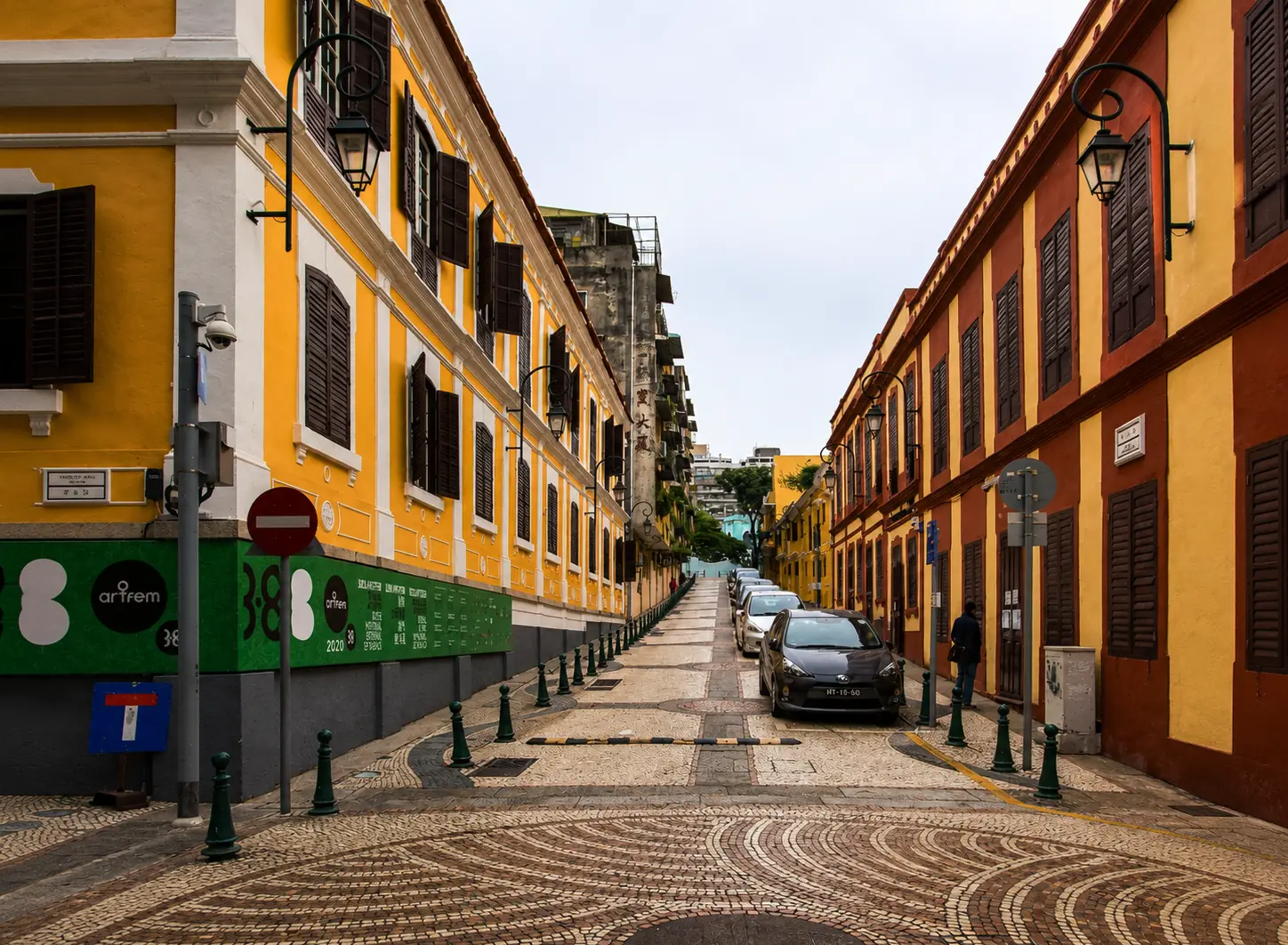
St. Lazarus Quarter (望德堂区) is where Macau becomes quieter: yellow Portuguese-style facades, stone-paved lanes, art spaces, small courtyards, and a slower residential mood. It is especially good after you have already seen Senado Square and St. Paul's and want to step out of the main crowd flow.
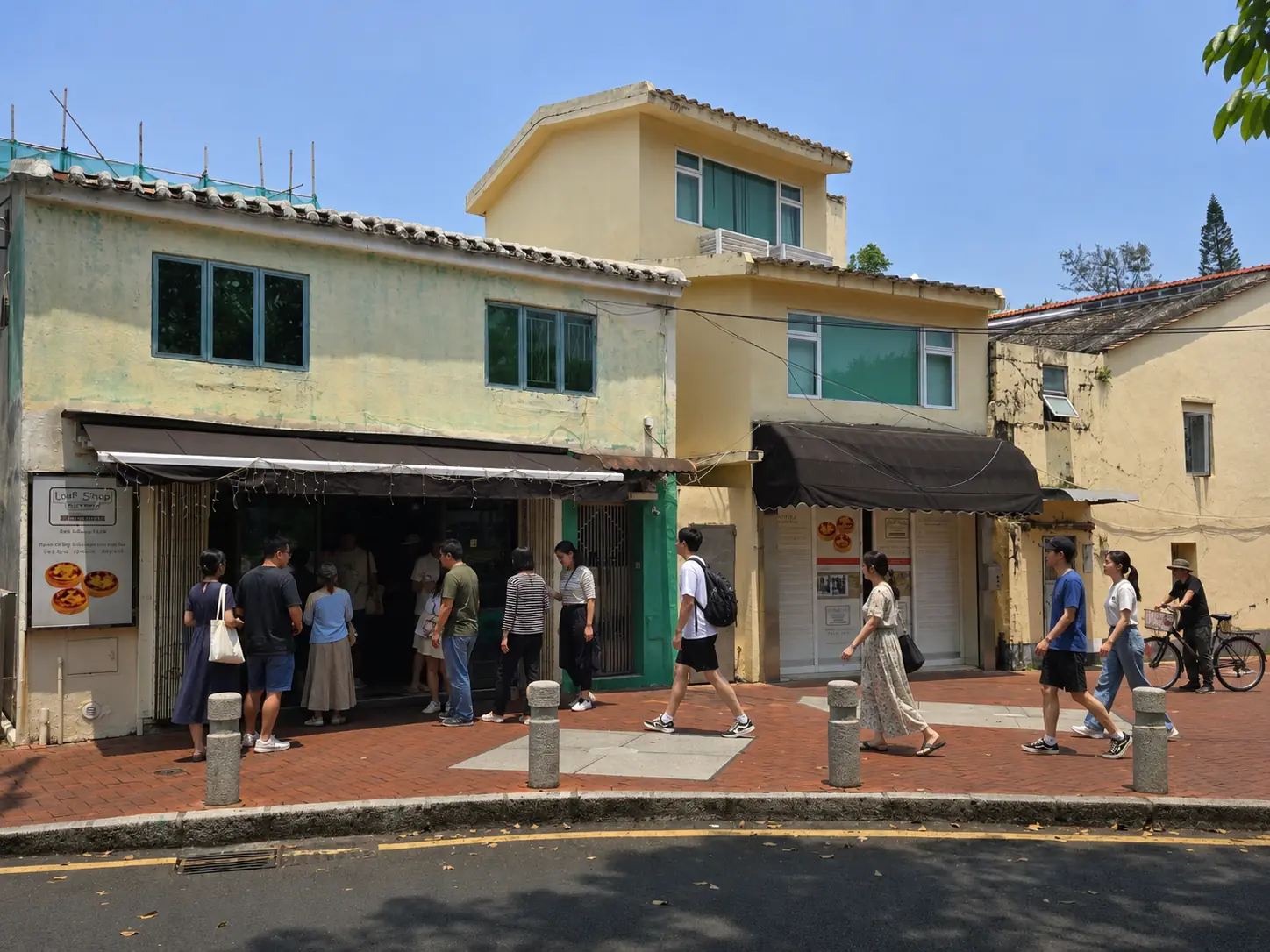
Coloane Village and Lord Stow's Bakery Coloane (安德鲁饼店路环店) are the classic slower Macau extension. Come for egg tarts, low buildings, sea air, and village lanes, not because every first-timer must go. It is best for overnight travelers, repeat visitors, or anyone who wants Macau to feel less dense.
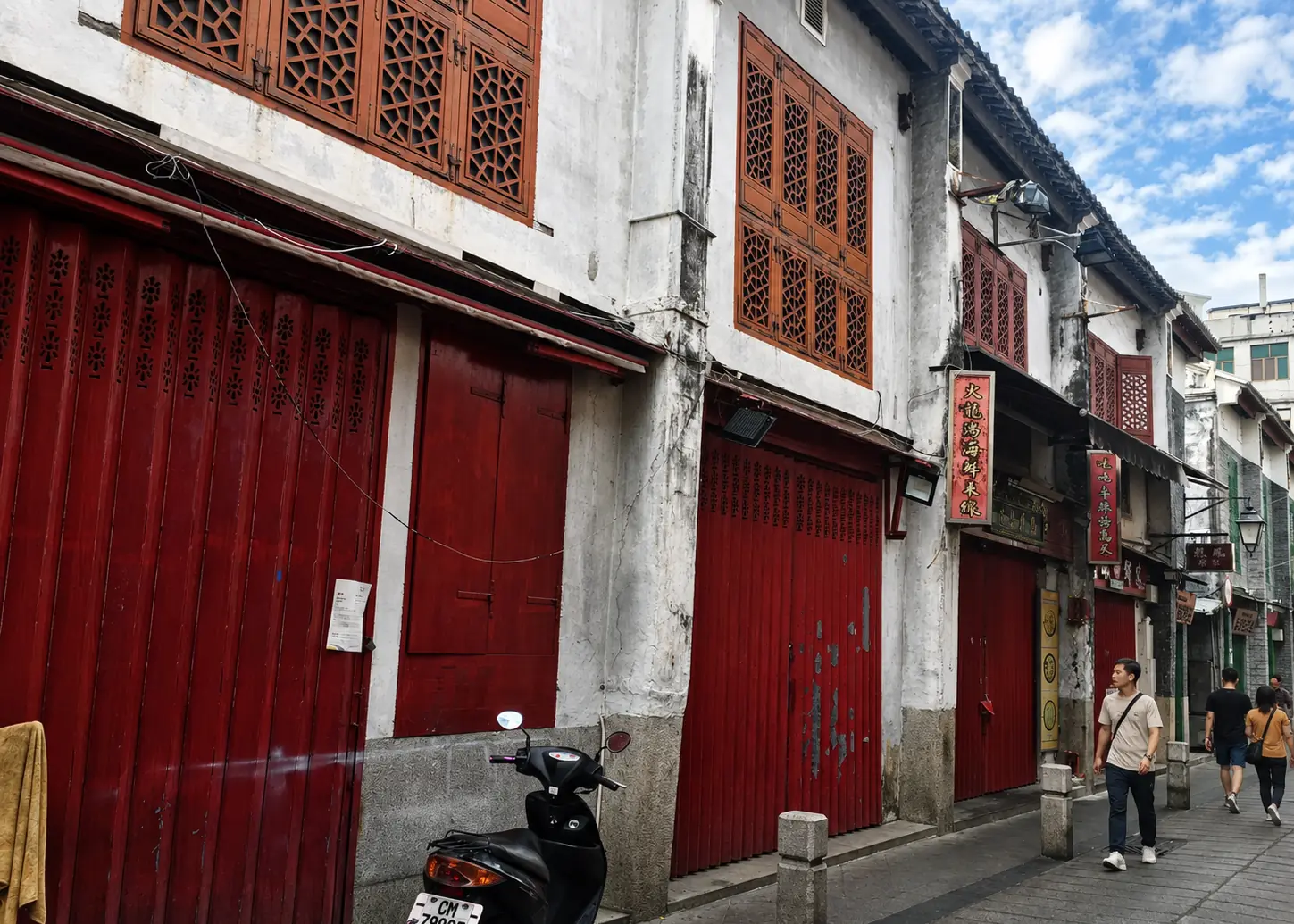
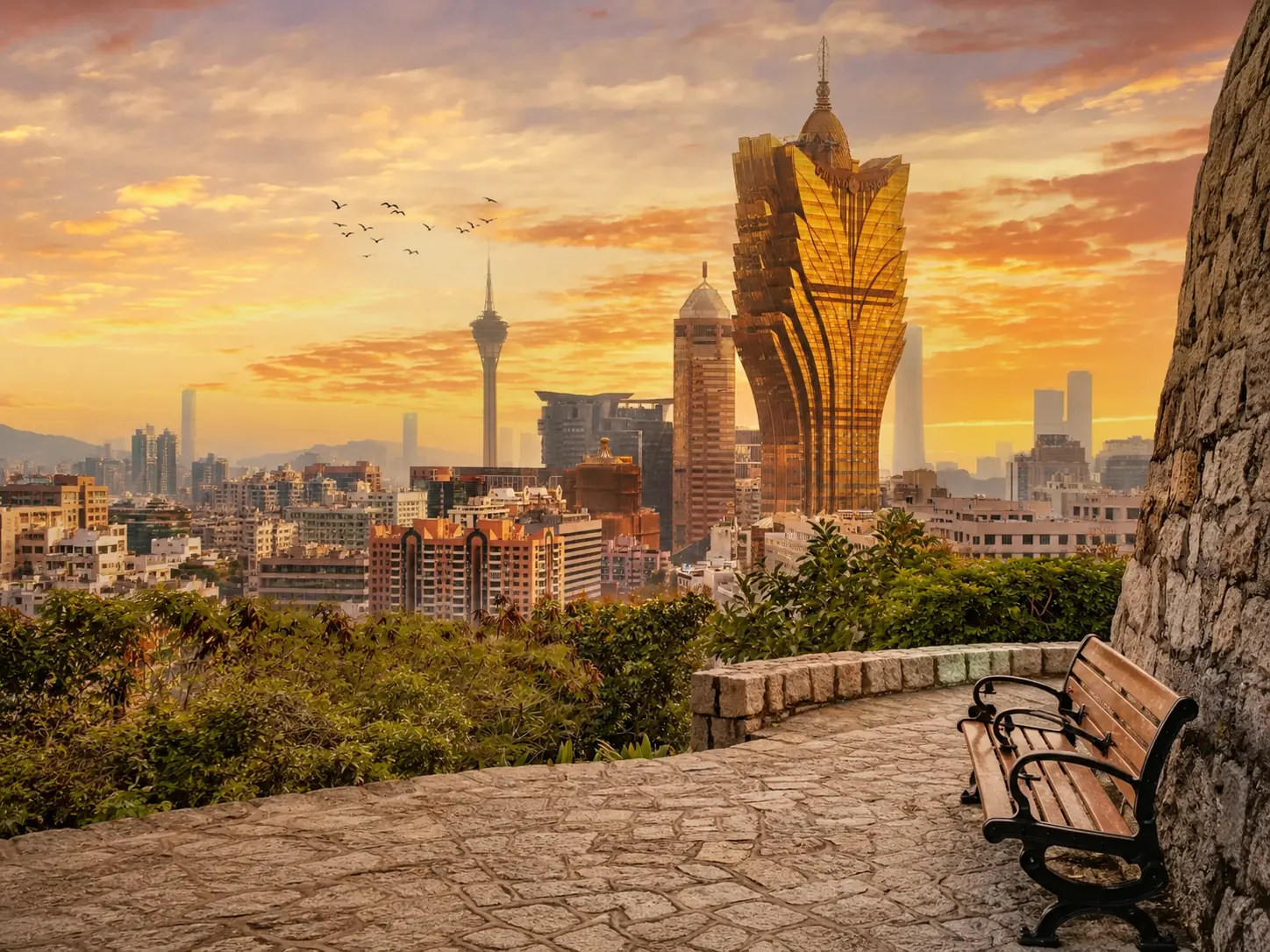
Guia Fortress and Lighthouse is part of the World Heritage property, but it sits away from the most crowded Senado-to-St. Paul's line. Use it as an upgrade when you want a quieter viewpoint, a hilltop heritage stop, and a different angle on Macau Peninsula.
Choose Your Macau Travel Style and Priorities
Do not choose Macau sights only by fame. Senado Square, egg tarts, Cotai resorts, A-Ma Temple, St. Lazarus, Macau Tower, and Coloane all belong in "things to do in Macau," but they satisfy different cravings.
The Classic First Trip
Best for: travelers who may not return soon.
Prioritize Senado to St. Paul's, Monte Fort, Taipa food, one Cotai resort, and one egg tart stop. This gives the cleanest old-city-to-resort contrast.
The Food-First Trip
Best for: travelers who judge a city by meals and snacks.
Separate souvenir samples, egg tarts, Taipa grazing, Coloane bakery time, Rua da Felicidade, and one proper Portuguese or Macanese dinner.
The Visual Trip
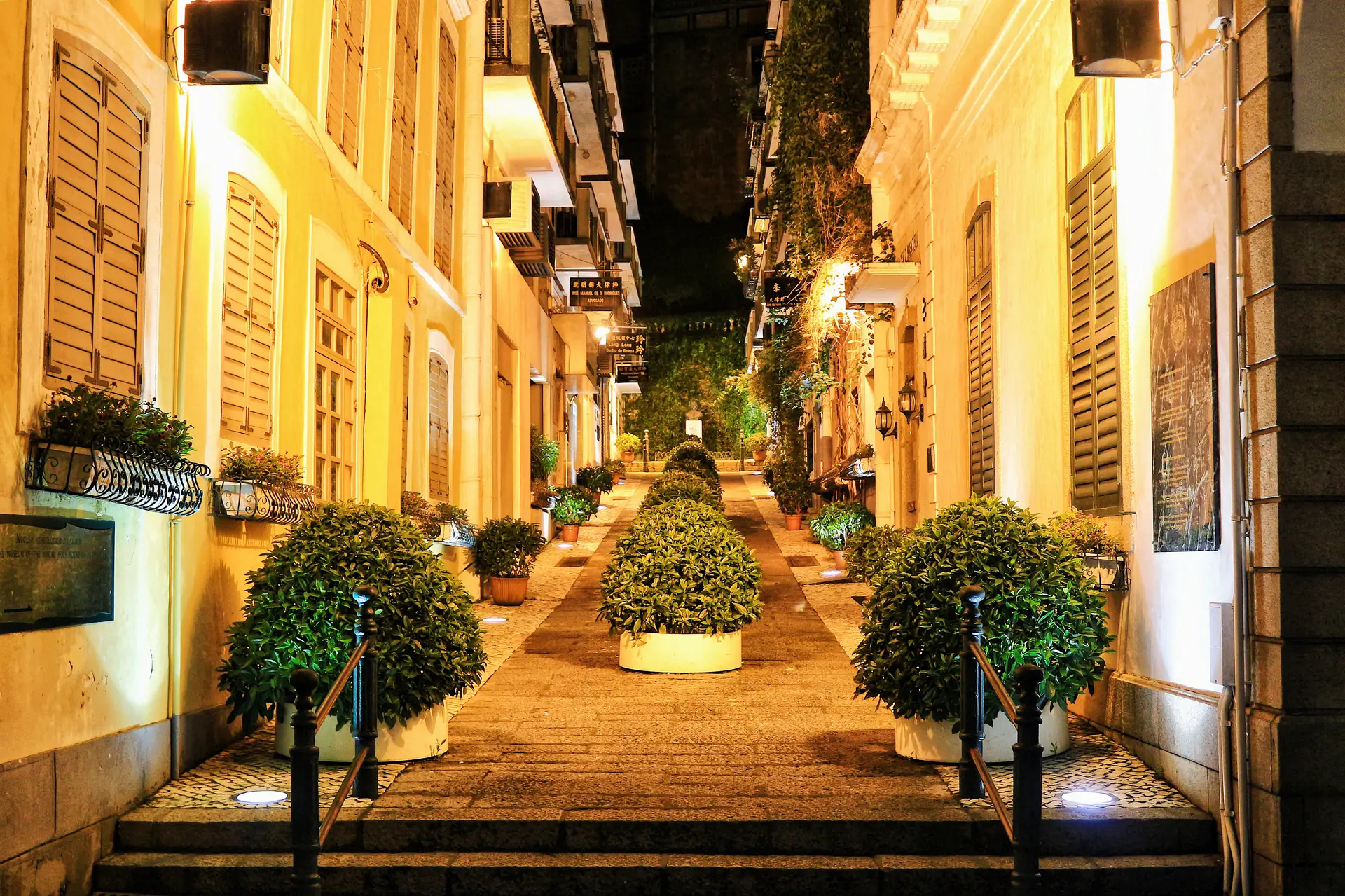
Best for: photographers and slow walkers.
Protect mornings and late afternoons for Senado, St. Paul's, St. Lazarus, Monte Fort, Cotai lights, and Macau Tower. Midday is better for food or interiors.
The Family Trip
Best for: mixed ages, children, and low-stress movement.
Use short heritage walks, public resort areas, shows, egg tarts, hotel facilities, and taxis. Do not design the route around casino-floor shortcuts.
The Night-Show Trip
Best for: a clear evening anchor.
Build around Cotai, House of Dancing Water, hotel dining, outside lights, and an easy return to your hotel. Check current schedules before making the night depend on one show.
The Slow Macau Trip
Best for: overnight travelers and repeat visitors.
Add A-Ma Temple, St. Lazarus, Guia, Coloane, Red Market, cafes, and waterfront pauses. This version makes Macau feel like a city, not a task list.
Macau Areas for Smarter Daily Routes
Before you build each day, get a feel for Macau's main zones. The highlights cluster in ways that make sense only when you stop zigzagging.
Macau Peninsula
Includes: Senado Square, St. Paul's, Monte Fort, A-Ma Temple, Rua da Felicidade, Red Market, St. Lazarus, and Guia.
Use this for: heritage, temples, markets, viewpoints, and old-street texture. Watch out: it is walkable, but not one flat straight line.
Taipa
Includes: Taipa Village, Rua do Cunha, cafes, restaurants, souvenir shops, and smaller Portuguese-style streets.
Use this for: food, old-to-new transition, and a bridge toward Cotai. Watch out: snack streets can get slow at peak grazing hours.
Cotai
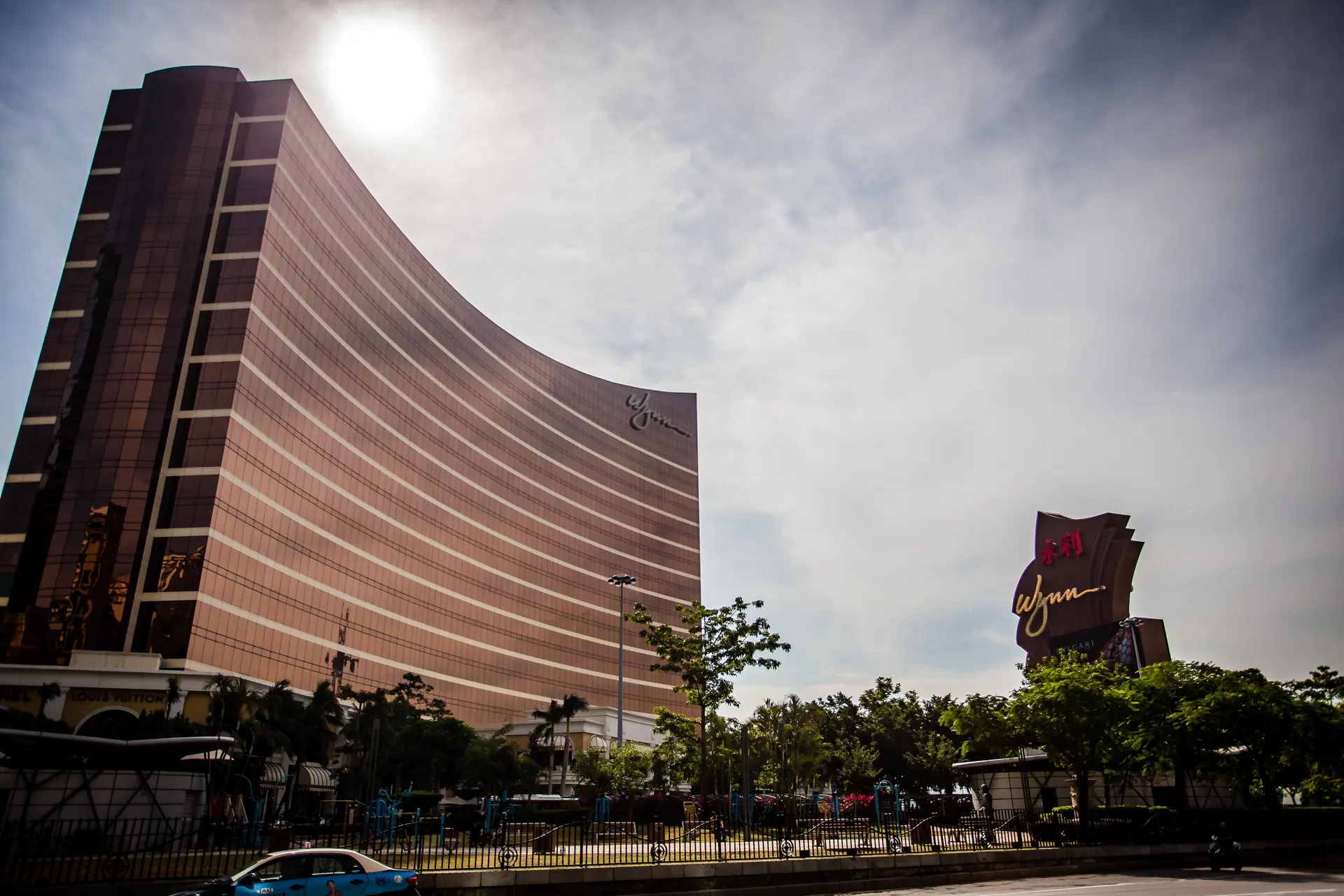
Includes: City of Dreams, Venetian, Londoner, Wynn Palace, resort malls, theaters, casino floors, and hotel restaurants.
Use this for: evening lights, shows, resort comfort, and modern Macau scale. Watch out: internal distances eat time.
Coloane
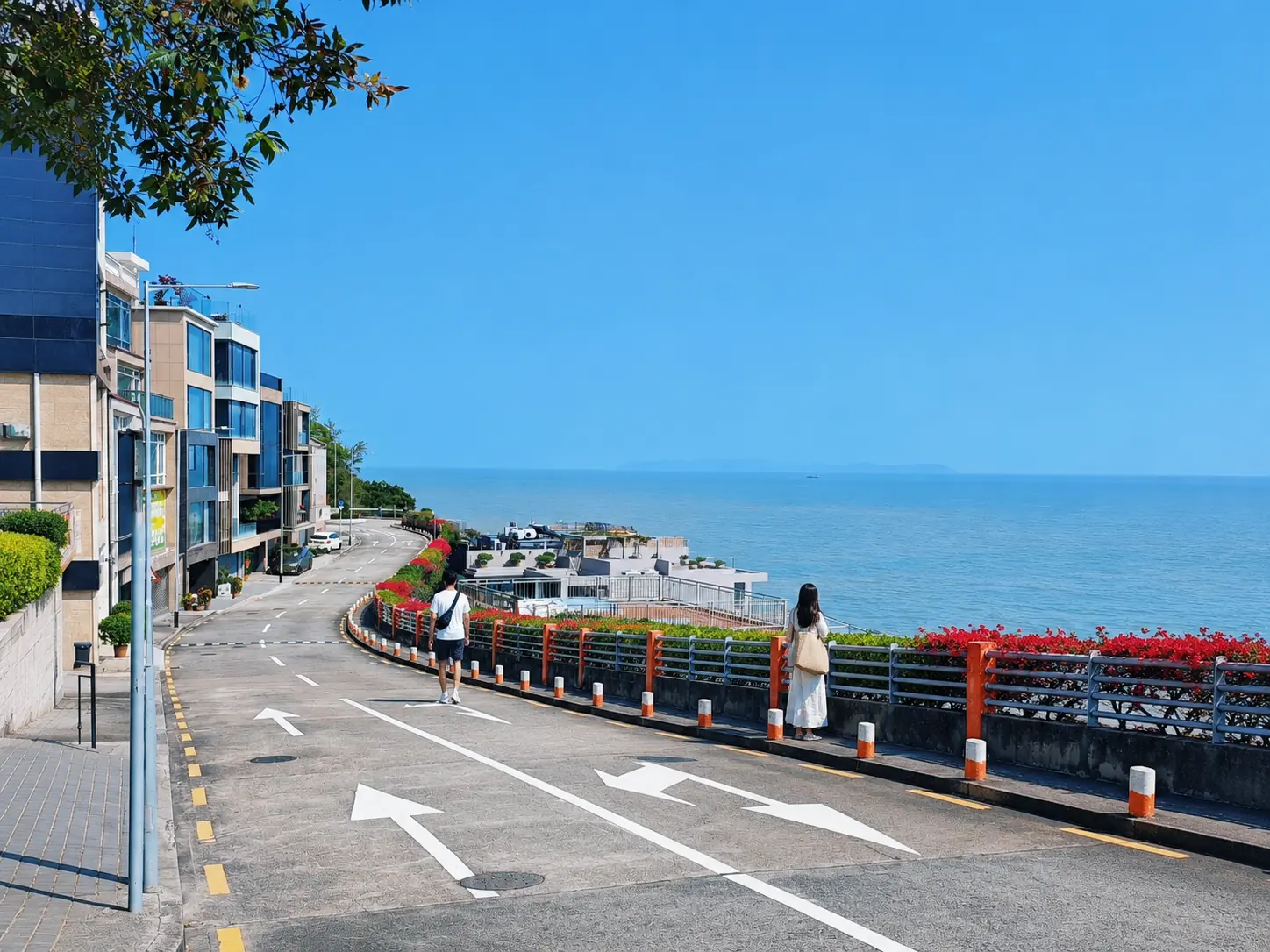
Includes: Coloane Village, Lord Stow's Bakery, Hac Sa Beach, sea air, cafes, and slower lanes.
Use this for: egg tarts, a quieter second day, and relief from dense old-town and resort zones. Watch out: it is usually too much for a tight day trip.
How to Pace Your Macau Days
Once you know how much your trip can hold, think less about equal sightseeing days and more about day weight. Macau works best when the old city, food, and resort layers are balanced instead of stacked.
Heavy Crowd Blocks
Use for: Senado Square, St. Paul's, souvenir street, and peak Rua do Cunha hours.
Give these areas early or late windows. They are short on the map but dense in people, slopes, snack stops, and photo bottlenecks.
Medium Culture Blocks
Use for: Monte Fort, A-Ma Temple, St. Lazarus, Guia, small museums, and side lanes.
These stops add meaning without needing a full day, but they work only if you leave space instead of treating them as quick leftovers.
Light Evening Layers
Use for: Cotai lights, hotel dining, House of Dancing Water, Macau Tower, or a relaxed post-dinner walk.
Use these as the day's ending, not as one more obligation after you have already overfilled the old-city route.
For a one-day Macau trip, the cleanest logic is old city first, southward movement later, then a return plan that respects ferry, bus, or bridge timing. For one night, split the pressure: old city on one side of the stay, Taipa and Cotai on the other. For two days, add one non-classic layer such as Coloane, A-Ma Temple, St. Lazarus, Guia, or Red Market.
Common Macau First-Trip Mistakes to Avoid
- Do not treat Macau as only casinos; keep at least half a day for streets, temples, and old-city texture.
- Do not assume small means effortless; slopes, crowds, resort corridors, taxi waits, and border timing all reshape the day.
- Do not replace meals with egg tarts, almond-cookie samples, and jerky tasting; save space for one proper Macanese or Portuguese meal.
- Do not forget the 21-plus casino entry rule when traveling with children or younger adults.
- Do not force Coloane, Macau Tower, a full show, and every Historic Centre stop into a single Hong Kong day trip.
What to Save for a Second Macau Trip
A strong first Macau trip needs editing. The goal is not to touch every name, but to leave with a clear memory of old Macau, food Macau, resort Macau, and one slower corner that feels like yours.
Coloane Village
Save for later unless: you stay overnight or really want a slower bakery-and-village block.
Coloane is lovely, but it pulls the day south. It is most valuable when you can linger rather than squeeze it between St. Paul's and Cotai.
Guia Fortress
Save for later unless: you want a quieter hilltop World Heritage stop.
Guia rewards walkers and photographers, but it is not on the main Senado-to-St. Paul's line. Add it when your plan has breathing room.
Red Market
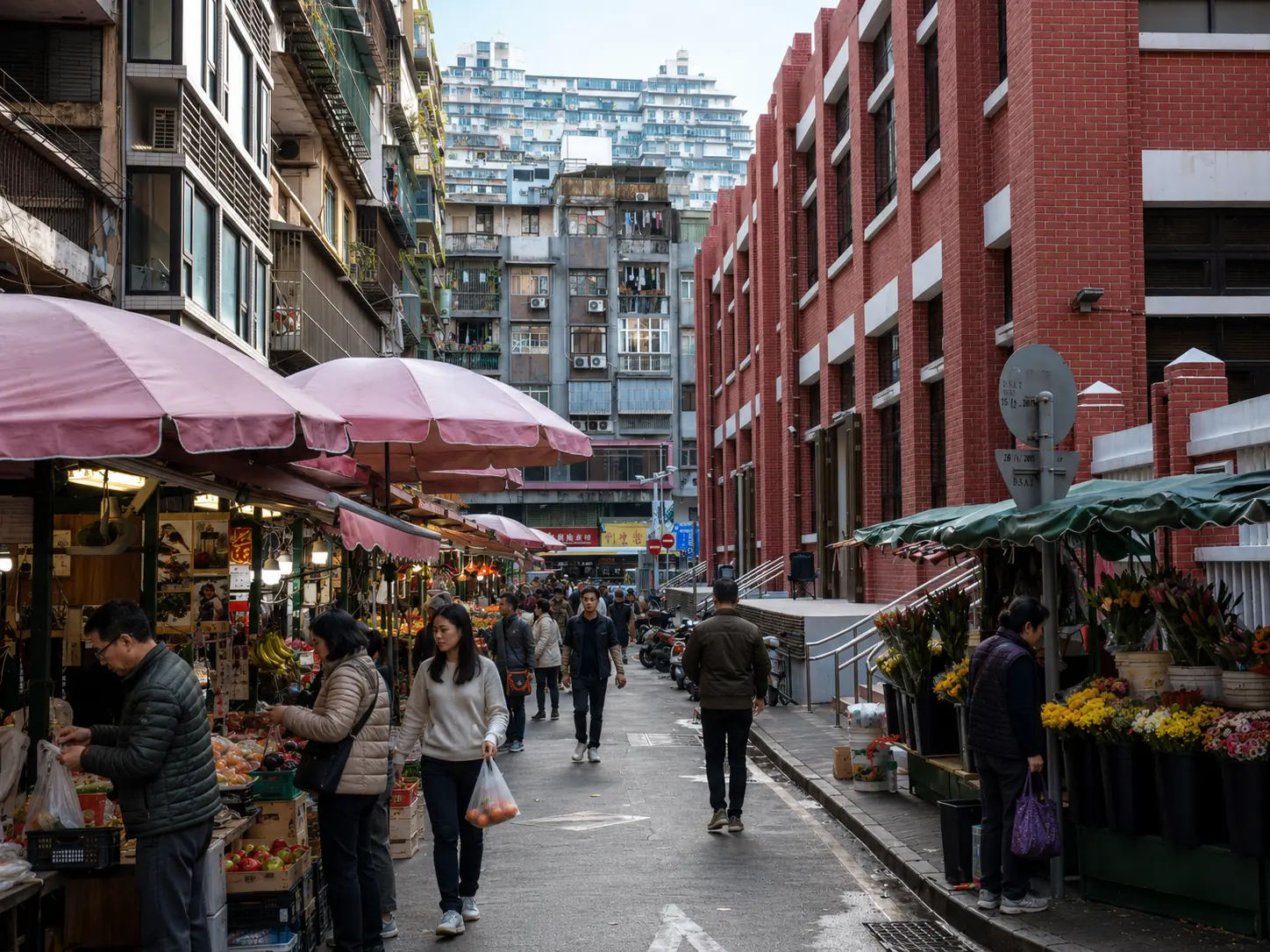
Save for later unless: you care about local food texture.
Red Market is more daily-life context than headline attraction. It suits food-curious travelers who want Macau beyond resorts and souvenir lanes.
Extra Resort Hopping
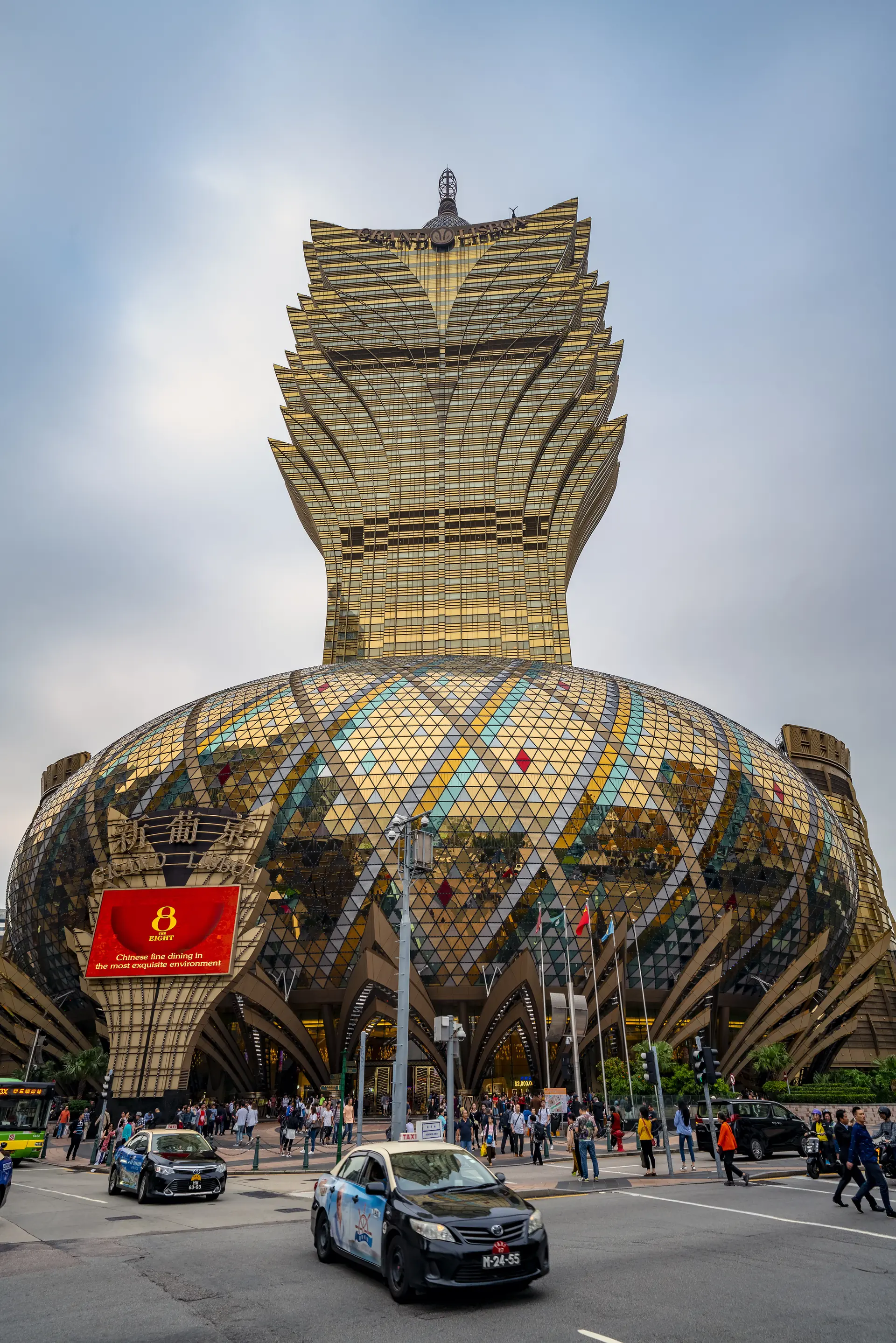
Save for later unless: casino architecture is the point.
Choose one or two resorts first. Trying to see every resort interior makes the day feel like a mall transfer exercise.

Too Many Small Museums
Save for later unless: museum context is your main theme.
The Macao Museum, Maritime Museum, Taipa Houses, and small galleries can be meaningful, but the streets themselves often carry the strongest first-trip context.

Macau Tower Activities
Save for later unless: you want a height-based activity.
The tower is memorable, especially for Skypark, but it competes with food, heritage, and Cotai time on short trips.
Where to Stay for Macau Sightseeing
Choose the hotel area that supports the Macau trip you are actually building. A show-night base may be awkward for early Senado photos; a peninsula stay may feel richer for streets but less convenient for resort facilities.
For Old-City Access
Best base: Macau Peninsula.
Choose this if you want early St. Paul's, Senado Square, A-Ma Temple, St. Lazarus, Red Market, Guia, local restaurants, and a more street-level stay. The tradeoff is that Cotai shows and resort dining require a transfer.
For Shows and Comfort
Best base: Taipa or Cotai.
Choose this for House of Dancing Water, resort pools, family convenience, hotel dining, shopping, and lower-pressure evenings. The Historic Centre is not downstairs, so protect old-city time intentionally.
For Food Balance
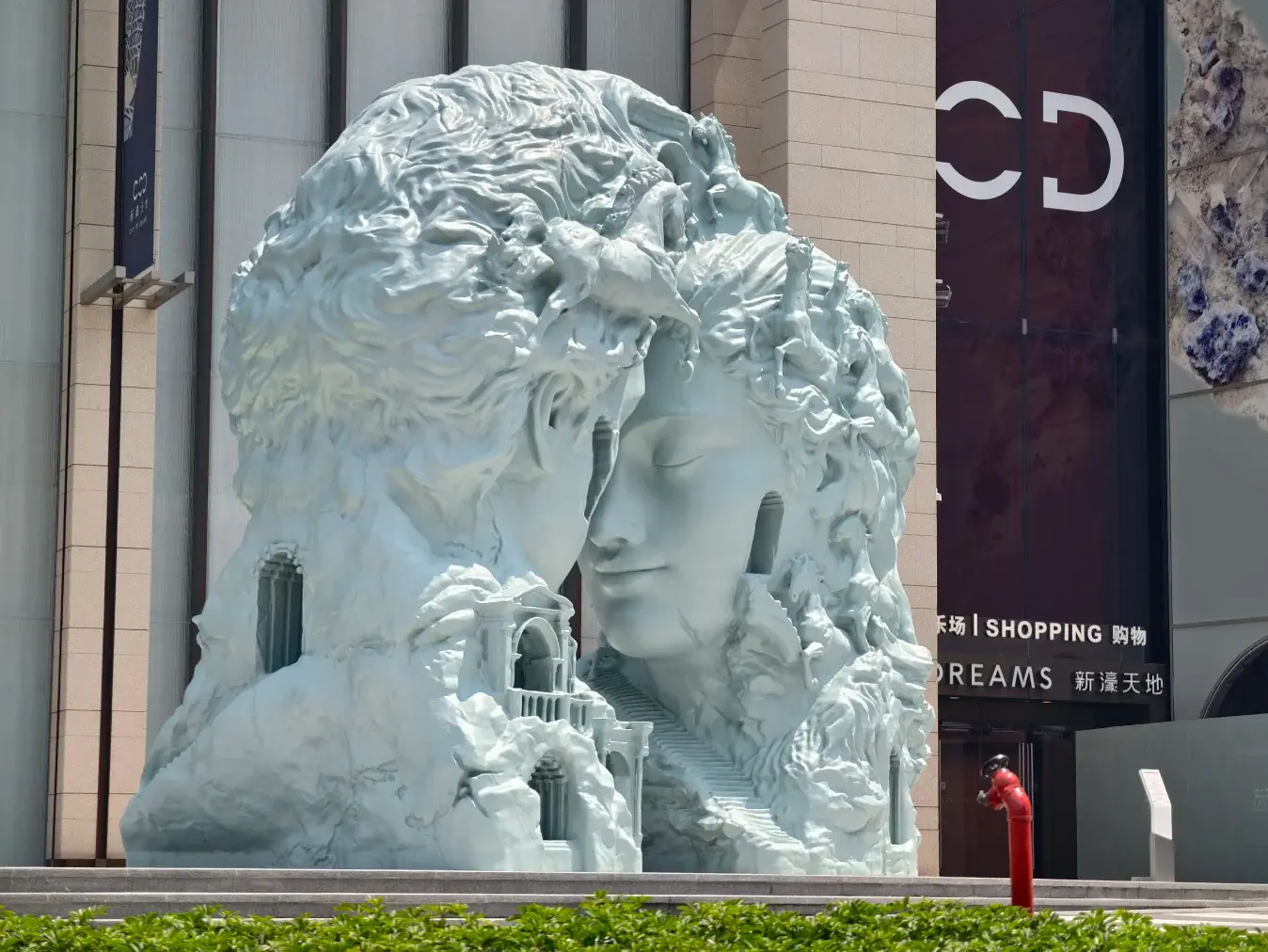
Best base: Taipa, or a peninsula hotel with easy taxis.
Choose this if your trip revolves around Taipa Village, Rua do Cunha, Macanese dinner, old-town snacks, and one resort evening. It keeps the food layer from becoming an afterthought.
For Slow Travel
Best base: Coloane or a quiet resort edge.
Choose this only when slow travel is the point. It is not the most efficient first-time base, but it can be memorable if you already know you want a gentler Macau.
Use this quick default if you are choosing between hotel areas:
- Best base
- Macau Peninsula
- Best base
- Taipa / Cotai
- Best base
- Taipa or peninsula with taxi access
- Best base
- Coloane or quiet resort edge
Macau Travel Questions for First-Time Visitors
One day is enough for the basic contrast between the Historic Centre, Taipa food, and one Cotai resort. One night is much more comfortable. Two days lets you add Coloane, A-Ma Temple, Guia, St. Lazarus, a show, or a more complete food plan.
Sources checked for this guide
- World Heritage inscription scope across the 30-monument Historic Centre of Macao: UNESCO World Heritage Centre — Historic Centre of Macao
- Current opening hours and weekly closure days across Historic Centre monuments and interiors: Macao World Heritage official visitor hours
- Ruins of St. Paul's facade history and surrounding peninsula sightseeing context: Macao Government Tourism Office — Ruins of St. Paul's
- Ferry terminals, HZMB shuttle links, MOP 6 public bus fares and metered taxi guidance: Macao Government Tourism Office — Local Transportation
- Taipa Line cross-harbour reach to Barra Station beside A-Ma Temple: Macao Light Rapid Transit — Barra Station
More Macau Planning Guides to Read Next
Use this page as your Macau city overview, and check our Macau destination guide to compare Peninsula vs Cotai stays, ferry piers, and LRT links. For a step-by-step day route, start with the Macau day trip from Hong Kong. For deeper food planning, use the Macau food guide. For old-city walking detail, continue to the Macau Historic Centre walking route, Ruins of St. Paul's souvenir street guide, and St. Lazarus Quarter guide. For evening decisions, compare the House of Dancing Water guide and Macau Tower bungee jump guide.
© gochinafreely.com — Original guide by Go China Freely.