Workshop basics
Confirm before paying
A Living Porcelain City, Not a Theme Studio
The city before the class
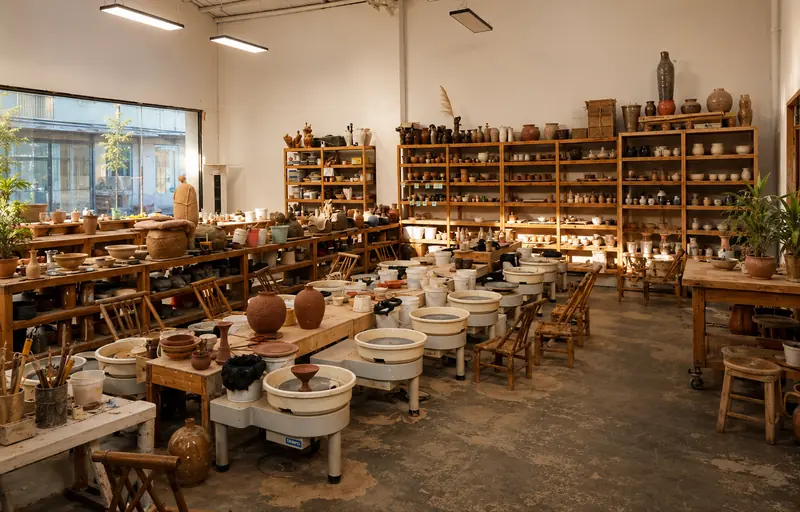
Pottery making in Jingdezhen (景德镇) is the rare tourist workshop that does not feel invented for tourists. In China's porcelain capital, a 3-hour class might mean wobbling through your first wheel-thrown cup, painting cobalt-blue lines on a bisque form, then learning why your finished piece needs firing and probably shipping instead of going straight into your suitcase.
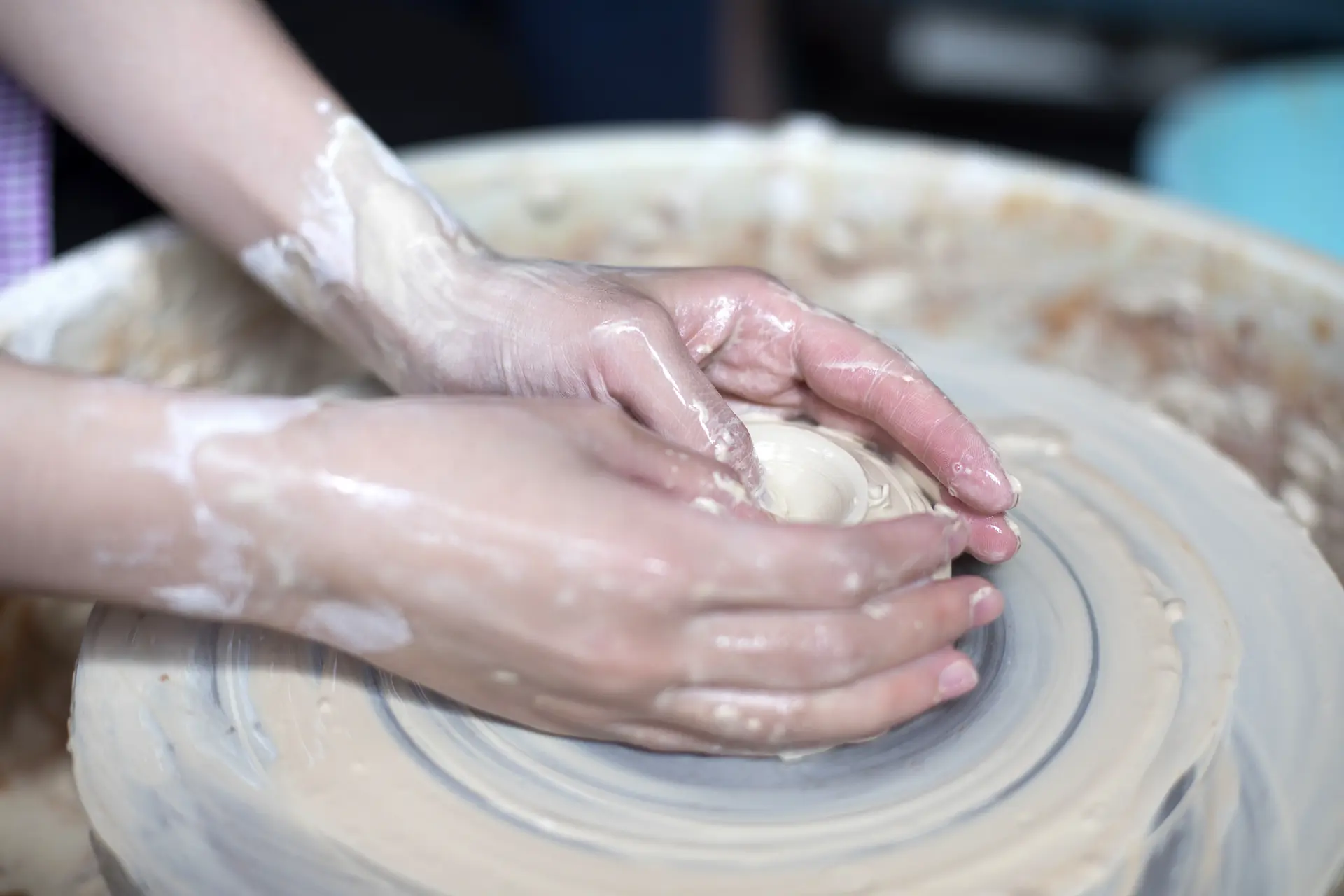
Use this guide for the light version: a half-day ceramic class that gives you clay on your hands and a better eye for the cups, bowls, and porcelain pieces you will see all over the city.
Jingdezhen is not just a place that sells porcelain. UNESCO's Creative Cities Network describes it as China's "Porcelain Capital," with ceramic production stretching back more than 1,700 years and a modern role in crafts and folk arts. The city still works like an ecosystem: clay suppliers, brush painters, kiln operators, tool shops, young designers, master artisans, weekend markets, and foreign ceramic artists all orbit the same material.

That is why even a simple beginner class feels different here. You are not sitting in a tourist mall pretending to be a potter for 20 minutes. You are trying a basic version of what the city actually does every day, whether that means shaping wet clay, painting blue-and-white lines, trimming a small bowl, or watching a teacher rescue a collapsed rim.
This guide does not treat the workshop as intangible-heritage master training. Jingdezhen's ceramic culture is covered by a municipal cultural-ecology protection plan that emphasizes living transmission, craft protection, and projects such as Taoyangli, Taoxichuan, and Sanbao. But most visitor classes are beginner experiences. That is a good thing, as long as expectations are honest.
Is a Pottery Class Worth It?
Half-day decision
Yes, if you want a relaxed half-day that makes Jingdezhen feel less like a shopping stop and more like a working craft city. A class helps you understand why handmade cups vary slightly, why blue-and-white painting looks simple until your brush touches the surface, and why firing is the real final step.
It is not essential if you only have one rushed day and mainly want museums, markets, and photos. In that case, spend your time at the Imperial Kiln Museum (御窑博物馆) (Google | Amap), Taoxichuan Creative District (陶溪川文创街区) (Google | Amap), and a good ceramics market first.
Decision shortcut
Should you make time for it?
Good fit
Choose it if you like hands-on craft, ceramics, tea cups, slow travel, or a quiet break from sightseeing.
Think twice
Skip it if you need an instant souvenir, dislike messy hands, or only have one tight Jingdezhen day.
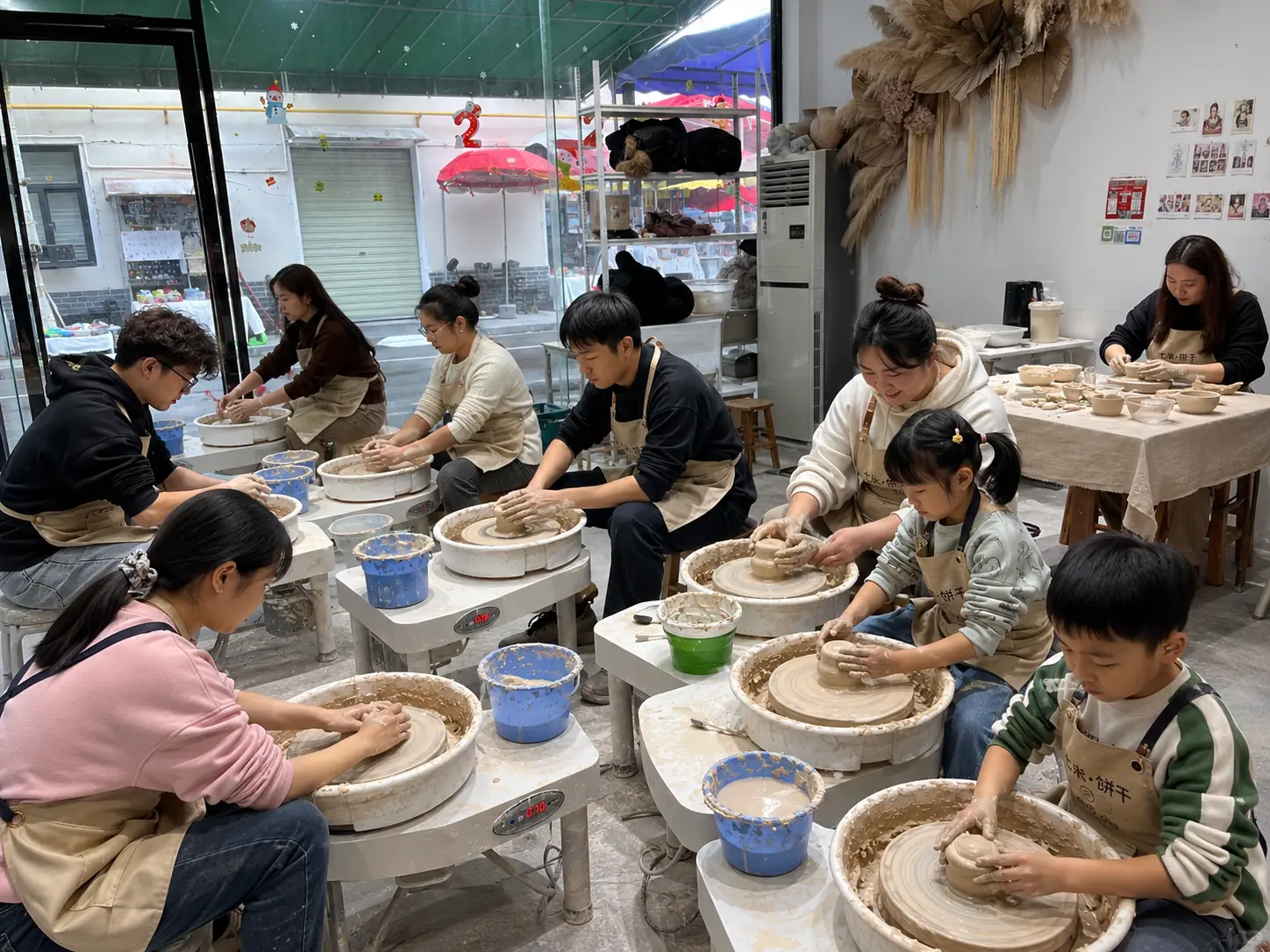
For families, pottery is usually easier than a formal museum-heavy day. Children who enjoy drawing, clay, or making objects can do well with hand-building or painting. Wheel throwing looks exciting, but it may frustrate very young children because the clay collapses quickly when hands are too tense.
Choose the Right Ceramic Workshop Format
The best first question is not "Where should I take a class?" It is "What do I want to make?" A wheel-throwing class, a hand-building class, and a blue-and-white painting class all sound like pottery making, but they feel very different.
← swipe to compare all options →
Wheel throwing
Best classic pottery moment
- ✓Most fun if you want the iconic hands-on pottery photo
- —Your first cup or bowl may wobble, collapse, or need teacher help
- —Usually needs firing and later pickup or shipping
Clay, wheel, water, instructor rescue
Hand-building
Best for families
- ✓Easiest for children, nervous beginners, and mixed-age groups
- ✓Good for small cups, animals, tiles, simple sculptures, or textured dishes
- —Less dramatic than a spinning wheel, but more forgiving
Pinching, slab, small forms
Blue-and-white painting
Best Jingdezhen link
- ✓Best if you want the porcelain-capital feeling without fighting wet clay
- —Drawing confidence helps, but simple patterns work for beginners
- —Confirm whether you paint on a tile, cup, plate, or pre-made blank
Qinghua, cobalt, brush lines
Names, duration, prices, and language support change. Confirm current details with the studio before paying.
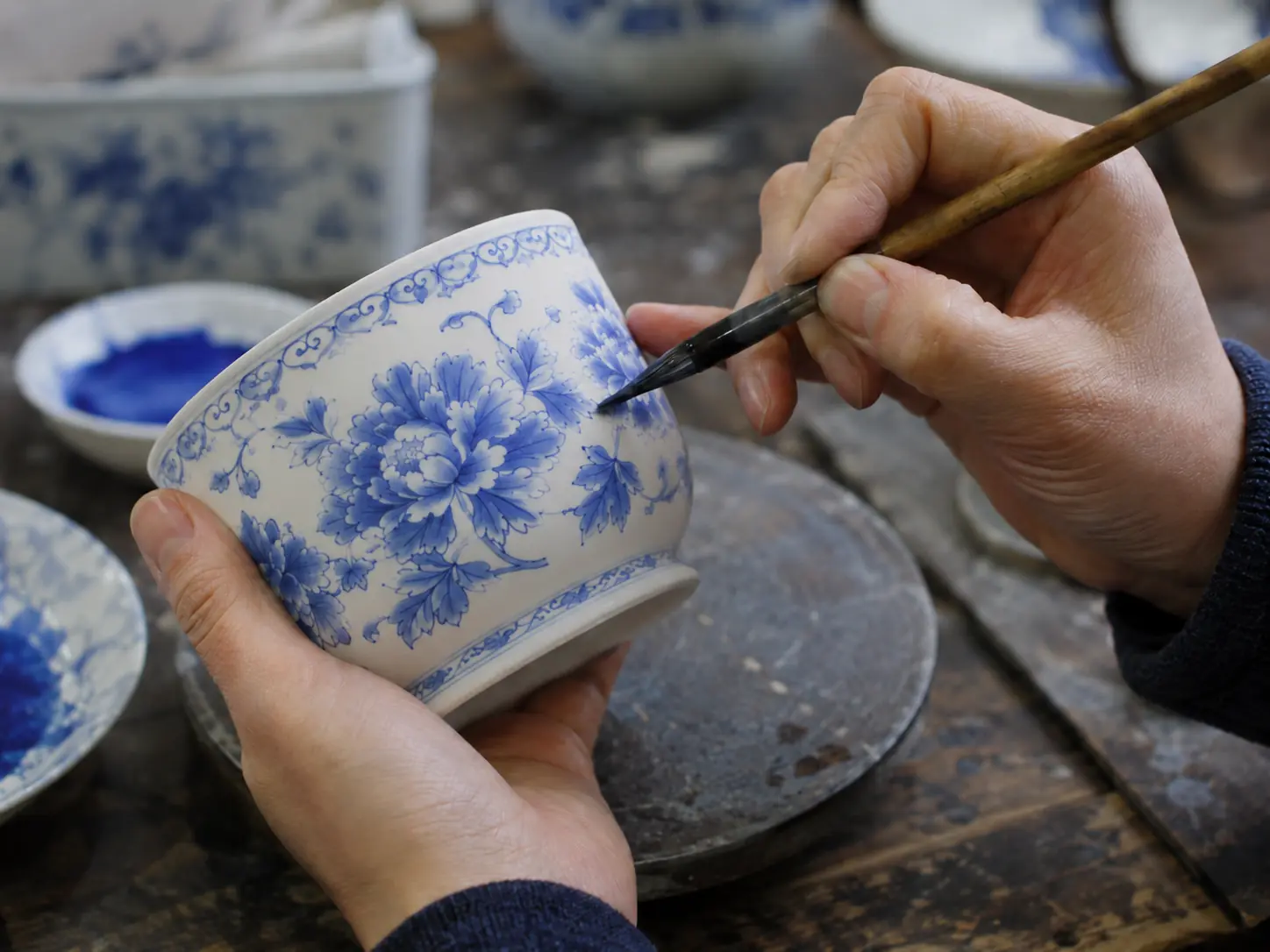
For booking channels, start with platform pages such as Trip.com's Jingdezhen pottery and craft listings(affiliate link · may earn commission, no extra cost), then compare the format with studio references such as The Pottery Workshop / PWS Ceramic Hub's 3-hour Jingdezhen ceramic workshops.
PWS lists options such as wheel throwing, hand pinching, qinghua porcelain, overglaze decoration, slip casting, mould making, and ceramic restoration, and says English translation services are included. Use the platform page for live availability and terms, then confirm the exact technique, language support, firing, pickup, and shipping before paying.
Do not chase the hardest technique first
If this is a travel memory, choose the format that lets you enjoy the room. Wheel throwing is photogenic; blue-and-white painting connects strongly to Jingdezhen; hand-building is the least stressful. One good 3-hour class is better than rushing three techniques.
What Happens in a Beginner Class
A typical visitor-class sequence
Most light visitor classes run about 1-3 hours. PWS uses a 3-hour workshop model, while smaller studios may offer shorter experiences. Anything under one hour can still be fun, but it is closer to a quick DIY activity than a real lesson.
- Choose the technique- Wheel throwing, hand-building, qinghua painting, overglaze decoration, or a simple mixed class.
- Meet the material- Clay, porcelain body, water, ribs, wire tools, brushes, cobalt pigment, or a pre-made blank.
- Watch the teacher- The teacher demonstrates hand position, pressure, speed, and the common mistake that ruins the form.
- Make your piece- This is the messy, funny, useful part. Expect corrections and at least one restart.
- Mark the work- Write your name, contact details, class date, and shipping or pickup instructions.
- Arrange firing- Confirm whether glazing, firing, packaging, pickup, domestic shipping, or international shipping is included.
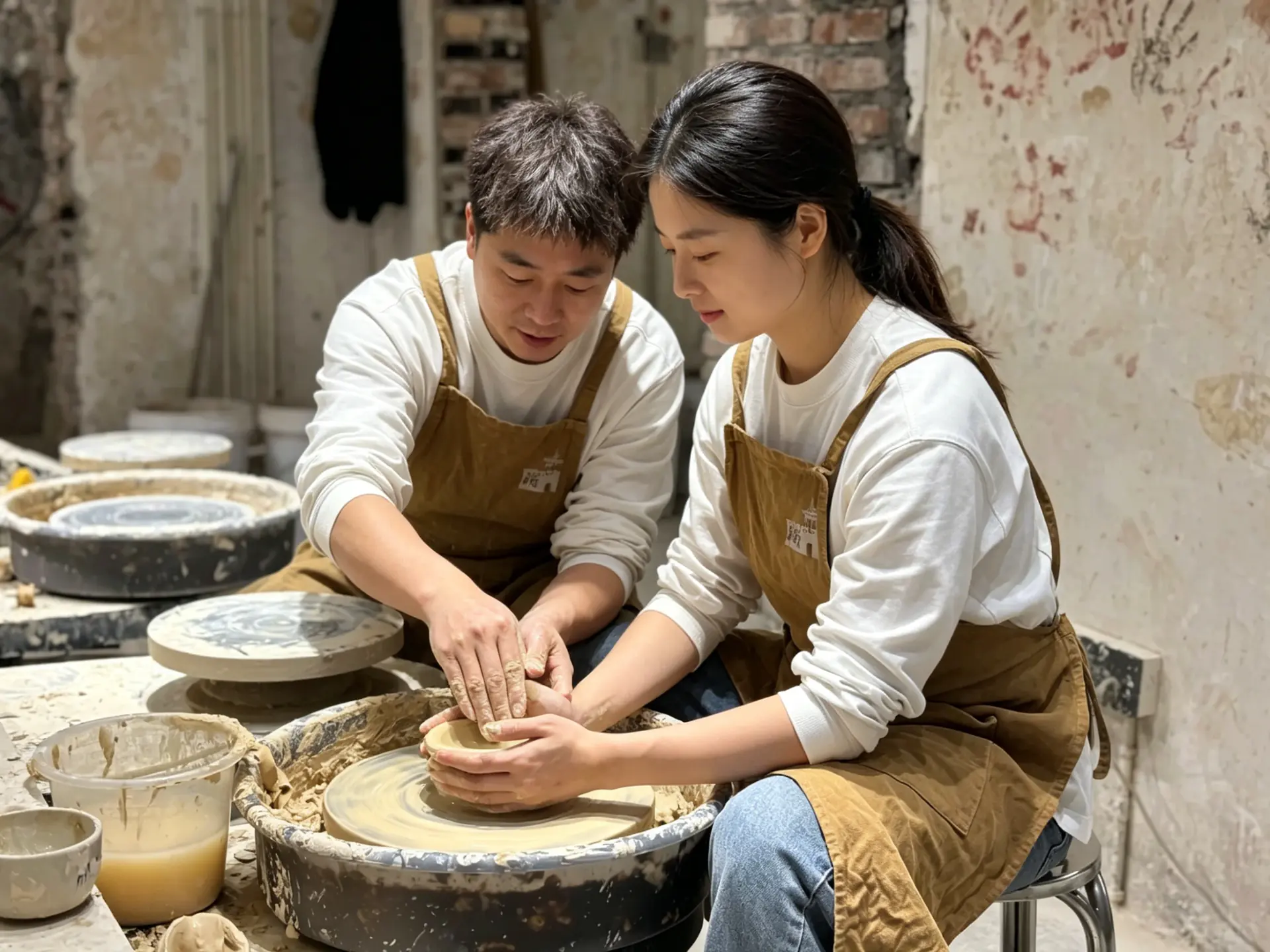
The teacher will probably touch the clay more than you expect. That is normal. A beginner's first cylinder can fail in seconds: too much water, uneven pressure, elbows floating, wheel speed too high, or one nervous squeeze near the rim. The goal is not total independence. The goal is to feel how quickly clay records what your hands do.
If you choose painting, the challenge is different. The brush looks easier than wet clay, but cobalt lines can thicken, bleed, or lose rhythm. A teacher should show you a simple pattern first: bamboo, waves, flowers, dots, fish, clouds, or a border that fits the object.
Firing, Shipping, and Take-Home Reality Checks
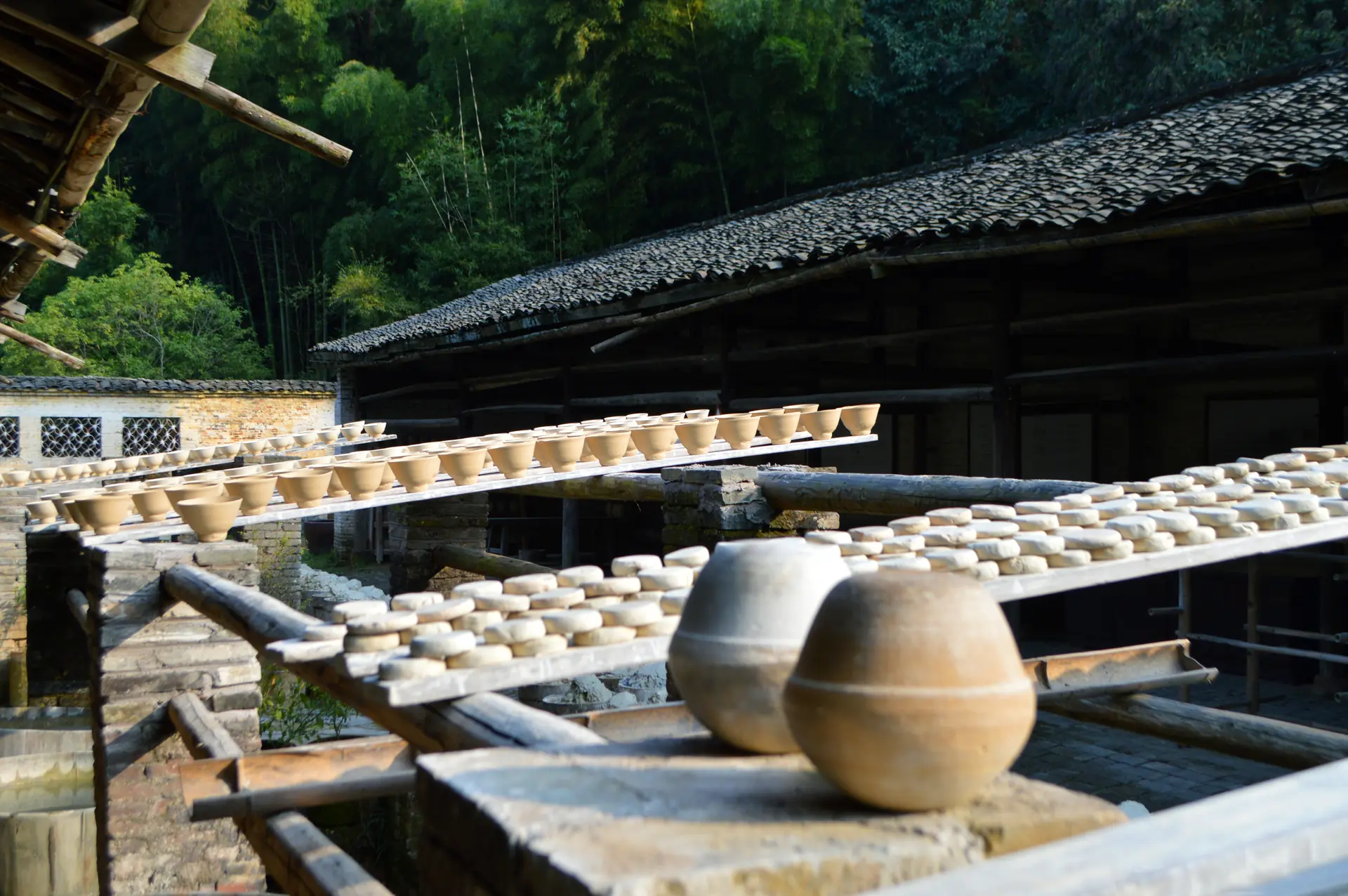
This is the section that prevents disappointment. Raw clay is not a finished souvenir. A wheel-thrown or hand-built piece usually needs drying, trimming, bisque firing, glazing, glaze firing, quality checks, and packaging. Even a painted blank may need another firing before it is safe and permanent.
Ask the studio to explain the timeline before you begin:
- Can I take anything home today, or does every piece need firing?
- How many pieces are included in the class fee?
- Is glazing included, or only shaping and basic firing?
- How long will firing take: a few days, a week, or longer?
- Can you ship to a hotel in China, a Chinese friend, or an international address?
- Who pays if the piece cracks, warps, breaks in transit, or never fires well?
Plan the handoff before class: Do not plan this as a same-day take-home souvenir unless the studio clearly says so. If you leave Jingdezhen soon, domestic shipping to your next hotel may be easier than international shipping. Write the delivery address in Chinese, include a reachable China phone number if you have one, and ask the studio to send photos before shipping. For fragile or sentimental pieces, pay for better packaging.
Your first piece may not survive
Kilns are honest. Beginner pieces can crack, warp, slump, or come out with glaze surprises. This is not necessarily poor service; it is part of ceramic reality. The class is the experience, and the object is a bonus.
Taoxichuan, Letian, or Sanbao Workshop Areas
Jingdezhen's workshop geography is part of the decision. The easiest class is not always in the most atmospheric area, and the prettiest village setting is not always the simplest for English support.
← swipe to compare all options →
Taoxichuan
Easiest first base
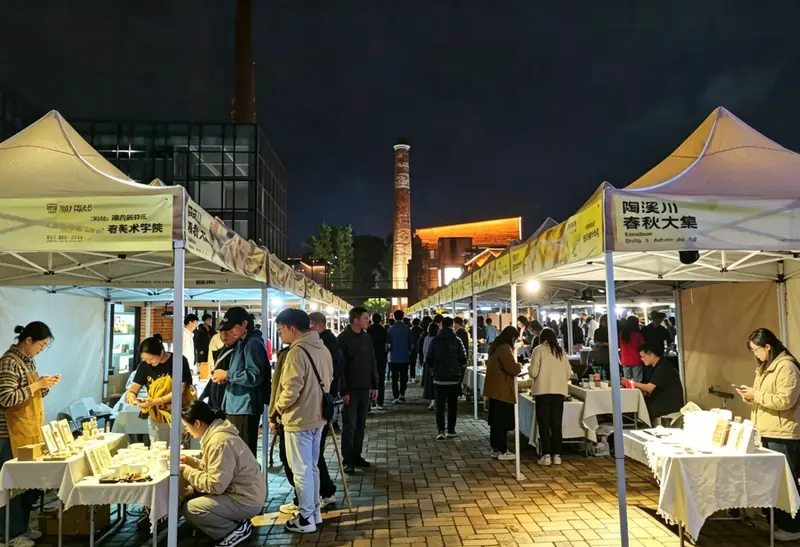
- ✓Best if you want a low-friction day with galleries, shops, food, and a market nearby
- ✓Good for travelers staying near Taoxichuan or visiting the weekend market
- —Some workshops are in or near the district rather than inside the market itself
Creative district, market, cafés
Letian / PWS
Clearest workshop reference
- ✓Best if you want a more structured ceramic-class environment
- ✓PWS lists English translation services for workshops
- —Reserve ahead; do not assume same-day slots during weekends or holidays
Sculpture Factory area, classes
Sanbao Village
Best art-valley atmosphere
- ✓Best if you want a slower studio day and more of Jingdezhen's artist-village mood
- —Transport is easiest by taxi or private car because stops are spread along the valley
- —English support depends on the specific studio or guide arrangement
Studios, cafés, valley roads
Use these areas as planning anchors. Always confirm the exact studio address; Jingdezhen workshops can be tucked inside factory lanes, campuses, or village roads.
Map anchors
For a straightforward first visit, start with Taoxichuan and Letian. Add Sanbao if you have more time, want a valley atmosphere, or are pairing the class with cafés and independent studios.
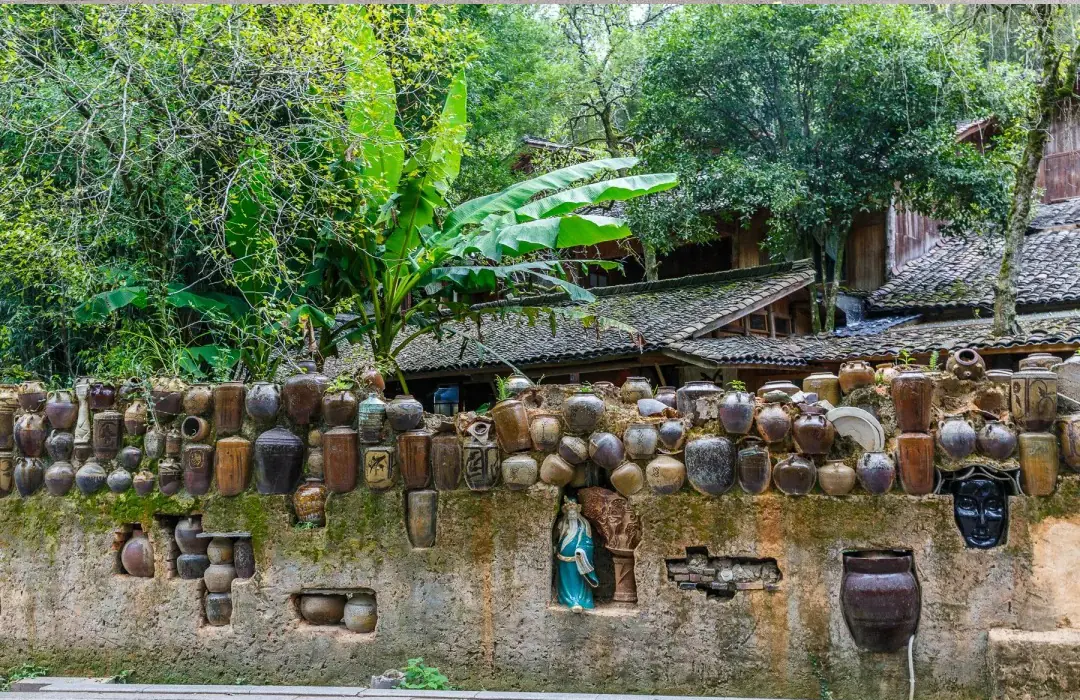
Official Jingdezhen materials present Taoxichuan as a creative district grown from industrial heritage and Sanbao as an international ceramic valley and art village. That does not mean every stall or studio teaches a class. It means these are credible neighborhoods for ceramics, not random tourist packaging.
The Taoxichuan guide is the practical next read when you want galleries, shops, food, and a confirmed workshop close together.
Build a Simple Jingdezhen Day Plan
A suggested ceramic-city day
Do not make the workshop fight the city. The best version is a relaxed ceramic day: see historical context first, make something with your hands, then browse finished work with better eyes.
- Imperial Kiln Museum(御窑博物馆)- Start with kiln-shaped architecture, imperial porcelain fragments, and the old official-kiln story.
- Lunch near Taoyangli(陶阳里)- Keep the middle of the day light; clay work is harder when you are rushed.
- Pottery workshop- Choose wheel throwing, hand-building, or qinghua painting depending on your group.
- Taoxichuan or Letian browse- Look at finished pieces after class; you will understand forms, rims, glaze, and brush lines better.
- Easy dinner- Stay near Taoxichuan, or head back to your hotel if clay and market time were enough.
Sanbao alternative: If your class is in Sanbao, reverse the logic: spend the morning at the museum, rest, then go to Sanbao for the workshop, cafés, studios, and dinner. The valley is more spread out, so avoid stacking too many separate stops.
Booking Checks and Red Flags Before Paying
Verify the product behind the label
Most problems come from vague expectations. "Pottery experience" can mean anything from painting a pre-made cup for 30 minutes to a serious 3-hour throwing lesson. Ask practical questions before you pay.
- Is the class wheel throwing, hand-building, qinghua painting, overglaze decoration, or a mixed beginner session?
- How long is the hands-on time, not just the total activity time?
- Is English instruction or English translation included on your date?
- How many pieces are included, and which pieces will be fired?
- Are aprons, handwashing, storage, and basic tools included? Wear clothes and shoes that can handle clay dust.
- Are firing, glazing, packaging, domestic shipping, or international shipping included or charged separately?
- What happens if the piece fails in firing or breaks during shipping?
- Can children join, and is wheel throwing or hand-building better for their age?
- Do not assume "heritage craft" means you are learning directly from a recognized intangible-heritage master.
Keep the class simple
For most foreign travelers, one clear technique is enough. Choose wheel throwing if you want the tactile clay moment, qinghua painting if you want the Jingdezhen porcelain link, and hand-building if your group includes children or nervous beginners.
Frequently Asked Questions
Yes. Beginner workshops are designed for first-timers, especially wheel throwing, hand-building, and blue-and-white painting. The teacher will help more than you expect, and the goal is to understand the material rather than produce a perfect professional piece.
Sources checked for this guide
- Verified Jingdezhen's current Creative City designation, Porcelain Capital description, and 1,700-plus-year production context: UNESCO Creative Cities — Jingdezhen
- Checked the current 3-hour newcomer workshop model, technique list, English translation, materials, tools, and firing or glazing notes: PWS Ceramic Hub — current Jingdezhen workshops
- Checked the official living-transmission and protection context for Taoyangli, Taoxichuan, Sanbao, and handmade ceramic practice: Jingdezhen Municipal Government — ceramic cultural-ecology plan
- Verified Taoxichuan's current official positioning as an industrial-heritage creative district with ceramic training, culture, food, and leisure functions: Jingdezhen Foreign Affairs Office — Taoxichuan Creative Park
Beyond This Guide
Continue with the whole ceramic day
A pottery class works best when it belongs to the rest of your Jingdezhen day: kiln history in the morning, clay or painting in the afternoon, then a market or studio walk after you understand what your hands just tried to do.
More Jingdezhen guides
- Taoxichuan Jingdezhen: Ceramic Market & Art District Guide
- Jingdezhen Imperial Kiln Museum Guide
- Jingdezhen Travel Guide
© gochinafreely.com — Original guide by Go China Freely.