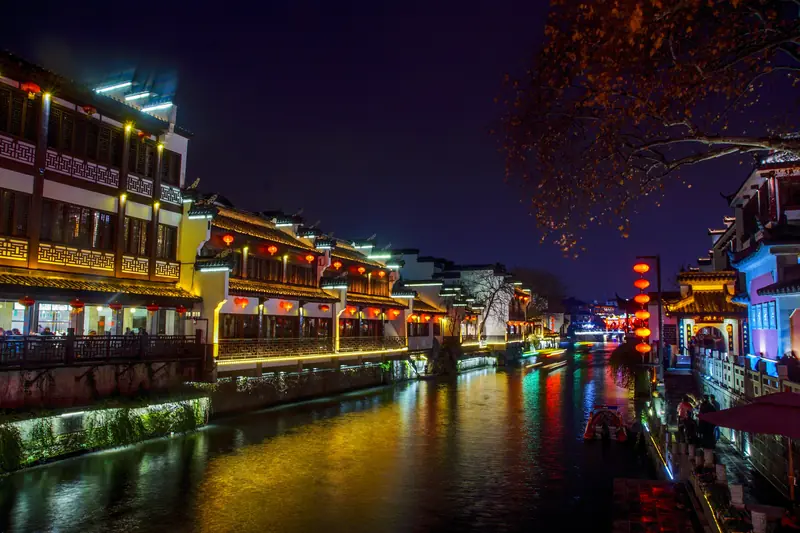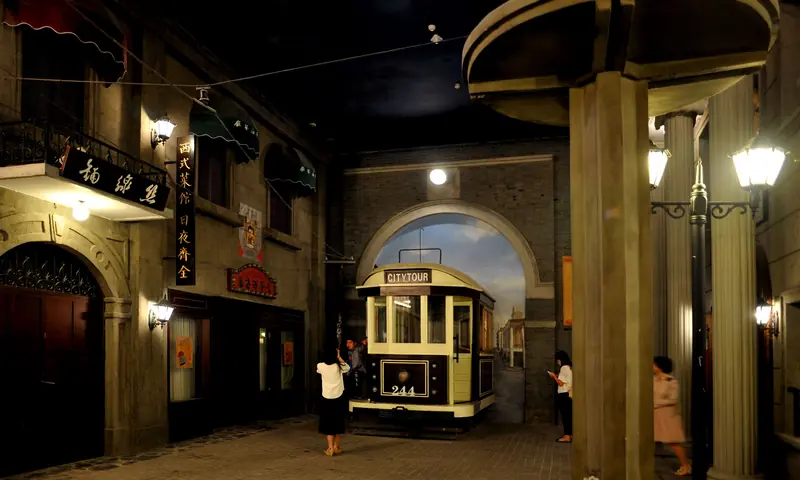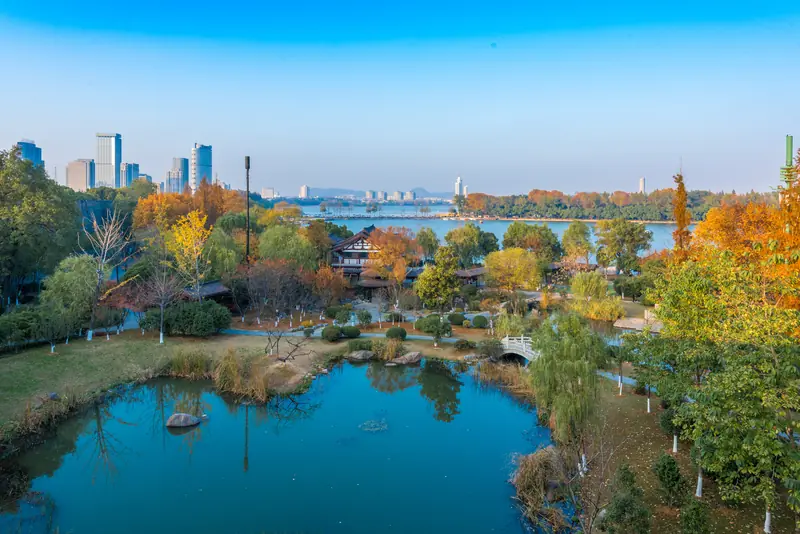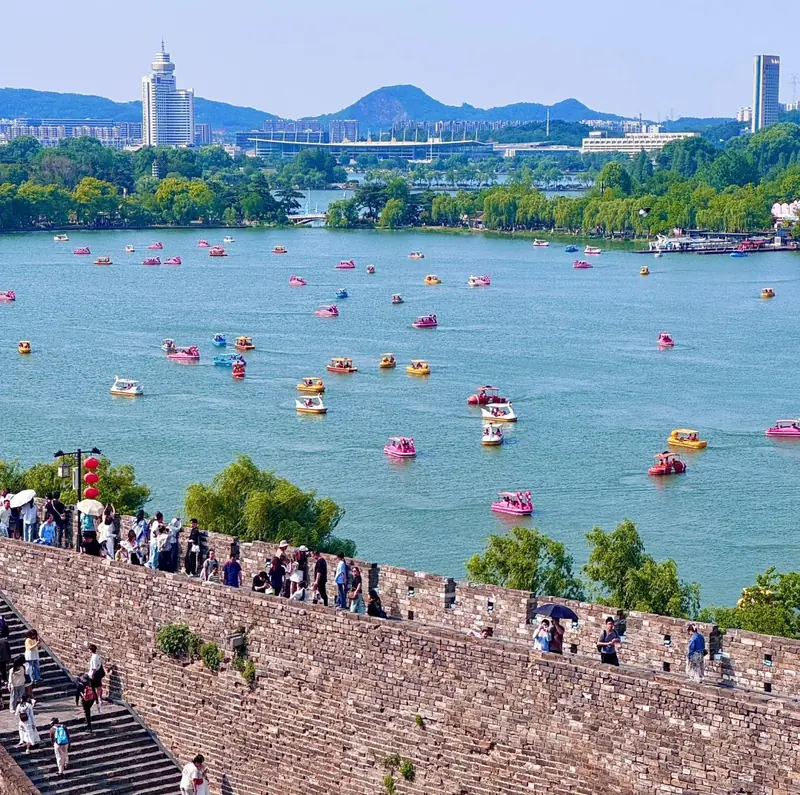
Nanjing is one of China's easiest ancient capitals to feel on foot. The city does not ask you to decode one single monument; it lets you move through layers. Walk a Ming wall above Xuanwu Lake (玄武湖), stand under the stone animals of Ming Xiaoling Mausoleum (明孝陵), step into the Republican-era street scenes inside Nanjing Museum (南京博物院), then end the day where lanterns slide across the Qinhuai River (秦淮河).
For a first trip, Nanjing works best when you choose one strong historical anchor each day and leave room for parks, food, and evening light. This guide is built for independent travelers who want the highlights without turning the city into a checklist.

First-Time Nanjing: What to Prioritize
If you only remember one planning rule, make it this: do not put all the "big history" into one day. Nanjing rewards contrast. Pair one heavy site with one open-air walk, one museum with one relaxed food evening, one mountain route with one riverside view.

Two Days
Focus on the Ming City Wall, Zhonghua Gate (中华门), Ming Xiaoling Mausoleum, Nanjing Museum, Laomendong (老门东), and Qinhuai River night lights. This is enough for a strong first impression.

Three Days
Add Sun Yat-sen Mausoleum (中山陵), Xuanwu Lake, the Presidential Palace (总统府), or the Nanjing Massacre Memorial Hall (南京大屠杀遇难同胞纪念馆), depending on your energy and interest.
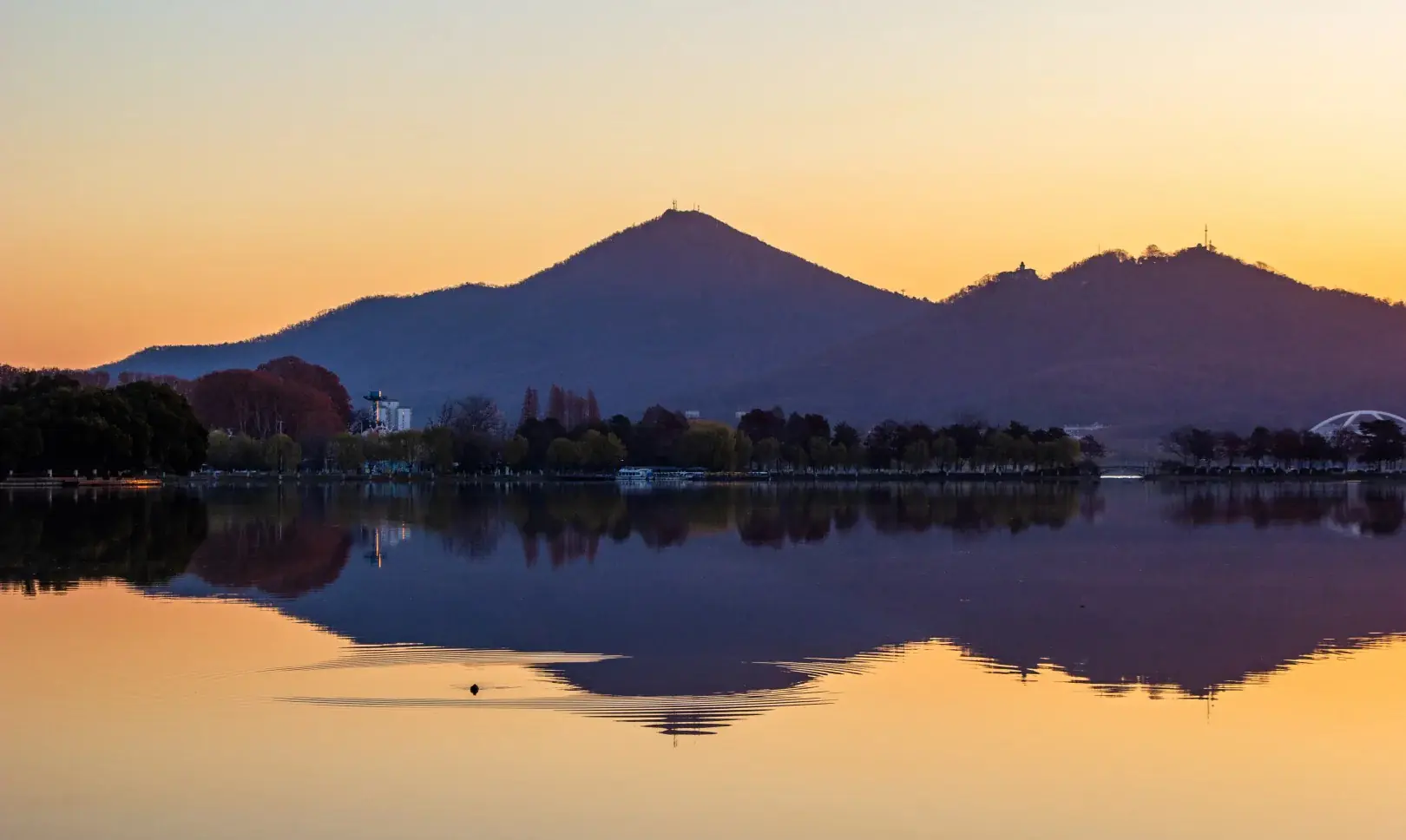
Four Days
Slow the trip down. Add a Yangtze River viewpoint, deeper Purple Mountain walks, food hunting around old neighborhoods, or one outer sight such as Qixia Mountain (栖霞山) or Niushou Mountain (牛首山).
Nanjing Is a City of Layers
The best Nanjing itinerary does not move from attraction to attraction at random. It moves between historical layers, and that is what makes the city different from a simple weekend destination.
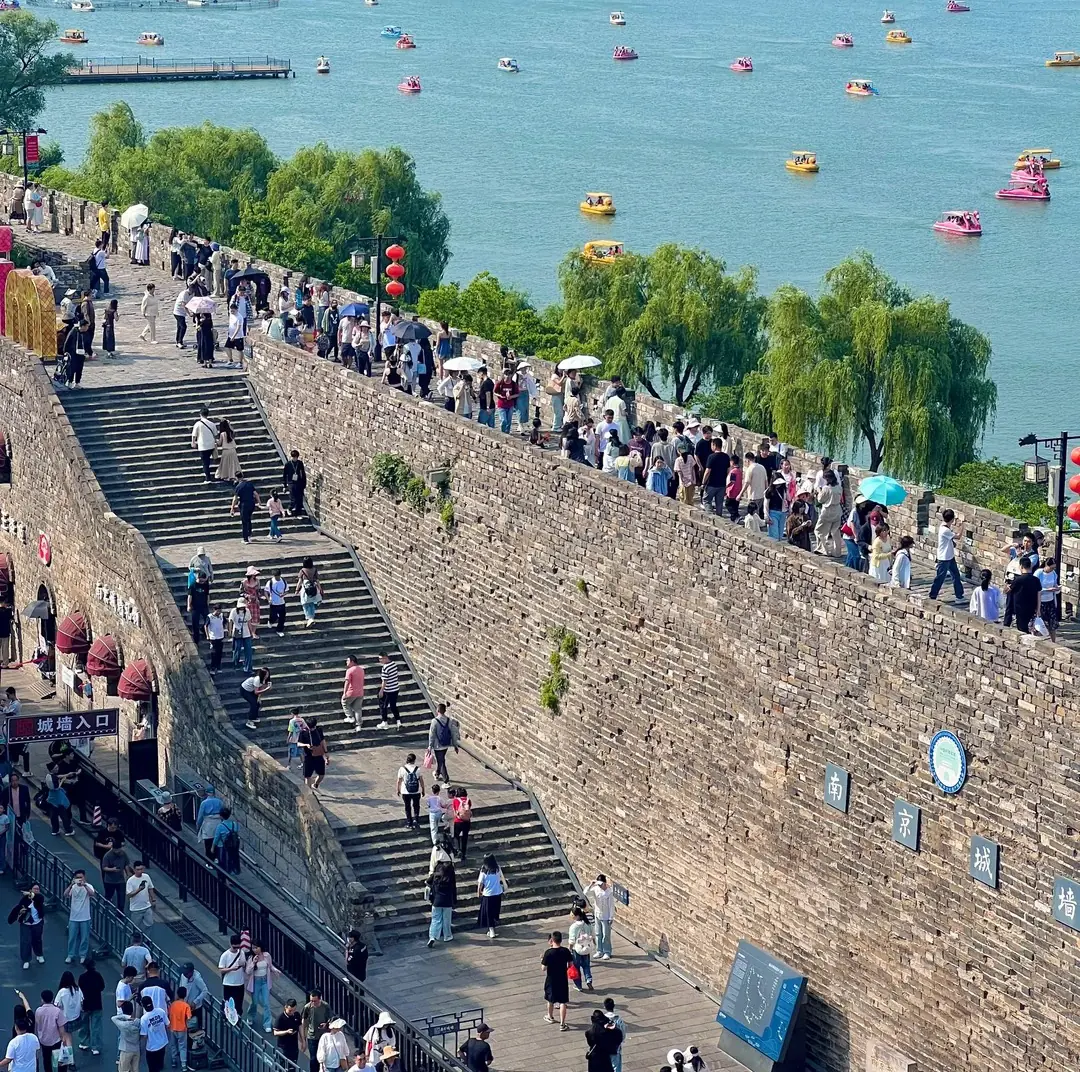
Ming Capital
City walls, Zhonghua Gate, Ming Xiaoling, and Purple Mountain show Nanjing as the founding capital of the Ming Dynasty.
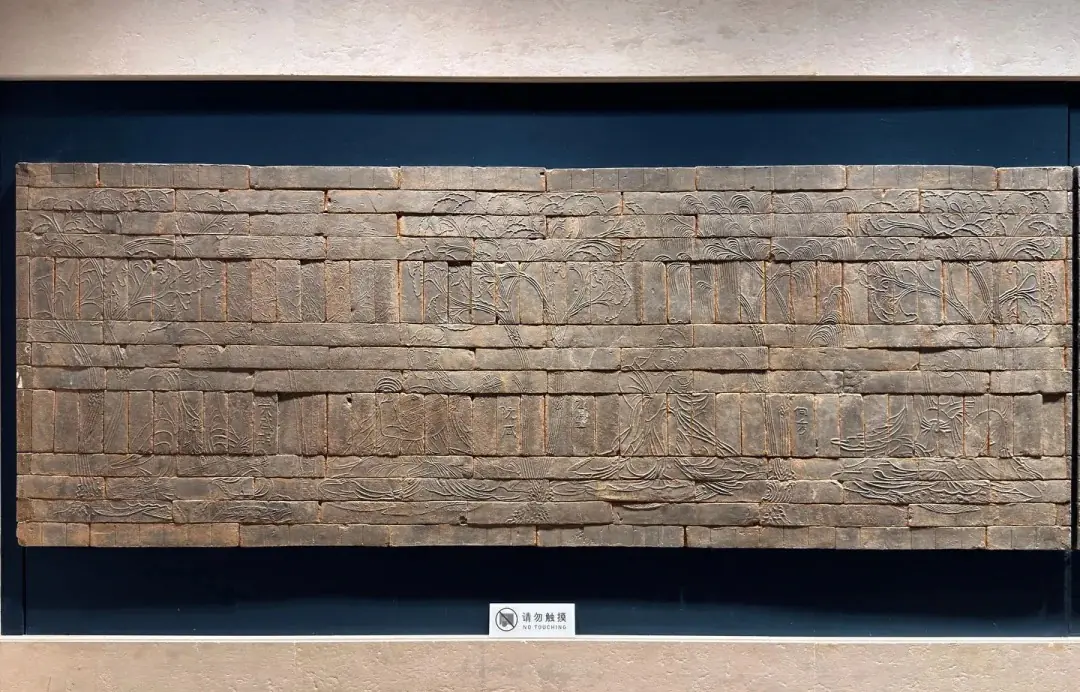
Six Dynasties and Scholarly Nanjing
Museums, temples, old place names, and literary sites carry the city's older southern capital identity.
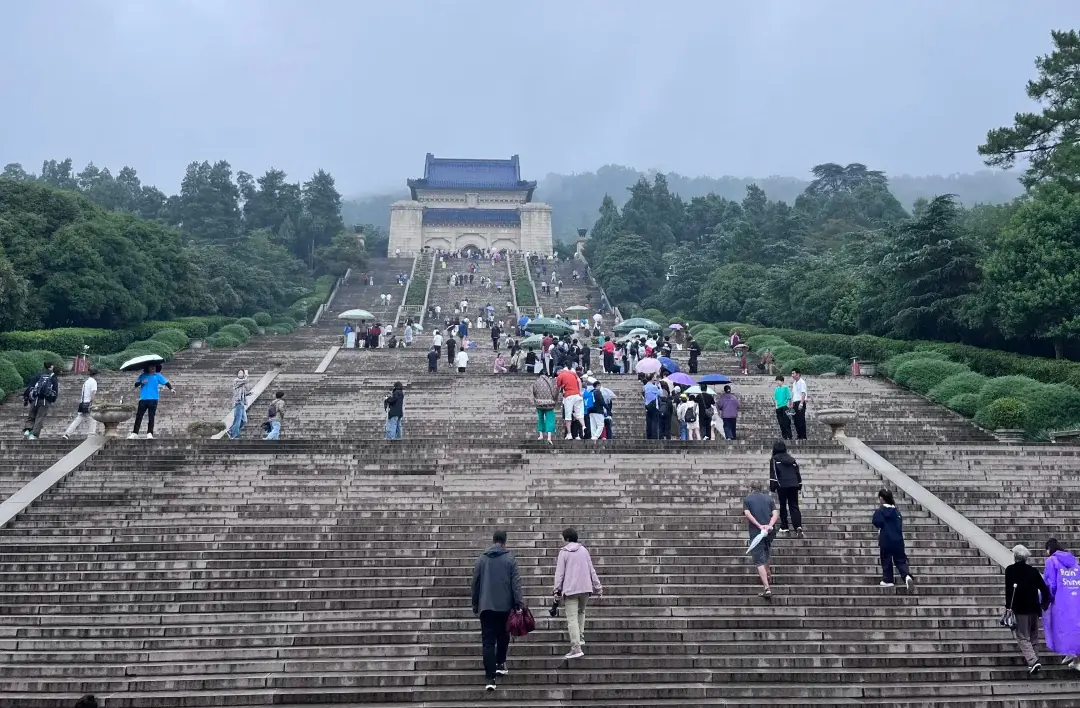
Republican Nanjing
Sun Yat-sen Mausoleum, the Presidential Palace, and Republican-era streets explain why Nanjing still feels politically and architecturally distinct.
Riverside and Memory
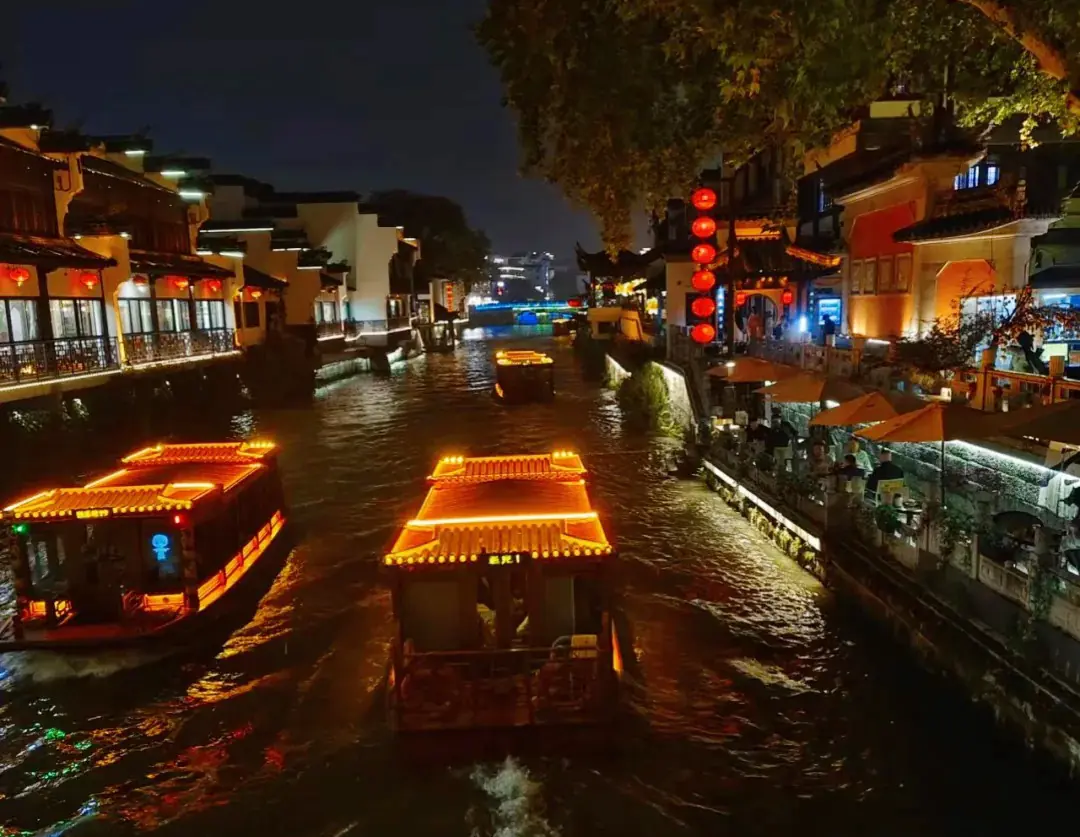
Qinhuai, the Yangtze River, and modern memorial spaces add the emotional weight that keeps Nanjing from feeling like a purely scenic city.
12 Best Things to Do in Nanjing
This is the practical shortlist. Most first-time travelers should choose eight to ten of these rather than attempting all twelve.
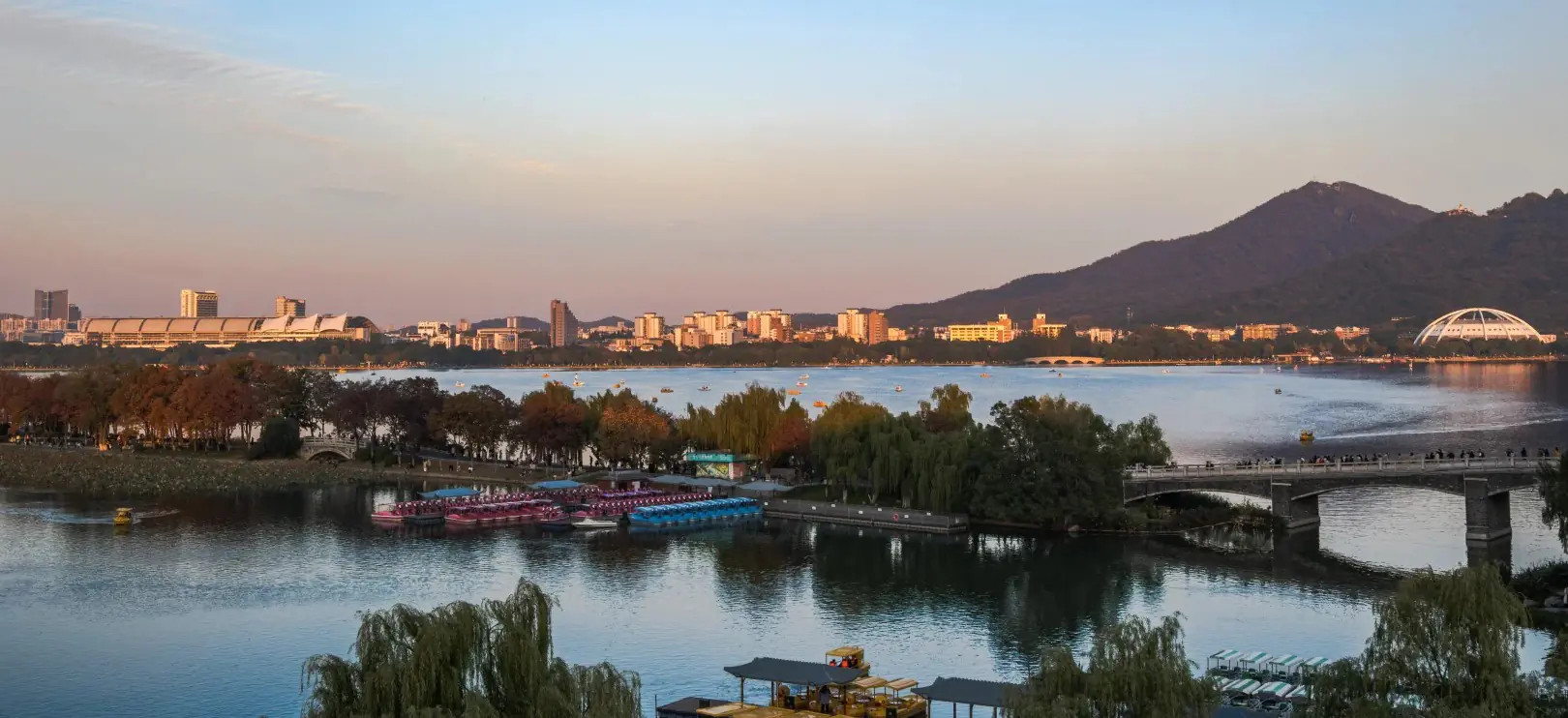
The wall is the easiest way to understand Nanjing's scale. The Taicheng (台城) and Xuanwu Lake section gives you water, skyline, old brick, and Purple Mountain in one view.

Zhonghua Gate is not just a gate; it is a layered military complex. Go here if you want the wall to feel like architecture, defense, and engineering instead of only a scenic path.

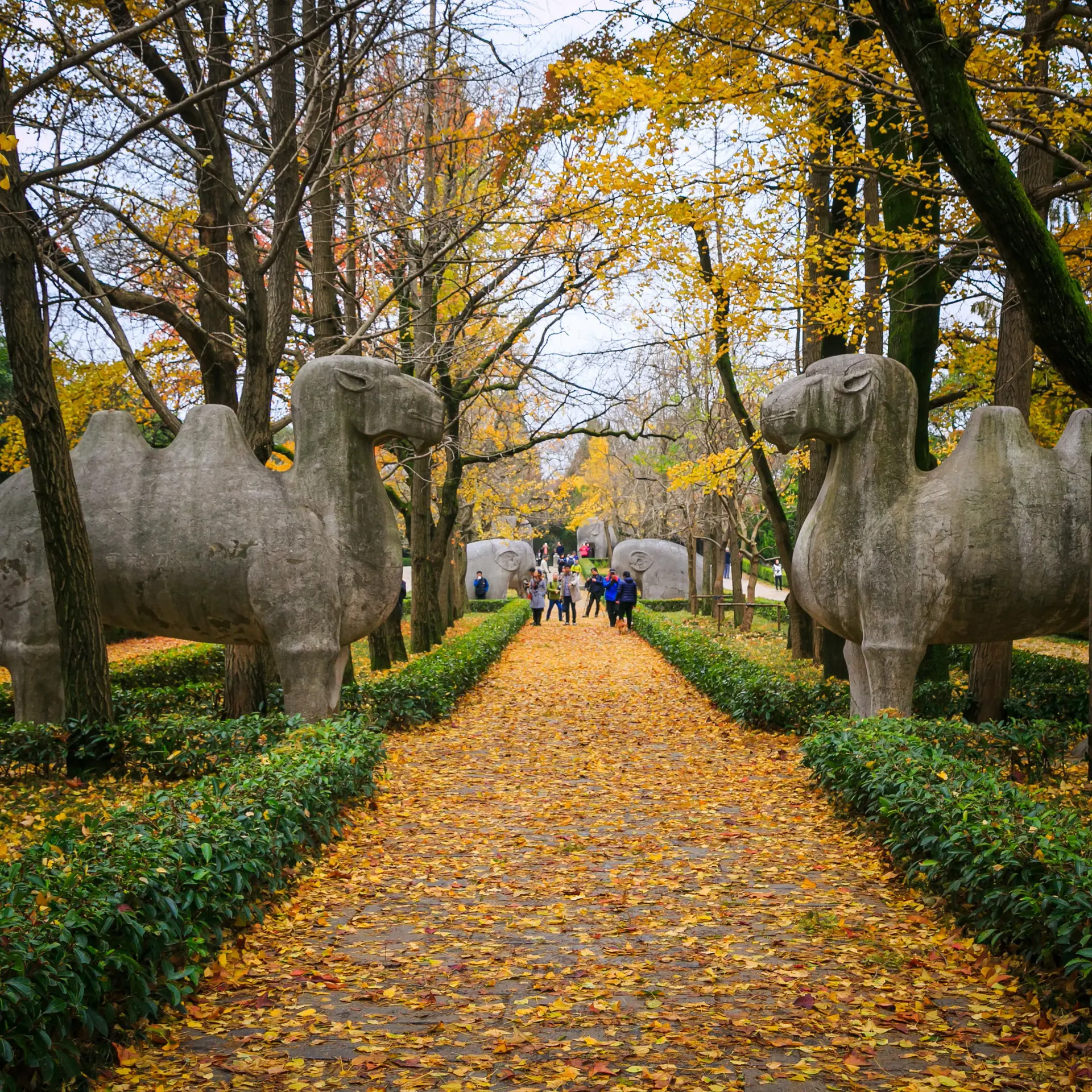
Ming Xiaoling works best as a slow walk through stone animals, forest shade, ruined foundations, and imperial symbolism. In autumn, this is one of the most atmospheric routes in the city.
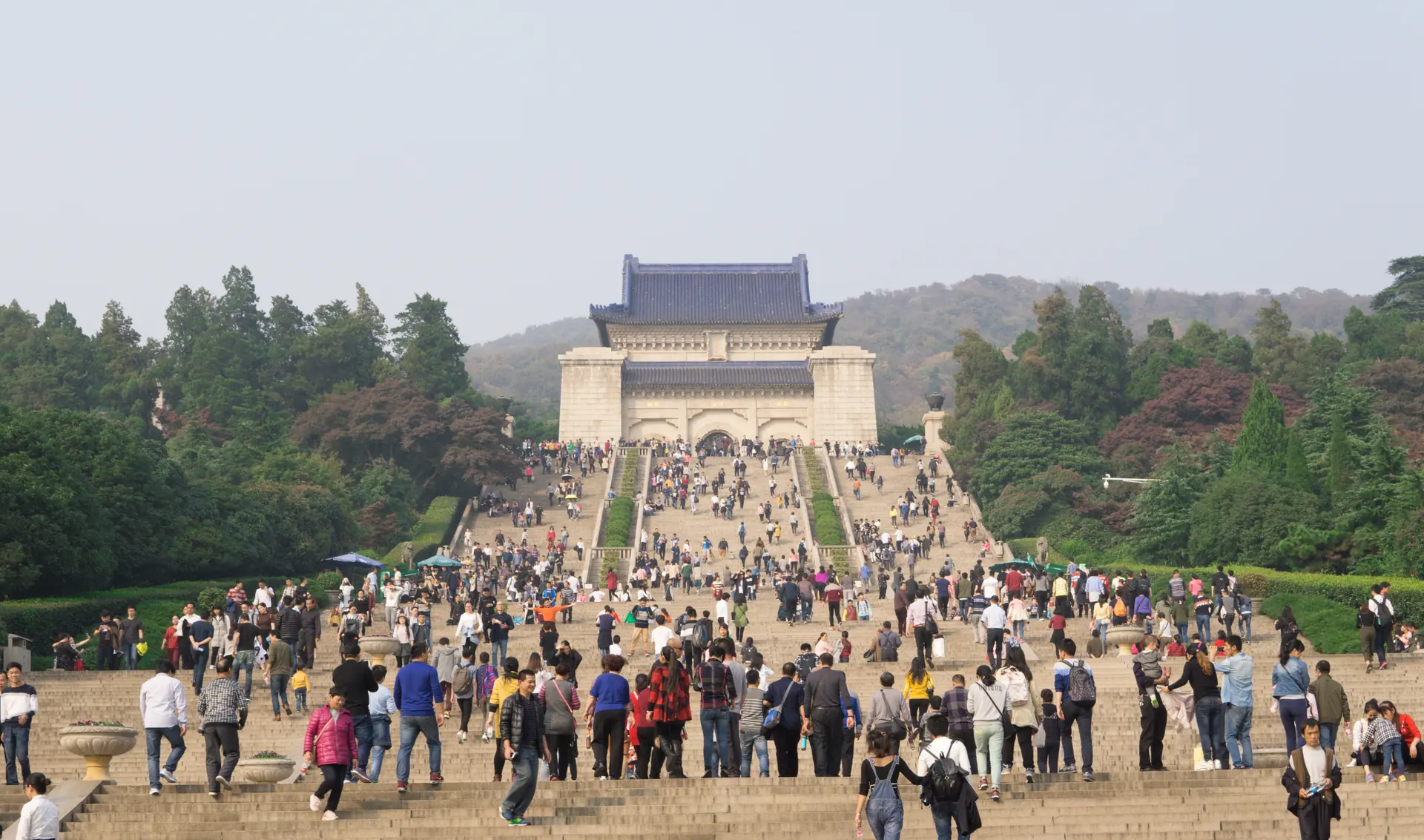
The climb is formal, symbolic, and memorable. It pairs naturally with Ming Xiaoling or Linggu Temple (灵谷寺), but do not cram the whole mountain into one rushed afternoon.
This is one of the best museums in China for independent travelers because it connects ancient objects, regional history, craft, and Republican-era street life in one place.

Xuanwu Lake is where Nanjing softens. Use it after a heavy museum or memorial day, or combine it with Jiming Temple (鸡鸣寺) and the Taicheng wall section.
This is the most visitor-friendly night scene in Nanjing. The key is to treat it as an evening walk, not just a boat ride or a snack stop.
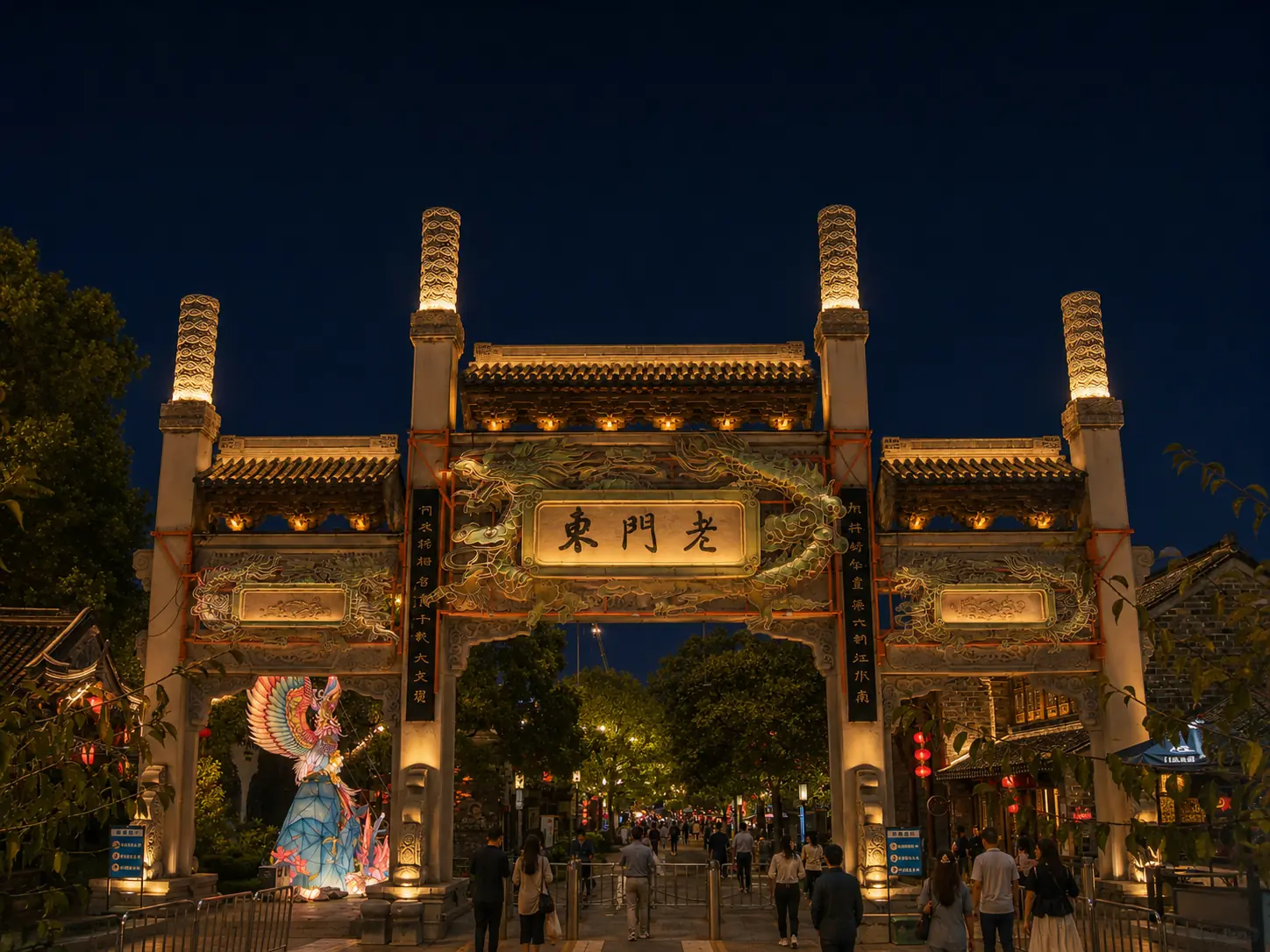
Laomendong gives you rebuilt lanes, snacks, wall views, small shops, and easier pacing than the busiest Confucius Temple streets.
Visit the Presidential Palace
Best Republican-era deep dive
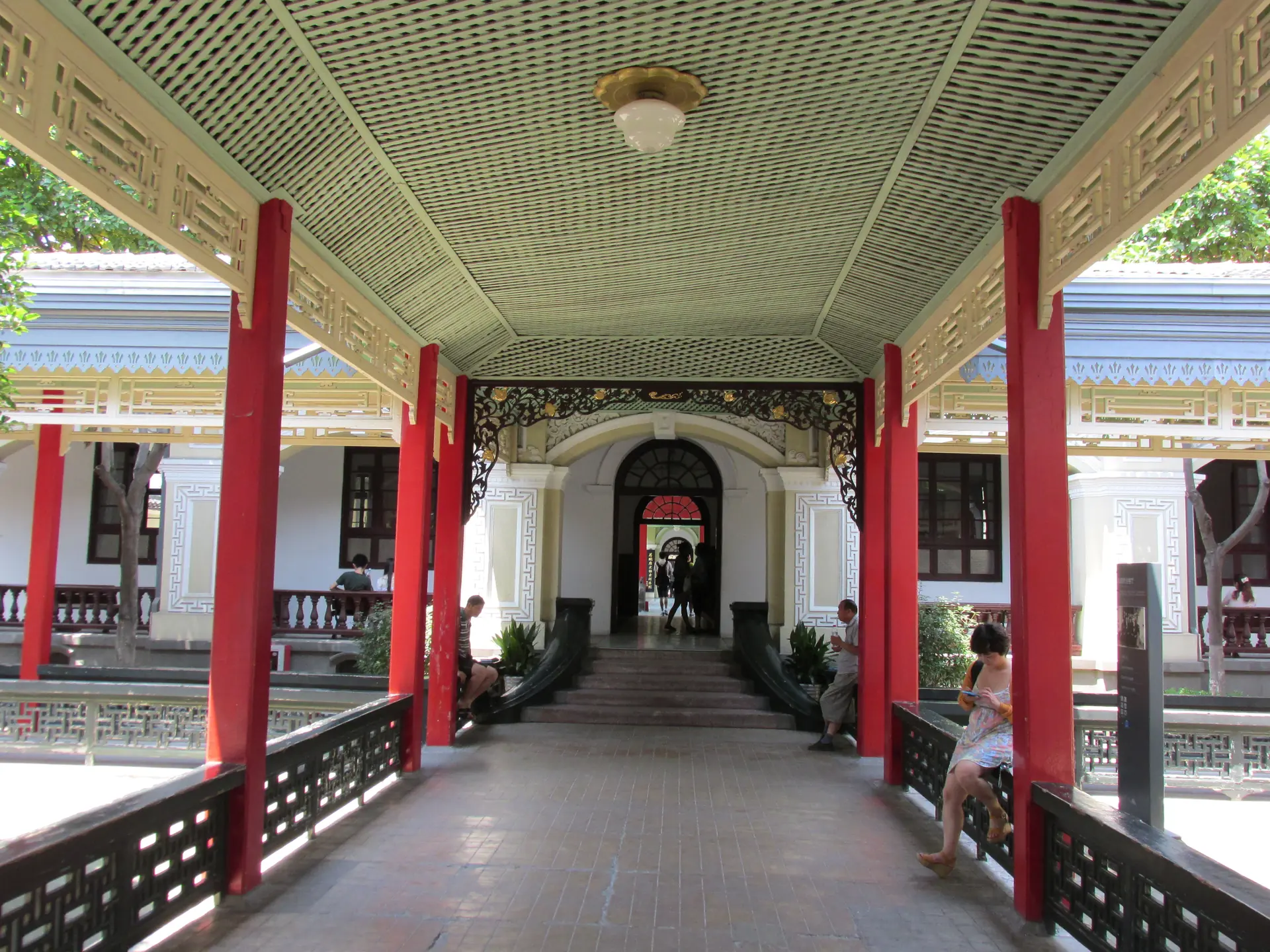
The Presidential Palace helps connect late Qing reform, Republican politics, and 20th-century Nanjing. It is most rewarding if you already have a little context.
Make Time for the Nanjing Massacre Memorial Hall
Most important reflective site
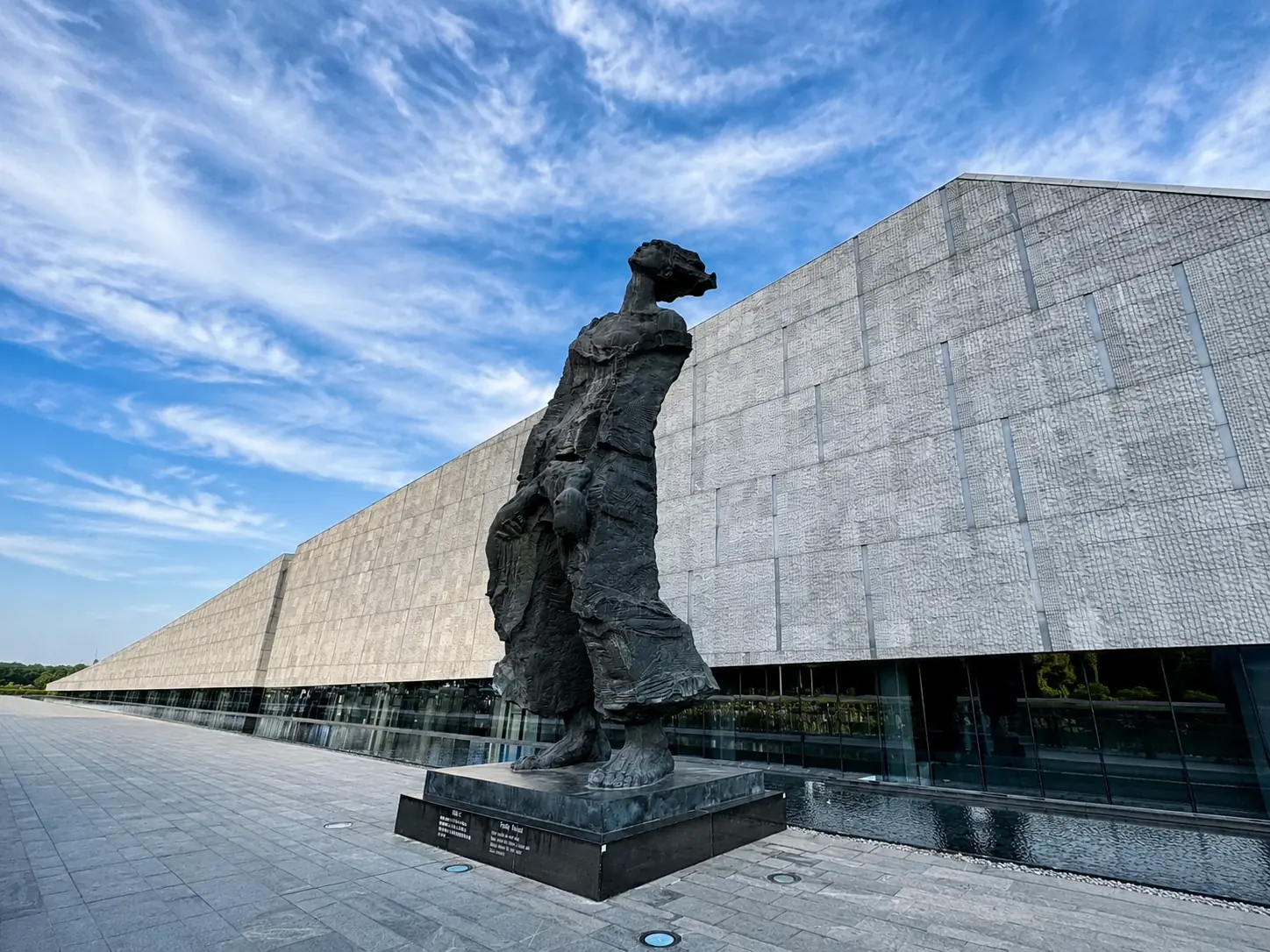
This is a serious, emotionally heavy visit. Do not squeeze it between food stops. Give it quiet time, and place something gentle before or after it.
Look Toward the Yangtze
Best wider-city perspective
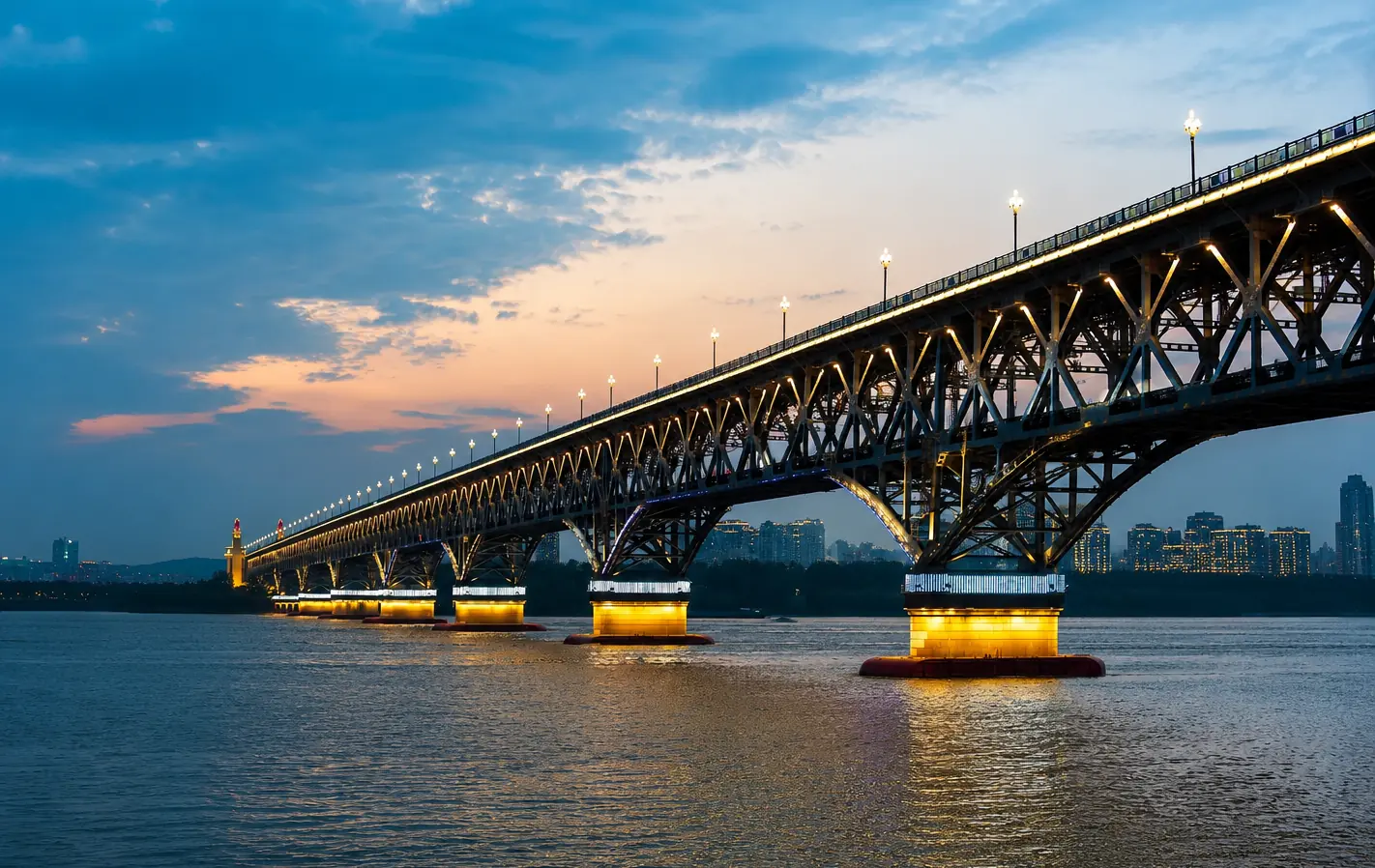
Nanjing is not only old walls and mountain tombs. A Yangtze River viewpoint shows the city as a river capital, transport hub, and modern metropolis.
Eat the Nanjing Classics
Best local texture
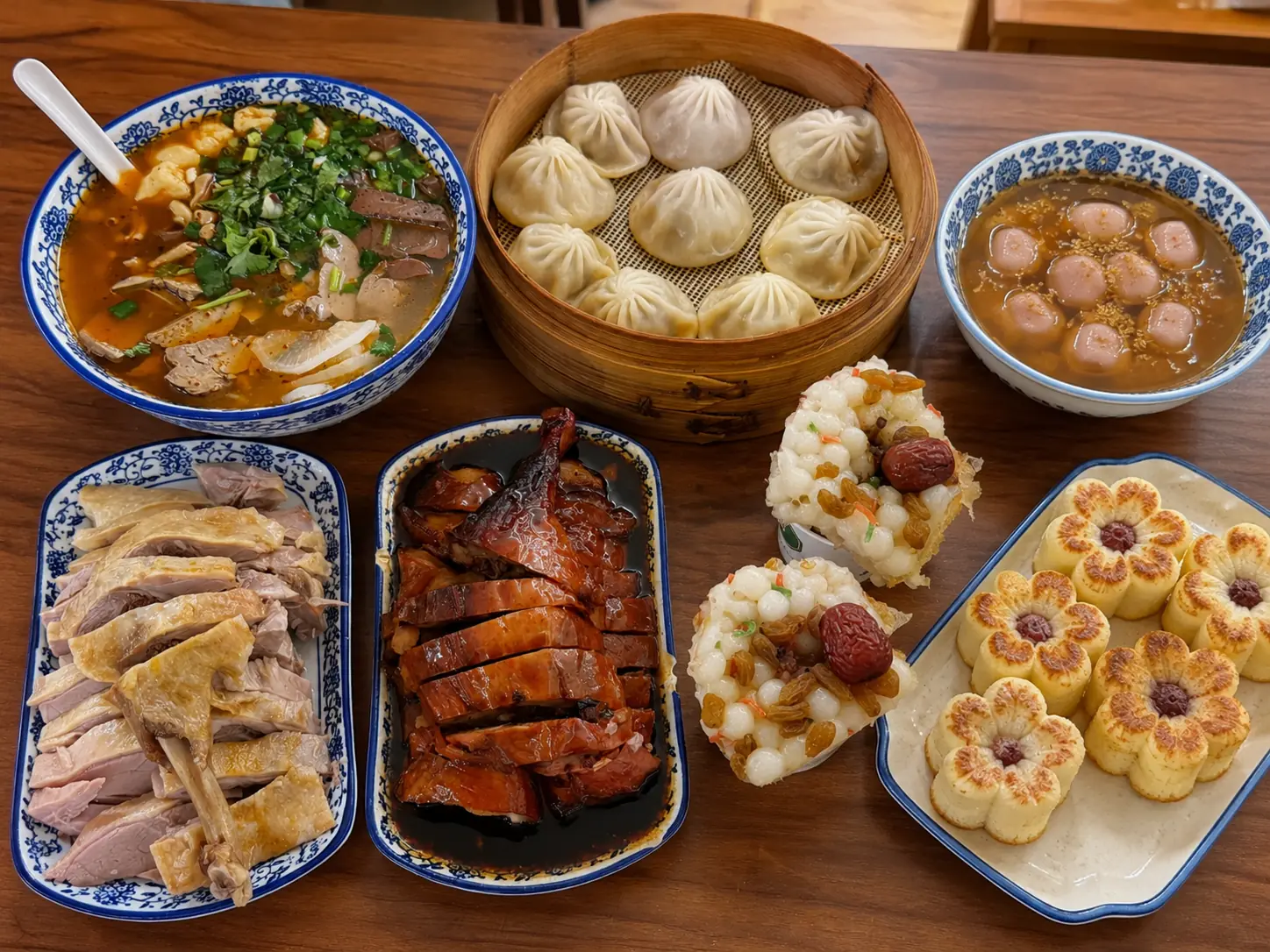
Try salted duck, duck blood vermicelli soup, sesame pastries, sweet taro sprouts, and small plates around old districts. Food is part of the city's history, not an afterthought.
Build Each Nanjing Day Around One Anchor
This is not a fixed itinerary article, so keep the planning light. Nanjing feels better when each day has one anchor, one softer place, and one low-pressure evening. Choose from the blocks below instead of trying to follow a turn-by-turn route.
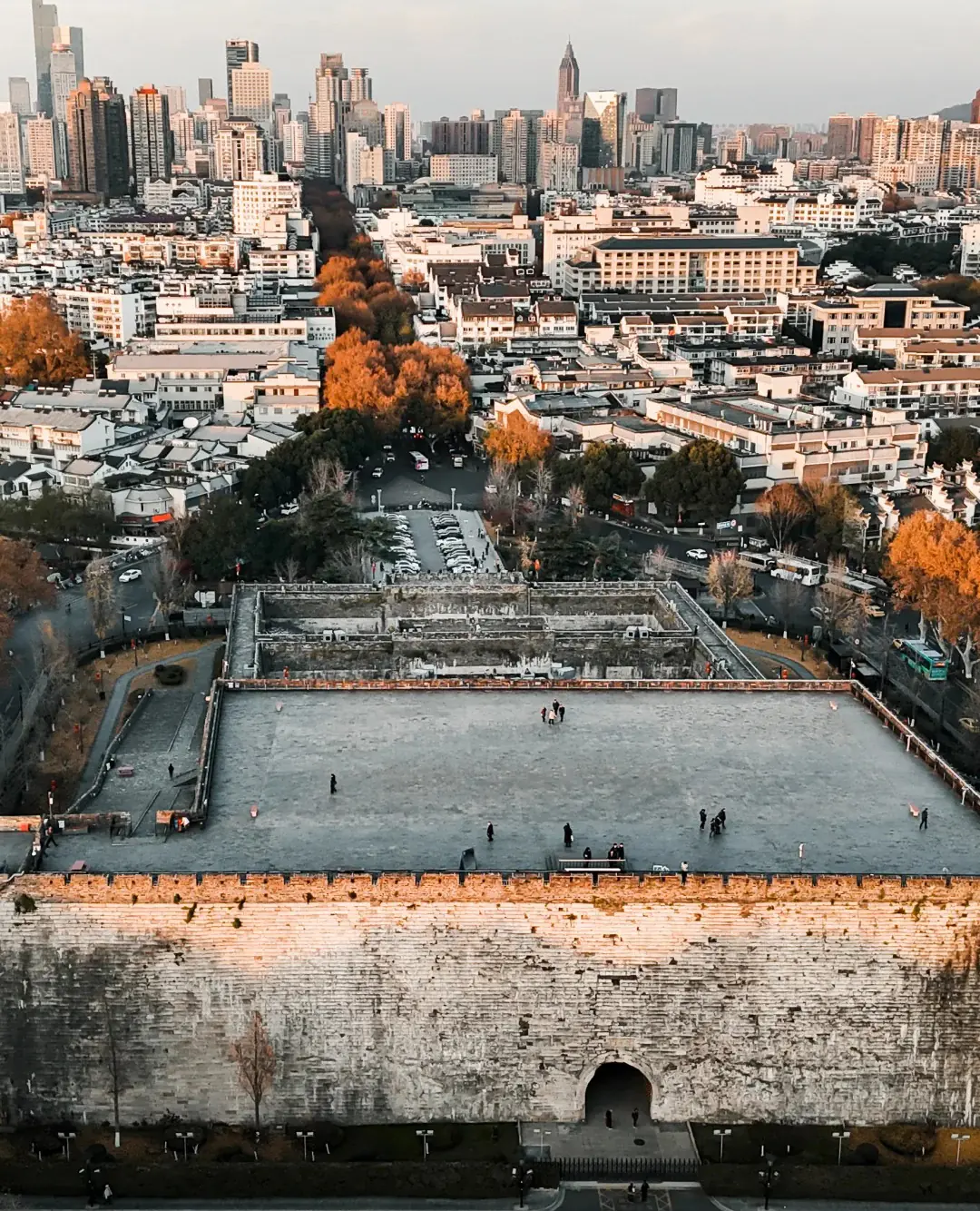
Choose One Big Anchor
Use the city wall and Zhonghua Gate for Ming defense, Ming Xiaoling and Sun Yat-sen Mausoleum for Purple Mountain, or Nanjing Museum and the Presidential Palace for historical context.
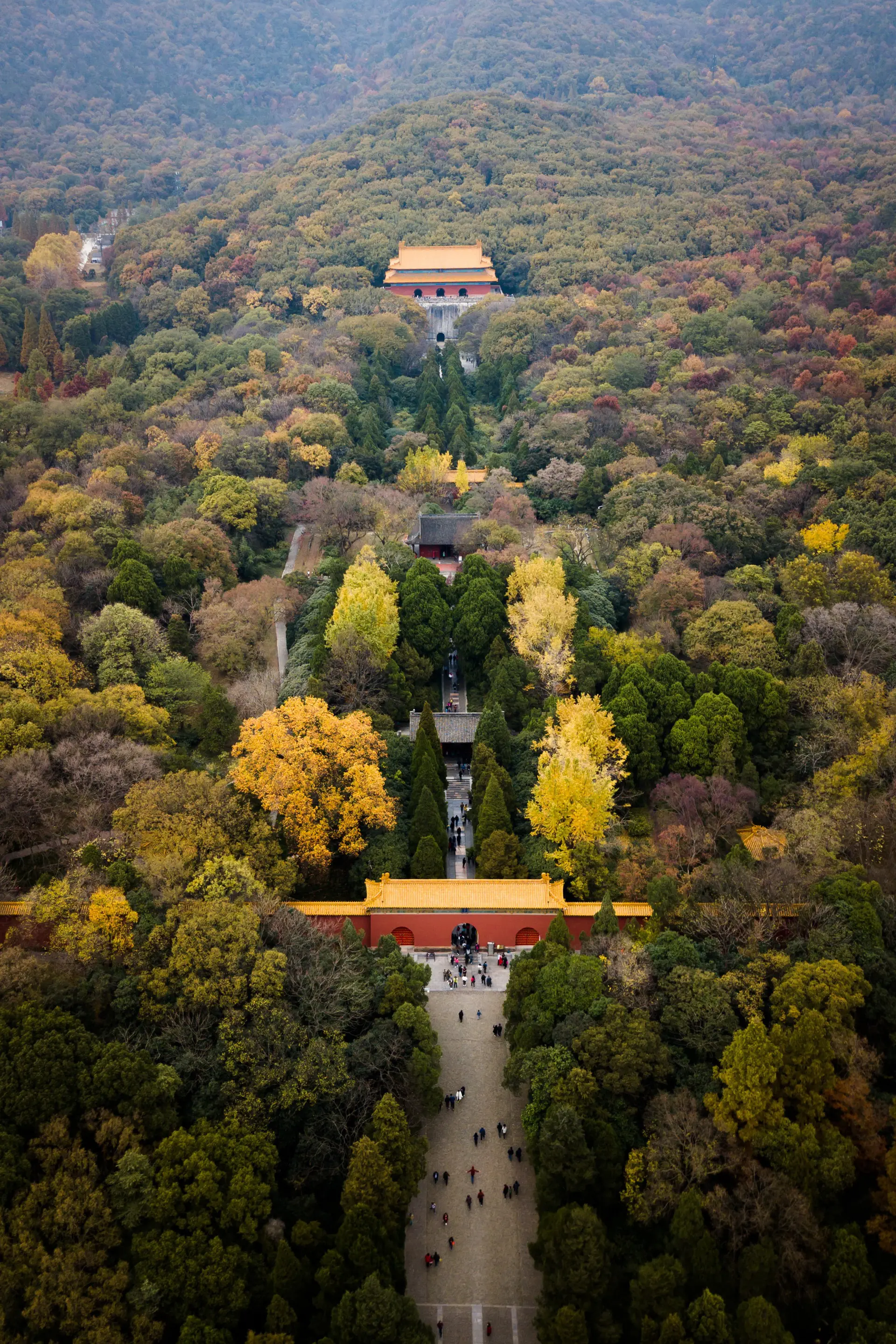
Add One Softer Reset
After a heavy site, add Xuanwu Lake, Jiming Temple, Laomendong lanes, a museum cafe break, or a simple meal. This keeps the day from becoming all monuments.
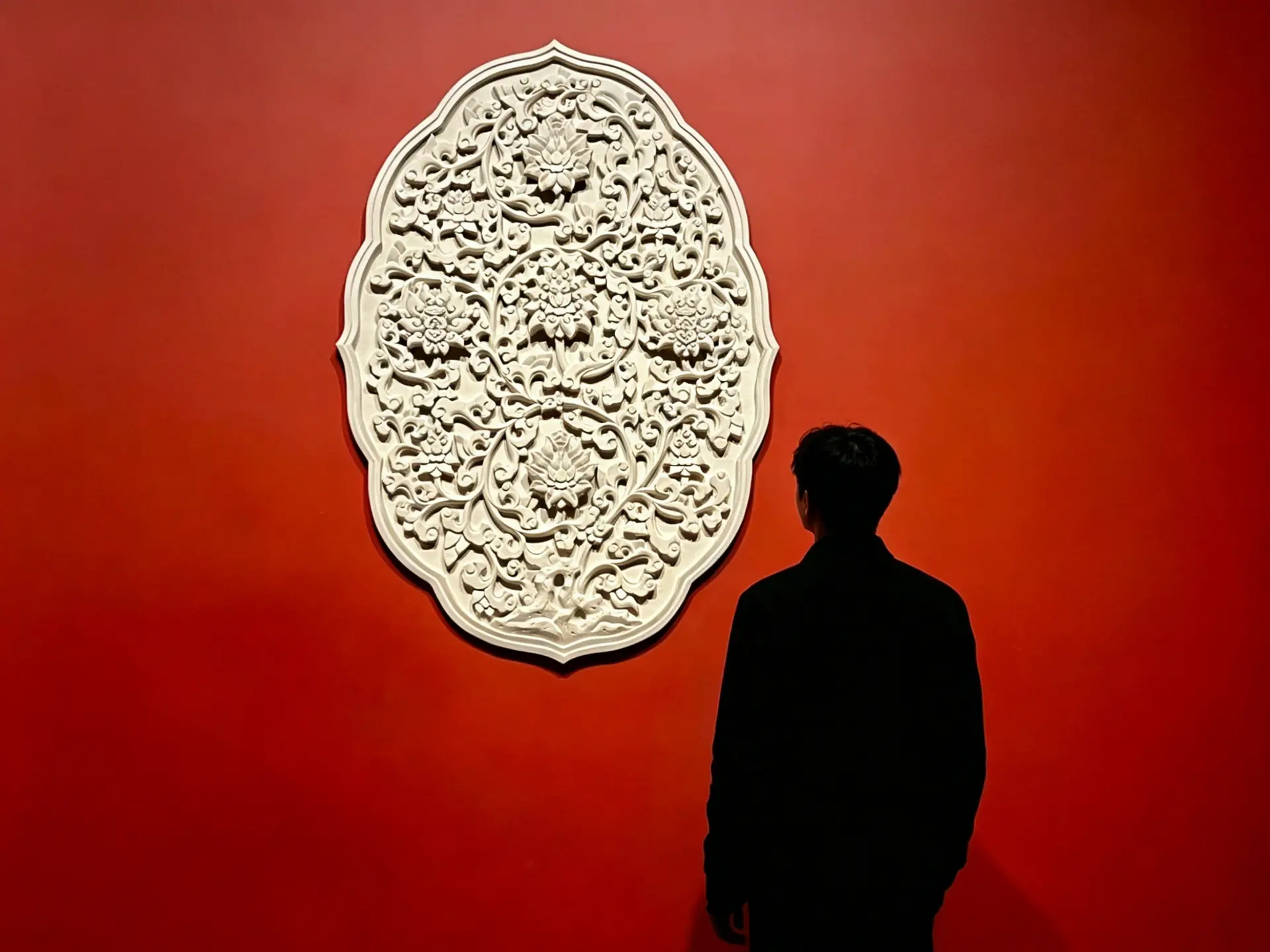
Let the Evening Stay Simple
Use Qinhuai and Laomendong for a brighter night, or choose a quiet dinner after the memorial hall or Purple Mountain. Nanjing works best when every evening is not another major project.
Choose the Right Nanjing Trip Type
Different travelers should build different versions of Nanjing. The city has enough depth that a history lover, a family, and a food-focused traveler should not all follow the same order.
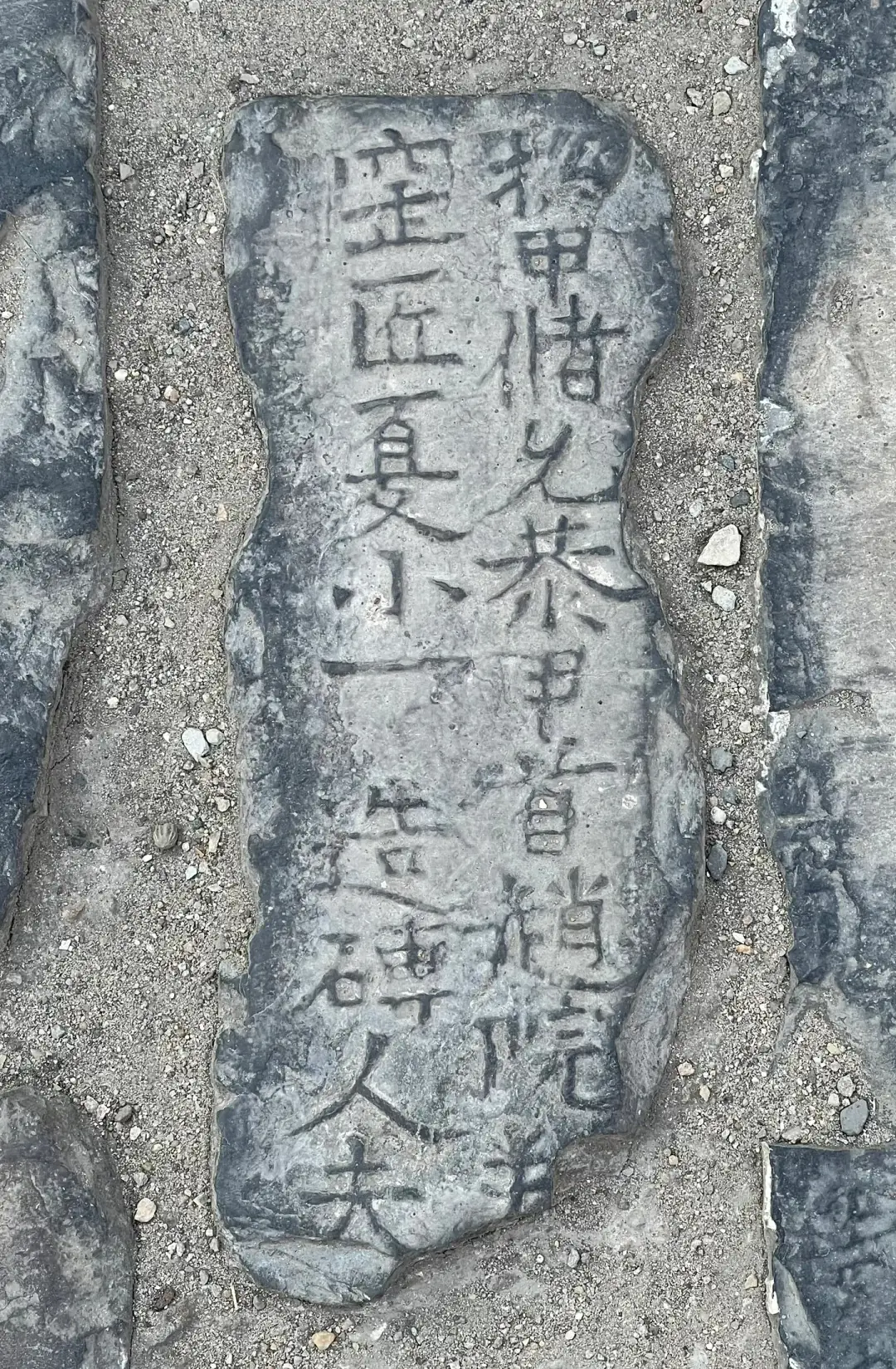
For Ming Capital Fans
Prioritize Zhonghua Gate, the city wall museum, Ming Xiaoling, and the Sacred Way. Add Purple Mountain rather than extra shopping streets.
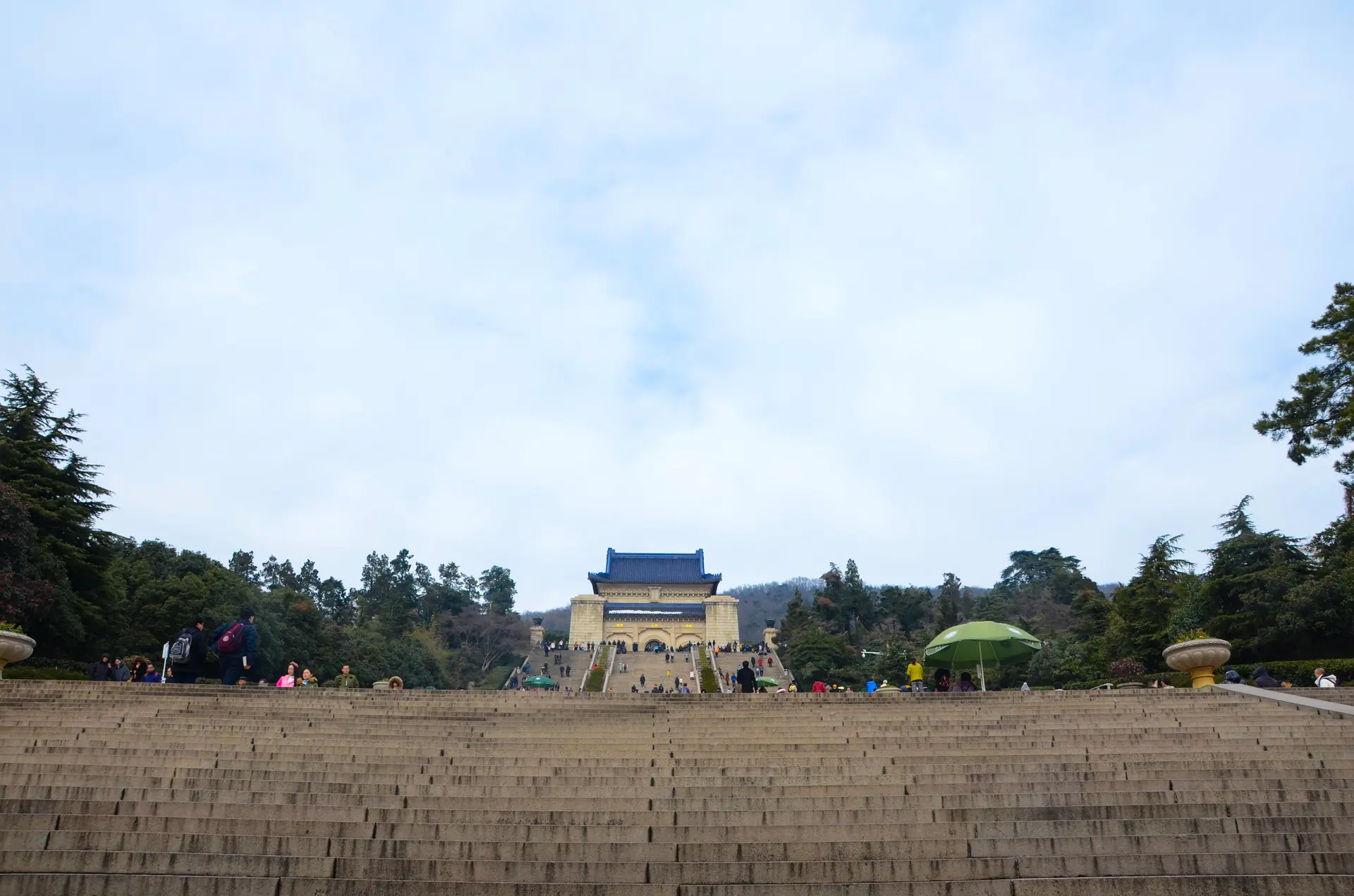
For Mountain and Garden Walkers
Build around Purple Mountain, Xuanwu Lake, Jiming Temple, and shaded routes. Spring blossoms and autumn leaves make this version especially good.
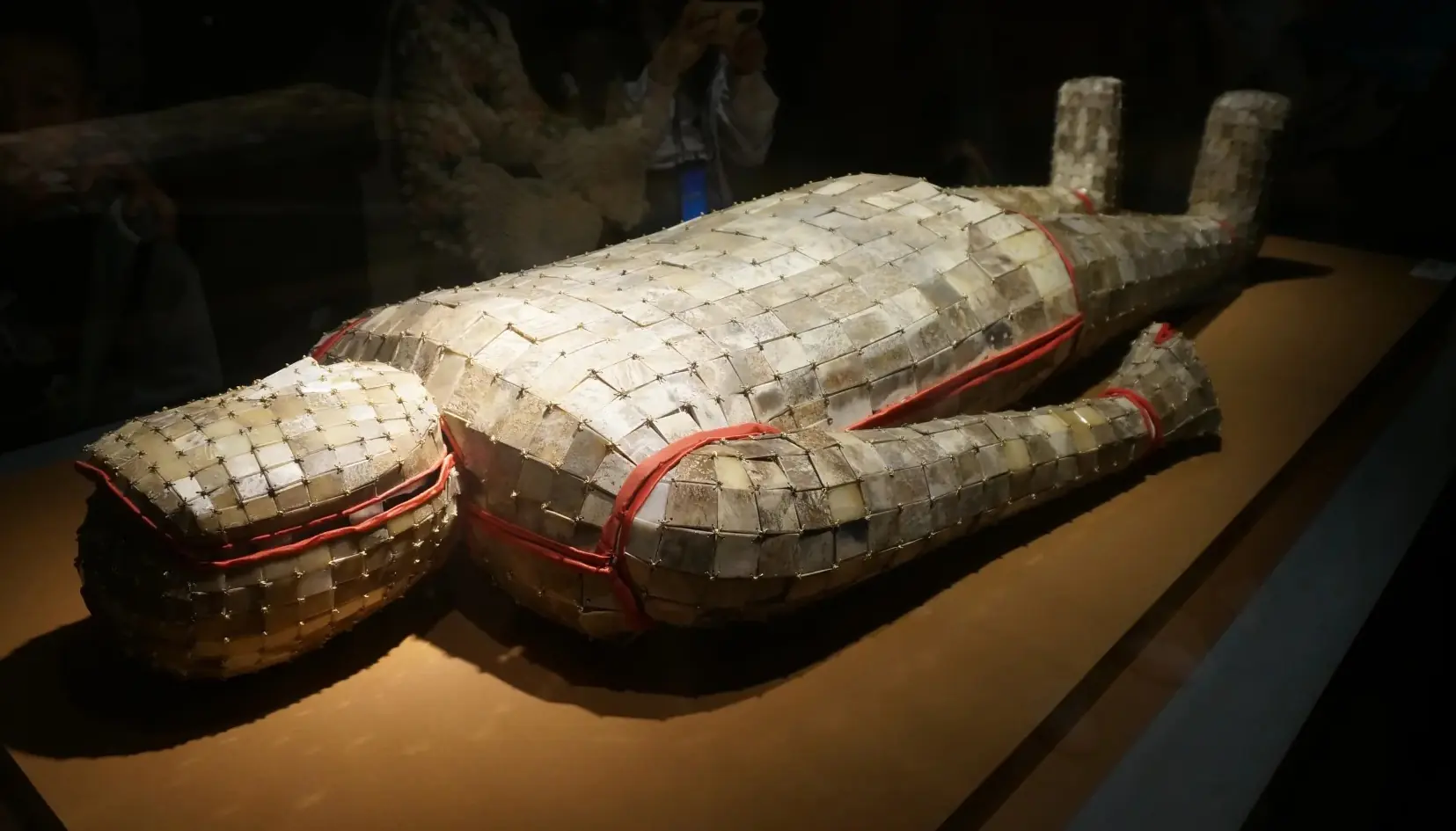
For Museum and Memory Travelers
Use Nanjing Museum, the Presidential Palace, and the memorial hall as your anchors. Keep evenings calm and avoid back-to-back heavy sites.
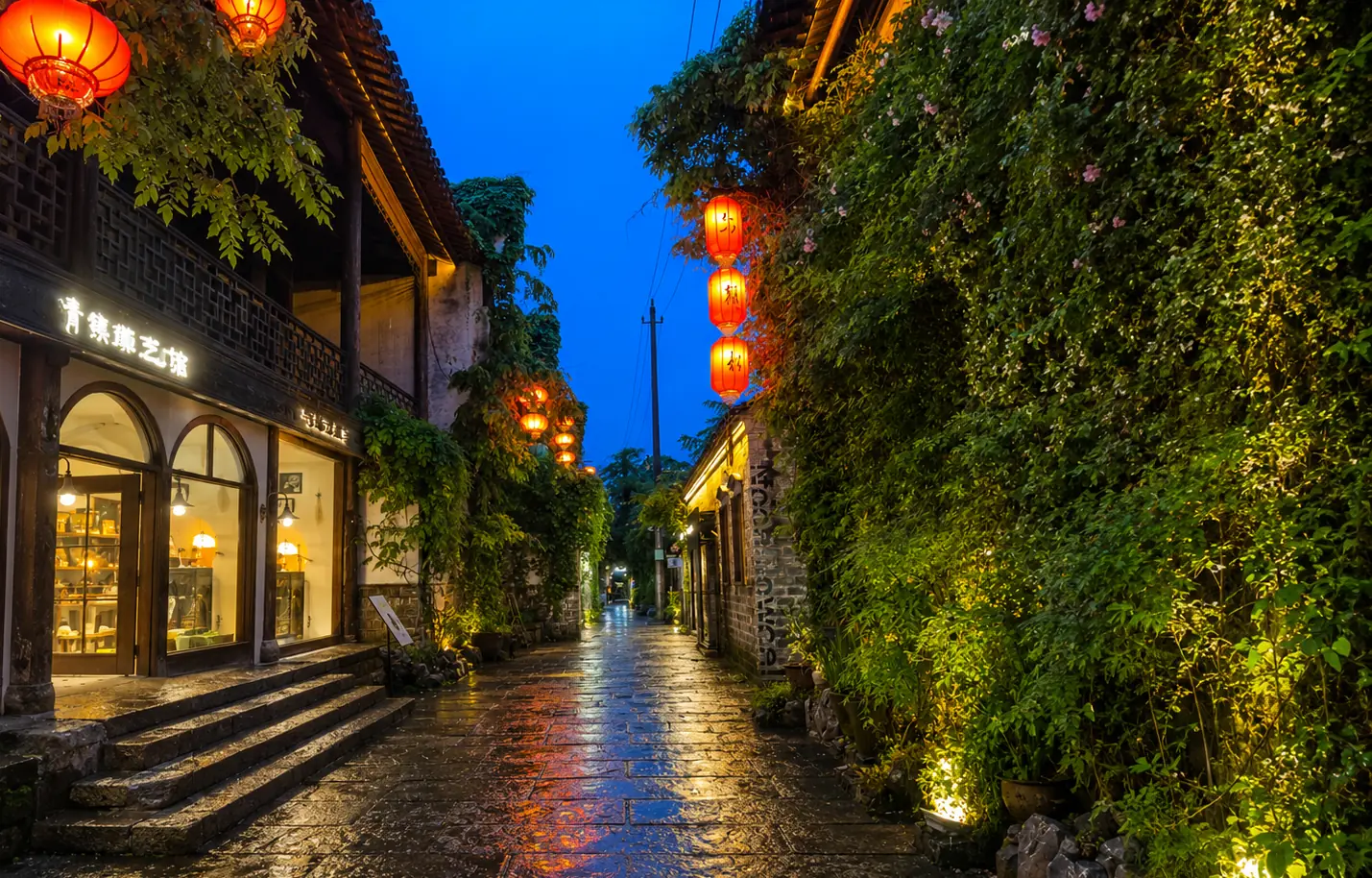
For Night and Food Travelers
Stay near Qinhuai or Xinjiekou, then spend evenings around Laomendong, Confucius Temple, old snack streets, and riverside lights.
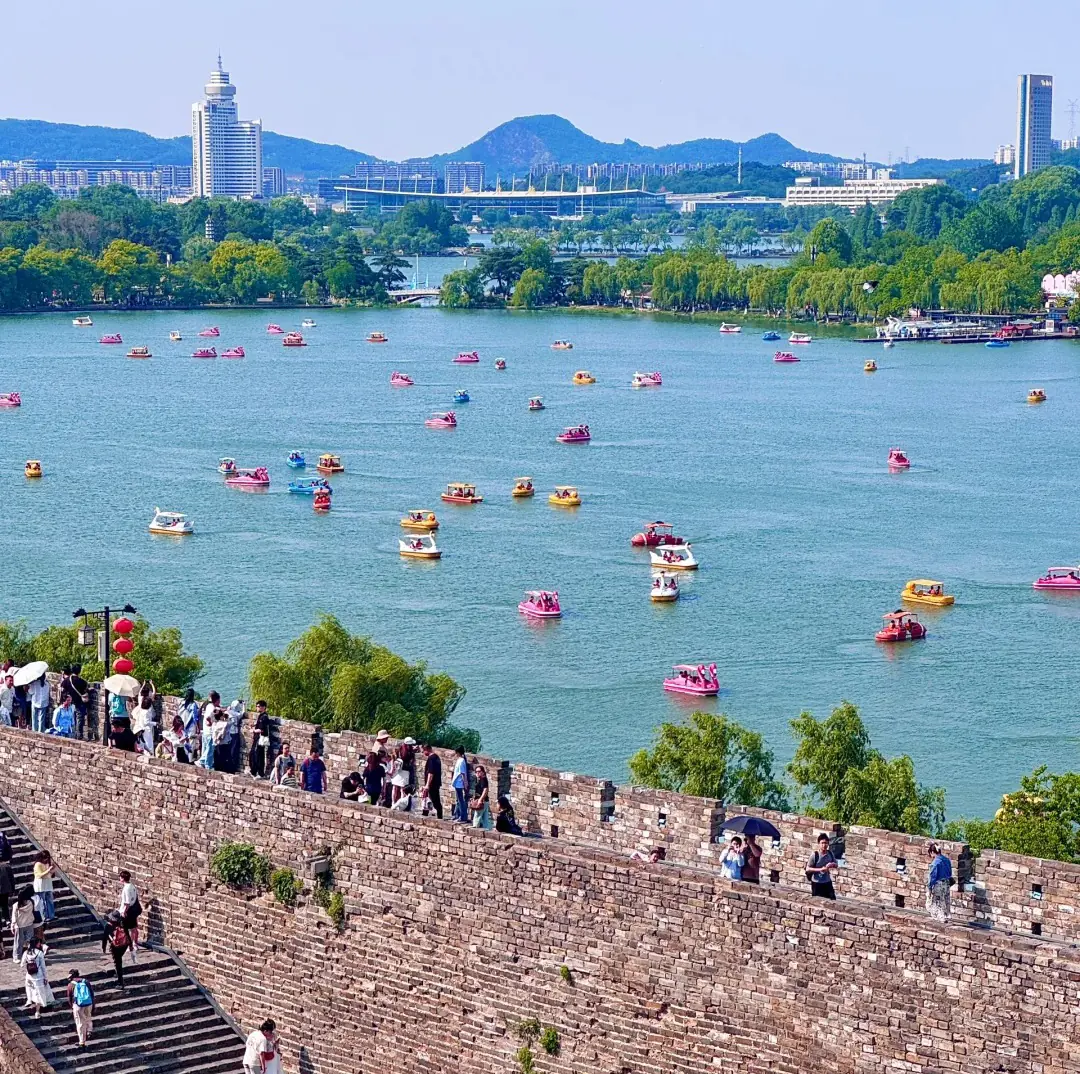
For Families
Mix one serious site with one open space each day. Xuanwu Lake, the wall, Nanjing Museum, and simple food stops are easier than long mountain chains.
For Visual Travelers
Aim for Taicheng wall views, Sacred Way in soft light, Qinhuai reflections, and old-lane details in Laomendong.
Nanjing Areas for Smarter Trip Planning
Use area logic when booking hotels and grouping days. Nanjing is not hard to navigate by metro, but crossing the city too often can drain the charm out of the trip.
Old South: Zhonghua Gate, Laomendong, Qinhuai
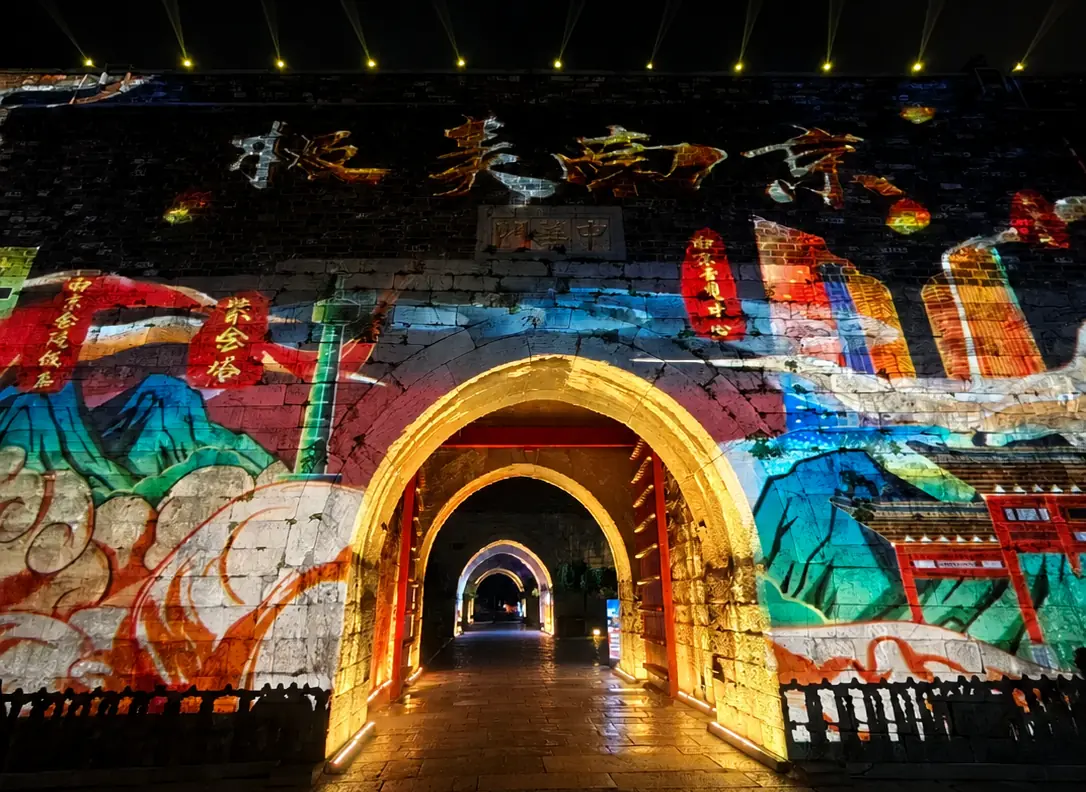
Best for: first-time atmosphere, night walks, snacks, Ming wall history, and travelers who like compact evening plans.
Purple Mountain
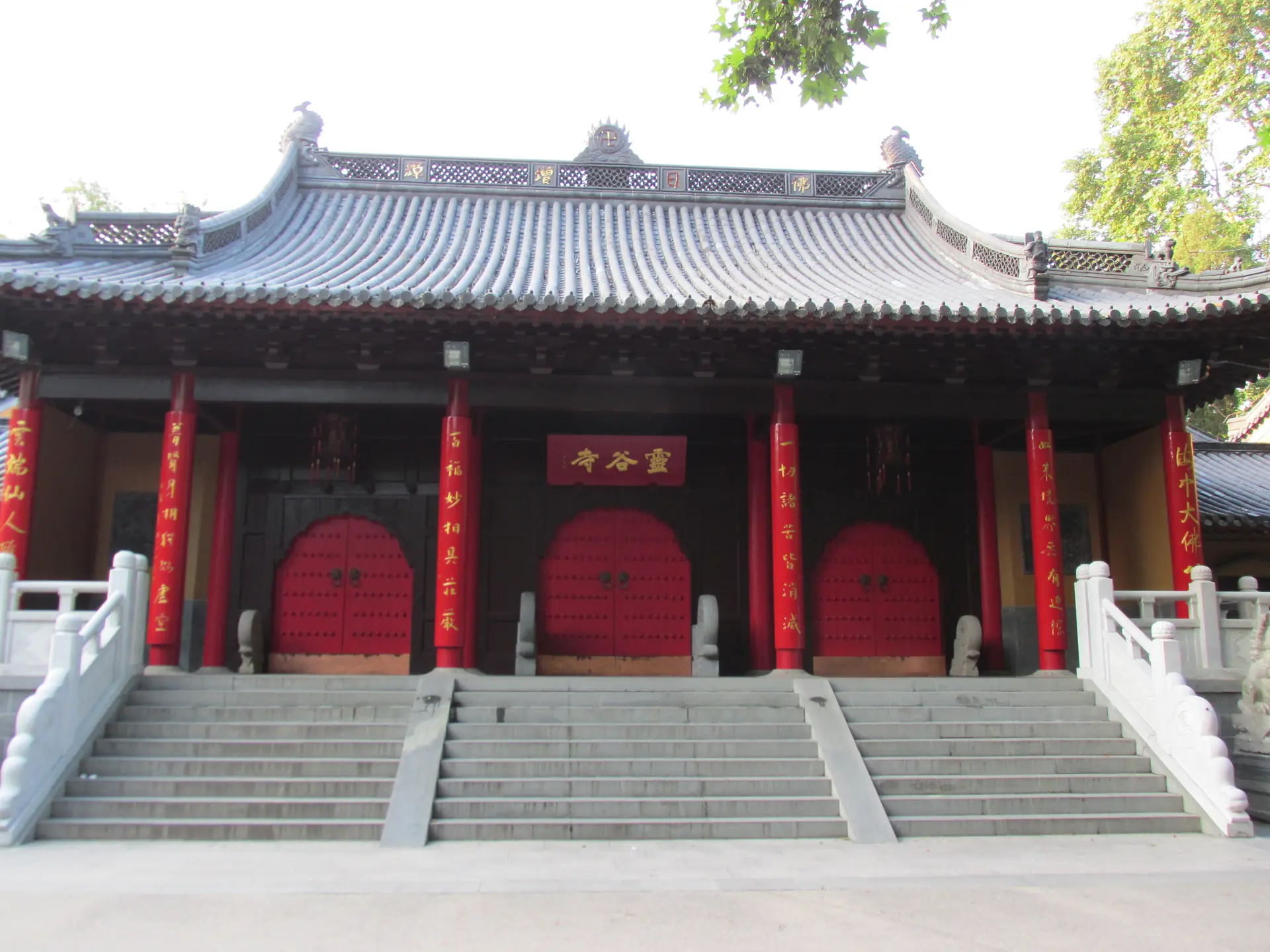
Best for: Ming Xiaoling, Sun Yat-sen Mausoleum, Linggu Temple, forest walks, and people who can handle larger scenic areas.
Xuanwu Lake and Taicheng
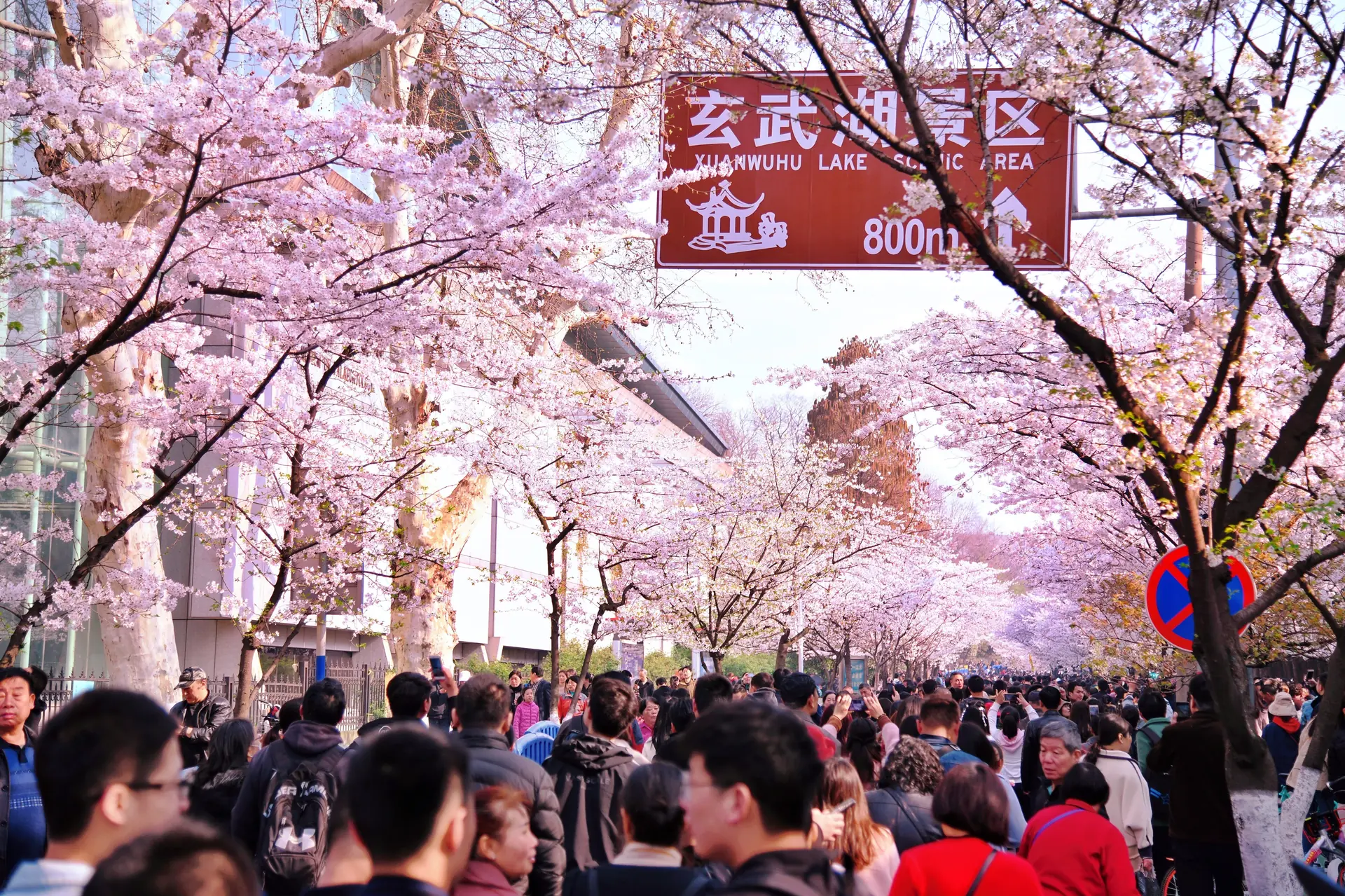
Best for: scenic orientation, easy strolling, lake views, Jiming Temple, and a softer day between heavier historical sites.
Museum and Republican Core
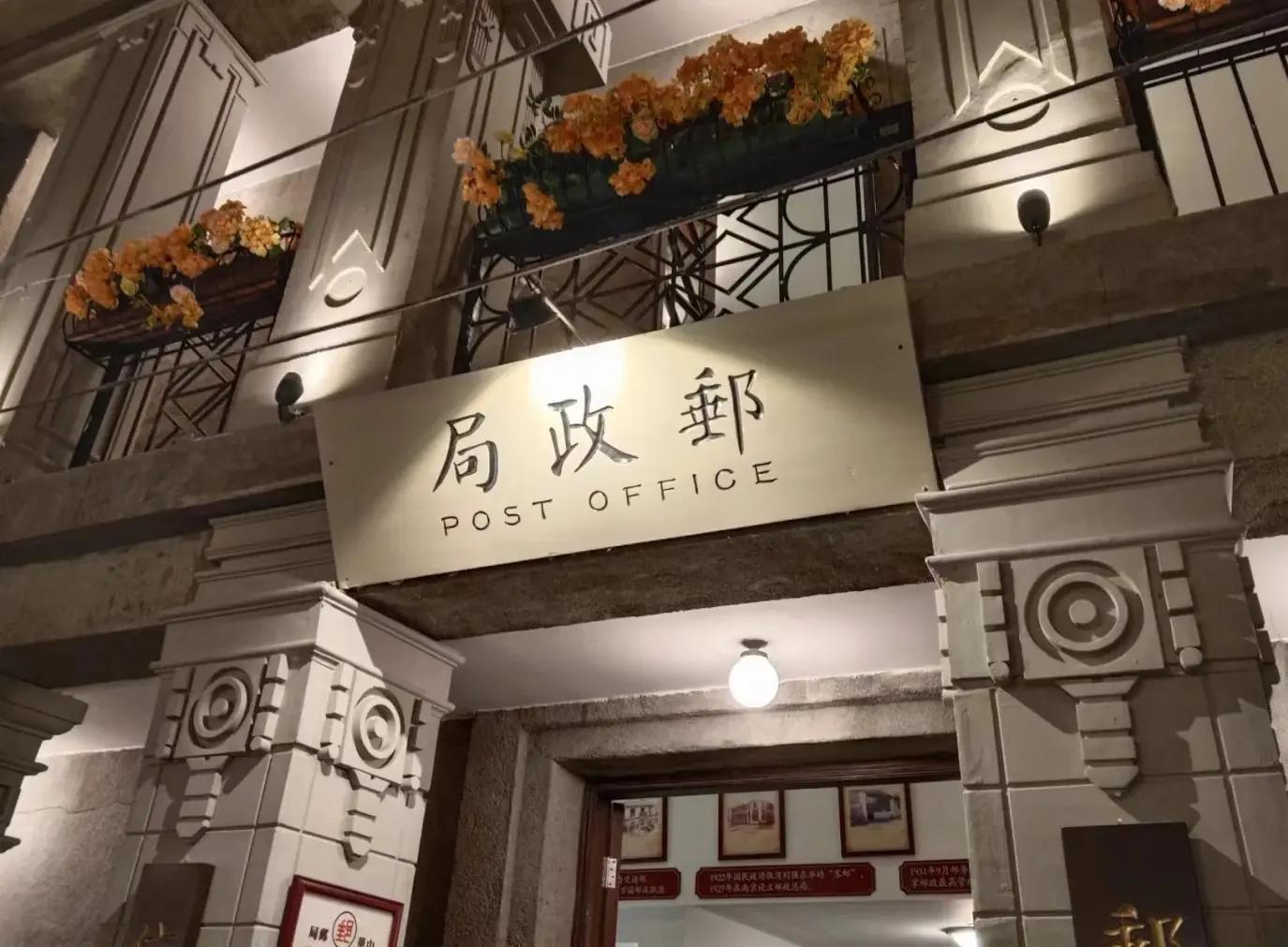
Best for: Nanjing Museum, Presidential Palace, Xinjiekou, Daxinggong (大行宫), and travelers who want central metro convenience.
Yangtze River Side
Best for: Yuejiang Tower (阅江楼), river views, bridge history, and a wider sense of Nanjing beyond the old city core.
Beyond the Core
Best for: Qixia Mountain, Niushou Mountain, Gaochun old streets, or return visitors who have already seen the central highlights.
Where to Stay for a First Nanjing Trip
For a first visit, choose convenience over novelty. Nanjing's metro is useful, but your evenings will feel smoother if you are not constantly crossing the city.
Xinjiekou or Daxinggong
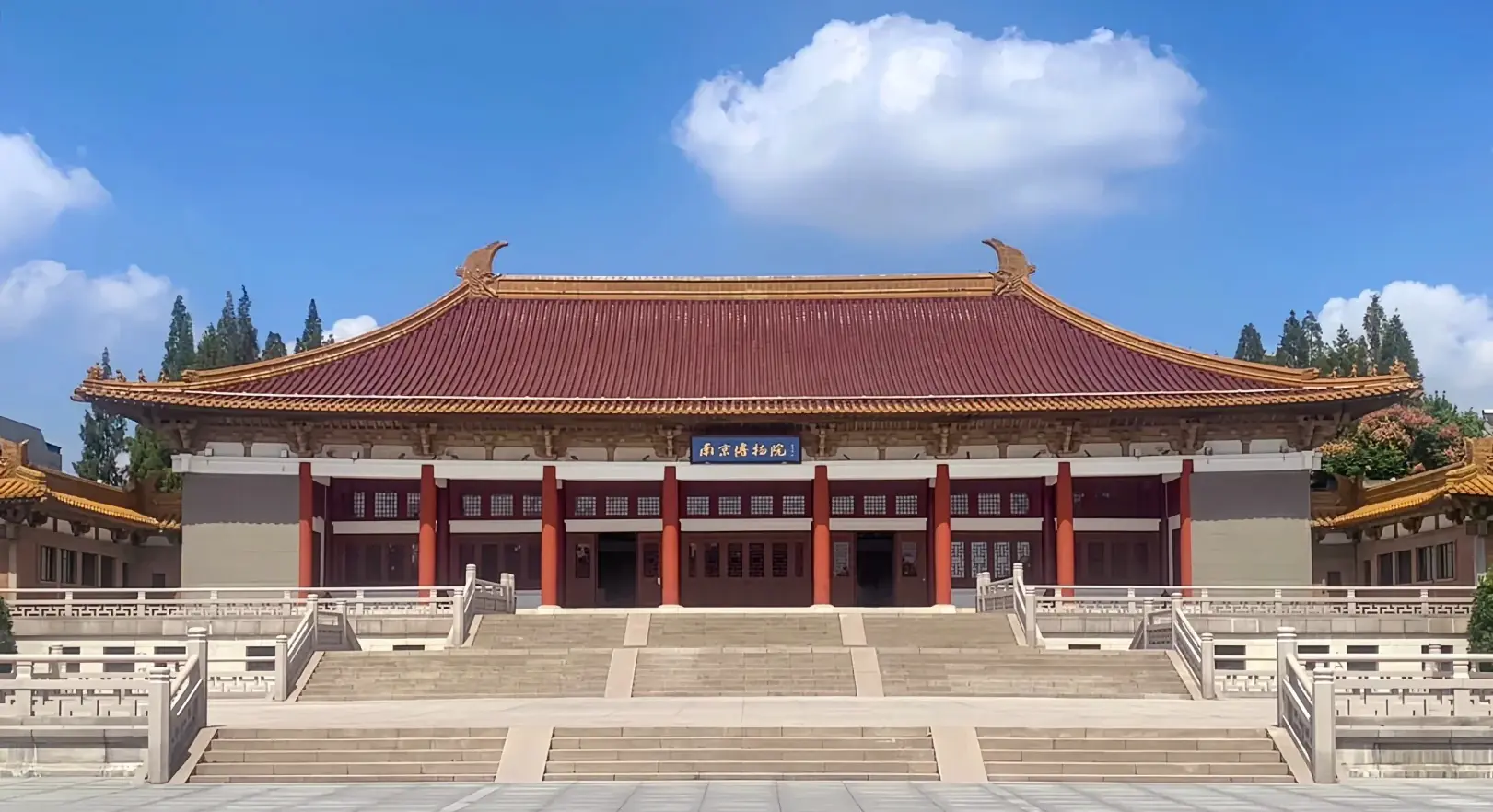
Best all-round base for metro connections, restaurants, shopping, the museum, and access to both Purple Mountain and Qinhuai.
Qinhuai or Laomendong
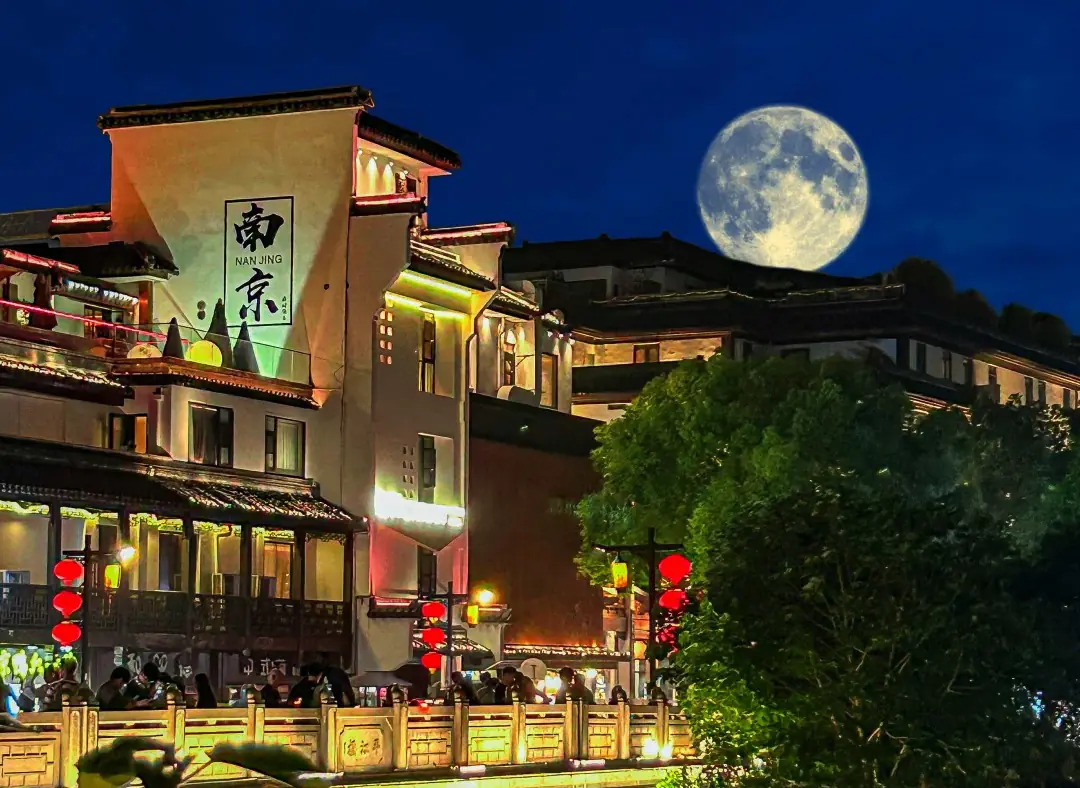
Best if you want atmospheric evenings, old-lane walks, snacks, and easy access to Qinhuai River lights.
Xuanwu or Gulou
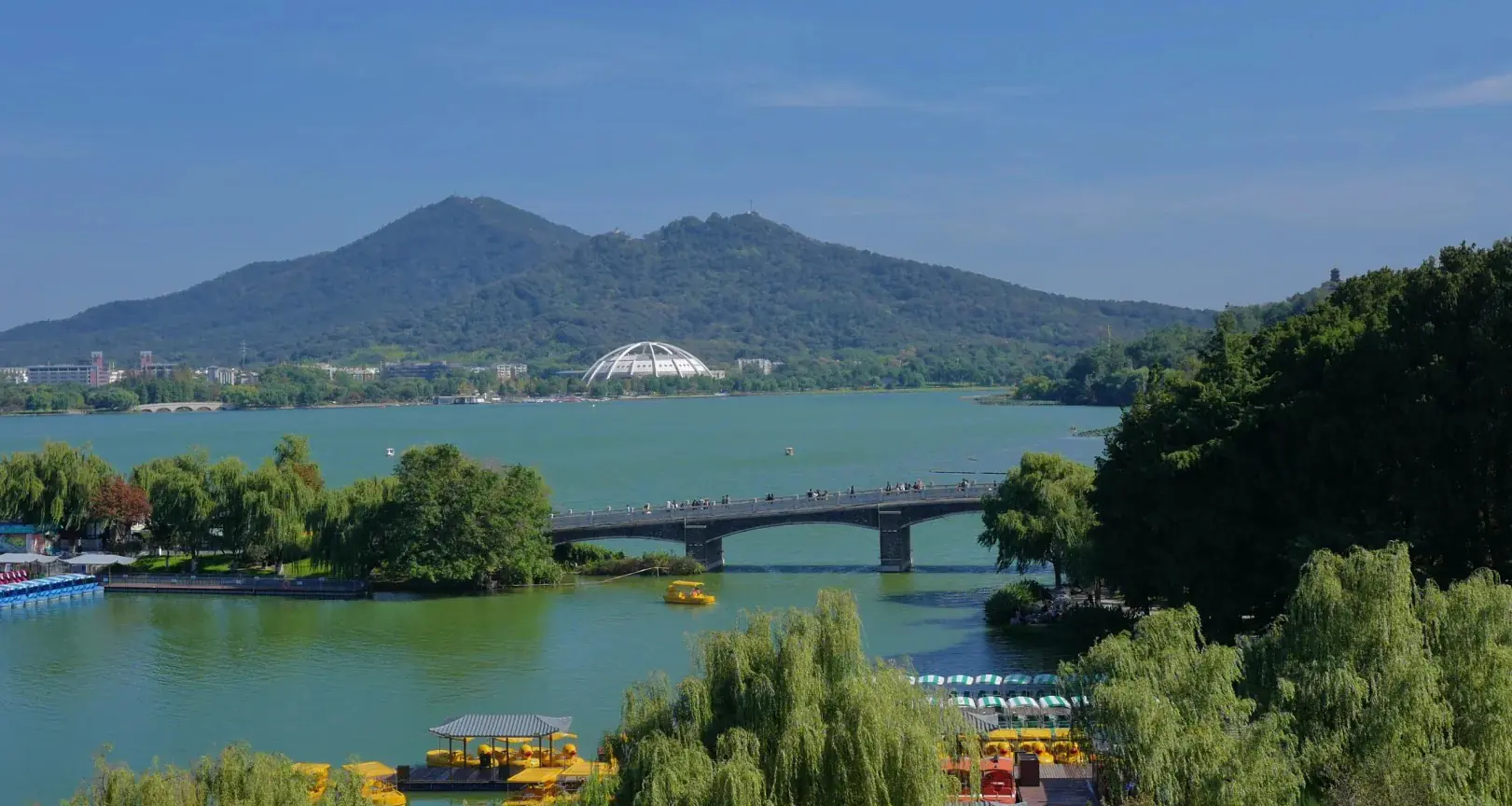
Best for quieter stays, lake walks, universities, Jiming Temple, and a gentler pace.
Nanjing South Railway Station
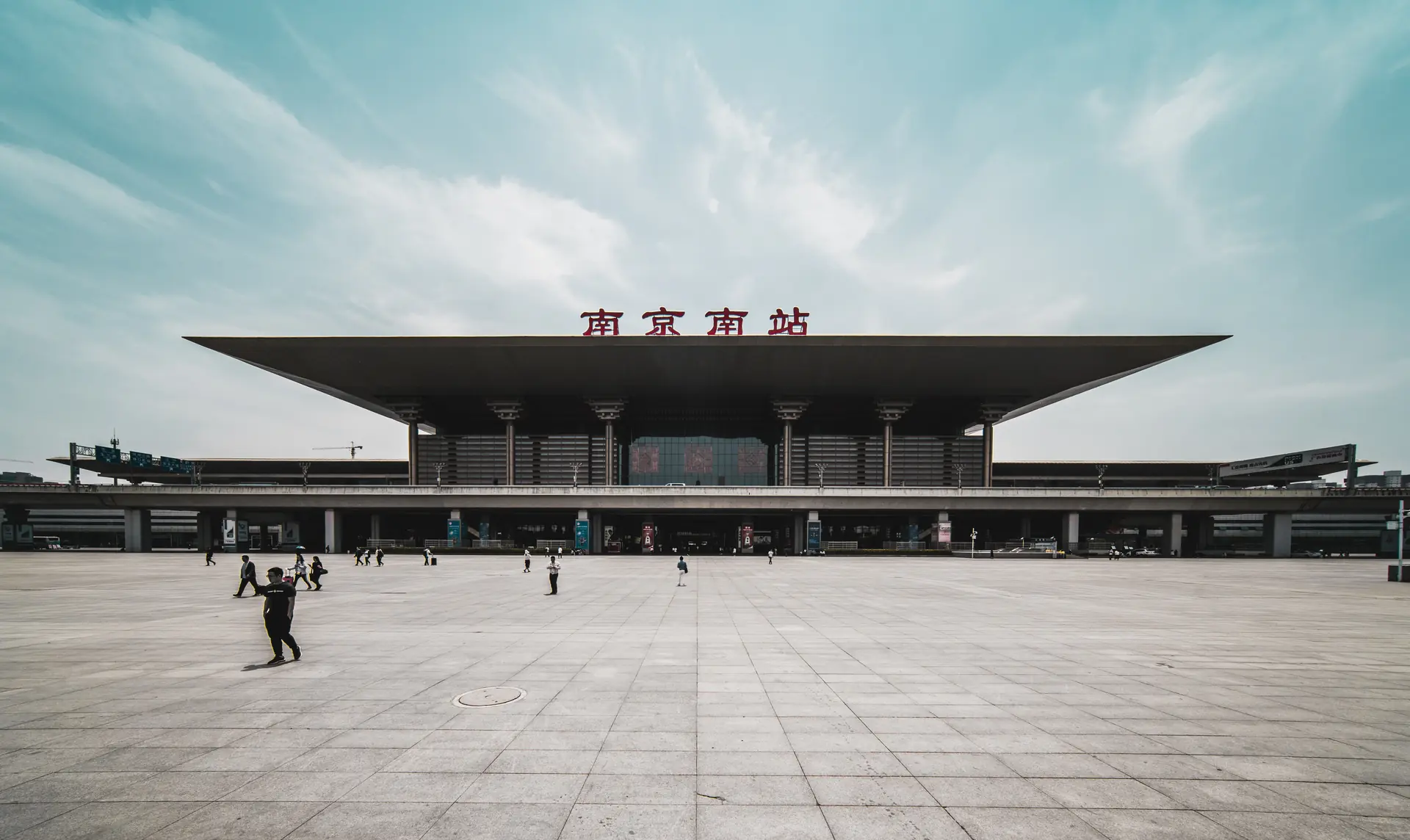
Useful for very early trains or late arrivals, but it is not the best base for enjoying the old-city atmosphere.
Common Nanjing Planning Mistakes to Avoid
Treating Purple Mountain as one stop
Purple Mountain is a large scenic zone, not a single attraction. Ming Xiaoling, Sun Yat-sen Mausoleum, Linggu Temple, and Meiling Palace can easily fill most of a day.
Saving Qinhuai only for the boat
The boat can be pleasant, but the better memory is often the full evening: Laomendong, old walls, lights, small snacks, river reflections, and side lanes.
Stacking every serious site together
The memorial hall, Ming Xiaoling, the museum, and the wall all need attention. Spread them out so the city has rhythm.
Underestimating weather
Nanjing summers can be very hot and humid, while rainy days can change mountain plans. Keep museum and old-street options ready.
Check real-name reservations
Major museums, memorial sites, and heritage attractions in Nanjing may require official real-name reservations and a valid document such as a passport. Check the latest official website or WeChat notice before visiting, especially for the memorial hall, Nanjing Museum, and holiday periods.
Frequently Asked Questions About Nanjing Travel
Two days can cover the essential wall, Purple Mountain, museum, and Qinhuai highlights. Three days is better for a first trip because it allows a memorial, lake, or river-side addition without rushing.
Build Nanjing Into a Larger China Trip
Nanjing combines well with Shanghai, Suzhou, Hangzhou, Huangshan, and high-speed rail routes across eastern China. Check our Nanjing destination guide to compare Xinjiekou, Qinhuai/Laomendong, and Xuanwu Lake hotel bases plus NKG/HSR arrivals. It is especially useful when you want your trip to include more than gardens and skylines: old capital history, memorial spaces, river geography, and food culture all sit close together here.
If you want help choosing the right order, pacing the heavy sites, and fitting Nanjing into a larger China route, we can design a custom itinerary and walk you through the logistics step by step.
Sources checked for this guide
- Nanjing Municipal Government English portal: ancient capital, Six Dynasties, Ten Regimes, and capital history
- UNESCO World Heritage Centre: Imperial Tombs of the Ming and Qing Dynasties listing
- Nanjing Municipal Bureau of Culture and Tourism: official scenic-spot overview for Ming Xiaoling, Sun Yat-sen, Qinhuai River, Yangtze viewpoints, and other city sights
- China Daily government directory: City Wall Museum hours, reservation, construction date, and museum context
- Memorial Hall of the Victims in Nanjing Massacre official English guide: current reservation, hours, valid documents, and visitor rules
© gochinafreely.com — Original guide by Go China Freely.