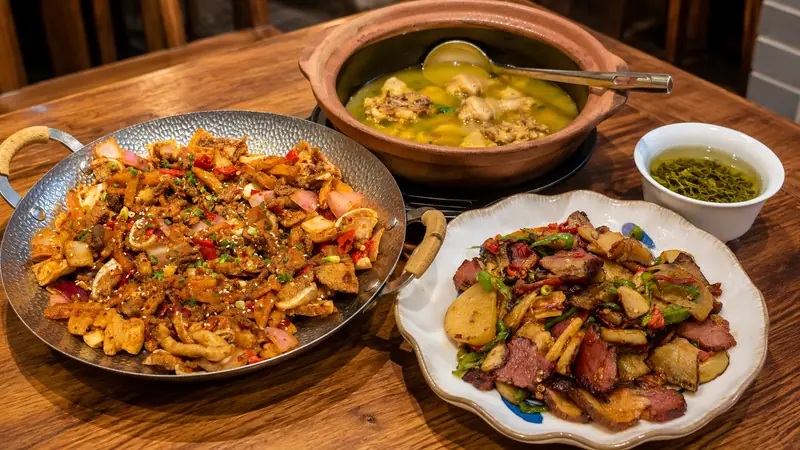
Zhangjiajie (张家界) is famous before dinner: sandstone pillars, misty lifts, cliff paths, and bus rides that make every hot meal feel earned. The food is much less famous abroad, but it is exactly what tired hikers need: smoky pork, dry pots, sour pickles, mountain soups, slippery starch noodles, and hot rice after a cold day in Wulingyuan.
The practical question is not "what is the single best restaurant?" It is how to match the meal to the day: Wulingyuan for post-park dinners, downtown Zhangjiajie for Tianmen Mountain nights, and simple snacks inside the scenic area only when you have no better choice.
Executive Summary
What to expect
Mountain-style western Hunan food: smoked pork, chili, sour pickles, dry pots, soups, rice, wild vegetables, and practical hotel-town dinners rather than polished big-city dining.
Best first meal
Start with Tujia three-pot stew, one lighter vegetable or soup dish, rice, and berry tea. Ask what meat is inside before ordering because pork and offal are common.
Main traveler challenge
Zhangjiajie splits into Wulingyuan scenic-base meals and downtown Tianmen Mountain meals. Eat well outside the park, carry snacks inside, and avoid leaving dinner to chance when you are exhausted.
Tujia Mountain Food After the Peaks
Zhangjiajie food belongs more to the mountains of western Hunan than to the bright snack culture of Changsha. Tujia and Miao food traditions, Hunan chili habits, smoked meat, pickled vegetables, river and mountain ingredients, and tourist-town practicality all meet here.
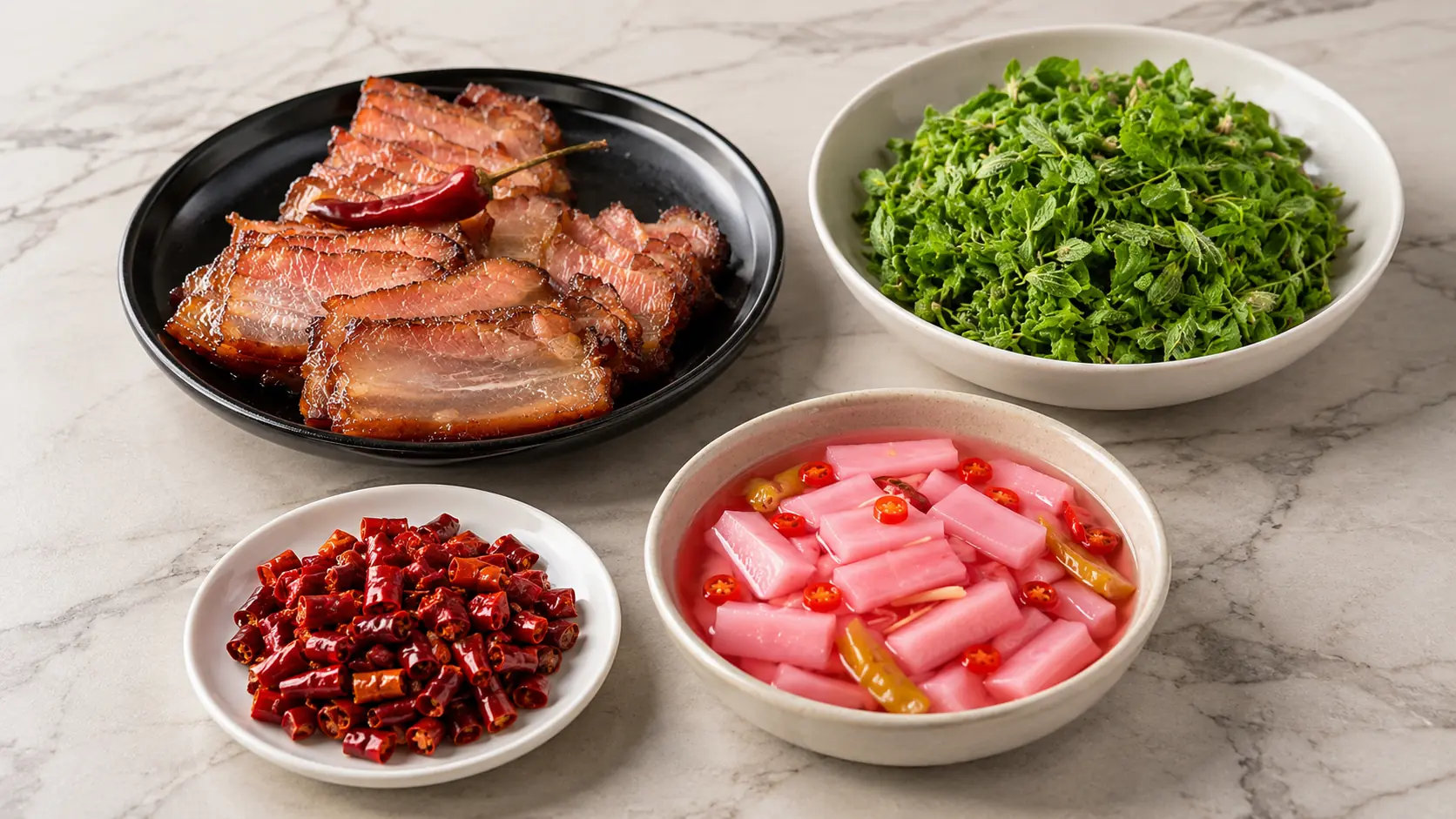
The flavor is bold but not only spicy. Smoke matters. Sourness matters. Rice matters. A good table often has something hot and dry, something soupy, something pickled, and something green. After six hours of stairs, cable cars, rain, and cliff paths, that balance feels less like cuisine theory and more like survival.
This also changes how you should read the rest of the guide. Most foreign travelers know Zhangjiajie for the "Avatar Mountains," not for a signature dish, so the real value here is practical: what to order when the menu is only in Chinese, where to eat when your hotel is near a park gate, and how not to waste a tired evening on a random tourist-strip meal.
Hunan's official international site reported that Wulingyuan received more than one million inbound tourist visits in 2025, with visitors from 183 countries and regions. That helps explain the food scene: restaurants are used to tourists, but many still assume you can read a Chinese menu, tolerate chili, and eat pork without questions. Hunan Government International describes Wulingyuan as a core inbound-tourism gateway.
Must-Try Zhangjiajie Dishes and Drinks to Order
Use this table as your first-menu decoder. The goal is not to order everything in one night. Pick one heavy main, one lighter vegetable or starch, rice, and a drink.
3/5
Typical heat
¥20-45
Snacks and sides
¥60-120
Shared main dish
Smoke + sour
Core flavor logic
- Chinese
- 土家三下锅
- What It Tastes Like
- Spicy dry pot or soup pot with mixed meats, tofu, radish, and vegetables
- Best Context
- First shared dinner
- Chinese
- 土家腊肉
- What It Tastes Like
- Smoky, salty pork stir-fried with chilies, garlic shoots, fern root, or vegetables
- Best Context
- Rice meal
- Chinese
- 岩耳炖土鸡
- What It Tastes Like
- Local chicken soup with dark rock-ear fungus, earthy and warming
- Best Context
- Cold or rainy night
- Chinese
- 葛根粉
- What It Tastes Like
- Slippery starch noodles, often with chili, vinegar, garlic, and peanuts
- Best Context
- Light snack
- Chinese
- 酸萝卜等
- What It Tastes Like
- Crunchy, sour, refreshing, often served with chili
- Best Context
- Balance for heavy dishes
- Chinese
- 米豆腐
- What It Tastes Like
- Soft rice-based cubes with sour-spicy sauce
- Best Context
- Snack or side
- Chinese
- 血豆腐
- What It Tastes Like
- Smoked tofu and pork-blood mixture, sliced and stir-fried
- Best Context
- Adventurous eaters
- Chinese
- 酸鲊鱼
- What It Tastes Like
- Preserved sour fish, salty and fermented
- Best Context
- Strong local flavor
- Chinese
- 张家界莓茶
- What It Tastes Like
- Light bitter-sweet herbal tea with a pale frosted look
- Best Context
- Souvenir or table drink
- Chinese
- 山野菜
- What It Tastes Like
- Seasonal greens, fern, bamboo shoots, or mushrooms
- Best Context
- Lighter side dish
Tujia Three-Pot Stew
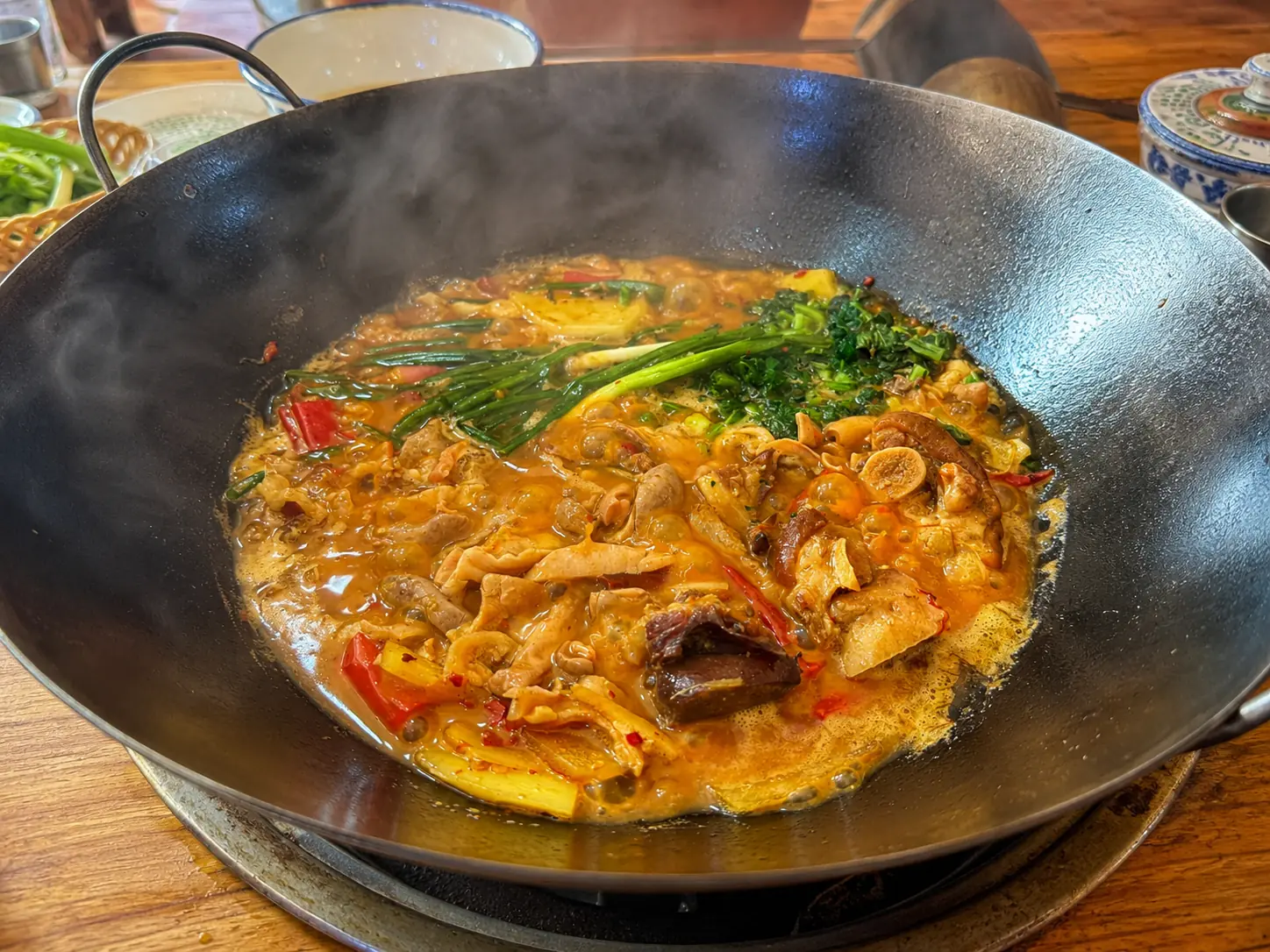
Tujia three-pot stew (土家三下锅) is the dish to understand first. Some travel sites translate it as "Three in One Pot," but the practical meaning is simpler: several ingredients are cooked together in a heavy, spicy pot and eaten with rice.
Modern versions vary. Some use pork belly, bacon, intestines, tripe, beef, tofu, radish, potatoes, mushrooms, or vegetables. A local Zhangjiajie food site notes that it can come in dry-pot and wet-pot styles, with the dry version usually spicier and heavier. Zhangjiajie Guide also links the dish to Tujia New Year food traditions.
Tujia Smoked Bacon
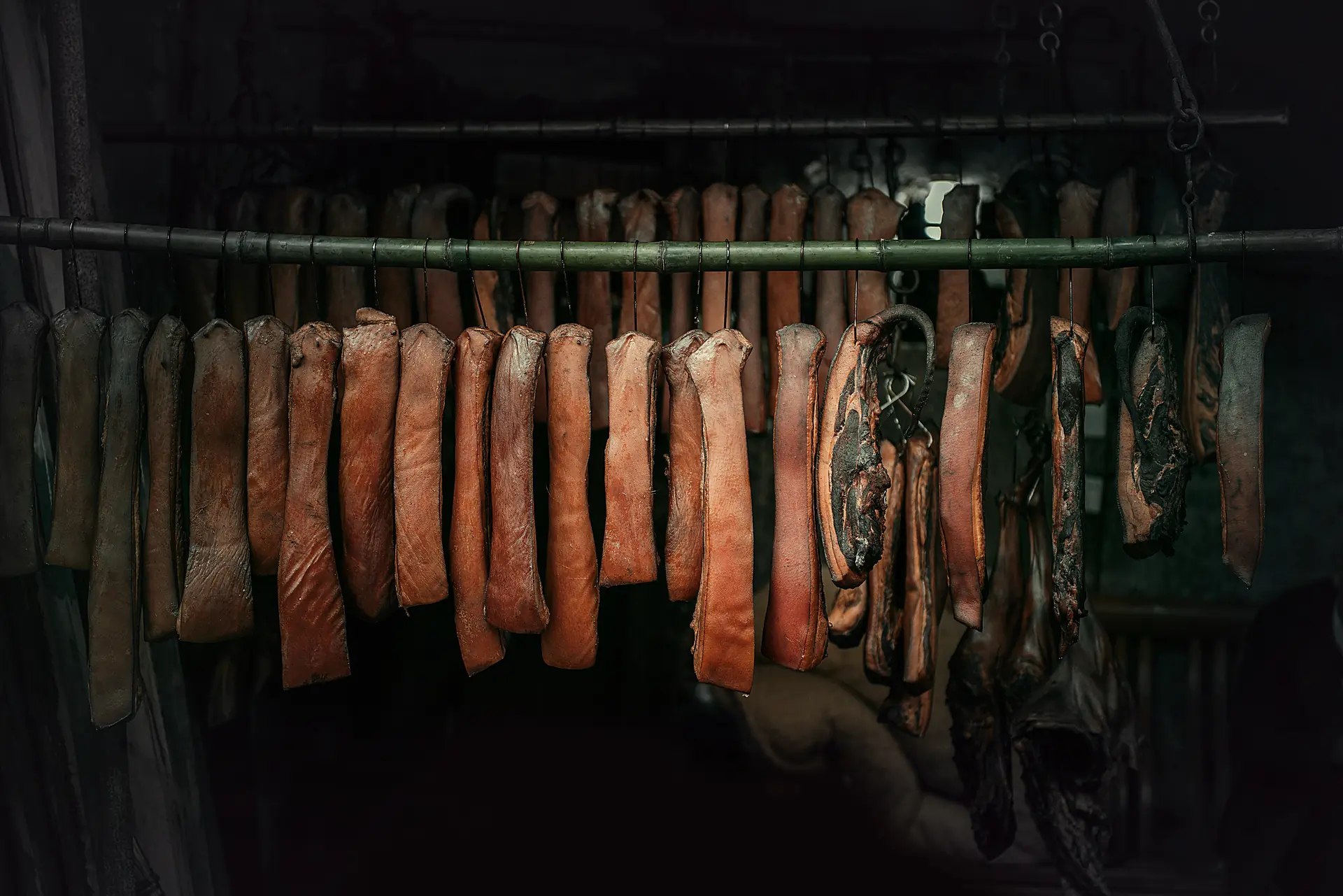
Tujia smoked bacon (土家腊肉) is not breakfast bacon. It is cured, smoked, salty, and usually cut into small pieces so the fat perfumes vegetables, beans, fern root, garlic shoots, or rice. It can be excellent, but it is also one of the easiest dishes for vegetarians and pork-avoidant travelers to misread.
If a vegetable dish tastes mysteriously smoky, ask whether it contains bacon. In this region, smoked pork often appears as a flavoring rather than the headline ingredient.
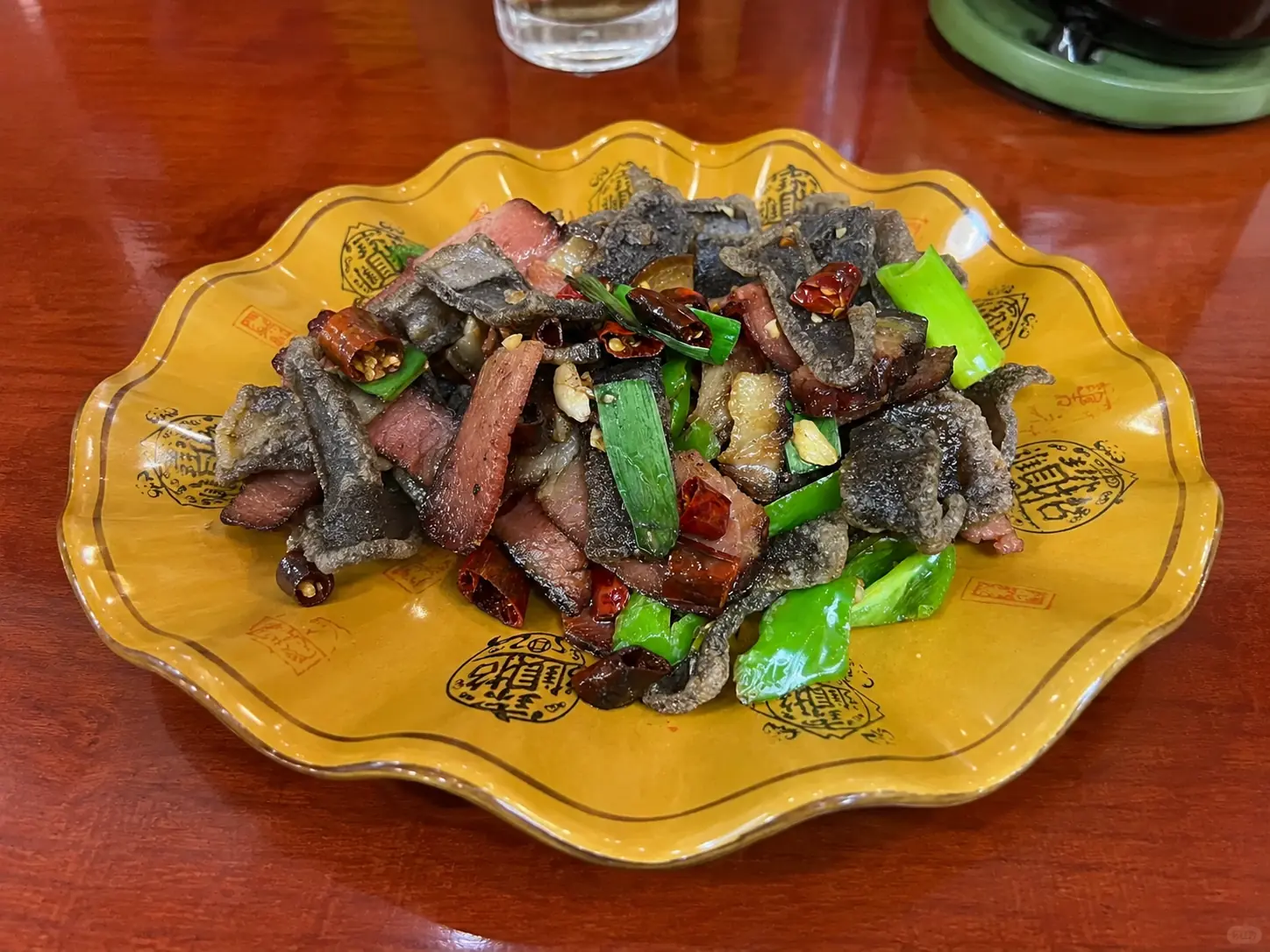
Fern-root noodles are a classic example of a dish that may look starch-heavy but still uses smoked bacon for the main flavor.
Rock-Ear Chicken
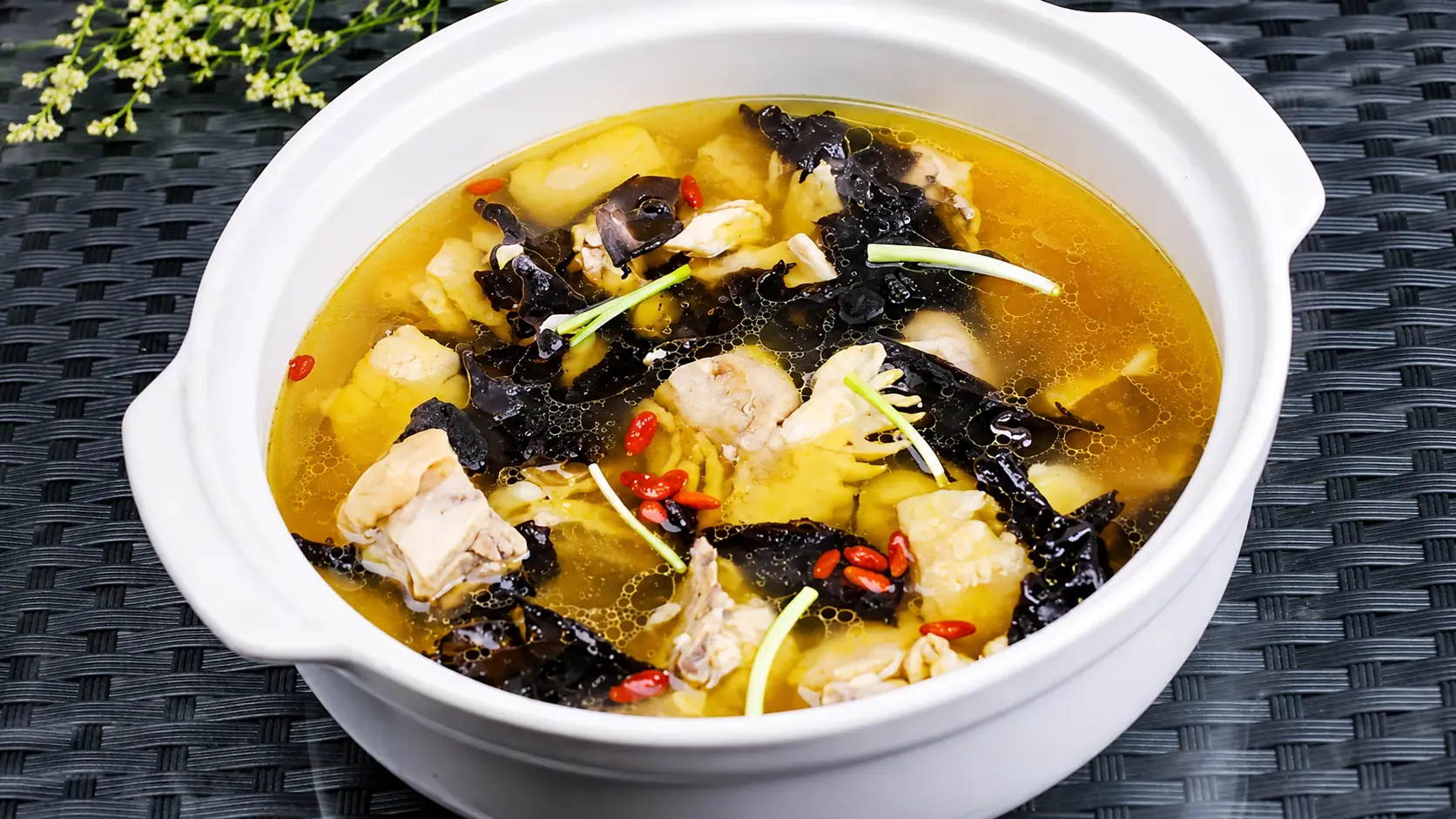
Rock-ear chicken (岩耳炖土鸡) is the comfort dish. Rock ear is a dark edible lichen associated with the Wuling Mountains; restaurants stew it with local chicken or duck. The flavor is earthy, clean, and much gentler than the heavy dry pots.
Do not over-medicalize it for foreign readers. Menus may describe rock ear with health language, but for trip planning it is enough to know that this is a warming mountain soup and a good counterweight to chili-heavy dishes.
Kudzu, Rice Tofu, and Sour Snacks
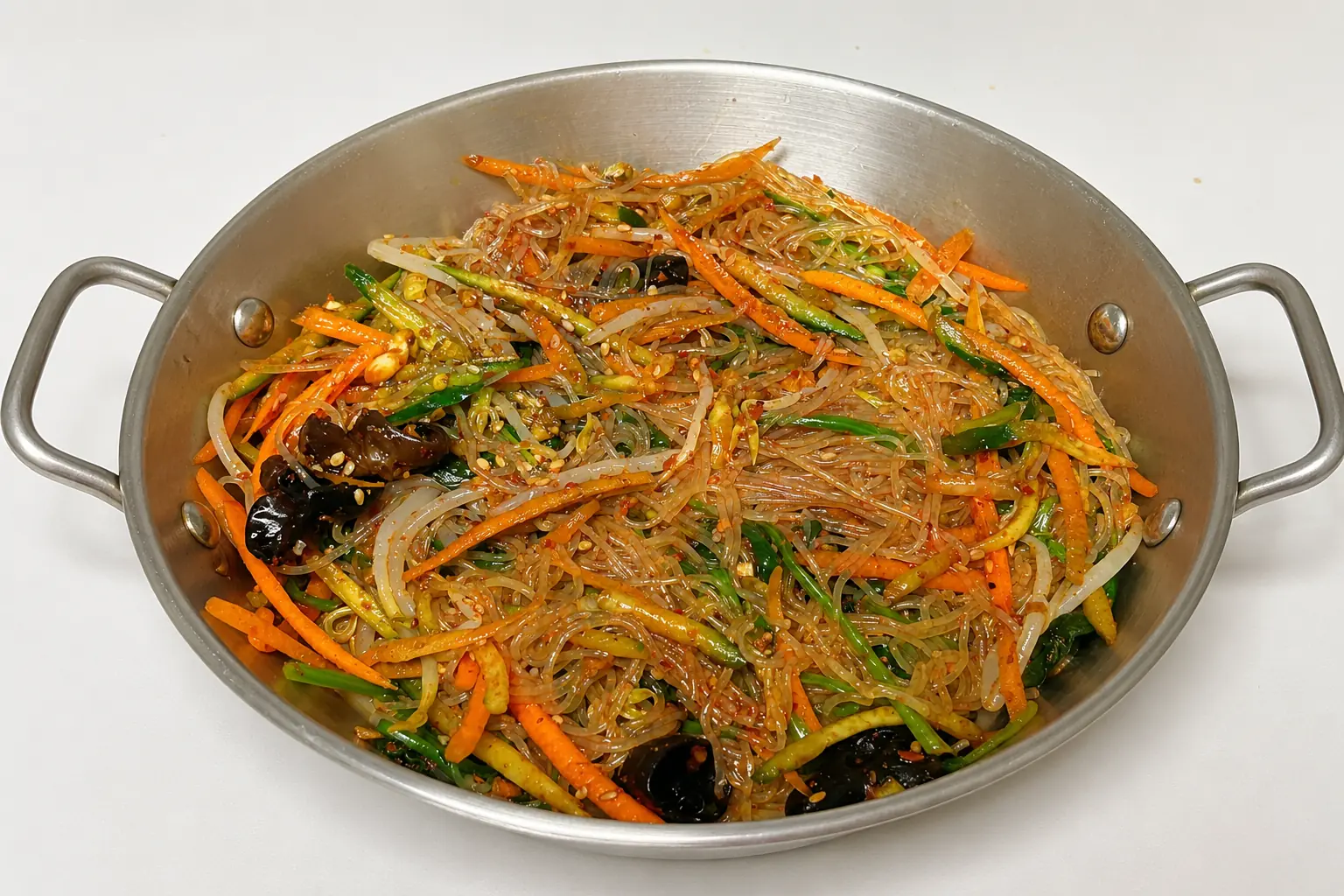
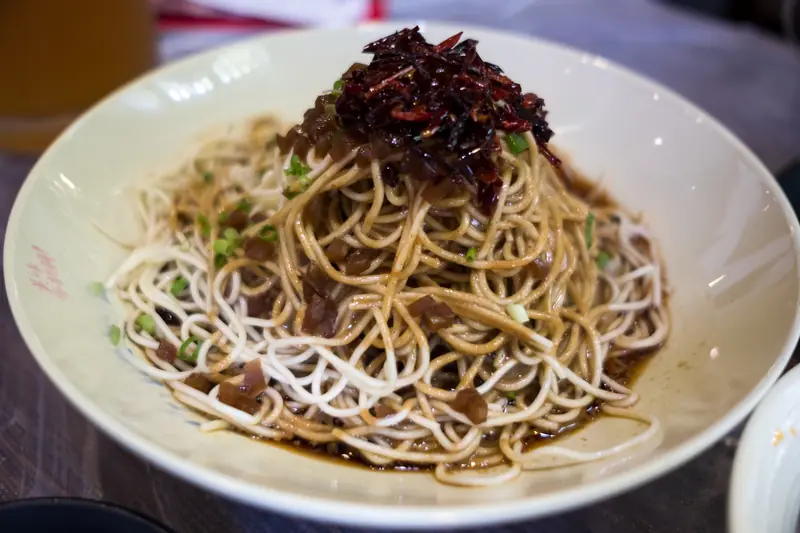
Kudzu starch noodles or kudzu powder (葛根粉) can appear as a cool snack, a slippery starch bowl, or a packaged local product. The texture is the point: soft, glassy, and slightly elastic, often dressed with chili, vinegar, garlic, peanuts, and herbs.
Rice tofu (米豆腐), sour radish (酸萝卜), pickled vegetables, and other sour-preserved snacks matter because they reset the table. Zhangjiajie meals can get smoky, oily, and meaty quickly. A cold sour side makes the rest easier.
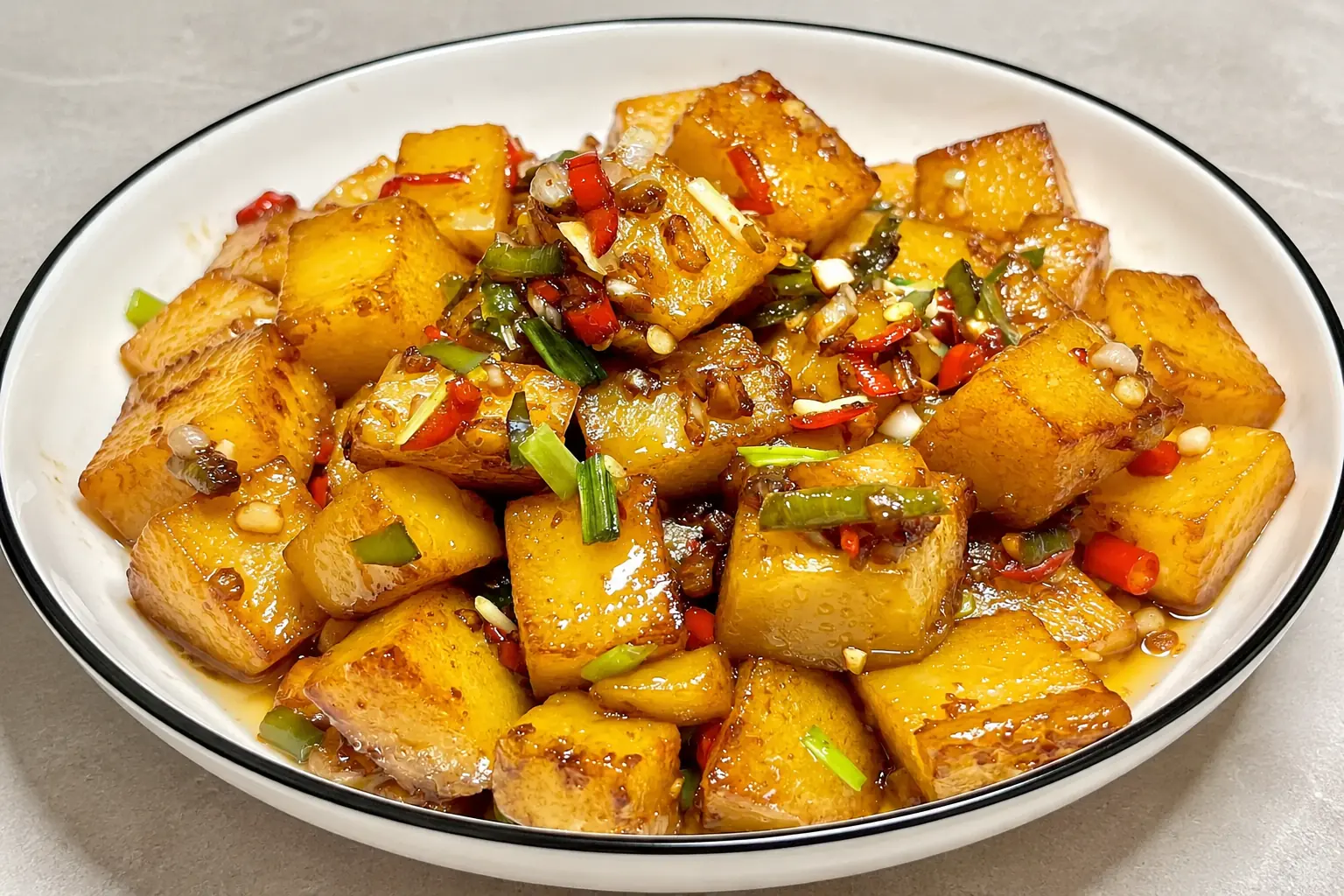
Rice tofu is one of the easiest small dishes for first-timers: soft, sour, a little spicy, and much lighter than a full dry-pot order.
Berry Tea and Sweet Breaks
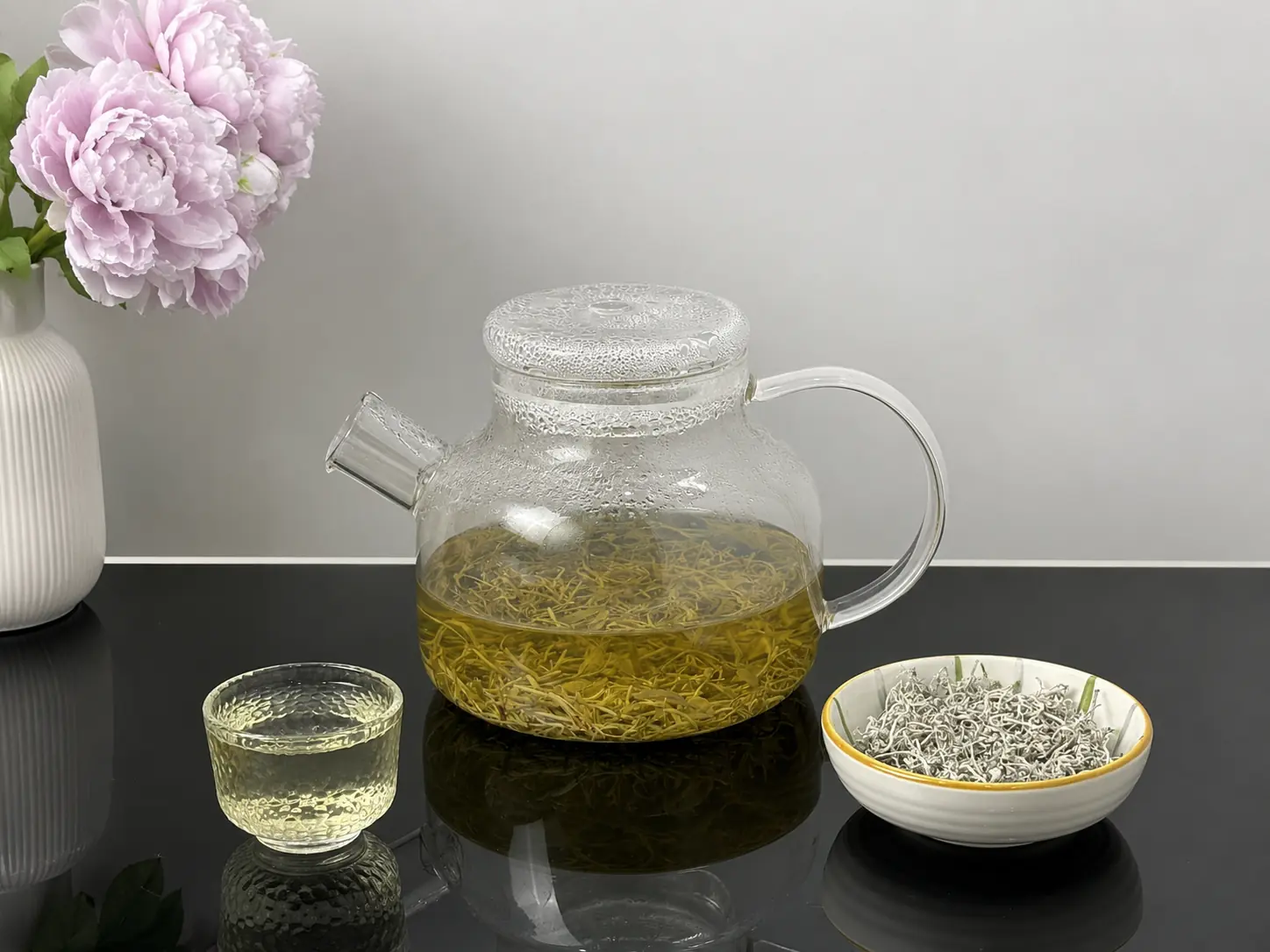
Zhangjiajie berry tea (张家界莓茶) is a local specialty and a common souvenir. Hunan's official international site identifies Zhangjiajie as the core area for this Wuling Mountain plant and notes the white frost look formed during processing. Hunan Government International lists it as a GI product.
Treat it as a pleasant herbal drink, not a cure. Shops may make strong health claims; the traveler-safe version is simpler: taste before buying, check packaging, and avoid paying souvenir premiums without comparing.
How to Order Three-Pot Stew Without Panic
Three-pot stew is easy to order badly if you only point at the name. The key question is not whether it is local. The key question is what is inside this version.
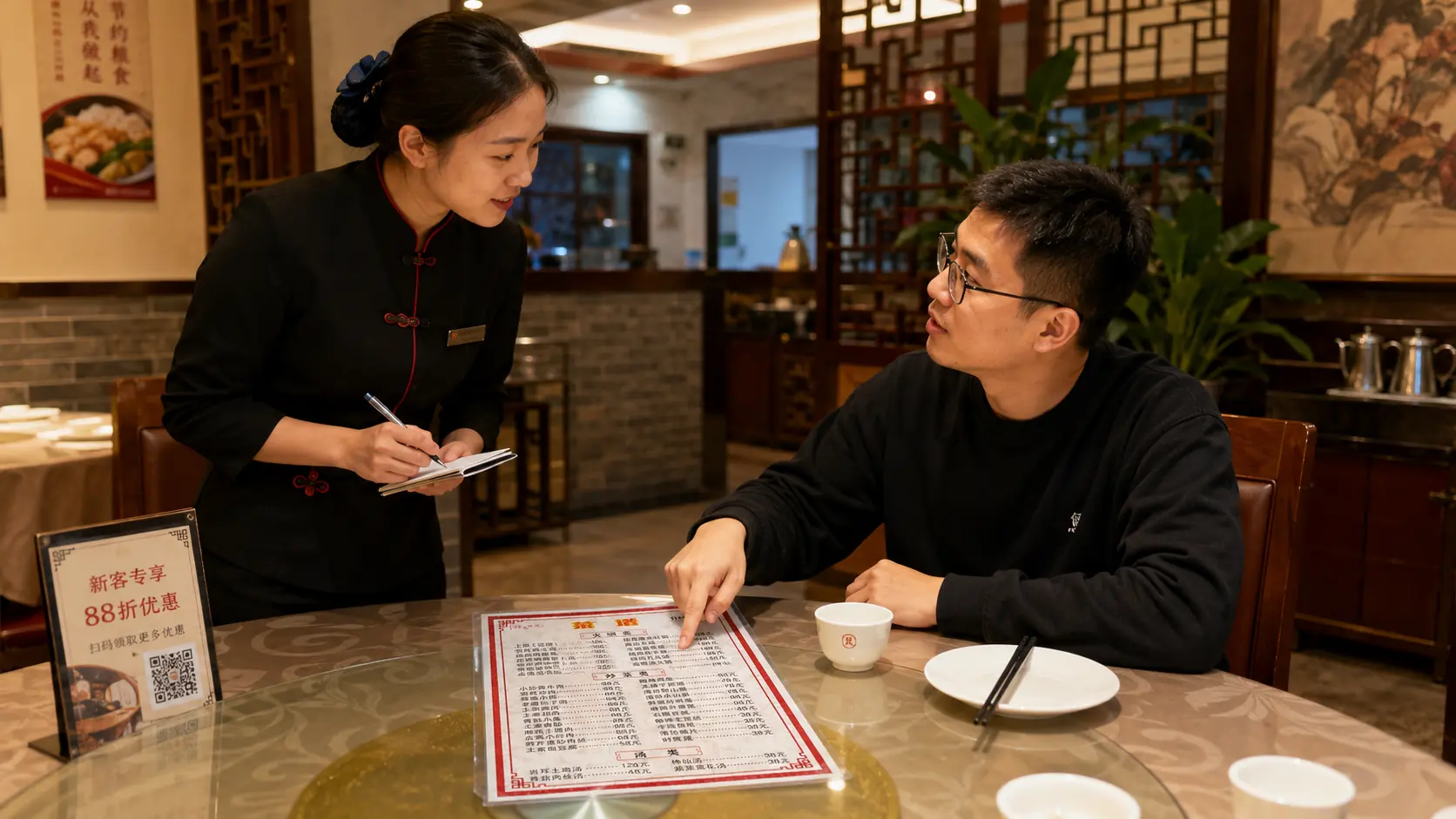
Dry pot is stronger, oilier, smokier, and usually better with rice or beer. Soup pot is gentler and warmer. Some restaurants let you choose ingredients; others serve a fixed house version. If pork intestine, tripe, or fatty pork makes you nervous, ask before ordering rather than after the dish arrives.
For two people, one three-pot stew plus rice and one vegetable dish is usually enough. For four people, add rock-ear chicken soup or a lighter smoked-bacon vegetable plate. The most common mistake is ordering three heavy dishes at once and flattening the whole meal into salt, smoke, oil, and chili.
- Dry or soup? Dry pot is richer and more intense; soup pot is easier for cold or rainy nights.
- How spicy? Ask before cooking starts. Hunan mild can still have visible chili oil.
- What meat is inside? "No offal" matters because intestines and tripe are common in standard versions.
The safest first order
Ask for a mild dry pot with no offal, plus rice and one green vegetable. You still get the local style, but you avoid the two most common surprises: unexpected organs and a spice level that builds bite by bite.
Where to Eat Around Zhangjiajie by Base Area
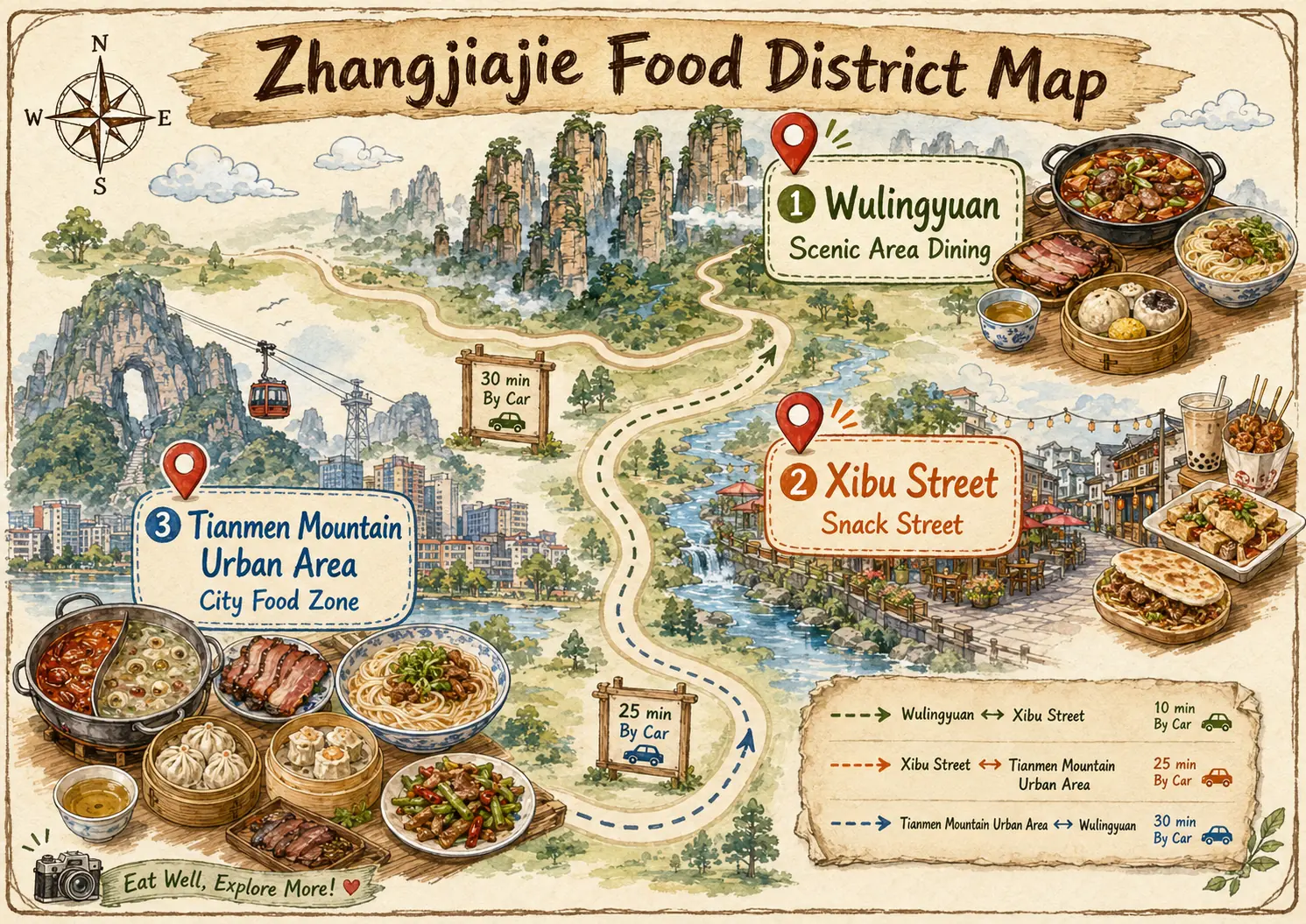
Use the map first, then choose dinner by where the scenic day ends. In Zhangjiajie, the wrong dinner zone can cost more energy than the meal is worth.
Zhangjiajie food planning is geographic. A restaurant that is perfect after Zhangjiajie National Forest Park may be annoying after Tianmen Mountain, and the wrong dinner zone can add an hour of tired travel.
Wulingyuan Town
Wulingyuan Town (武陵源镇) (Google | Amap) is the most useful base if your main focus is Zhangjiajie National Forest Park. Stay here for early park access and easy post-hike dinners. The food scene is tourist-facing, but practical: Tujia restaurants, hot pots, noodle shops, snack stalls, fruit, drinks, and small supermarkets.
This is where many first-time visitors should eat after Yuanjiajie, Tianzi Mountain, Golden Whip Stream, or the East Gate area. Do not wait until you are inside the scenic area to decide dinner. Inside-park food is mostly functional.
Xibu Ancient Street
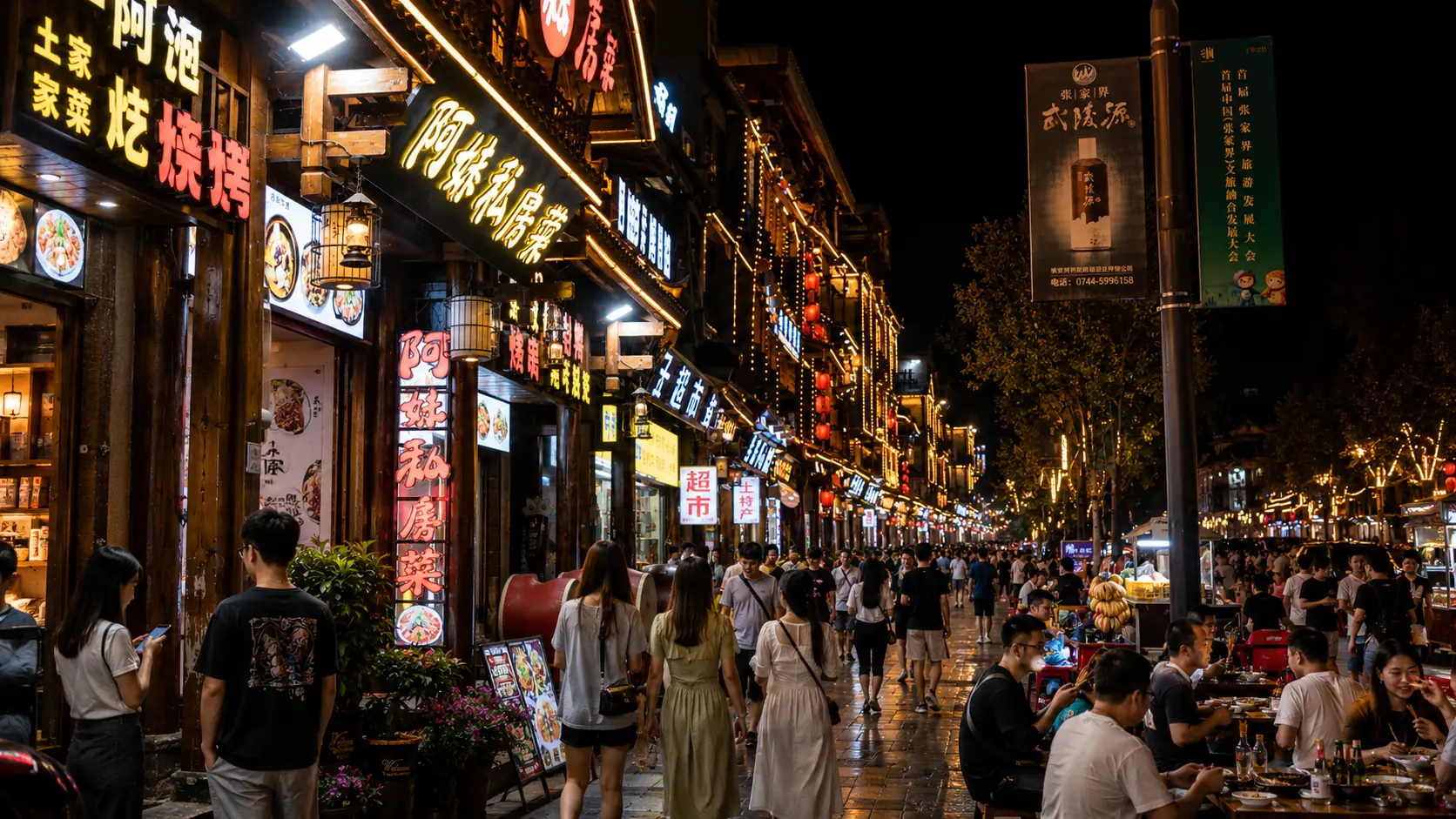
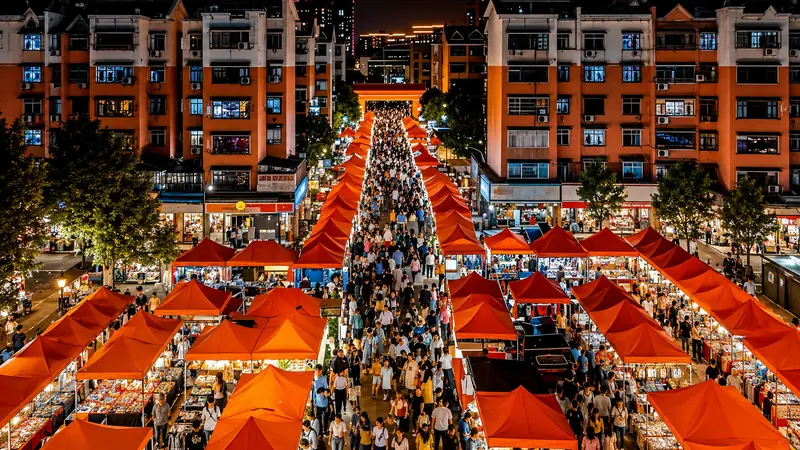
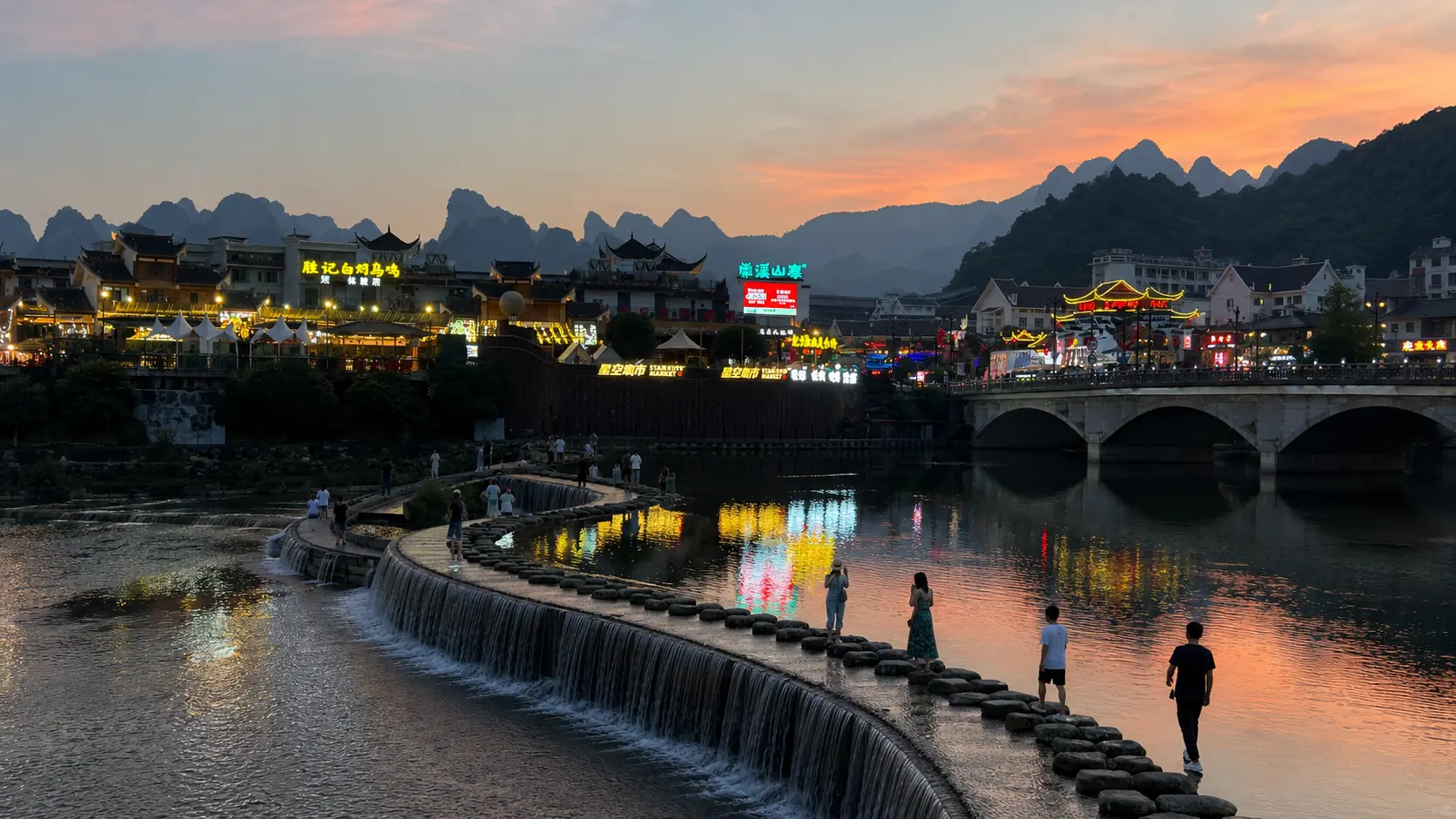
Xibu Ancient Street (溪布街) (Google | Amap) is the easiest evening target in Wulingyuan: lights, snacks, restaurants, shops, bars, and Tujia-style architecture in one walkable strip. Hunan's official site describes it as a commercial pedestrian street combining waterfront bars, a Chinese food street, Xiangxi folk-custom shopping, B&Bs, and creative workshops. It also notes that it sits close to Wulingyuan Scenic Area, Baofeng Lake, and Huanglong Cave. Hunan Government International gives the basic location context.
Use Xibu Street for a first night, a snack walk, or a low-effort dinner after a long park day. It is not hidden, and that is the point. You can compare menus, buy water, and get back to the hotel without turning dinner into another excursion.
Downtown and Tianmen Mountain
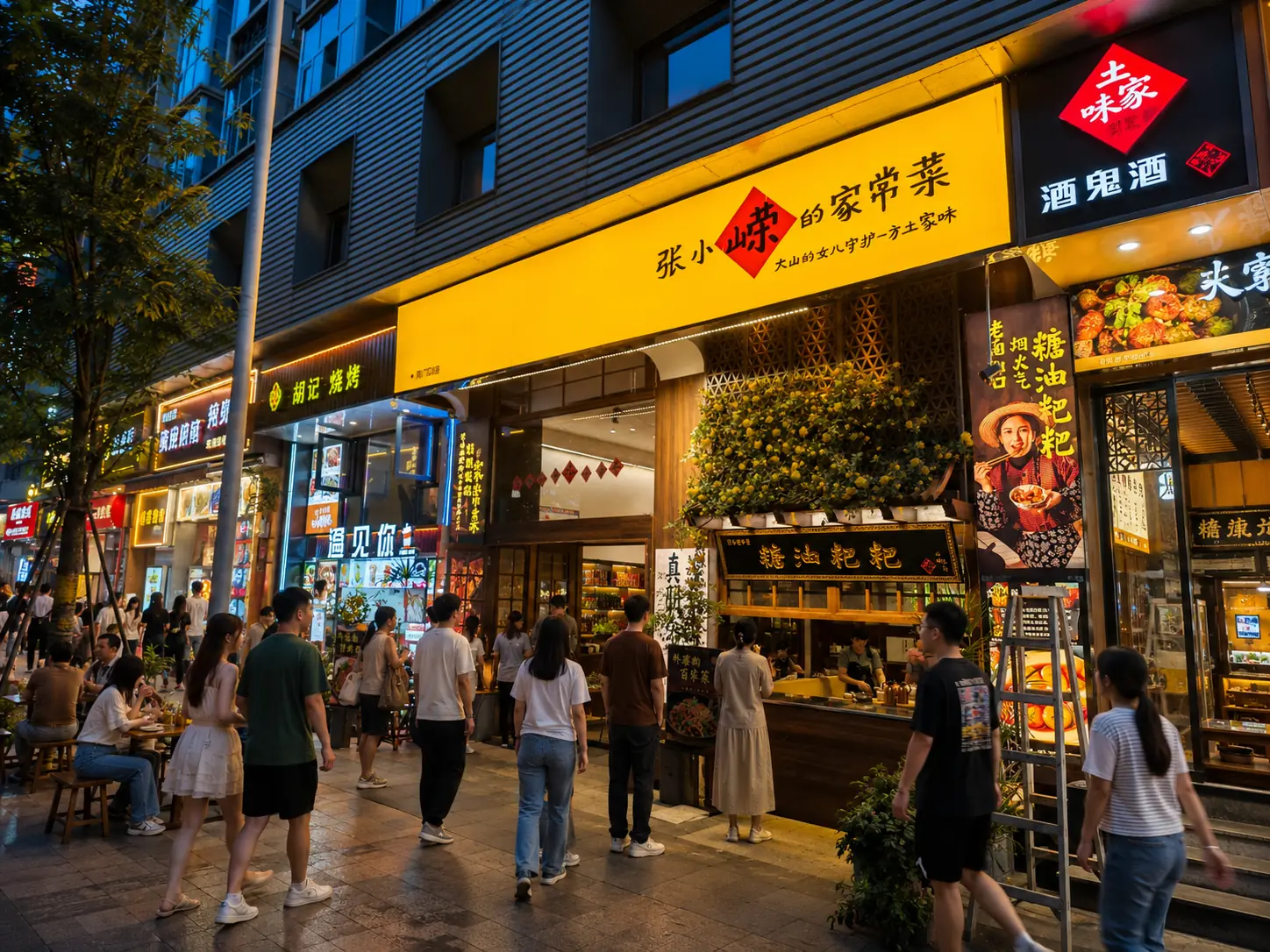
Downtown Zhangjiajie is more useful when you are visiting Tianmen Mountain or arriving by train or plane. The Tianmen Mountain Cableway Station (天门山索道站) (Google | Amap) sits in the urban area, so nearby meals are easier than transferring to Wulingyuan late at night.
If you arrive via Zhangjiajie West Railway Station (张家界西站) (Google | Amap) or Zhangjiajie Hehua International Airport (张家界荷花国际机场) (Google | Amap), eat simply unless you still have energy. Save the proper Tujia dinner for the night when you are settled.
Inside the Scenic Area
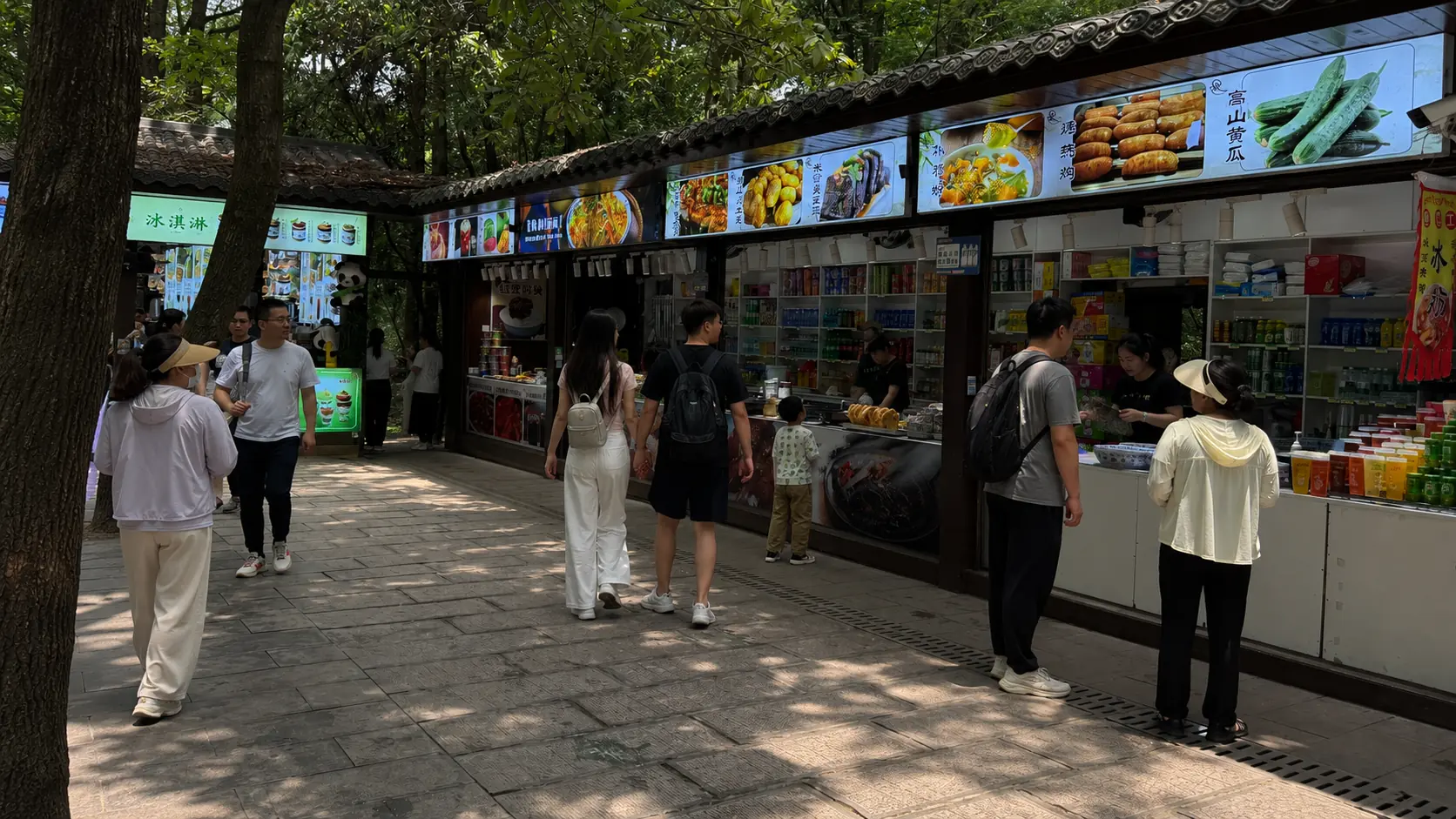
Zhangjiajie National Forest Park (张家界国家森林公园) (Google | Amap) is not where you should plan your best meal. Expect basic noodles, corn, sausages, snacks, drinks, and tourist-priced convenience food near busy nodes. Bring water and a snack you actually like.
The better rhythm is simple: breakfast before entry, snacks inside, real dinner after exit. That one habit improves both the scenic day and the meal.
How to Match Meals to Scenic Days
Do not separate food from the itinerary. Zhangjiajie is spread out, and tired legs make "we'll just find somewhere good" a bad strategy.
National Forest Park Day
End the day in Wulingyuan. A Tujia restaurant near your hotel or Xibu Street is usually the least stressful choice after Yuanjiajie, Tianzi Mountain, Bailong Elevator, Ten-Mile Gallery, or Golden Whip Stream.
Tianmen Mountain Day
Downtown works better after Tianmen Mountain. This is a good night for rock-ear chicken, a milder stir-fry, or a simple noodle meal near the cableway station or your hotel.
Arrival or Transfer Day
Late arrivals are not the moment to hunt for the deepest local meal. Choose a nearby restaurant with photo menus, rice, soup, and clear prices, then do the full Tujia dinner the next night.
Furong or Fenghuang Extension
If your route continues to Furong Town or Fenghuang, save some of the deeper Xiangxi flavors for that stretch. Zhangjiajie still deserves its own food plan because mountain-day logistics shape how and where you eat.
Ordering, Spice, and Dietary Needs in Zhangjiajie
Spice First, Not Last
Ask for less chili before the dish is cooked. Hunan mild can still mean visible chili oil, chopped chilies, and heat that builds as you eat.
Pork and Offal Are Common Defaults
Three-pot stew, smoked dishes, blood tofu, and even vegetable plates may involve pork oil, bacon, intestine, or broth. Say it directly if that matters to you.
Photo Menus Help More Than Translation Alone
Machine translation can mangle dish names. The safest combination is a photo menu, one clear phrase about spice, and one clear phrase about pork or offal.
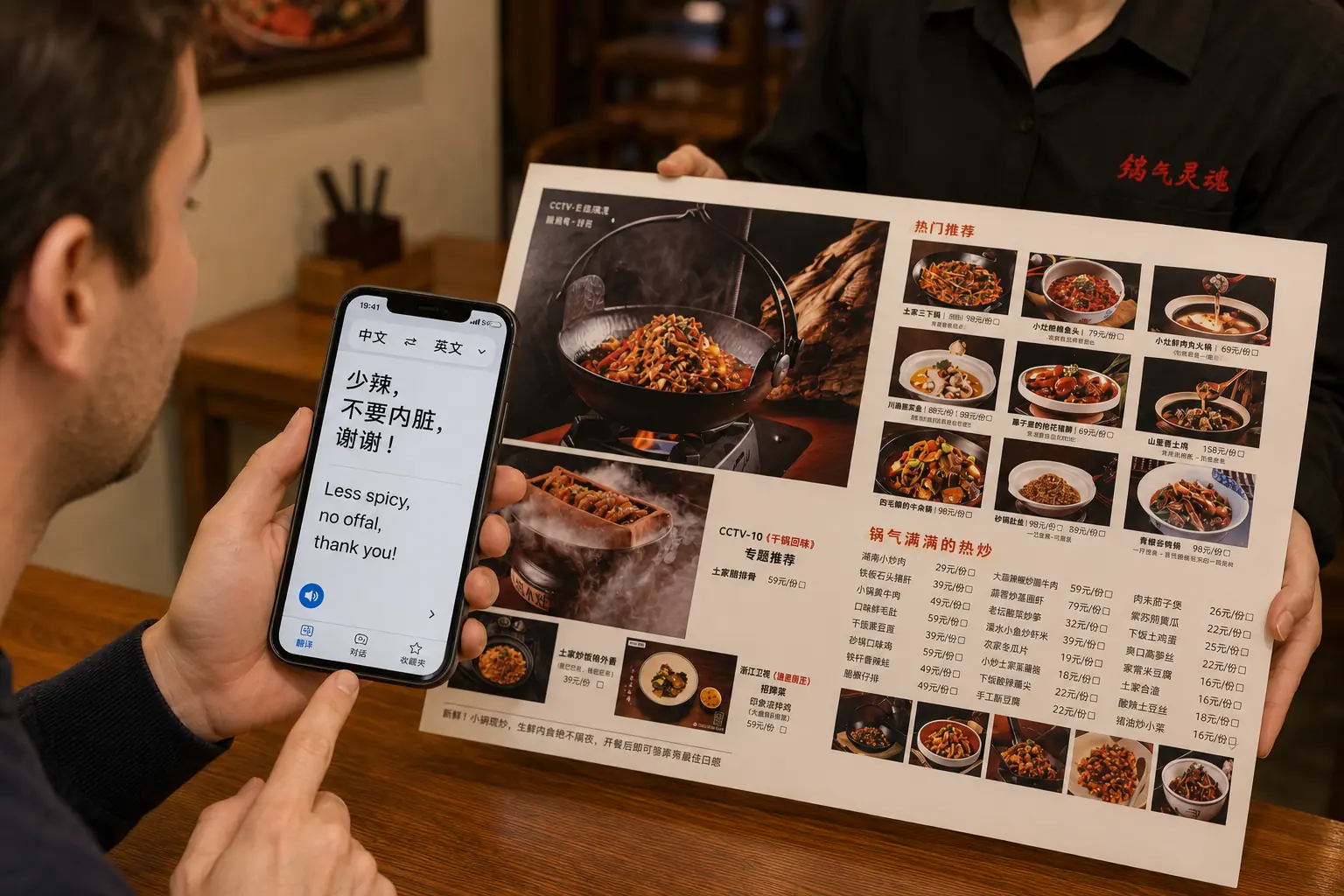
| English | Chinese | Pinyin | Say It Like… |
|---|---|---|---|
| Use less chili | 少放辣 | shao fang la | Shaow fahng lah |
| Not too spicy | 不要太辣 | bu yao tai la | Boo yow tie lah |
| No offal or organs | 不要内脏 | bu yao nei zang | Boo yow nay dzahng |
| No pork | 不要猪肉 | bu yao zhu rou | Boo yow joo roh |
| Do you have vegetarian dishes? | 有素菜吗? | you su cai ma | Yo soo tsai mah |
| Does this contain peanuts? | 这个有花生吗? | zhe ge you hua sheng ma | Juh-guh yo hwah-shung mah |
Vegetarian and Allergy Notes
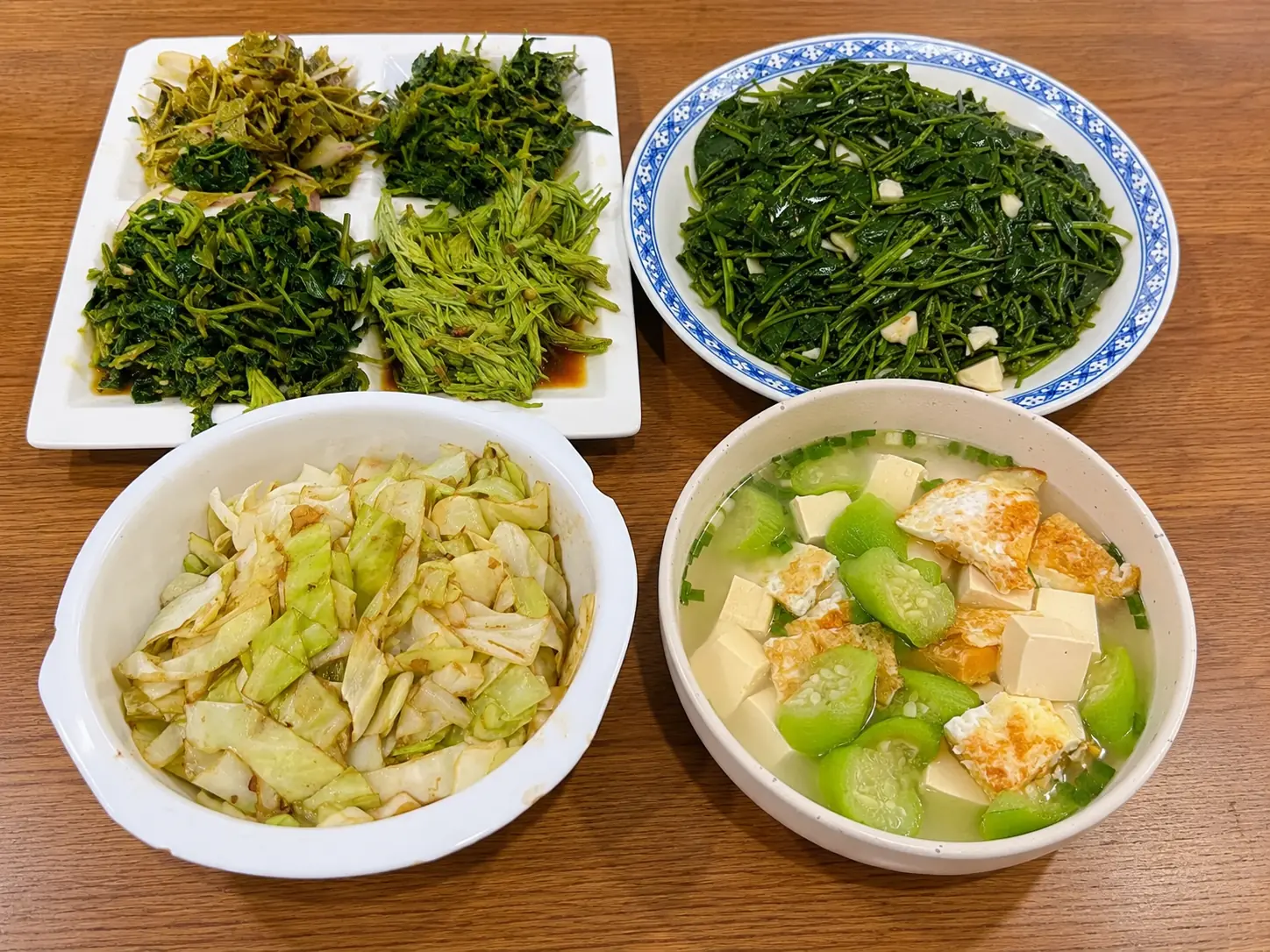
Vegetarians can eat in Zhangjiajie, but it takes active ordering. Choose plain greens, tofu, mushrooms, potatoes, egg, rice, and noodle dishes only after checking for pork oil, chicken powder, bacon, or meat stock.
For allergies, be more careful than usual. Peanuts, sesame, chili oil, soy sauce, wheat, shellfish, and hidden broth can show up in sauces or as background ingredients. If your allergy is serious, bring a translated allergy card and avoid mixed dry pots.
Skip the exotic-animal checklist
Some older food lists mention baby fish or giant salamander dishes. Do not make that a travel goal. Stick to normal Tujia dishes such as three-pot stew, smoked bacon, rock-ear chicken, vegetables, noodles, and tea.
Common Zhangjiajie Food Mistakes Most Visitors Make
- Building the day's main meal inside the park. Inside-park food is convenient, not the Zhangjiajie food experience. Carry snacks and eat properly after exit.
- Ordering three heavy dishes at once. Three-pot stew, smoked bacon, and barbecue together can become too salty and smoky. Add soup, greens, rice, or sour pickles.
- Ignoring where you are sleeping. Wulingyuan and downtown Zhangjiajie are not interchangeable dinner zones after dark. Choose meals near your base.
- Assuming Tujia means mild. Tujia dishes can be smoky, sour, and spicy. Ask for less chili if you are unsure.
- Trusting translation-app dish names alone. 三下锅 may become something strange like "three times pot." Look for the Chinese characters and ask what meats are included.
- Buying souvenirs before comparing. Berry tea, dried mushrooms, chili products, kudzu powder, and smoked goods vary a lot in price and packaging quality.
Match Your Hotel Base to Your Dinner Zone
Because Wulingyuan and downtown Zhangjiajie sit roughly 45–60 minutes apart by road, where you book your hotel directly decides which Tujia dinner streets are walkable after a long scenic day.
Affiliate disclosure: the Trip.com hotel links below are affiliate links; we may earn a commission at no extra cost to you. Check exact gate distance, recent guest reviews, and cancellation rules before booking.
Stay in Wulingyuan (Park-Day Dinners)
Best for Xibu Street & Forest Park
Exit Zhangjiajie National Forest Park's East Gate and walk straight to Wulingyuan Town restaurants and Xibu Ancient Street for three-pot stew, rock-ear chicken, and easy post-hike snacks.
Booking tip: Staying near Wulingyuan Landmark Gate lets you grab early breakfast before entering the park and avoid late-evening mountain transfers.
Stay Near Tianmen Cableway (Downtown)
Best for arrival nights & Tianmen days
Gives you direct access to casual downtown noodle shops, late-night barbecue streets, and early starts for Tianmen Mountain, Zhangjiajie West trains, or flights.
Booking tip: Choose a hotel within a 10-minute walk of Tianmen Mountain Cableway Station so breakfast and dinner both stay effortless on foot.
For full neighborhood advice and scenic-area routing, see our Zhangjiajie travel guide.
Frequently Asked Questions
Try Tujia three-pot stew, especially if you can share it with one or two other people. Ask what meats are included and request less chili if needed. Add rice and one vegetable dish so the meal stays balanced.
Sources checked for this guide
- Hunan Provincial Department of Culture and Tourism recommendations checked for Zhangjiajie Tujia dining and regional specialties: Hunan Culture and Tourism: Zhangjiajie food
- China Daily feature checked for western Hunan and Zhangjiajie Tujia mountain culinary traditions including smoked meats and Sanxiaguo: China Daily: Western Hunan and Tujia cuisine
Beyond This Guide
Zhangjiajie food works best when it follows the route: Wulingyuan meals after Zhangjiajie National Forest Park, downtown dinners after Tianmen Mountain, and lighter planning around transfer days. If your Hunan trip continues, pair this guide with Changsha Food Guide, Furong Town, and Fenghuang Ancient Town so the food changes with the landscape instead of repeating the same meal in every town.
© gochinafreely.com — Original guide by Go China Freely.