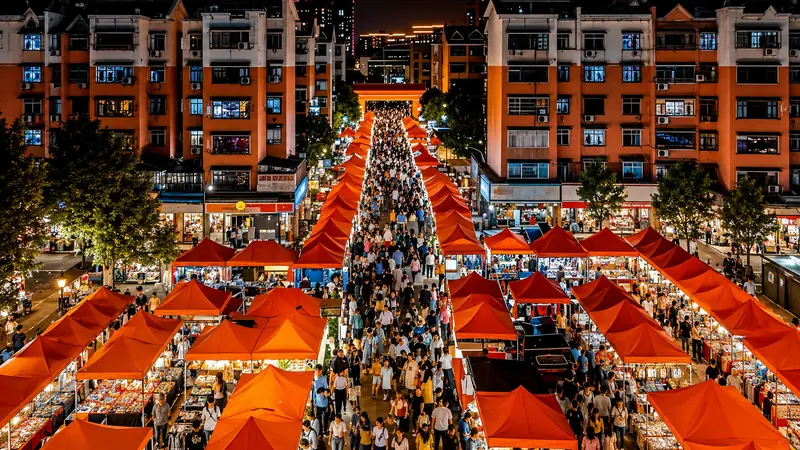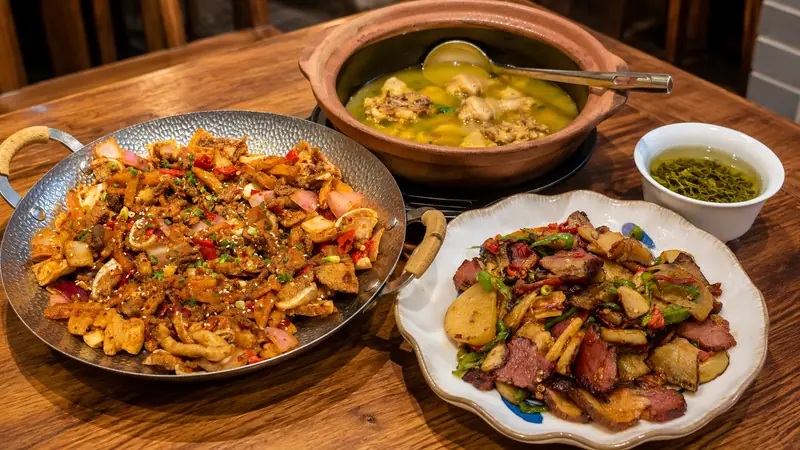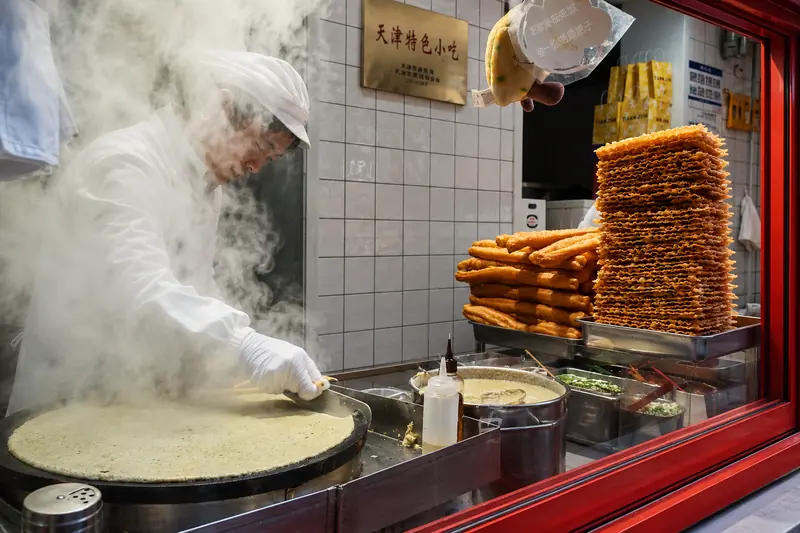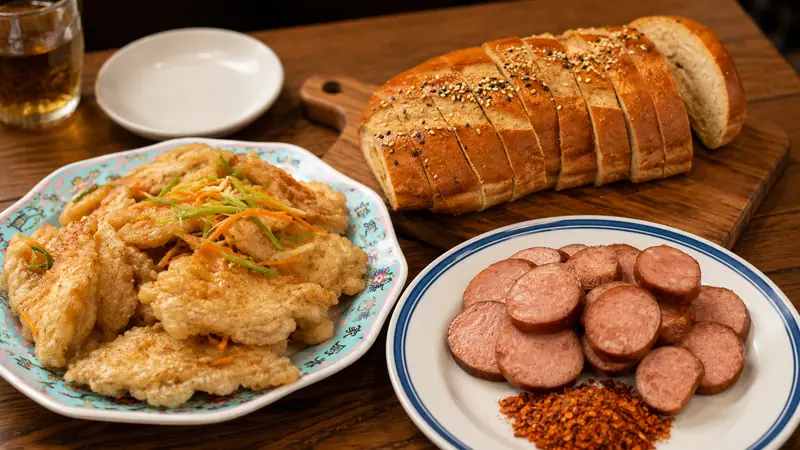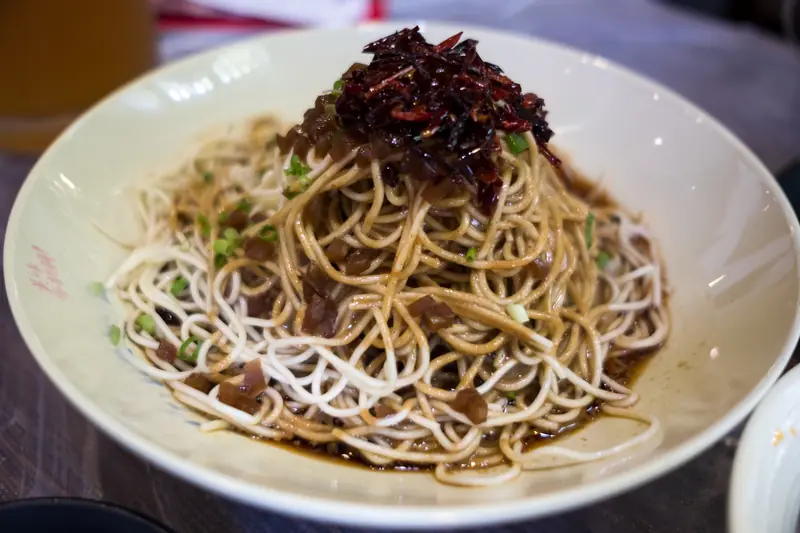
Wuhan (武汉) wakes up hungry. The local morning ritual, 过早, can mean hot dry noodles (热干面) in a paper bowl at 7 AM, golden three-fresh tofu-skin rice squares (三鲜豆皮), or fish-bone rice noodles eaten standing before the metro. This guide keeps the focus on what travelers actually need: which breakfast dishes to recognize, where to eat by neighborhood, how to order without overdoing chili or sesame, and what to save for lunch, dinner, and late-night Hankou.
Executive Summary
What to expect
A breakfast-first city built around hot dry noodles, doupi, mianwo, fish-bone rice noodles, lotus-root soup, Wuchang fish, duck neck, and summer crayfish. Flavors are bolder than Shanghai, less numbing than Sichuan, and less aggressively chili-hot than Hunan.
Best first meal
Start early with hot dry noodles, one doupi square, and a mianwo or fish-bone rice noodle bowl. Do not make your first Wuhan meal a formal restaurant dinner.
Main traveler challenge
The hard part is not finding food. It is choosing the right area: tourist-friendly Hubu Alley, more local Liangdao Street, or Hankou night-snack blocks such as Wansongyuan and Jiqing Street.
Wuhan Breakfast Culture Starts Before 9 AM
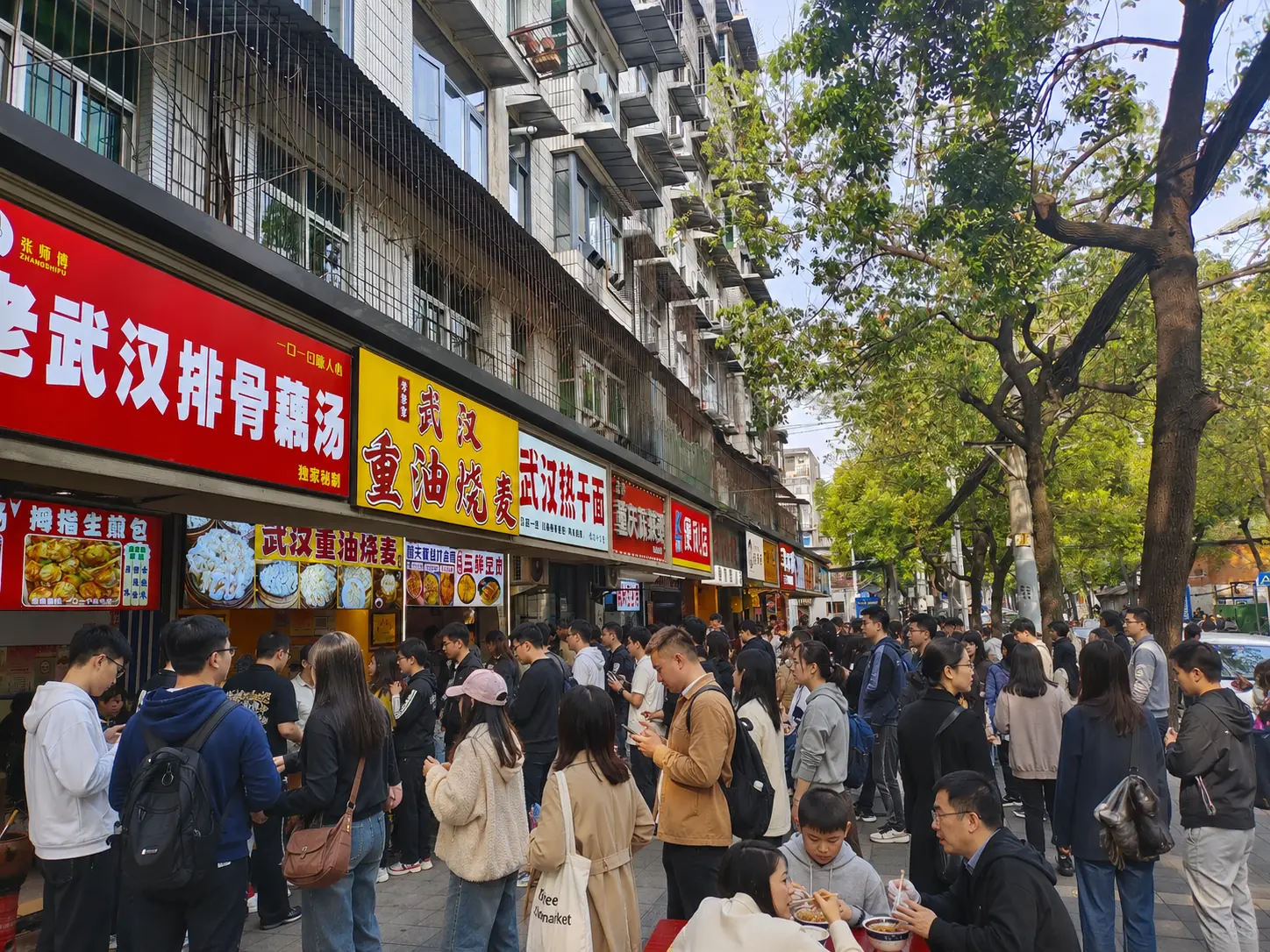
Wuhan breakfast is not a hotel buffet habit. It is a street rhythm called 过早: get out early, eat fast, and move on with your day. A government-hosted China Daily page links the expression to the 1850 poem Hankou Bamboo and explains how Wuhan commerce pushed people toward quick street breakfasts before work.
That background matters because Wuhan breakfast does not behave like Cantonese yum cha or a northern baozi-and-congee morning. It is heavier, faster, and more carb-driven: alkaline noodles, glutinous rice, fried dough, fish-bone broth, peppery fillings, sesame paste, pickled vegetables, and bowls designed to keep dock workers, commuters, and students full.
For foreign travelers, this is the reason Wuhan is worth a food stop. If your idea of Chinese breakfast is steamed buns or hotel rice porridge, Wuhan gives you a completely different morning: bowls being mixed in ten seconds, steamers opening on the sidewalk, and locals eating while walking to the metro.
Go early for the real breakfast scene
Aim for 7:00-9:00 AM. By late morning, some stalls still sell food, but the street energy and the best fresh batches have already passed.
Hot Dry Noodles: Order, Mix, Eat

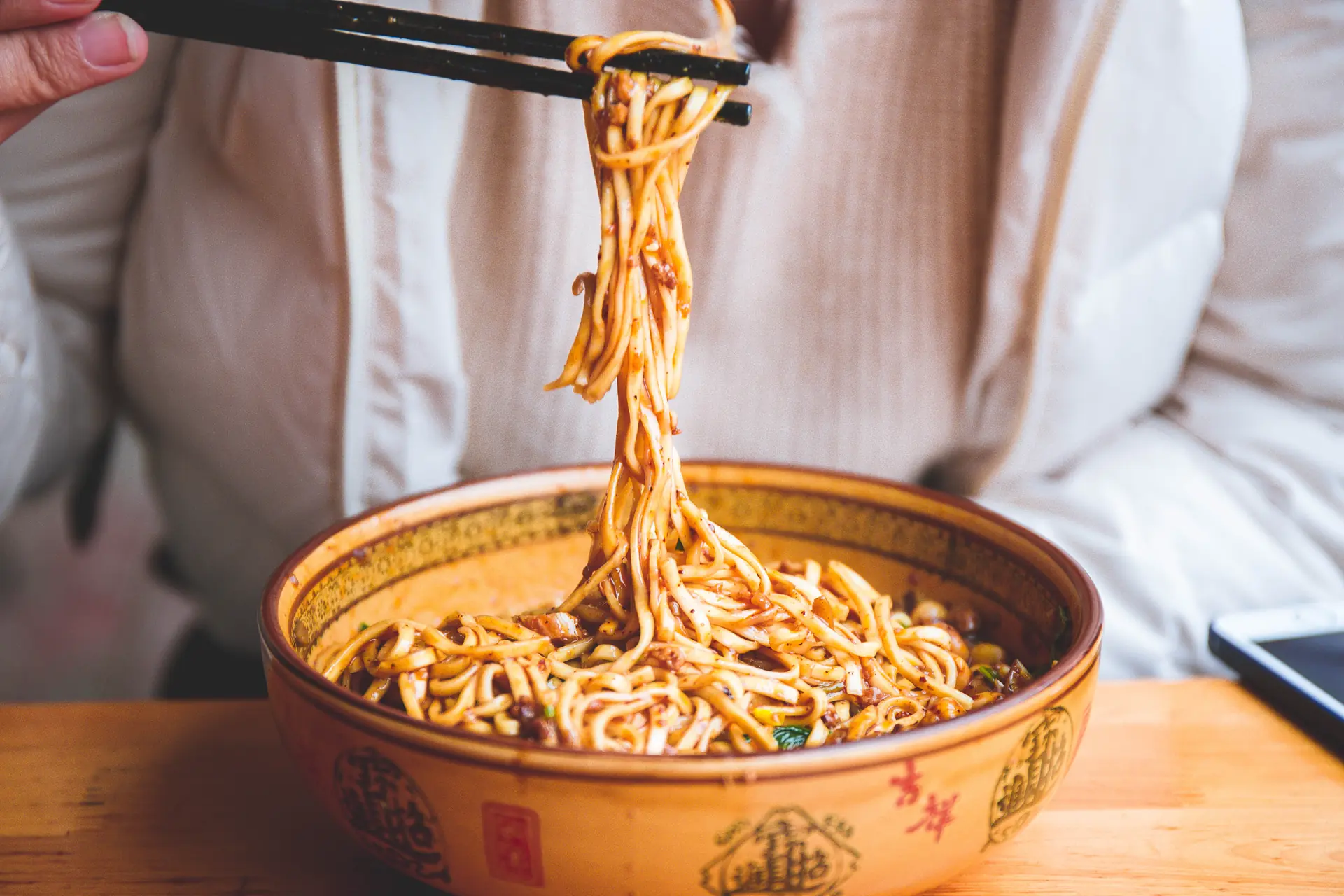
Hot dry noodles (热干面) are the Wuhan entry point. They are not soup noodles and not cold noodles. Fresh alkaline noodles are cooked, cooled, oiled so they stay springy, then briefly reheated before being tossed with sesame paste, soy-based seasoning, scallions, pickled beans or radish, and optional chili oil. Wuhan municipal travel coverage describes hot dry noodles as an essential local breakfast and outlines the same broad preparation.
The eating technique is simple but time-sensitive: mix immediately. The sauce sits at the bottom and the sesame paste thickens fast. Lift from the base of the bowl, turn the noodles over, and keep folding until every strand is coated. If you let the bowl sit while taking photos, the noodles can clump.
First order: plain hot dry noodles, mild chili, no extra toppings. If the bowl feels too dry, pair it with soy milk, egg rice wine, or a small soup. Do not ask the vendor to turn it into soup noodles; that changes the dish.
¥6-15
Typical bowl
7-9 AM
Best window
0-2 / 5
Adjustable chili
Sesame
Main allergy
Use the price as a casual-stall budget cue, not a promise. Tourist areas, chain branches, premium toppings, and future price changes can push a bowl higher.
Sesame is not optional here
Classic hot dry noodles are built around sesame paste. If sesame is a serious allergy, skip the dish instead of asking a busy stall to remove the core sauce.
Wuhan Breakfast Dishes Beyond Hot Dry Noodles
Only eating hot dry noodles gives you the headline but misses the city. Official Wuhan food-tourism coverage names hot dry noodles, doupi, soup buns, Chinese salty doughnuts, Wuchang fish, crayfish, duck neck, lotus-root pork rib soup, and several food streets as part of the city food identity. Use the table below as your first-morning ordering map.
| What to Order | Chinese | What It Is | Best First Move |
|---|---|---|---|
| Hot Dry Noodles | 热干面 | Dry-mixed alkaline noodles with sesame paste, scallion, pickles, and optional chili oil | Order mild and mix at once |
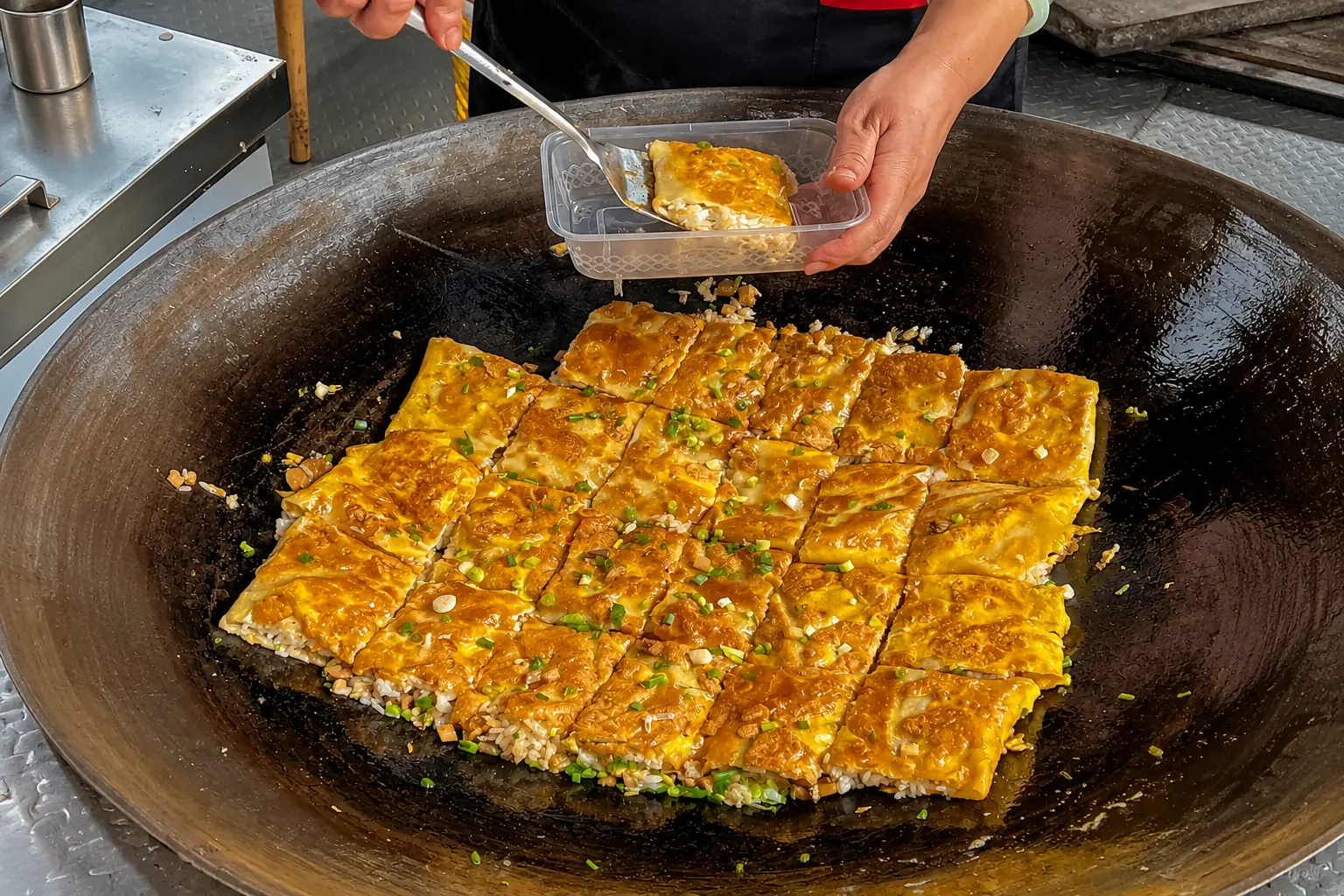
| Three-Fresh Doupi | 三鲜豆皮 | Pan-fried egg-and-bean skin wrapped around glutinous rice, pork, mushroom, and bamboo shoot | Buy one square to share |
| Mianwo | 面窝 | Savory fried dough ring, crisp on the edge and softer in the center | Pair with soup or soy milk |
| Fish-Bone Rice Noodles | 糊汤粉 | Peppery rice noodles in thick fish-bone broth, usually eaten with fried dough | Best if you like pepper |
| Wuhan Shaomai | 烧麦 | Thick-skinned steamed dumplings, often filled with sticky rice, pork, and black pepper | Order fewer than you think |
| Soup Buns | 汤包 | Juicy steamed buns associated with old Wuhan brands such as Sijimei | Let them cool before biting |
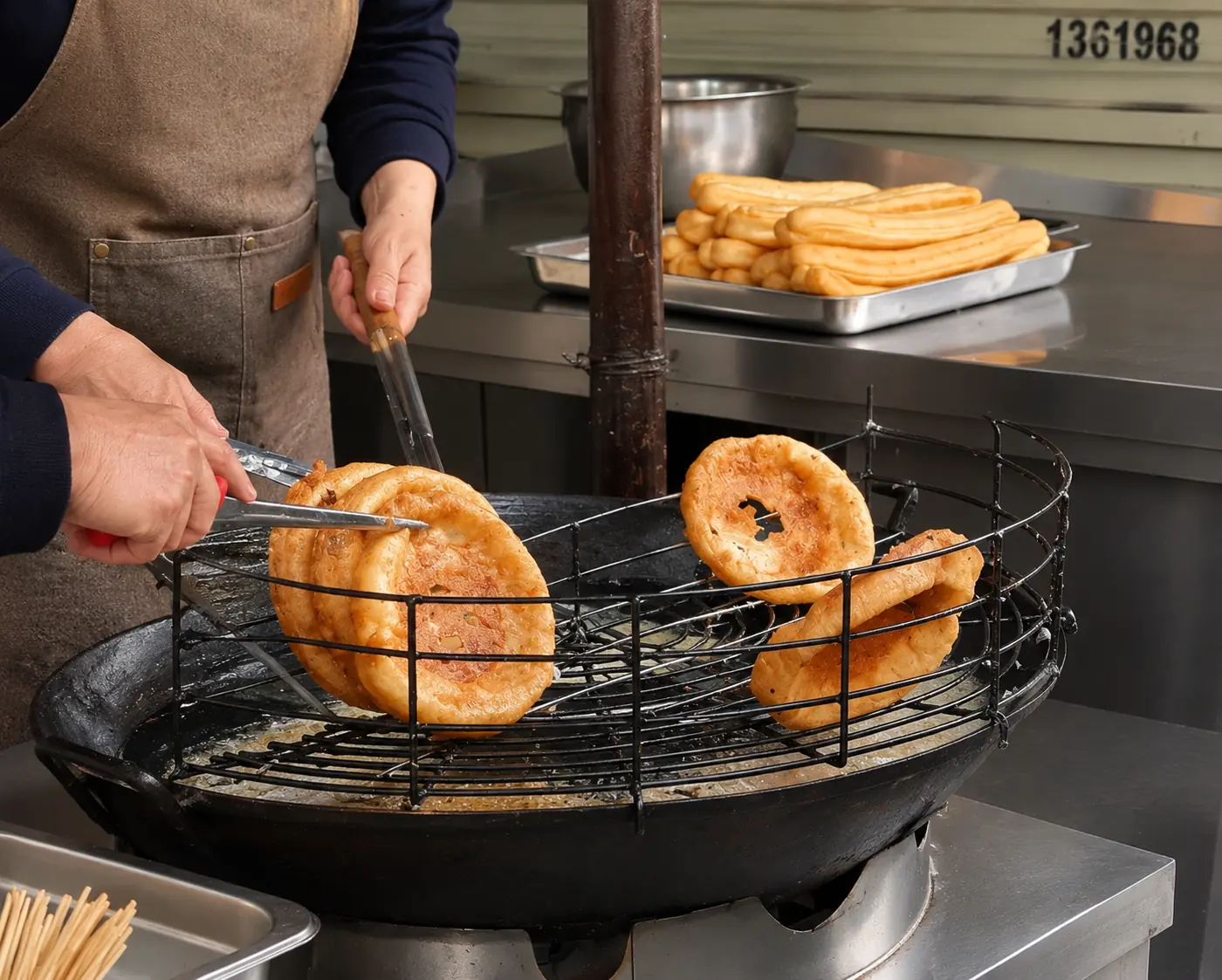
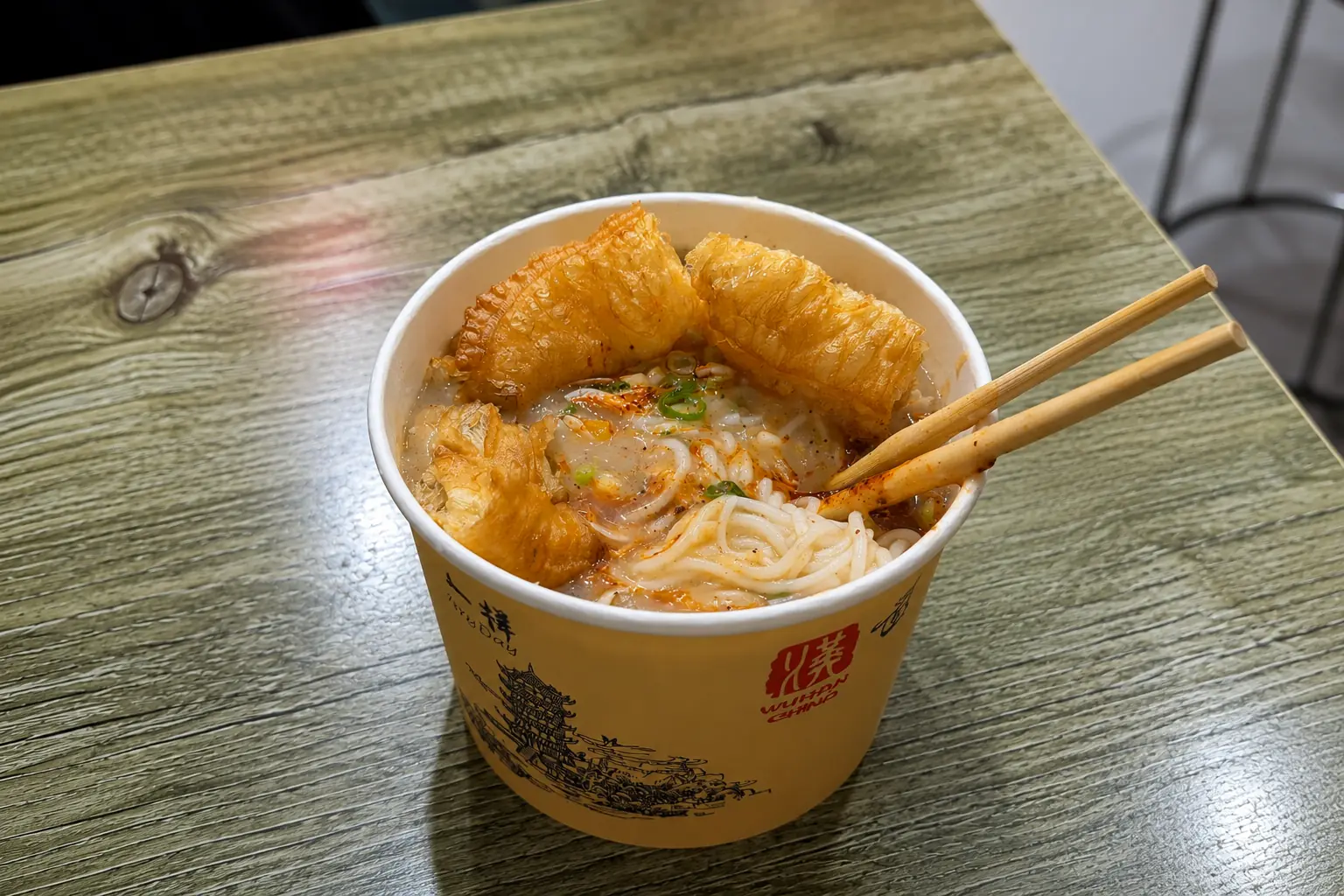
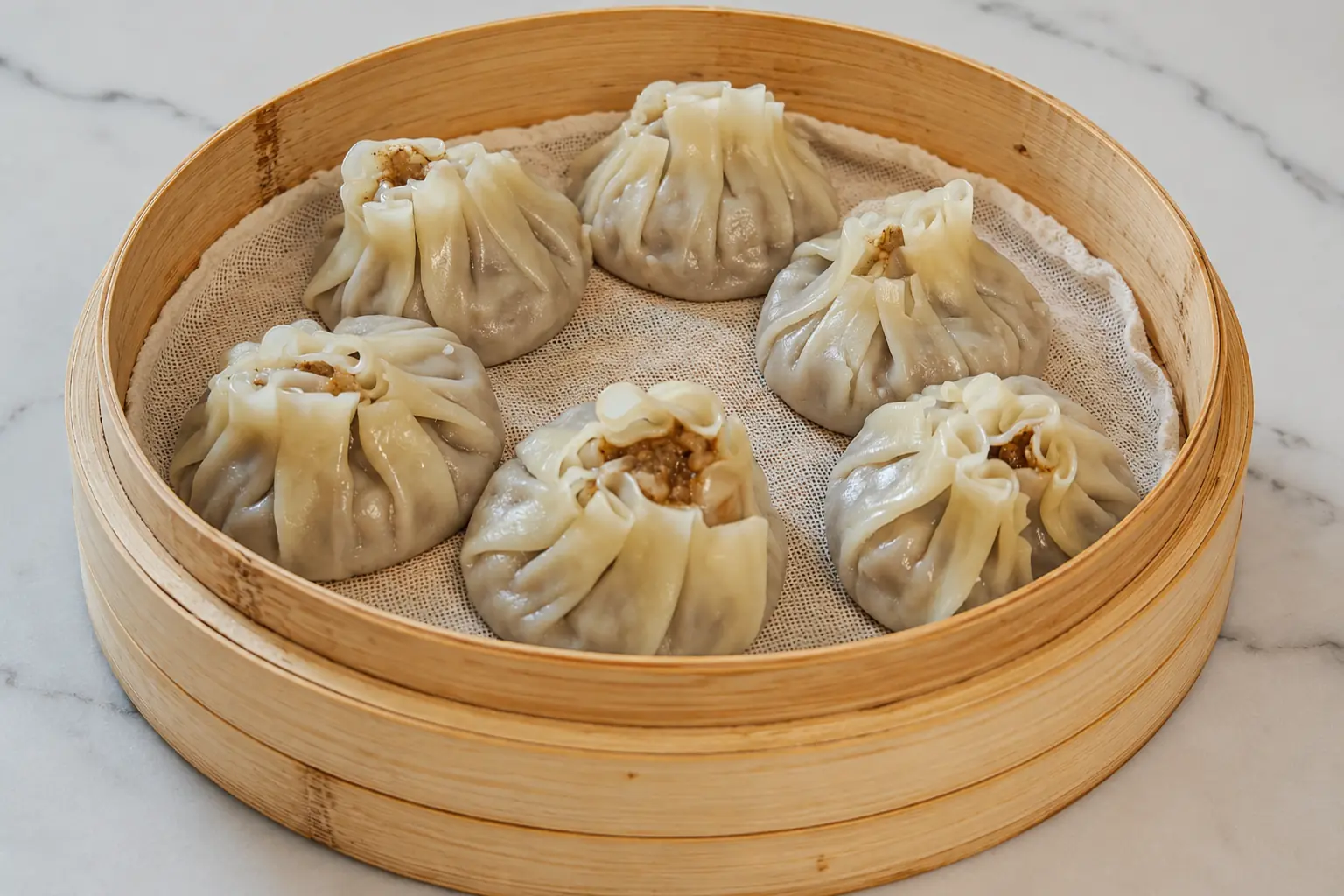
How much to order
For two people, start with one bowl of hot dry noodles, one doupi portion, one mianwo, and either fish-bone rice noodles or shaomai. Wuhan breakfast portions are heavier than they look.
Where to Eat in Wuhan by Area
Wuhan is spread across the Yangtze and Han rivers, so the best food area is usually the one that fits your sightseeing route. Chasing one famous bowl across the river can cost more time than the meal is worth.
Hubu Alley (户部巷) (Google | Amap)
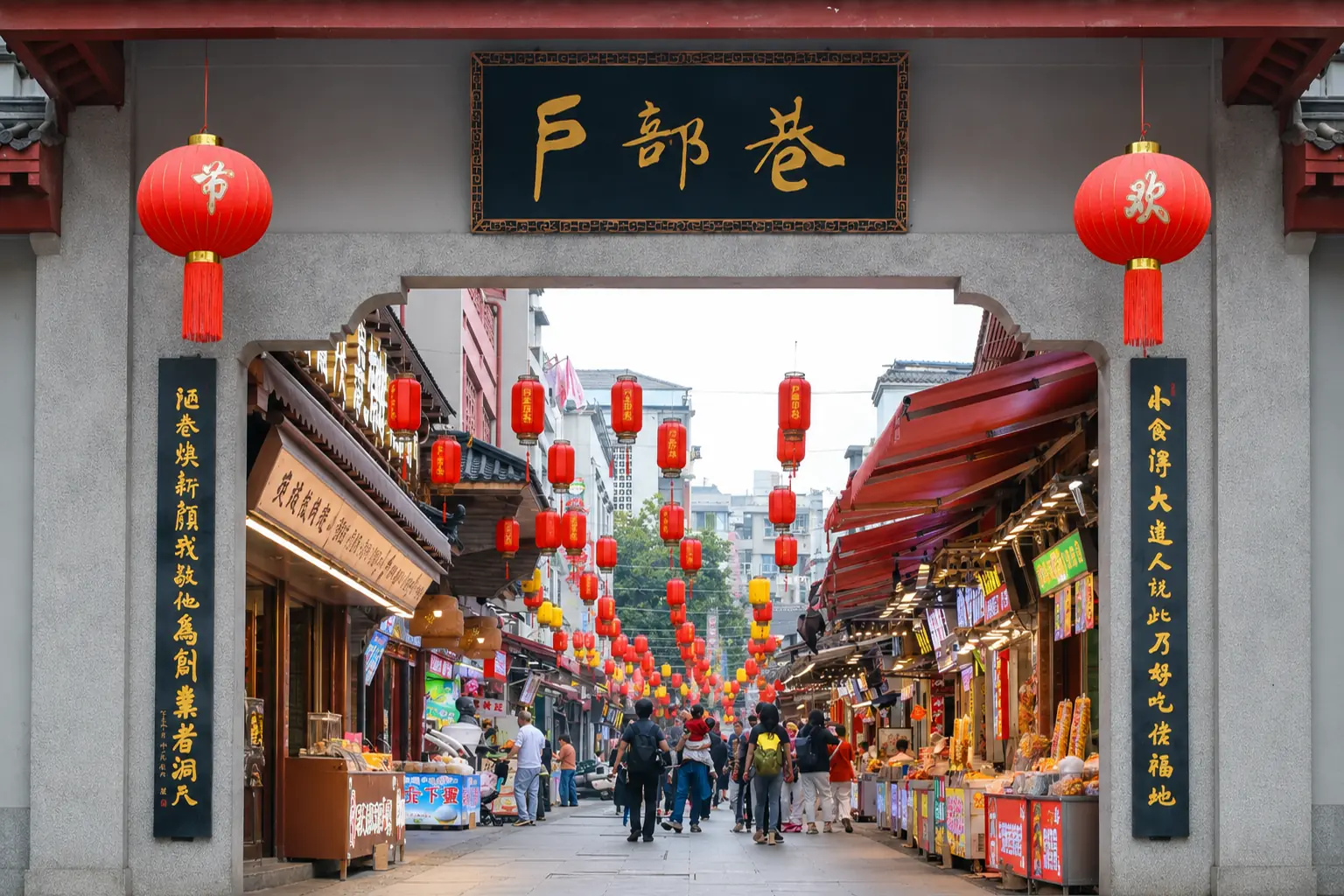
Hubu Alley is the easiest first stop if your day already includes Yellow Crane Tower (黄鹤楼), the Wuhan Yangtze River Bridge (武汉长江大桥), or Wuchang riverside sights. The official Wuhan tourism page calls Hubu Lane a symbol of Wuhan snacks and names long-standing shops linked with Cailinji hot dry noodles, Laotongcheng doupi, and Sijimei soup buns.
Use Hubu Alley as a sampler, not as the final judgment on Wuhan food. It is convenient, visible, and crowded. Eat two or three classics, then move on.
Liangdao Street (粮道街) (Google | Amap)
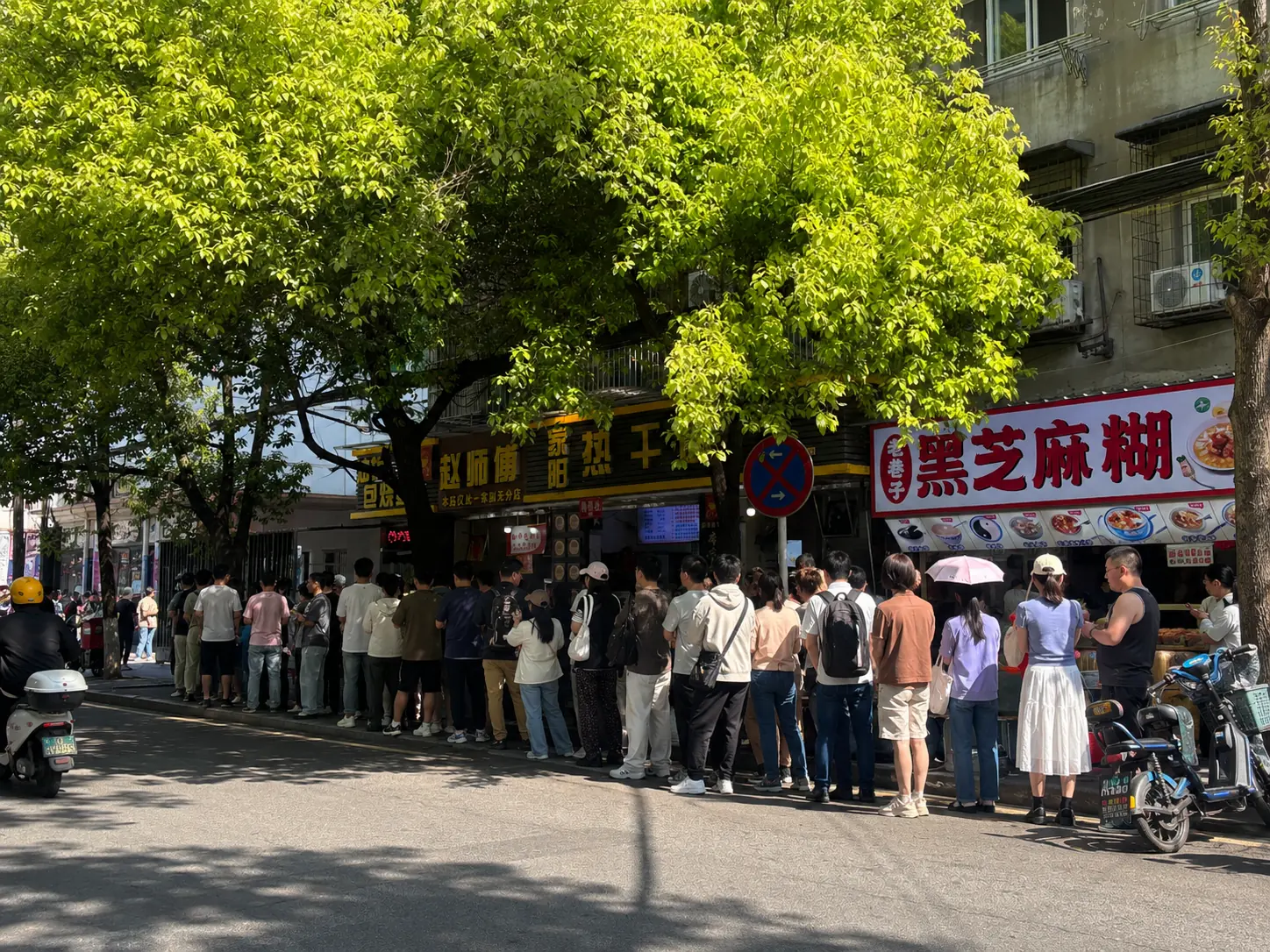
Liangdao Street is better for a local breakfast feel while staying close to Yellow Crane Tower and Tanhua Lin (昙华林). Come in the morning for hot dry noodles, fried dough, doupi, fish-bone rice noodles, and small shops with fast queues. It is more useful for travelers who want the breakfast atmosphere without building the entire morning around one famous brand.
Wansongyuan and Xuesong Road (Google | Amap) (Google | Amap)
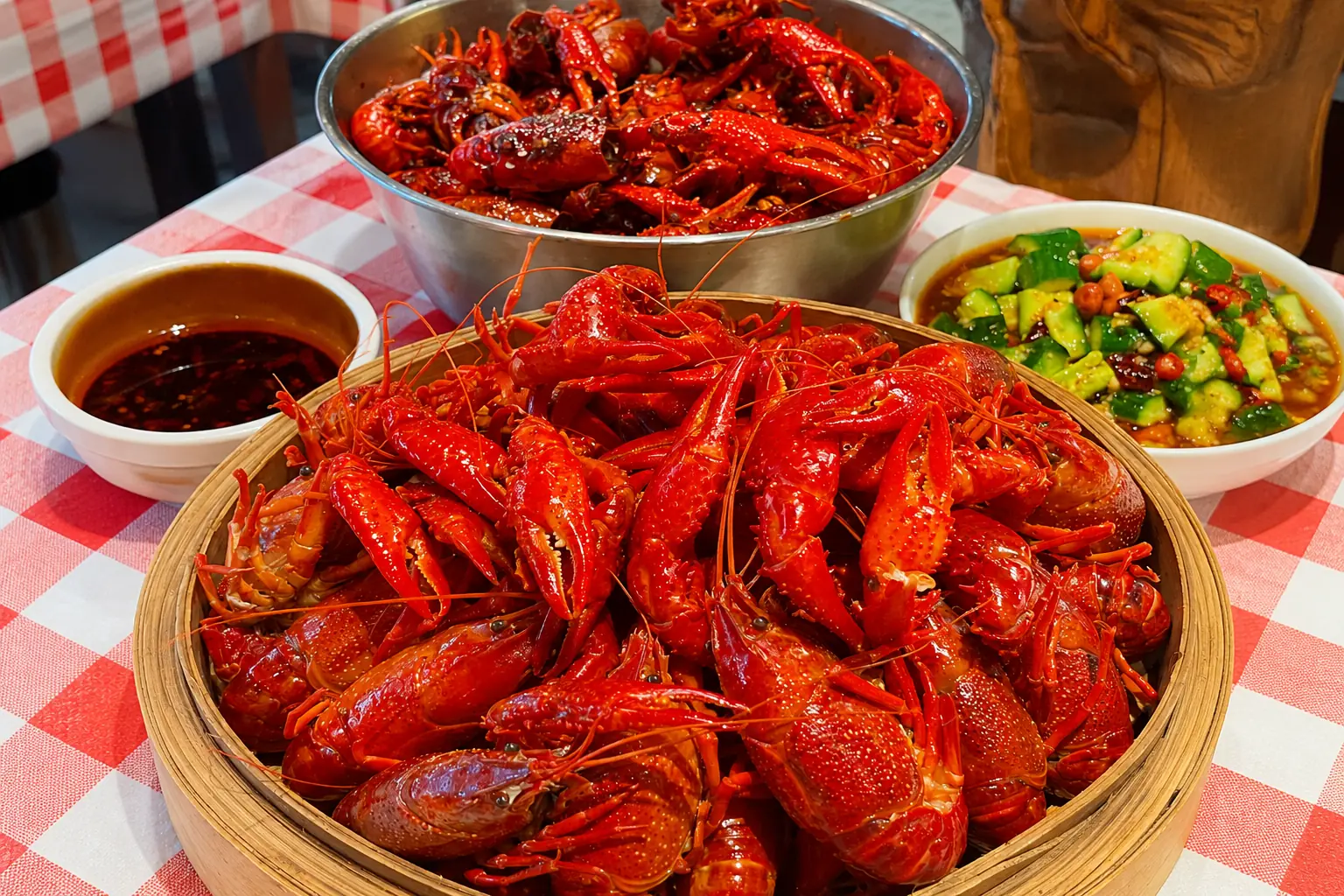
Wansongyuan (万松园) and nearby Xuesong Road (雪松路) belong more to the Hankou dinner and late-night map. Think crayfish in season, Hubei home-style restaurants, barbecue, dessert shops, and queues that make more sense after sunset than at breakfast.
Jiqing Street (吉庆街) (Google | Amap)
Jiqing Street works well after a Hankou riverside walk or a Zhiyin Hao (知音号) evening. It is not the deepest breakfast street, but it is a practical night-snack area if you are staying in Hankou or finishing an evening activity nearby.
Lunch, Dinner, and Late-Night Wuhan Food
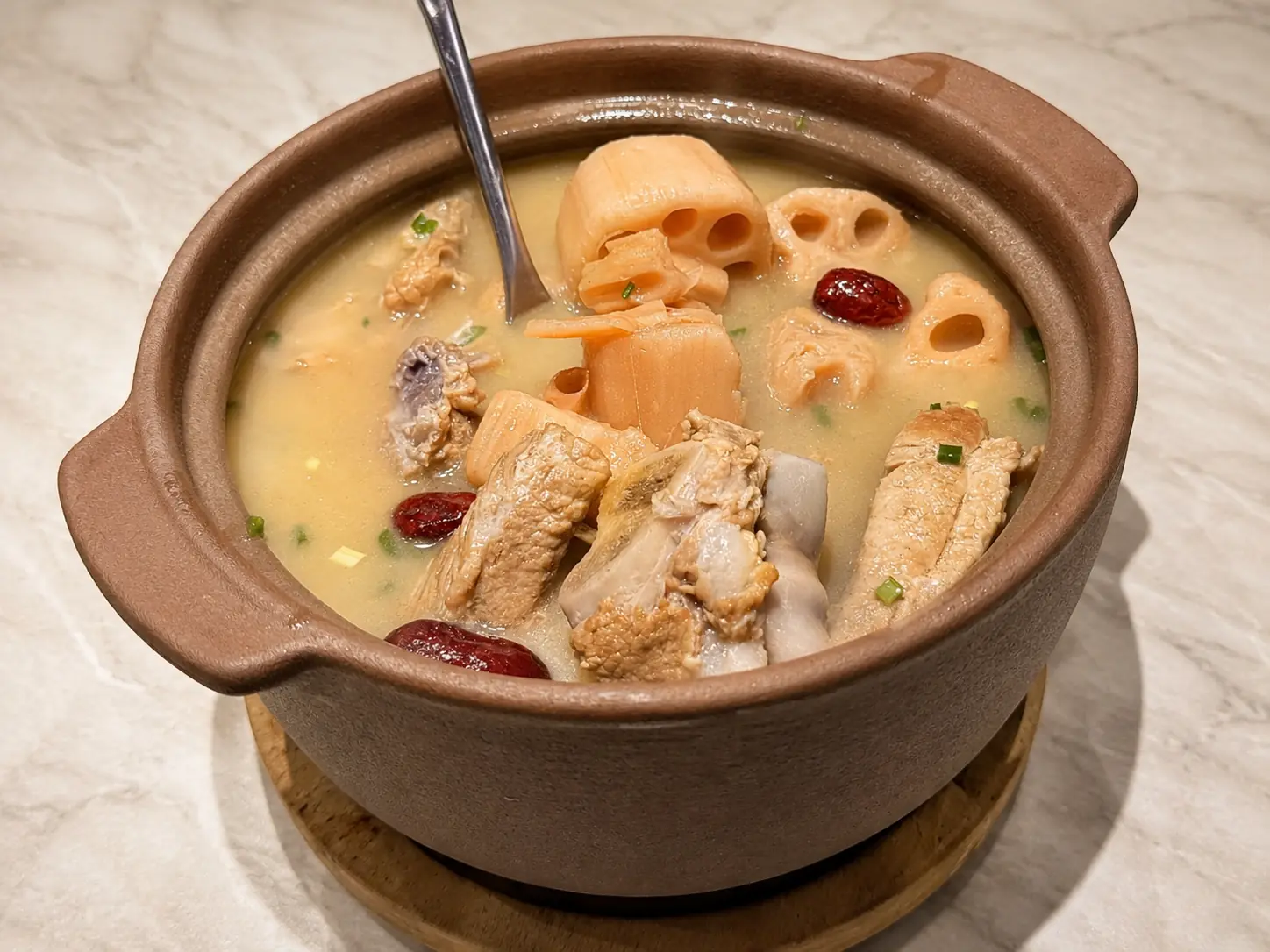
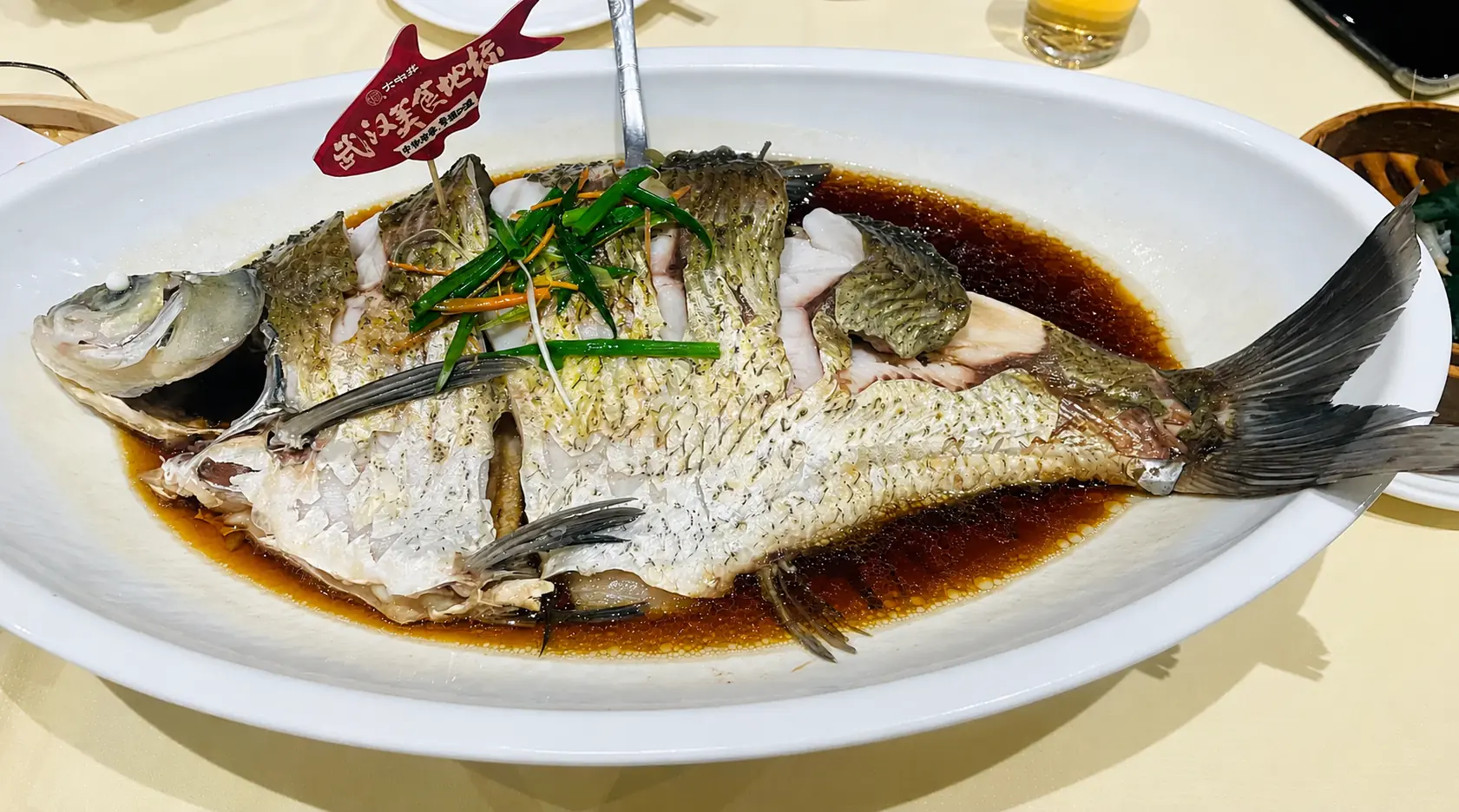
After breakfast, shift from street staples to Hubei comfort dishes. Lotus-root pork rib soup (莲藕排骨汤) is the safest sit-down order: light, sweet, and useful when you need a break from oil and pepper. Wuchang fish (武昌鱼) is the formal-table classic, usually steamed or braised. Wuhan municipal coverage notes Wuchang fish history going back to the Three Kingdoms period and also highlights lotus-root soup as a Hubei staple.
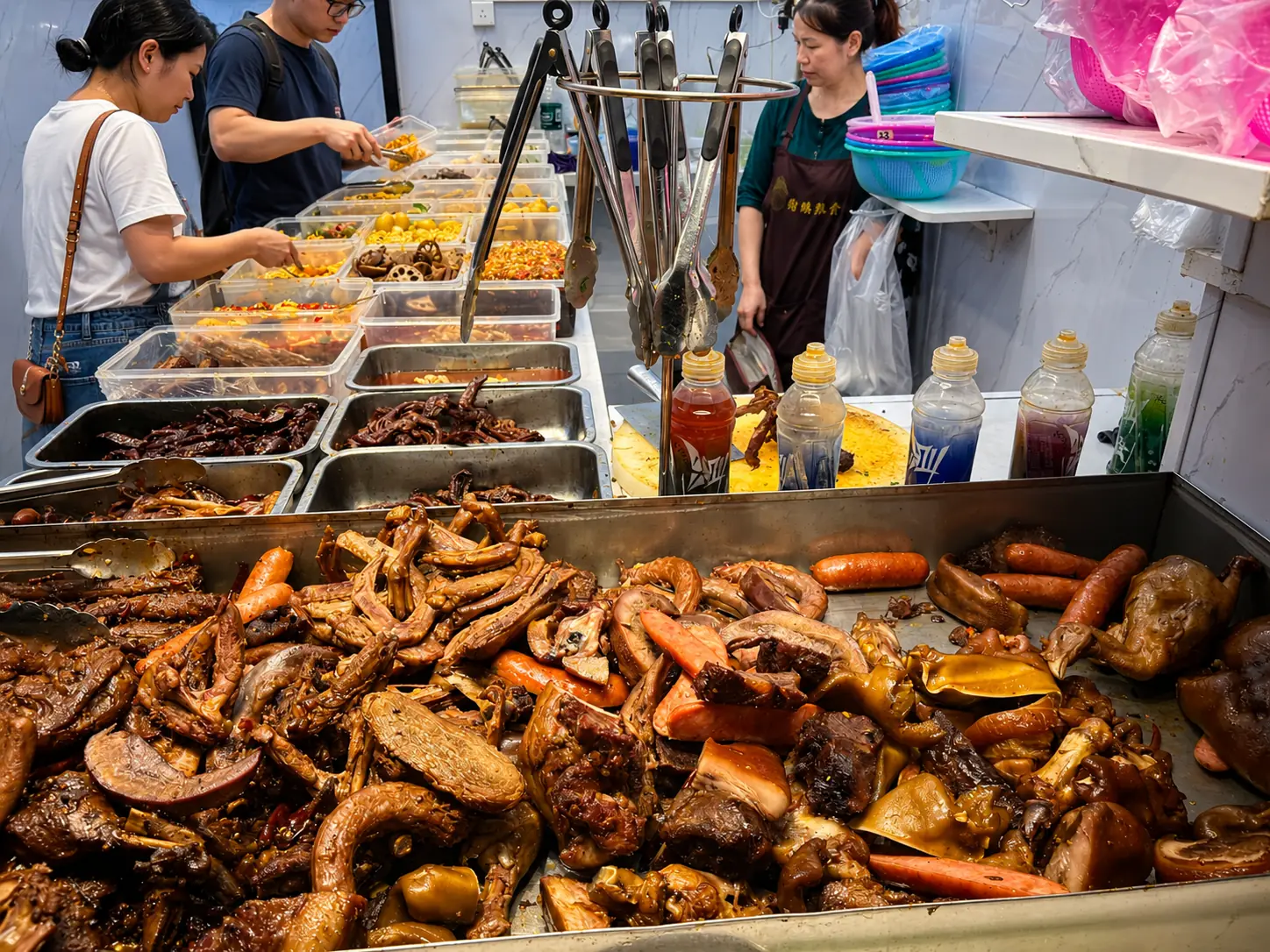
Duck neck (鸭脖) is a snack, not dinner. Buy a small pack first; the flavor is spicy, braised, aromatic, and bone-heavy. Zhou Hei Ya and Jingwu-style shops are easy to find, but the eating experience is messy if you are walking with luggage or wearing light clothes.
Summer crayfish is a separate decision. In peak season, Hankou restaurants can run long waits and prices may shift by size, weight, or set menu. Confirm whether the price is per jin, per portion, or per set before ordering. Two or more people make crayfish more worthwhile; solo travelers often do better with a smaller snack crawl.
Best meal rhythm for one day
Breakfast in Wuchang, museum or Yellow Crane Tower in the day, then dinner or late snacks in Hankou. That pattern avoids crossing the river only for food.
Ordering, Spice, and Dietary Notes in Wuhan
Breakfast stalls move quickly. Watch the queue, decide before you reach the counter, and order by dish name plus quantity. Many stalls accept mobile payment, but smaller older shops may still be easier if you have a China-ready payment app set up before the trip.
| English | Chinese | Pinyin | Say It Like… |
|---|---|---|---|
| One bowl of hot dry noodles, please | 请给我一碗热干面 | qǐng gěi wǒ yī wǎn rè gān miàn | ching gay woh ee wahn ruh gahn myen |
| Less chili, please | 少放辣椒 | shǎo fàng là jiāo | shaow fahng lah jyaow |
| No cilantro, please | 不要香菜 | bú yào xiāng cài | boo yaow shyahng tsai |
| Does this have pork? | 这个有猪肉吗? | zhè ge yǒu zhū ròu ma? | juh guh yo joe roe mah |
| Can I get this to go? | 可以打包吗? | kě yǐ dǎ bāo ma? | kuh ee dah baow mah |
Food restrictions need extra care in Wuhan. Classic hot dry noodles contain sesame. Doupi and shaomai usually contain pork. Fish-bone rice noodles are not vegetarian. Duck neck and crayfish often carry chili and spice blends. If you are vegetarian, allergic to sesame or peanuts, or avoiding pork, choose sit-down restaurants when possible because staff have more time to answer.
Wuhan Food Mistakes First-Timers Should Avoid
- Starting too late: Wuhan breakfast is strongest in the morning. After 10 AM, the choice narrows and the atmosphere changes.
- Treating Hubu Alley as the whole city: Hubu Alley is useful and historic, but it is not the only food answer. Add Liangdao Street for breakfast or Hankou for night snacks.
- Ordering every breakfast item per person: Hot dry noodles, doupi, shaomai, and fish-bone rice noodles are filling. Share first, then repeat what you like.
- Crossing the river for one famous shop: Wuhan traffic and bridge crossings can turn a simple meal into a detour. Eat by zone unless a restaurant is central to your day.
- Ignoring sesame and pork: The most famous Wuhan breakfast dishes are not friendly to every diet. Ask before ordering if those ingredients matter.
Frequently Asked Questions
Wuhan is most famous for hot dry noodles, but the fuller food picture includes 过早 breakfast culture, three-fresh doupi, mianwo, fish-bone rice noodles, shaomai, duck neck, lotus-root pork rib soup, Wuchang fish, and summer crayfish.
Sources checked for this guide
- Wuhan Municipal Government English guide checked for Hubu Alley snack-street location near Yellow Crane Tower and traditional morning vendors: Wuhan Municipal Government: Hubu Alley
- Wuhan Municipal Government feature checked for local guozao breakfast traditions and classic Wuhan dishes: Wuhan Municipal Government: Wuhan food culture
Beyond This Guide
Wuhan food works best when it is tied to your route: Yellow Crane Tower plus Hubu Alley, Tanhua Lin plus Liangdao Street, Hubei Provincial Museum plus a lighter lunch, or Zhiyin Hao plus Hankou night snacks.
Explore more in Wuhan:
- Yellow Crane Tower Visitor Guide
- Bianzhong Chime Bells at Hubei Provincial Museum
- Zhiyin Hao Wuhan Immersive Show Guide
- Wuhan Destination Guide
- Hot Dry Noodles (Reganmian) Guide — join Wuhan's sesame-paste breakfast ritual (guozhao) like a local
© gochinafreely.com — Original guide by Go China Freely.