Datong is not a half-day stop for Yungang Grottoes alone. It is where northern China feels carved into sandstone, bolted to cliffs, rebuilt into city walls, and served in bowls of knife-cut noodles after dark. This guide helps first-time independent travelers choose the Datong experiences worth building around, instead of turning one of Shanxi's richest cities into a rushed transfer.

1-3 days
Best Trip Length
Yungang first
Core Priority
Old City
Best Base
North Shanxi
Route Context
First-Time Datong: Start Here
Datong looks simple on a map, but the travel day spreads quickly. Yungang Grottoes sit west of the city, the Hanging Temple (悬空寺) and Mount Hengshan (恒山) pull you toward Hunyuan County (浑源县), Yingxian Wooden Pagoda (应县木塔) sits farther south, and the old city holds Huayan Temple, Shanhua Temple, the Nine-Dragon Wall, the Drum Tower, dinner, and evening walks.
One day
Best for: a tight Beijing or Shanxi pass-through.
Choose Yungang Grottoes, then return to the old city for Huayan Temple, the Nine-Dragon Wall, city-wall lights, and dinner. Do not treat the Hanging Temple as an easy casual add-on.
Two days
Best for: most first-timers.
Use one day for Yungang and the old city. Use the other for the Hanging Temple plus Yingxian Wooden Pagoda by hired car or a carefully planned transfer.
Three days
Best for: architecture lovers and slower Shanxi routes.
Add Shanhua Temple, Datong Museum, Mount Hengshan, or a wider Shanxi link toward Mount Wutai, Taiyuan, Pingyao, or the merchant courtyards.
This guide is best for first-time Datong visitors, Beijing-based travelers deciding whether to stay overnight, culture-focused families, photographers, and anyone building a northern Shanxi route. It is less useful if you only want a single-site ticket guide; use our deeper Yungang, Hanging Temple, and Wooden Pagoda guides for that layer.
Datong Is a Northern Frontier City
Datong is often introduced through individual monuments, but the city makes more sense when you read it as a frontier capital layered over time. It was Pingcheng (平城), capital of the Northern Wei (北魏); later it became an important Liao-Jin and Ming frontier city. That is why the best Datong trip moves between cave sculpture, cliffside engineering, timber halls, city walls, and northern Shanxi food.
Northern Wei Datong

Where it shows up: Yungang Grottoes, Datong Museum, and the wider Pingcheng story.
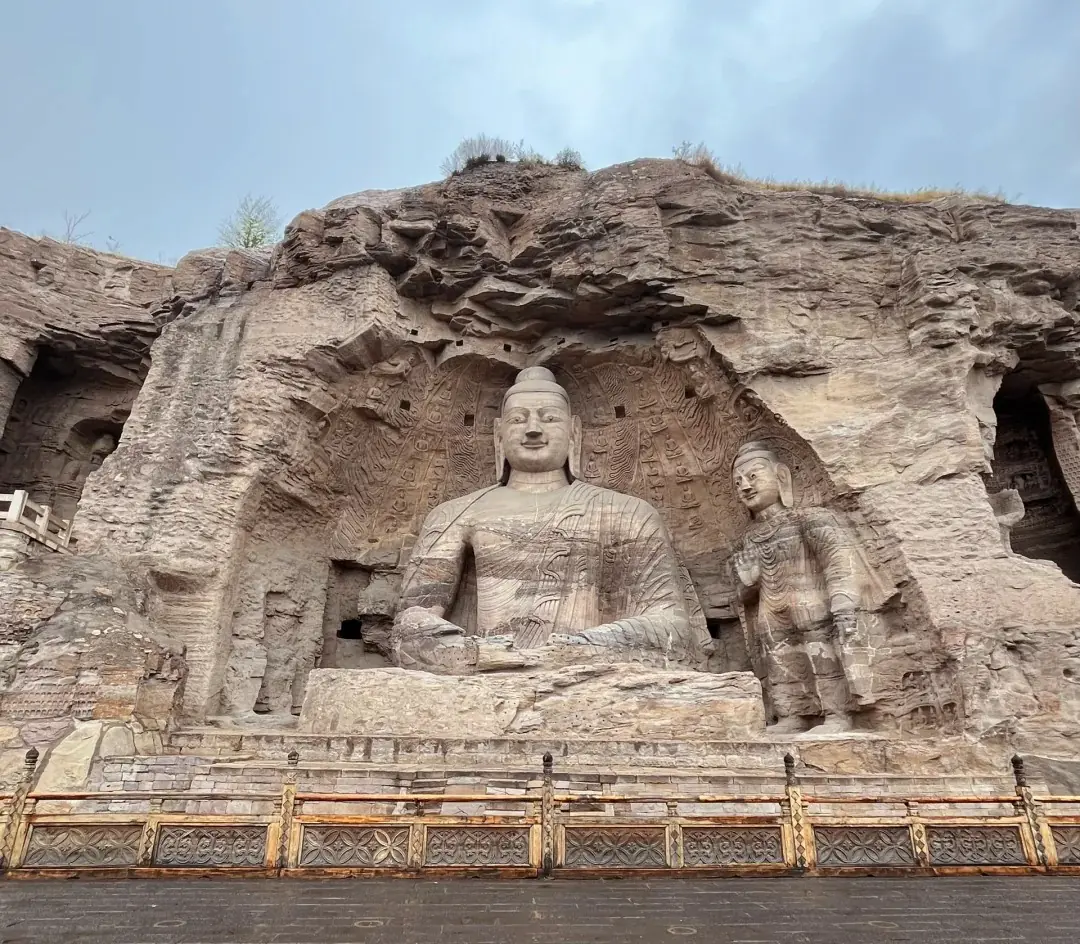
UNESCO describes Yungang as 252 caves and niches with about 51,000 statues, one of the clearest surviving peaks of 5th- and 6th-century Buddhist cave art in China.
Cliff and Timber Datong
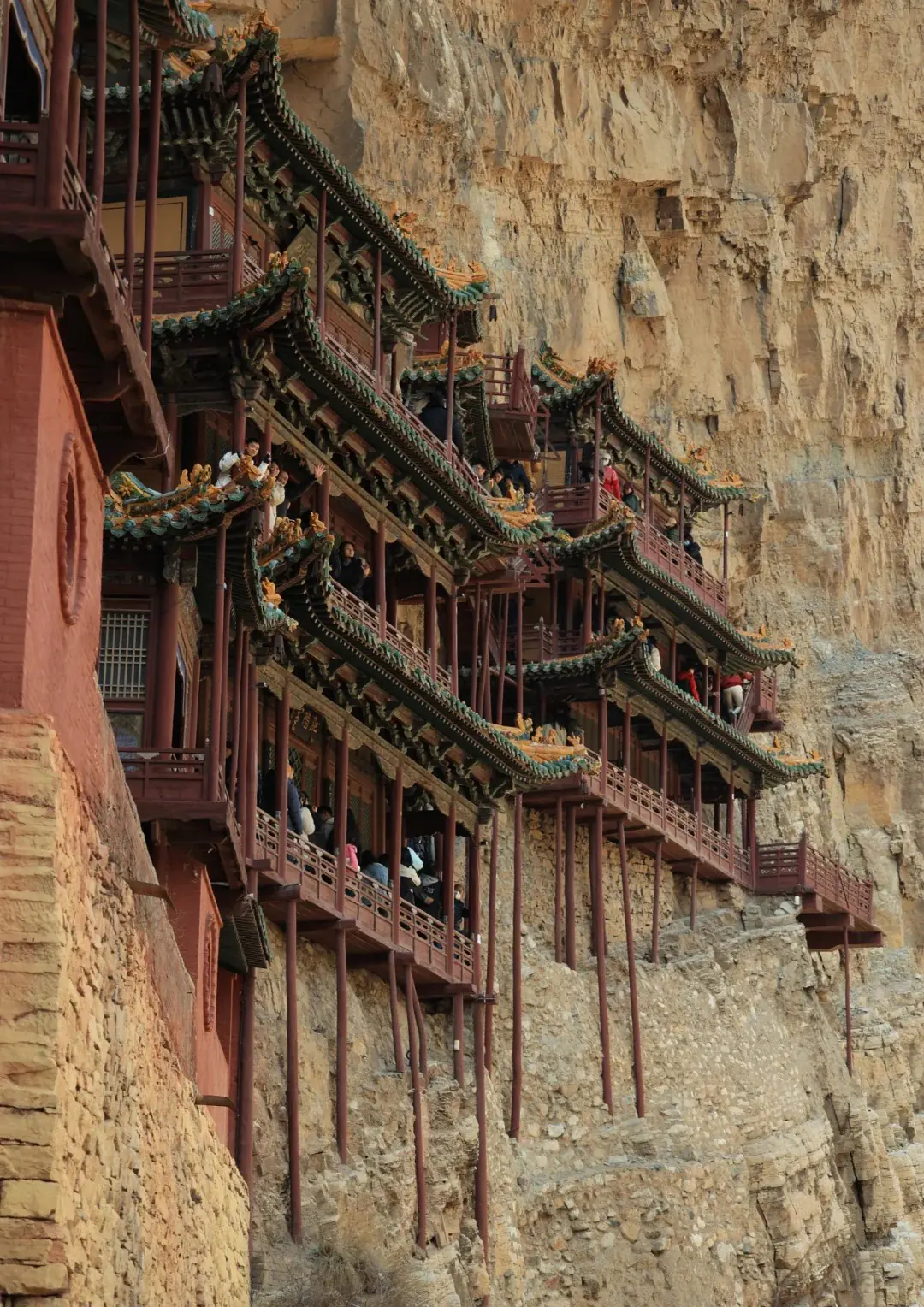
Where it shows up: Hanging Temple, Yingxian Wooden Pagoda, Huayan Temple, and Shanhua Temple.
This is the Datong that architecture travelers love: structures that cling to cliffs, stack timber without modern steel logic, and preserve Liao-Jin spaces that feel very different from palace Beijing.
Old-City Datong
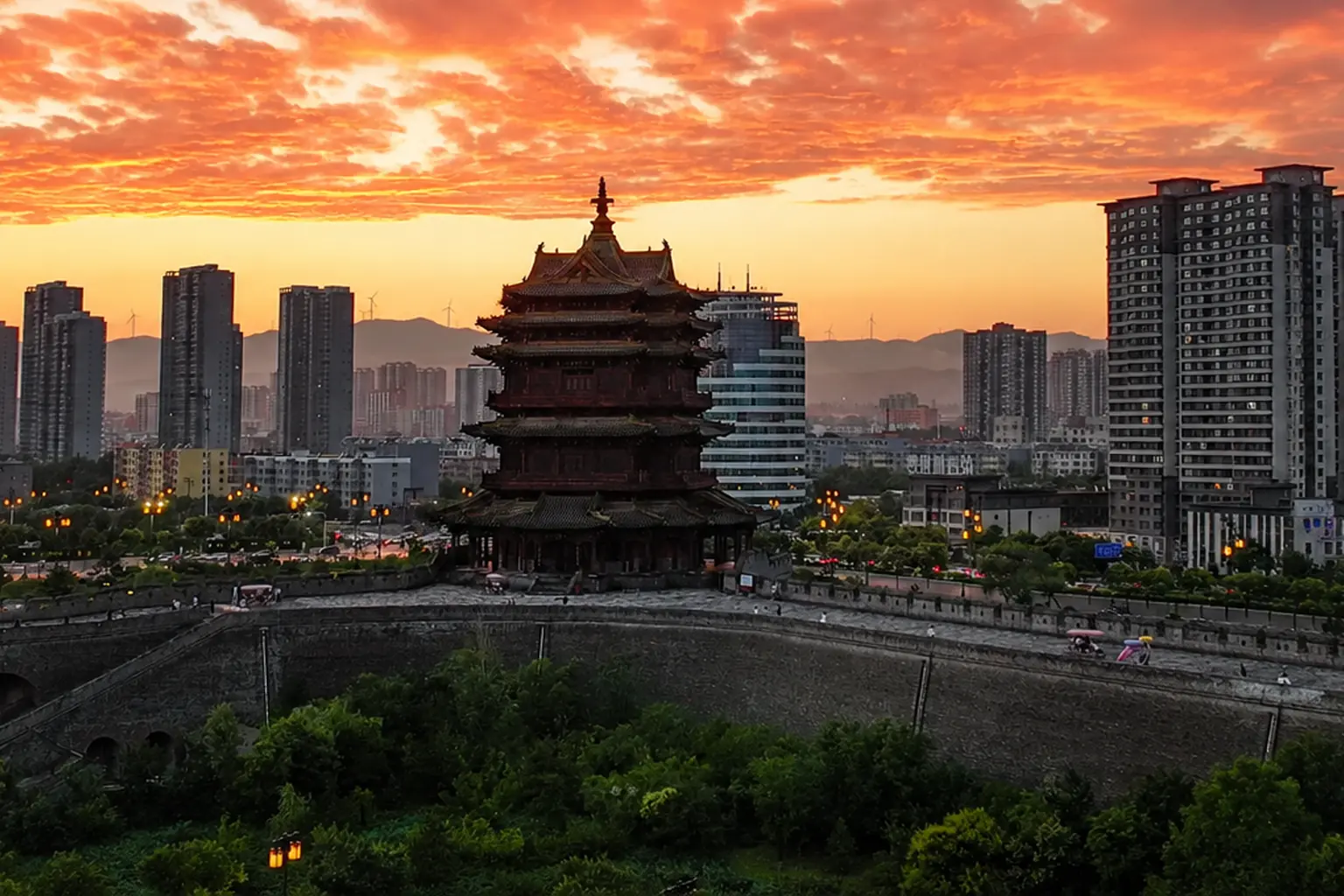
Where it shows up: the city wall, Drum Tower, Nine-Dragon Wall, Huayan Street, and old-town hotels.
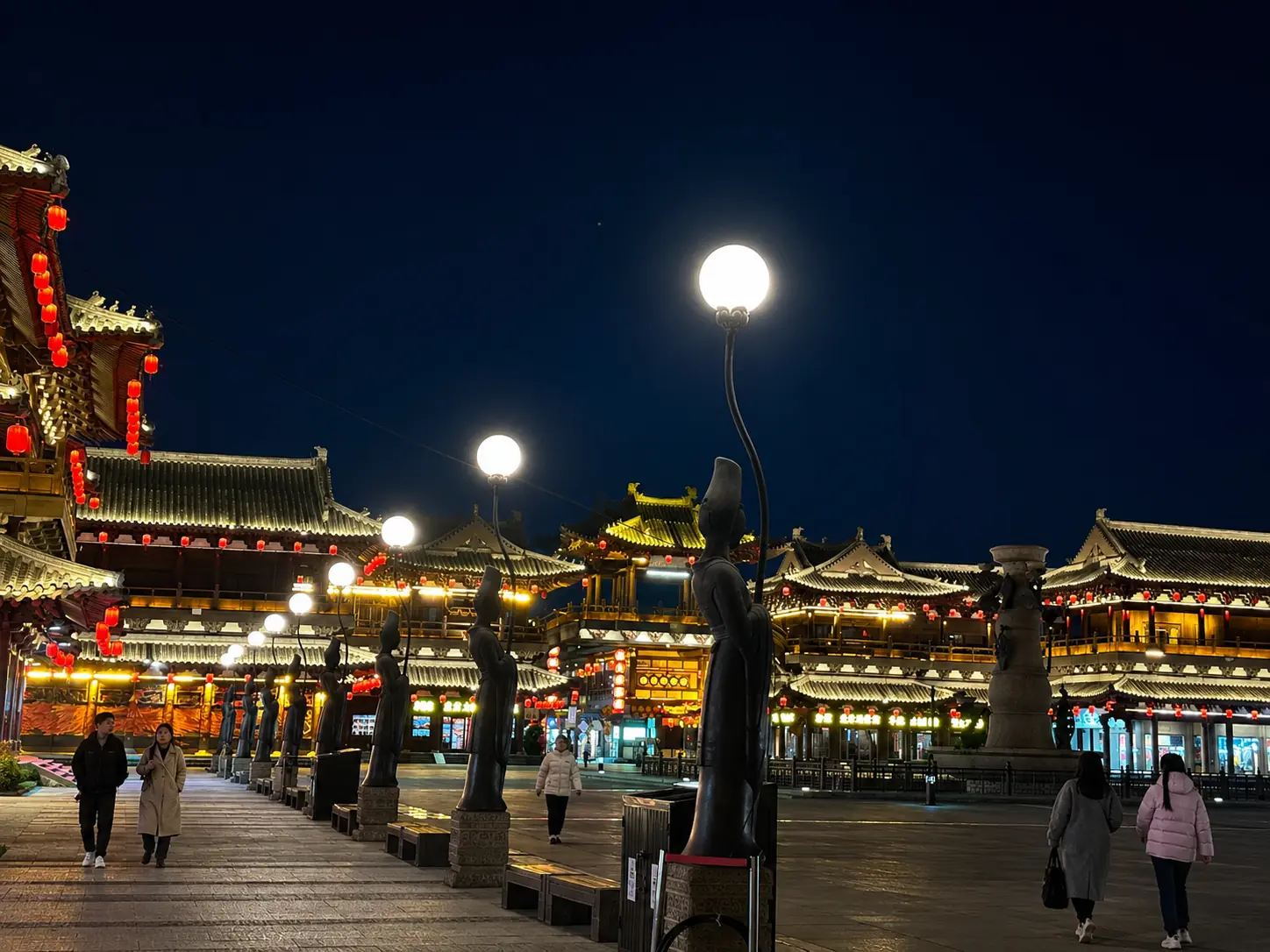
The old city is not a frozen ancient town. It is a reconstructed and lived-in base where evening lights, short walks, food, and temple stops make the trip feel less like a transport puzzle.
Food-and-Frontier Datong
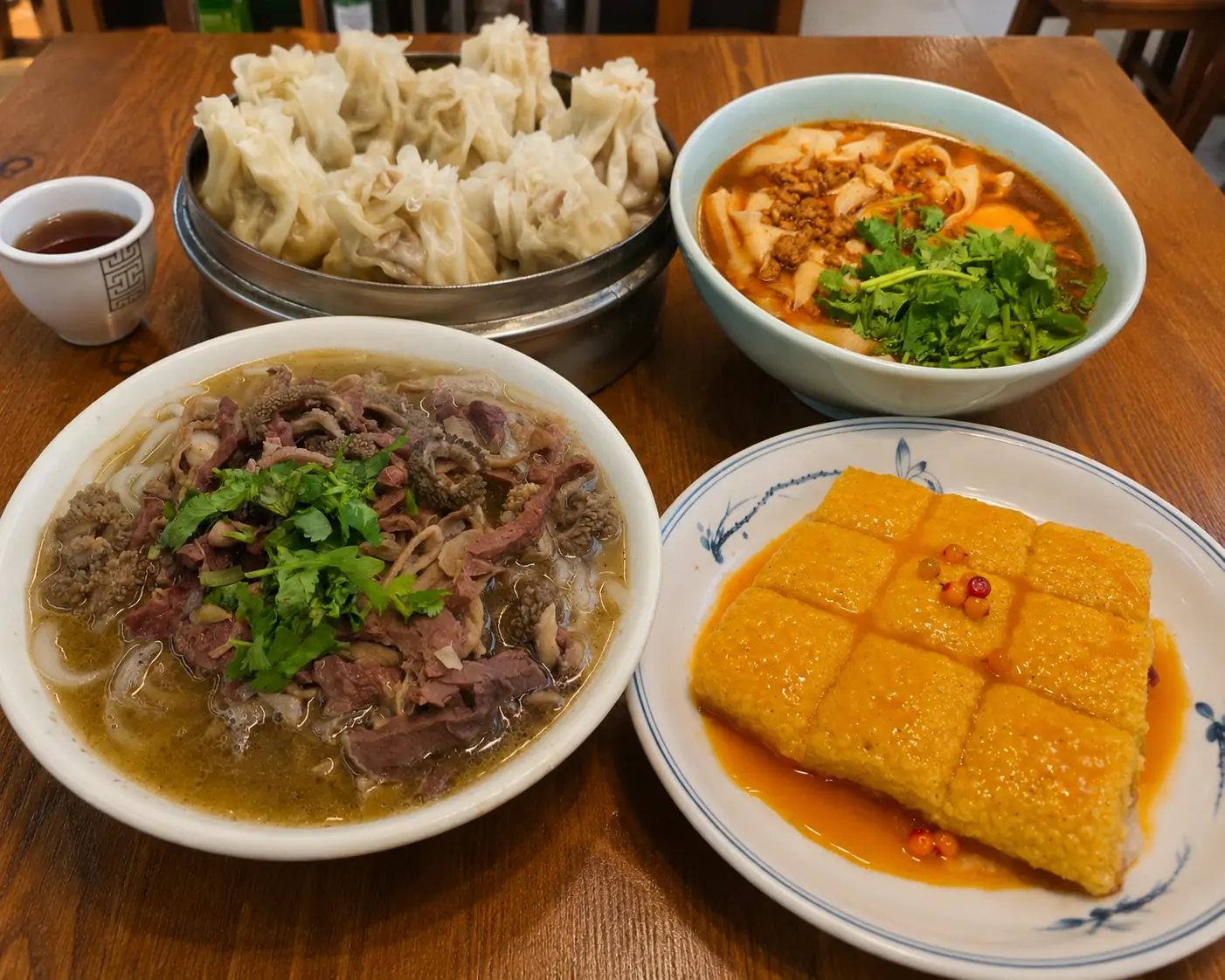
Where it shows up: knife-cut noodles, lamb offal soup, shaomai, millet cakes, and hearty Shanxi tables.
After a day of stone, wood, dust, and wind, Datong food gives the city its human scale. Do not reduce dinner to one famous restaurant name.
10 Datong Experiences Worth Building Around
The first three are the strongest reasons to come to Datong. The middle group turns the city from "two famous sights" into a real stay. The final choices help you decide whether Datong is a quick northern stop or the start of a broader Shanxi route.
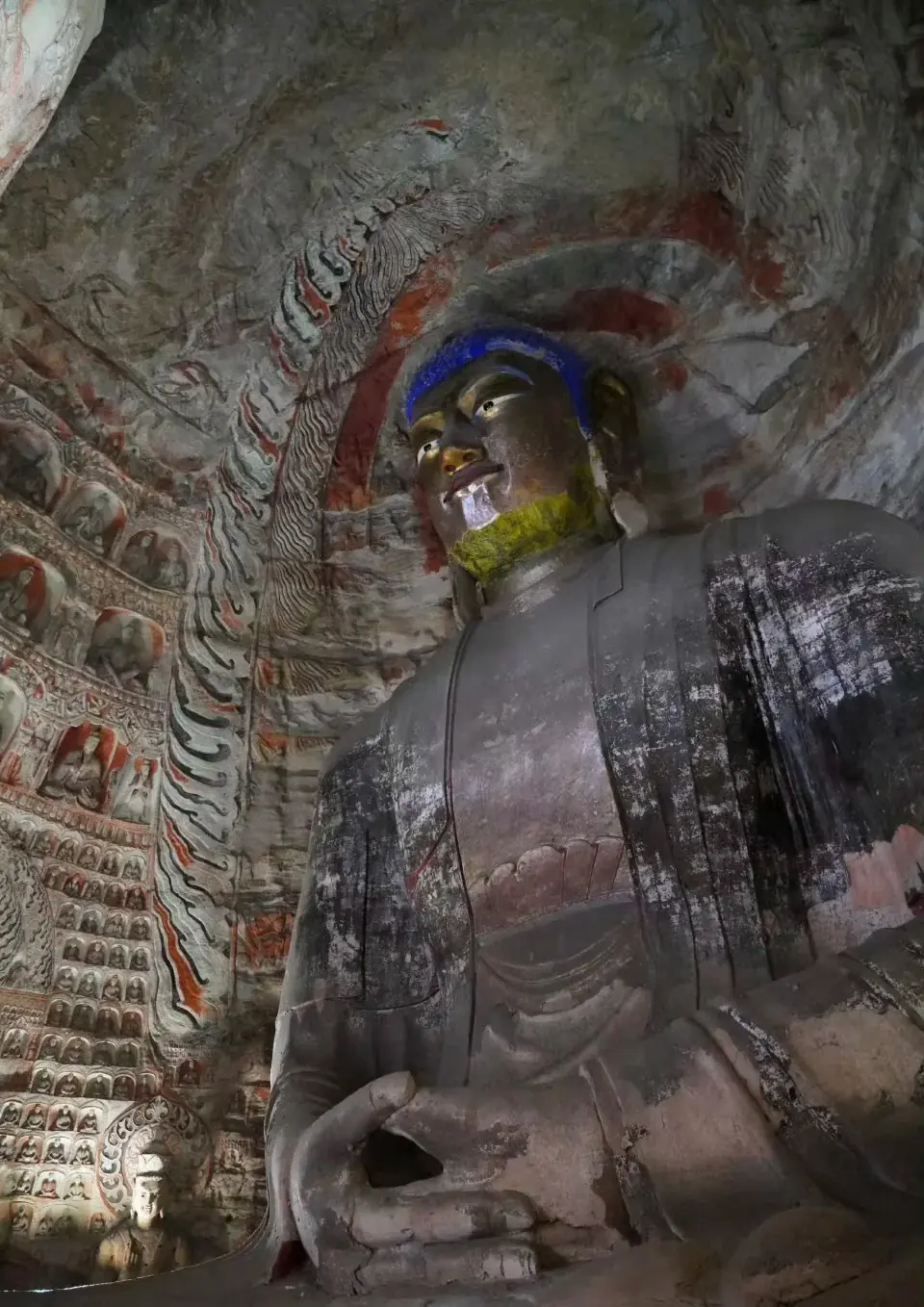
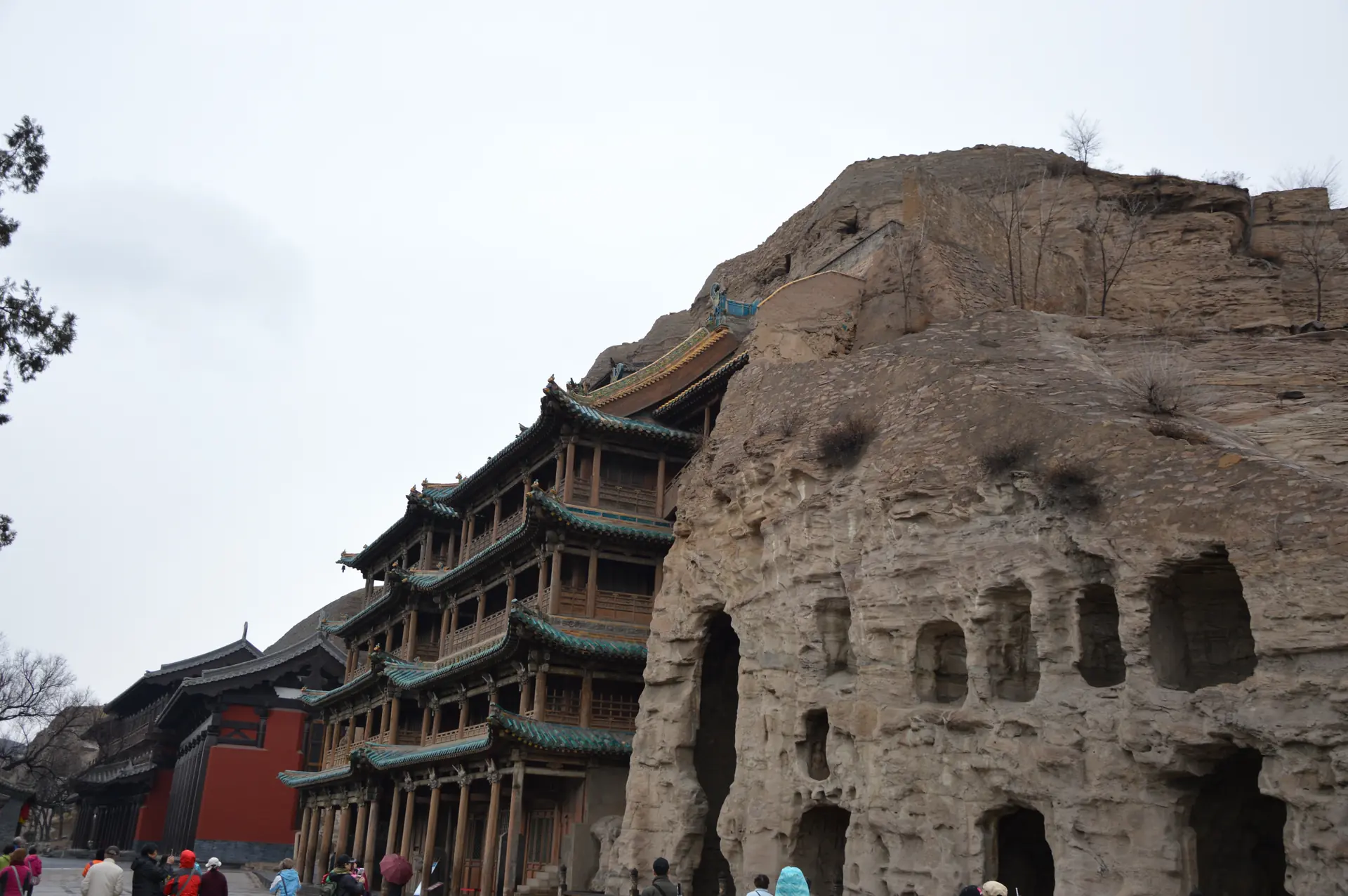
Yungang is Datong's first priority. Protect enough time for the open-air Buddha of Cave 20, the richly carved Caves 5 and 6, and the quieter eastern niches rather than treating the site as one quick photo stop. Use our Yungang Grottoes guide before locking in the day.

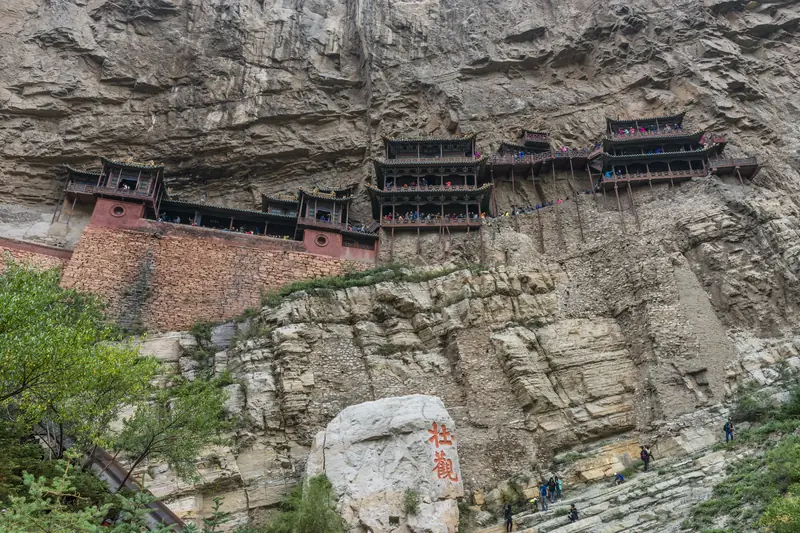
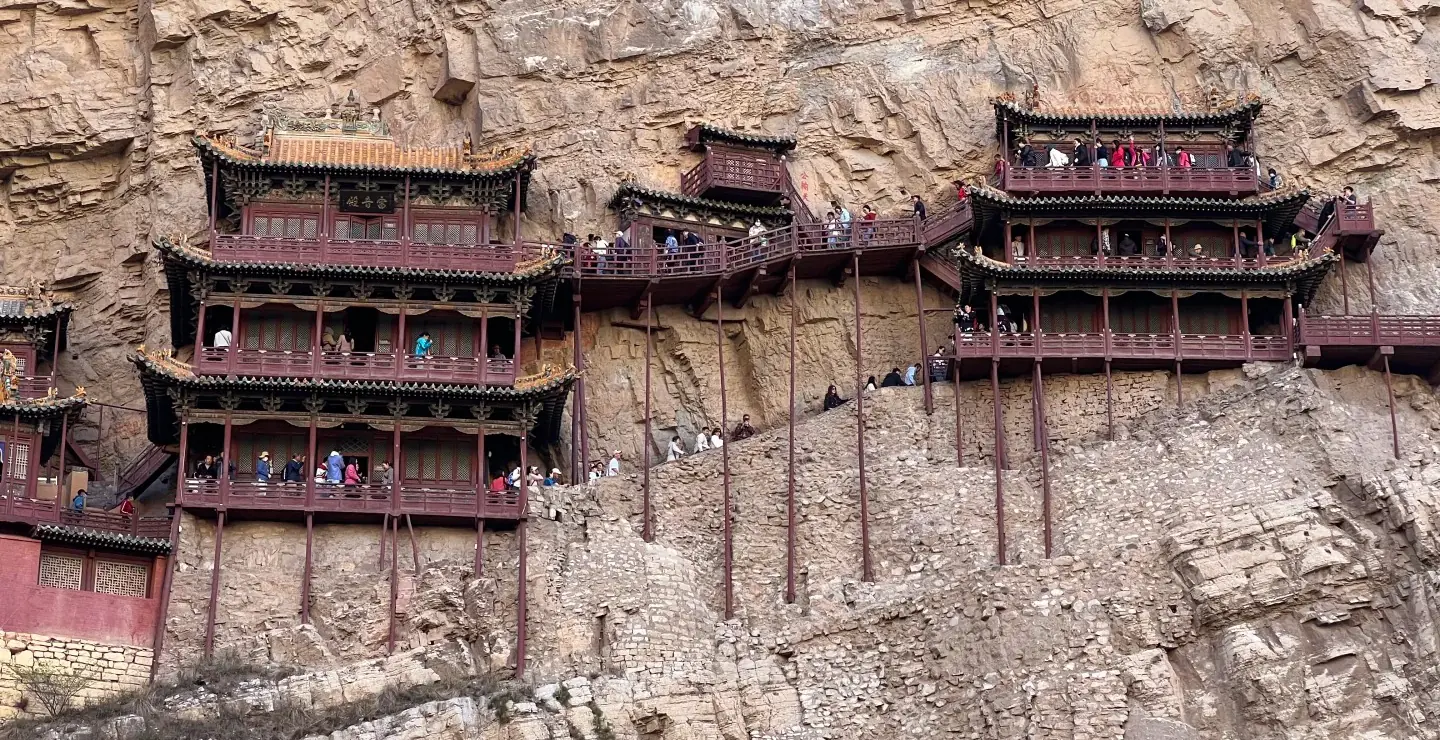
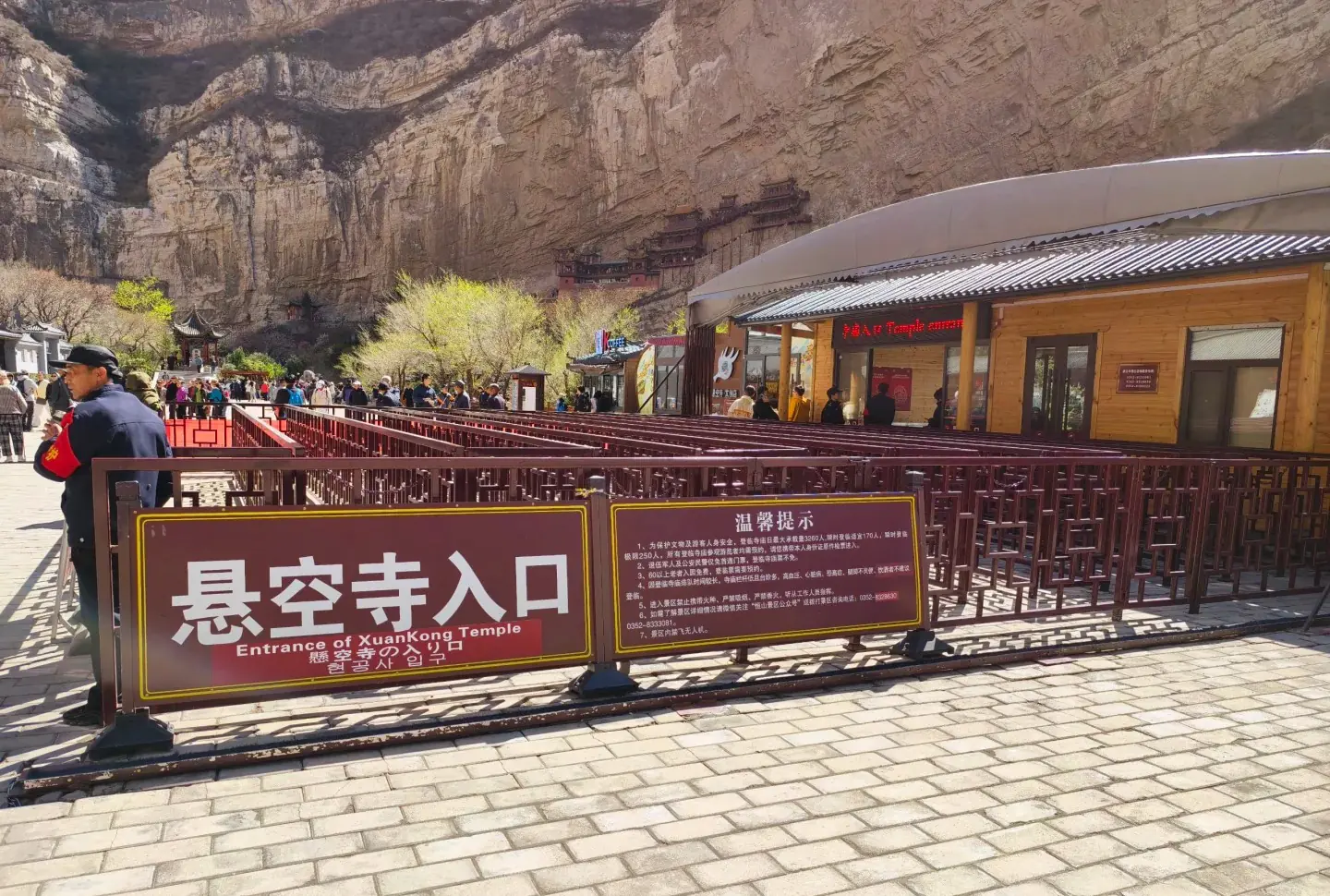
The Hanging Temple is not just dramatic because it looks precarious. It combines cliff engineering with Buddhist, Taoist, and Confucian imagery in one compact structure. Climbing access can depend on tickets, maintenance, weather, and crowd control, so the ground-level viewing platform is a valid backup. Use our Hanging Temple guide for the current access details.
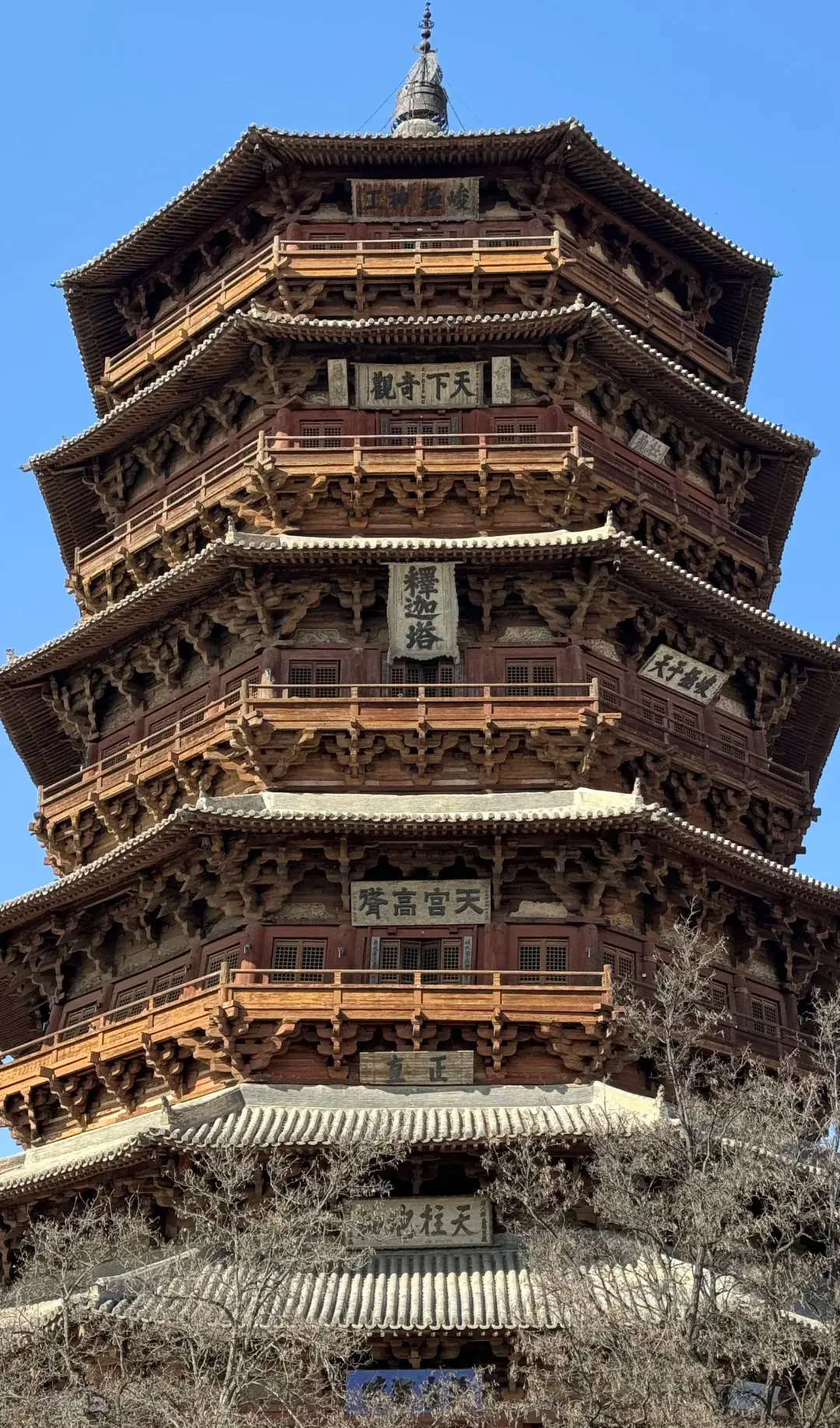
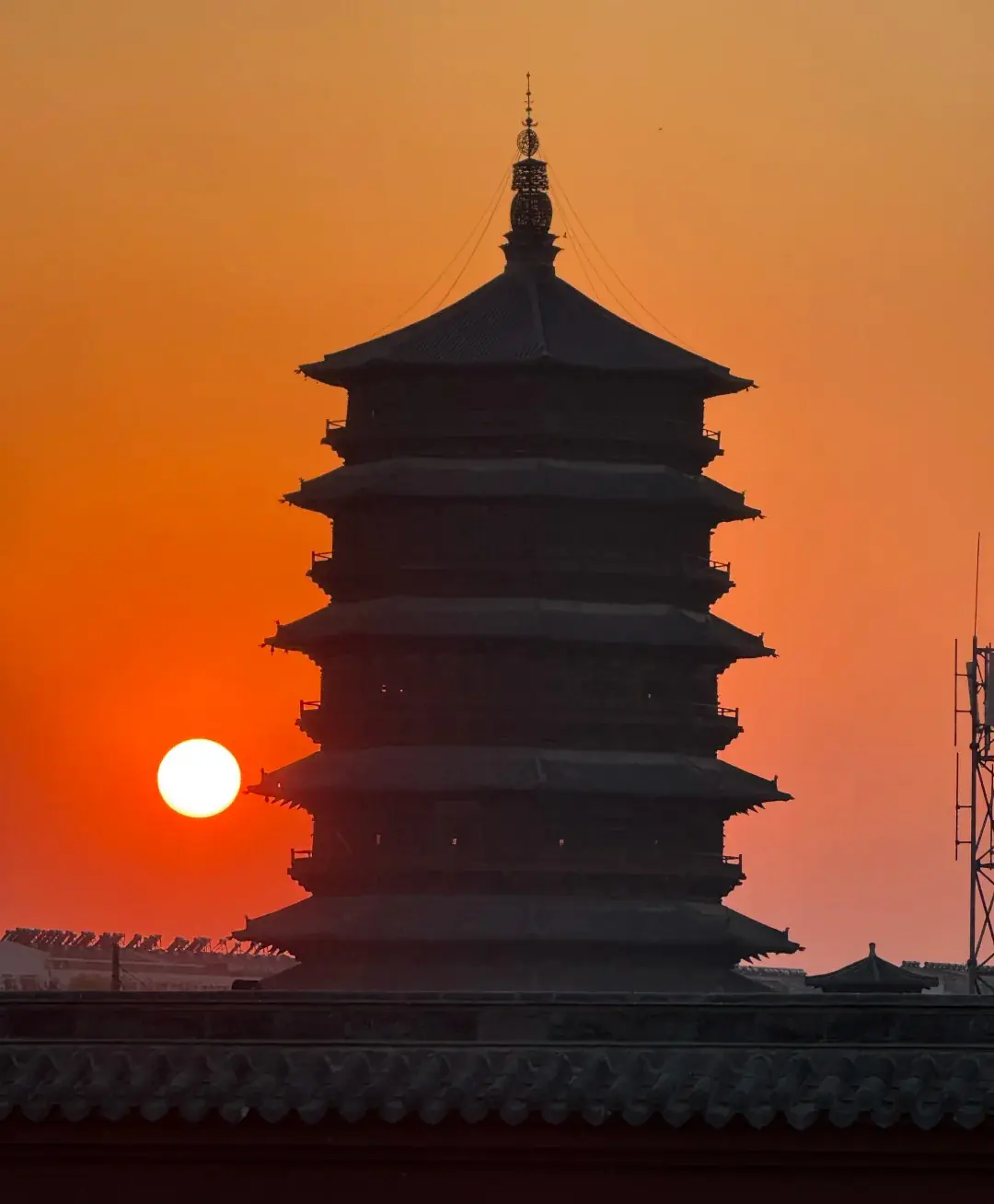
Built in 1056 and standing about 67 meters high, Yingxian Wooden Pagoda is one of northern China's great timber-structure stops. It is outside Datong city, but it pairs naturally with the Hanging Temple by hired car. Expect preservation-minded access, not tower climbing. Read the Yingxian Wooden Pagoda guide if you are adding it.
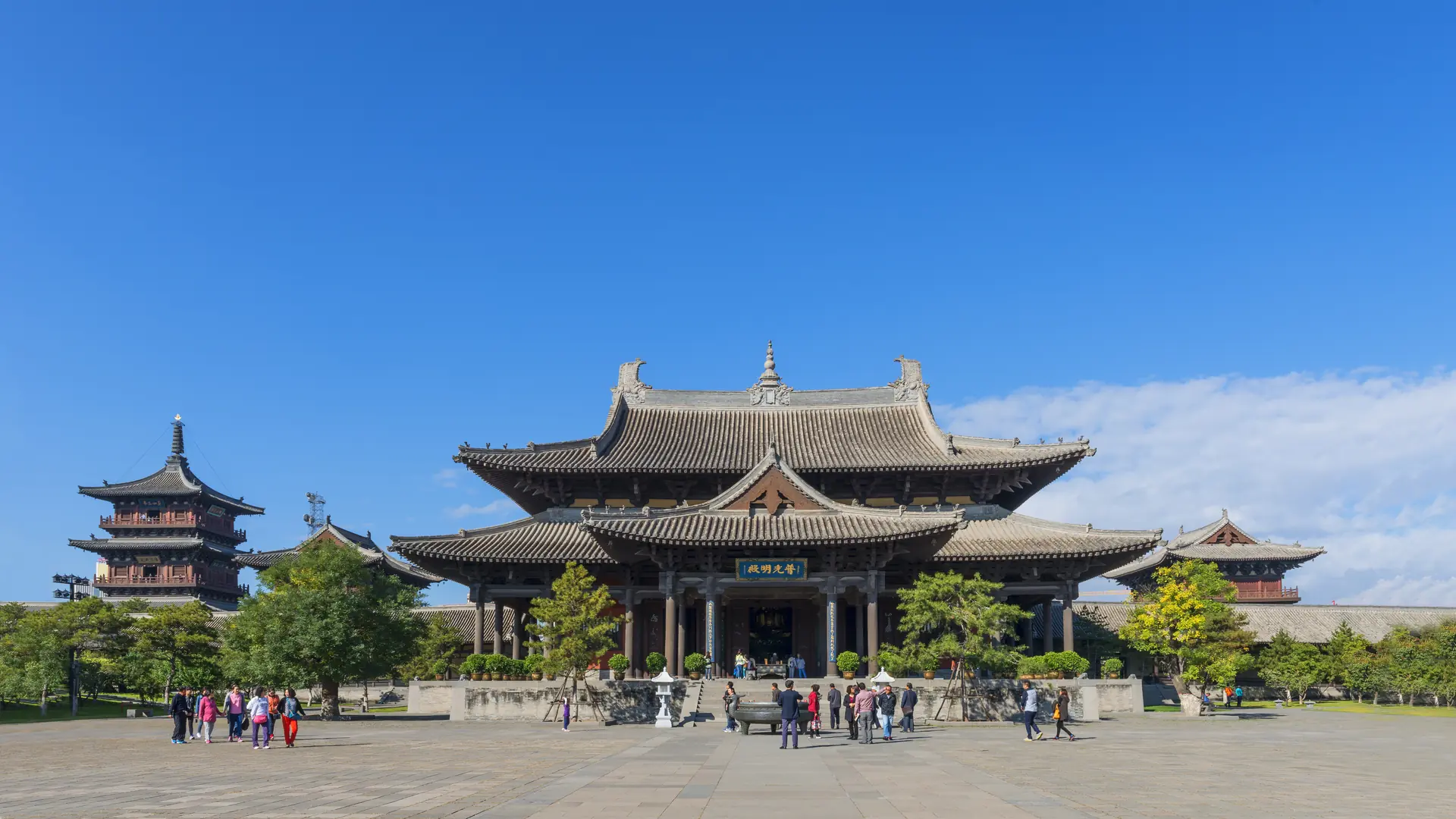
Huayan Temple is the easiest old-city site to love on a first visit. Its halls, sculpture, underground copper hall, and nearby streets make it more than a filler stop after Yungang. Put it in your first evening or the softer half of a two-day plan.
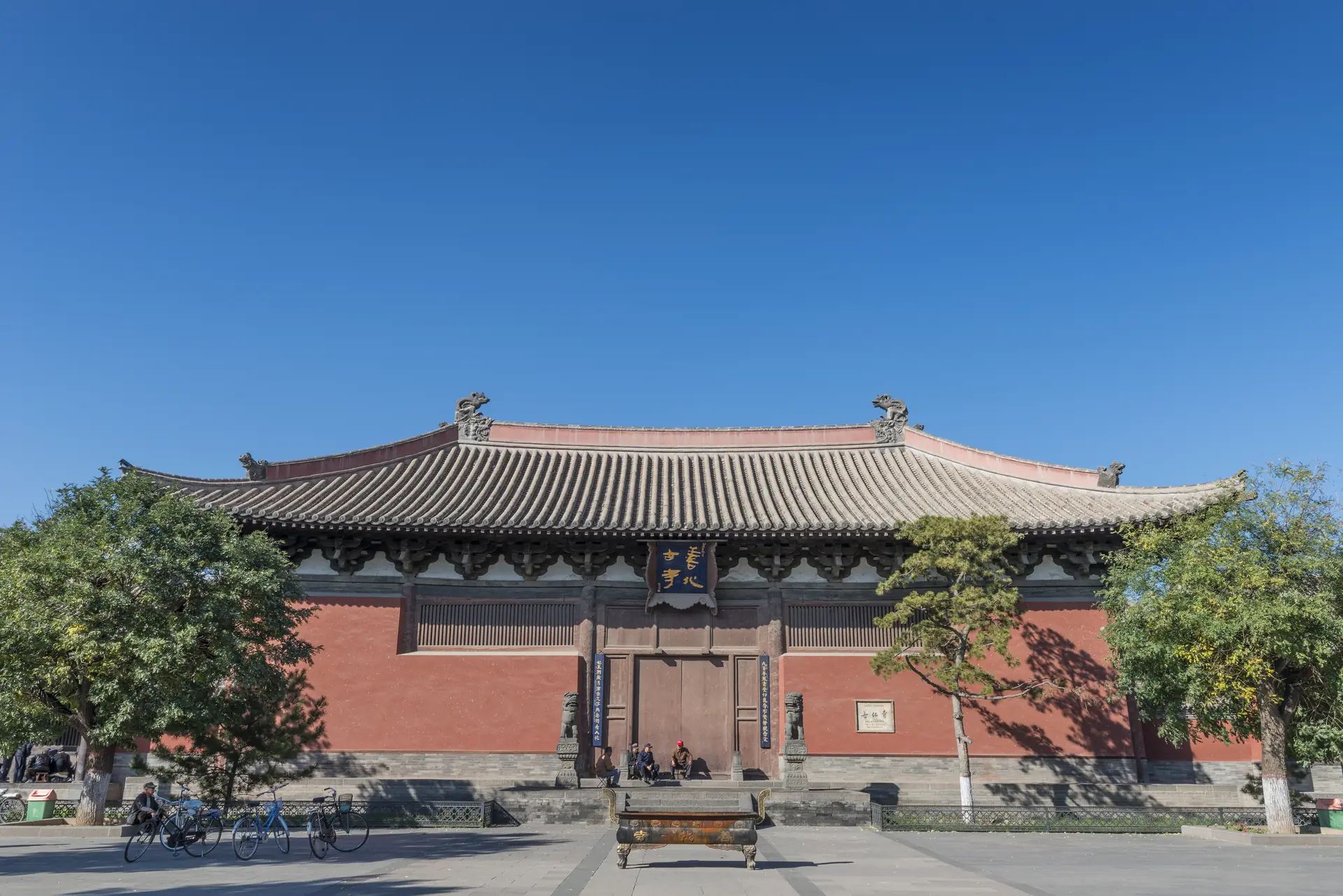
Shanhua Temple is quieter and more specialist than Huayan, but that is part of its value. It works well for travelers who care about timber halls, Buddhist sculpture, and the slower feeling of old Datong beyond the headline sights.
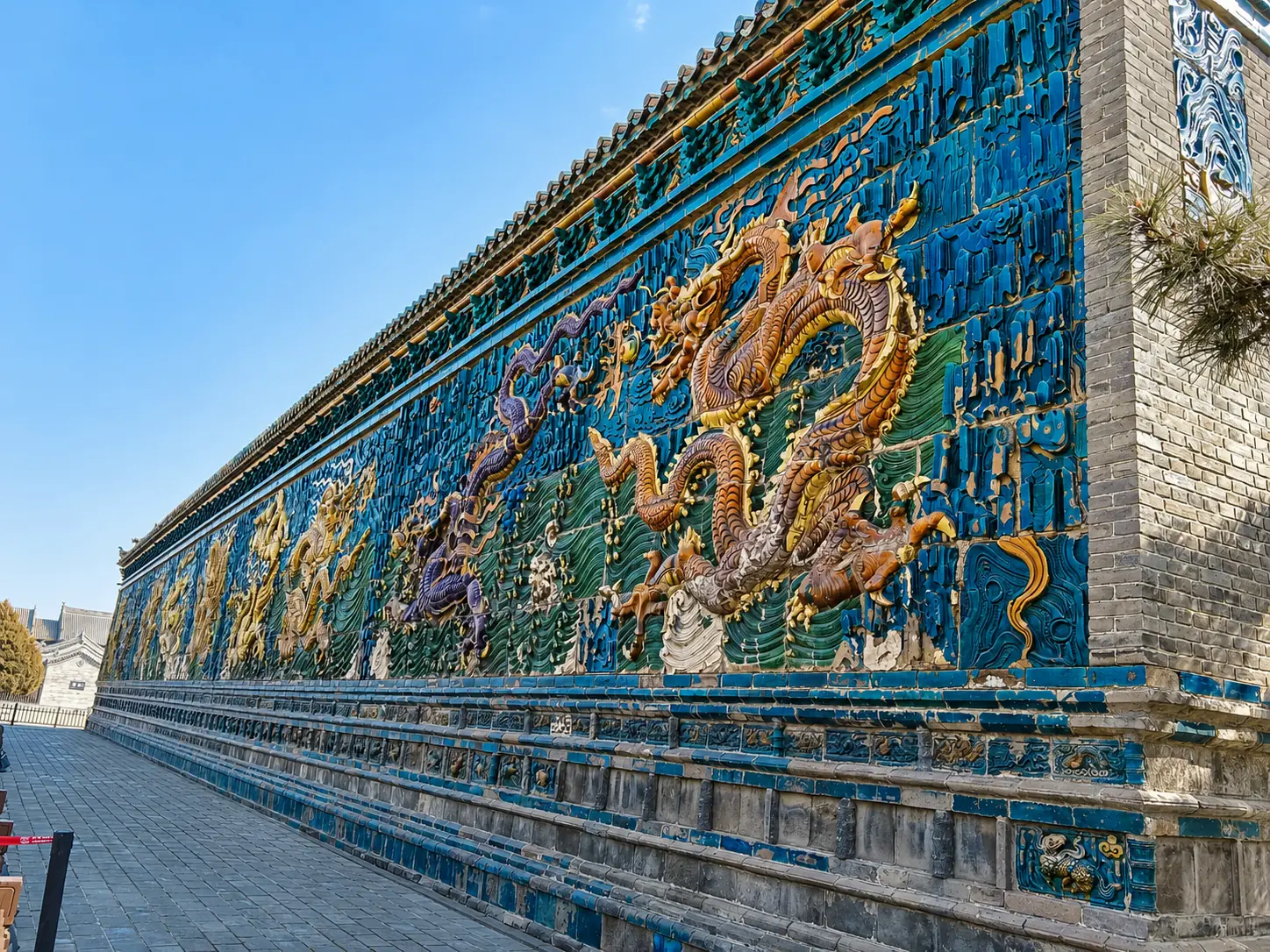
The Datong Nine-Dragon Wall gives the old city a quick flash of color: glazed dragons, imperial memory, and an easy location near the Prince Dai Residence and Drum Tower. It is best treated as part of an old-city walk, not a separate taxi trip.
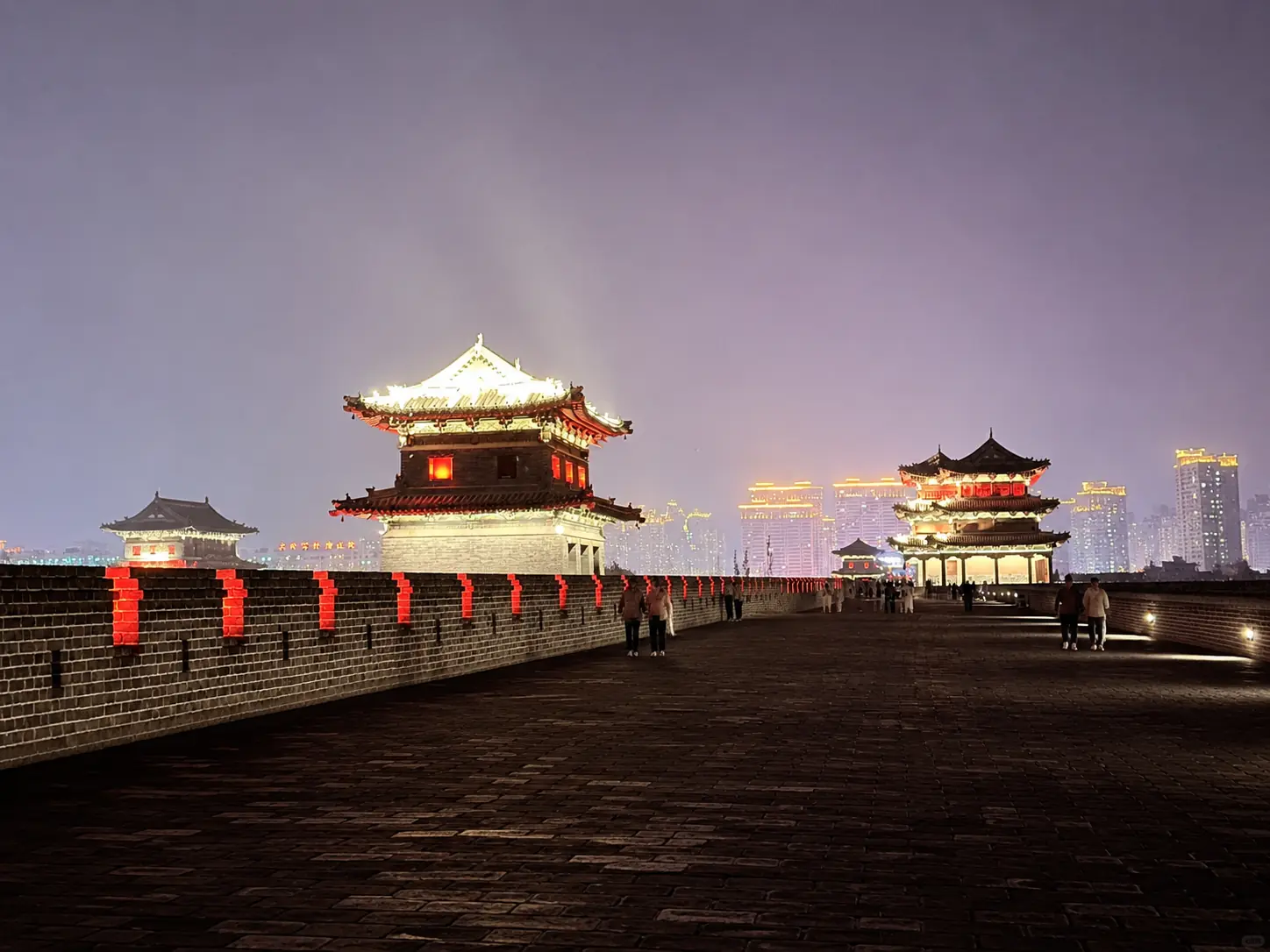
The city wall helps you understand Datong as a frontier city rather than a loose cluster of sights. Go in the evening if the weather is kind: lights, broad walls, gates, and old-town streets make the day feel less heavy after caves and temples.
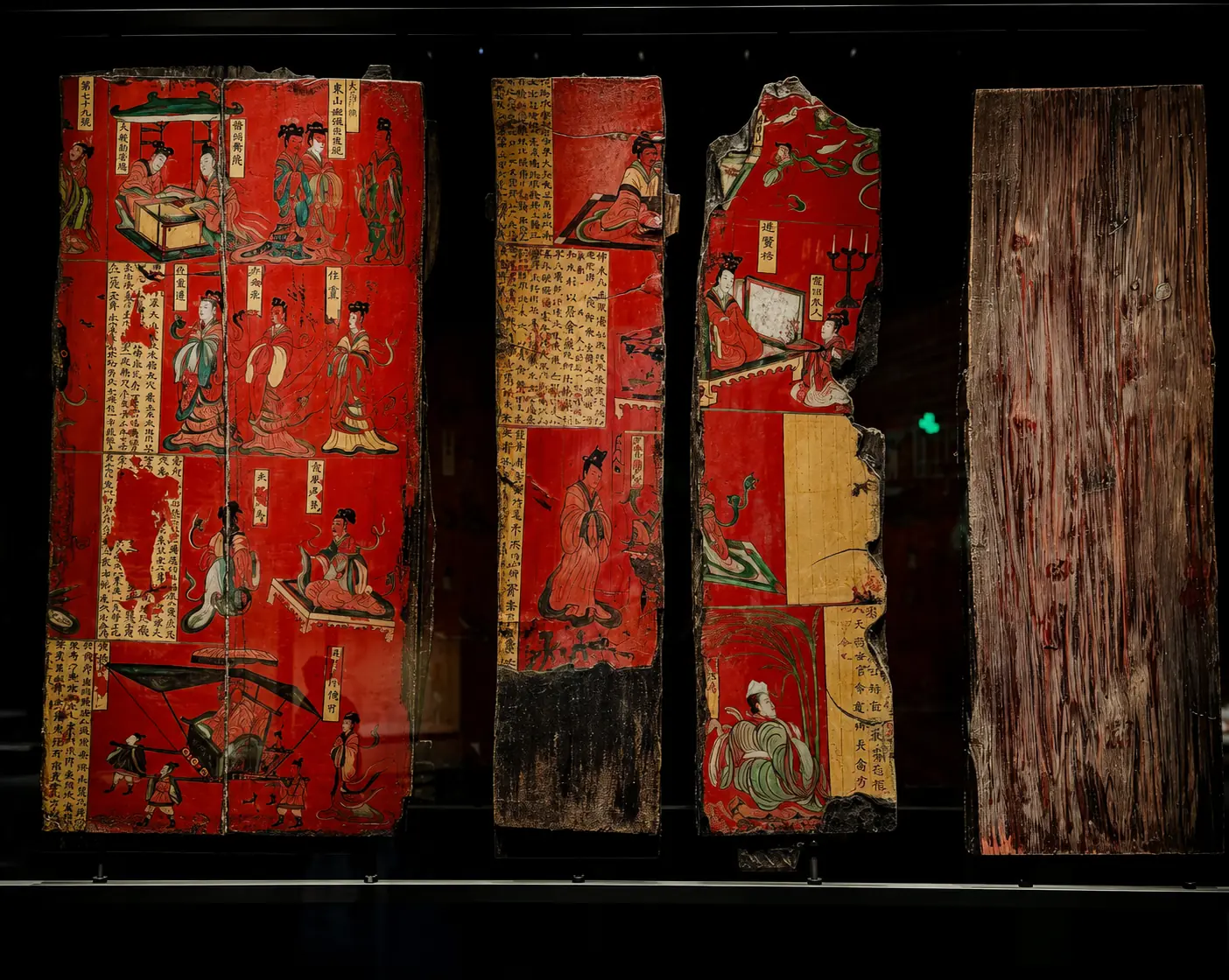
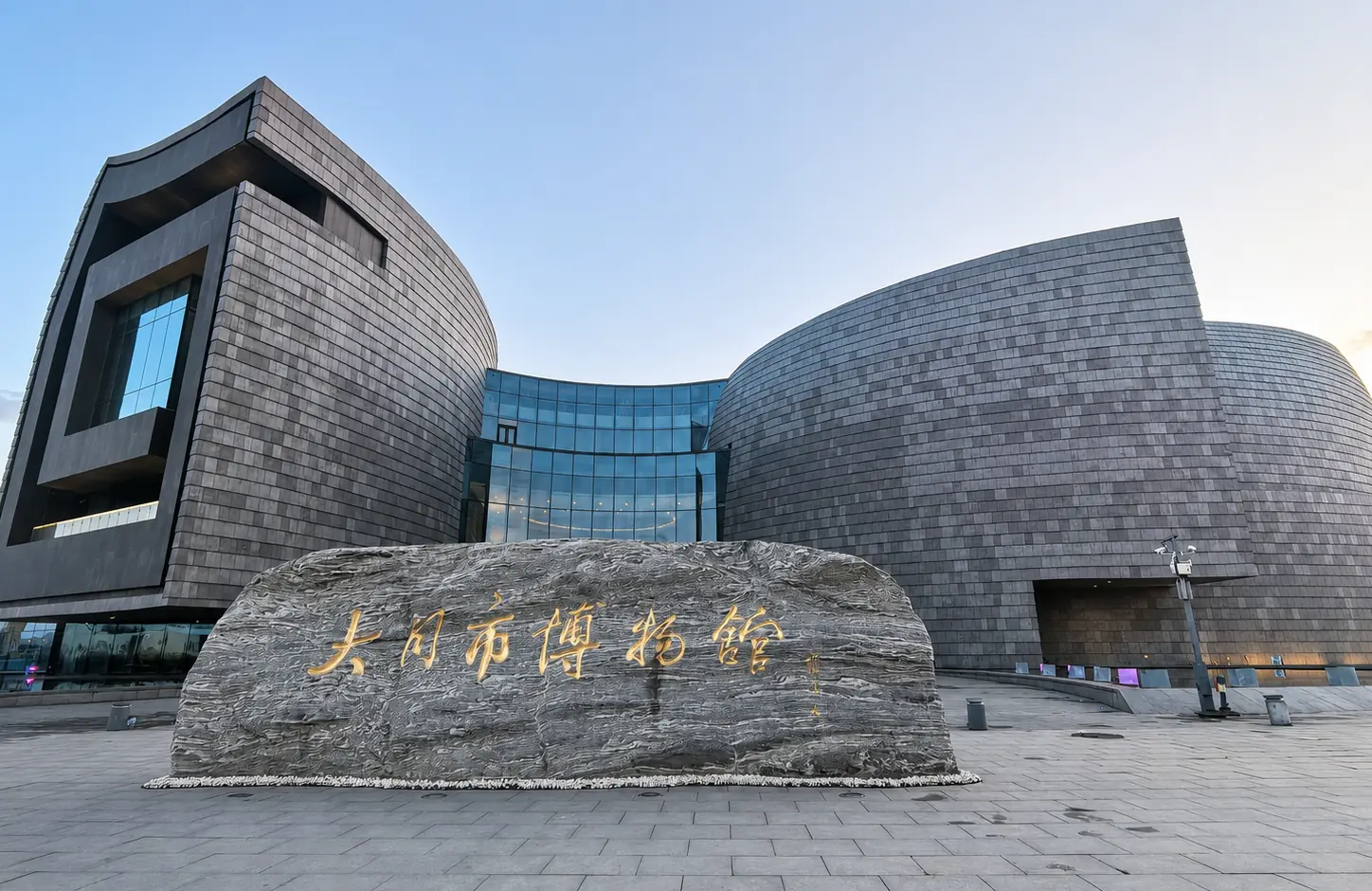
Datong Museum is the best context stop for understanding Pingcheng, Northern Wei objects, Liao-Jin identity, and the city's borderland role. It is especially useful in winter, bad weather, or on a third day when you want the history to connect.

Knife-cut noodles, lamb offal soup, shaomai, millet cakes, oat noodles, and hearty Shanxi dishes belong in the plan. Fenglin Ge is famous, but Datong food should not be reduced to one reservation; leave room for a simple noodle shop too.
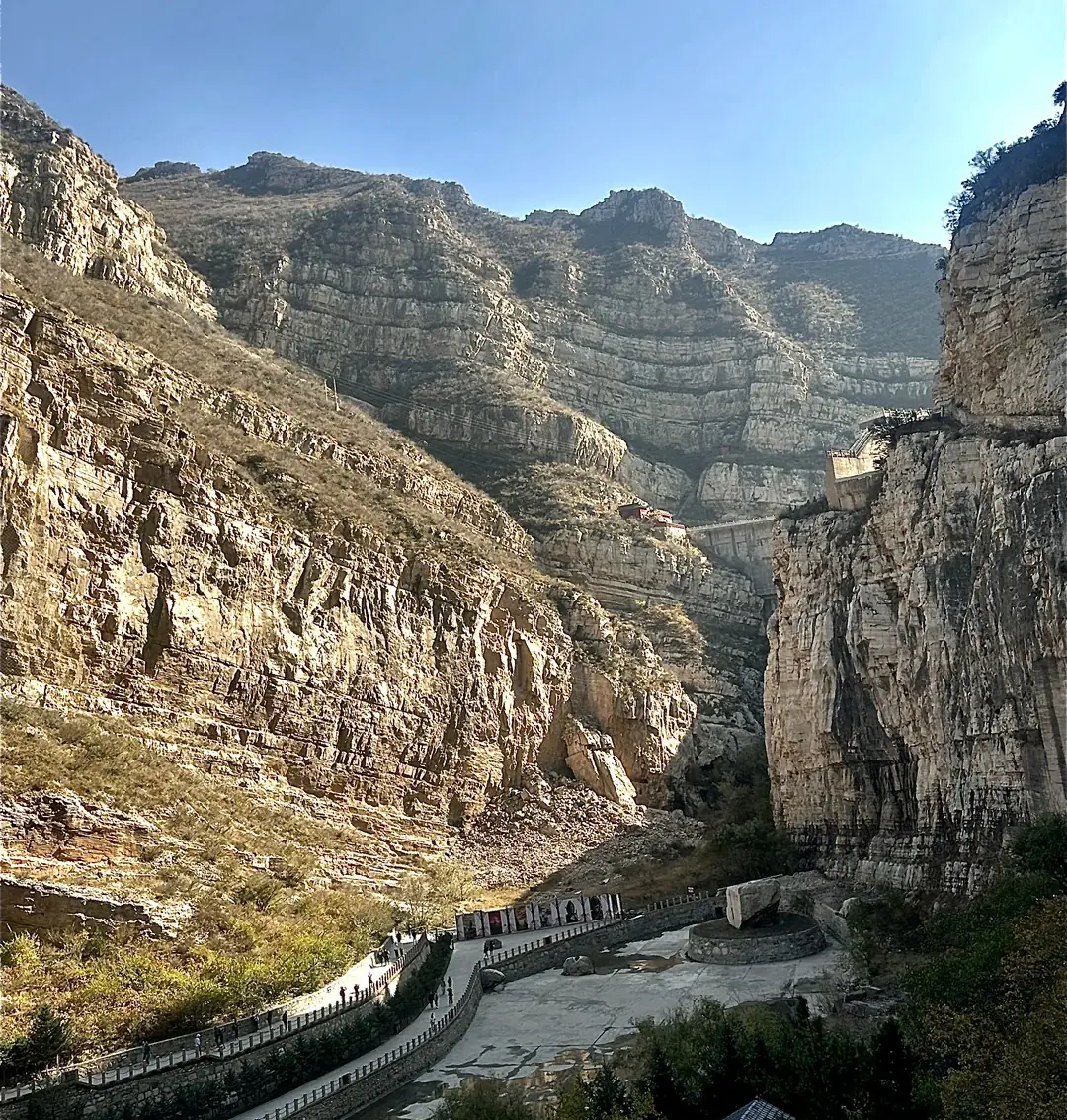
Mount Hengshan can make sense if you have stamina, a third day, or a specific interest in China's sacred mountains. For most first-timers, the clearer priority is the Hanging Temple plus Yingxian Wooden Pagoda; add Hengshan only if the day still breathes.
What Kind of Datong Trip Are You Building?
Do not choose Datong sights only by fame. Choose the version of the city you want to remember, then let the weaker options fall away.
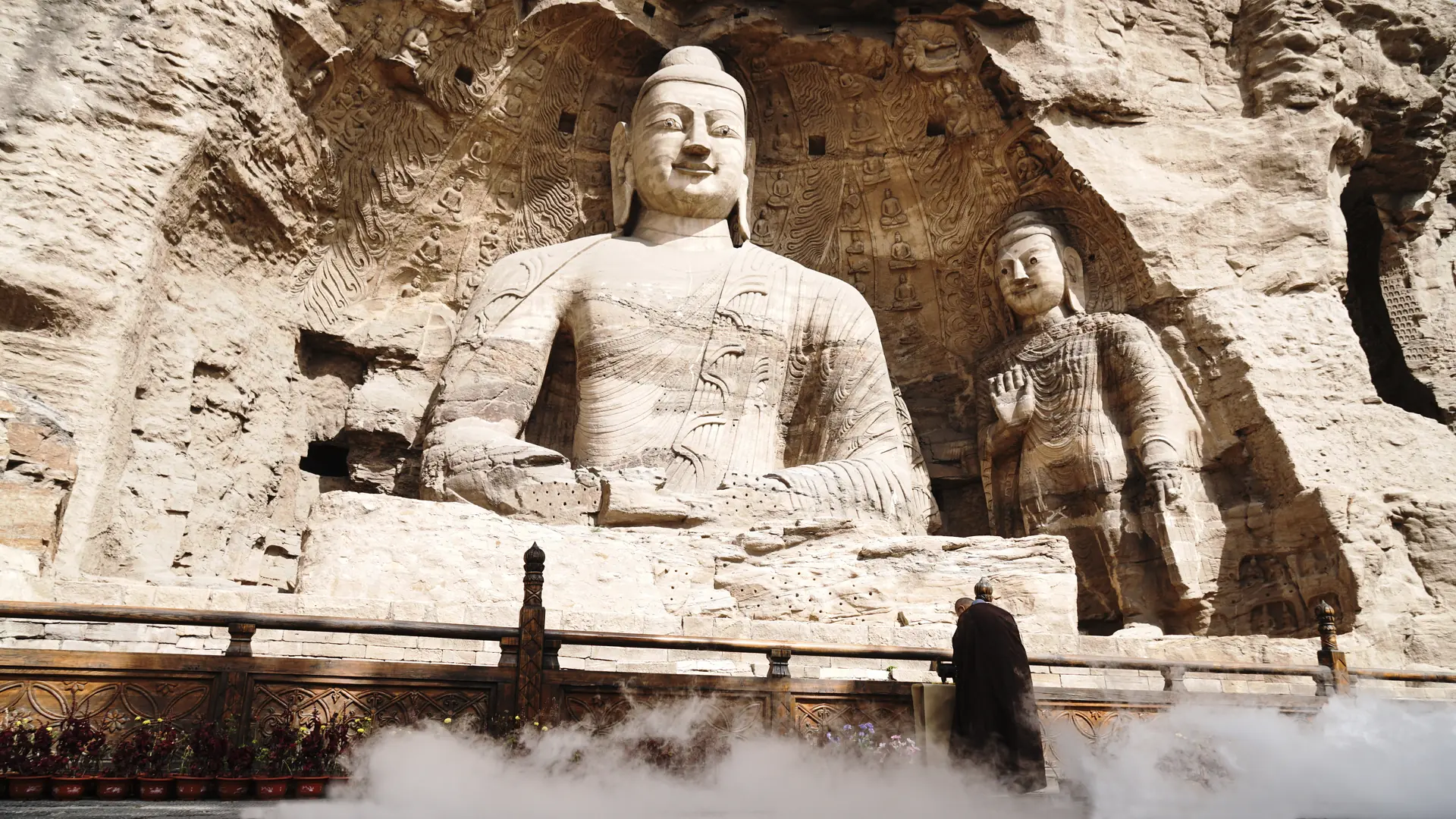
Classic first trip
Best for: most first-time visitors.
Build around Yungang Grottoes, Huayan Temple, old-city evening lights, the Hanging Temple, and Yingxian Wooden Pagoda. This is the strongest two-day version.
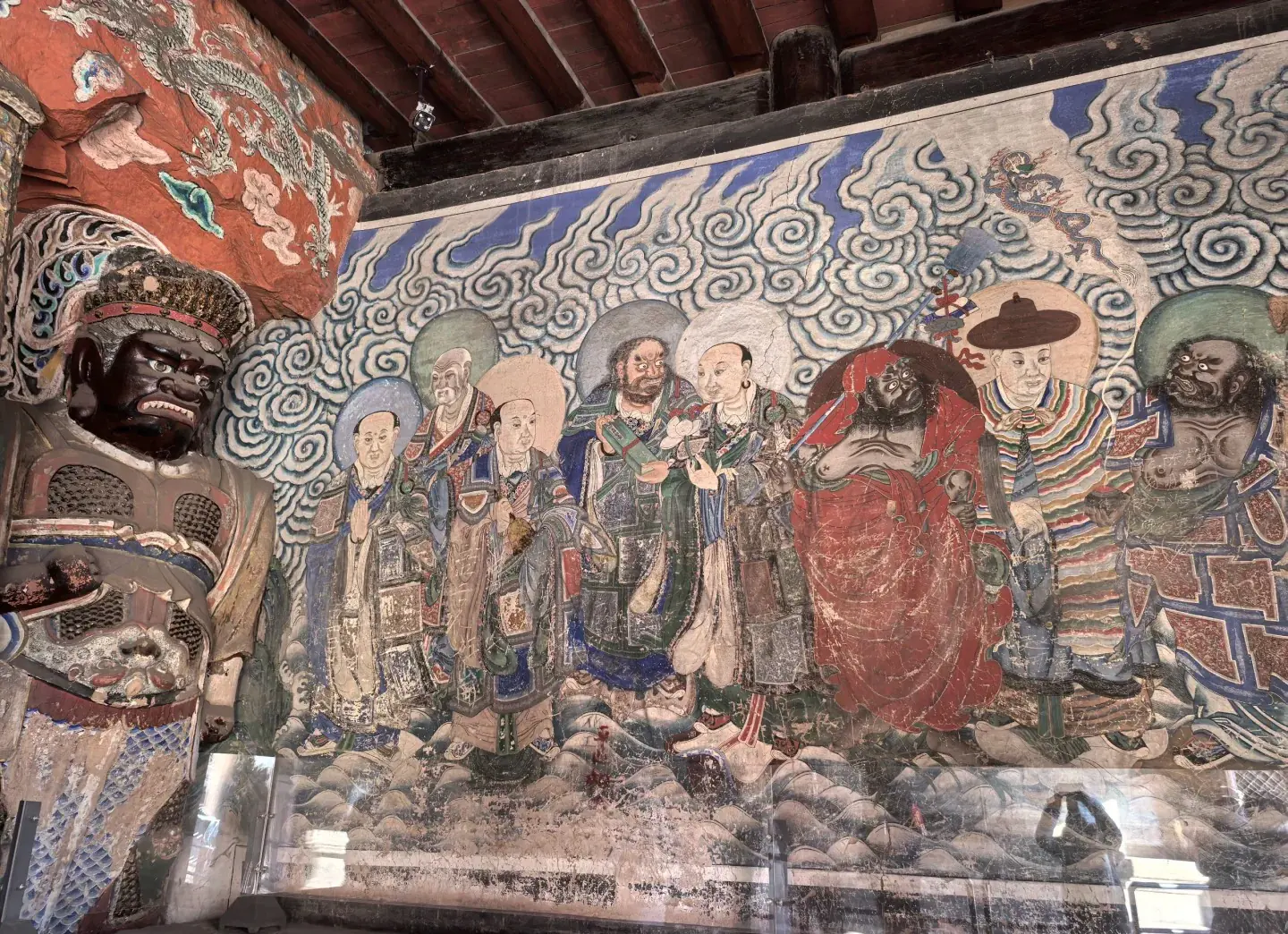
Buddhist art trip
Best for: sculpture, temples, and context.
Use Yungang as the anchor, then add Huayan Temple, Shanhua Temple, and Datong Museum. This version rewards slower looking more than extra transfers.
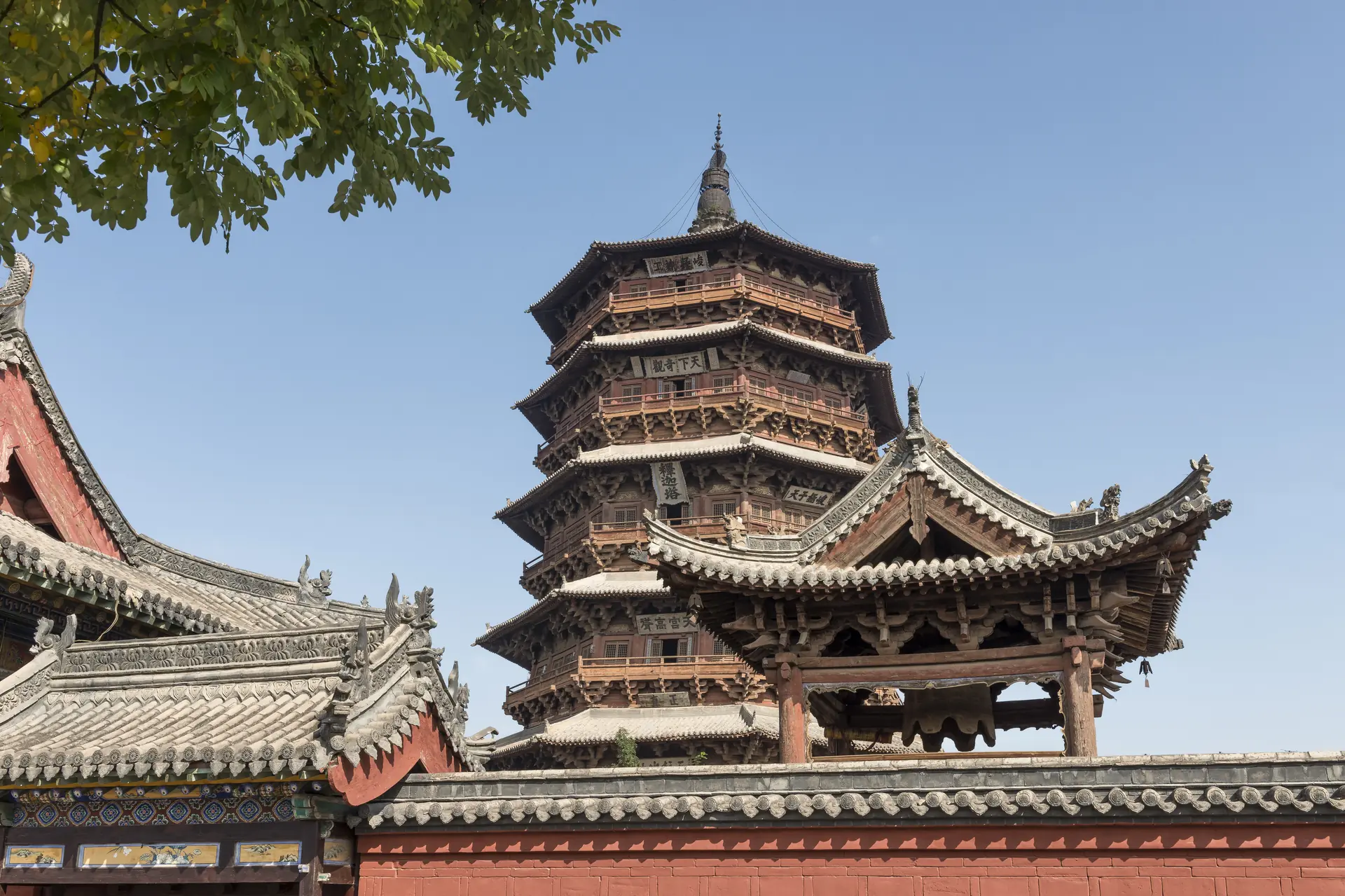
Architecture trip
Best for: timber structures and old buildings.
Prioritize the Hanging Temple, Yingxian Wooden Pagoda, Huayan Temple, Shanhua Temple, Nine-Dragon Wall, and the old city wall.
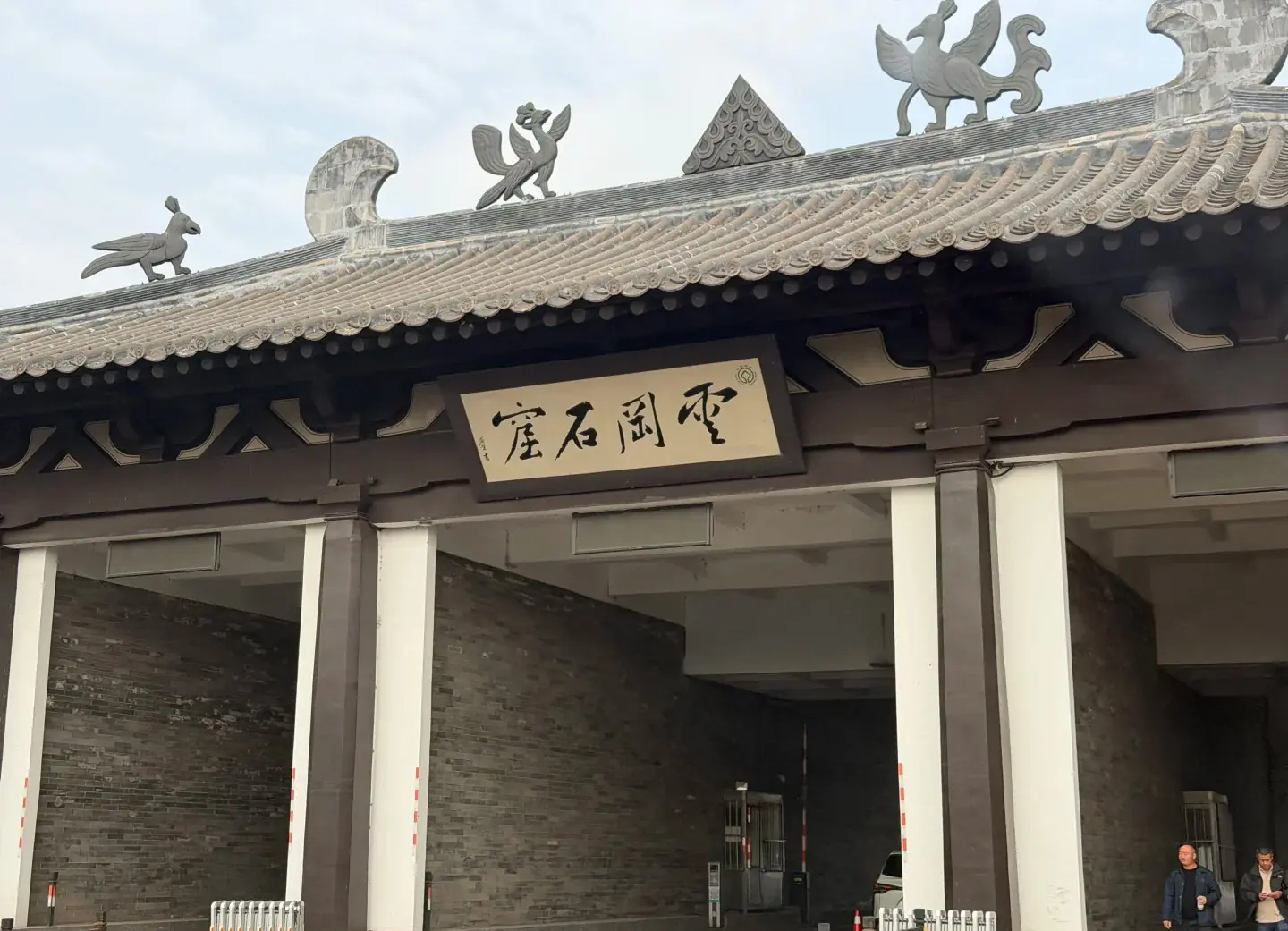
Easy city trip
Best for: families, winter travel, or lighter pacing.
Keep Yungang, old-city walking, a proper dinner, Datong Museum, and one temple. Skip the long southbound day if your group dislikes cold, wind, or vehicle time.
Datong by Area: What Goes Together
Datong planning becomes easier when you stop listing attractions and start grouping them by direction. Repeatedly crossing the city is less painful than in Beijing, but the out-of-town sights still need honest transfer time.
West: Yungang side
Old City
South and Hunyuan
East and New City
How to Pace Your Datong Days
Once you know your trip length, plan by weight rather than by checklist. Datong's old city is compact, but the major pulls sit in different directions: Yungang to the west, Hunyuan and Yingxian to the south, and museum or station logistics toward the new city.

Put the heavy anchor first
Give your clearest morning or early afternoon to the sight that needs the most focus: Yungang Grottoes, the Hanging Temple, or Yingxian Wooden Pagoda. Do not save the most important monument for the tired end of a transfer day.
Separate the west and south pulls
Yungang is a west-of-city commitment. The Hanging Temple, Mount Hengshan, and Yingxian Wooden Pagoda pull you south into county roads. Combining both directions can work, but only when you accept a long, driver-led day.
Use the old city as your soft edge
Huayan Temple, the Nine-Dragon Wall, the Drum Tower, dinner, and wall lights are easier to slide around than the out-of-town sights. Put them at the edges of the day so the route can breathe.
Keep one movable block
Leave a small block that can absorb weather, ticket timing, museum hours, or a late train. Datong feels better when you have one flexible slot instead of a route that collapses after the first delay.
Treat cliff access and museum hours as live details
Yungang ticketing, Hanging Temple climbing access, museum closure days, and seasonal hours can shift by maintenance, holidays, weather, and crowd control. Check the official account, your hotel, or the current ticketing channel close to your travel date before making the final route.
Where to Stay for Datong Sightseeing
Hotel choice in Datong is less about luxury and more about where you want your evening to land. A station-area hotel can save a taxi at arrival, but the old city gives you a much better travel rhythm.
Inside or near the Old City
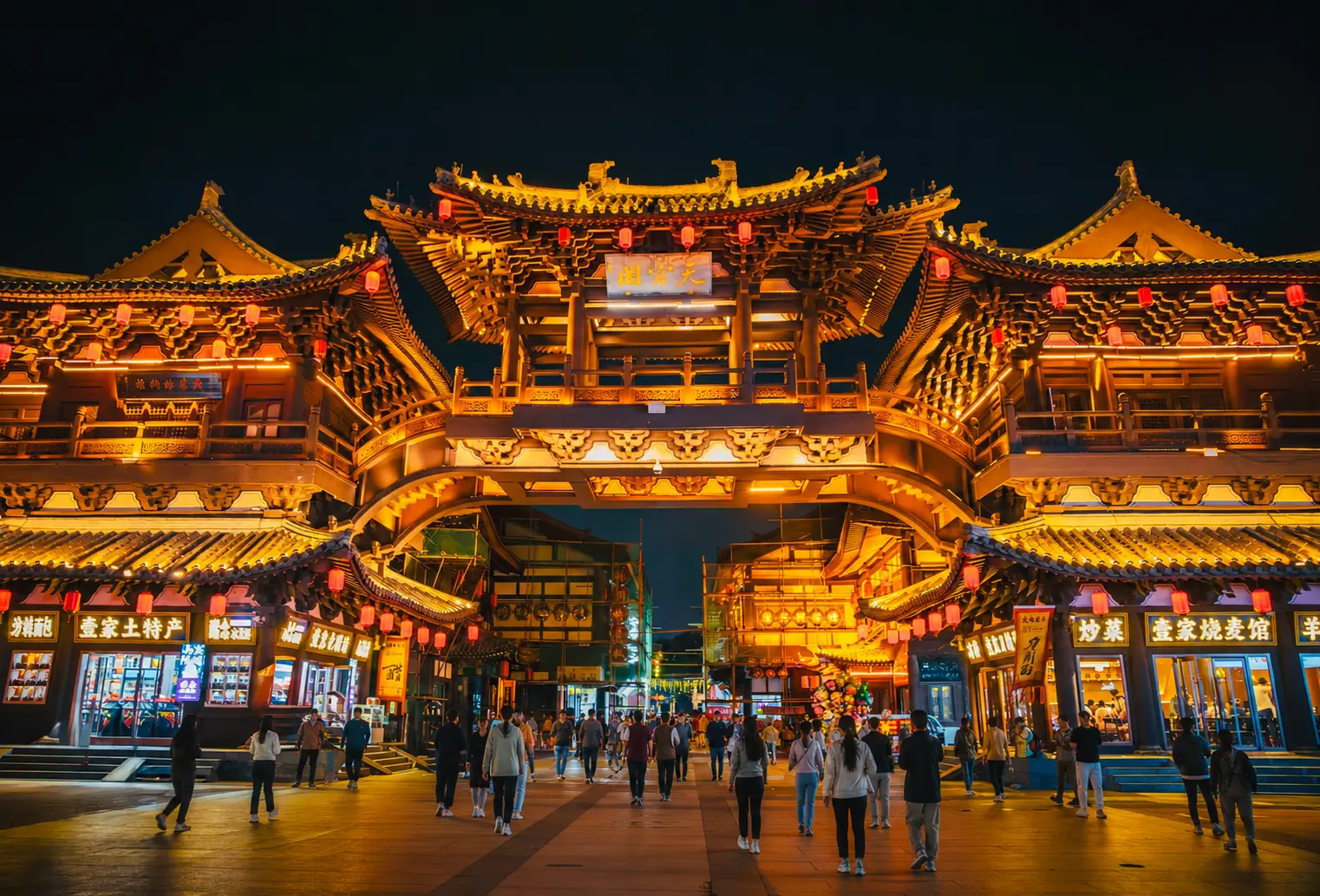
Best for: most first-time visitors.
Choose this if you want dinner, Huayan Temple, the Drum Tower, wall lights, and short evening walks close to your hotel.
Near Datong South Station
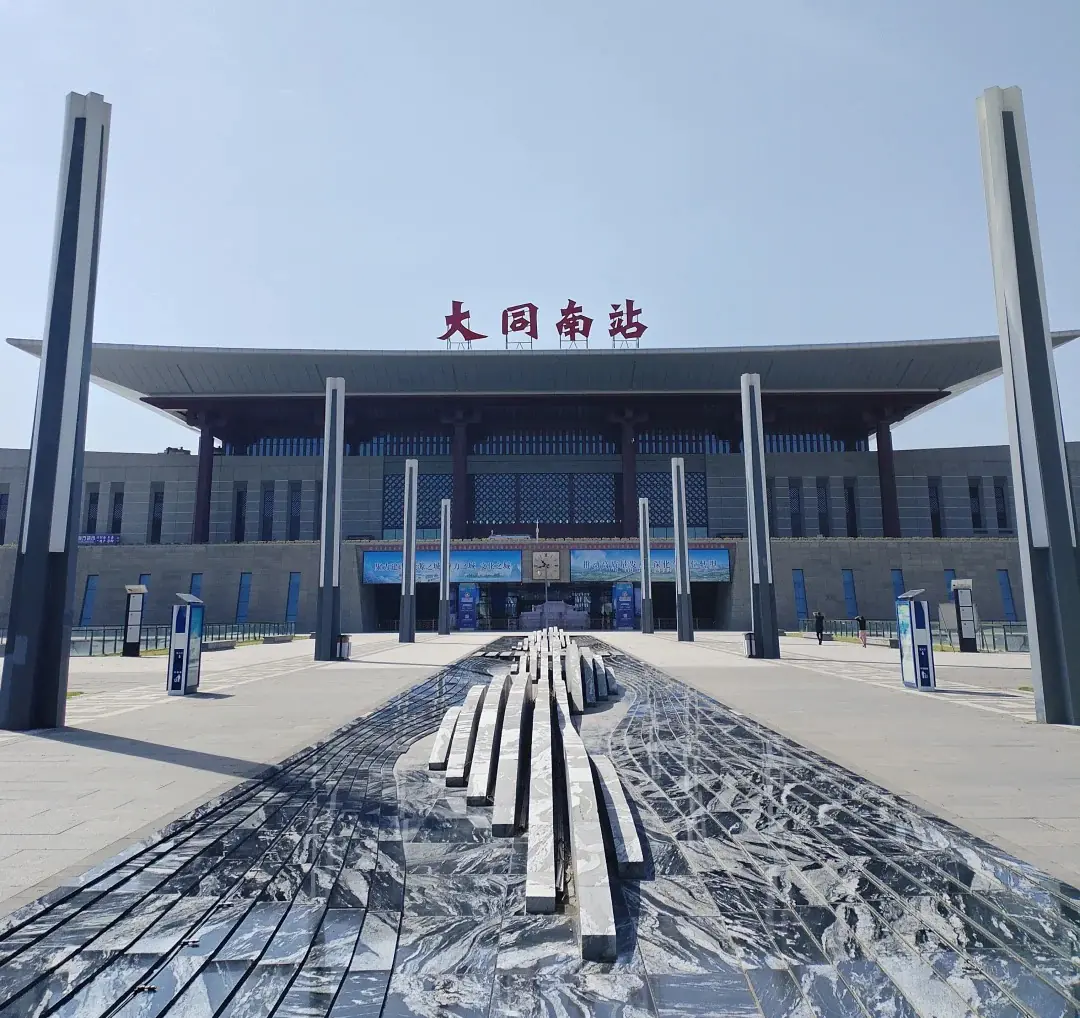
Best for: late arrival or early departure.
This is practical but less atmospheric. It works when the timetable matters more than strolling after dinner.
Near Yungang
Best for: unusual photo-focused plans.
Most travelers should not base here. Yungang is important, but it is not where Datong's evening food and walking life sit.
Hunyuan or Yingxian
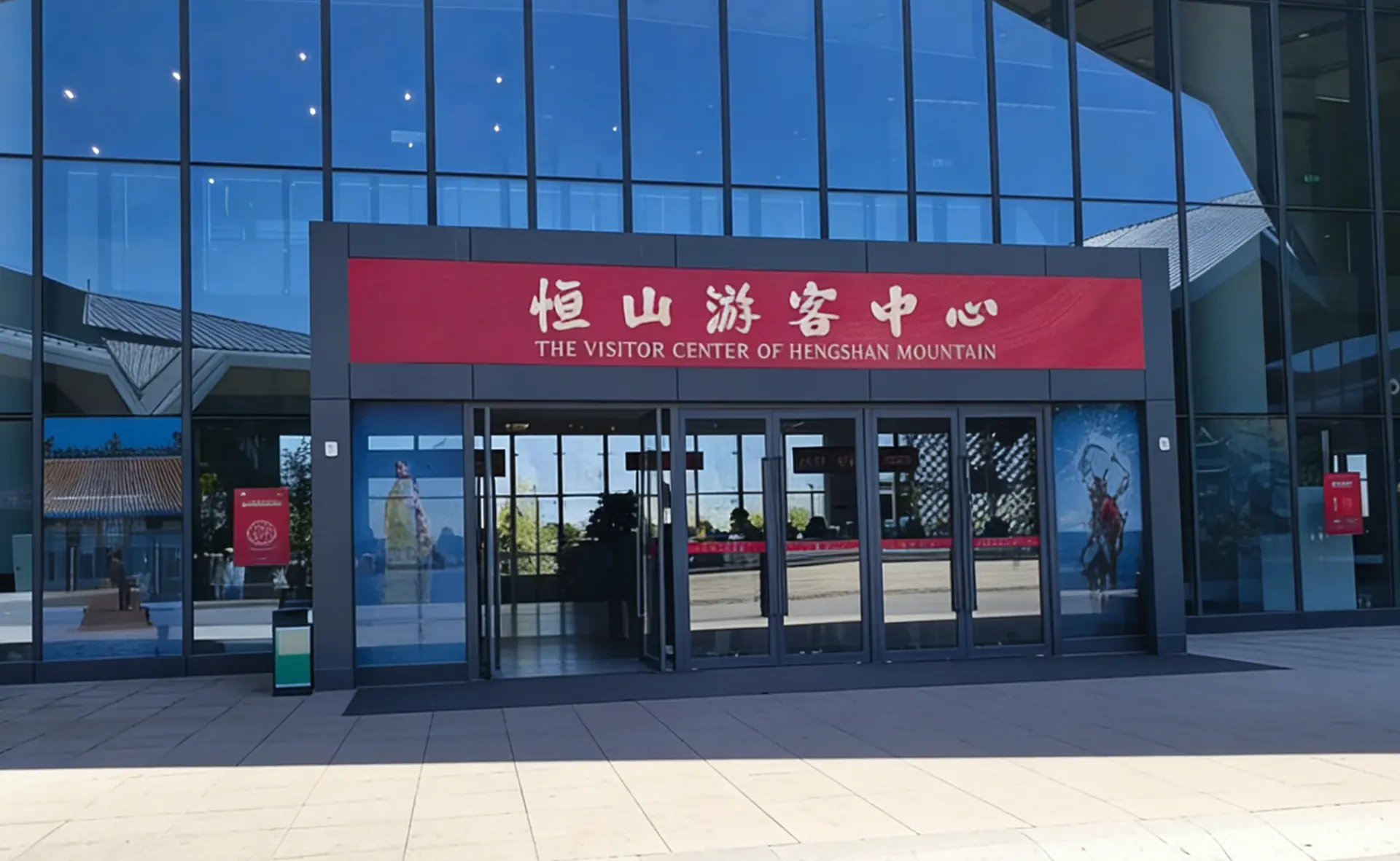
Best for: specialist architecture trips.
Consider this only if you want a focused Hanging Temple, Mount Hengshan, or Wooden Pagoda morning. Otherwise, return to Datong city.
Common Datong First-Trip Mistakes
- Do not turn Datong into a Beijing same-day side quest unless you accept a very limited visit.
- Do not reduce Yungang Grottoes to a 90-minute photo stop.
- Do not assume Hanging Temple climbing access is guaranteed on the day you arrive.
- Do not stay by the station for two sightseeing nights if your evenings belong in the old city.
- Do not expect to climb Yingxian Wooden Pagoda; treat it as a protected timber monument.
- Do leave one proper old-city dinner slot, not just a rushed noodle bowl between transfers.
Frequently Asked Questions
Two days is the best first-trip target. One day can cover Yungang Grottoes and the old city only. Three days lets you add Shanhua Temple, Datong Museum, Mount Hengshan, or a slower Shanxi extension.
Sources checked for this guide
- UNESCO World Heritage Centre: Yungang Grottoes World Heritage listing
- Yungang Grottoes official site: official Yungang tourism context
- China Daily / Shanxi official portal: Huayan Temple visitor context
- China Daily / Shanxi official portal: Yingxian Wooden Pagoda date and dimensions
- ChinaServicesInfo: Datong Museum hours and context
- China Railway 12306: current China railway timetable reference
Beyond This Guide
Once you know which version of Datong you want, use the deeper guides to build the actual route: start with Yungang Grottoes, then check the Hanging Temple and Yingxian Wooden Pagoda before deciding whether your second day belongs to Hunyuan, Yingxian, or a slower old-city plan.
For a wider Shanxi route, compare Datong with Mount Wutai, Pingyao, Taiyuan, and the merchant courtyard towns before you start linking everything by train and car.
© gochinafreely.com — Original guide by Go China Freely.