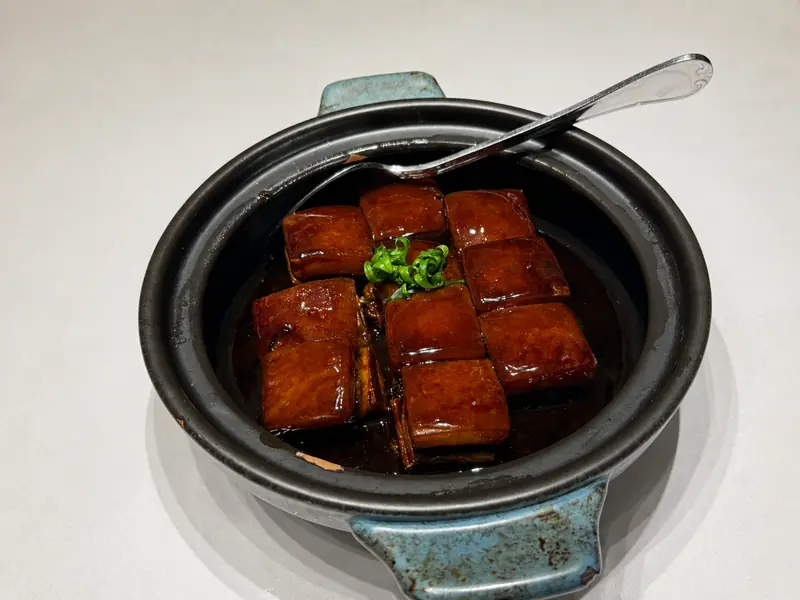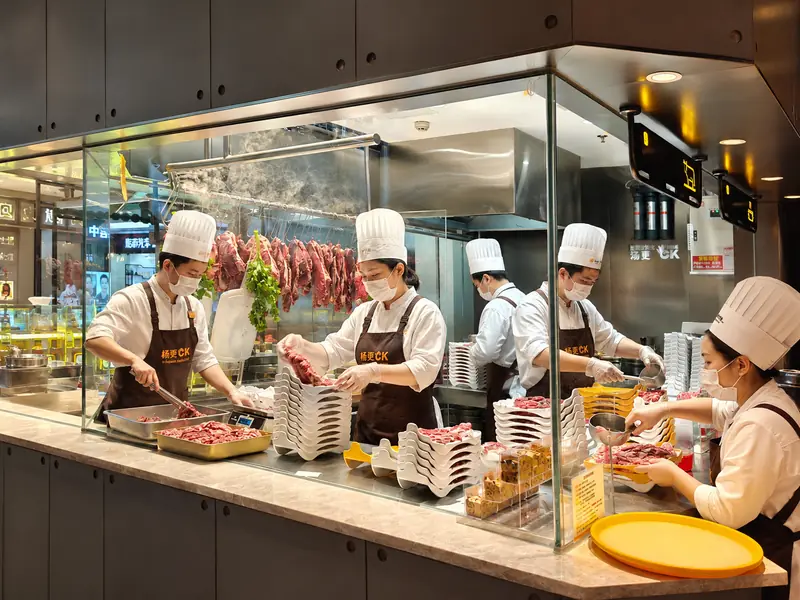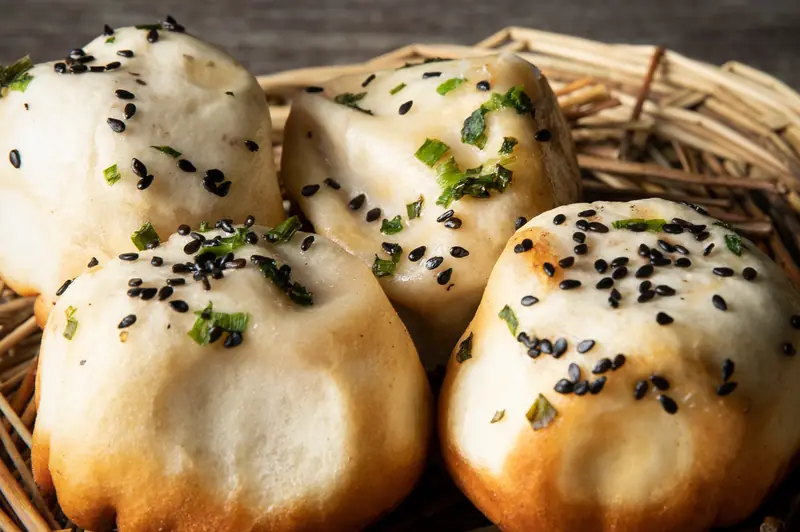
Shengjianbao (生煎馒头) look like small pork buns until the first bite proves otherwise: crisp bottom, soft steamed top, hot broth, sesame, and scallions all in one Shanghai breakfast. The official 2026 Shanghai guide calls shengjian one of the city's most common and most debated foods; this guide helps you order the right style, eat without burns, and choose a shop without turning breakfast into a half-day project.
A proper first plate gives you sesame aroma, soft tops, hot pork filling, and a browned base.
Executive Summary
What this guide covers
Shengjianbao basics, soup-filled and clean styles, how to order one liang, eating steps, Shanghai shop picks, and dietary risks.
Best first order
Start with one liang of classic pork shengjian, then add curry beef vermicelli soup if the shop offers it.
Best first area
Huangpu is easiest: Da Hu Chun, Lao Zheng He, Dong Tai Xiang, Luo Chun Ge, Shu Cai Ji, and Yang's all have central reference branches.
4 buns
One liang
CNY 9-13
4-piece price range
7-10 min
Fresh pan rhythm
Use a spoon
Burn-avoidance rule
Shanghai's Crispy Breakfast Bun and Morning Ritual
The old Shanghai name is shengjian mantou (生煎馒头). That can confuse visitors because modern Mandarin often uses mantou for plain steamed bread, but Shanghai and the Jiangnan region kept an older usage where mantou can mean filled buns too. English menus may call them shengjianbao, pan-fried pork buns, or pan-fried soup buns; the key idea is simpler: they are fried and steamed in the same pan.

The golden base is the first quality check before you even reach the soup.
The official Shanghai page traces the snack from Suzhou in the early 1910s to Shanghai by the 1920s, when it became a simple tea-house and neighborhood snack. Today it works for breakfast, quick lunch, or a late snack, but locals still argue about what makes a proper one: more soup, cleaner dough flavor, pleats up, pleats down, old-school or modern.
For travelers, the decision is practical. A good shengjianbao should give you three things in order: a crisp base, a soft steamed top, and a hot pork filling that tastes juicy without becoming greasy. If you rush the first bite, the broth can escape before you taste any of that.
Do not overthink the name
If a Shanghai menu says shengjian mantou, it still means the pan-fried filled bun in this guide. Order by pointing at 生煎馒头 or 生煎, not by debating whether it counts as bao.
How Shengjianbao Gets Crispy and Juicy
Shengjianbao are not steamed first and fried later. The same pan does the work: oil browns the base, steam cooks the upper dough and pork, then the last heat crisps the bottom again.
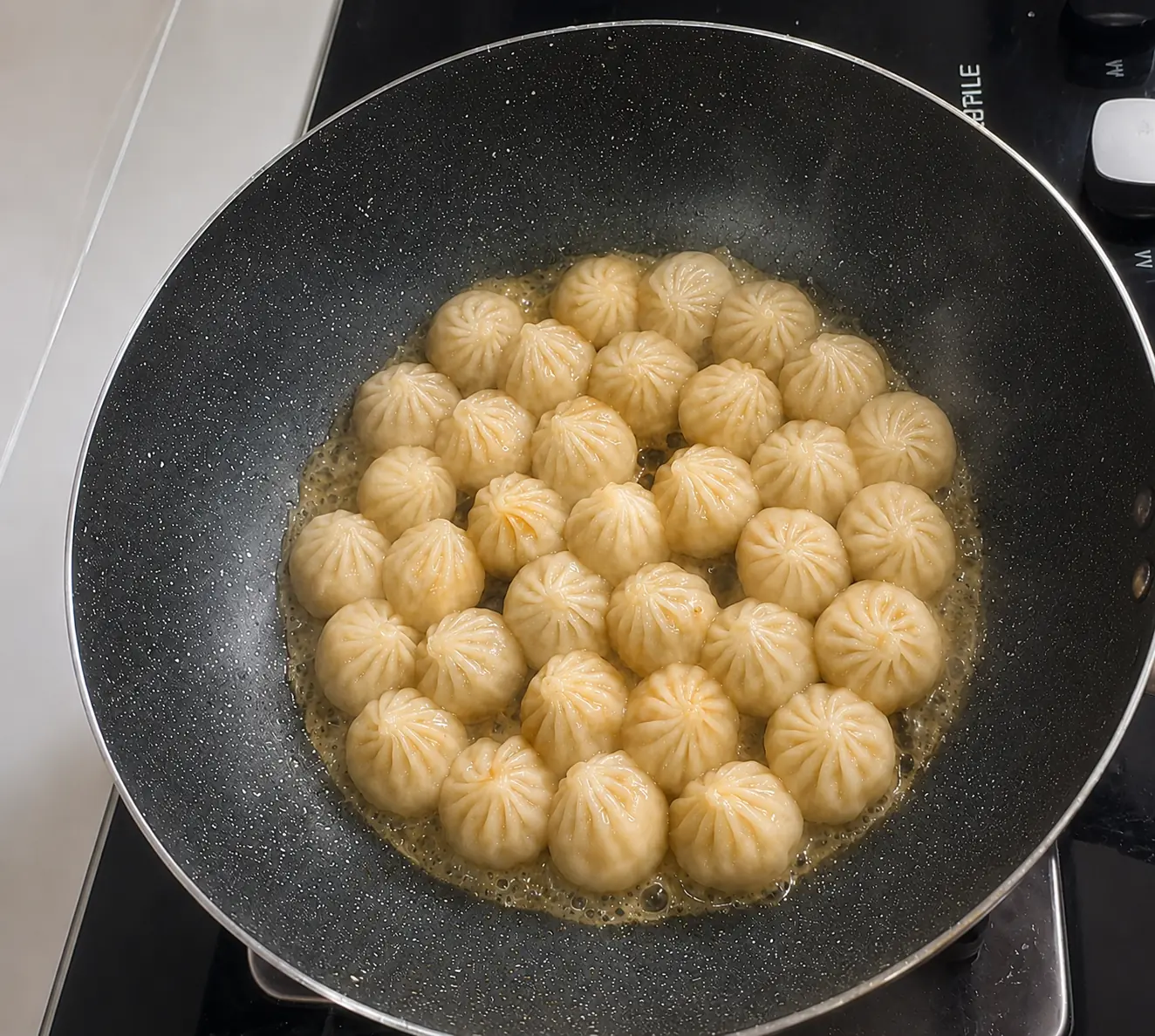
The same pan browns the base and steams the top before the bottom crisps again.
- Brown the base- The buns sit in an oiled flat pan so the bottom starts taking color.
- Add water and cover- Steam cooks the upper dough and pork filling while the base stays in contact with the pan.
- Let the water evaporate- When moisture drops, the bottoms meet hot oil again and turn golden.
- Serve quickly- Fresh shengjian keeps the best contrast between crisp base, soft top, and hot filling.
Some styles use pork-skin aspic or meat jelly in the filling; heat melts it into broth. Other old-school styles rely more on the natural meat juices and fermented dough. Soupiness is satisfying, but it is not the only quality test. Dough aroma, even browning, filling balance, and whether the bun stays plump all matter.
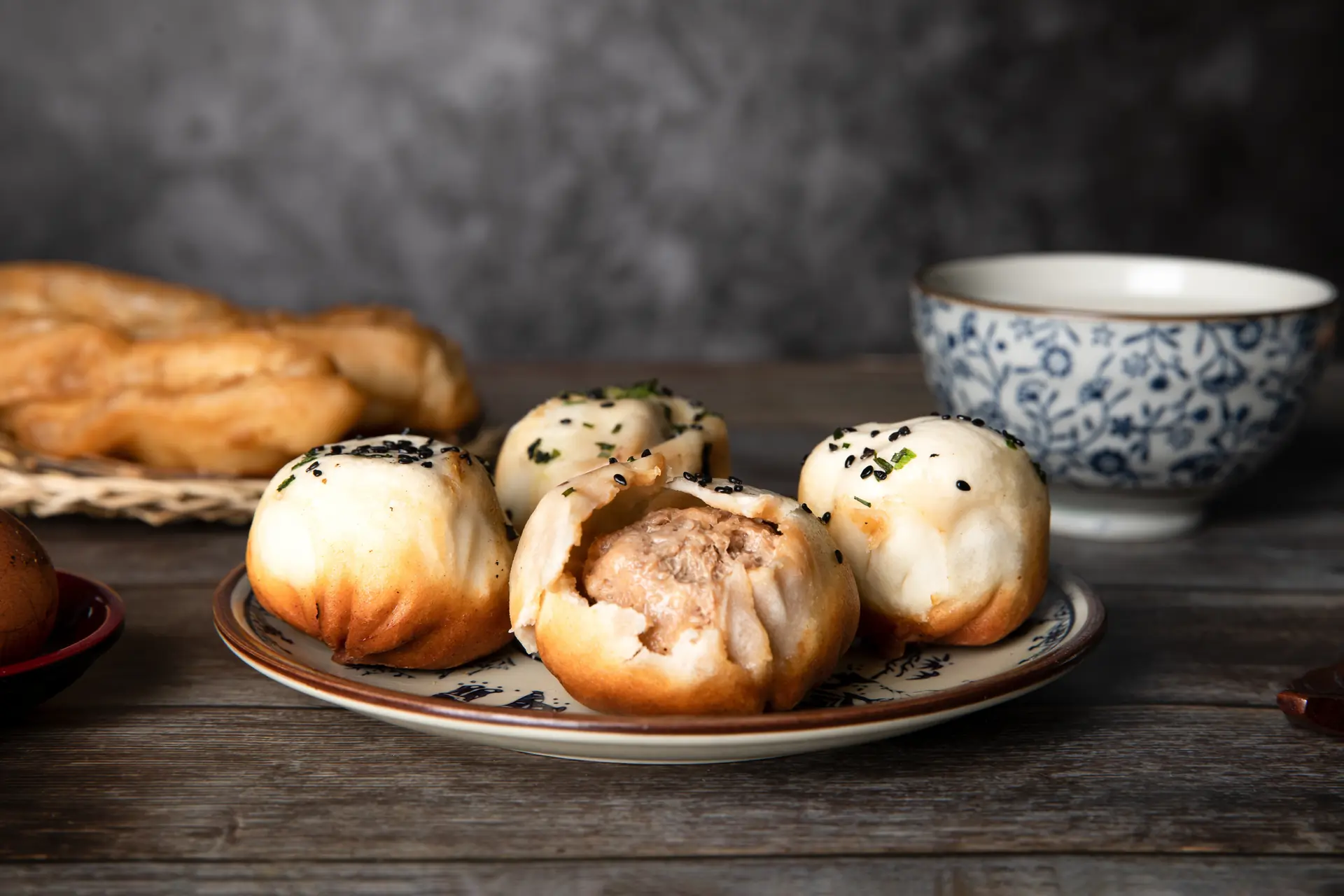
A juicy shengjianbao can release broth quickly, which is why the first bite needs patience.
Eat them in the shop when possible
Look for a base that is golden rather than scorched, a top that stays soft and springy, and a filling that tastes savory and hot rather than muddy. Takeout gives you convenience, but it also gives the crisp bottom time to soften.
Soup-Filled vs Clean Shanghai Shengjian Styles
Shanghai shengjian are often explained through two style families, plus a practical middle ground for first-timers. Think of them as choices in texture, not a purity test.
Soup-Filled
浑水 · Richer and more dramatic
- ✓Semi-leavened dough, pleats facing down, pork mixed with aspic, and a scalding broth pocket inside.
- ✓Best if you want the juicy surprise many visitors expect after trying soup dumplings.
Clean Style
清水 · Older dough-forward style
- ✓Fully leavened dough, pleats facing up, less reliance on aspic, and a breadier bite.
- ✓Best if you want old Shanghai texture, cleaner meat flavor, and a cracker-like base.
Middle Ground
Some juice, lower risk
- ✓Enough meat juice to feel satisfying, but less explosive than a soup-heavy modern bun.
- ✓Best for first-timers who want a safer baseline before chasing either extreme.
Da Hu Chun (大壶春) is the official 2026 guide's classic example of clean style.
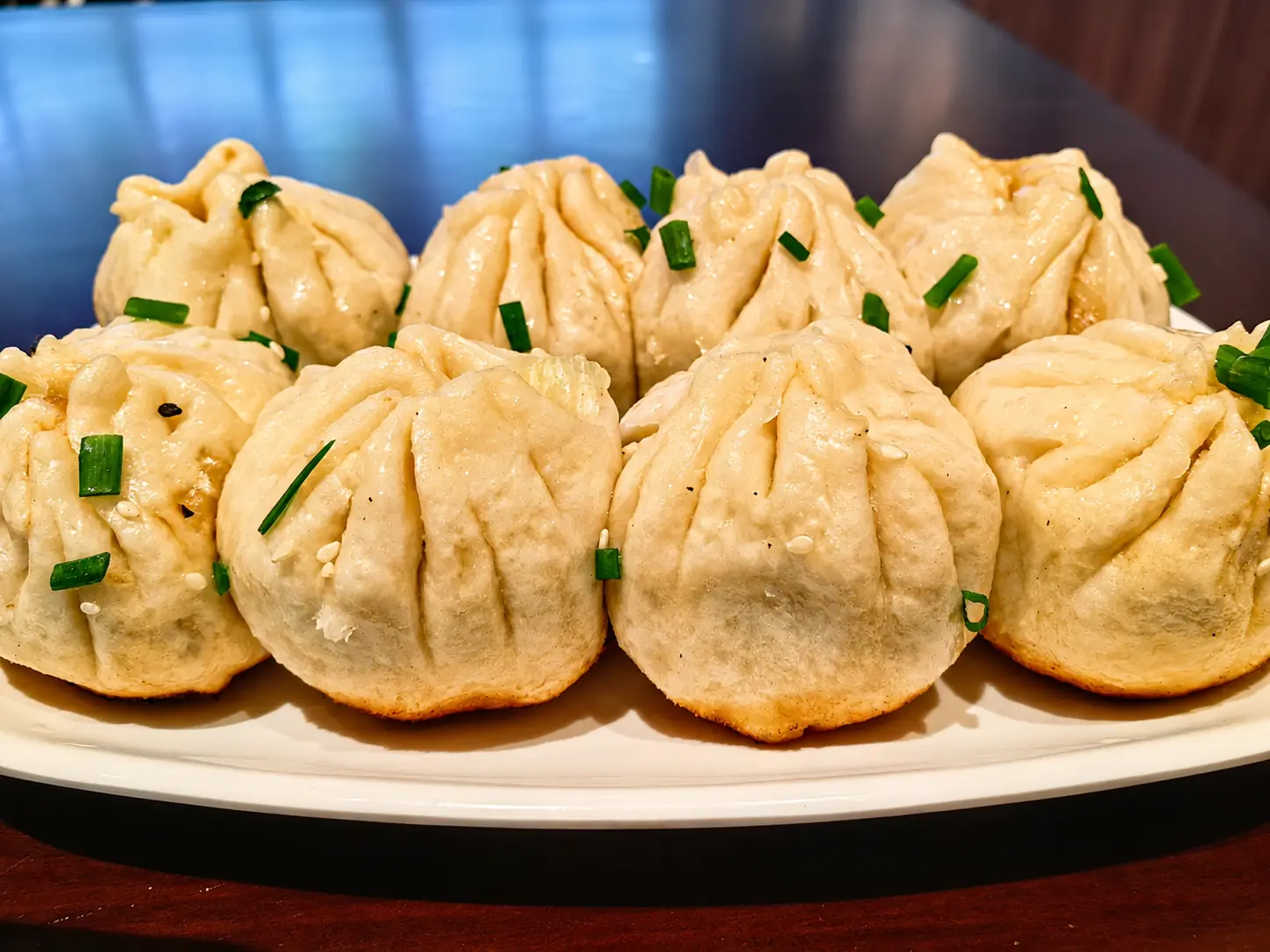
Clean-style shengjian is breadier, less explosive, and more about dough aroma.
You do not need to pick a side on your first meal. Choose the soup-filled style if you want the juicy surprise. Choose the clean style if you want old Shanghai texture and dough flavor. Choose a middle-ground shop if you want enough juice without a high-risk first bite.
How to Order One Liang in Shanghai
In a Shanghai shengjian shop, one liang (一两) does not mean you need to calculate weight at the counter. The official 2026 page explains that although liang is a 50-gram weight unit, one liang in the shengjian context usually means four buns. The convention comes from making four buns from one liang of flour.
For a first order, keep it simple: one liang of classic pork shengjian. Two travelers can share two liang, then add curry beef vermicelli soup (咖喱牛肉粉丝汤) or small wontons if the shop offers them. Traditional shops often treat that soup as the natural partner because the curry aroma and vermicelli cut through the fried richness.
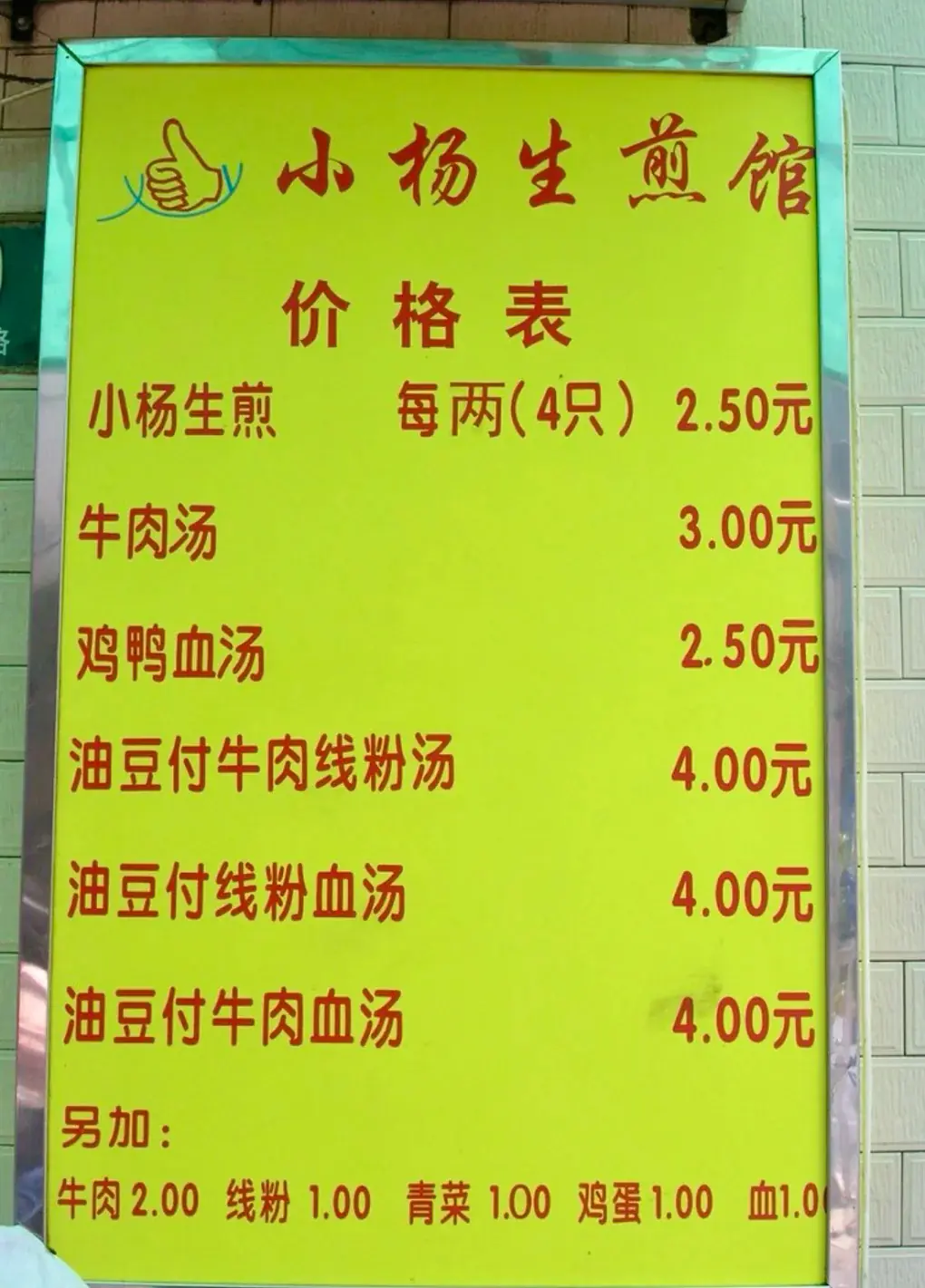
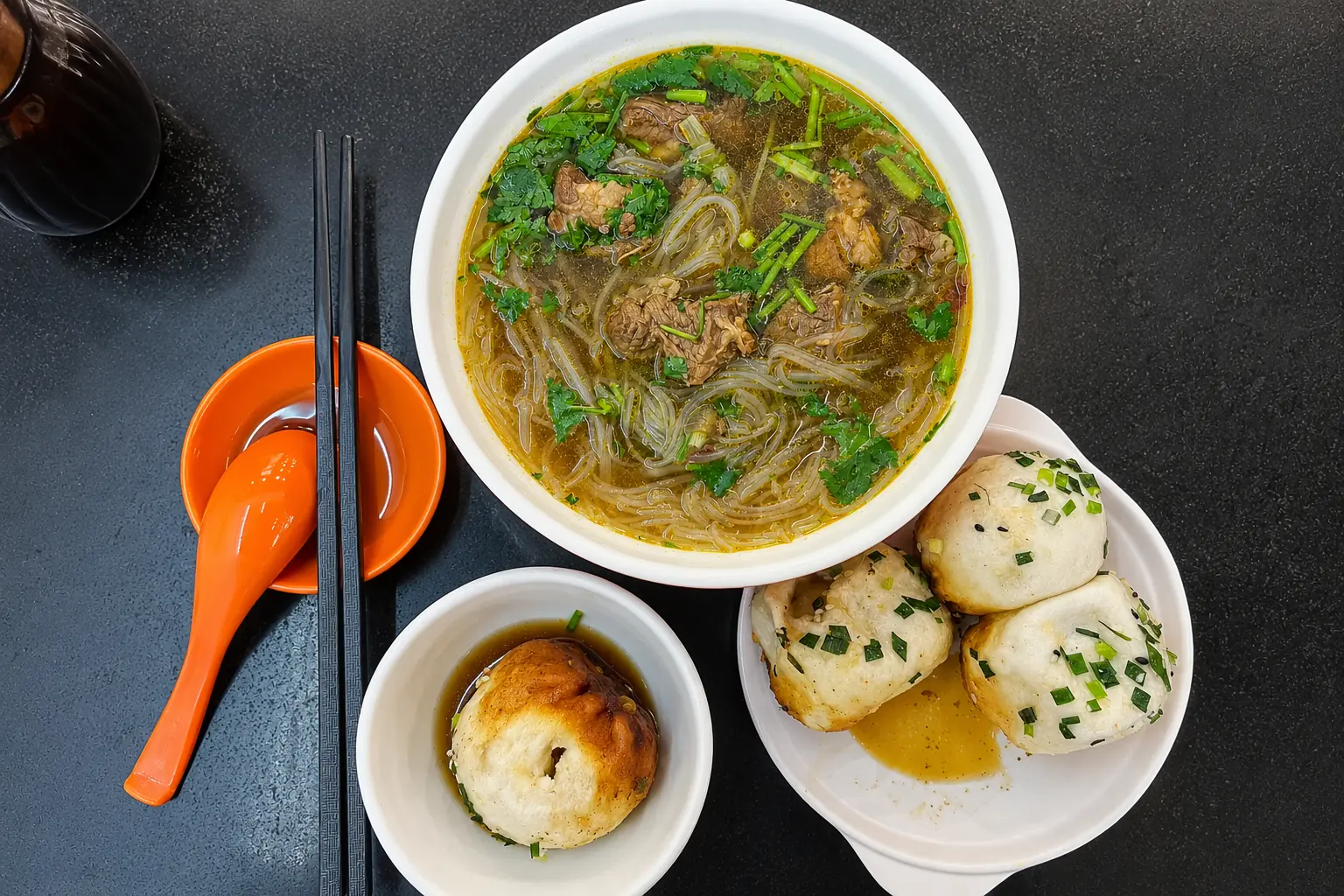
Do not soak the buns in vinegar at the start. The official eating sequence keeps the meat aroma clear first, then uses vinegar later with the crisp bottom and dough. Too much vinegar too early softens the base and hides the point of the bun.
Decision shortcut
First Order Strategy
Want the classic baseline
Order one liang of pork shengjian first. It shows dough, bottom, filling, and juice balance.
Want old-school Shanghai
Try clean-style shengjian at Da Hu Chun or another traditional shop.
Want the juicy modern bite
Try Yang's or another soup-filled shop, but open each bun carefully before biting.
How to Eat Shengjianbao Without Burns
The risky part is not the fried bottom; it is the trapped hot broth. Freshly cooked shengjianbao can be hotter than they look, especially soup-filled versions and modern extra-juicy buns. Do not bite straight through the middle, and do not squeeze the belly with chopsticks.
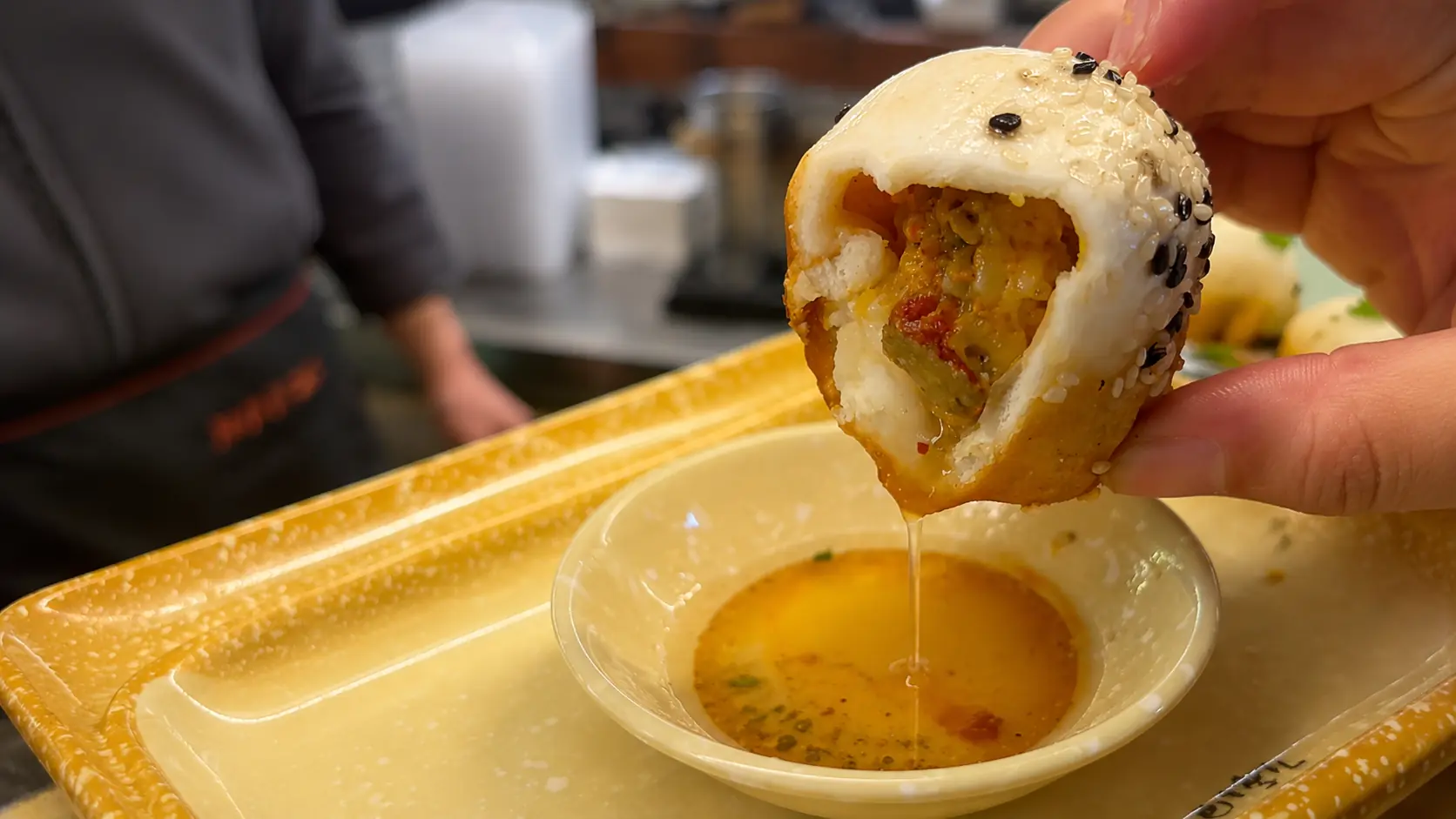
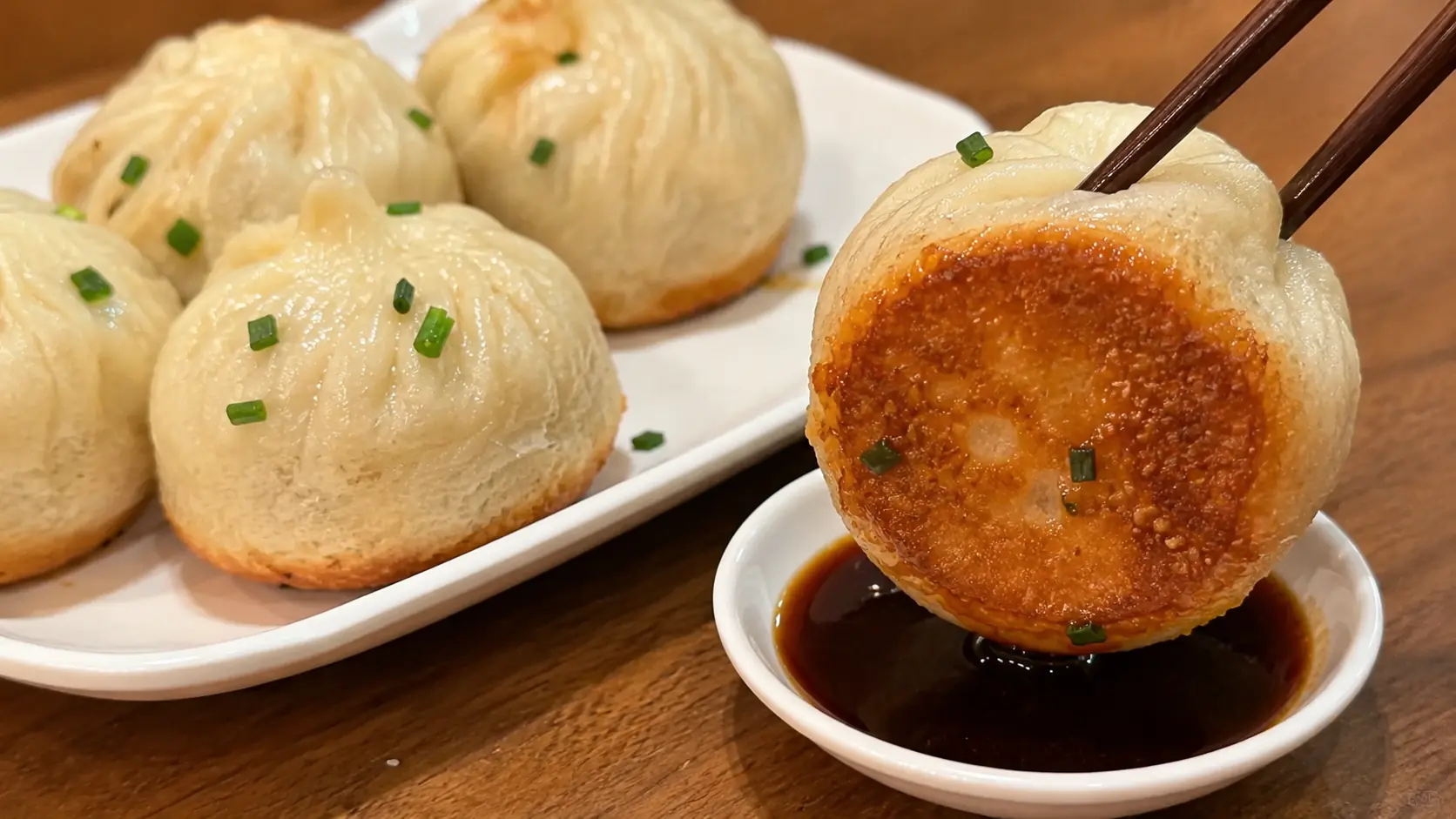
Use this sequence:
- Set it on a spoon- The spoon catches broth if the bun opens suddenly.
- Open a small window- Nibble or poke a small hole at the top or side.
- Sip the broth- Let steam escape first; the soup is hotter than it looks.
- Eat filling, then crisp bottom- Add vinegar only after tasting the meat aroma.
Children, older travelers, and anyone heat-sensitive should wait 20-30 seconds before opening the bun. Shengjianbao are also awkward walking food: the broth leaks, the bottom softens, and white shirts lose arguments with hot pork soup.
Where to Eat Shengjianbao in Shanghai
This is a style-and-route guide, not a ranking. The shop details below are based on Shanghai's official 2026 English page; hours, queues, and prices can change, so confirm on your map app or at the counter on the day you go.
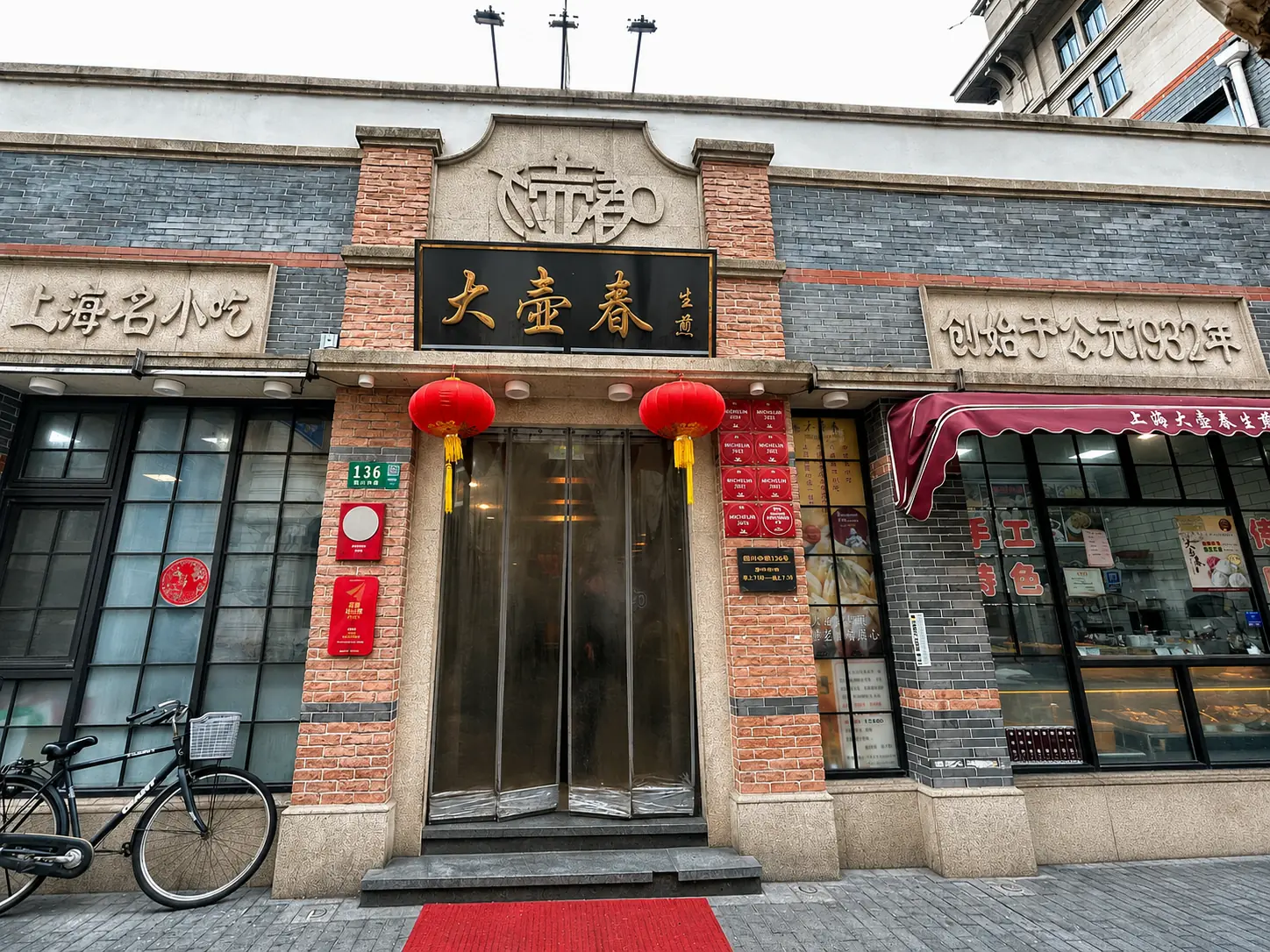
The official page lists Da Hu Chun as founded in 1932, with the Middle Sichuan Road branch at No. 136 and a 2026 reference price of ¥11 for four pieces. Go here for old-school dough aroma, restrained juice, and a crisp base that matters more than an explosive soup pocket.
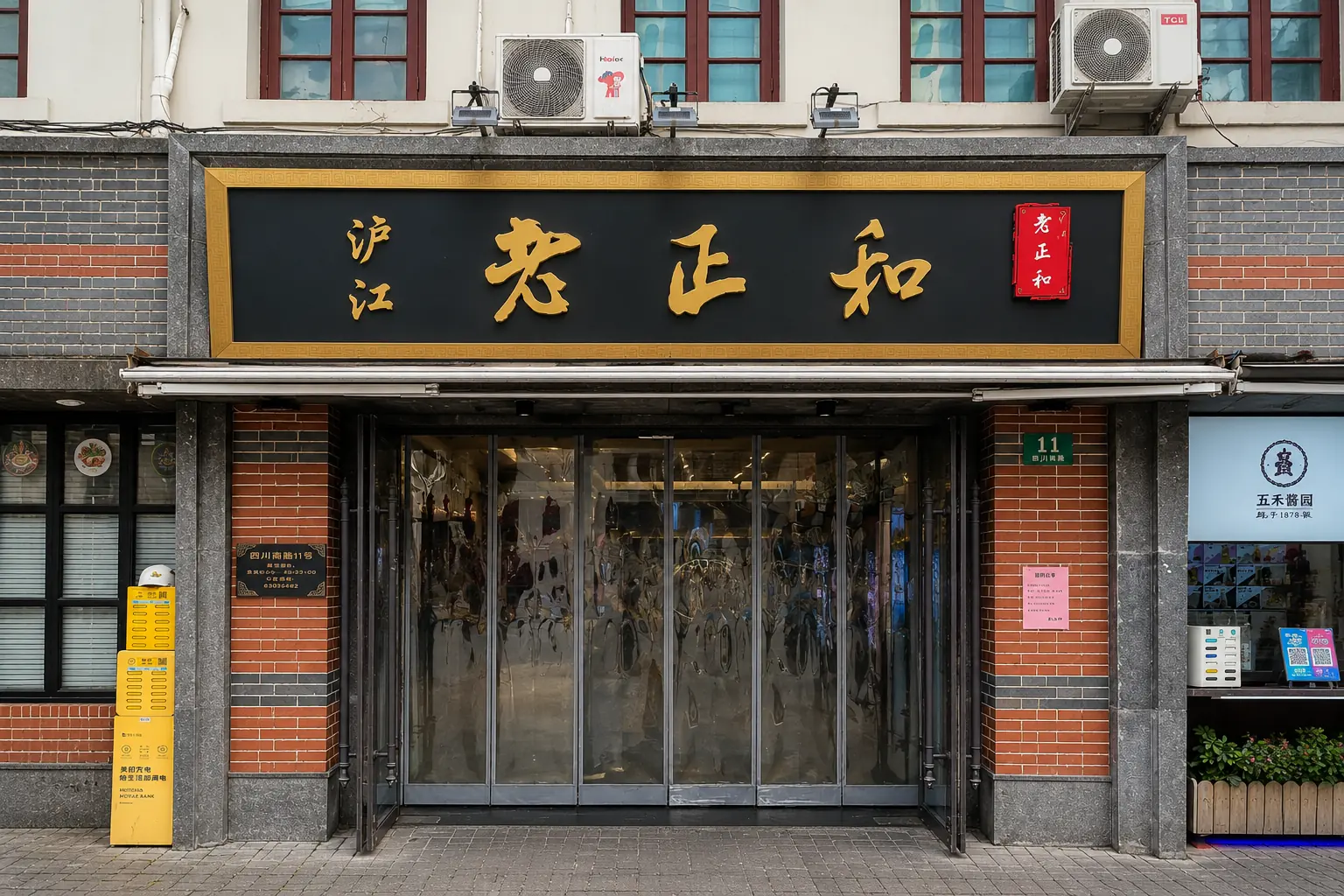
Lao Zheng He Shengjian is useful for a first-timer who wants a middle ground. The official page links it to the historical shengjian tradition and describes a clean-style base with enough meat juice to avoid dryness. The reference address is No. 11 South Sichuan Road.
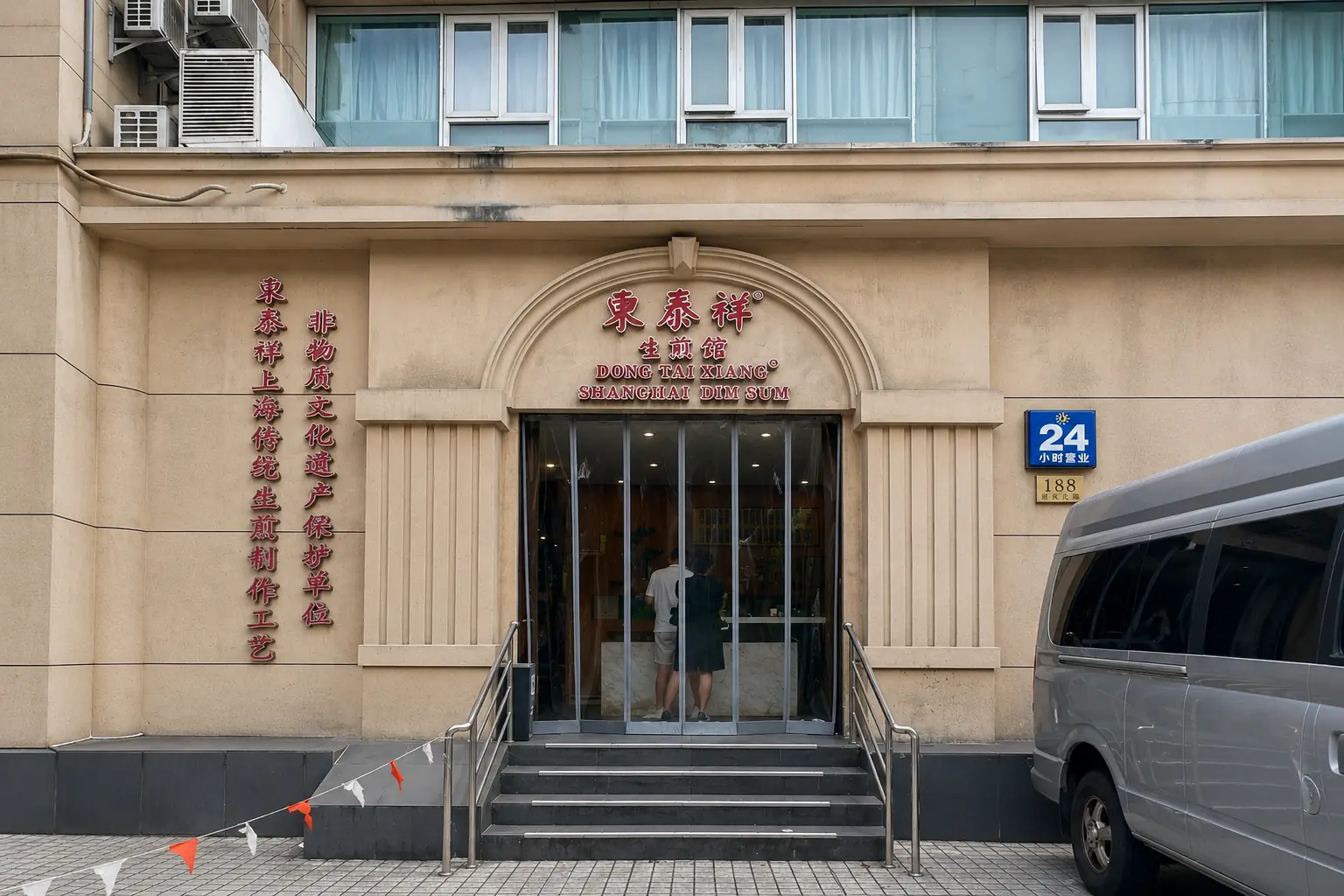
Shanghai's official guide says Dong Tai Xiang's semi-fermented technique is recognized as an intangible cultural heritage item and lists the North Chongqing Road branch at No. 188. The mark of its skill is that the buns stay plump instead of collapsing after they cool.
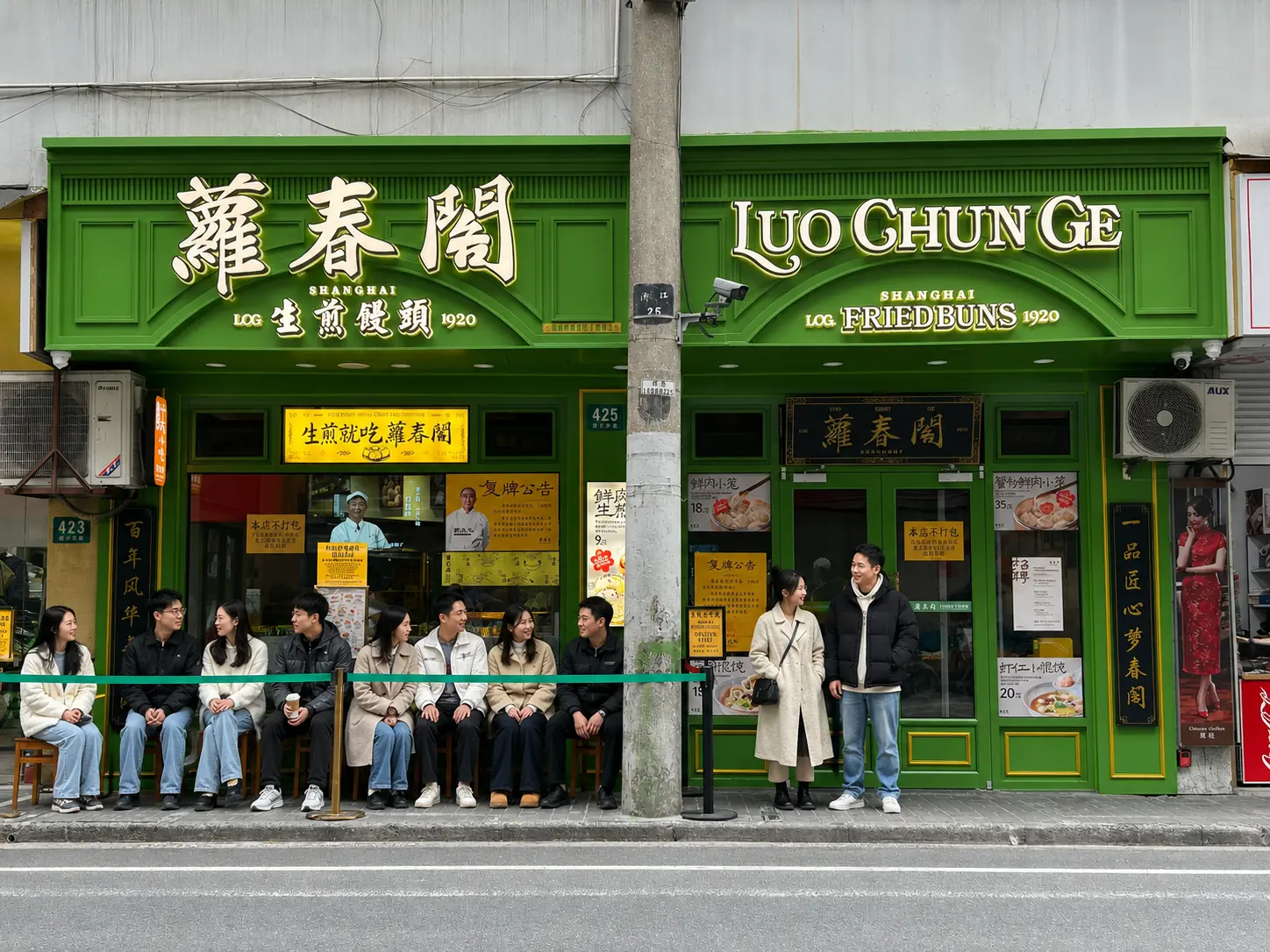
The official reopening article describes Luo Chun Ge's return to Middle Zhejiang Road after a 21-year break, while Shanghai's 2026 food guide notes its traditional soy sauce seasoning, richer red soup style, and curry beef vermicelli soup pairing. Expect interest and queues when the shop is trending.
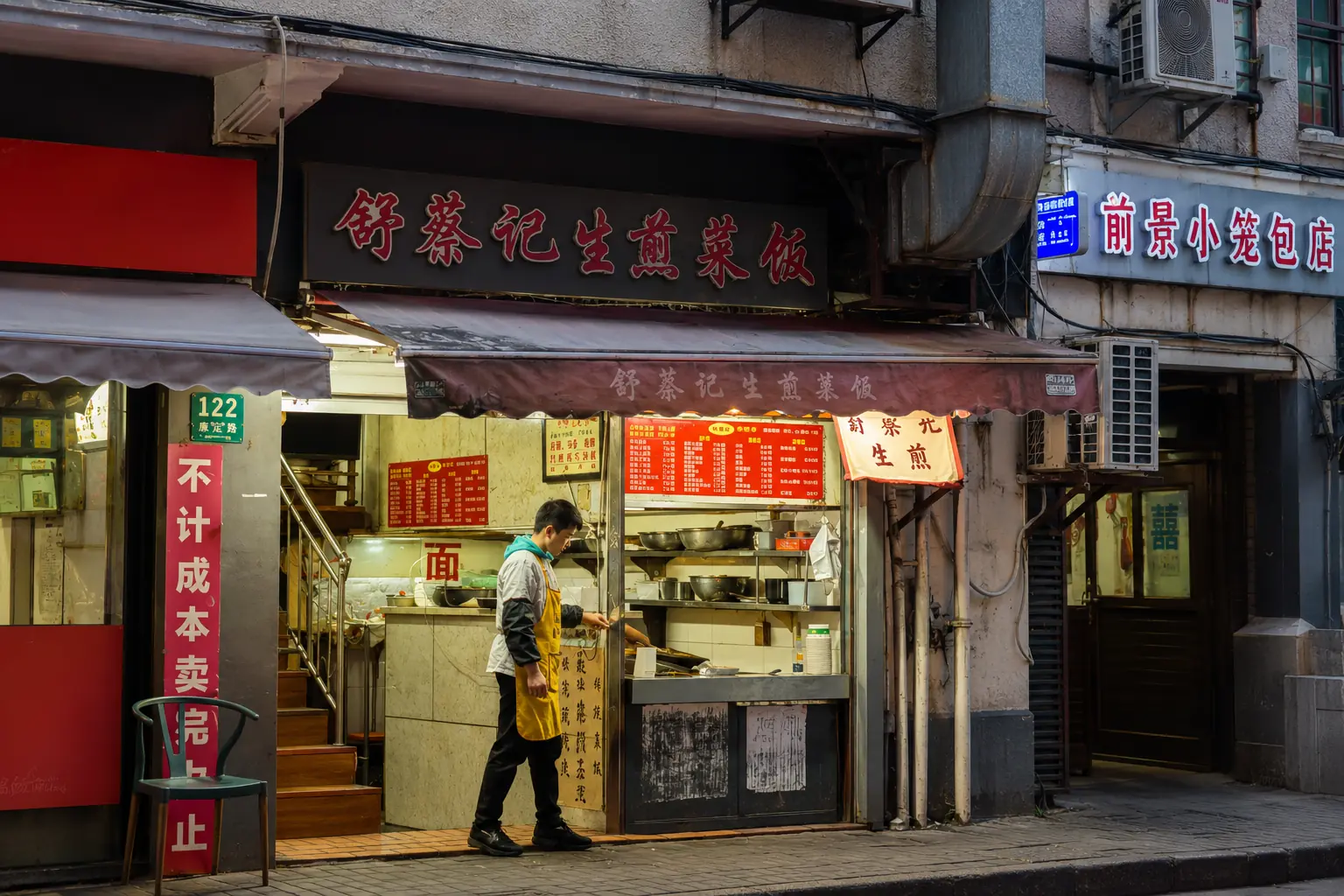
Shu Cai Ji Shengjian Cai Fan works well if you are staying around People's Square and want a quick local breakfast or lunch. The official page describes thin skins, a well-seared bottom, and a sweet-savory broth with old Shanghai street-snack energy. The reference address is No. 120 Middle Zhejiang Road.
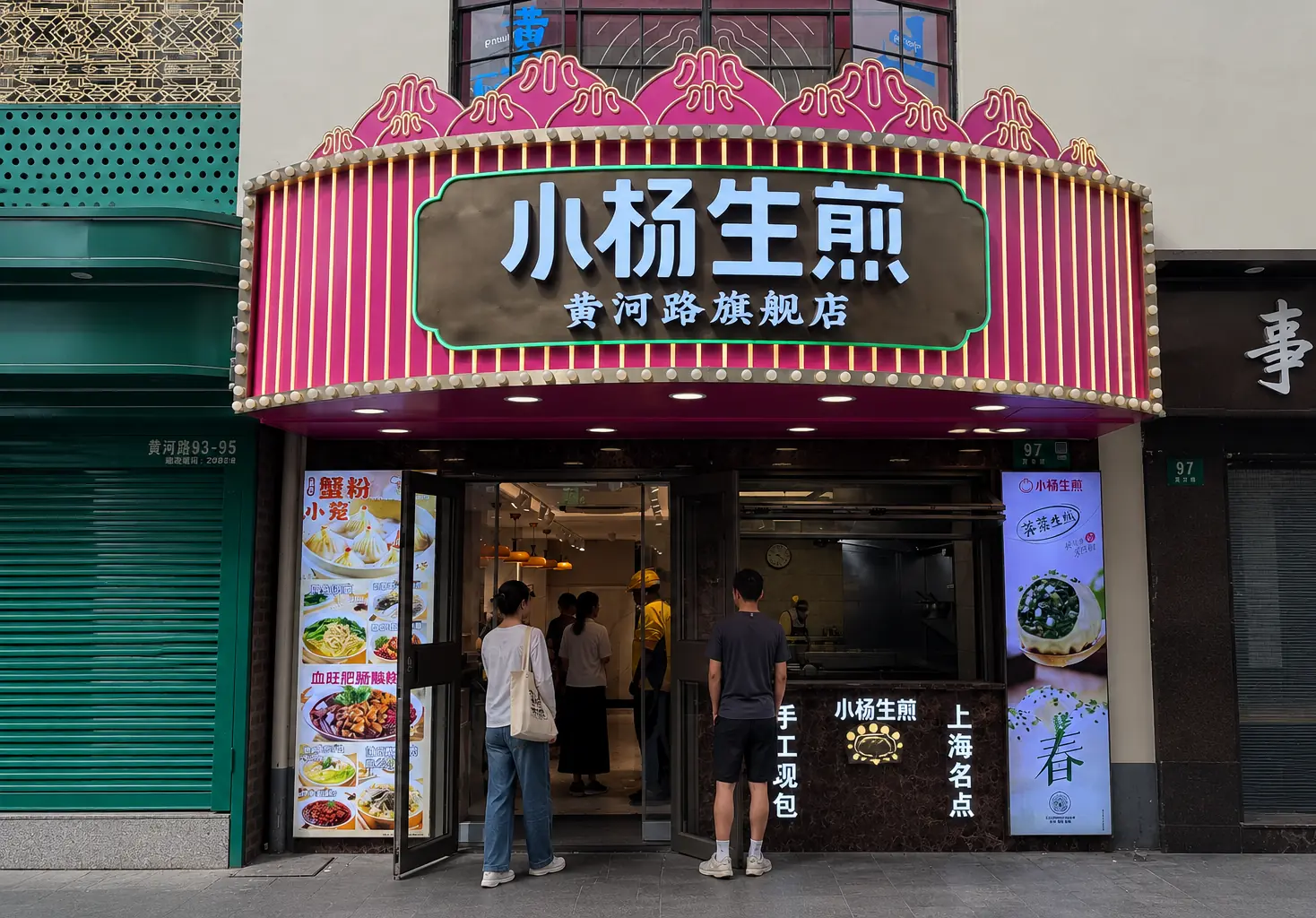
Yang's Fry-Dumpling, better known locally as Xiao Yang Shengjian, has popularized an unleavened, thin-skinned, broth-heavy style since 1994, according to the official page. Traditionalists may debate its authenticity; visitors usually appreciate that it is direct, juicy, and easy to order.
Shengjianbao vs Xiaolongbao and Other Dumplings
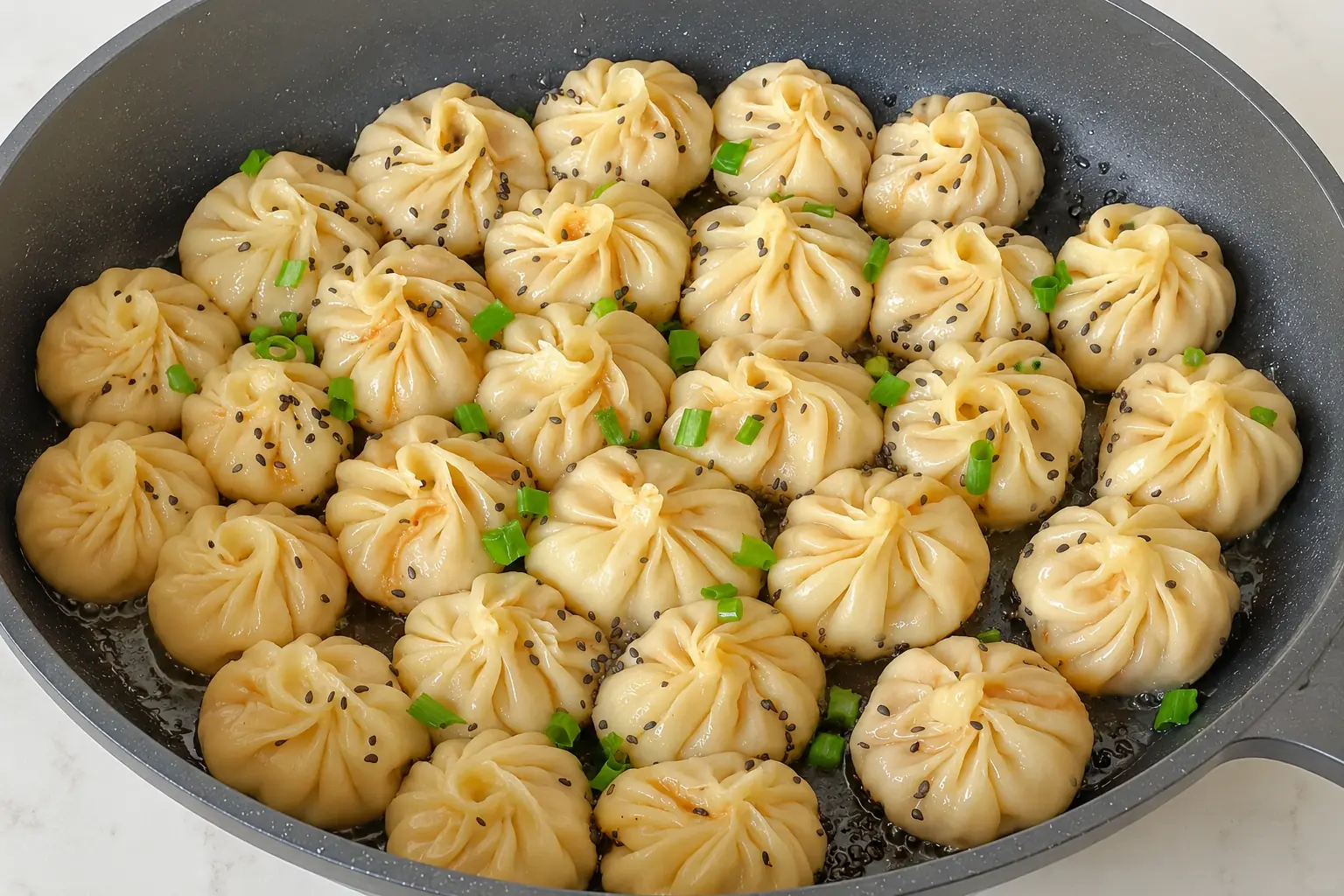
Xiaolongbao and shengjianbao can both contain hot soup, but do not judge them by the same rules. Xiaolongbao (小笼包) are steamed in bamboo baskets, with thin skins and a spoon-supported eating ritual. Shengjianbao are pan-fried and steamed in a pan, with thicker dough, a crisp bottom, sesame, scallions, and a heartier breakfast feel.
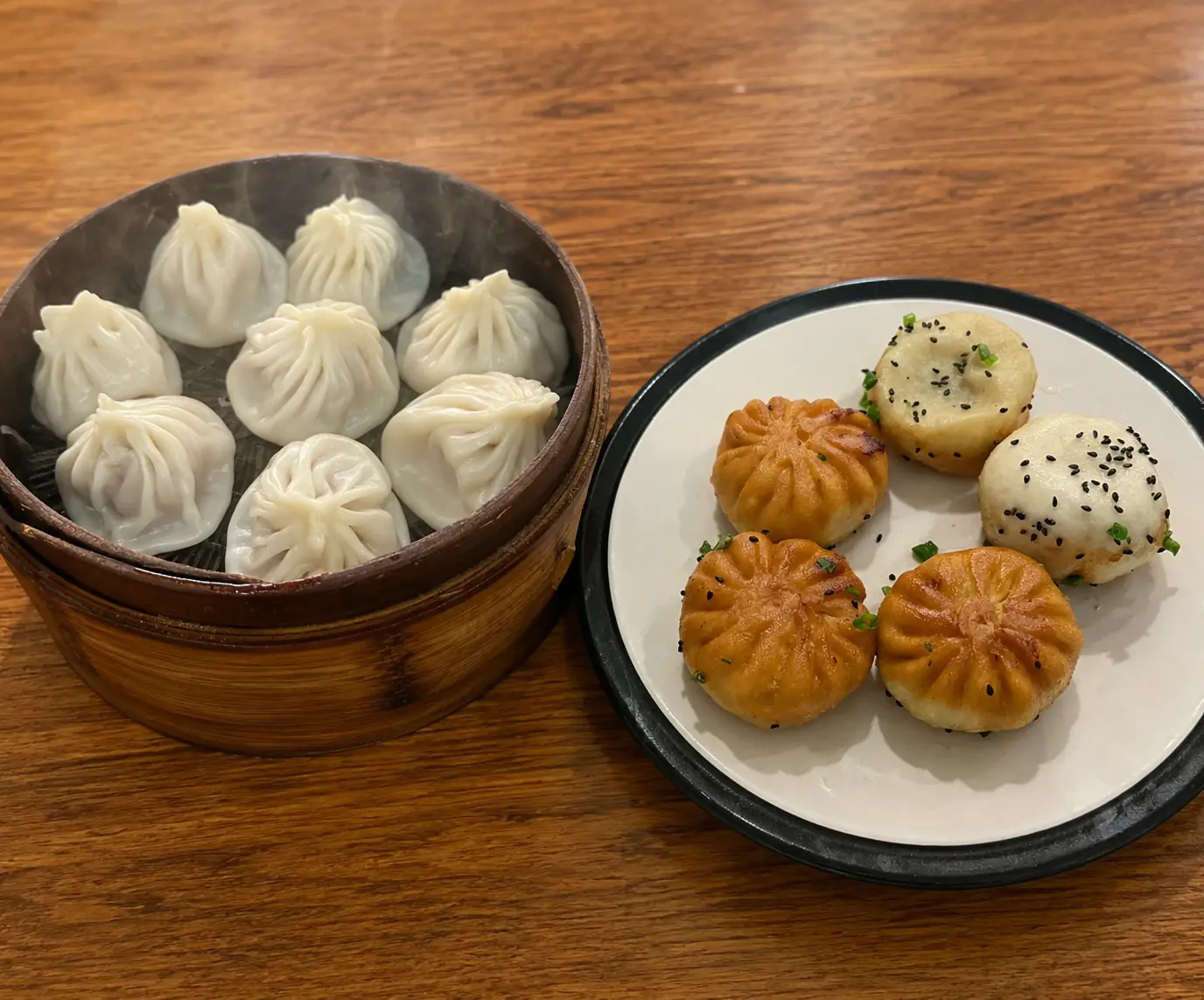
Shengjianbao and xiaolongbao both hide soup, but the dough and cooking method are completely different.
Pot stickers (锅贴) also have a crisp underside, but they are usually long dumplings rather than leavened buns. Baozi (包子) are usually steamed and fluffy, without the pan-seared base. If you have time, eat xiaolongbao and shengjianbao at separate meals; the contrast is much clearer when you are not rushing both onto the same table.
| Food | Cooking Method | Texture | Best Moment |
|---|---|---|---|
| Shengjianbao (生煎包) | Pan-fried, then steamed in the pan | Crispy bottom, soft top, juicy pork | Breakfast or quick lunch |
| Xiaolongbao (小笼包) | Steamed in bamboo baskets | Thin skin, controlled soup pocket | Breakfast, lunch, or dim sum-style meal |
| Pot stickers (锅贴) | Pan-fried dumpling | Crisp underside, chewy dumpling wrapper | Snack or noodle-shop side |
| Baozi (包子) | Usually steamed | Fluffy bun, no crisp base | Simple breakfast |
For a deeper comparison, read the separate Shanghai xiaolongbao guide, then use the Shanghai food guide to build the rest of your meals.
Dietary Risks and Useful Ordering Phrases
Classic shengjianbao are not vegetarian, halal, or gluten-free. The standard version uses pork, wheat dough, and often meat jelly or meat broth. Seafood versions may still contain pork as the base filling. Sesame and scallions are common toppings, and shared pans create cross-contact.
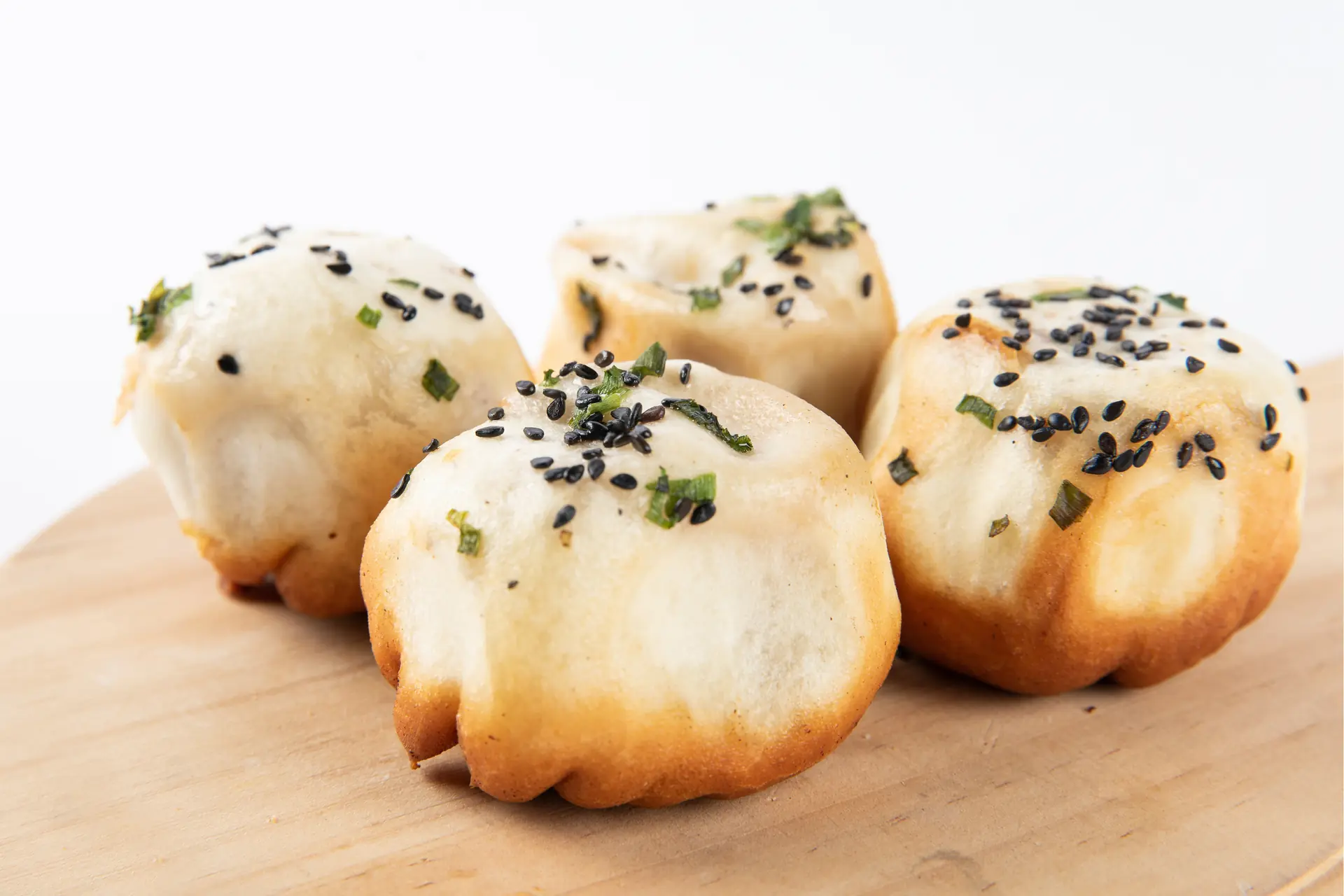
Sesame and scallions are part of the classic aroma, but both matter for allergy planning.
Strict diets need a backup plan
If you have a serious allergy, religious restriction, or strict vegetarian diet, a normal shengjian shop is not a safe bet. The menu may look simple, but the filling, broth, topping, and shared pan all matter.
| Concern | Why It Is Risky | Traveler Move |
|---|---|---|
| No pork | Classic filling is pork; juicy versions may use pork-skin aspic or meat broth | Ask directly, and do not assume seafood versions are pork-free |
| Gluten or wheat | The bun skin is wheat dough, and shop-level cross-contact is normal | Choose another food stop if gluten must be avoided strictly |
| Sesame allergy | Sesame seeds are a common topping and may be handled near every pan | Use a written allergy card; skipping visible sesame may not remove cross-contact |
| No scallions | Scallions are usually sprinkled at the end, but not every shop customizes | Ask for no scallions before the order is cooked or plated |
| Vegetarian, halal, kosher | Pork, broth, aspic, and shared cooking surfaces make verification difficult | Treat shengjian as a visual food experience and eat elsewhere |
| English | Chinese | Pinyin | Say It Like… |
|---|---|---|---|
| I want one liang of classic pork shengjian. | 我要一两鲜肉生煎。 | Wǒ yào yì liǎng xiān ròu shēng jiān. | Waw yaow ee lyahng shyen roe shung jyen |
| Does this contain pork? | 这个里面有猪肉吗? | Zhège lǐmiàn yǒu zhūròu ma? | Juh-guh lee-myen yo joe-roe mah |
| No scallions, please. | 不要葱花。 | Bú yào cōnghuā. | Boo yaow tsong-hwah |
| I am allergic to sesame. | 我对芝麻过敏。 | Wǒ duì zhīma guòmǐn. | Waw dway jir-mah gwaw-min |
| Can you pack this to go? | 可以帮我打包吗? | Kěyǐ bāng wǒ dǎbāo ma? | Kuh-yee bahng waw dah-baow mah |
Frequently Asked Questions
No. Xiaolongbao are steamed soup dumplings with thin skins. Shengjianbao are pan-fried and steamed in a pan, with a crispy base, thicker dough, sesame, scallions, and a more breakfast-snack feel.
Beyond This Guide
Shengjianbao make the most sense when they sit inside a real Shanghai morning: a quick snack, a nearby walk, and another meal later so you can compare them with xiaolongbao. Pair this guide with the one-day Shanghai route, the Yu Garden guide, and the broader Shanghai food guide when you want the whole day to fit together.
© gochinafreely.com — Original guide by Go China Freely.