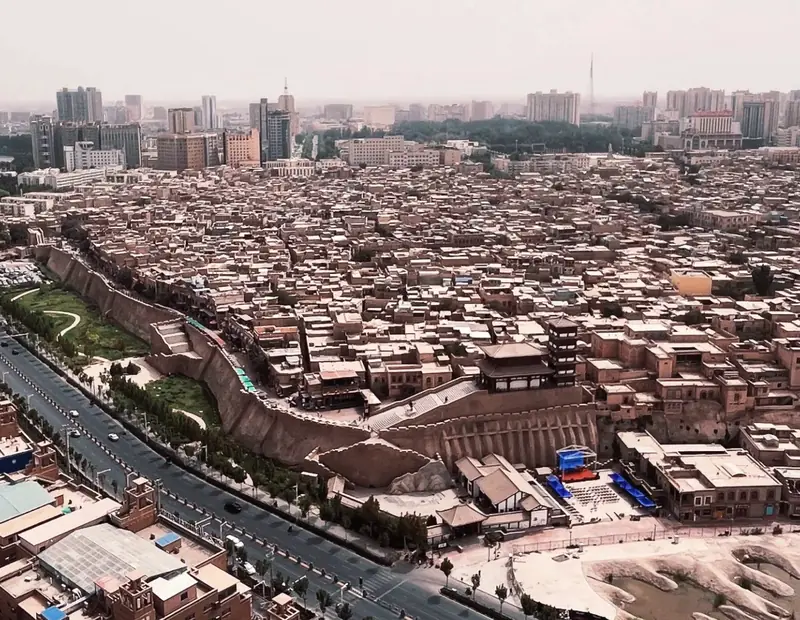
Kashgar (喀什) is where many China trips stop feeling like the eastern seaboard and start feeling like the old overland map: earthen lanes, mosque squares, naan ovens, spice stalls, and a road that climbs toward the Pamirs. Official Xinjiang tourism materials describe Kashgar Old City Scenic Area as about 4.25 square kilometers and home to roughly 120,000 residents, but a first visit is less about covering every lane and more about choosing the right mix of old-city walking, bazaar time, food, and one deeper Silk Road extension.

Kashgar Is a Silk Road Crossroads
Kashgar sits in far western Xinjiang, where the Tarim Basin, the Pamirs, and old overland routes meet. UNESCO's Silk Roads Programme describes Kashghar as a major hub where northern and southern Silk Road routes crossed, with caravans moving toward Central Asia, India, Pakistan, and ancient Persia. That history still shapes how a traveler should plan the city: Kashgar is not one sight, but a set of layers.
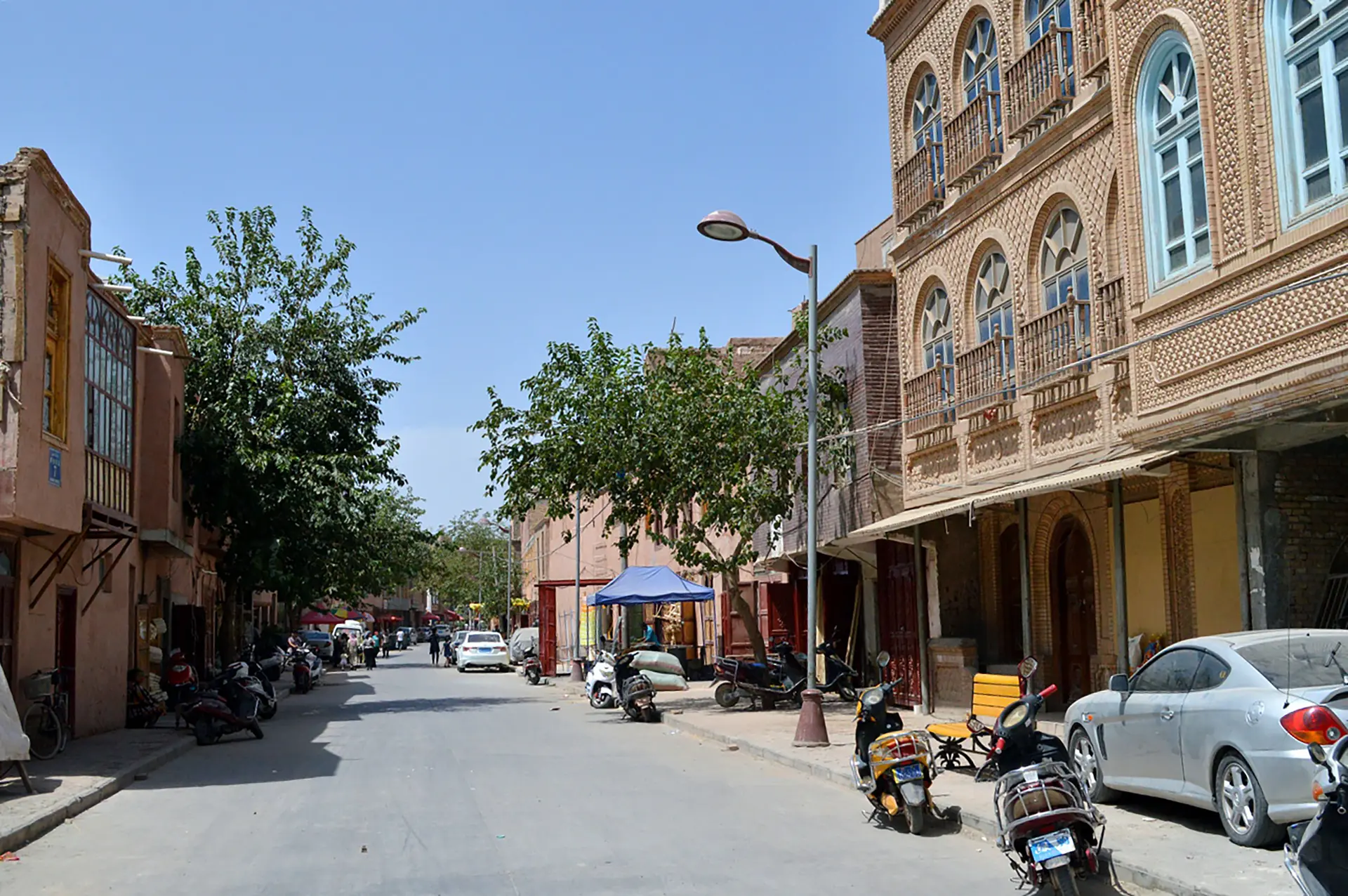
Old-City Life
Where it shows up: Old City lanes, doorways, teahouses, craft shops, naan ovens, and quieter residential edges.
This is the layer most first-timers come for, but it works best when you walk slowly instead of trying to finish every lane.

Religious and Civic Scale
Where it shows up: Id Kah Mosque (艾提尕尔清真寺), Id Kah Square, and the west side of the Old City.
This layer gives Kashgar its civic center. Visitor access, interior photography, and worship-hour rules can change, so build the square and exterior into the dependable plan.
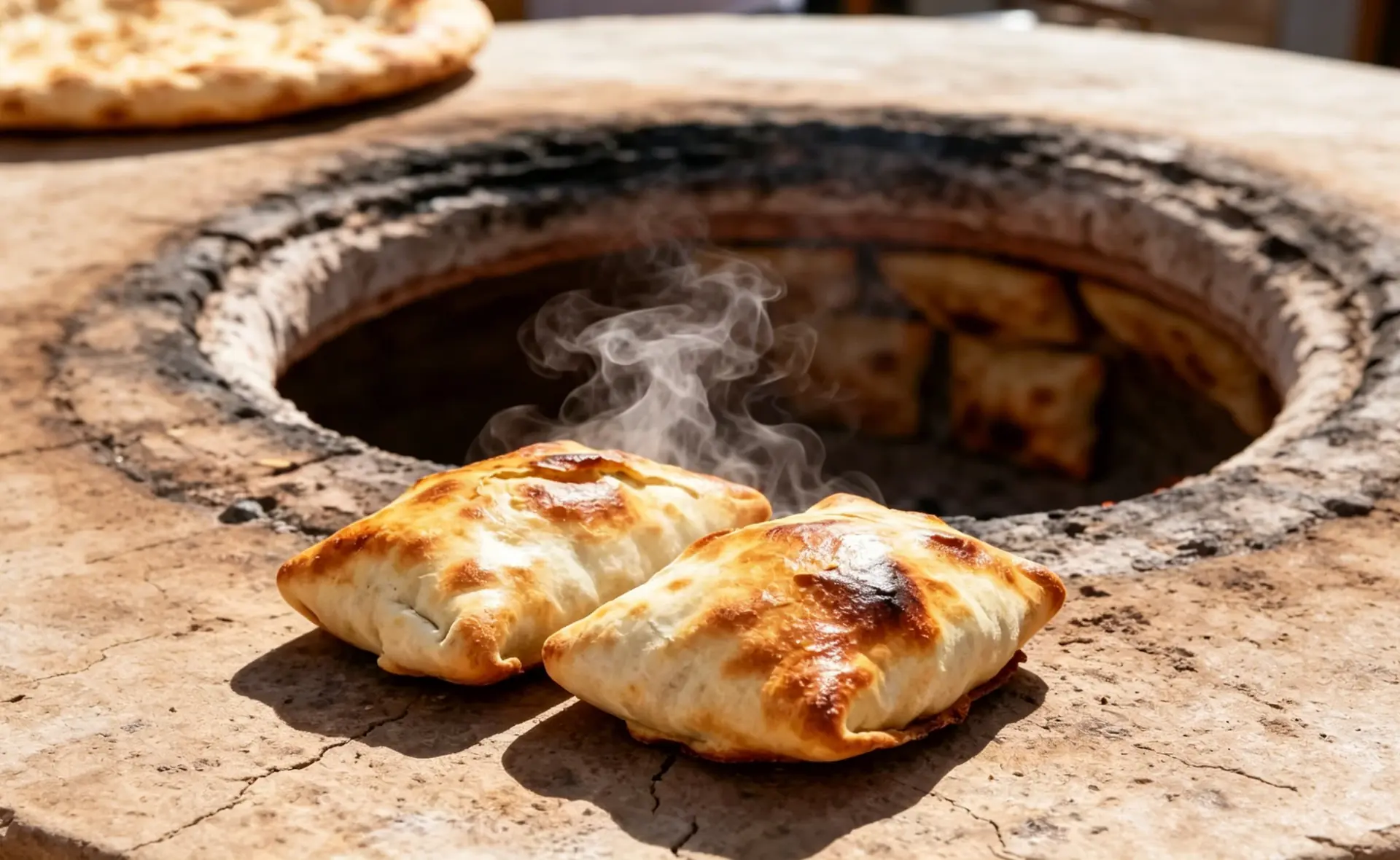
Market and Food Energy
Where it shows up: Khan Bazaar Night Market, Kashgar Grand Bazaar, dried fruit, spices, textiles, and street snacks.
This layer is where Kashgar feels most different from eastern China: trade, lamb smoke, tea, naan, bargaining, and late-evening street life.
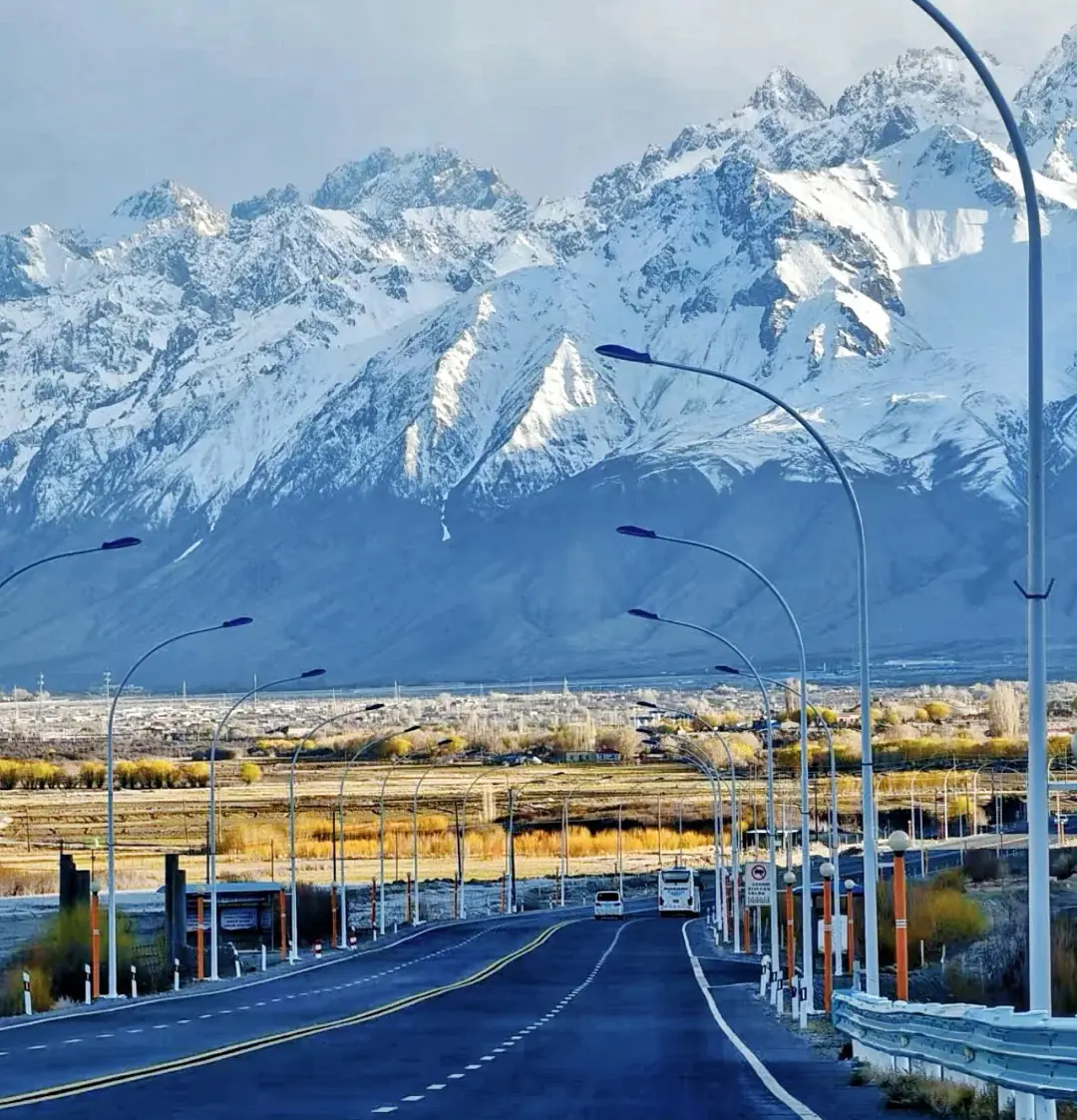
Pamir Gateway
Where it shows up: White Sand Lake (白沙湖), Karakul Lake (卡拉库里湖), Tashkurgan, Stone City (石头城遗址), and Golden Grassland (金草滩).
This layer changes the scale of the trip. It needs vehicle planning, weather awareness, altitude respect, passport checks, and a flexible return buffer.
The first planning rule is to avoid the romantic shortcut. Kashgar Old City is not an untouched medieval museum. It has restored lanes, rebuilt sections, commercial streets, visitor flows, and real daily life sitting beside each other. The point is not to pretend nothing changed; the point is to notice what each layer does now.
First-Time Kashgar: Start Here
If you are looking at Kashgar for the first time, start with rhythm, not completeness. One or two days can give you a strong Kashgar memory, but only if you separate the Old City, the mosque square, the bazaars, the night food, and the Pamir road into different kinds of time. Treat the options below as a scope check, not a fixed itinerary.
One Day
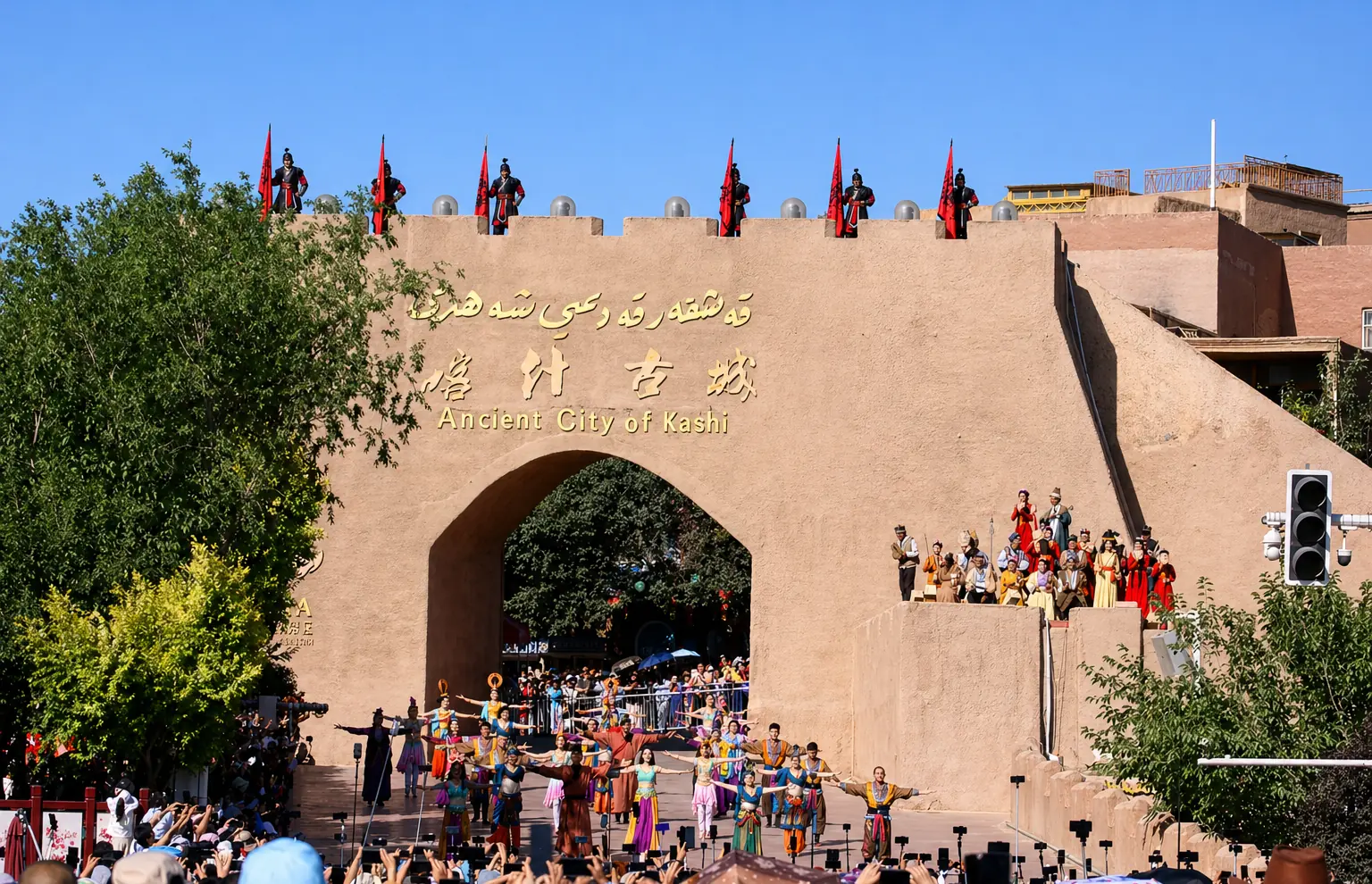
Keep it tight: Old City lanes, Id Kah Mosque exterior, a slow teahouse pause, then Khan Bazaar Night Market. Add the Grand Bazaar only if you still have energy and do not mind using taxis.
Two Days
Day one stays close to the Old City. Day two adds Kashgar Grand Bazaar, Abakh Khoja Mausoleum, or Sunday Livestock Market depending on the weekday and your tolerance for crowds.

Three Days
Keep one or two city days, then add the Pamir road toward White Sand Lake, Karakul Lake, or Tashkurgan. Build in time for passport checks, weather, altitude, and long drives.
This guide is best for first-time southern Xinjiang travelers, independent visitors deciding how long Kashgar deserves, food and market-focused travelers, photographers, and anyone deciding whether the Pamir route should be a day trip or an overnight extension.
12 Kashgar Experiences Worth Building Around
The strongest Kashgar trip is not the one with the most pins. It is the one that understands which experiences belong together and which need their own time block. The first six are the strongest first-trip foundations; the final six add architecture, performance, food texture, and Pamir extensions.
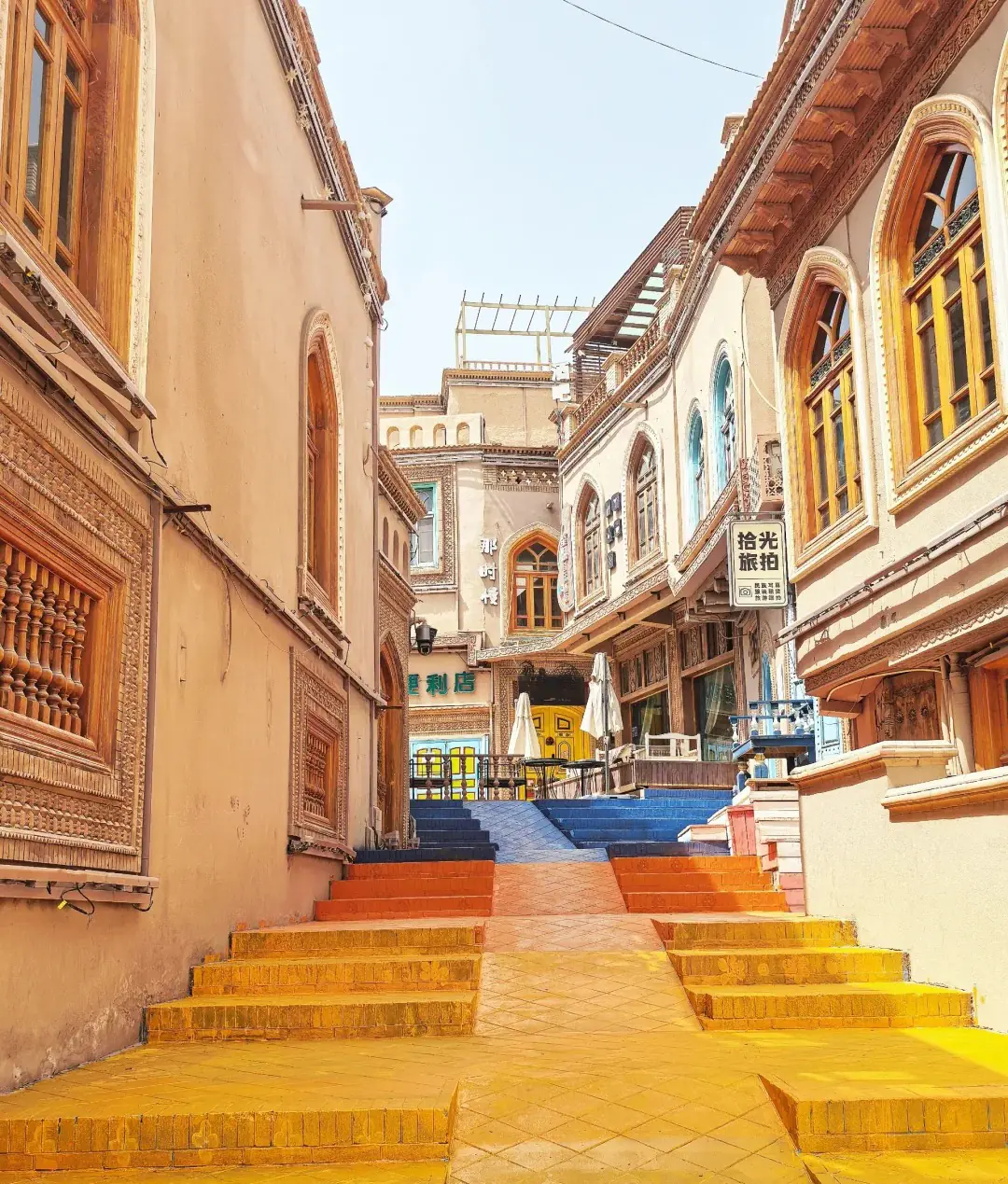
Start here, but do not treat it as a maze to complete. Look for shaded lanes, doorways, naan ovens, craft shops, school-hour street noise, and quieter edges away from the most photographed alleys. For route-level planning, use our Kashgar Old City guide.
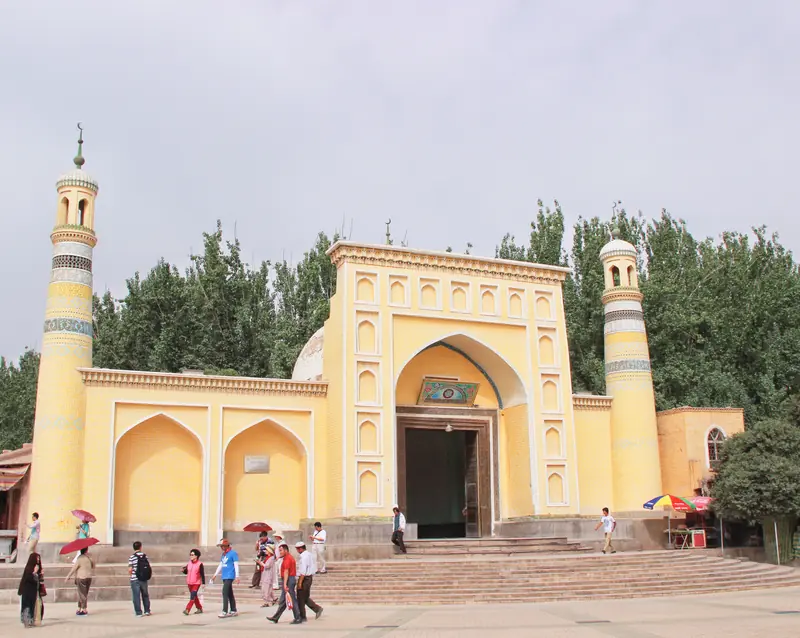
Id Kah Mosque anchors the city center. China Daily identifies the present mosque complex as dating to 1442, and it is widely regarded as one of the largest mosques in China. Visitor access, interior photography, and worship-hour rules can change, so use the exterior and square as the dependable planning layer.
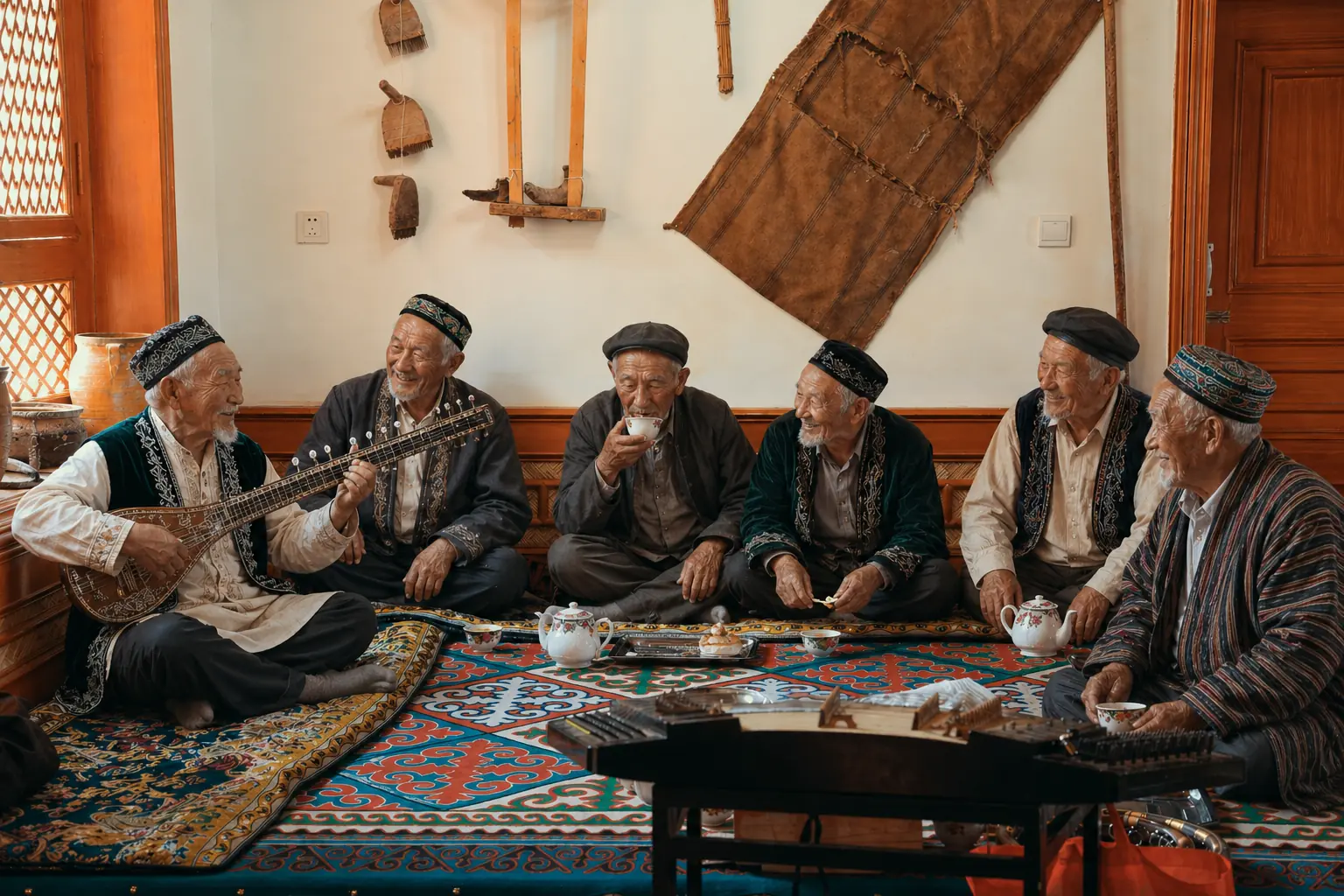
The best teahouse stop is not just about tea. It is about windows, wooden balconies, naan on the table, older regulars, tourists trying to be quiet, and the way Kashgar slows down when you stop chasing the next lane.
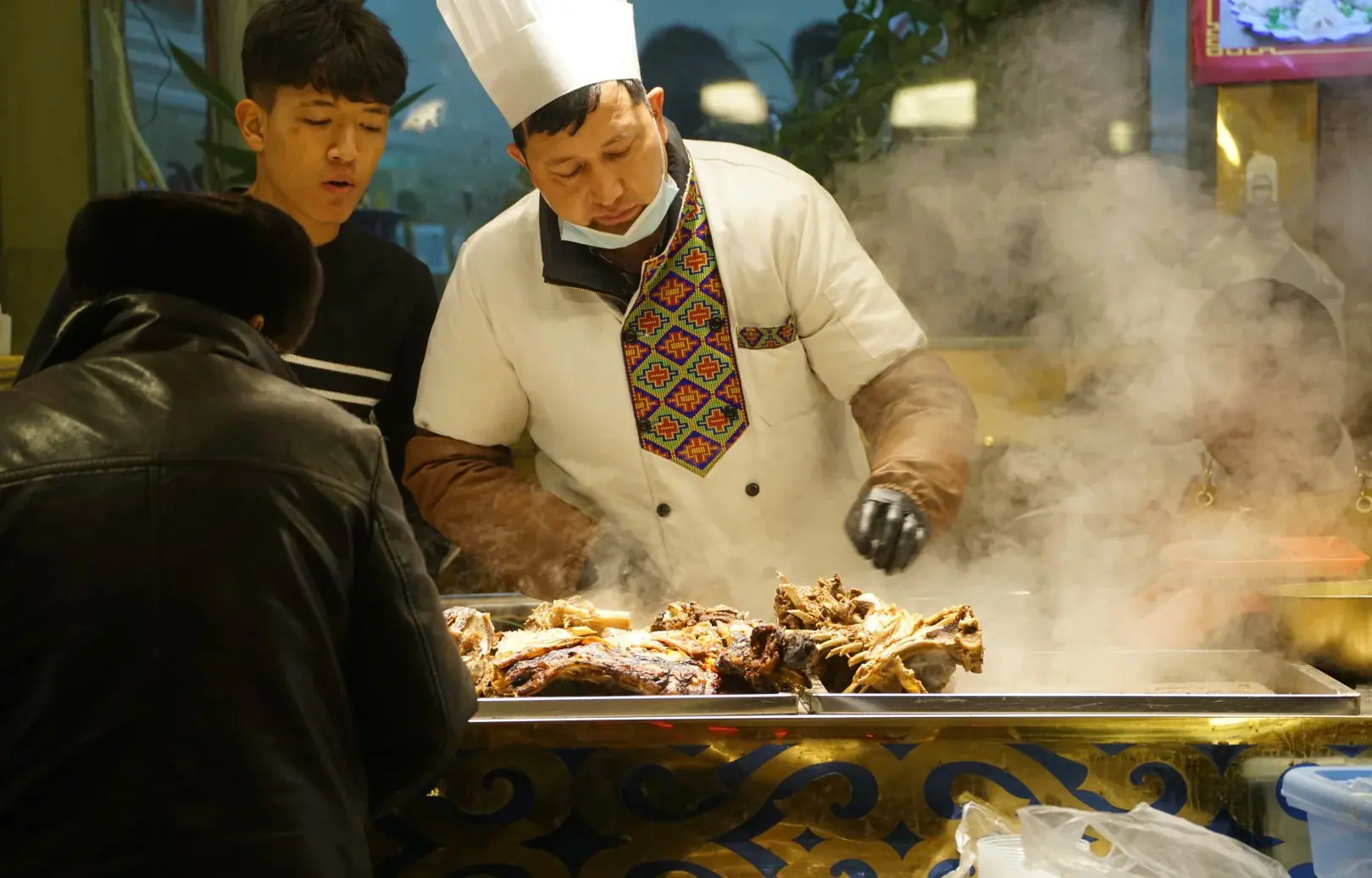
Khan Bazaar Night Market is the easiest evening food target near the Old City. In 2023, Tianshannet reported upgrades to the night market on Wuerdaxi Ke Road, often rendered Ouerdaxike and marketed to visitors as Khan Bazaar, improving the food-street environment and visitor experience. Pair this with our Xinjiang food guide.

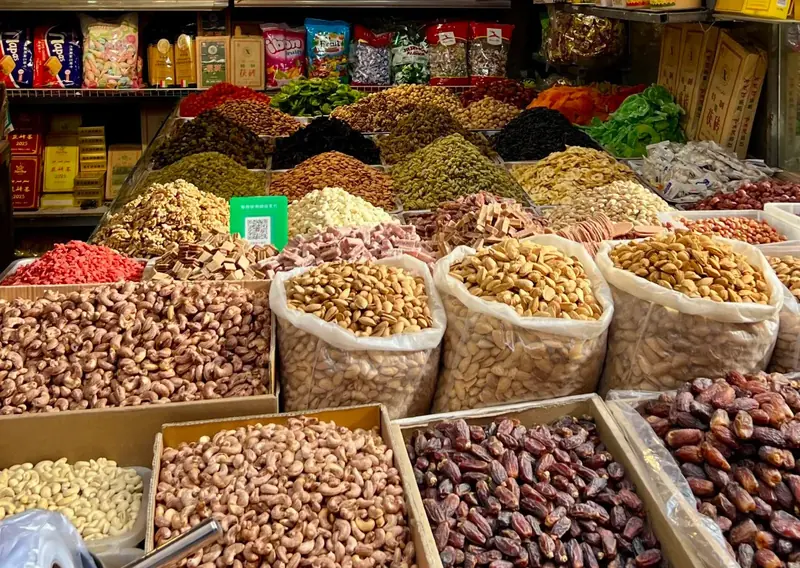
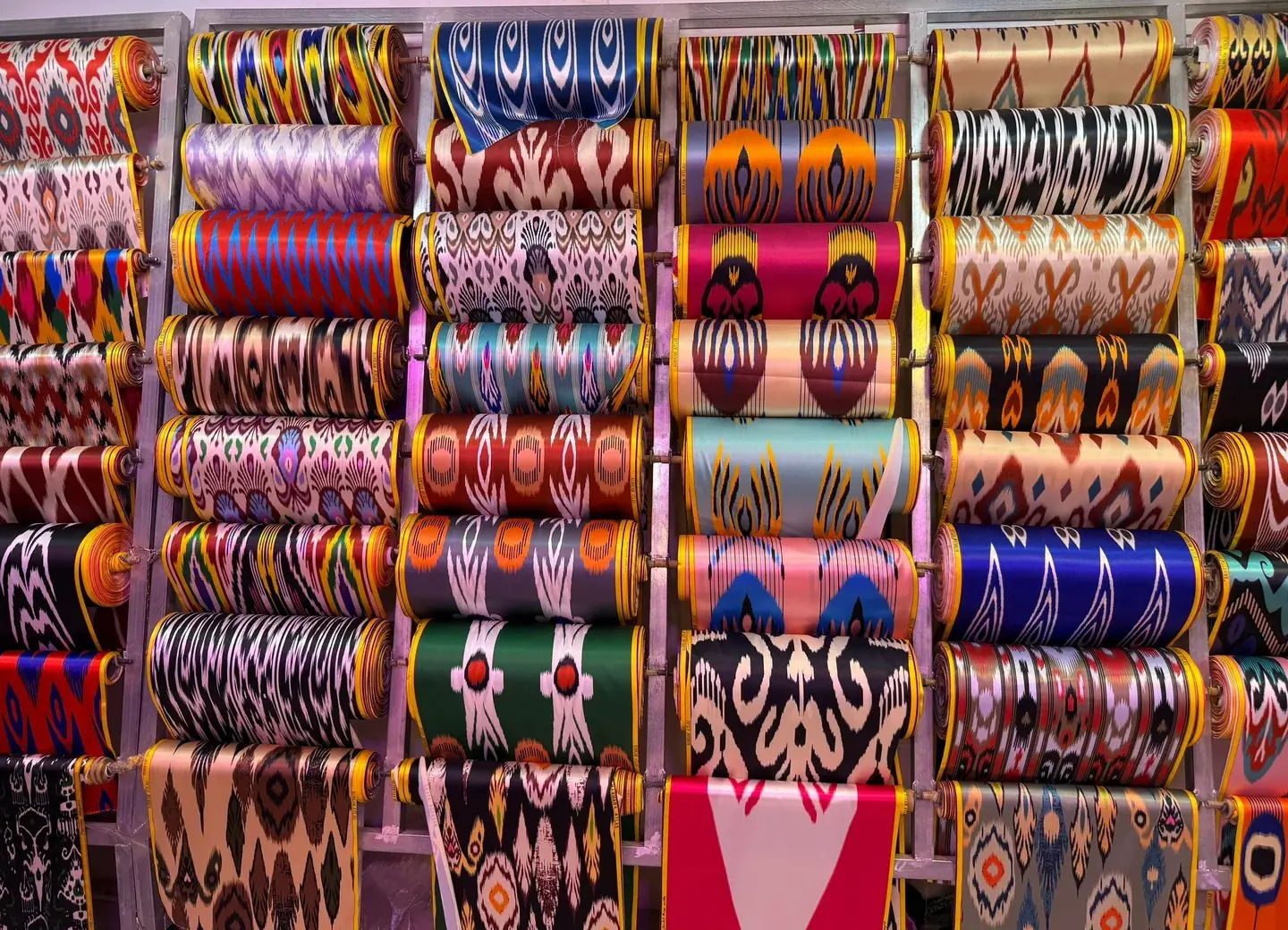
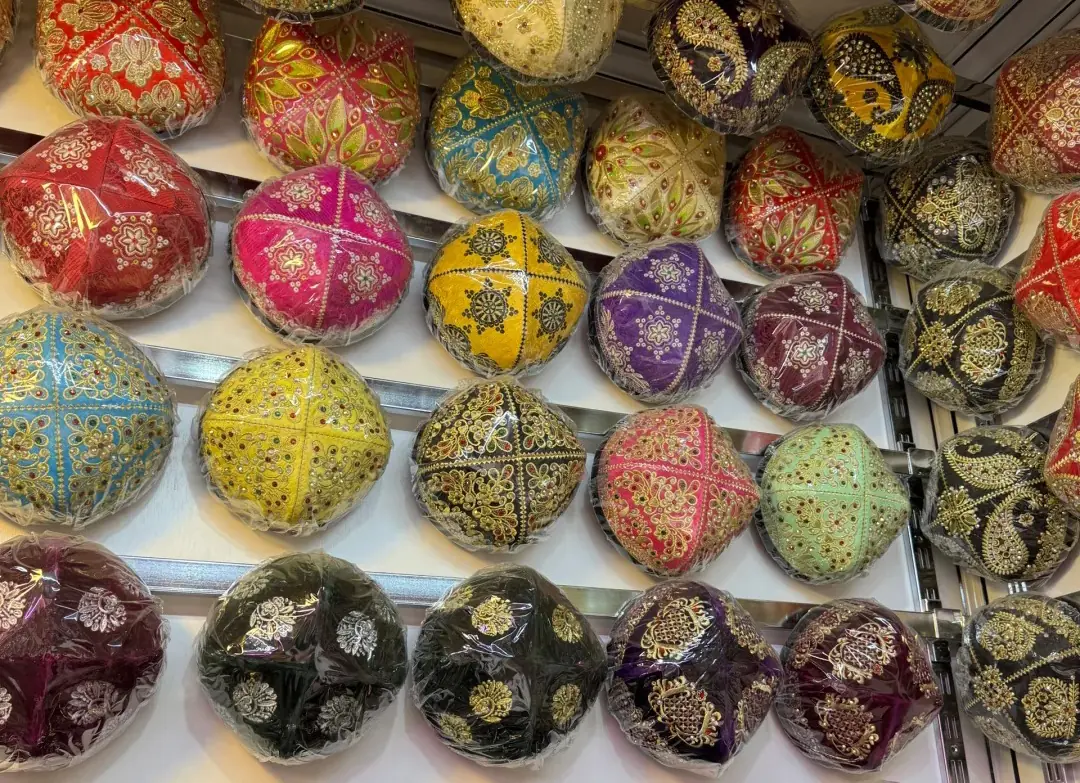
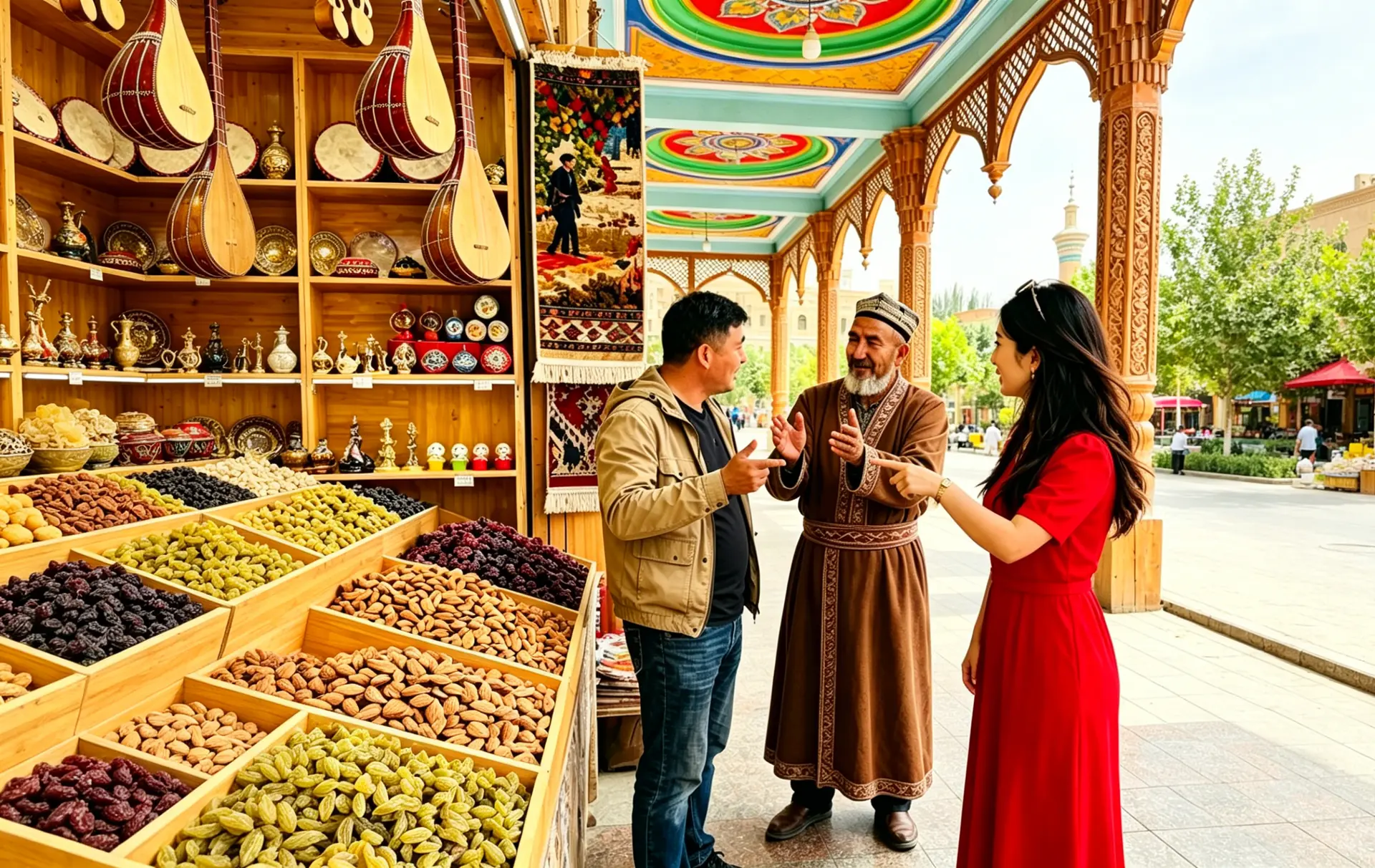
Kashgar Grand Bazaar is stronger for dried fruit, spices, textiles, hats, instruments, household goods, and market scale than for a quiet old-town mood. It is a modern trade market, not a time capsule. Use our Grand Bazaar guide for detailed buying and route advice.
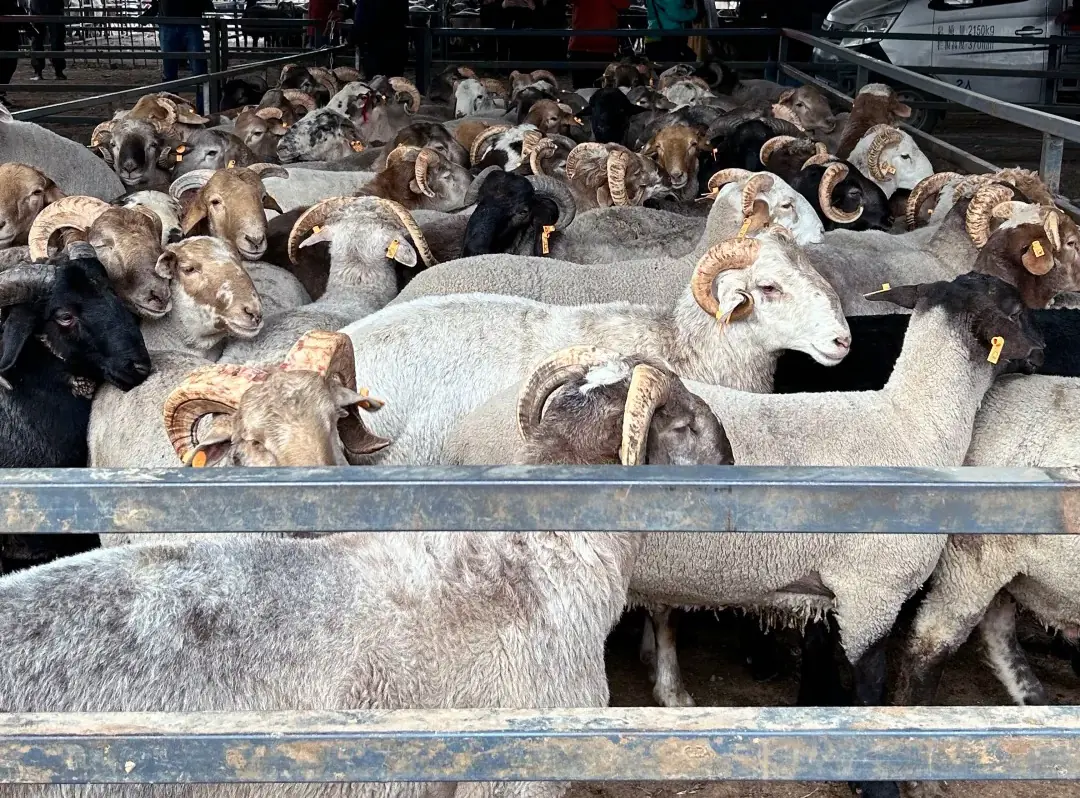
Go only if you can start early, handle smells and dust, and remember this is a working market rather than a visitor performance. Sunday is the classic timing, but always confirm current location, operating rhythm, and transport before building a whole day around it.
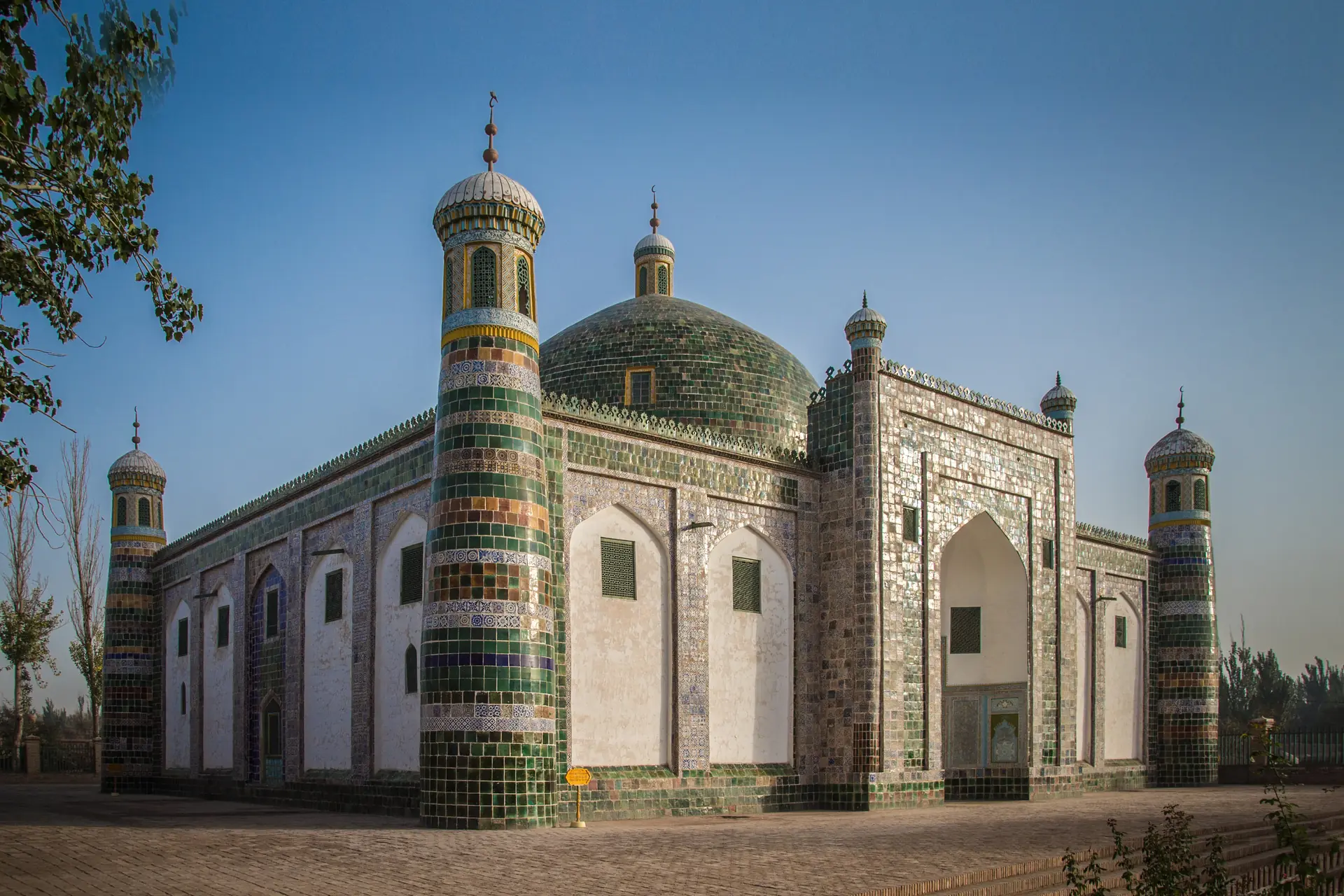
Abakh Khoja Mausoleum (香妃墓) is useful when you want Islamic architecture, tiled surfaces, a garden-like city-edge stop, and the local stories associated with Xiangfei. Treat the Xiangfei narrative as legend and cultural storytelling, not verified court history.

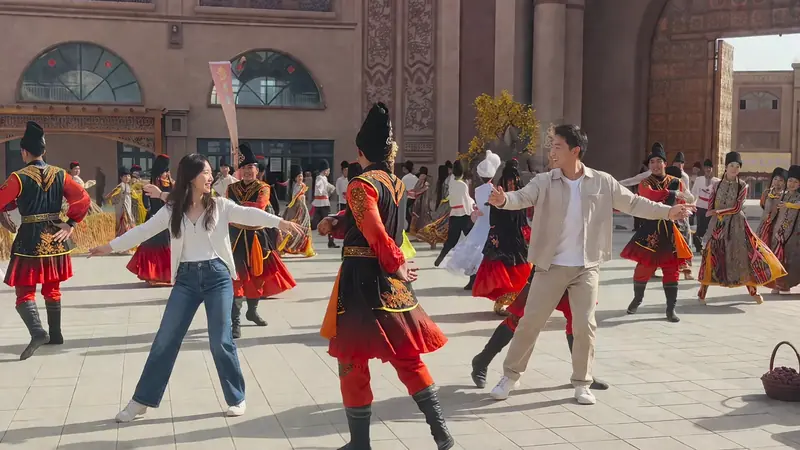
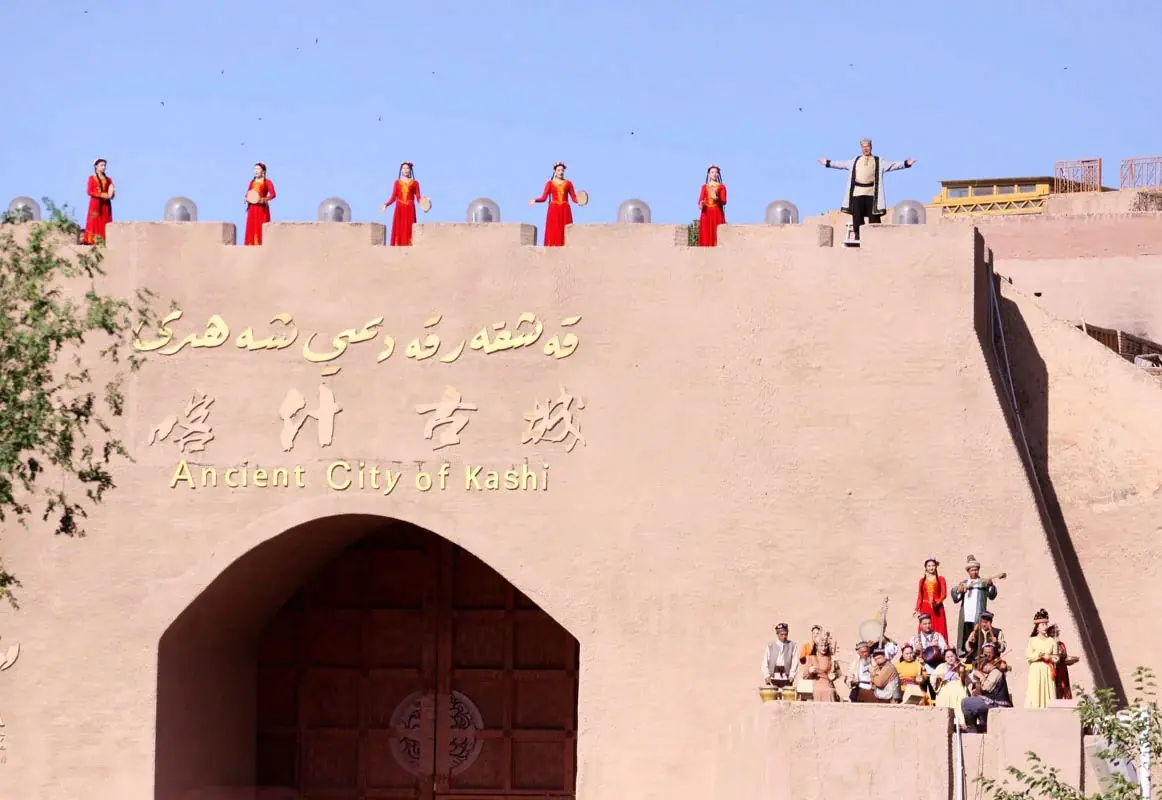
The East Gate performance can be a vivid first scene, especially for travelers arriving with little context. Performance times, seasons, weather, and crowd control can shift, so confirm locally. For music and ceremony detail, use our gate ceremony and Muqam guide.

Meet Kashgar is best when you want a more predictable evening than wandering, especially with family or mixed-energy groups. Set expectations correctly: it is a staged visitor show, not a replacement for teahouse music, street life, or market scenes.
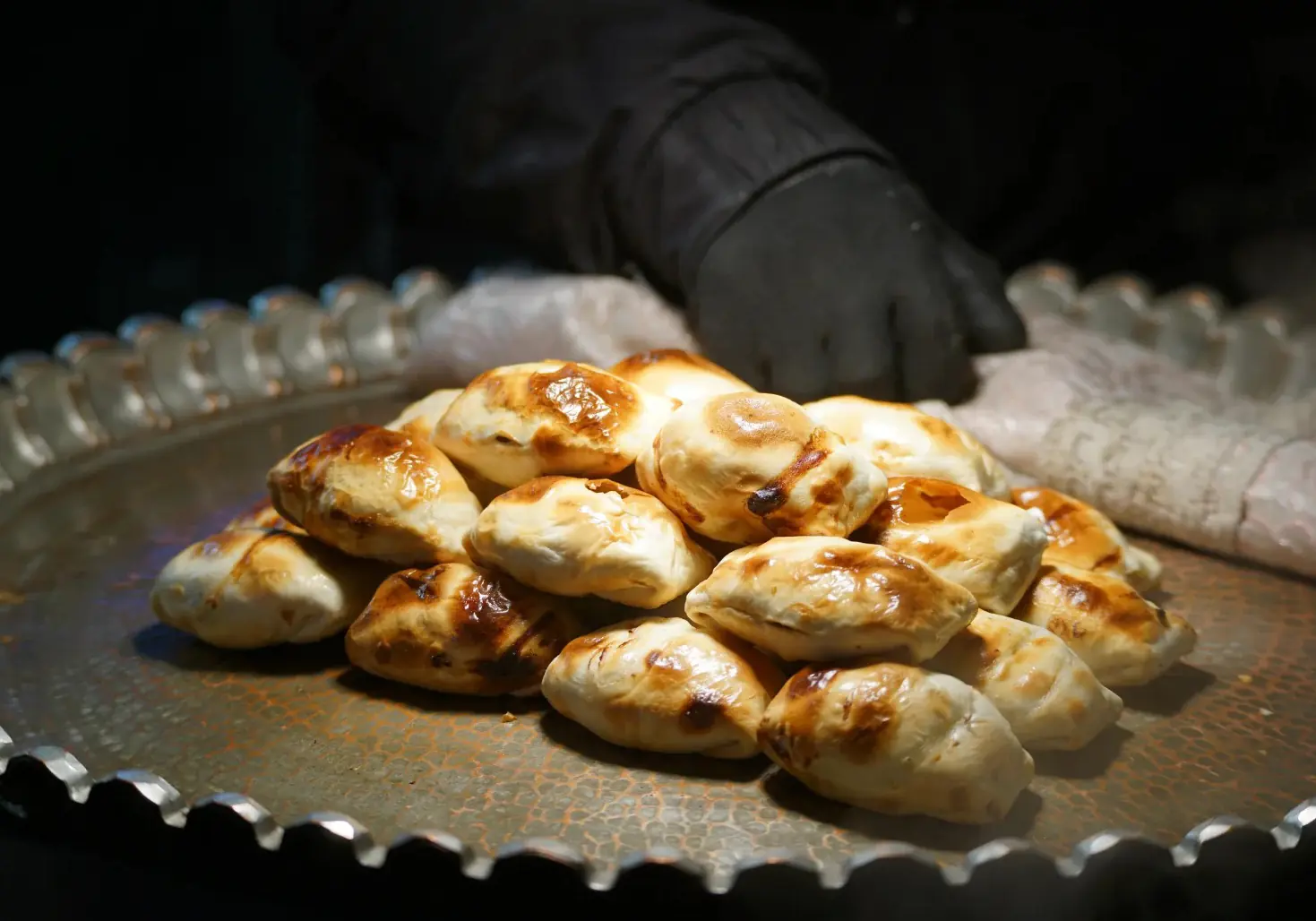
In Kashgar, food is not a side note. Naan pits, baked buns, kebabs, pomegranate juice, yogurt, dried fruit, and tea can structure the day. Eat lightly at first; the most tempting stalls often appear after you thought dinner was finished.
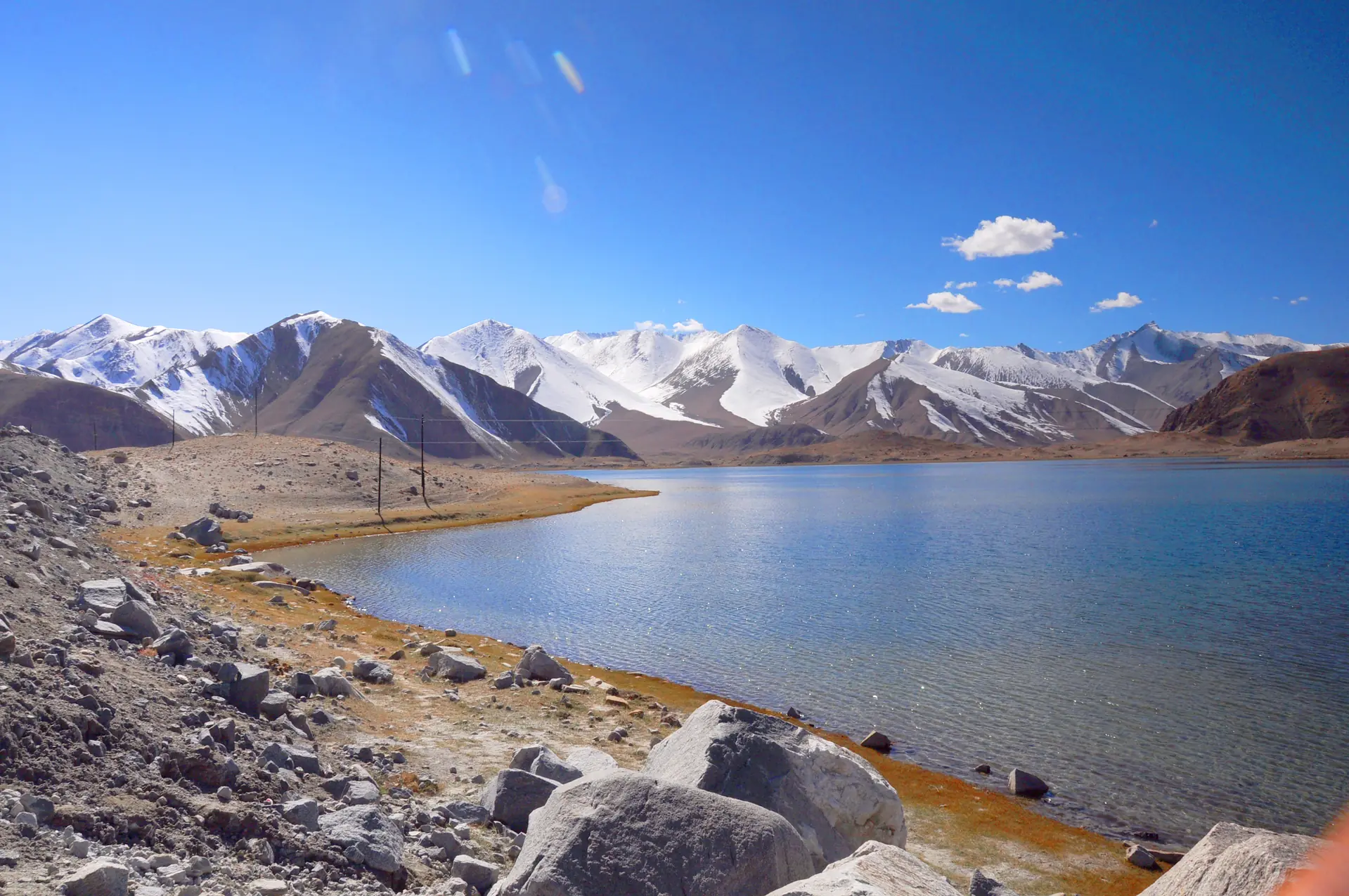
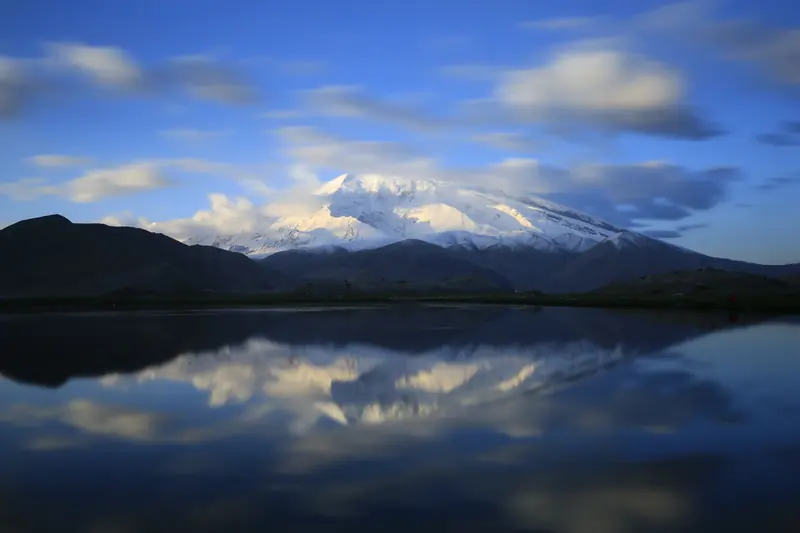
White Sand Lake and Karakul Lake are the classic first Pamir scenery from Kashgar: pale dunes, blue water, snow peaks, and a road that feels far removed from the city lanes. This is a long-drive decision, not a half-day city sight.
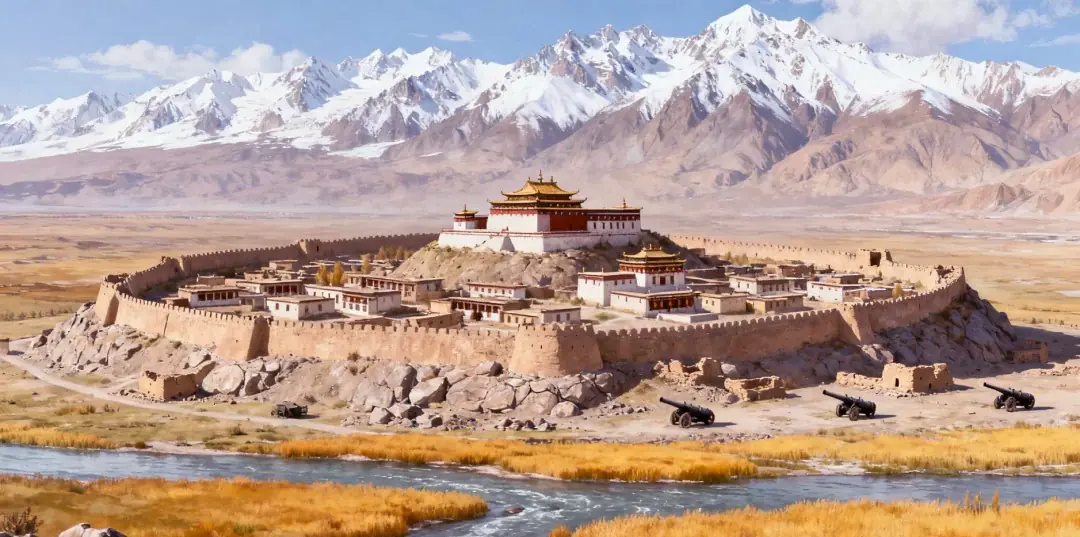
Tashkurgan is the deeper Pamir move. Stone City and Golden Grassland reward travelers who can spare more time, handle altitude, and plan around weather and border-area procedures. Start with our Karakul Lake and Pamir guide.
What Kind of Kashgar Trip Are You Building?
Do not choose Kashgar experiences only by fame. Choose them by the kind of southern Xinjiang trip you want the city to reveal. Most first-time trips mix two or three of these styles, but choosing one primary focus will make the itinerary easier.
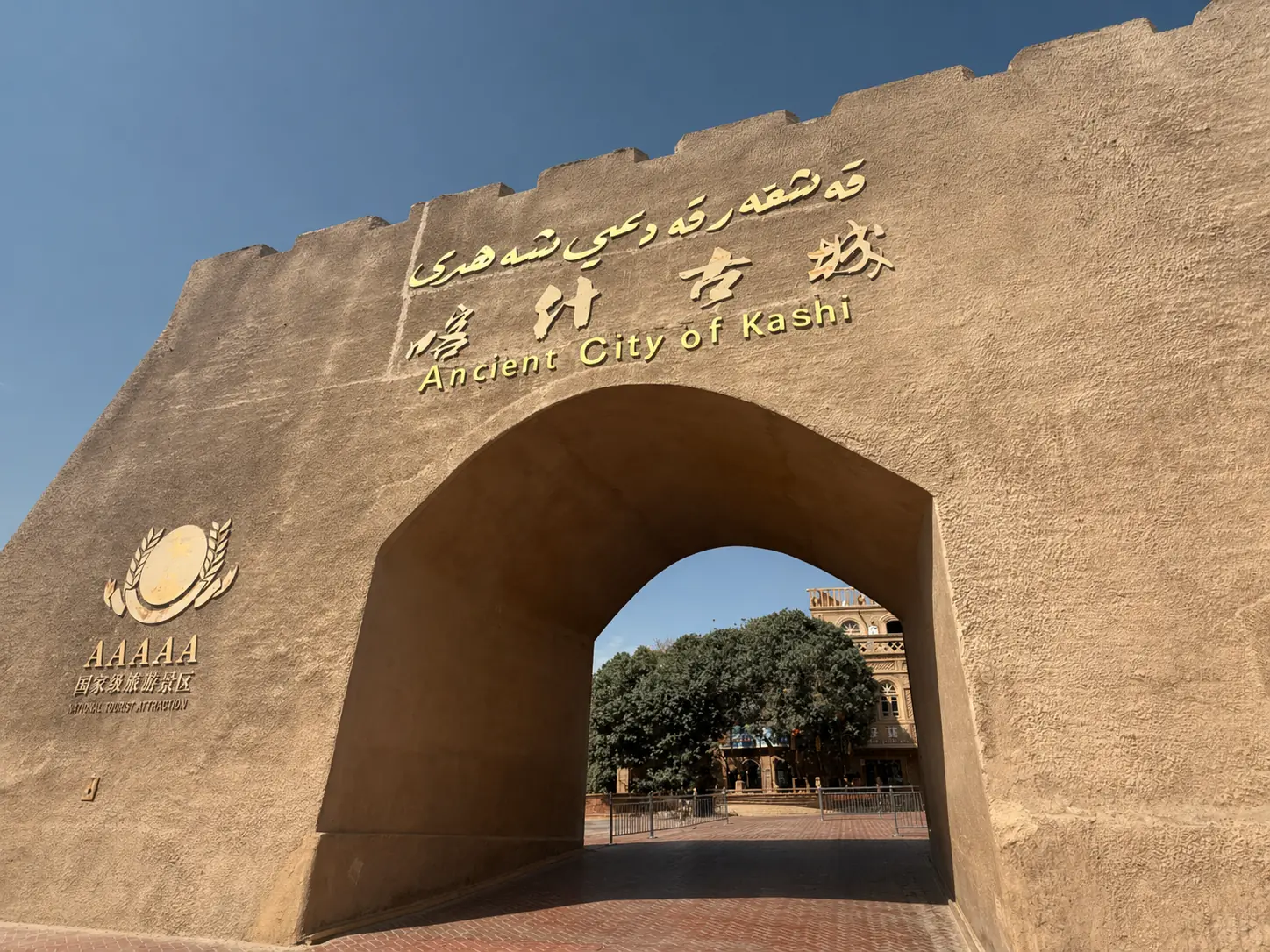
The Classic First Visit
Best for: most travelers with one or two days.
Build around the Old City, Id Kah Mosque exterior, Century-old Teahouse, Khan Bazaar Night Market, and Grand Bazaar if you have a second day. This gives you texture without turning Kashgar into a race.
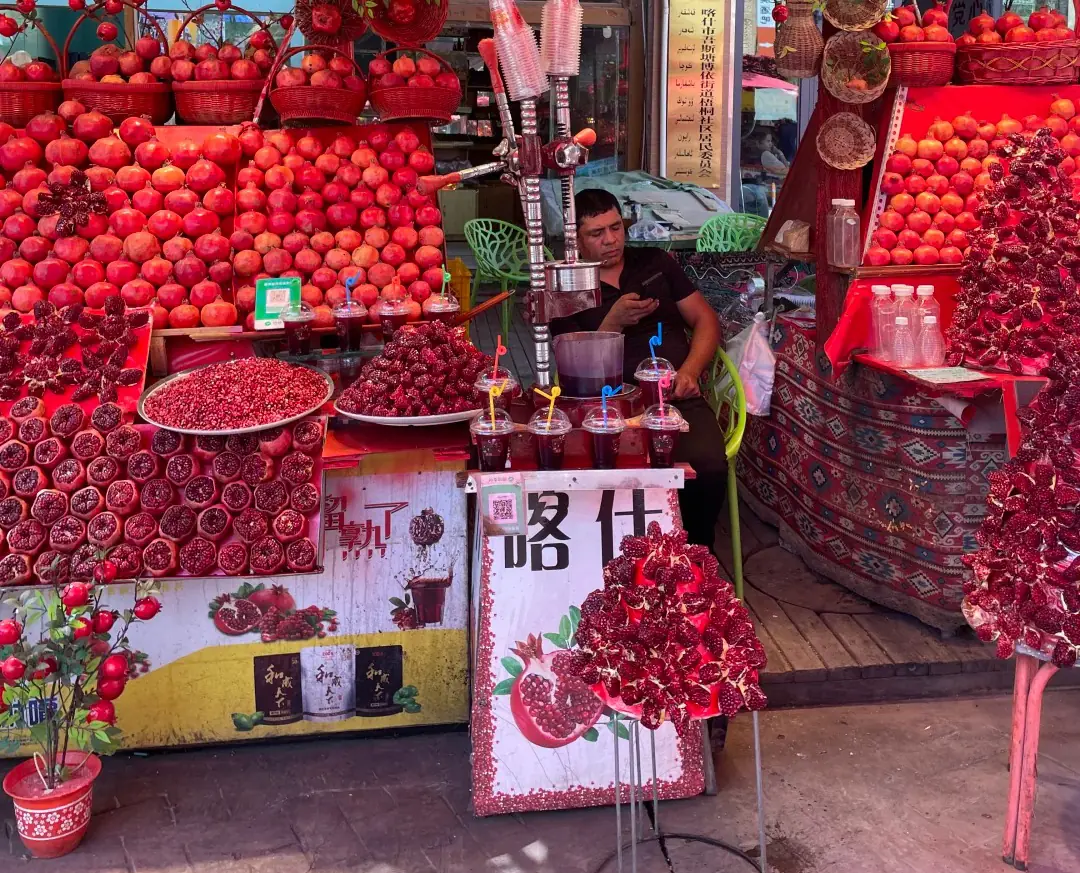
The Market and Food Visit
Best for: travelers who like people, trade, snacks, and street energy.
Use Grand Bazaar by day, Khan Bazaar by night, and Sunday Livestock Market if the weekday works. Keep one slow teahouse break so the day has a reset point.
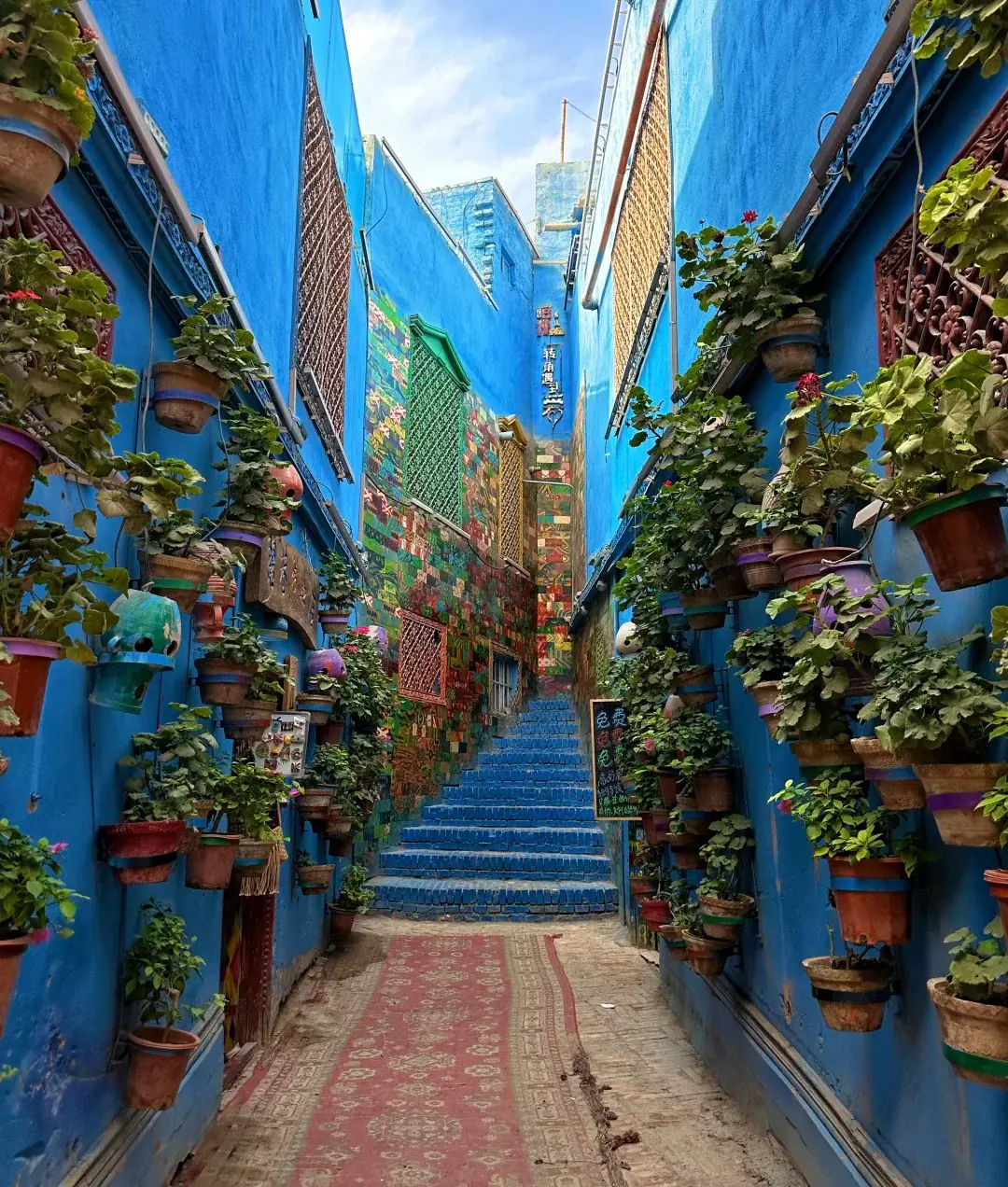
The Slow Old-City Visit
Best for: photographers and travelers who prefer observation to checklists.
Return to the Old City at different times: morning, late afternoon, and after dark. The point is not to photograph the same lane repeatedly, but to watch how the city changes.
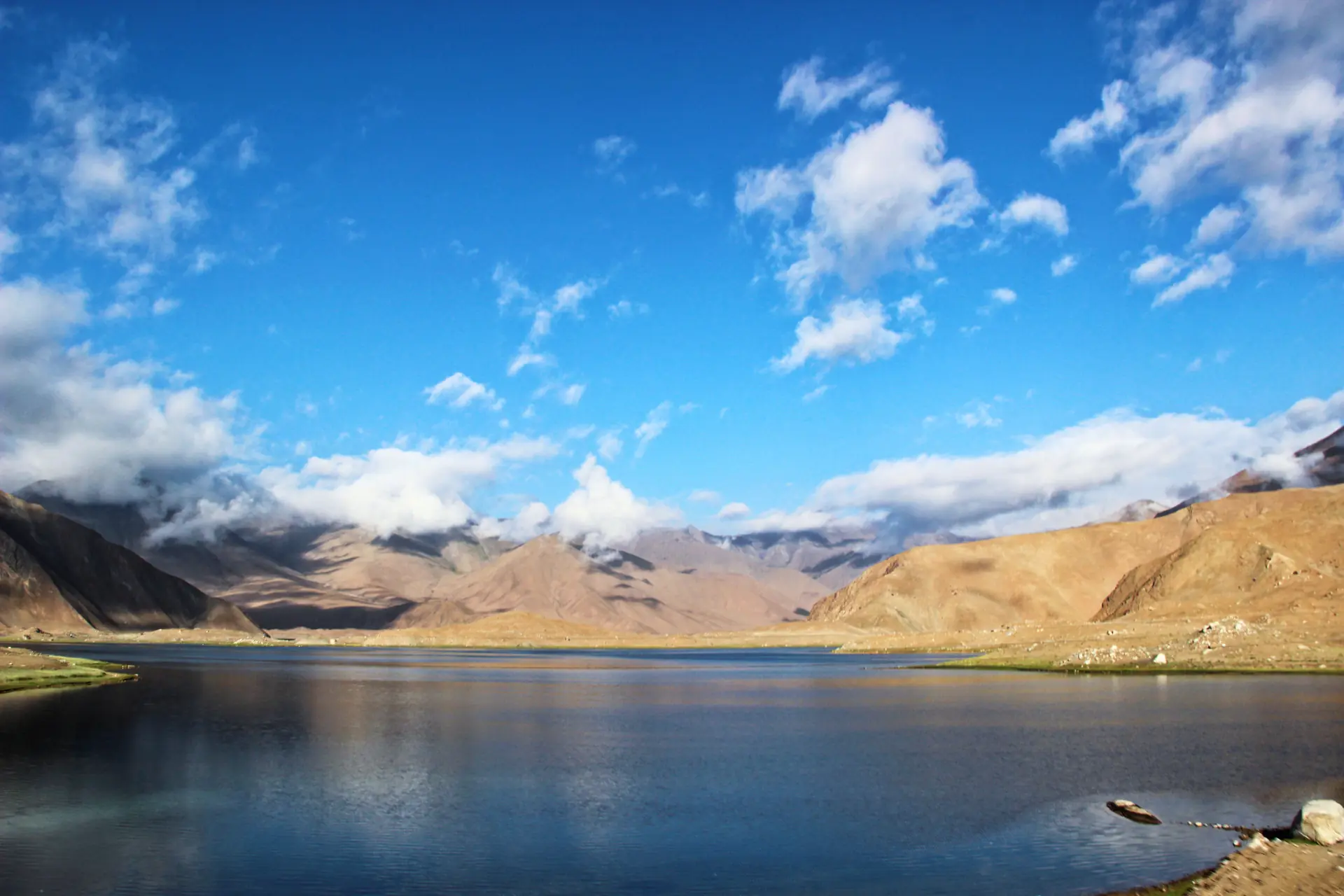
The Pamir Extension
Best for: travelers with at least three days or a dedicated southern Xinjiang route.
Use Kashgar as the base, then reserve proper time for White Sand Lake, Karakul Lake, Tashkurgan, Stone City, and Golden Grassland. Do not squeeze this between old-city stops.
Kashgar by Area
Before you build each day, understand the main clusters. Kashgar becomes simpler once you stop treating every pin as a separate destination.
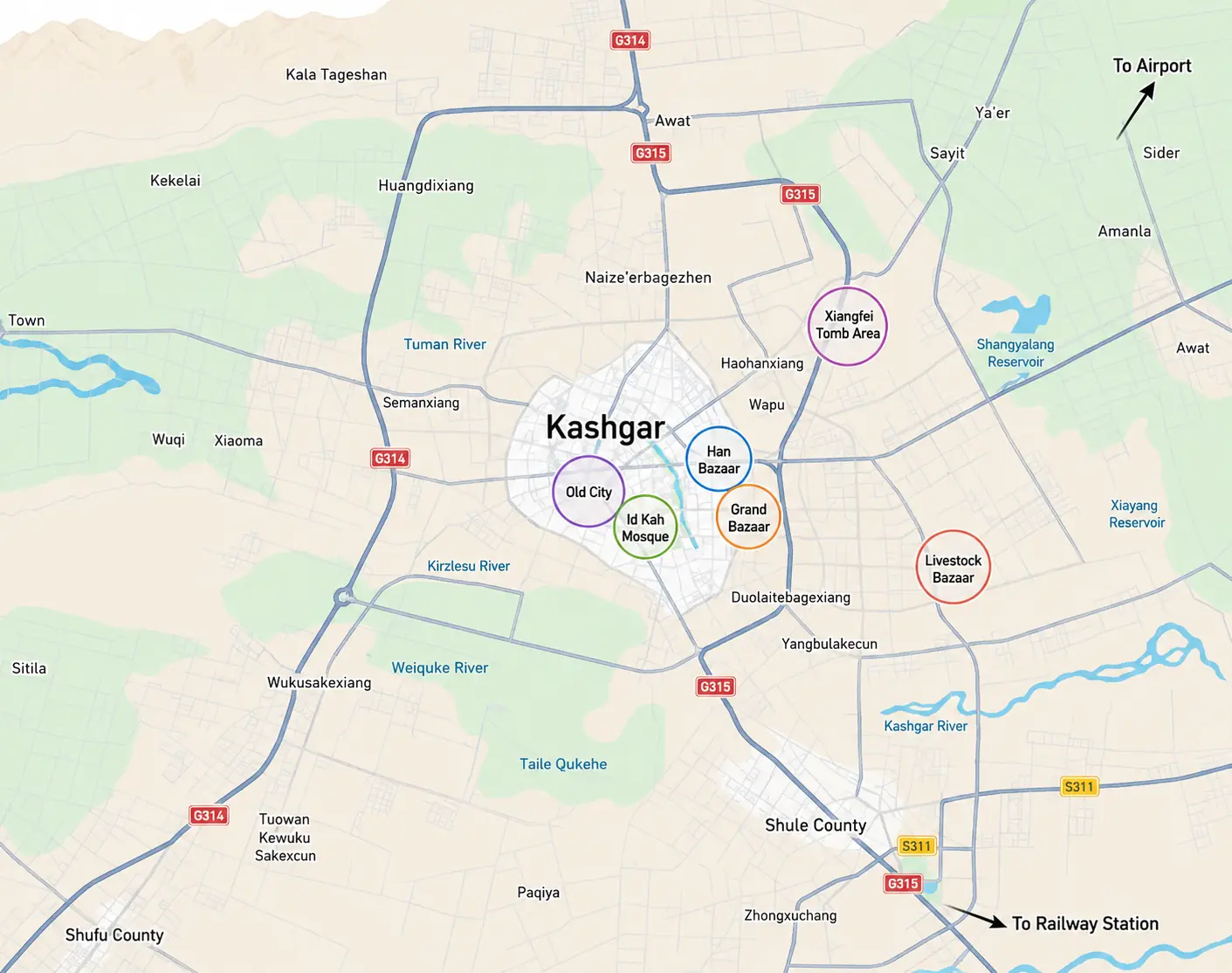
Old City Core
Includes: East Gate, old lanes, teahouses, craft shops, snack streets, and the most convenient first-day walking.
Use this for: your first Kashgar orientation. Watch out: the most photogenic lanes can be crowded and commercial.
Id Kah and West Side
Includes: Id Kah Mosque, the square, nearby lanes, and old-city edges that feel different from the main visitor routes.
Use this for: civic scale and slower walking. Watch out: religious spaces require more restraint around access, clothing, and photography.
Bazaars and Night Food
Includes: Khan Bazaar Night Market, Grand Bazaar, dried-fruit stalls, spices, textiles, snacks, and market crowds.
Use this for: food and trade energy. Watch out: Khan Bazaar, Grand Bazaar, and Livestock Market are not the same place.
City Edge and Pamir Road
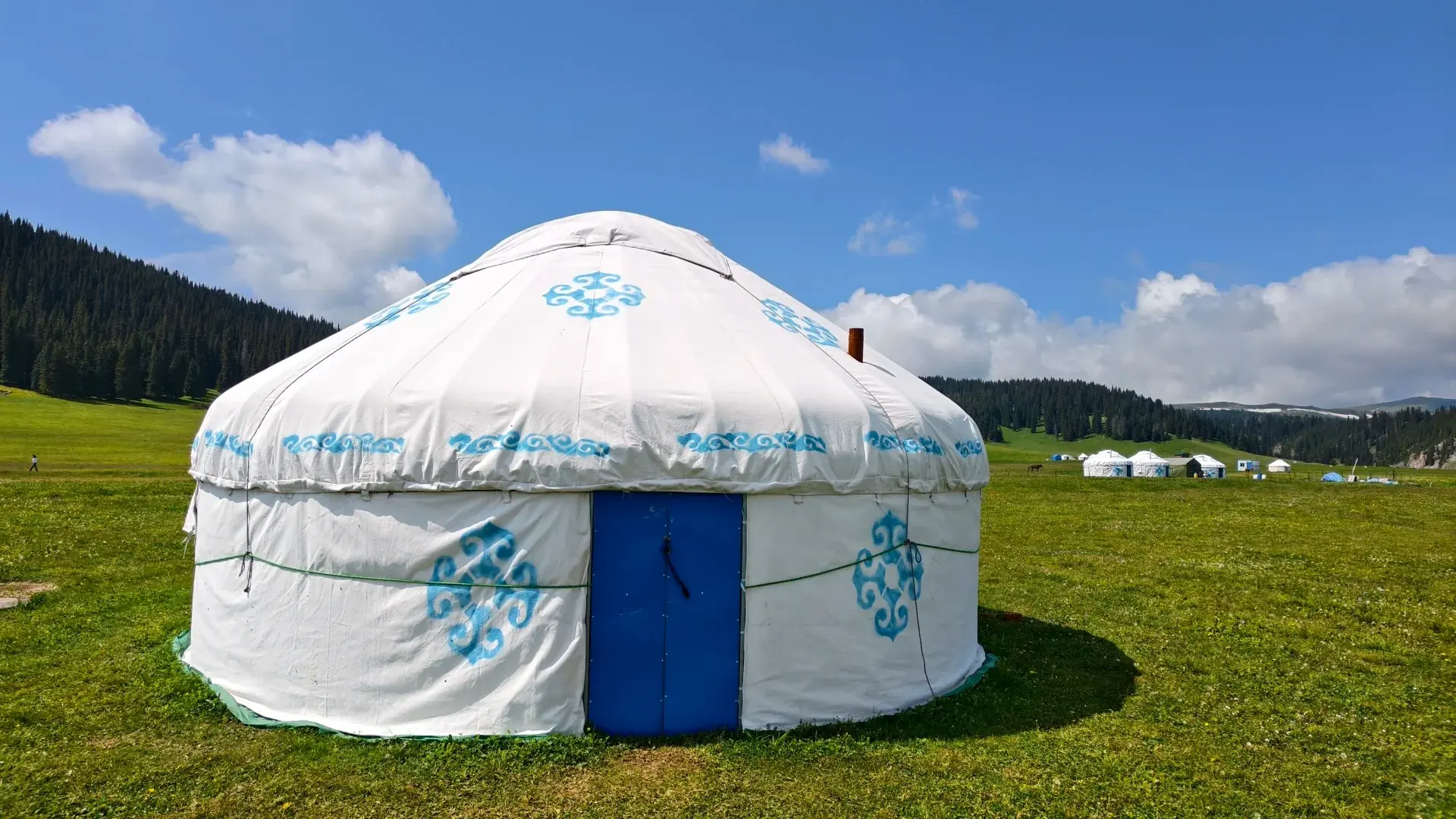
Includes: Abakh Khoja Mausoleum, airport and station transfers, White Sand Lake, Karakul Lake, and the road toward Tashkurgan.
Use this for: either a lighter city-edge stop or a major landscape extension. Watch out: the Pamir road changes the whole day's scale.
Bazaar Timing and Etiquette
All official transport times, train times, and most posted attraction times use Beijing Time. Kashgar sits far west, so daily rhythm can feel later than in eastern China, especially in summer evenings and night markets.
Photography needs more judgment here than in a scenic park. Ask before close-up portraits of shopkeepers, children, older residents, teahouse guests, worshippers, or private doorway scenes. Avoid photographing checkpoints, police facilities, security procedures, or anything that feels like a control point rather than a travel scene.
Carry your original passport. The National Immigration Administration's English text of China's Exit and Entry Administration Law says foreign nationals in China should carry passports or other valid international travel documents and accept inspection by public security organs. In Xinjiang travel, that rule becomes practical: hotels, stations, scenic areas, roads, and checks may all ask for it.
- Ask before close portraits. Markets and teahouses are not photo studios.
- Dress modestly around religious spaces. This is basic respect, even if you only view the exterior.
- Do not shoot checkpoints. Keep security areas out of your camera roll.
- Confirm market timing locally. Sunday and morning are useful rules of thumb, not a substitute for same-week checks.
Getting Around Kashgar
The Old City core is a walking destination. For anything beyond that, taxis and ride-hailing are usually easier than trying to stitch every stop into a perfect pedestrian route.
Use short car rides for Grand Bazaar, Abakh Khoja Mausoleum, Sunday Livestock Market, the airport, and the railway station. For the Pamir road, plan like you are leaving the city for the day: driver or vehicle arrangement, passport, layers, water, sun protection, flexible return time, and local confirmation on current border-area procedures.
Inside the Old City
Walk slowly and let the route breathe. The best discoveries are often between the named pins: a bakery, a window, a quiet lane, or a teahouse table with a view.
Across the City
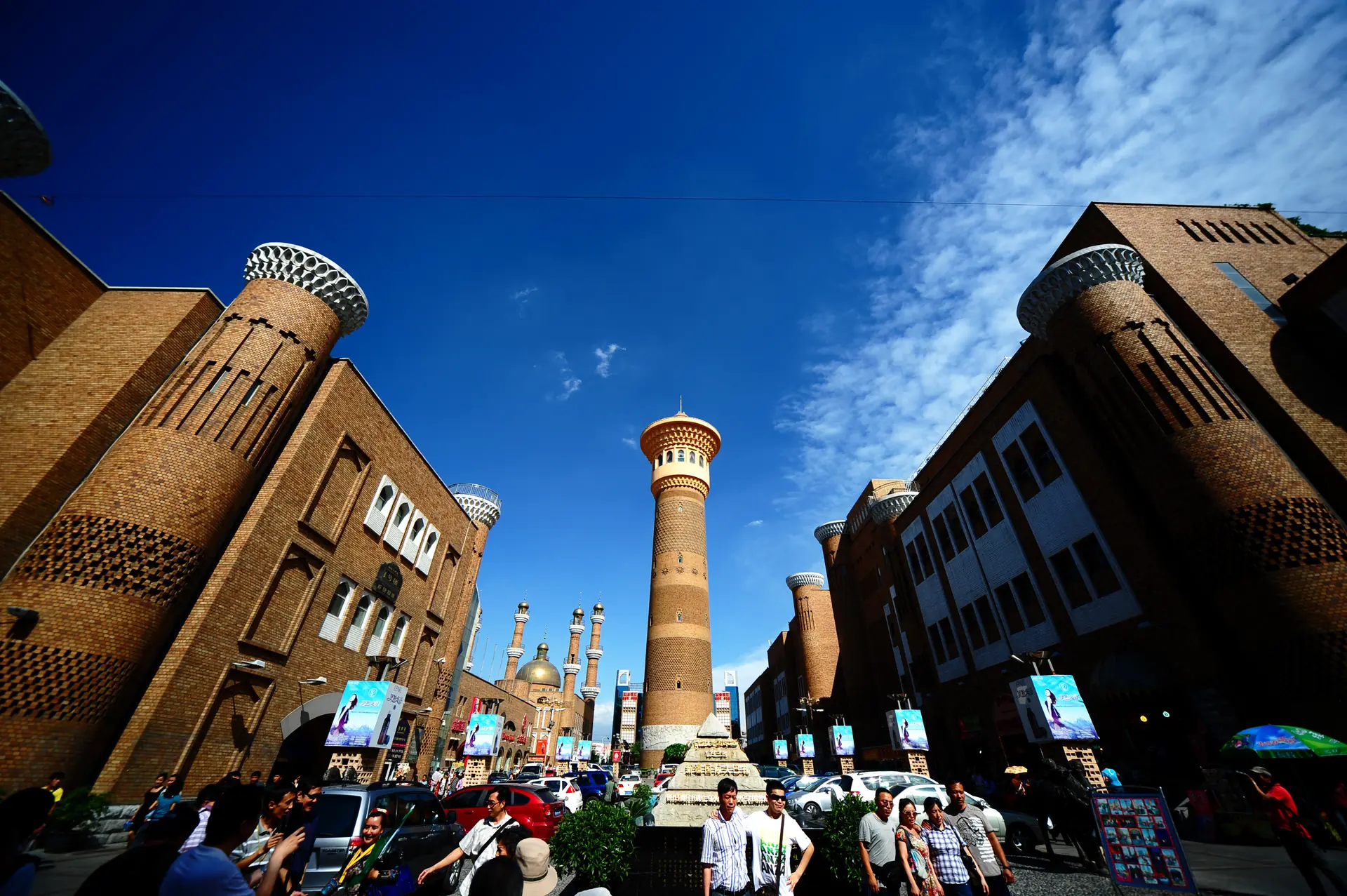
Use taxis or ride-hailing for the Grand Bazaar, Abakh Khoja Mausoleum, Livestock Market, airport, and station. Leave extra time for checks, traffic, and translation.
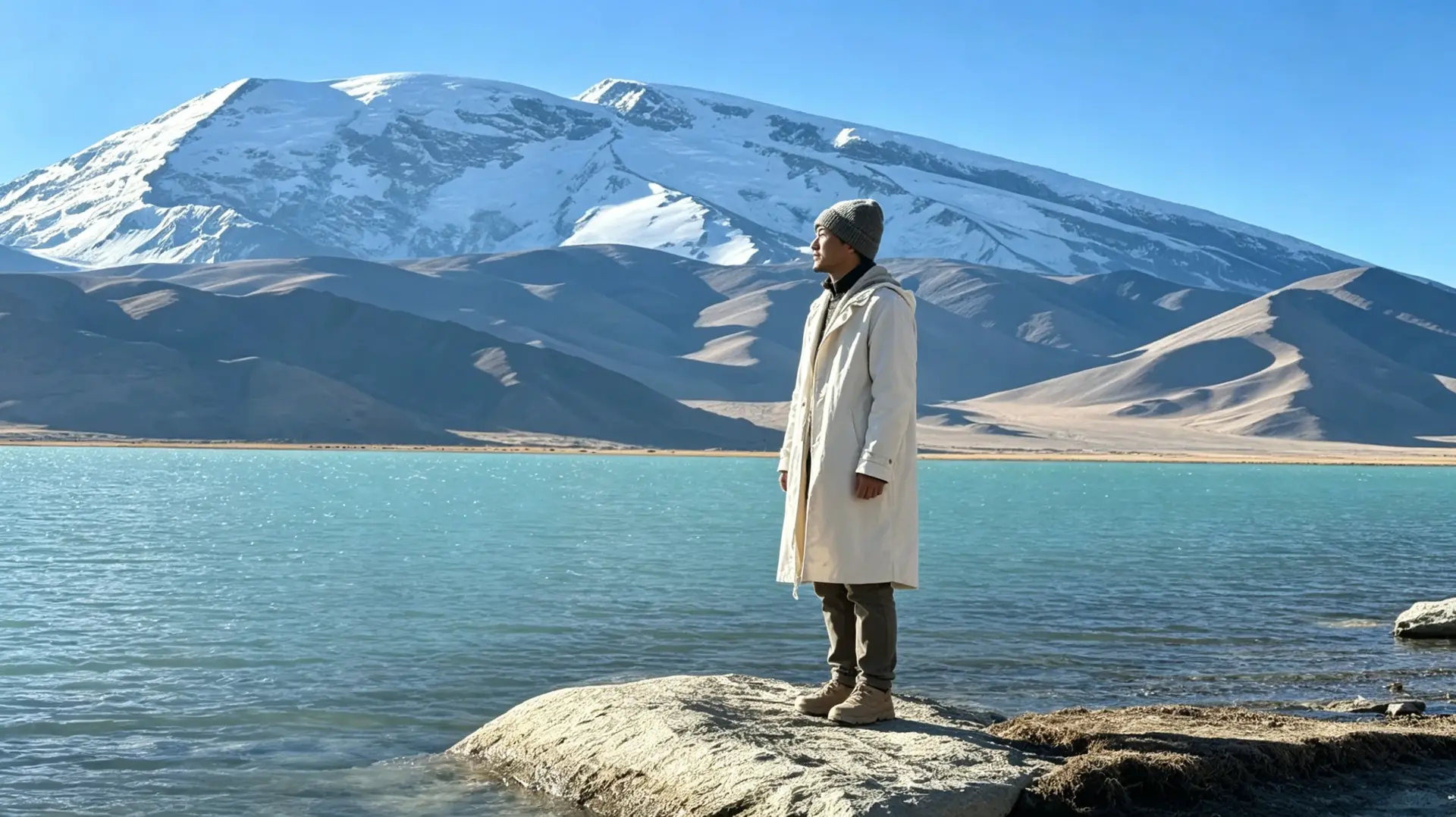
Toward the Pamirs
Do not plan by map distance alone. Weather, altitude, checkpoints, road conditions, and border-area rules matter more than the number of kilometers.
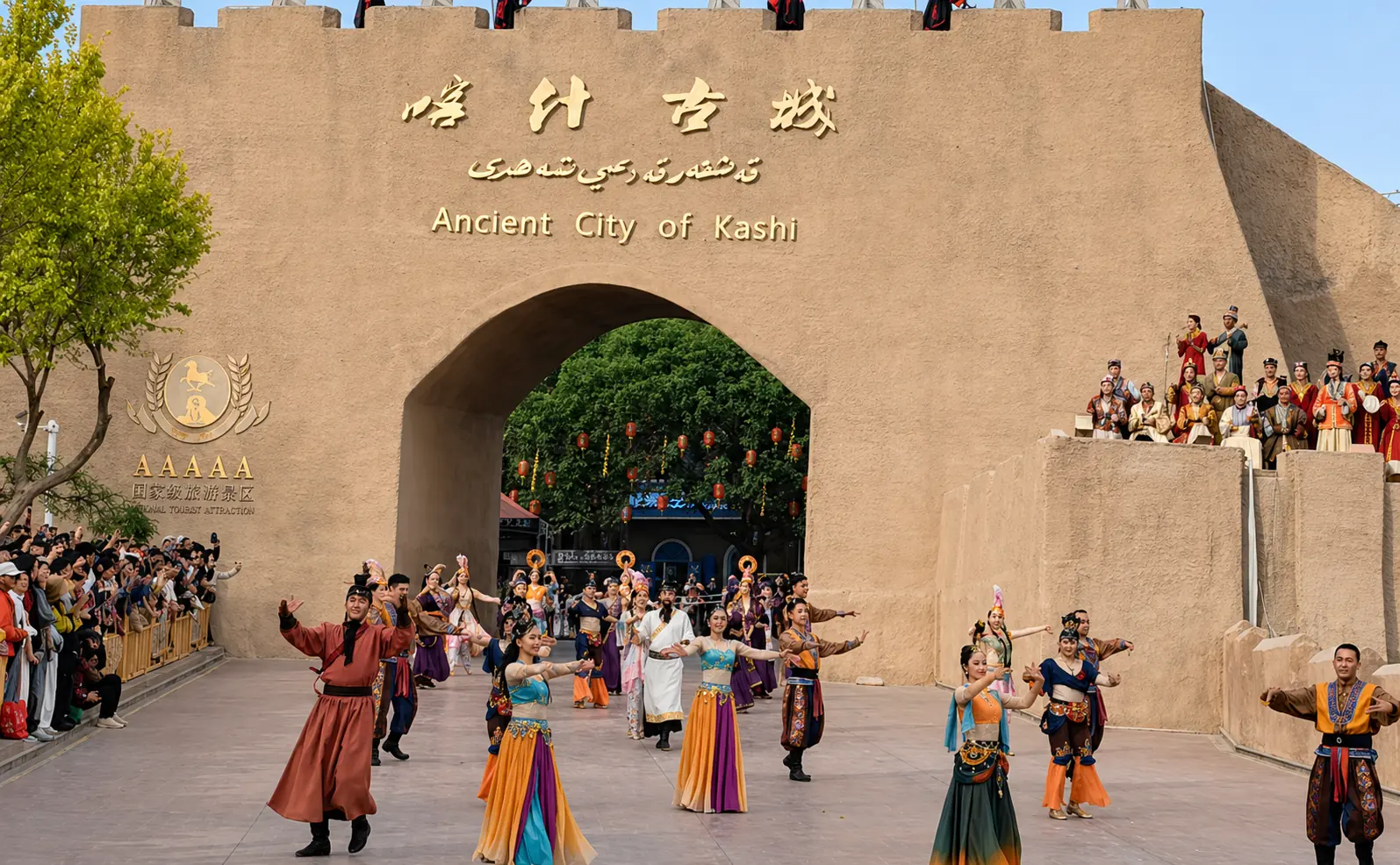
Arrival Day
Keep the first evening light: hotel check-in, one meal, and maybe a short old-city or night-market walk. Save major market or Pamir plans for a steadier day.
Common Kashgar Mistakes to Avoid
- Expecting an untouched Old City. Visit Kashgar as a living, restored, commercial, and residential place, not a frozen medieval set.
- Mixing up the bazaars. Khan Bazaar is for night food, Grand Bazaar is for market scale and shopping, and Livestock Market is a working animal market.
- Forcing Sunday Livestock Market into any date. It is most associated with Sunday morning, and same-week confirmation matters.
- Photographing people too aggressively. Ask first, especially in tea rooms, markets, religious spaces, and residential lanes.
- Leaving your passport in the hotel. A phone photo may help in small moments, but it is not a safe replacement for the original document.
- Treating the Pamir route as a city half day. White Sand Lake, Karakul, and Tashkurgan require real time, weather awareness, and physical energy.
What to Save for Later
Kashgar is a good place to leave unfinished. That is not failure; it is how southern Xinjiang works.
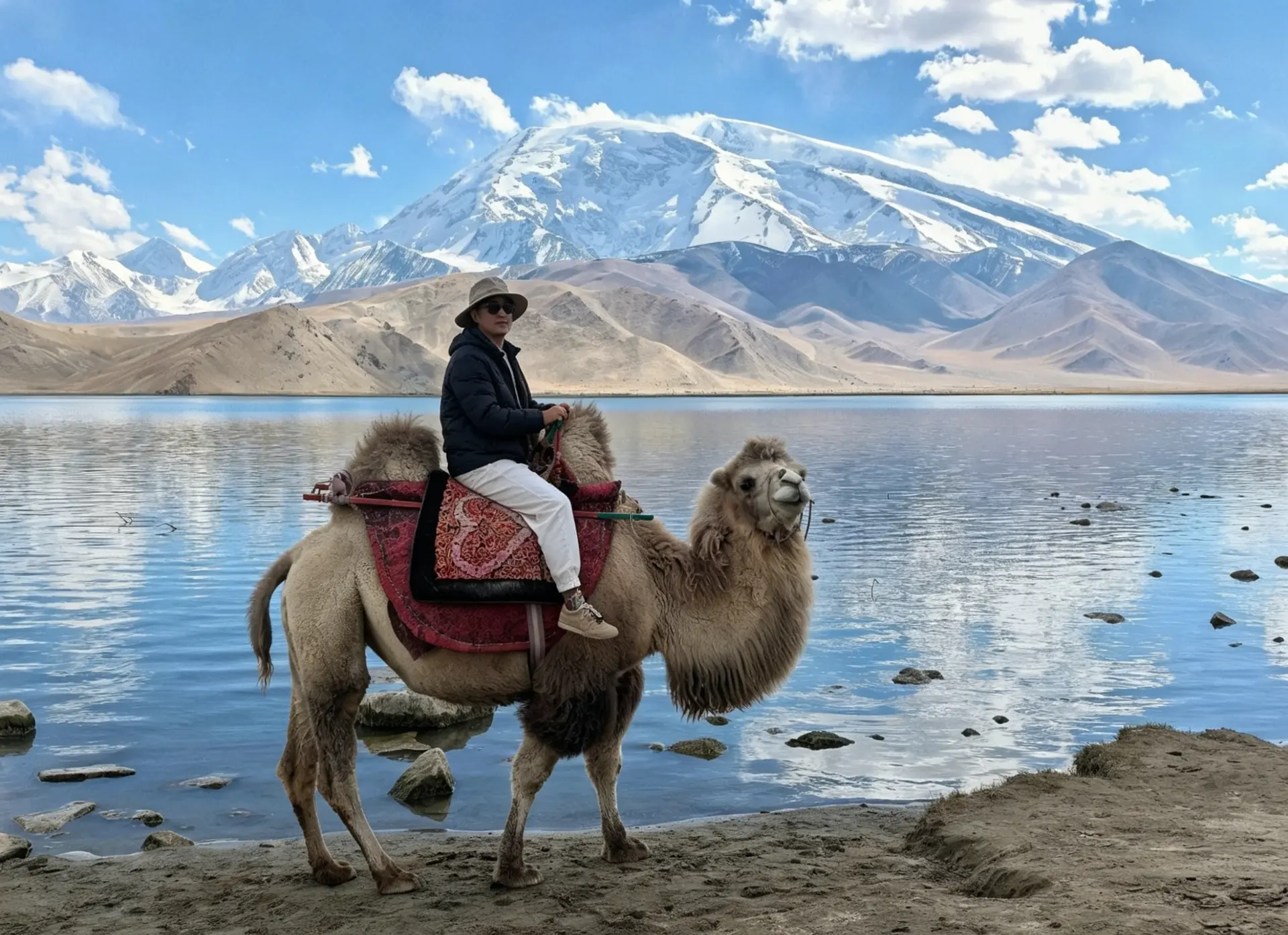
A Full Pamir Route
Save for later unless: you have a real long-drive window.
Save Karakul Lake, Tashkurgan, Stone City, Golden Grassland, and deeper border-road planning for a route with enough time. Read the Karakul Lake guide before committing.
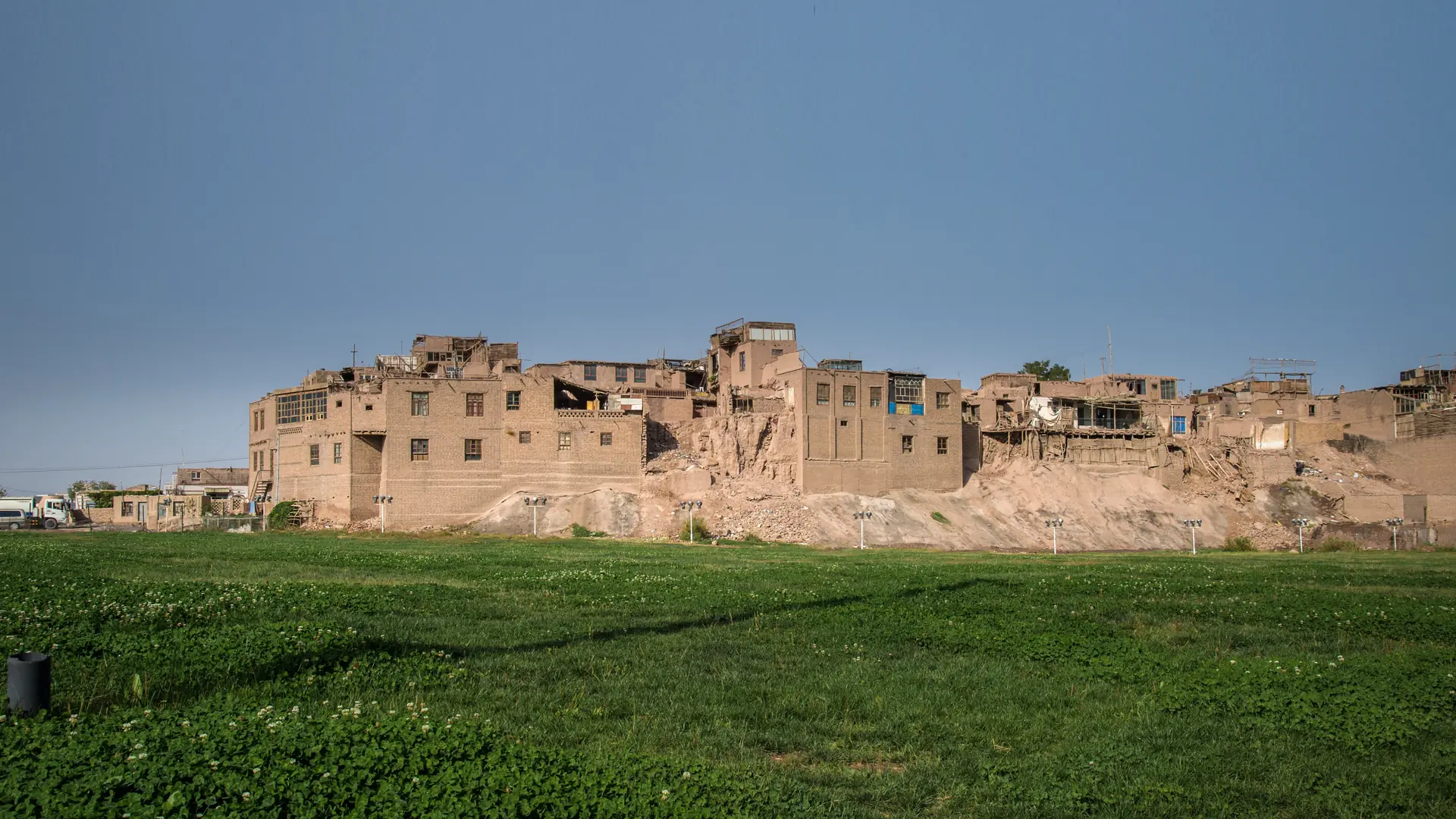
A Deeper Old City Walk
Save for later unless: the Old City is your main reason for coming.
If you decide the Old City deserves most of your time, switch from this overview to the Kashgar Old City guide. It handles lanes, highlights, food, and route depth better than a city overview can.
A Serious Bazaar Day
Save for later unless: markets, food, and shopping are central to your trip.
If buying, bargaining, market sections, snacks, and Sunday Livestock Market are central to your trip, use the Kashgar Grand Bazaar guide after this page.
Where to Stay for These Sights
Think less about hotel labels and more about what each base makes easy. Kashgar is smaller than Beijing or Shanghai, but the difference between sleeping inside the Old City, beside the night market, or farther out in a modern hotel still changes your evenings.
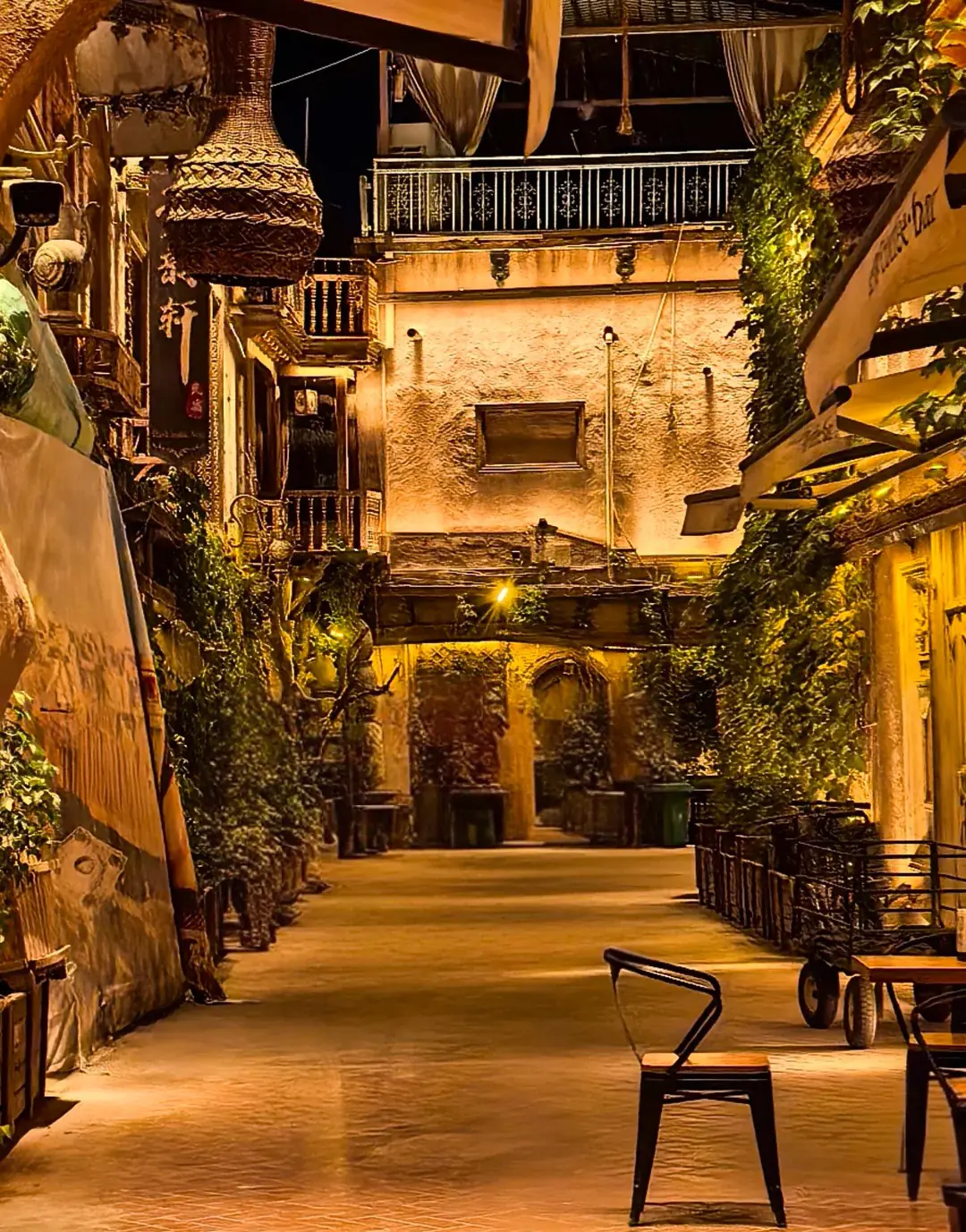
Old City or Id Kah
Best for: first-timers who want to step straight into the lanes.
Choose this zone if Old City walks, teahouses, Id Kah Mosque, and easy evening wandering matter more than large-room comfort.
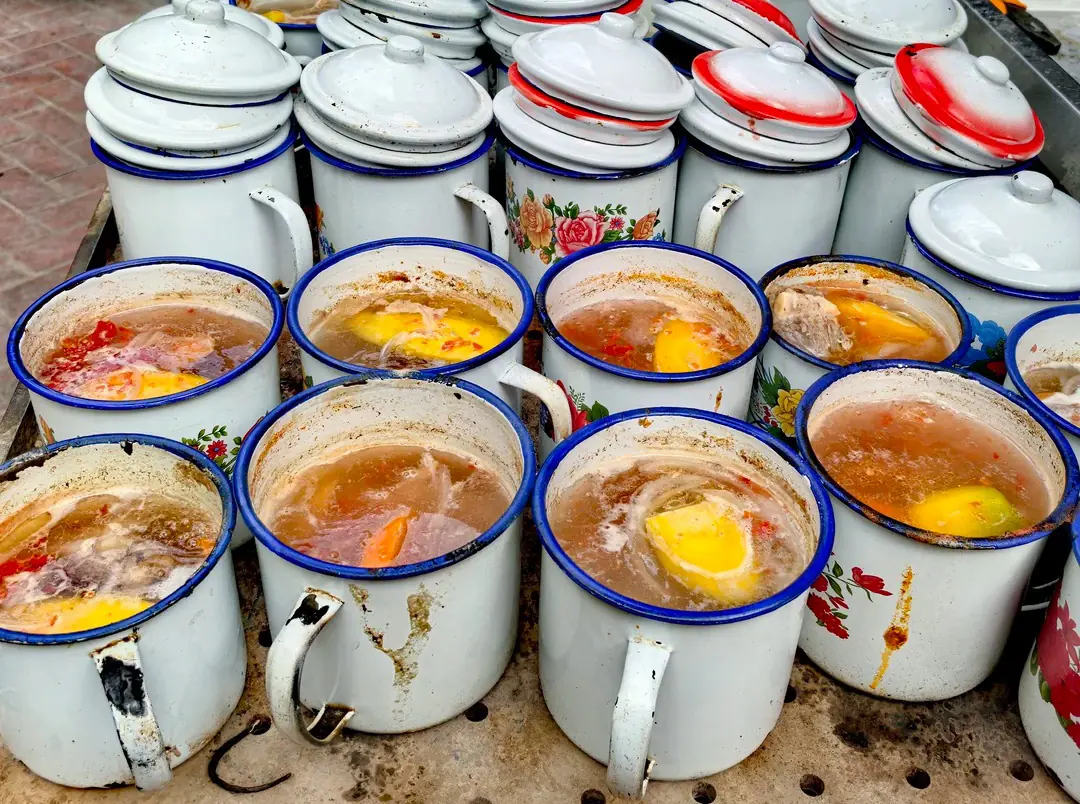
Khan Bazaar Side
Best for: food-focused travelers and late-evening energy.
This base keeps night food easy and still leaves you close to the Old City. Check room noise carefully if your hotel is close to busy food streets.
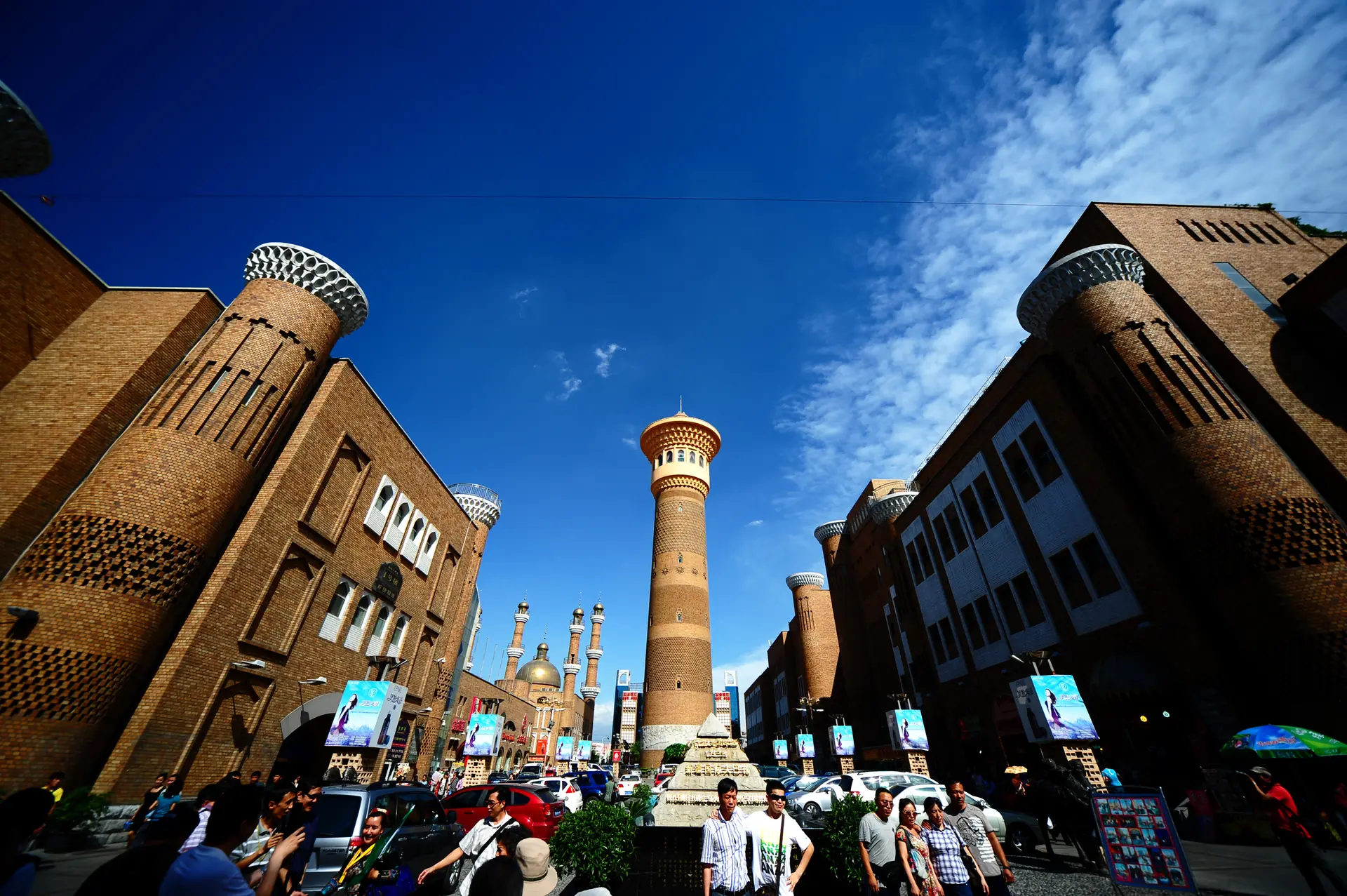
Modern Hotel Base
Best for: families, older travelers, and people who want easier taxi access.
Choose a modern hotel just outside the densest lanes if you care about elevators, larger rooms, breakfast, quieter nights, and smoother airport or station transfers.
Frequently Asked Questions
Yes, if you want old-city lanes, bazaars, teahouses, food, and access to the Pamir road. Urumqi is easier for first logistics; Kashgar is stronger for southern Xinjiang atmosphere.
Sources Checked
Sources checked for this guide
- Official Xinjiang culture and tourism page describing Kashgar Old City Scenic Area as a national 5A scenic area, with area and resident-count details: Xinjiang Department of Culture and Tourism
- UNESCO Silk Roads Programme background on Kashghar as a Silk Road hub where northern and southern routes crossed: UNESCO Silk Roads Programme
- China Daily caption identifying Id Kah Mosque in Kashgar as built in 1442 and one of the largest mosques in China: China Daily
- Tianshannet report on Khan Bazaar Night Market on Ouerdaxike Road and its 2023 renovation and night-economy role: Tianshannet
- External travel reference for the Grand Bazaar name, Central and West Asia International Trade Market framing, and visitor-market context: Top China Travel
- National Immigration Administration English text of the Exit and Entry Administration Law, including Article 38 passport-carry requirement: National Immigration Administration
- Karakul Lake travel background on Pamir scenery, altitude context, and seasonal considerations, used cautiously for extension framing: XinjiangTravel.org
Beyond This Guide
This page helps you choose the shape of a first Kashgar trip. Once you know your focus, continue with the Kashgar Old City guide, Kashgar Grand Bazaar guide, Kashgar gate ceremony and Muqam guide, and Karakul Lake and Pamir guide.
For the wider Xinjiang route, compare Kashgar with Urumqi before deciding whether your first Xinjiang trip should start with museum-and-food orientation, old-city bazaars, or a longer southern Xinjiang road plan.
© gochinafreely.com — Original guide by Go China Freely.