Visit Basics
Buy at the gate, no reservation usually needed · typical visit 3-5 hr · full traverse 4-5 hr
Decision Notes
Jinshanling Great Wall: Wild Ridge
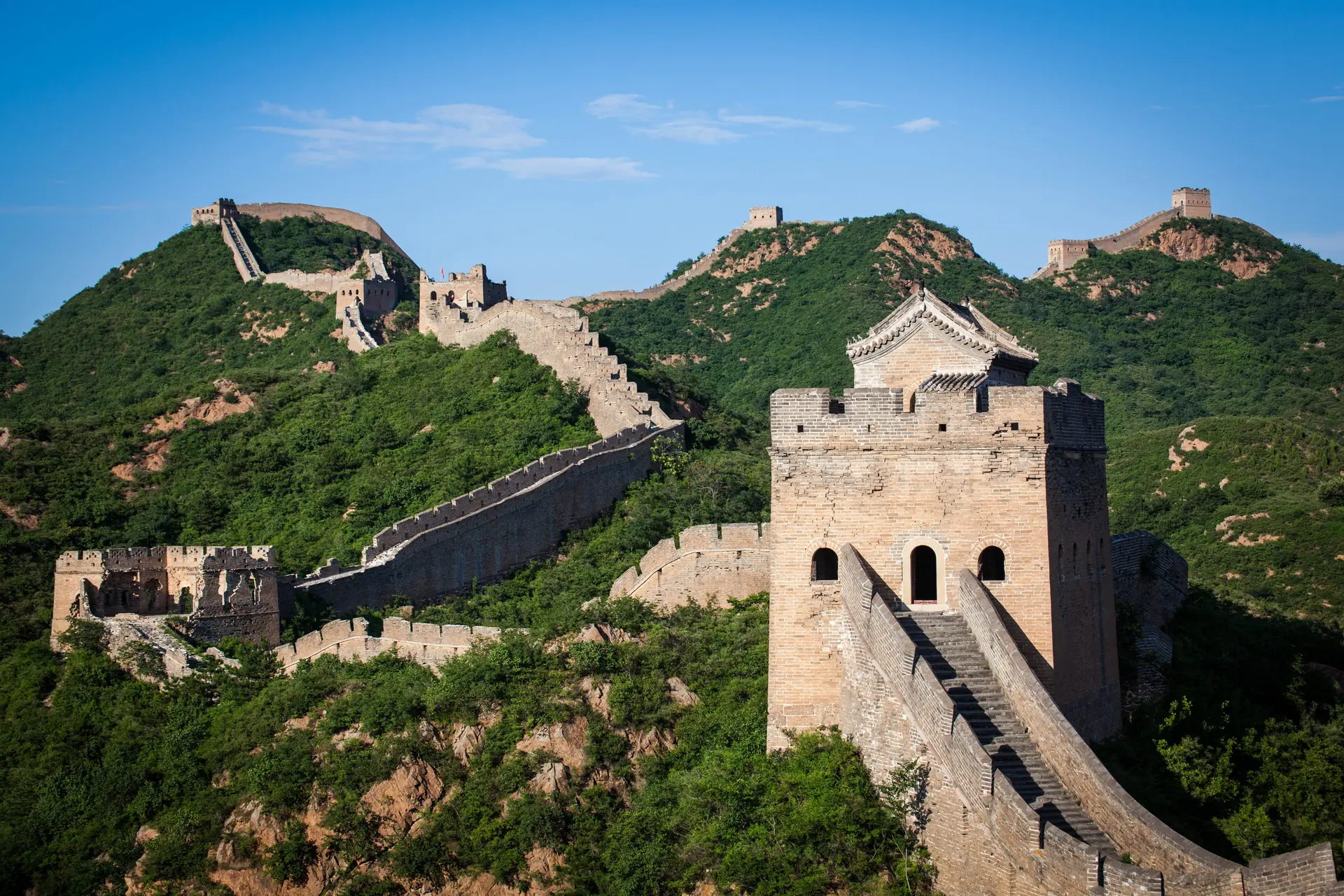
Jinshanling (金山岭) packs 67 watchtowers into 10.5 kilometers of ridgeline — the highest tower density near Beijing. Half is restored, half crumbling wild; that split is why photographers and serious hikers choose it over the easier Beijing wall sections.
Dawn cloud seas, autumn leaves against ancient brick, and long empty stretches are the promise here. Compared with Mutianyu, it asks more effort but gives far better ridge drama. The tradeoff is logistics: Jinshanling sits in Hebei, about 130 km from central Beijing, with no metro or rail link to the wall.
67
Watchtowers
10.5 km
Mountain ridge
Half wild
Restored-to-ruin texture
130 km
From central Beijing
Choose Your Hiking Route
Jinshanling's 67 watchtowers run along an east-west ridgeline. Pick the route before you choose transport, because the easy loop, Gubeikou traverse, and wild west section finish in different places.
Route 1: East Section Loop
The route most visitors take — walking along well-restored wall with views of wild sections across the valley.
Route 1 profile
East Section Loop 东段环线
Who should choose it
First-time Jinshanling hikers who want classic restored-wall scenery without committing to the full wild traverse.
Effort and turnaround
Fitness level 3 out of 5. The steps are well-restored but steeper than Mutianyu; Black Tower is the practical turnaround point, and trekking poles help on descents.
Tower highlights
General's Tower (将军楼) is one of the best-preserved towers at Jinshanling, with an interior you can walk through. Flower Tower (花楼) is named for its carved brick reliefs — an architectural detail unique to Jinshanling among Beijing-area wall sections.
- East Gate(东门)- Main entrance
- Wangjing Tower(望京楼)- Highest point, 986m
- General’s Tower(将军楼)- Best-preserved interior
- Flower Tower(花楼)- Unique carved brick reliefs
- Black Tower(黑楼)- Turnaround point
- Return to East Gate(东门)- Same route back
Route 2: Jinshanling to Gubeikou Traverse
The most famous Great Wall hike near Beijing walks west from Jinshanling to Gubeikou (古北口) (Google | Amap), covering about 11 km and passing 24 watchtowers. The wall transitions from restored to fully wild.

Route 2 profile
Jinshanling to Gubeikou Traverse 金山岭至古北口
Who should choose it
Strong hikers who want the famous 11 km restored-to-wild route and are comfortable finishing in a different place from where they started.
Effort and gear
Fitness level 4 out of 5. The first half is relaxed, but the second half demands real hiking fitness; wear proper boots and bring gloves for loose stone and scrambling.
Military restricted zone
Where Jinshanling meets Gubeikou, there is a military area. Enforcement varies — sometimes you can pass by showing your passport, sometimes you must detour via a mountain path, which adds about 30 minutes. Ask Jinshanling gate staff about the day's status before setting out.
Finishing transport
From Gubeikou, taxi to Gubei Water Town, about 15 minutes, or directly back to Beijing.
- Jinshanling East Gate(金山岭东门)- Start point
- Restored Section(修缮段)- ~2 hours, easy walking
- Military Restricted Zone(军事限制区)- May need passport or detour
- Gubeikou Wild Wall(古北口野长城)- Loose stone, hands-and-knees scrambling
- Gubeikou Exit(古北口出口)- Taxi to Gubei Water Town or Beijing
Route 3: West Section Wild Wall
Starting from the West Gate, this explores the semi-restored to unrestored sections heading further west. Very few visitors take this route.
Route 3 profile
West Section Wild Wall 西段野长城
Who should choose it
Experienced hikers and photographers seeking solitude.
Effort and terrain
Fitness level 5 out of 5; some stretches have no formal trail, so expect bushwhacking and loose footing.
Access check
Beijing's 2026 wild wall restrictions and electronic fencing may affect access; ask gate staff first.
Sunrise, Clouds & Photo Strategy
Jinshanling is the only Beijing-area wall section where spending a night for the dawn is genuinely worth it. The main gate opens early enough for sunrise access in peak season, while nearby guesthouses make the 4:00 AM start realistic.
Best Sunrise Positions
Wangjing Tower rooftop
Highest point, 360° views — sunrise to the east, curving wall to the west.
Arrive 30 min before sunrise
General's Tower to Flower Tower
Classic composition — morning light illuminating a row of watchtower faces.
Arrive 20 min before sunrise
Above the East Gate entrance
Overlooks the full arc of the restored section.
Arrive 15 min before sunrise
Choose a guesthouse within 10 minutes' walk of the main gate. When booking, mention that you want to photograph sunrise; some hosts know the current early-entry routine and can help you avoid a 4:00 AM transport scramble.
When Cloud Seas Happen
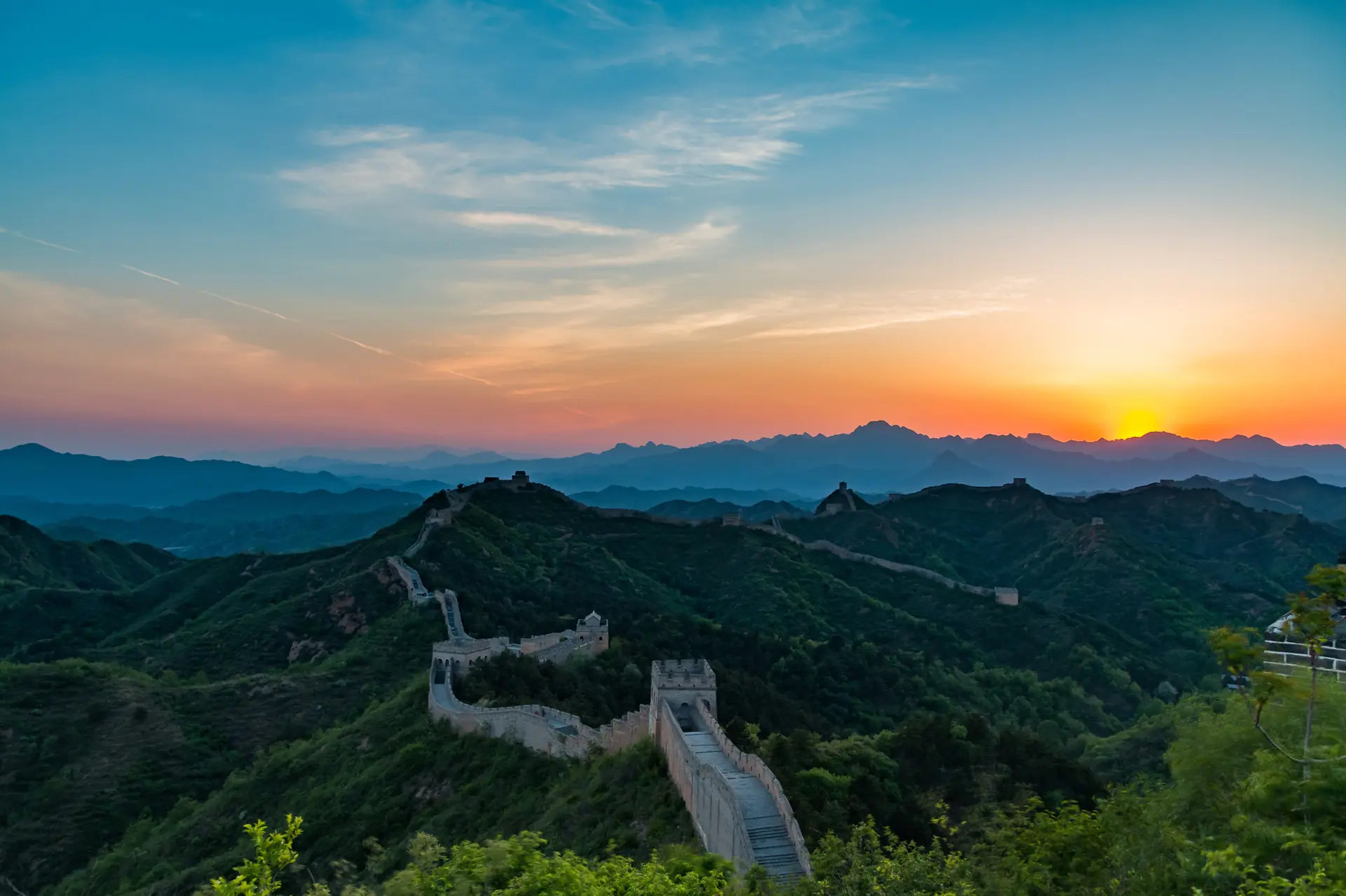
The sea of clouds (云海) is Jinshanling's signature spectacle — but it doesn't happen every morning. Best season: autumn and winter (October–February), triggered by fog or rain the previous day, a large overnight temperature drop, and calm morning winds. Probability is roughly 30–40% on autumn/winter mornings when conditions are met. Even without the cloud inversion, dawn light on Jinshanling's ancient brickwork is dramatically better than at any other section.
Tickets, Gates & Cable Car
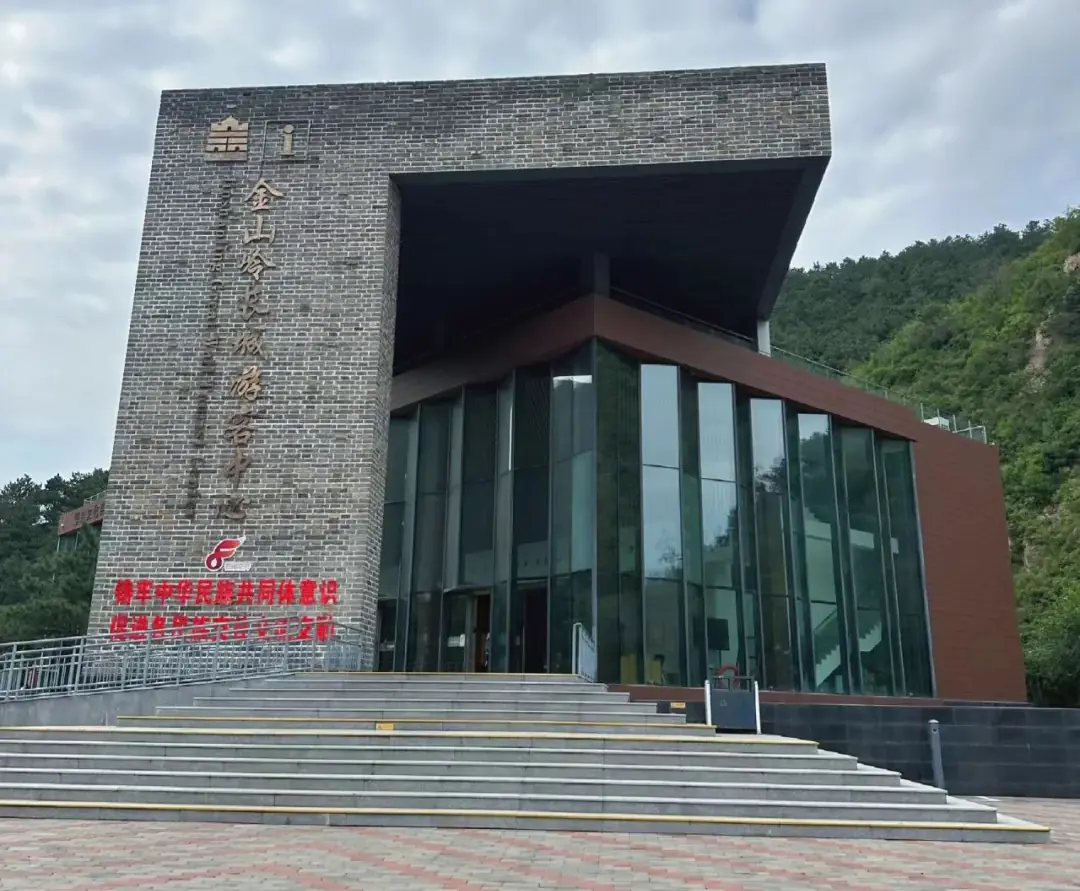
Tickets are usually simpler than Beijing's major museum tickets: you can buy at the gate, and advance reservation is not normally required. The details that matter are gate choice, seasonal hours, and whether the cable car is running.
- Cost
- ¥65
- Cost
- ¥55
- Cost
- ¥32.5
- Cost
- Often free with valid ID
- Cost
- One-way ¥40 / round-trip ¥60 to Small Jinshan Tower
Gate choice
Peak-season early access starts here. Use it if you are staying nearby for dawn.
Opens later, but lines up naturally with the classic east-section loop and cable car.
Use only if you understand the west-section route and current access restrictions.
Verify Same-Week Hours
Published hours vary by season and by ticket platform. In peak season, plan around main-gate access from about 4:00 AM and East Gate access from 8:30 AM, but verify the latest notice or call the scenic area before a sunrise or winter visit.
Getting There & Return Transport
Jinshanling sits in Luanping County, Hebei Province — about 130 km northeast of central Beijing. There's no bullet train or subway connection, and transport options are more limited than Mutianyu or Badaling.
← swipe to compare all options →
Tourist coach
Budget bus
- ✓Best for budget travelers with a flexible schedule
- —Weekends and holidays only
- —Confirm same-week departures before relying on it
¥50-80 return
Near Wangjing West Metro Station
~2.5 hours
Taxi / DiDi
Direct city transfer
- ✓Best when time matters and the fare is split with a group
- —Arrange the return before you start hiking
- ✗DiDi is scarce near the scenic area
¥400-500 one way
Beijing city center direct
2-2.5 hours
Chartered car
Driver waits
- ✓Best for sunrise photography and no return-transport worries
- ✓Useful for the Gubeikou finish or overnight timing
- —Costs more, but reduces last-mile risk
¥800-1,200 full day
City center pickup
Flexible timing
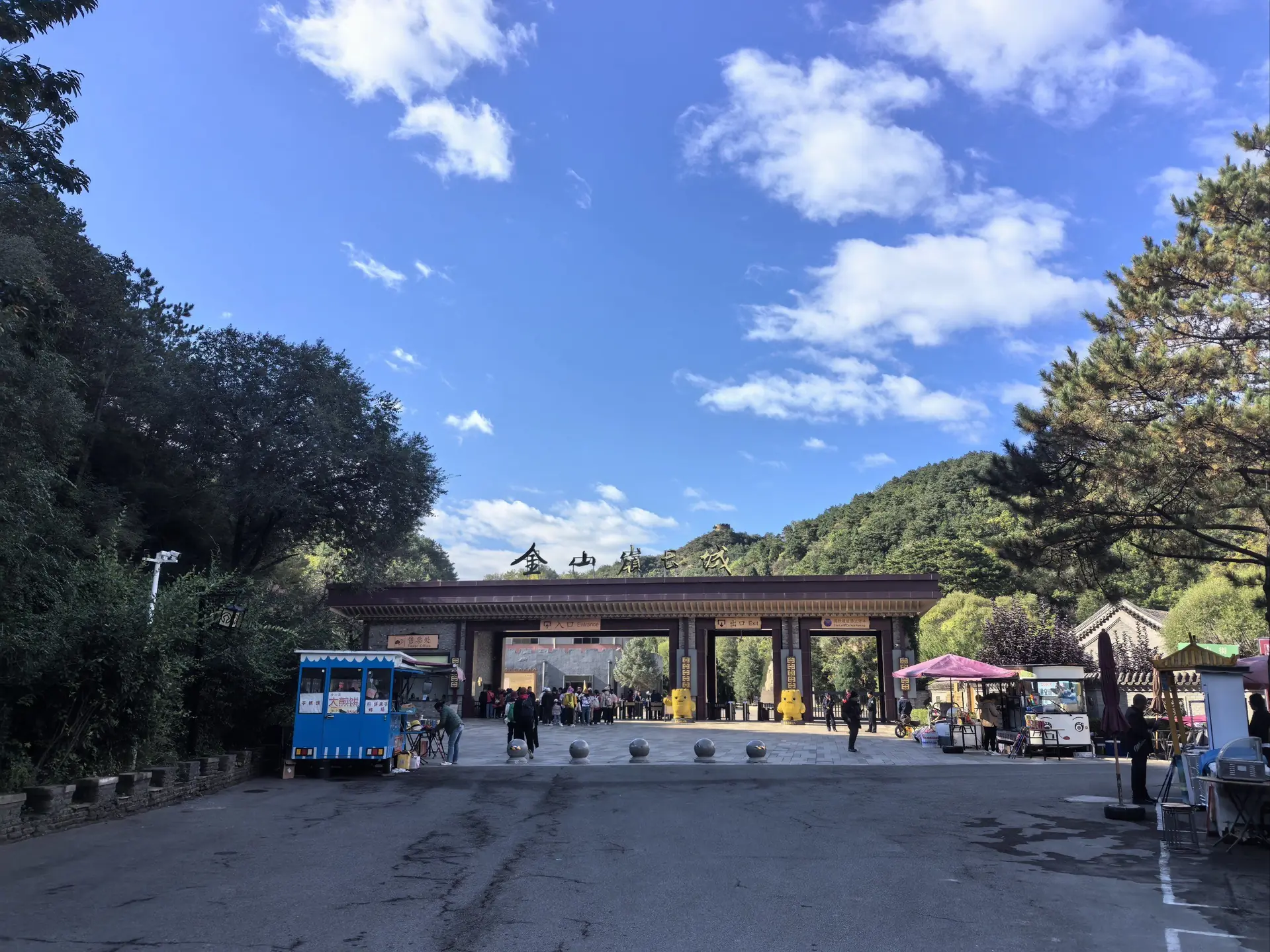
Parking-lot approach
The scenic area entrance is a 5-minute walk from the parking lot.
Crowd timing
Arrive early on autumn weekends and holiday periods; weekday crowds are usually much lighter.
Return transport warning
Jinshanling is not like Mutianyu — DiDi drivers near the scenic area are extremely rare. If you arrive by taxi, arrange for the driver to wait, negotiate an extra fee, or pre-book a return time.
The tourist coach typically departs around 3:30-4:00 PM; miss it and you may need to charter a car back.
Gubeikou finish
After the Jinshanling-Gubeikou traverse, a 15-minute taxi takes you to Gubei Water Town (古北水镇) (Google | Amap) for hot springs, restaurants, accommodation, and the Simatai night wall experience.
It makes an excellent two-day Great Wall weekend if you do not want to return to Beijing the same night.
Staying Overnight & Camping
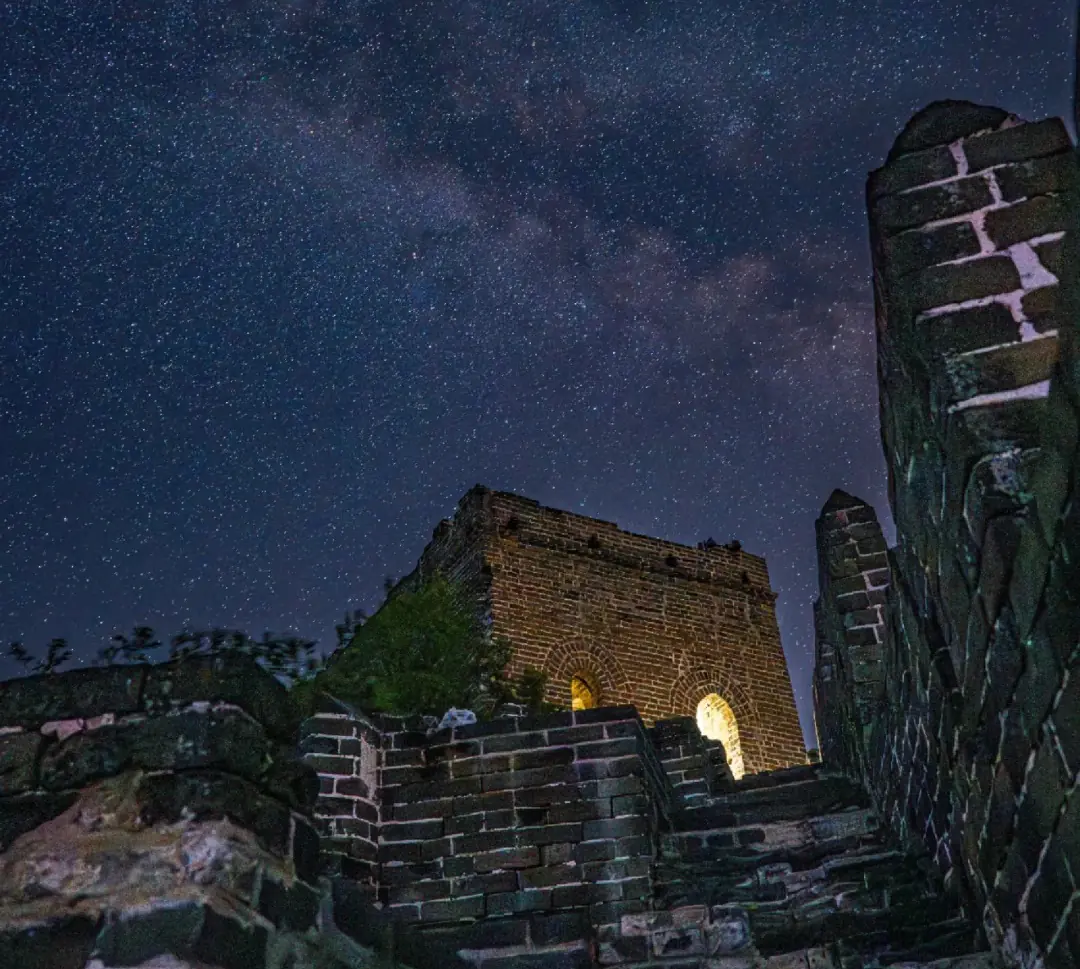
A dozen or so guesthouses and farmstays cluster around the scenic area, ranging from ¥100 to ¥400 per night. Choose one within 10 minutes' walk of the main gate if sunrise is the point of the trip.
Jinshanling is also one of the few places near Beijing where camping on or near the Great Wall is sometimes possible. This is not an official campsite; it is more of an informal tolerance, and patrol staff may still ask campers to leave.
← swipe to compare all options →
On the Wall
Watchtower Camping
- ✓Stargazing + sunrise from the wall itself
- ✗No water source, no toilets
- ✗Below 0°C in autumn/winter nights
- —Patrol staff may ask you to leave
Free (informal)
Experienced campers only
No facilities
Nearby Guesthouses
Farmstay Accommodation
- ✓Warm bed, hot water, proper facilities
- ✓Hosts help with sunrise logistics
- ✓10-minute walk to main gate at 4:00 AM
- —Quality ranges from rustic to comfortable
¥100–400/night
Safer option
Walk in at 4:00 AM for sunrise
Best Seasons to Visit Jinshanling
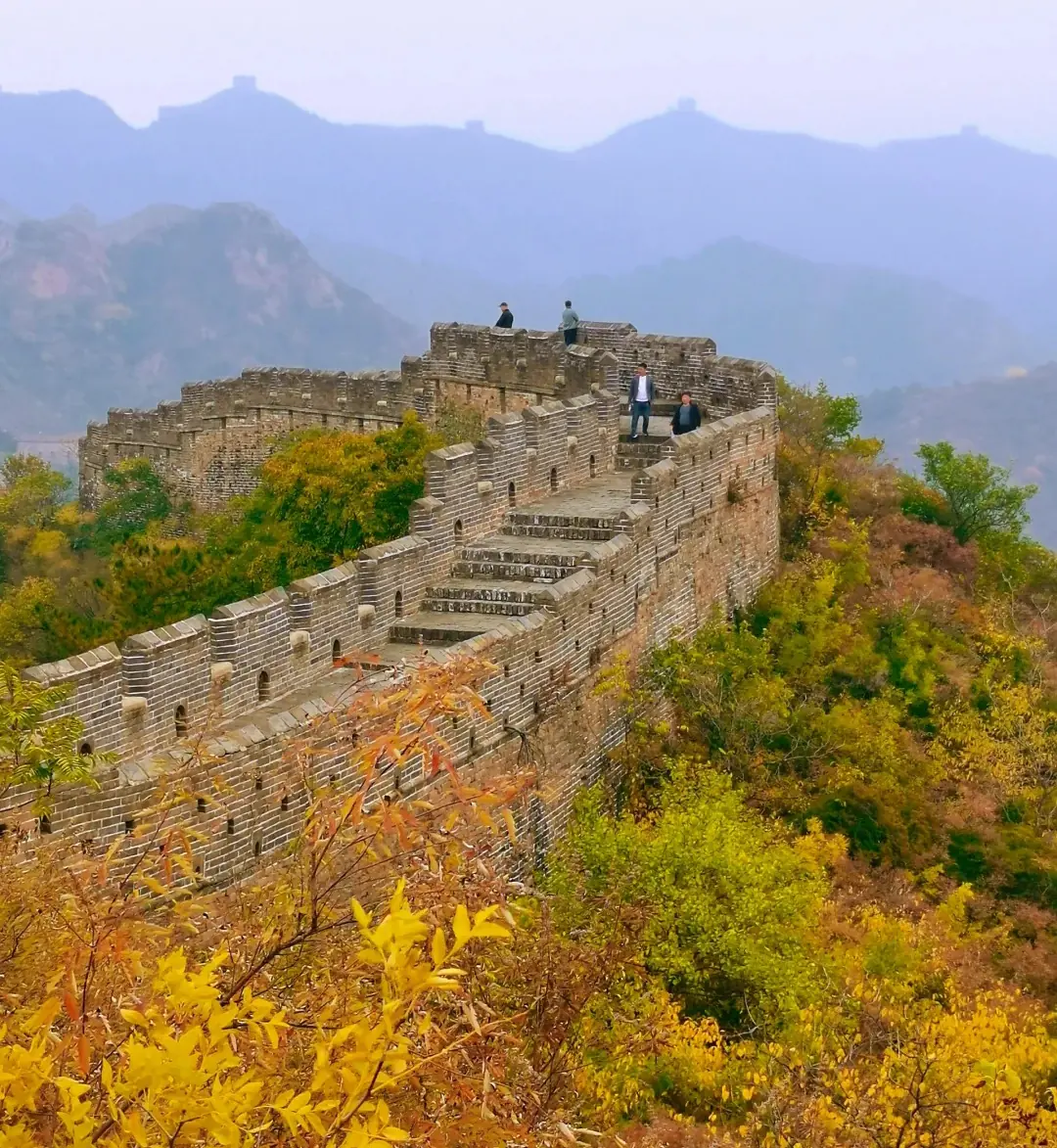
Signature season
Autumn brings red leaves, high visibility, cooler hiking temperatures, and the best chance of cloud inversions after rain or fog.
Soft second choice
Spring is the softer second choice, especially around apricot blossom season.
Photo logic
Choose the season by visibility, temperature, and whether you are chasing sunrise or snow.
Autumn (Sep-Nov)
Photography ★★★★★
The best — red foliage, high visibility, cloud sea probability highest, comfortable 5–20°C.
Spring (Apr-May)
Photography ★★★★☆
Apricot blossoms, especially spectacular mid-April, green hills, comfortable weather.
Summer (Jun-Aug)
Photography ★★★☆☆
Hot and humid, lush green, thunderstorm risk, mosquitoes.
Winter (Dec-Feb)
Photography ★★★★★
Stunning snow scenes, almost no visitors, but brutally cold below -15°C; some trails icy and dangerous. Comfort rating: ★★☆☆☆.
Apricot Blossom & Wall Marathon
Jinshanling hosts a Great Wall Marathon each year around mid-April, when the apricot trees along the wall are in full bloom. Running along the Great Wall through a tunnel of white blossoms is a genuinely unique experience — check the official Jinshanling website for exact dates if you're visiting in April.
Safety & Practical Tips
🥾Footwear & footing
Hiking boots are essential. Even the restored section has steeper, more irregular steps than Mutianyu, and descents can be slippery after rain.
💧Water & food
Bring at least 2 liters of water and enough food for the day. There is one basic shop near the East Gate but nothing reliable on the wall itself.
📶Cell signal
Signal is passable on the restored section with China Mobile, but drops toward Gubeikou and on wild wall stretches.
🧭Local guides
For the Gubeikou traverse, a local guide at around ¥200-400 per day is worth considering, especially for the military-zone detour.
Winter Closures
In December-February, the scenic area may close sections without notice due to snow or ice. Call ahead if your trip depends on the Gubeikou traverse, the west section, or dawn access.
Jinshanling Great Wall FAQ
No. Buy directly at the gate — ¥65 in peak season (April–October), ¥55 off-peak. No reservation needed even on holidays.
Sources checked for this guide
- Visit Beijing official attraction profile: Jinshanling profile, admission, and basic hours
- Jinshanling ticketing page: ticket prices and visitor rules
- Trip.com live attraction listing: current opening-hour cross-check
- Wild Great Wall route update: route and cable car notes
Beyond This Guide
Before you choose your Great Wall day:
- Jinshanling-Simatai day trip from Beijing — turn the wall into a complete route
- Mutianyu Great Wall guide — choose the easier family-friendly wall if transport matters more than hiking
- China City Transport — sort ride-hailing, taxi, and pickup logistics before a long wall day
- Peking duck in Beijing — plan a proper dinner after a long hiking day
© gochinafreely.com — Original guide by Go China Freely.